Why Spiders Matter and When They Become a Problem

Spiders are often the unsung heroes of a healthy yard and home. In the United States, the most common household species—such as the American house spider, cellar spider, brown recluse, and black widow—play a vital role in keeping other pests in check, which is why spider control cost Cumming homeowners consider often depends on whether spiders remain beneficial or become a nuisance. A single spider can eat dozens of flies, mosquitoes, and even other spiders each day, reducing the need for chemical sprays and helping maintain a natural balance.
Ecological Role of Common House Spiders
House spiders (Parasteatoda tepidariorum) spin messy, irregular webs in corners and basements, catching stray insects that drift in on breezes. Cellar spiders (Pholcidae) are the long‑legged “daddy‑long‑legs” you may see hanging from ceiling corners; they are opportunistic hunters that actively chase down prey. While the brown recluse (Loxosceles reclusa) and black widow (Latrodectus mactans) have a reputation for danger, bites from these species are rare and usually occur only when the spider feels threatened.
These predators are beneficial as long as they stay in their natural limits—quietly working in hidden corners without making their presence a nuisance.
When the Balance Tips: From Harmless to Harmful
The line between a harmless resident and an infestation that threatens comfort, health, or property can be subtle. Homeowners should start paying attention when any of the following warning signs appear:
- Large, conspicuous webs covering walkways, doorways, or light fixtures.
- Frequent sightings of live spiders in high‑traffic areas such as kitchens, bathrooms, and bedrooms.
- Reports of spider bites, especially if accompanied by redness, swelling, or lingering pain.
- Evidence of spider activity in stored items—silk on clothing, paper, or pantry goods.
- Visible clusters of egg sacs, which indicate a breeding population is establishing itself.
When these indicators become regular, the spider population is no longer just a natural ally; it’s an emerging problem that can affect your peace of mind and, in the case of venomous species, your health.
Why Early Detection Matters
Spotting the shift early gives you a critical advantage. Small colonies are far easier—and less expensive—to manage than a full‑blown infestation that has spread throughout walls, attics, and crawl spaces. Early intervention also reduces the likelihood of bites and prevents damage to stored items that can become tangled in webs or stained by spider silk.
The Professional Edge: What a Qualified Technician Looks For
At Anthem Pest Control, our trained technicians start every assessment with a thorough inspection of both the exterior and interior of your home. They check for:
- Potential entry points such as cracks, gaps around windows, and damaged siding.
- Moisture‑prone areas that attract spiders seeking shelter.
- Existing web structures and egg sacs to gauge the size of the colony.
- Signs of other insects that may be supporting a larger spider population.
This comprehensive approach ensures we address the root cause—not just the visible spiders—so you receive a lasting solution rather than a temporary fix.
Understanding why spiders matter and recognizing the early signs of a problem empowers you to protect your home before a minor nuisance becomes a serious concern. When in doubt, a quick call to a local expert can save you time, money, and unwanted encounters.
Spotting Spider Activity in Your Home
Before you call a professional, a quick walk‑through can reveal whether spiders are merely passing through or setting up a permanent residence. By systematically checking the places they love, you’ll know exactly what you’re dealing with and can give your exterminator a clear picture of the problem.
Checklist for an Indoor Inspection
- Ceiling corners and high‑up walls: Many species spin webs near the top of rooms to catch flying insects.
- Basements and crawl spaces: Cool, damp environments are perfect for funnel‑web builders and cellar spiders.
- Closets and storage boxes: Undisturbed corners become ideal hiding spots for brown‑recluse and wolf spiders.
- Garages and utility rooms: Look behind boxes, on shelving, and around HVAC units where insects congregate.
- Under furniture and behind appliances: Spiders often retreat where they’re least likely to be disturbed.
Reading the Web: Types and What They Mean
Not all webs are created equal. Recognizing the shape and placement of a web can point you toward the species lurking nearby:
- Tangled cobwebs: Irregular, messy strands usually indicate house spiders or cellar spiders that hunt opportunistically.
- Sheet webs: Flat, horizontal sheets with a tangle of threads above are the hallmark of grass‑type spiders that prefer low‑light corners.
- Funnel webs: A dense, sheet‑like base that tapers into a narrow tube—often found in basements or behind wall voids—signals funnel‑weaving spiders, which can be larger and more aggressive.
Common Outdoor Hotspots
Spiders start their hunt outside before venturing indoors. Scan these exterior zones during your inspection:
- Doorways and entryway thresholds
- Window frames, especially where screens are torn
- Foundation cracks and gaps around siding
- Mulch piles, garden beds, and stone pathways that retain moisture
Tools That Make the Job Easier
A flashlight and a small magnifying glass are all you need to get a closer look without disturbing the critters. Shine the light at an angle to reveal the silk’s pattern, then use the magnifier to spot distinctive markings on the spider’s abdomen or the tiny, pear‑shaped egg sacs that many species leave behind.
Documenting What You Find
When you locate webs, egg sacs, or live spiders, take a quick photo and jot down the location (e.g., “second‑floor bedroom, ceiling corner”). This record helps a pest‑control professional confirm the species, estimate infestation size, and recommend the most effective treatment plan. Digital notes are fine—just keep them organized by room.
Safety First: Handling Potentially Venomous Spiders
- Never pick up a spider with bare hands; use a thick piece of cardboard or a disposable glove to coax it into a container.
- Wear gloves and long sleeves when moving boxes or cleaning storage areas where spiders may hide.
- If you suspect a brown‑recluse or black‑widow, avoid direct contact entirely and call Anthem Pest Control for professional removal.

By following this step‑by‑step inspection routine, you’ll be able to spot spider activity early, communicate precise details to your pest‑control technician, and keep your home safe from unwanted eight‑legged guests.
Seasonal Patterns of Spider Presence
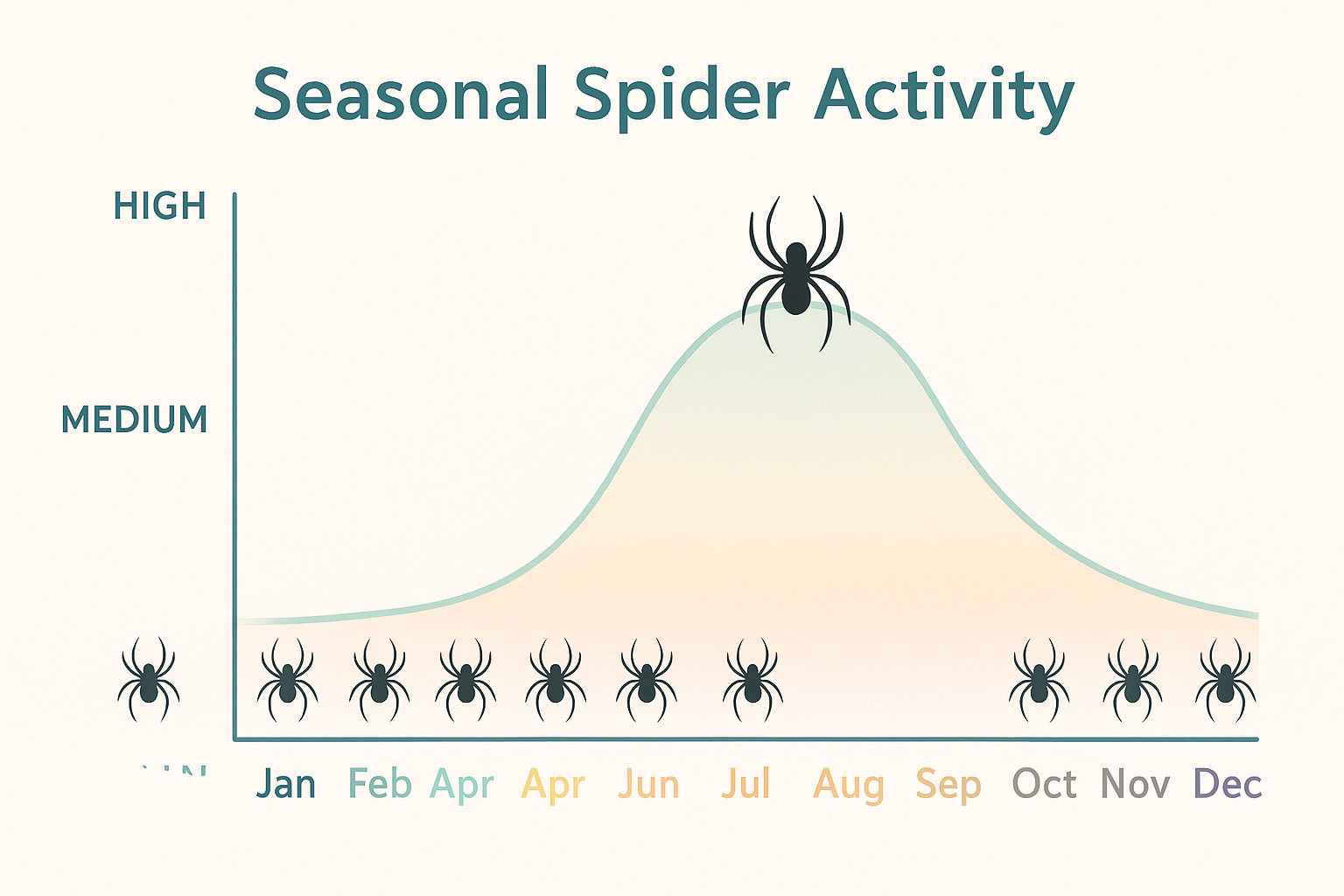
Spiders in Cumming follow a predictable life cycle that aligns closely with the region’s climate. Females lay egg sacs in late summer, each containing dozens of tiny embryos—a pattern that directly influences spider control cost Cumming homeowners may face if populations are allowed to grow unchecked. These sacs hatch in early fall, releasing spiderlings that disperse to find shelter. Most species reach adulthood by late winter or early spring, when they begin hunting for insects. The peak of adult activity typically occurs from August through October, when mating and web-building are at their busiest. Understanding these stages helps homeowners know when spiders are most likely to appear inside the house.
Month‑by‑Month Activity Overview
The chart below summarizes typical spider activity levels throughout the year in northern Georgia. It reflects the surge in hatchlings during September–October and the lull during the colder months.
| Month | Activity Level |
|---|---|
| January | Low |
| February | Low |
| March | Medium |
| April | Medium |
| May | Medium |
| June | High |
| July | High |
| August | High |
| September | High |
| October | High |
| November | Medium |
| December | Low |
Weather’s Role in Indoor vs. Outdoor Movement
Temperature, humidity, and rainfall dictate whether spiders stay outdoors or seek refuge inside. Warm, humid nights in summer encourage spiders to spin webs near exterior lights, where insects gather. A sudden cold snap or heavy rain pushes them into cracks, basements, and attics seeking stable conditions. Consistently high humidity in the fall also prolongs web‑building activity, increasing the chance of indoor sightings.
Regional Variations to Keep in Mind
While Cumming’s climate mirrors much of the southeastern United States, subtle north‑south differences matter. In more northern states, spiders may enter dormancy earlier, reducing fall activity. Conversely, deeper southern locations experience milder winters, allowing some species to remain active year‑round. For Georgia homeowners, the “late‑summer spike” is the most reliable indicator for scheduling inspections.
Seasonal Preventive Actions
- Early Fall (September‑October): Seal foundation cracks, repair damaged screens, and trim vegetation that touches the house.
- Summer (June‑August): Dim or relocate outdoor lighting to lessen insect attractants that draw spiders.
- Late Winter (January‑February): Inspect attics and crawl spaces for residual egg sacs and remove clutter that provides hiding spots.
- Spring (March‑May): Conduct a professional perimeter treatment to target emerging adults before they disperse.
Following the EPA’s spider control guidelines ensures that any chemical interventions are applied at the optimal time, reducing both pest pressure and unnecessary exposure.
Treatment Options and How They Work
Inspection‑first approach
Before any spray or trap is placed, a certified technician conducts a thorough inspection of your home and yard. This walk‑through pinpoints spider hot spots, entry points, and the species present—whether harmless house spiders or aggressive brown recluses. Mapping activity lets the technician recommend the most effective treatment mix, avoid unnecessary chemicals, and set a clear timeline for follow‑up visits. Skipping this step often leads to wasted products and lingering infestations.
Chemical treatments
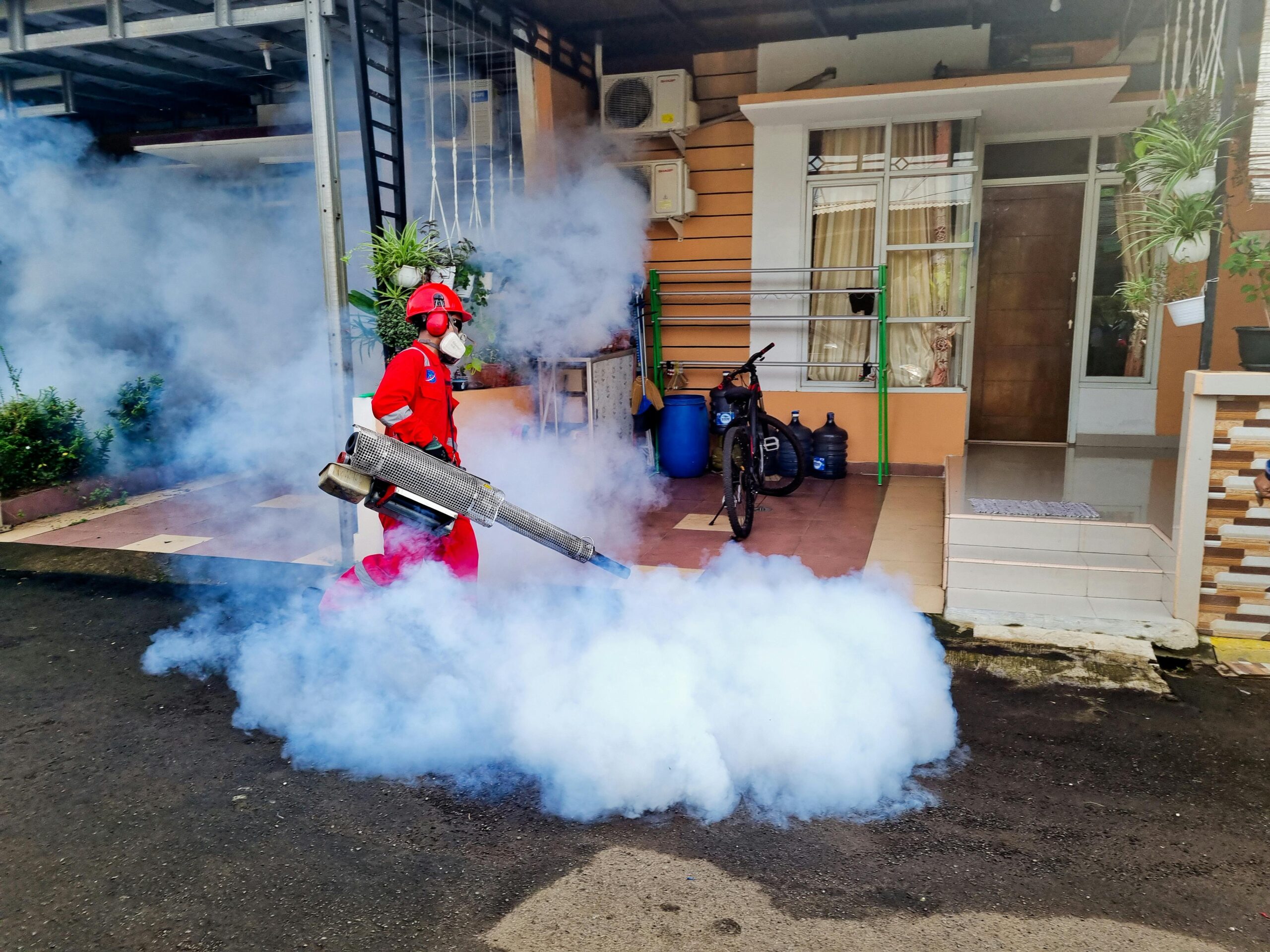
When spiders require a chemical knock‑down, professionals rely on three main application styles:
- Perimeter sprays create a protective barrier around the foundation, crawl spaces, and exterior walls. Common active ingredients include bifenthrin, permethrin, or pyrethrin‑based formulas that disrupt the spider’s nervous system on contact.
- Indoor residual sprays target corners, baseboards, and ceiling voids where spiders hide. These products leave a lasting residue that continues to kill for weeks, reducing the need for frequent re‑applications.
- Spot applications address specific nests or high‑traffic zones such as garage shelves, attic joists, or window frames. Technicians may use aerosol or pump‑spray devices for precise coverage.
All chemicals used by Anthem Pest are EPA‑registered and applied according to label directions. Safety considerations include wearing protective gear during application, keeping children and pets out of treated areas, and observing the re‑entry interval—usually 30 minutes for perimeter work and up to two hours for indoor residuals. Proper ventilation and post‑treatment cleaning further minimize exposure risks.
Non‑chemical options
For homeowners who prefer a low‑toxicity approach, several mechanical methods can keep spider numbers in check, especially when infestations are light.
- Glue boards and sticky traps are placed along walls, under furniture, and near outdoor lights. Spiders become ensnared as they wander, allowing you to monitor activity levels without chemicals.
- Vacuum removal provides immediate relief. A shop‑vac equipped with a HEPA filter can capture spiders, egg sacs, and webbing; just be sure to seal the bag and dispose of it outside.
- Biological controls such as releasing predatory insects (e.g., lady beetles) are occasionally used in garden settings, though they have limited impact indoors.
These tools work best as part of a broader strategy; they won’t eradicate a well‑established colony but they do give you visual confirmation of where spiders are most active.
Structural modifications
Spiders are opportunistic—they enter through cracks, gaps, and poorly sealed doors. Simple home‑improvement tasks can dramatically reduce entry points:
- Seal foundation cracks and wall gaps with silicone or polyurethane caulk.
- Install door sweeps on exterior doors and weather‑strip windows.
- Trim vegetation, mulch, and debris away from the house foundation to eliminate outdoor hiding places.
- Switch outdoor lighting to yellow‑tinted or LED bulbs, which are less attractive to insects that serve as spider food.
When these barriers are in place, chemical treatments have fewer places to work, extending the interval between professional visits.
Integrated Pest Management (IPM) philosophy
Anthem Pest follows an IPM framework that blends monitoring, habitat modification, and targeted treatments. Inspections reveal species and hotspots; structural fixes and lighting changes remove attractions; chemicals or traps are applied only where needed. This layered method curbs current infestations and builds long‑term resilience, keeping your home spider‑free year after year.
DIY kits vs. professional services
DIY kits are readily available at big‑box stores and typically include a spray bottle, a few ounces of insecticide, and a set of glue traps. They offer low upfront cost and immediate access, but coverage is limited to visible areas, and the homeowner must interpret label warnings, re‑entry times, and proper disposal.
Professional services provide several advantages:
- Comprehensive interior and exterior coverage.
- EPA‑approved, industry‑grade products that outperform consumer formulas.
- Warranty protection with scheduled follow‑up visits and detailed treatment documentation.
The trade‑off is a higher price tag, but for most Cumming homeowners dealing with recurring spider activity, the added assurance and reduced risk of re‑infestation outweigh the cost.
Environmental responsibility
Even when chemicals are necessary, Anthem Pest prioritizes environmentally responsible practices. All products are EPA‑approved, meaning they have undergone rigorous testing for human health and ecological impact. Technicians apply the minimum effective dose, target only the infestation zone, and employ low‑drift equipment to limit off‑target spread. Where possible, we pair chemical work with the non‑chemical tactics outlined above, ensuring a balanced approach that protects your family, pets, and the surrounding neighborhood.
Pricing Guide for Professional Spider Control
When you call a pest-control company, the quote usually covers four core components that directly influence spider control cost Cumming homeowners can expect: a thorough initial inspection to locate webs and entry points, the treatment application (sprays, dusts, or perimeter barriers), one or more follow-up visits to verify results, and a warranty or guarantee that outlines how long the protection lasts. Understanding each piece helps you compare offers without getting caught by hidden fees.
Typical Service Tiers
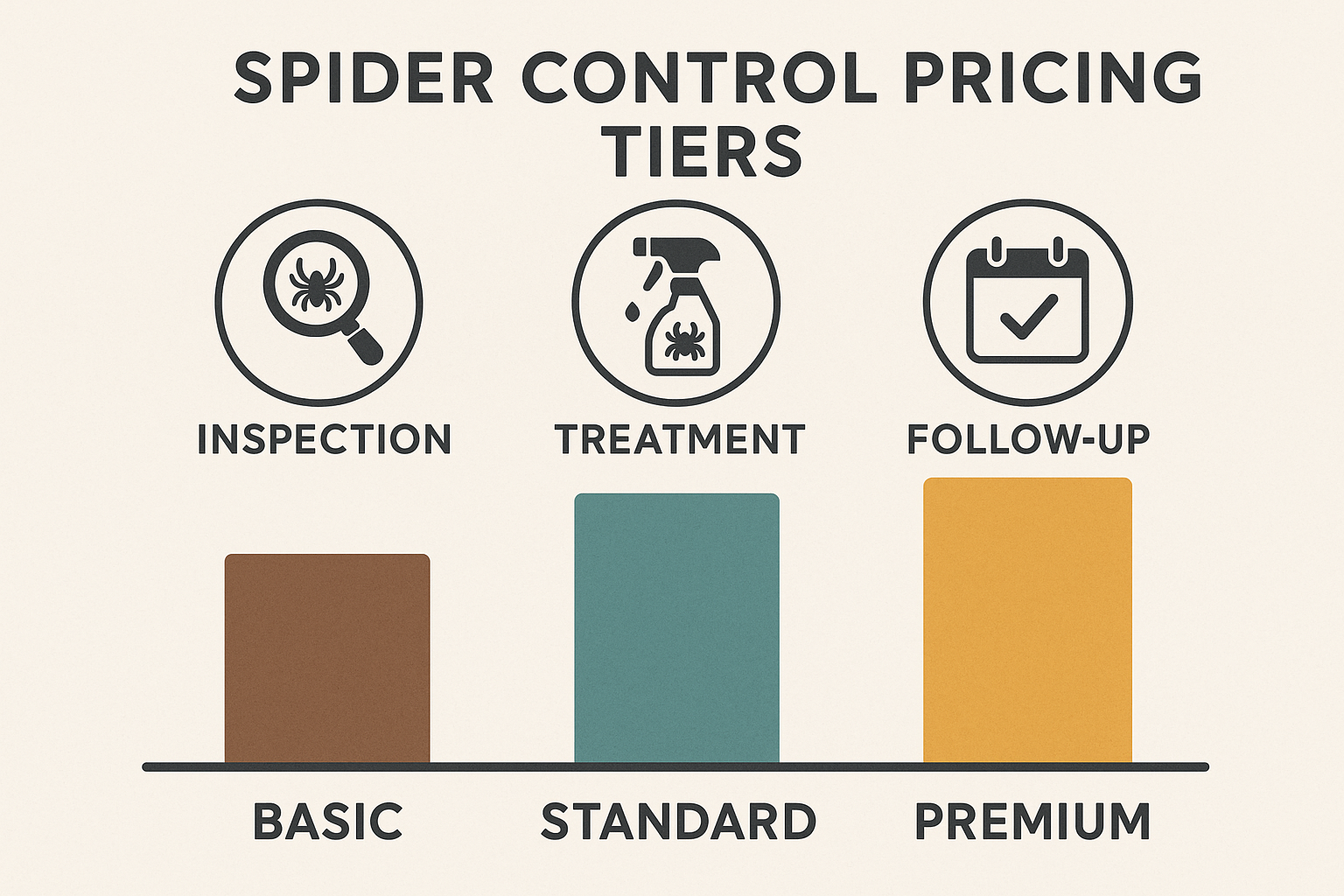
Most providers bundle these components into three pricing tiers. Below is a quick snapshot of what you can expect from each level.
| Tier | Visits Included | Follow‑up Inspection | Guarantee Length | Cost Range (USD) |
|---|---|---|---|---|
| Basic | 1 | No | 30 days | $80 – $120 |
| Standard | 2 | Yes (1) | 60 days | $130 – $190 |
| Premium | 3 + | Yes (2 +) | 90 days + | $200 – $280 |
These national averages can shift based on several factors: the square footage of your home, the severity of the spider infestation, and regional considerations such as Cumming’s humid climate, which can encourage web‑building. Larger properties often need extra perimeter treatments, while a severe indoor infestation may require more intensive spot‑treatments, nudging the price toward the higher end of the tier.
How Anthem Pest Control Structures Its Pricing
Anthem Pest Control keeps its quotes transparent by breaking each tier into clear line items. The Basic plan covers a single interior spray and a 30‑day guarantee. The Standard adds an exterior perimeter treatment and one follow‑up inspection, extending protection to 60 days. The Premium package includes quarterly exterior barriers, two interior follow‑ups, and a 90‑day guarantee, plus a complimentary termite inspection for added peace of mind. All tiers are presented as flat fees with no surprise mileage or material surcharges.
Tips for Evaluating Quotes
- Watch for hidden fees: Some companies add separate charges for travel, equipment, or “premium” chemicals. A true all‑inclusive quote lists every component.
- Guarantee terms: Verify how long the guarantee lasts and what it covers—re‑treatment, follow‑up visits, or a full refund.
- Technician credentials: Look for certifications such as EPA‑registered applicator status or state‑issued pest‑control licenses.
- Service flexibility: Does the provider allow you to upgrade or downgrade tiers mid‑season without penalty?
Quick FAQ
- What payment options are accepted? Anthem accepts credit cards, debit cards, and ACH bank transfers. Many customers also choose a monthly payment plan with no interest.
- Are there discounts for bundling services? Yes—combining spider control with mosquito or rodent treatments can shave 10‑15 % off the total price.
- Do seasonal promotions affect pricing? During the spring “spider surge,” Anthem often offers a limited‑time 20 % discount on the Standard tier.
- Is there a warranty on the chemicals used? All treatments are backed by a 90‑day effectiveness guarantee; if spiders return within that window, a free re‑treatment is provided.
Protect Your Home with Anthem Pest Control
Early detection, seasonal timing, and proper treatment are the three pillars that keep spider invasions from turning into a year‑long battle. Spotting webbing or bite‑marks in the spring, acting before spiders seek indoor shelter in the summer, and using a treatment plan designed for your home’s layout all work together to eliminate the problem before it spreads.
- Early detection: Identifying spiders when they first appear lets technicians target nests before they multiply.
- Seasonal timing: Treating in early spring or late fall aligns with spider life cycles, reducing the chance of re‑infestation.
- Proper treatment: A combination of interior sprays, perimeter barriers, and ongoing monitoring guarantees long‑term control.
Anthem Pest Control stands behind these principles with a commitment to safe, effective, and affordable spider management. Our transparent pricing model means you’ll know exactly what you’re paying for—no hidden fees, no surprise add‑ons. Whether you need a one‑time eradication or a seasonal maintenance program, the cost is laid out clearly from the first quote.
What sets Anthem apart is our nationwide service network backed by certified technicians who undergo regular training on the latest spider‑control techniques. Every technician follows EPA‑approved protocols, and our satisfaction guarantee ensures that if you’re not happy with the results, we’ll return at no extra charge.
If you’ve noticed any of the warning signs—unusual webbing in corners, increased spider activity after rain, or bites that seem out of the ordinary—our experts are ready to assess your home at no cost. A free inspection gives you a detailed report, a customized treatment plan, and a clear price breakdown, so you can make an informed decision without pressure.
Give us a call today at 877‑371‑8196 to schedule your complimentary spider‑control evaluation. Our friendly staff will find a time that fits your schedule and send a certified technician to your doorstep.
Take the first step toward a spider-free home and get clear answers about spider control cost Cumming homeowners trust—visit Anthem Pest Control to schedule your free inspection today.