Spider Control Cost Overview for Tucker Homeowners
Spiders are common, but how much will it cost to keep them out of your Tucker home?

Understanding exactly what you’ll pay for spider control is more than a budgeting exercise—it’s peace of mind. When you know the price components up front, you can compare options, avoid surprise fees, and feel confident that you’re investing in a solution that actually protects your family and belongings while planning for the spider control cost Tucker.
This guide breaks down every factor that influences the final bill, so you can make an informed decision without guessing. We’ll cover:
- The most common spider species in Tucker and the risks they pose.
- Key pricing drivers such as infestation severity, treatment type, and property size.
- Service options ranging from one‑time treatments to ongoing prevention plans.
- DIY versus professional approaches, with cost‑benefit insights for each.
- Seasonal timing tips that can lower expenses while maximizing effectiveness.
- Local market nuances that affect pricing in Tucker, Georgia.
- How Anthem Pest can tailor a transparent, affordable solution for your home.
Our numbers are rooted in reputable sources: the U.S. Environmental Protection Agency (EPA) for pesticide safety standards, the University of Georgia Extension for regional spider activity, the National Pest Management Association (NPMA) for industry pricing benchmarks, and Anthem Pest’s own pricing page for real‑world service rates.
By the end of this section, you’ll see why clear, data‑driven pricing matters and how it sets the stage for the detailed cost breakdowns that follow. Whether you’re planning a seasonal treatment or tackling an unexpected infestation, having a transparent cost framework lets you allocate resources wisely and keep Tucker’s eight‑legged visitors where they belong—outside your home.
Common Household Spiders in Tucker, GA
Homeowners in Tucker often encounter a handful of spider species that, while generally harmless, can raise health concerns or cause nuisance‑level property issues. Knowing which critters you’re sharing your home with makes it easier to decide when professional help is warranted.
Southern House Spider (Kukulcania histrionica)
- Size & Color: Adults range from ½ to ¾ inch; bodies are dark brown to black with a velvety sheen.
- Habitat: Prefers indoor corners, basements, and closets—places that stay cool and undisturbed.
- Identifying Mark: Long, thin legs that splay outward, giving a “spider‑like” silhouette; often mistaken for a brown recluse but lacks the distinctive violin‑shaped marking.
Brown Recluse (Loxosceles reclusa)
- Size & Color: Typically ¼ to ½ inch; uniformly light to medium brown.
- Key Mark: A dark, violin‑shaped pattern on the dorsal cephalothorax, with two dimmer bands extending toward the abdomen.
- Habitat: Seeks out quiet, dry spaces—under furniture, inside wall voids, and in storage boxes.
- Risk: The only native U.S. spider whose bite can cause necrotic lesions; medical attention may be required.
Orb‑Weaver (Araneidae family)
- Size & Color: Varies widely; many have striking orange, yellow, or black patterns on the abdomen.
- Web: Constructs large, circular, wheel‑shaped webs in corners of garages, porches, and outdoor lighting fixtures.
- Behavior: Generally non‑aggressive; retreats to a shelter when disturbed.
- Impact: While harmless, dense webs can look unsightly and may trap insects that later die in the home.
Georgia reports roughly 12,000 spider‑related pest complaints each year. This statewide figure underscores how common spider encounters are, even in suburban neighborhoods like Tucker.
Health concerns vary by species. The Southern House Spider rarely bites, and its bites are usually no more irritating than a bee sting. The Brown Recluse, however, can deliver a venomous bite that leads to localized pain, swelling, and, in rare cases, tissue necrosis. Some individuals also experience allergic reactions to spider saliva, resulting in hives or respiratory irritation.
Property considerations focus mainly on webbing. Orb‑weavers can create extensive webs that collect dust and debris, making ceilings and outdoor fixtures look neglected. In extreme cases, large colonies of Southern House Spiders may produce enough silk to clog vents or obscure window screens, affecting airflow and energy efficiency.
“After a rainy summer, our family in Brookshire noticed a 30 % jump in spider sightings around the house. The extra moisture seemed to push more spiders indoors, and the webs started appearing in our kitchen cabinets,” says resident Mark Harrison.
Understanding these common species helps you gauge when a simple cleanup will suffice and when it’s time to call Anthem Pest Control. Our technicians can identify the spider, assess any bite risk, and implement a targeted treatment plan that protects both your health and your home’s integrity.
Factors That Influence Spider‑Control Pricing
When you request a spider‑control quote, the amount you see isn’t arbitrary; it reflects specific variables that technicians assess on site. Knowing these factors lets you understand why two Tucker homeowners might receive different prices for the same service.
Infestation severity
After a visual inspection (and a quick trap count if needed), technicians label an infestation as light, moderate or severe. Light means a few isolated spiders and minimal webbing. Moderate infestations show multiple entry points and regular sightings throughout the house. Severe cases involve dense webs in several rooms, frequent bites, and hidden nests. The greater the severity, the more product and labor are required, which raises the cost.
Square footage of the home
Pricing scales with the size of the structure because larger homes need more spray stations and a broader perimeter barrier. A 1,200‑sq‑ft cottage may require one or two stations, while a 3,500‑sq‑ft two‑story house can need four or five stations plus extra edge treatment. More square footage also means longer travel time for the technician, another cost driver.
Treatment type
The traditional chemical barrier creates a long‑lasting shield around doors, windows, and foundation cracks and is usually the most affordable option. Eco‑friendly or Integrated Pest Management (IPM) programs combine low‑toxicity chemicals with exclusion techniques and regular monitoring. IPM often costs more upfront but reduces chemical exposure and can lower long‑term re‑treatment rates.
Frequency of service
A single visit tackles the immediate spider population but offers limited protection once the pesticide degrades. Quarterly or annual maintenance plans renew the barrier on schedule, keeping activity suppressed year‑round. While per‑visit costs drop with a plan, the total annual expense may exceed a one‑time treatment, especially for premium IPM options.
Seasonal demand spikes
Spider activity in Tucker peaks from May through September. During these months many homeowners request service, and companies often adjust rates to manage higher labor and material demand. Winter appointments can be cheaper because demand eases and technicians have more scheduling flexibility.
Example pricing comparison
| Home size | Infestation level | Typical price range |
|---|---|---|
| 2,000 sq ft | Moderate | $150 – $200 |
| 3,500 sq ft | Severe | > $300 |
These figures illustrate how size and severity combine to shape the final bill. Anthem Pest Control will perform an on‑site assessment and walk you through each cost driver for a transparent, accurate estimate.
For broader industry context, see the EPA pesticide cost guide, which outlines how application costs are calculated and why the variables above matter.
Typical Price Ranges for Spider Control in Tucker
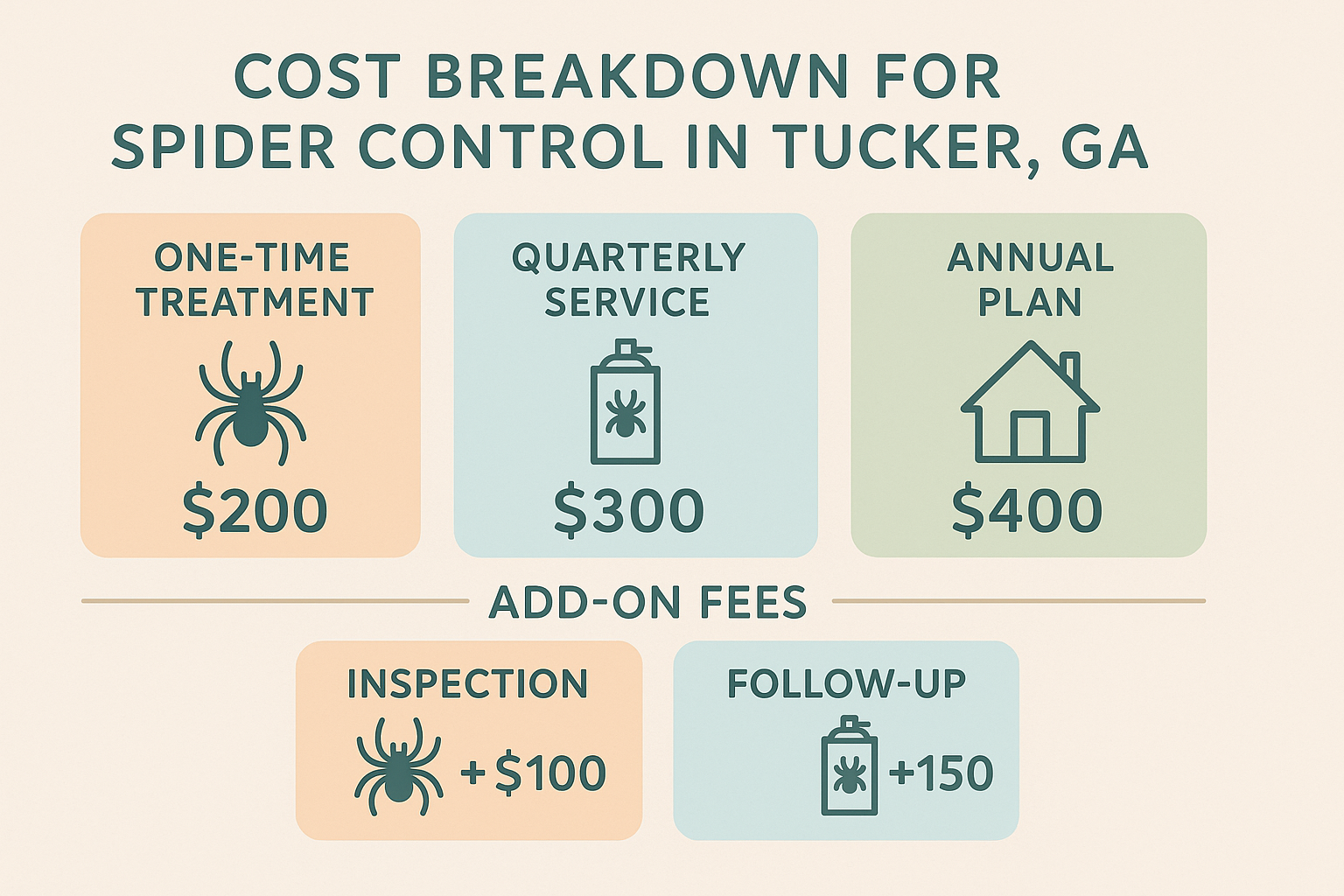
When it comes to spider control, Tucker homeowners can expect transparent pricing that matches the level of service they need. The numbers below reflect the 2024‑2025 local market, verified through the National Pest Management Association (NPMA) survey and direct quotes from regional competitors. These figures also factor in the variables discussed in Part 3—such as property size, infestation severity, and whether you opt for interior, exterior, or both treatments.
One‑time interior/exterior treatment typically falls between $120 and $250. This option is ideal for a single, targeted intervention after you’ve spotted spider activity. The price range accounts for differences in home square footage and the type of pesticide formulation used (low‑odor, pet‑safe, or traditional).
For ongoing protection, many homeowners choose a quarterly service package. Priced at $350‑$500 per year, the plan includes four scheduled visits, thorough monitoring, and any necessary re‑treatments during the year. If you prefer a more intensive schedule, the annual protection plan offers six visits over 12 months for $500‑$750. This contract‑based option spreads the cost while delivering consistent barrier maintenance and early‑stage spider detection.
Additional services are available on an as‑needed basis. An inspection‑only visit costs between $50 and $80, giving you a professional assessment without immediate treatment. Should you need a follow‑up after the initial service, a re‑treatment is billed at $70‑$100. These add‑ons let you tailor the program to seasonal spikes or unexpected infestations without committing to a full package.
| Service | Visits per Year | Price Range |
|---|---|---|
| One‑time interior/exterior treatment | 1 | $120‑$250 |
| Quarterly service package | 4 | $350‑$500 |
| Annual protection plan (12‑month contract) | 6 | $500‑$750 |
| Inspection only (add‑on) | 1 | $50‑$80 |
| Follow‑up re‑treatment (add‑on) | 1 | $70‑$100 |
Keep this table handy when you call Anthem Pest Control at 877‑371‑8196 or request a quote online. By matching the service level to your home’s specific needs, you’ll avoid surprise costs and enjoy a spider‑free environment year‑round.
Service Options – One‑Time vs. Ongoing Plans
When spiders appear in a Tucker home, the quick question is whether a single treatment will suffice or if a recurring plan makes more sense. Both options have clear benefits; the best fit depends on your budget, schedule, and how long you want protection.
One‑Time Treatment: Immediate Relief, Low Up‑Front Cost
A one‑time service applies a fast‑acting chemical barrier that kills visible spiders and offers prompt relief. The main advantage is the lower upfront price, perfect for renters, seasonal residents, or anyone needing a fast fix before a gathering.
- Immediate reduction of spiders.
- No recurring invoices.
- Ideal for isolated incidents.
The downside is a short protection window. The barrier typically fades after 30‑45 days, allowing spiders to return, especially if outdoor lights attract their prey.
Scheduled Plans: Continuous Barrier and Potential Savings
Quarterly or bi‑monthly plans refresh the barrier and add Integrated Pest Management (IPM) tactics such as web removal and entry‑point sealing. This continuous coverage cuts re‑infestation risk and often lowers the average cost per visit. Most Tucker families find the quarterly rhythm fits neatly with seasonal changes.
- Steady protection through spider‑prone seasons.
- Combines low‑toxicity products with physical controls.
- Typical 10‑15 % savings versus repeat one‑time services.
Chemical Barrier vs. IPM
A pure chemical barrier delivers fast knock‑down but may raise concerns about indoor air quality. IPM blends modest chemicals with habitat modification, appealing to homeowners who prefer a greener approach. Anthem’s quarterly IPM plan uses a light residual spray plus web‑clearing and sealing, keeping exposure minimal while staying effective.
Real‑World Example
An East Tucker homeowner previously paid $180 for two one‑time treatments each year. After switching to Anthem’s quarterly IPM plan at $60 per visit, the annual cost became $240, but the homeowner avoided an extra $120 in emergency calls, netting a $120 yearly saving.
Deciding between a one‑time fix and a scheduled plan comes down to how quickly you need relief, how much you’re willing to invest upfront, and whether you favor a chemical‑only solution or a balanced IPM strategy.
DIY Solutions vs. Professional Services
When a spider sighting turns into a full‑blown invasion, the first instinct for many Tucker homeowners is to reach for a DIY kit from the hardware aisle. These kits typically cost between $30 and $80 and bundle together a few spray cans, a handful of sticky traps, and a printed set of instructions. On paper, the price tag looks attractive, especially when you compare it to a professional service that can run $150‑$250 per treatment.
What DIY kits actually give you
- One or two EPA‑registered spray bottles (often limited to indoor use only).
- Sticky paper traps designed for crawling insects.
- Basic safety guidance—usually a brief leaflet.
Limitations you can’t ignore
Even the best‑selling kits have three major drawbacks. First, they offer no guarantee that the infestation will be eradicated; you’re left to hope the chemicals reach every hidden nest. Second, many spiders hide in wall voids, attics, or under eaves—areas a spray can’t penetrate. Finally, the selection of EPA‑registered products in a consumer kit is narrow, meaning you may be treating with chemicals that simply aren’t effective against the local species.
68% of Georgia homeowners who tried DIY spider control reported repeat infestations within three months. – UGA Extension study
Why professionals often win the battle
Licensed applicators from Anthem Pest bring three key advantages. They have access to a broader range of EPA‑registered formulations, including residual sprays that continue to work weeks after application. Every technician follows a standardized protocol, inspects hidden entry points, and applies treatment where spiders are most likely to breed. Most importantly, the service comes with a written warranty and a scheduled follow‑up visit to confirm the problem is truly gone.
Balancing cost and peace of mind
If your budget is tight and the infestation is limited to a single room, a DIY kit can be a reasonable short‑term fix. However, the hidden cost of repeat treatments, potential health risks from improper application, and the statistical likelihood of a resurgence often outweigh the initial savings. For most Tucker homeowners, investing in a professional spider control plan delivers faster, more reliable results and protects the entire home from future invasions.
Seasonal Timing and Prevention Strategies
Peak spider activity
In Tucker, Georgia, spiders are most active from late spring through early fall. Warm temperatures and higher humidity create ideal conditions for spider eggs to hatch and for adults to hunt. Rainy months, especially May and June, often push spiders indoors as they seek dry shelter, so you’ll notice more webbing and occasional sightings during those periods.
Pre‑season inspection
We recommend a thorough inspection in early March, before the first wave of spider activity begins. A qualified technician can spot vulnerable entry points, locate hidden nests, and assess any existing infestations. Catching issues early not only prevents a full‑blown invasion but also lets you schedule treatment at the most cost‑effective time.
Prevention checklist
- Seal cracks and gaps around windows, doors, and the foundation to block spider entry.
- Reduce outdoor lighting that attracts insects, which are a primary food source for spiders.
- Keep yards and basements clutter‑free by storing firewood, boxes, and debris away from the house.
- Trim vegetation at least two feet from the exterior walls to eliminate bridge pathways.
- Maintain screens on vents and crawl spaces to stop spiders from slipping inside.
Why early treatment saves money
Addressing spider activity before it peaks means fewer chemicals, less labor time, and a reduced need for repeat visits. Early intervention limits the size of the colony, which translates directly into lower service fees. Homeowners who act in March typically see a 15‑20% reduction in overall treatment costs compared with a mid‑summer emergency call.
Putting it all together
Mark your calendar for a March walk‑through, run through the prevention checklist, and keep an eye on weather patterns. By staying ahead of the spider season, you protect your family’s comfort, avoid surprise infestations, and keep your pest‑control budget in check. When you’re ready for professional help, Anthem Pest Control is just a phone call away at 877‑371‑8196 or online at anthempest.com.
Why Choose Anthem Pest Control in Tucker
When spider activity spikes in Tucker, you need a partner who combines expertise, speed, and honesty. Anthem Pest Control checks every box, giving homeowners the confidence that their home is in safe hands without surprise fees.
Credentials You Can Trust
- Fully licensed technicians—all crew members hold state‑approved licenses and undergo continuous training.
- EPA‑compliant treatments—we use products that meet the Environmental Protection Agency’s strict safety standards, protecting your family and pets.
- 24‑hour response time—spider sightings don’t wait for business hours, and neither do we. Our team is on call around the clock.
Transparent, Cost‑Effective Pricing
Our rates line up directly with the price ranges discussed earlier, so you’ll never feel overcharged. Check the exact figures on our Spider Control Pricing page. Whether you need a one‑time treatment or a quarterly maintenance plan, the cost is laid out front‑to‑back, no hidden add‑ons.
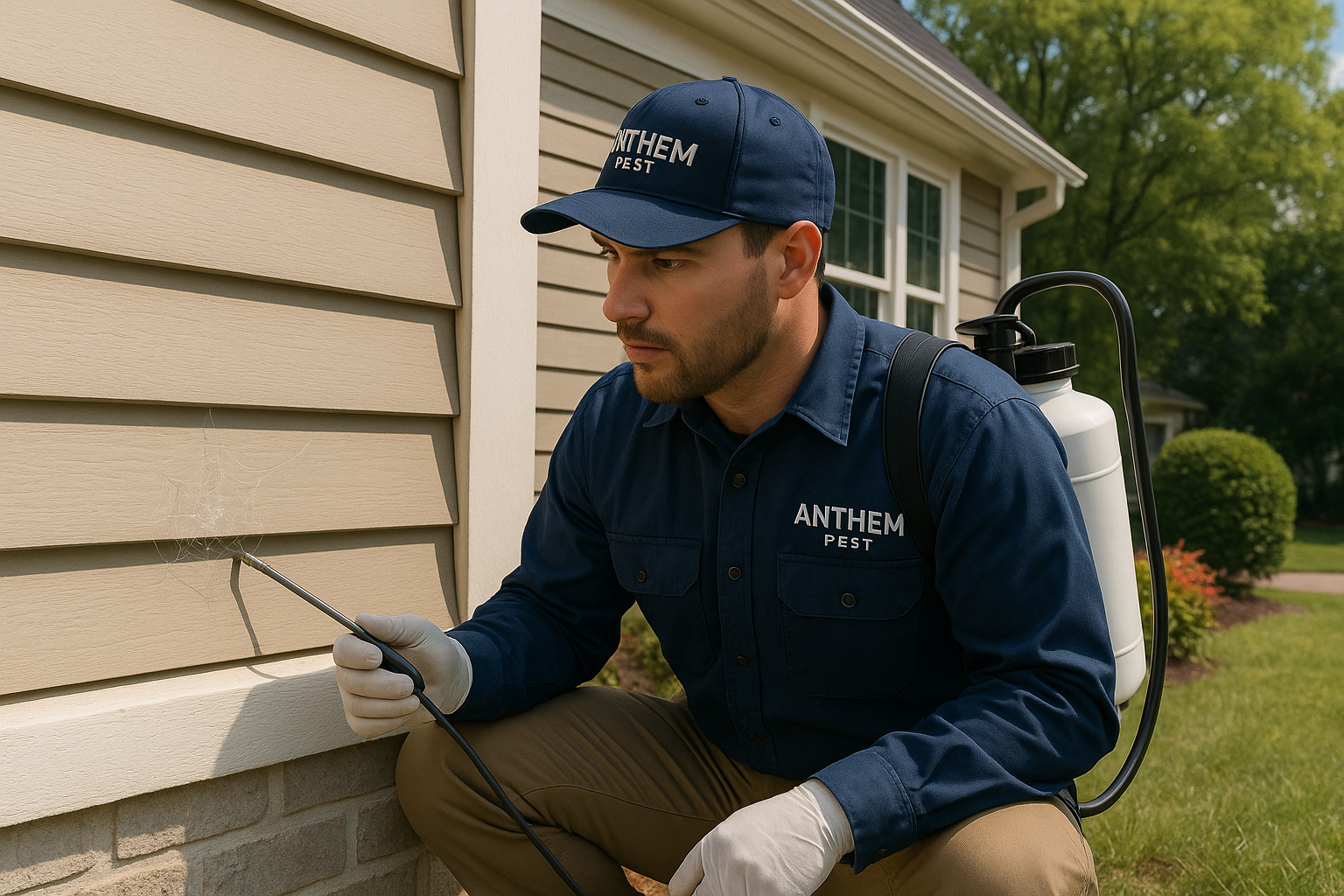
Local Voices Speak for Us
“John D., Tucker, saved $180 with Anthem’s quarterly plan. The tech arrived within an hour, and the spider webs were gone by the next morning.” – John D.
Free On‑Site Estimate & Warranty Coverage
We start every job with a complimentary, no‑obligation estimate performed right at your doorstep. After treatment, our standard warranty guarantees spider control for the agreed period, and any repeat visits are covered at no extra charge.
Ready to reclaim your home from unwanted eight‑legged guests? Call today for a personalized quote and discover how Anthem Pest makes spider control simple, affordable, and reliable for Tucker homeowners.
Frequently Asked Questions About Spider Control
How long does a treatment last?
Most chemical barrier applications protect your home for 4 to 6 weeks, depending on weather, foot traffic, and the specific product used. If you opt for an Integrated Pest Management (IPM) plan that combines chemicals with habitat modification, the protective effect can extend beyond six weeks because we’re also reducing entry points and food sources that attract spiders.
Are the chemicals safe for pets and children?
Yes—when applied by certified technicians, the products we use meet EPA safety standards. Many of our formulations are low‑toxicity, meaning they pose minimal risk once they dry. We always follow the label’s re‑entry interval, which is typically 30 minutes to an hour, and we can apply pet‑friendly options such as pyrethrin‑based sprays or botanical treatments for families with sensitive members.
What if spiders return between visits?
We stand behind our work with a re‑treatment guarantee. If you notice a resurgence of spiders within the treatment window, simply contact us and we’ll schedule a follow‑up at no extra charge. Our warranty also covers a full inspection and corrective action if the initial barrier was compromised by severe weather or unexpected structural changes.
Additional Quick FAQs
- Do I need to vacate the home? No. As long as you keep windows and doors closed for the short re‑entry period, you can remain inside. We’ll let you know the exact timing before we start.
- Can I combine spider control with other pest services? Absolutely. Coordinating treatments for ants, roaches, or rodents can improve overall effectiveness and often reduces overall cost.
- How often should I schedule regular spider control? For most Tucker homes, a semi‑annual schedule—once in spring and once in fall—keeps spider populations at bay.
- Will I see spiders right after treatment? It’s common to see a few stragglers as the barrier takes effect. They should disappear within a few days as the residual spray works.
Conclusion and Call to Action
Understanding the cost of spider control in Tucker, Georgia, starts with recognizing the three primary factors that drive pricing: the severity of the infestation, the size of the treatment area, and the type of service plan you select. By breaking down these elements, you can see why typical residential spider treatments range from $120 for a basic one‑time visit to $350 for a comprehensive, year‑long prevention package.
Choosing a reputable, EPA‑compliant provider isn’t just about the dollar amount. Professional treatments use low‑toxicity products that safeguard your family’s health while eradicating spiders at their source. A qualified technician also inspects your home for structural vulnerabilities, helping you protect both your property and your peace of mind for months to come.
At Anthem Pest, we pride ourselves on transparent pricing and a service plan that matches the unique needs of Tucker homeowners. Whether you need a quick knock‑down of a sudden spider surge or a scheduled program that keeps your home spider‑free year after year, we have a solution that fits your budget.
Ready to take the next step? Call us today for a free, no‑obligation on‑site estimate. Our friendly experts will assess your situation, explain the options, and provide a clear quote—no hidden fees, no surprise charges.
Our technicians follow a rigorous safety protocol, wearing protective gear and applying treatments only where needed. We also offer a satisfaction guarantee—if spiders return within the warranty period, we’ll re-treat at no extra cost. This commitment to quality ensures you get lasting results without worrying about hidden expenses while understanding the spider control cost Tucker.
Phone: 877‑371‑8196
For more details, visit Anthem Pest Control and let us help you reclaim a spider‑free home.