Recognizing Stink Bugs and Their Warning Signs
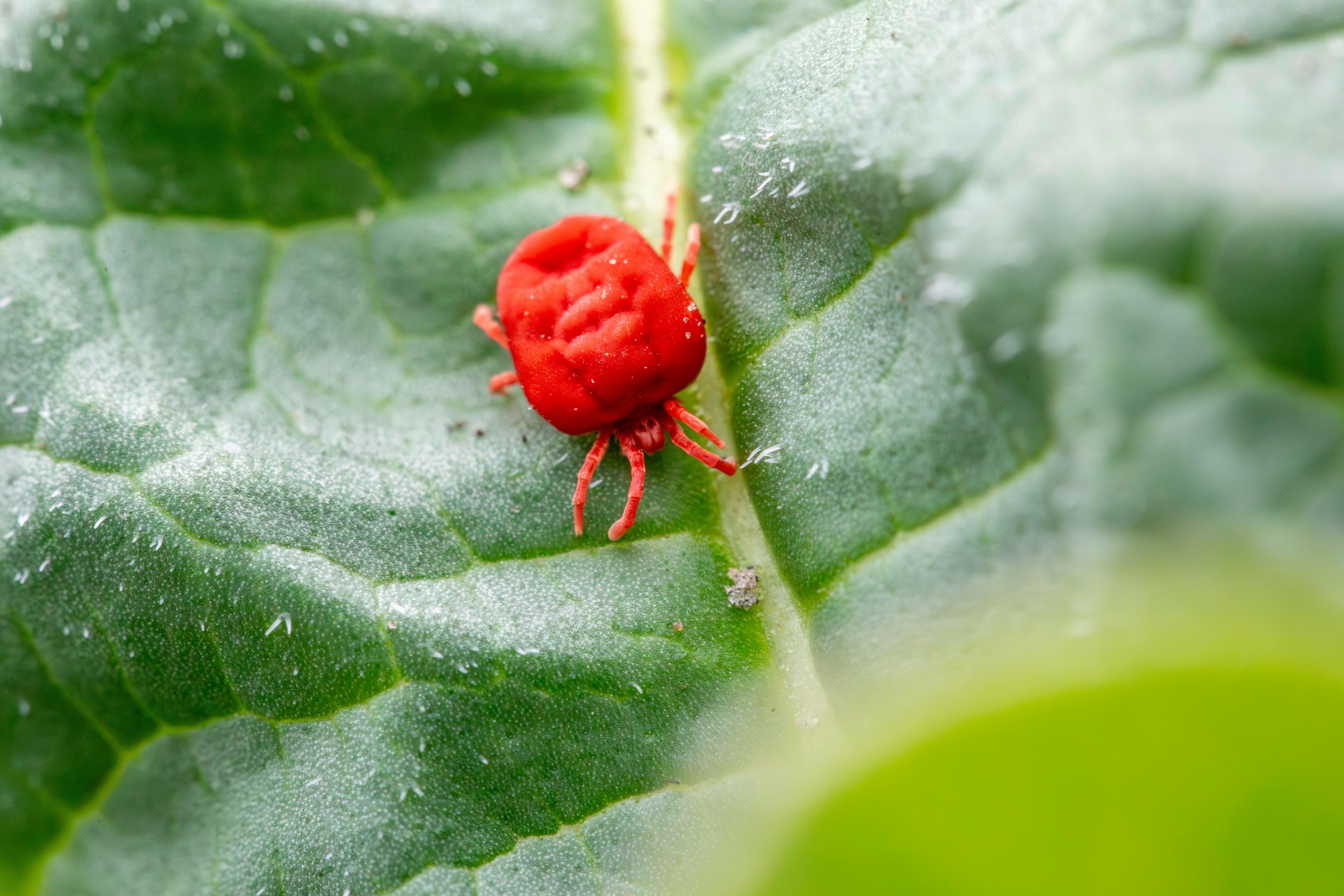
What the Brown‑backed Stink Bug Looks Like
Key Visual Cues
- Shield‑shaped body: Look for a triangular, armor‑like outline that tapers toward the rear.
- Brown‑gray coloration: The overall hue blends with wood, mulch, and dried foliage.
- White band on antennae: Each of the five antenna segments ends with a faint white or pale band, a reliable identifier.
- Defensive odor: If you crush one, a sharp, unpleasant smell will waft up—this is the bug’s signature “stink.”
Where They Hide
Stink bugs are opportunistic hide‑outs. In Georgia’s humid climate they gravitate toward tight, protected spaces where they can stay warm and dry:
- Cracks and gaps in siding or foundation walls.
- Under eaves, roof overhangs, and attic vents.
- Garden mulch, leaf litter, and the base of ornamental shrubs.
- Inside light fixtures or electrical outlets—especially where heat builds up.
Because they can squeeze through openings as small as 1 mm, even a well‑sealed home can become a temporary refuge if a few entry points are missed during seasonal maintenance.
Early Warning Signs
Spotting an infestation before it reaches nuisance levels can save you both time and money. Keep an eye out for these tell‑tale clues:
- Clusters of dead bugs: A small pile of brown, flattened insects near windows or doorways often means a larger population is nearby.
- Foul odor after crushing: The distinctive smell is a quick confirmation that you’re dealing with stink bugs, not harmless beetles.
- Squash‑like damage on produce: Leaves, tomatoes, peaches, and beans may show irregular, shallow pits that look like they’ve been lightly “squashed.” The damage is usually confined to the surface and does not rot the fruit.
How to Differentiate Stink Bugs from Similar Pests
It’s easy to mistake stink bugs for other tiny critters, especially red clover mites or ladybird beetle larvae. Here’s a quick macro‑level checklist:
| Pest | Size | Body Shape | Coloration | Key Identifier |
|---|---|---|---|---|
| Brown‑backed stink bug | 12‑15 mm | Shield‑shaped, flat | Brown‑gray with white antennal band | Stink glands + defensive odor |
| Red clover mite | 0.5‑0.8 mm | Oval, soft | Reddish‑brown | Very tiny; moves quickly in clusters |
| Ladybird larva | 5‑10 mm | Elongated, spiny | Black with orange spots | Spiny projections; no odor |
When in doubt, gently tap a suspect insect with a piece of cardboard. If a strong, unpleasant smell follows, you’re most likely looking at a stink bug.
Why Early Detection Matters
Stink bugs reproduce quickly—females can lay up to 200 eggs over a season. An unnoticed pair can become dozens within weeks, eventually spilling over into kitchens and pantries. By recognizing the visual cues, hiding spots, and early warning signs outlined above, you give yourself a critical window to call a professional service like Anthem Pest Control before the bugs become a full‑blown infestation. Acting early not only protects your home’s structural integrity but also reduces the amount of pesticide needed, keeping your family and pets safer.
Seasonal Activity of Stink Bugs in Georgia
Understanding the Life Cycle
Stink bugs spend most of the year in a predictable rhythm. In the cooler months, adult bugs seek shelter in leaf litter, under eaves, or inside heated homes to overwinter. As temperatures climb above 60 °F in early spring, those dormant adults emerge, mate, and lay eggs on the undersides of leaves. Nymphs hatch and progress through five growth stages, feeding voraciously on garden vegetables and fruit. By late summer, a new generation of adults is ready to disperse, and as September temperatures dip, many head back indoors seeking warmth for the winter.
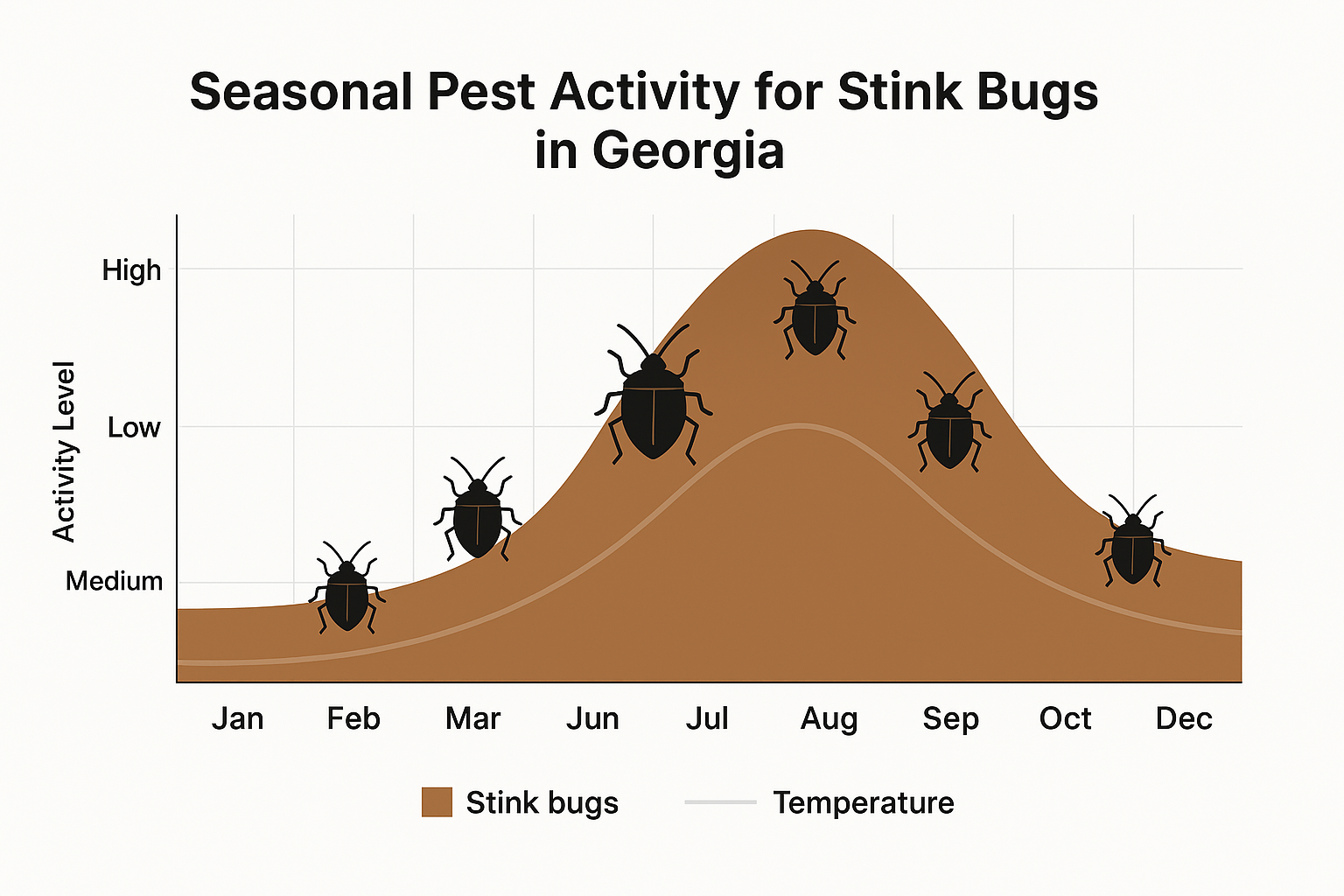
Reading the Seasonal Chart
The chart above plots months (January – December) on the horizontal axis and stink‑bug activity on the vertical axis, with a temperature overlay in a lighter hue. Notice the low activity plateau from November through February—those are the overwintering months. Activity spikes sharply in April, peaks again in May and June, then tapers off in July and August. A secondary rise appears in September, aligning with cooler evenings that prompt bugs to seek indoor refuge.
By correlating the temperature line, you can see that activity climbs once average daily highs consistently exceed 65 °F. When the temperature dips below 55 °F in late September, the bug’s behavior shifts from feeding outdoors to searching for warm nooks inside homes.
High‑Risk Windows for Homeowners
- April – June: Feeding frenzy. Nymphs and adults are actively chewing on tomatoes, beans, peaches, and ornamental shrubs. This is the optimal window for preventative sprays and barrier treatments.
- September – October: Indoor migration. Adults are drawn to sunny walls, light fixtures, and warm attics. Early detection and interior trapping are crucial to prevent a full‑house infestation over winter.
Georgia Climate Meets Garden Calendars
Georgia’s humid subtropical climate means gardeners plant early‑season crops like peas and lettuce in March, followed by warm‑season vegetables in May. Those planting dates line up almost exactly with the stink bug’s first feeding surge. If you’re sowing beans or squash in late April, expect noticeable damage by mid‑May unless you intervene.
Similarly, many homeowners begin fall clean‑ups in September, raking leaves and storing garden tools. Those activities can unintentionally move bugs closer to your home’s foundation, increasing the chance they’ll slip inside as temperatures fall.
Practical Monitoring Tips
To stay ahead of the bugs, set up a simple light trap in a dark corner of your garage or basement during the September‑October window. A 12‑V incandescent bulb placed over a shallow pan of soapy water will attract the insects, making it easy to count and confirm their presence.
In the spring, conduct visual inspections twice a week. Look for the characteristic shield‑shaped bugs on the undersides of leaves, especially on beans, corn, and fruit trees. Early spotting lets you call a professional service—like Anthem Pest Control—before the population explodes.
Why Stink Bugs Matter: Damage and Health Concerns
Crop and garden damage
During the growing season, a handful of stink bugs can turn a thriving garden into a wilt, and the impact is far more than an eyesore. The insects puncture the fruit of tomatoes, peppers, beans, and many small garden fruits, causing a characteristic a brown, “stained” spot that quickly turns into a soft, watery rot. Home gardeners in Cumming often watch a single tomato plant drop a dozen perfect‑looking berries, only to find the remaining fruit are discolored, watery, and unsuitable for sale or cooking. This not only reduces the harvest’s size but also lowers its market value—if you’re selling a surplus to neighbors or a local farmer’s market, a stink‑bug‑tainted crop fetches a lower price, and the extra labor spent on cleaning and disposal adds hidden costs.
Structural concerns
Stink bugs may seem harmless, but when they congregate in wall voidings or attic spaces, they can create a micro‑environment that traps moisture. The insects excrete a watery fluid that evaporates, raising humidity in the immediate area. Over time, the combination of moisture and the insects’s bodies can encourage mold growth on interior wood surfaces or insulation. A homeowner might notice a musty, “wet” smell in a wall that, upon inspection, is linked to a dense stink‑bug population. Mold remediation is a costly, long‑term repair, and the building’s structural integrity can be compromised if the problem isn’t addressed promptly.
Indoor nuisance
Even a small, a‑few‑hundred‑bug invasion can turn a peaceful home into a the “smell‑the‑room” nightmare. Stink bugs release a defensive odor when disturbed— a pungishing, garlic‑like scent that lingers for days. The odor is not just unpleasant; it can stain fabrics, upholstery, and even freshly painted walls. Families families often spend hours trying to air‑ out the house, yet the lingering smell can become a source of anxiety, especially for those who work from home or have guests visiting. The psychological discomfort of an “un‑clean” home can lead to a decrease in overall quality of life, prompting homeowners to seek professional pest control sooner rather than later.
Health perspective
While stink bugs are not known carriers of serious diseases, their excrement and the odor they produce contain allergens that can aggravate asthma and trigger respiratory irritation. The EPA’s guidance on indoor air quality notes that the volatile compounds released by stink bugs can exacerbate existing asthma conditions, especially in children and the elderly. The EPA’s indoor air quality guidance emphasizes the importance of controlling pests that affect indoor air, recommending prompt removal strategies to maintain a healthy breathing environment. Additionally, the UGA Extension’s pest fact sheet explains that the insects’ defensive secretions can cause skin irritation in sensitive individuals, making a pest-free home a healthier home.
In short, the economic impact of stink bug damage on home gardens, the potential for moisture-related mold inside walls, the offensive odor that can stain surfaces and stress occupants, and the health risks associated with allergens all create a compelling case for prompt and effective stink bug control. Addressing the problem early helps homeowners protect their property, maintain indoor air quality, and avoid higher long-term pest control costs.
Sources
- EPA. Indoor Air Quality – Stink Bugs. Accessed 2024.
- University of Georgia Extension. Stink Bug Management Guide. Accessed 2024.
- NPMA Pest World. Stink Bug Facts and Impacts. Accessed 2024.
Treatment Options: DIY Methods vs Professional Services
DIY Tactics You Can Try at Home
Many Cumming homeowners start with a toolbox and a few household products before calling in a professional. The most common do‑it‑yourself (DIY) methods include:
- Vacuuming: A shop‑vac with a HEPA filter can physically remove adult stink bugs and nymphs from walls, windowsills, and light fixtures. It’s quick, odor‑free, and safe for pets.
- Sealing entry points: Caulking cracks around doors, windows, utility penetrations, and the foundation reduces the number of bugs that can slip inside during the fall migration.
- Insecticidal soaps: These plant‑based sprays break down the bug’s outer waxy layer, causing dehydration. They work best on exposed insects but lose potency on hidden nests.
- Neem oil: A natural insect growth regulator that interferes with stink bug molting. It’s low‑toxicity, but requires repeated applications to stay effective.
- Homemade traps: A simple light trap—an LED lamp over a shallow pan of soapy water—can lure bugs at night. While traps capture some individuals, they rarely reduce an established infestation.
All of these tactics are inexpensive and relatively safe when used as directed. For a homeowner who enjoys a hands‑on approach, they can buy time while they assess the severity of the problem.
Why DIY May Fall Short
Even the most diligent DIY effort often leaves gaps that stink bugs exploit:
- Incomplete coverage: Stink bugs hide in wall voids, attic insulation, and under siding—areas a vacuum or spray can’t reach without tearing apart structures.
- Resistance buildup: Repeated use of the same over‑the‑counter insecticide can encourage the bugs to develop tolerance, making future treatments less effective.
- Indoor odor spread: Some insecticidal soaps and neem formulations emit a strong, lingering scent that can seep into living spaces, especially in tight‑fit homes.
- Time and labor: Sealing every crack and re‑applying treatments each season quickly becomes a full‑time job, diverting your attention from other home projects.
In short, DIY methods can knock down a few stragglers, but they rarely eradicate a population that has already established a foothold.
Professional Approaches That Deliver Consistency
Licensed pest‑management companies bring tools and strategies that go beyond the reach of a homeowner’s toolbox:
- Perimeter spray: Technicians apply EPA‑approved granular or liquid formulations around the home’s exterior, creating a barrier that kills bugs before they find an entry point.
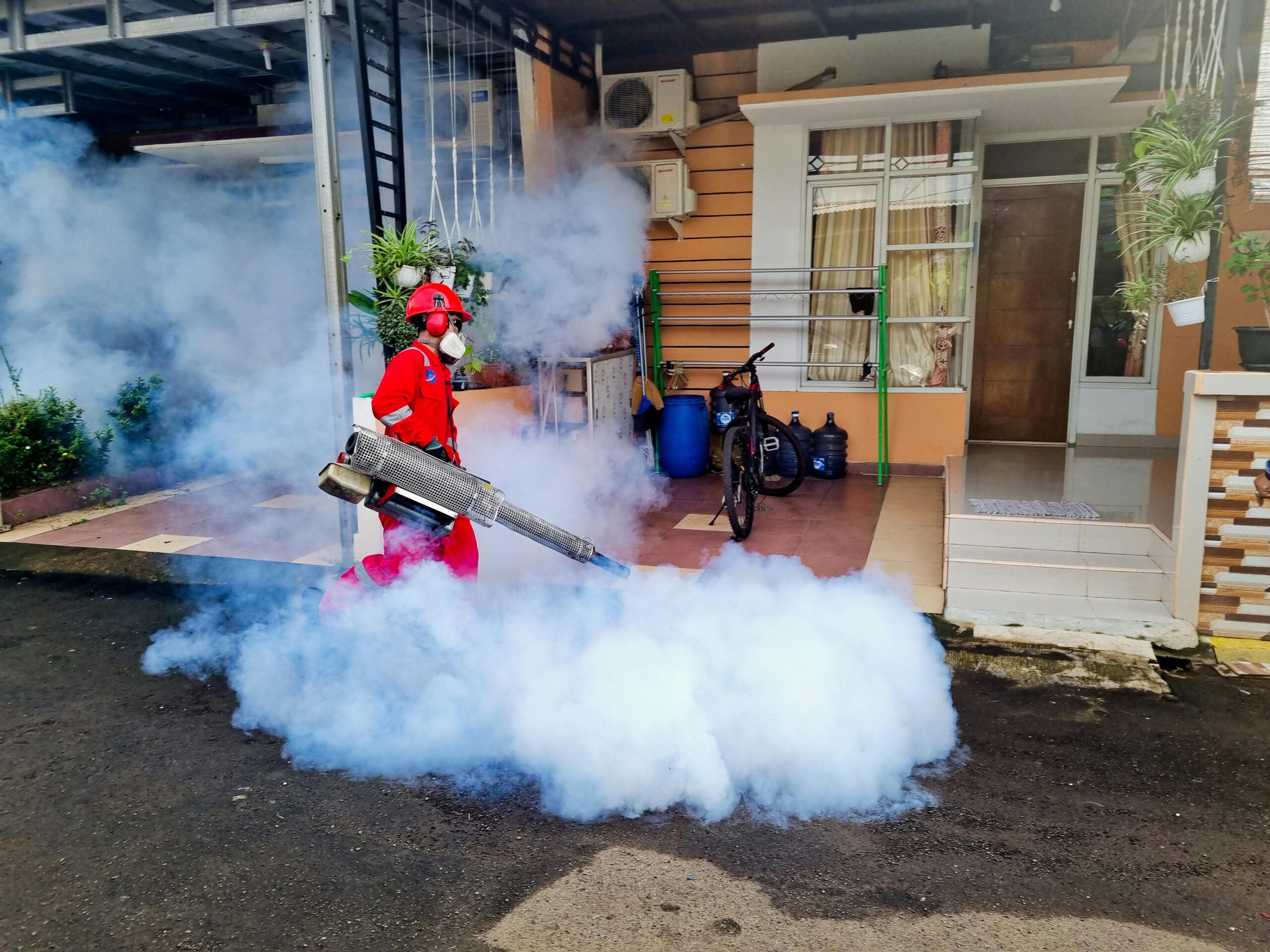
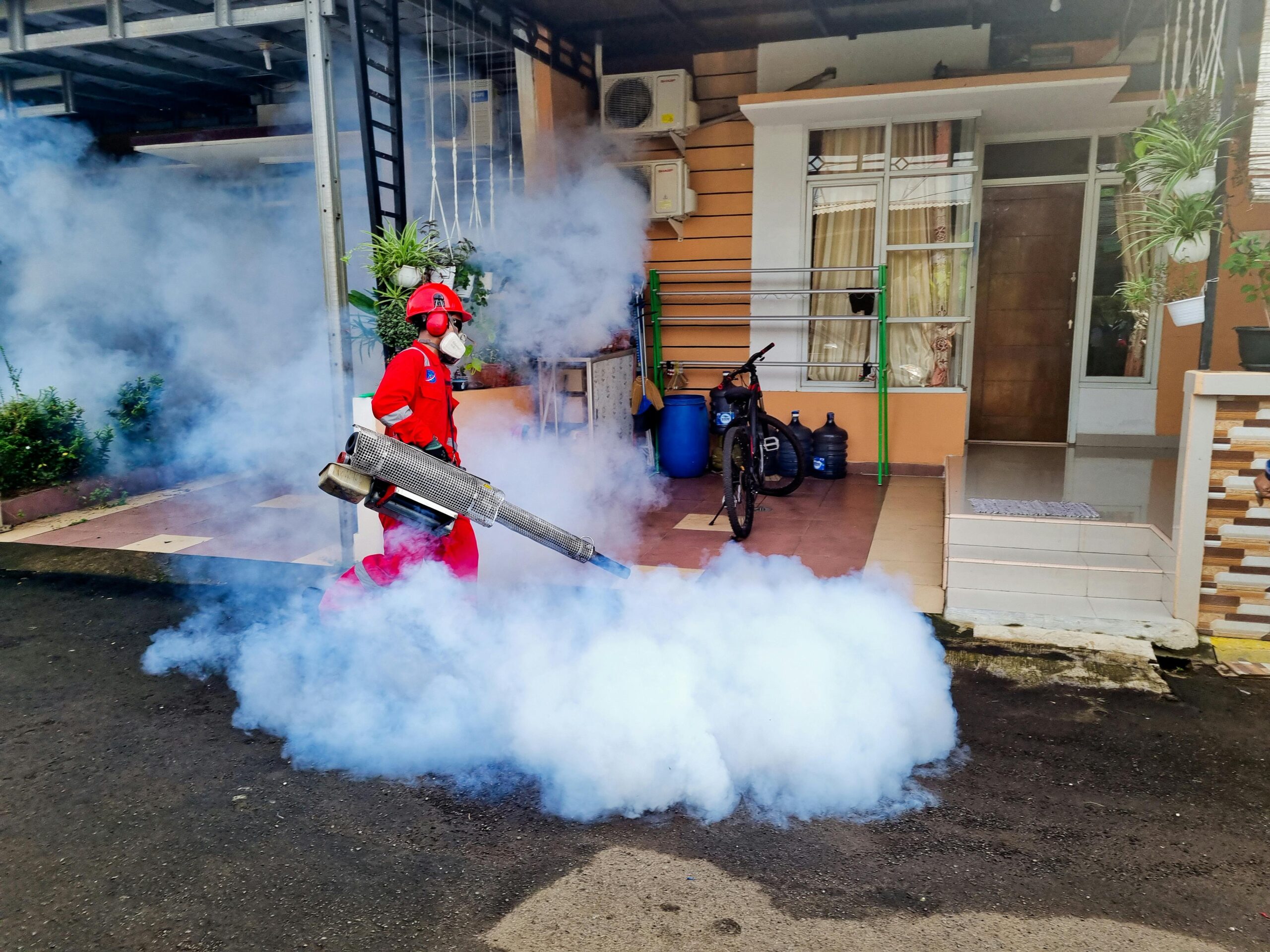
- Targeted fumigation with smoke machines: A low‑temperature smoke generator releases a fine, pesticide‑laden mist that penetrates cracks, eaves, and roof overhangs—areas where stink bugs congregate during the cooler months.
- Seasonal monitoring programs: Professionals set up pheromone traps and conduct visual inspections each spring and fall, adjusting treatment plans based on real‑time population data.

The smoke‑machine technique illustrated above is especially effective in Cumming’s humid climate, where bugs seek shelter in tight, hard‑to‑reach spaces. The fine mist coats surfaces uniformly, ensuring that even hidden insects receive a lethal dose.
What You Gain With a Licensed Service
Choosing a professional pest‑control partner like Anthem Pest Control provides several tangible benefits that DIY simply cannot match:
- Licensed applicators: Technicians are trained, certified, and kept up‑to‑date on the latest regulations and safety protocols.
- EPA‑approved products: The chemicals used are vetted for efficacy against stink bugs while meeting strict environmental standards.
- Warranty protection: Most service plans include a guarantee—if bugs return within the treatment window, the company will re‑treat at no extra charge.
- Time savings: A single appointment can accomplish what might take weeks of DIY effort, freeing you to focus on family, work, or home improvement projects.
- Integrated pest management (IPM): Professionals assess the entire property, recommend structural repairs, and combine chemical and non‑chemical tactics for long‑term control.
For homeowners in Cumming who value peace of mind and a predictable cost structure, the professional route often proves more economical over the long haul. While a DIY kit may cost $20‑$40, a single comprehensive treatment from Anthem Pest typically ranges between $150‑$250, covering the entire perimeter, a follow‑up visit, and a warranty that protects your investment.
Pricing Packages and What’s Included
When it comes to stink-bug control in Cumming, Georgia, knowing exactly what you’re paying for can make all the difference between a one-time fix and long-term peace of mind—especially when evaluating stink bug control cost Cumming. At Anthem Pest Control, we offer three transparent service tiers—Single-Visit, Seasonal, and Annual—each designed to match the bug’s life cycle and the homeowner’s budget. Below you’ll find a quick snapshot of what each package delivers, so you can pick the plan that fits your home’s needs without any hidden surprises.
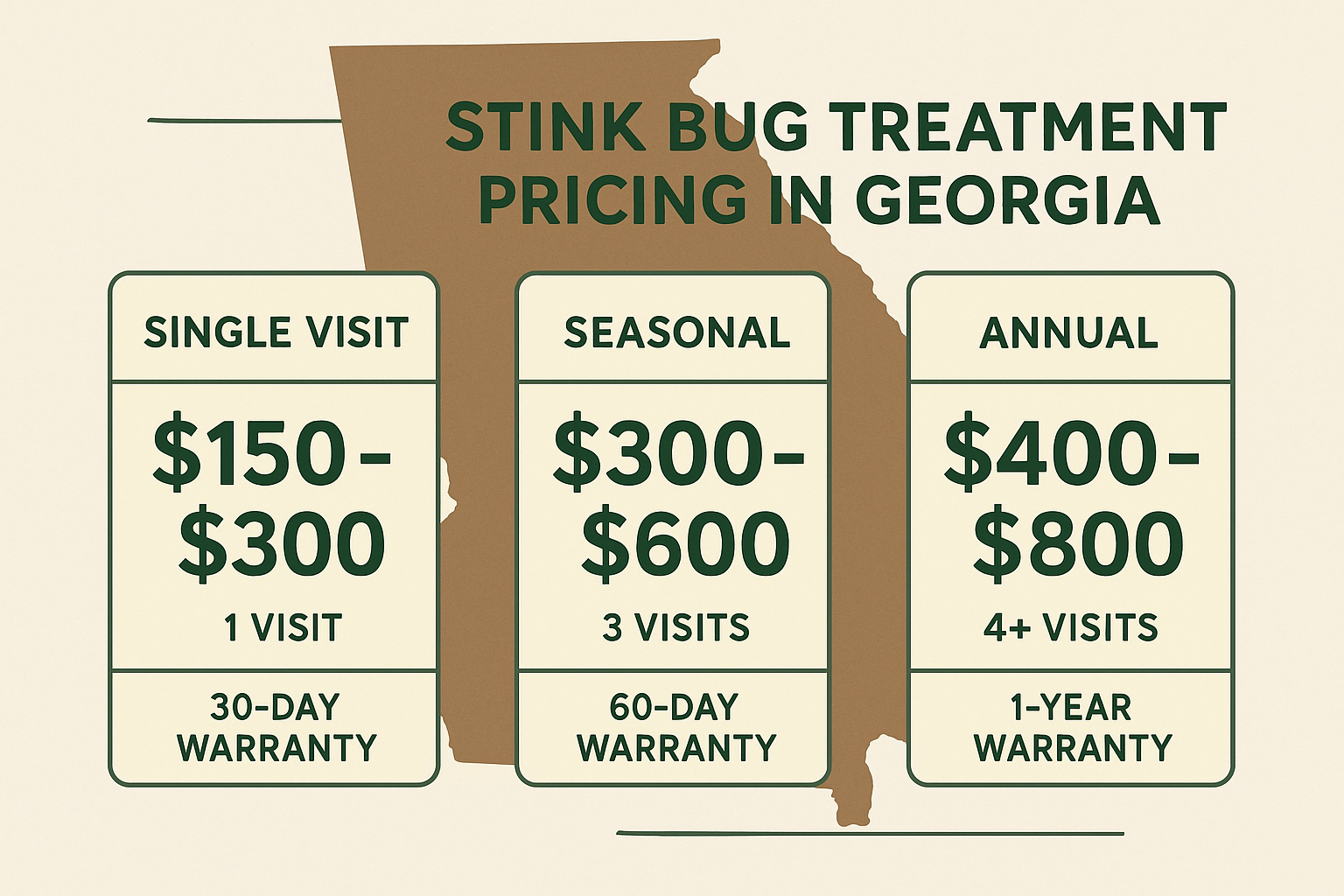
Service Tier Overview
Single‑Visit is perfect for homeowners who have just spotted a few stink bugs and want an immediate knock‑down. Our technicians perform a thorough inspection, apply a targeted residual treatment, and walk you through prevention tips—all in one appointment. This tier typically includes a 30‑day warranty, giving you a short window to call us back if the bugs reappear.
Seasonal aligns with the two peak periods identified in our earlier activity chart: late spring (May‑June) and early fall (September‑October). You receive two scheduled visits—one before each surge—plus a complimentary follow‑up inspection after each treatment. The seasonal plan extends the warranty to 90 days per visit, ensuring the bugs stay suppressed throughout the most vulnerable months.
Annual is the most comprehensive option for families who want to “set it and forget it.” This package bundles four visits—pre‑spring, mid‑summer, early fall, and winter touch‑up—plus unlimited follow‑up inspections whenever you notice activity. The annual plan carries a full‑year warranty on all applications, providing the strongest shield against reinfestation.
| Tier | Price Range (USD) | Number of Visits | Warranty Length | Included Follow‑up Inspections |
|---|---|---|---|---|
| Single‑Visit | $120 – $180 | 1 | 30 days | One post‑treatment check |
| Seasonal | $210 – $260 | 2 | 90 days per visit | Two post‑treatment checks |
| Annual | $350 – $420 | 4 | 12 months | Unlimited inspections |
Why the Tier Matters for Seasonal Activity
The stink bug’s life cycle in Georgia peaks twice a year. A single‑visit treatment may knock back an early infestation, but without a second application you risk a resurgence when the bugs emerge again in the fall. The Seasonal package mirrors those two spikes, delivering protection exactly when the insects are most active. Meanwhile, the Annual plan spreads coverage across all four critical windows, catching any late‑season migrants that slip through a two‑visit schedule.
Bundled Savings: Annual vs. One‑Time Treatments
If you add up the cost of two separate Single‑Visit treatments—one in spring and one in fall—you’ll land somewhere between $240 and $360, not counting the extra labor for two distinct appointments. The Seasonal package offers that same dual‑visit protection for a slightly lower range, thanks to bundled pricing. The Annual plan, while appearing higher at first glance, actually saves you up to 20 % compared with purchasing four individual visits over the year. In addition, the unlimited follow‑up inspections included in the Annual tier eliminate extra fees that often catch homeowners off guard.
Choosing the right tier is less about the headline price and more about the total value you receive throughout the year. If stink bugs have become a recurring nuisance, the Annual package delivers the most peace of mind for the least long‑term cost. For occasional sightings, the Seasonal plan strikes a balance between protection and affordability. And for those who just need a quick fix, the Single‑Visit option gets the job done without a long‑term commitment.
Ready to see which plan fits your home best? Contact Anthem Pest Control for a free, customized quote and let our local experts tailor a solution that matches your budget and your bug‑control goals.
Protect Your Home with Anthem Pest Control
Stink bugs may seem harmless at first glance, but by late summer they can turn your kitchen, garden, and even your walls into a fragrant nightmare. You’ve learned how to spot the shield‑shaped insects, recognize the peak activity window from midsummer through early fall, and understand the damage they cause—ranging from ruined crops to unsightly stains on siding and furniture. While DIY sprays and traps provide a temporary fix, they rarely eradicate the hidden colonies that nest in wall voids, attics, and crawl spaces. That’s why a professional approach is essential for lasting peace of mind.
Why Professional Treatment Beats DIY Every Time
- Deep‑reach application: Licensed technicians locate and treat the exact entry points and breeding sites that homeowners miss.
- EPA‑approved products: We use formulations proven to penetrate cracks, crevices, and structural voids without compromising family safety.
- Integrated pest management: Our strategies combine chemical control with exclusion techniques, reducing the need for repeat applications.
- Transparent pricing: No hidden fees—just a clear, upfront quote that matches the scope of work.
Anthem Pest Control’s Georgia Expertise
Serving the Cumming area and the broader Georgia region, Anthem Pest Control brings local knowledge to every job. Our technicians are fully licensed, undergo continuous training, and stay current on the latest state regulations and pest‑behavior trends. When you choose us, you benefit from:
- Season‑specific treatment plans calibrated to Georgia’s humid climate.
- Products that meet EPA standards for indoor and outdoor use, ensuring safety for children, pets, and the environment.
- A transparent, itemized estimate that outlines exactly what you’re paying for—no surprise add‑ons.
Free, No‑Obligation Inspection
We understand that committing to pest control can feel like a big decision. That’s why we offer a complimentary inspection at your convenience. During the visit, a certified technician will:
- Confirm the presence of stink bugs and identify the infestation’s severity.
- Explain how the bugs entered your home and which structural vulnerabilities need sealing.
- Provide a customized treatment roadmap, complete with a timeline and cost breakdown.
There’s no pressure to sign up on the spot—just a clear, honest assessment so you can decide what’s best for your household.
Contact Anthem Today
Ready to protect your home from the lingering scent and potential damage of stink bugs? Give us a call at 877-371-8196 for your free quote and clear details about stink bug control cost Cumming, or click the link below to schedule your inspection online. Our friendly team will answer any questions you have about safety, affordability, and the long-term benefits of professional pest management.