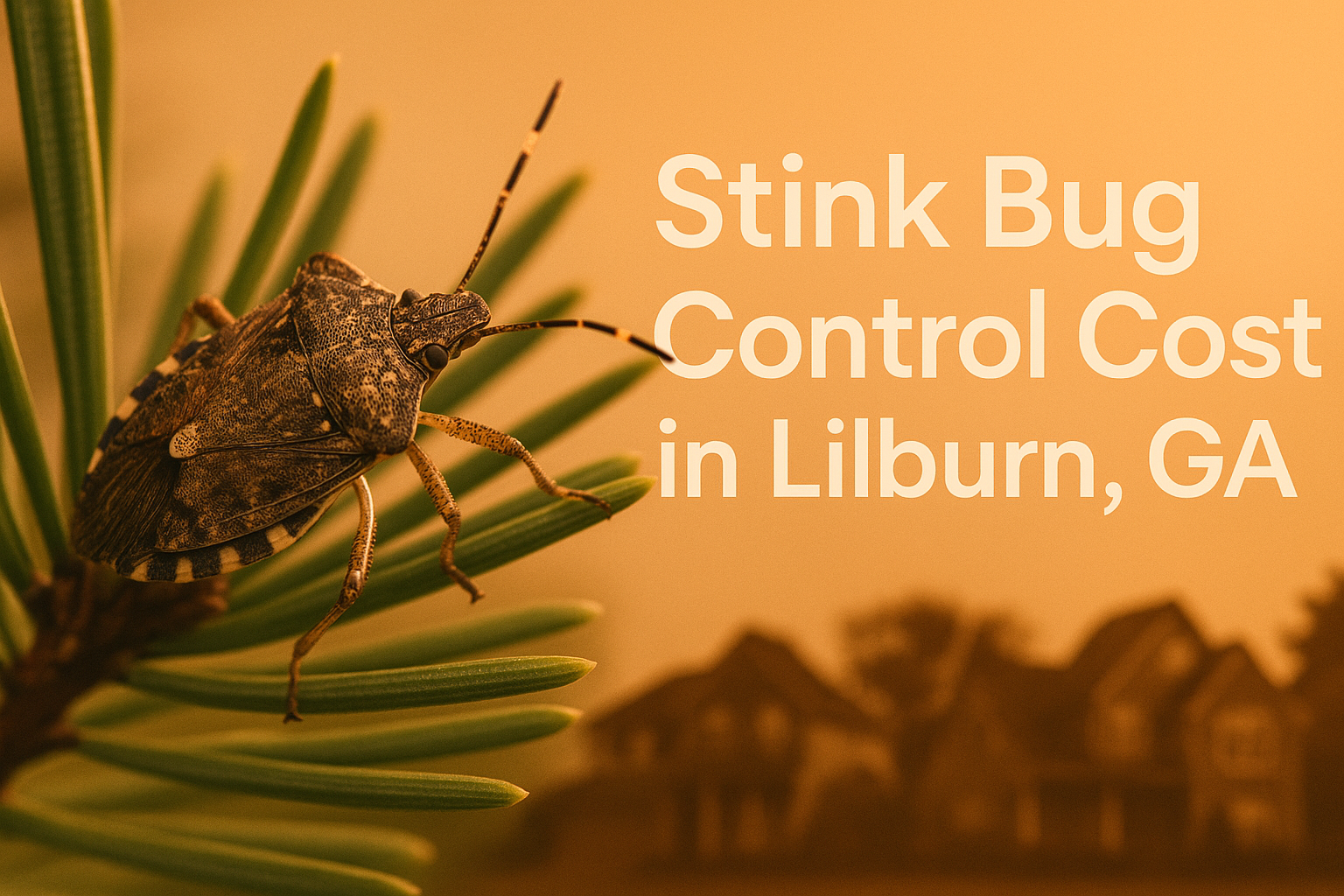
Why Stink Bugs Matter in Lilburn
Every year, as summer winds down and the first chill of fall arrives, Lilburn homeowners notice an unwelcome surge of brown‑marmorated stink bugs (BMSB) invading homes, gardens, and even light fixtures. This late‑summer/early‑fall spike is driven by the bugs’ natural life cycle: after feeding on crops and ornamental plants, they seek warm shelter to overwinter. In North Georgia, the timing aligns perfectly with the period when families are opening windows and doors, providing easy entry points for these pests.
While a few stray stink bugs might be a minor nuisance, the collective impact can be significant. The EPA notes that stink bugs release a pungent odor when disturbed, which can linger in indoor spaces for days. In addition, some individuals experience mild skin irritation after handling the insects, especially if they crush them and the defensive chemicals come into contact with the skin. For a detailed overview, see the EPA Stink Bug Fact Sheet.
Beyond the sensory annoyance, stink bugs impose a tangible economic burden on Lilburn homeowners. Outdoor lighting is a prime target: the bugs are attracted to the heat of bulbs, congregating in large numbers and eventually causing premature burnout of fixtures. Fruit growers in residential orchards report blemished peaches, apples, and grapes, as the bugs pierce the skin to feed, leading to reduced marketability and increased waste. Inside the home, the sheer volume of dead bugs can require professional remediation, adding to the cost of pest control services.
When you factor in the price of replacing damaged lighting, discarding spoiled produce, and hiring a licensed exterminator, the cumulative expense can quickly climb into the hundreds of dollars per household. This is why proactive stink bug management isn’t just about comfort—it’s a financial decision that protects your property’s value and your family’s peace of mind.
Our article zeroes in on Lilburn‑specific data, climate patterns, and the most effective control methods tailored for this community. By understanding the local surge patterns and the direct costs associated with stink bug damage, homeowners can make informed choices about when and how to act. The goal is to empower you with the knowledge needed to prevent a seasonal nuisance from turning into a costly problem.

Spotting Stink Bugs and Their Entry Points
Before you can keep a stink bug out, you need to know exactly what you’re looking at. In Lilburn, the brown marmorated stink bug (Halyomorpha halys) has become a seasonal nuisance, showing up in large numbers as the weather cools. Recognizing its key physical traits and typical hang‑outs lets you act fast—before the insects find a crack and start releasing that infamous odor.
What a Stink Bug Looks Like
Adult stink bugs measure roughly ½ to ¾ inch (12‑19 mm) in length. Their bodies are shield‑shaped and a glossy light brown to olive‑green color, often with faint white or black markings along the edges of the wings. When they feel threatened, the tiny scent‑producing glands located on the underside of the abdomen release a pungent, mustard‑like smell that can linger for hours. The odor is a reliable giveaway, especially when you find a cluster of the bugs on a sunny wall and the air suddenly turns “stinky.”
Typical Behavior Patterns
Stink bugs are essentially “cold‑weather seekers.” As temperatures dip, they abandon outdoor vegetation and look for warm, protected spaces to overwinter. You’ll often see them:
- Gathering in large numbers on sun‑exposed walls or windowsills during late summer.
- Seeking out cracks, crevices, and any opening that offers a stable temperature.
- Moving in groups, especially after a rainstorm when they scramble for shelter.
Because they are attracted to light and heat, a sunny exterior wall can become a highway for these insects, guiding them straight to the nearest opening in your home’s envelope.
Common Entry Points in Lilburn Homes
Stink bugs are surprisingly adept at exploiting even the smallest gaps. The most frequent invasion routes include:
- Eaves and soffits: Gaps where roofing material meets the wall are perfect entryways.
- Window screens: Torn or poorly fitted screens let bugs slip through unnoticed.
- Vent gaps: Dryer, attic, and bathroom vents often have unsealed edges.
- Utility openings: Spaces around electrical wiring, plumbing, and cable lines are prime targets.
Even a ¼‑inch crack can be enough for a determined stink bug to squeeze through. Regularly inspecting these areas and sealing them with caulk or weather‑stripping dramatically reduces the chance of an infestation.
Recent Trends in Georgia
According to the University of Georgia Extension, Georgia reported a 27% increase in stink bug sightings in 2023. The surge is linked to warmer autumns and expanded agricultural zones, which give the bugs a larger breeding ground before they migrate into residential neighborhoods.
Local Examples: Real‑World Entry Scenarios
In the Brookside apartments on Peachtree Road, residents reported swarms gathering on the south‑facing wall of building A. The insects entered through unsealed soffit vents and a handful of cracked window screens, creating a visible “wall of bugs” each evening. Similarly, a Lilburn West cul‑de‑sac experienced a sudden influx of stink bugs after a heavy rainstorm. Homeowners discovered that a single utility opening behind a garage door—left unsealed for a recent remodel—had become the main highway for the insects.
These local cases illustrate a simple truth: the more you know where the bugs love to hide, the easier it is to block them. Conduct a quick visual sweep of the areas listed above, and you’ll often spot a few stragglers before they turn into a full‑blown infestation.
Professional Treatment Options from Anthem Pest
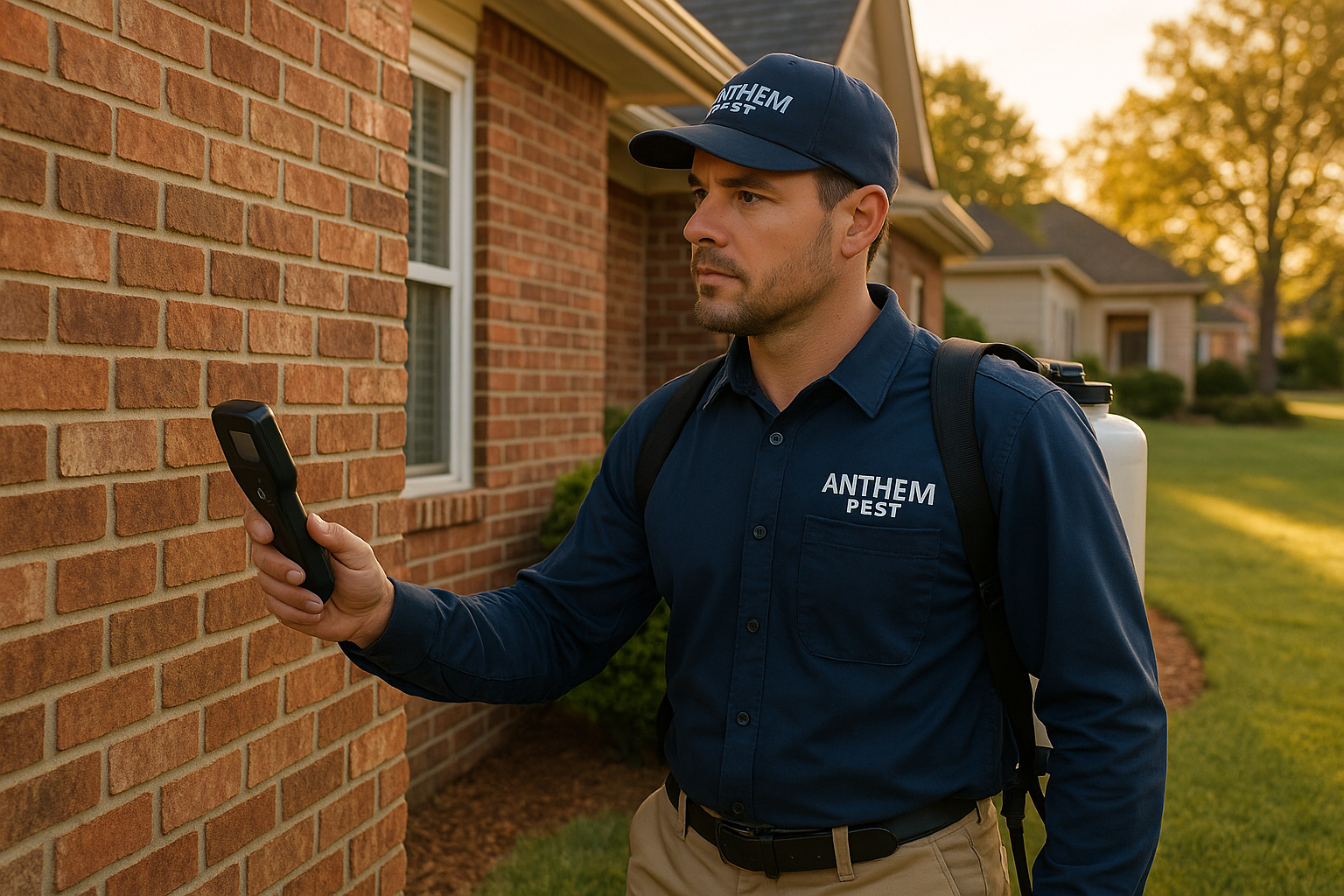
Anthem Pest offers three clearly defined service tiers for stink‑bug control, each designed to match a homeowner’s budget, timeline, and comfort with chemical use. Understanding the differences helps you choose the right level of protection before the bugs swarm your Lilburn home.
One‑Time Interior/Exterior Spray
This entry‑level option targets the immediate infestation you’re seeing right now. Technicians treat all interior cracks, baseboards, window frames, and exterior entry points with a residual insecticide that stays active for 4–6 weeks.
Typical chemicals include bifenthrin or permethrin, both approved by the EPA for residential use. If you prefer a lower‑toxicity formula, Anthem can substitute a pyrethroid‑free option such as spinosad, though the residual life may be slightly shorter.
Seasonal Barrier Treatment (Pre‑Emptive in July)
July is the optimal window for a preventive barrier because stink bugs begin seeking shelter as temperatures dip. Anthem applies a broad‑spectrum spray around the home’s perimeter, roof eaves, and foundation, creating a chemical shield that discourages entry throughout the fall and winter months.
The coverage area typically includes the entire building envelope—about 1,200 to 1,500 square feet for an average single‑family home in Lilburn. This treatment is re‑applied each year, ensuring the barrier remains effective as the bugs mature.
Quarterly Maintenance Plan
For homeowners who want “set‑and‑forget” protection, the quarterly plan spreads four visits over the year. Each visit repeats the interior/exterior spray, inspects for new entry points, and tops up the seasonal barrier if needed.
In addition to chemical applications, technicians perform a visual inspection, seal obvious gaps, and provide a short report with recommendations for any structural fixes that could reduce future pest pressure.
Pros and Cons of Each Tier
- One‑Time Spray – Pros: lowest upfront cost, fast results; Cons: protection fades after a month, may require repeat visits if bugs persist.
- Seasonal Barrier – Pros: long‑lasting pre‑emptive defense, reduces need for emergency calls; Cons: higher seasonal price, effectiveness depends on proper timing.
- Quarterly Maintenance – Pros: continuous coverage, includes inspection and gap‑sealing;
Detailed Cost Breakdown for Lilburn Homeowners
When it comes to stink bug control, Lilburn homeowners deserve clear, upfront pricing so they can budget with confidence. At Anthem Pest Control we break every service down into a simple line‑item cost, explain why those numbers vary, and show exactly how our rates compare to the regional averages reported by the EPA in 2024.
Standard Service Options and What They Cost
Anthem Pest Control – Stink Bug Service Pricing for a Typical 1,500‑sq ft Home Service Price Range What’s Included Inspection only $75 – $120 15‑minute visual assessment, pest‑identification report, and treatment recommendation. One‑time spray $150 – $250 Full‑coverage perimeter and interior treatment for a 1,500‑sq ft home. Seasonal barrier $250 – $350 Pre‑season application plus a follow‑up retreat to keep bugs out through fall. Quarterly plan $180 per visit Four visits per year; $50 service‑fee waiver when you sign an annual contract. Each of these options is designed to match a specific level of need. An inspection only is perfect if you’re unsure whether stink bugs have taken up residence. The one‑time spray tackles a current infestation, while the seasonal barrier adds a protective layer before bugs start looking for shelter. For homeowners who want “set it and forget it,” the quarterly plan spreads the cost across four visits and locks in a discount.
What Drives the Price?
- Home size: Larger square footage means more surface area to treat, which raises labor and material costs.
- Infestation severity: A light presence may need only a single spray, whereas heavy colonies require multiple applications and stronger products.
- Accessibility: Homes with tight crawl spaces, multi‑level decks, or hard‑to‑reach vents demand extra time and specialized equipment.
- Neighborhood pest pressure: If many nearby homes are battling stink bugs, the overall community load can increase the amount of product needed for an effective barrier.
By evaluating these factors during the initial walk‑through, our technicians can give you a precise quote rather than a vague estimate. That transparency is why many Lilburn families choose Anthem over generic, “one‑size‑fits‑all” providers.
How Anthem Stacks Up Against Regional Averages
The EPA’s 2024 pest‑control pricing report shows that the average cost for a one‑time stink‑bug spray in the Southeast ranges from $180 to $300, while seasonal barriers typically sit between $300 and $400. Anthem’s pricing consistently lands at the lower end of those bands, delivering the same professional-grade products and licensed technicians.
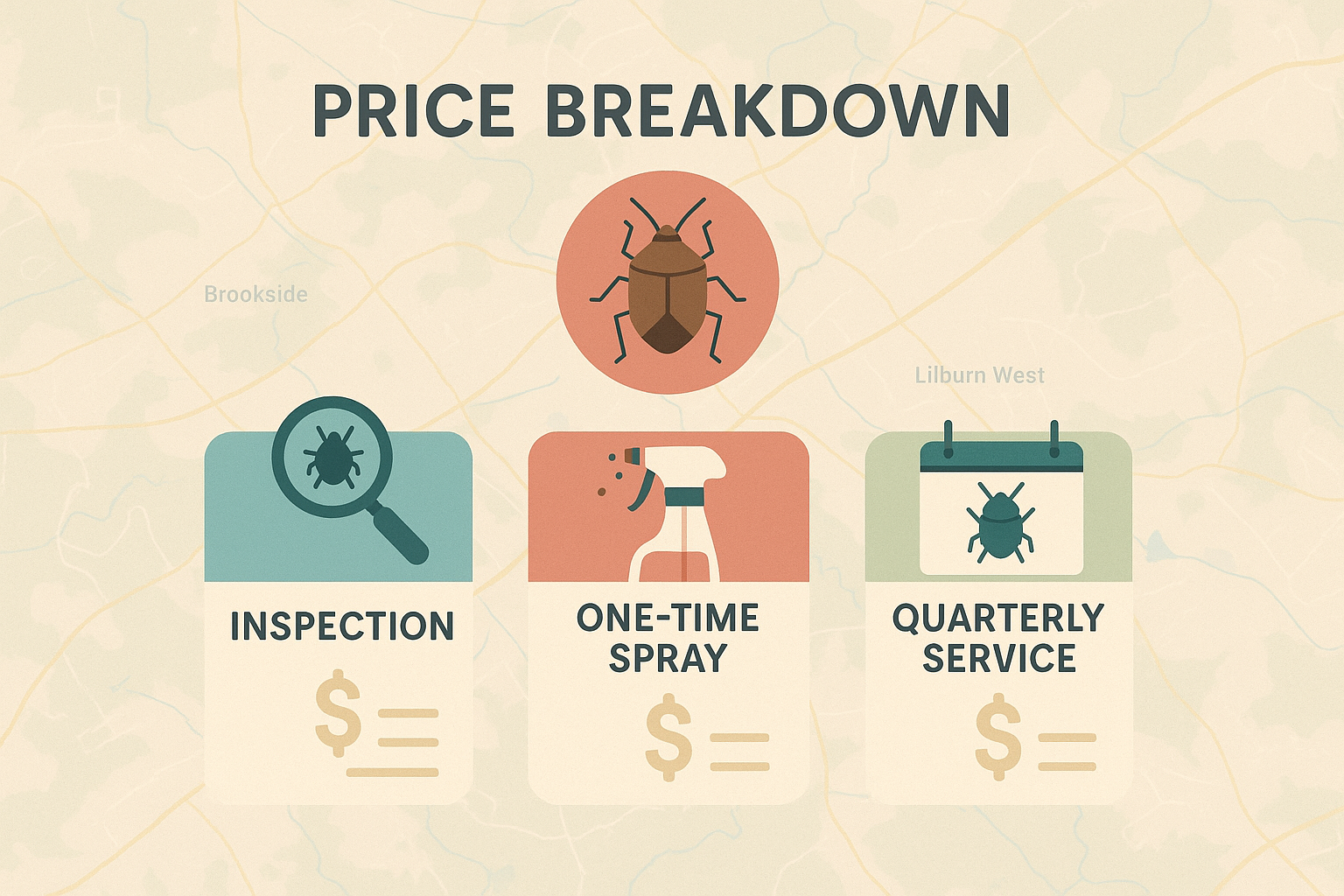
AI-generated image In the chart above, you’ll see a side‑by‑side visual of our rates compared with the EPA averages. The lighter bars represent Anthem’s prices, and the darker bars illustrate the regional mean. For every service category—inspection, one‑time spray, seasonal barrier, and quarterly plan—our costs are either equal to or below the market average, proving that you don’t have to sacrifice quality for affordability.
Savings, Discounts, and Financing
At Anthem Pest Control we believe that protecting your Lilburn home shouldn’t come with hidden fees or surprise charges. That’s why every homeowner receives a free, no‑obligation estimate before any work begins. Our transparent pricing policy breaks down every step—from inspection to the final treatment—so you know exactly what you’re paying for and why.
Senior Citizen Discount
We honor the experience and wisdom of our senior community. Lilburn residents who are 65 or older automatically qualify for a 10 % discount on any full‑service pest control plan. Simply present a valid ID during your consultation, and the savings are applied to the final invoice—no coupons, no extra paperwork.
Flexible Financing Options
Understanding that a pest‑free home is an investment, we’ve partnered with local financing providers to offer a 0 % interest, 6‑month payment plan. This option spreads the cost of a comprehensive quarterly program over six easy installments, keeping your monthly budget intact while still delivering year‑round protection.
Real‑World Cost‑Benefit Example
Consider a typical 2,000‑sq ft home in Lilburn that opts for our quarterly treatment schedule. Below is a side‑by‑side comparison of the quarterly plan versus two separate one‑time sprays:
Annual cost comparison for a 2,000‑sq ft home Service Plan Cost per Treatment Number of Treatments Annual Total Savings vs. One‑Time Sprays Quarterly Program $120 4 $480 — Two One‑Time Sprays $300 2 $600 $120 By choosing the quarterly plan, the homeowner saves $120 annually—the equivalent of a full extra treatment—while enjoying continuous protection against stink bugs and other pests.
Putting It All Together
- Free, detailed estimate with no commitment.
- 10 % senior discount for Lilburn residents 65+.
- 0 % interest, 6‑month financing to keep payments manageable.
- Quarterly plans often deliver measurable savings compared to ad‑hoc, one‑time services.
When you combine Anthem’s transparent pricing with these value‑added offers, you’re not just paying for pest control—you’re investing in peace of mind that fits your budget. Ready to see how much you could save? Give us a call at 877‑371‑8196 or visit anthempest.com for a personalized quote.
DIY Prevention Tips to Complement Professional Service
Even after a professional treatment, a few simple, low‑cost actions can keep stink bugs from slipping back into your home. Think of these steps as the “front‑door guard” that works hand‑in‑hand with Anthem Pest’s expertise. By tightening up entry points and tweaking the environment around your house, you’ll make it far less inviting for these orange‑hued invaders.
1. Seal Cracks and Gaps
Stink bugs are masters at squeezing through the tiniest openings—often as small as a pencil lead. Walk the perimeter of your home with a flashlight and locate any cracks around windows, doors, utility penetrations, and the foundation. Fill them with a high‑quality silicone or acrylic caulk. For larger gaps, especially around doors and windows, install weatherstripping. This not only blocks bugs but also improves energy efficiency.
2. Install Door Sweeps
Exterior doors are a favorite highway for stink bugs. A simple door sweep, attached to the bottom of the door, creates a seal that stops insects from crawling underneath. Choose sweeps with a flexible rubber or silicone flap; they stay effective even as the door settles over time.
3. Light Management
Many insects, including stink bugs, are drawn to bright, white lights at night. Reduce outdoor illumination after dusk, or replace existing bulbs with yellow‑bulb LEDs. These emit a longer wavelength that is far less attractive to bugs, cutting down the number that congregate near your entryways.
4. Landscape Management
Plants that touch the house act as bridges for bugs. Trim shrubs, vines, and tree branches at least 12 inches away from walls. Remove leaf litter, wood piles, and other debris where stink bugs can hide during the day. Keeping the area around your foundation clean eliminates convenient resting spots and makes it harder for bugs to locate cracks.
5. Follow CDC’s Integrated Pest Management Guidance
The Centers for Disease Control and Prevention recommends reducing indoor pest habitats as a cornerstone of Integrated Pest Management (IPM). Simple actions—like keeping food sealed, fixing water leaks, and maintaining a tidy home—lower the overall attractiveness of your house to stink bugs and other pests. For a full overview, see the CDC’s Integrated Pest Management Basics.
By combining these DIY measures with Anthem Pest’s professional stink‑bug treatment, you create a two‑layer defense: the first layer stops bugs from entering, while the second layer eliminates any that do manage to slip through. The result is a quieter, bug‑free home that stays that way longer—without breaking the bank.
Frequently Asked Questions About Stink Bug Control
How soon will I see results after treatment?
Most homeowners notice a significant drop in stink‑bug activity within 24‑48 hours of our initial service. Our technicians apply a targeted perimeter spray and interior crack‑and‑crevice treatment that attacks the insects where they hide. Because the product continues to work for several weeks, the first two days give you the most visible relief, while the residual barrier keeps new bugs from entering your home.
Are the chemicals safe for pets?
Absolutely. Anthem Pest Control uses only EPA‑registered products that are classified as low‑toxicity for mammals and birds. Before we begin, we discuss any pets you have and follow strict safety protocols: we keep animals out of treated zones until the spray dries, typically a matter of minutes, and we avoid high‑traffic indoor areas with the most concentrated formulas. The result is a pest‑free home without compromising the health of your dogs, cats, or other household members.
What if bugs return between visits?
We stand behind our work with a 30‑day guarantee. If you notice stink bugs reappearing within that window, simply call us and we’ll schedule a free re‑treatment. Our technicians will reassess the entry points, adjust the application rate if needed, and reinforce the protective barrier at no extra cost. This guarantee reflects our confidence in the effectiveness of the products and the thoroughness of our inspection.
Do I need to prepare my home before the technician arrives?
Preparation is minimal. We ask you to clear clutter around baseboards, windows, and doors so the spray can reach all cracks. If you have indoor plants, move them a short distance away from the treatment zones, and keep windows closed for about an hour after we finish. These simple steps help the product adhere properly and maximize the speed of results.
How often should I schedule follow‑up treatments?
Stink bugs are most active from late summer through early fall, so a pre‑season service in late July or early August gives you the best protection. After the initial treatment, a single booster in September typically keeps the infestation at bay for the rest of the year. For homes with chronic problems, we recommend an annual maintenance plan that includes a spring inspection and a fall retreat.
Local Success Stories in Lilburn
Case Study (a): Brookside Homeowner Saves $200 with a Quarterly Plan
When Sarah from Brookside first called Anthem Pest, she was paying $150 per visit for ad‑hoc stink‑bug treatments that never seemed to keep the bugs away. After a detailed inspection, our technician recommended switching to a quarterly prevention plan that includes a pre‑season barrier and a mid‑season follow‑up.
Within the first two months, the backyard patio—Sarah’s favorite spot for evening relaxation—remained bug‑free. By the end of the year, she had avoided three emergency visits, translating to a $200 savings compared to her previous “pay‑as‑you‑go” approach. The consistent schedule also gave her peace of mind, knowing the protection was always active.
Case Study (b): Lilburn West Family Ends Nightly Infestations After One Seasonal Barrier
The Martinez family in Lilburn West woke up each night to swarms of stink bugs crawling across bedroom walls. After a single seasonal barrier treatment applied by Anthem Pest, the results were immediate. The technician focused on entry points around windows, doors, and the attic, sealing gaps and applying a low‑toxicity perimeter spray.
“We went to bed that night and didn’t see a single bug,” says Carlos Martinez. “The next morning, the kitchen counters were clear, and the kids could finally sleep without the buzzing sound.” The family now follows a simple annual schedule, and the once‑daily nightmare has become a thing of the past.
What Lilburn Homeowners Are Saying
“Anthem’s team was prompt, professional, and actually explained what they were doing. I felt confident they had the stink bugs under control.” – Jenna L., Lilburn
“The quarterly plan saved me money and gave my garden the protection it needed. No more surprise bug invasions!” – Mike R., Brookside
“I was skeptical about a single treatment, but the seasonal barrier worked wonders. My kids can finally play outside without worrying about bugs.” – Linda S., Lilburn West
These real‑world examples illustrate how Anthem Pest tailors solutions to each home’s unique situation, delivering both cost savings and lasting relief. Whether you’re dealing with a sudden outbreak or looking for a proactive plan, the experiences of your neighbors show that effective stink‑bug control is within reach.
How to Schedule Your Stink Bug Service
When a stink bug invasion turns your home into a summer nuisance, the fastest way to regain control is to book a professional treatment. Anthem Pest Control has streamlined the scheduling process so you can move from “problem” to “solution” in just a few minutes. Follow the simple steps below, and a Lilburn‑area specialist will be on the line or at your door before the day is over.
- Pick up the phone and call 877‑371‑8196. Our dedicated Lilburn team answers promptly, asks a few quick questions about the size of the infestation, and confirms that we serve your exact address. Because we operate within a 100‑mile radius—including Lilburn, Snellville, Lawrenceville, and surrounding neighborhoods—you’ll hear a familiar, local voice every time.
- Or, submit an online request. Visit https://anthempest.com/ and click the “Free Estimate” button. The short form captures your contact details, address, and a brief description of the stink bug issue. Submitting the form triggers an automatic routing to the nearest Lilburn technician.
- Receive a same‑day free estimate. Whether you called or filled out the web form, one of our certified technicians will call you back within a few hours. The estimate is completely free, transparent, and includes a clear breakdown of treatment options, any necessary follow‑up visits, and the total cost.
- Confirm your appointment window. After you approve the estimate, we lock in a convenient service window—often the same day or the next available slot. You’ll get a confirmation email or text with the exact date, time range, and the name of the technician who will arrive.
- Prepare for the visit. On the day of service, simply ensure easy access to the areas where stink bugs have been spotted (typically exterior walls, windows, and vents). Our technicians arrive with EPA‑approved products, fully insured equipment, and a clear plan to eliminate the bugs and prevent future invasions.
By offering both a direct phone line and an instant online request, Anthem removes the guesswork from pest control scheduling. The 100‑mile service radius guarantees that a local expert—who knows the quirks of Lilburn’s climate and building styles—will handle your stink bug problem quickly and affordably. Give us a call or fill out the form today, and let us turn your home back into a bug‑free sanctuary.
Protect Your Home Year‑Round
Stink bugs may seem like a minor nuisance, but in Lilburn their numbers explode each fall as they seek shelter for the winter. A sudden surge can lead to hundreds of bugs invading kitchens, bedrooms, and even electrical outlets, creating an unsightly mess and a lingering odor. Beyond the aesthetic impact, some species release allergens that aggravate asthma and respiratory conditions. And let’s not forget the hidden cost: a full‑scale infestation often requires multiple treatments, driving up expenses that could have been avoided with early action.
Why Anthem’s Transparent Pricing Works for You
Anthem Pest Control believes you shouldn’t have to guess the price of protection. Our quotes are clear, itemized, and free of hidden fees, so you know exactly what you’re paying for. Whether you need a one‑time treatment before the first frost or a year‑long protection plan that includes seasonal inspections, we offer flexible options that fit any budget. Our technicians are locals who understand Lilburn’s unique climate patterns, ensuring every application targets the bugs when they’re most vulnerable.
Take the First Step – Get a Free, No‑Obligation Quote
There’s no risk in finding out how affordable comprehensive stink‑bug control can be. Simply reach out for a complimentary quote, and we’ll assess your home’s specific needs, recommend the best schedule, and outline exactly what you’ll receive. Acting now means you can lock in the optimal treatment window before the bugs start congregating in your walls and attic.
Whether you’re dealing with a few stray bugs or a full‑scale infestation, Anthem Pest Control has the experience and locally‑tuned solutions to keep your home comfortable and bug‑free. Our friendly technicians are just a call or click away, ready to tailor a plan that fits your budget and schedule.
Don’t let the next wave of stink bugs catch you off guard. Call us today at 877‑371‑8196 or visit Anthem Pest Control to schedule your free quote and secure year‑round protection for your Lilburn home.