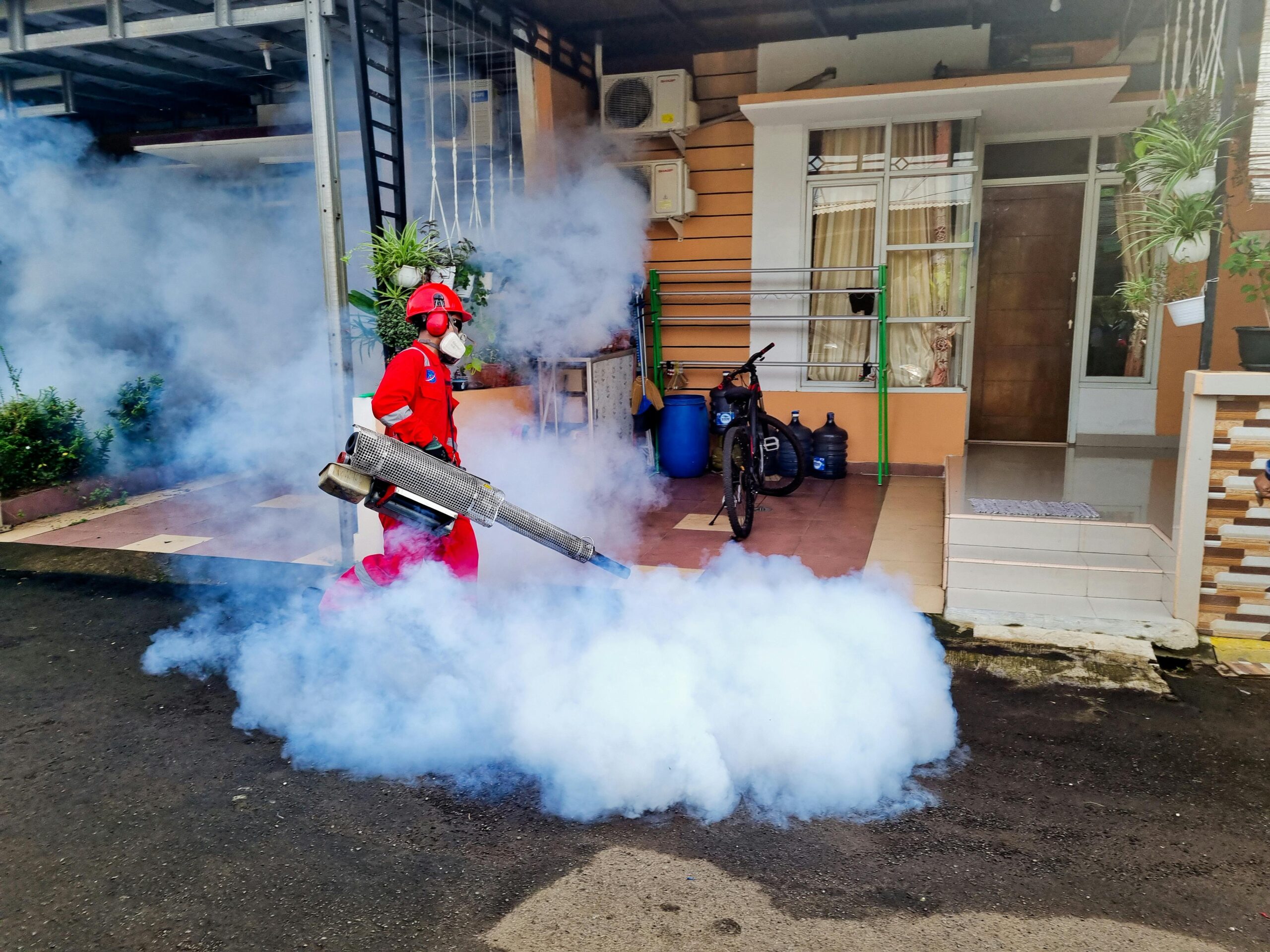
Understanding Stink Bugs in Georgia
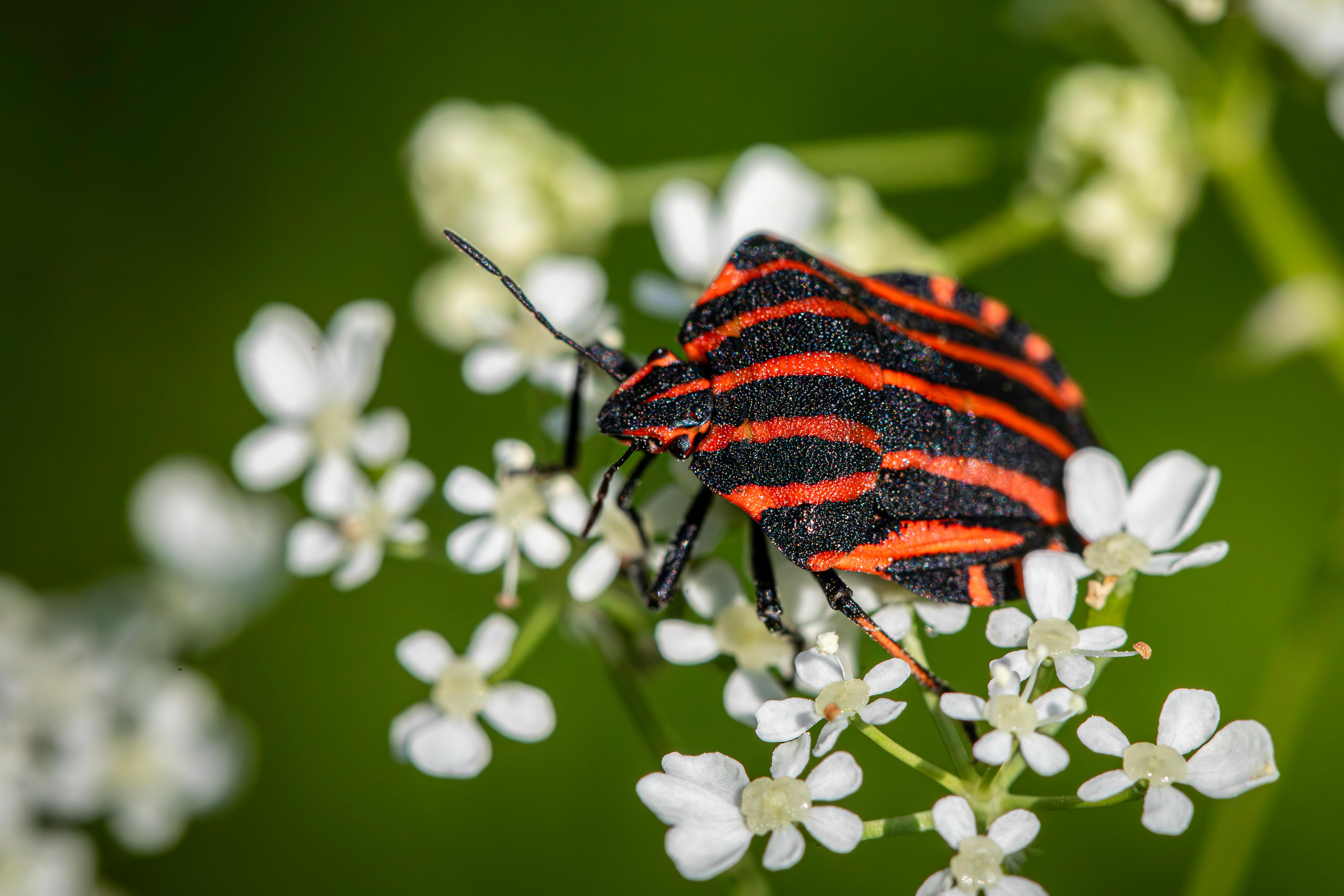
Georgia’s warm climate has turned the state into a crossroads for several stink‑bug species. The most notorious invader is the brown marmorated stink bug (Halyomorpha halys), originally from East Asia but now common throughout the Southeast. Native stink bugs, such as the green stink bug (Acrosternum hilare) and the southern green stink bug, also make regular appearances in gardens and fields. While the natives have been part of the local ecosystem for decades, the brown marmorated variety arrived in the early 2000s and quickly spread, earning a reputation as a household pest.
Key Identification Features
Stink bugs are easily spotted once you know what to look for. Adults measure roughly ½‑¾ inch long and sport a shield‑shaped, roughly triangular body. The brown marmorated stink bug is distinguished by a mottled brown base color crossed by a striking red‑black striped pattern along the edges of its thorax and abdomen. Native species tend to be greener or lighter brown, but all share the characteristic “V”‑shaped scent glands on the underside that release an unpleasant odor when the bug is disturbed.
Typical Habitats
During the growing season, stink bugs congregate on outdoor vegetation—fruit trees, soybean fields, and ornamental shrubs are favorite feeding spots. As temperatures drop in late summer and early fall, they seek shelter in warm indoor spaces. Common hiding places include wall voids, attics, under siding, and even inside appliances. Their ability to slip through tiny cracks makes it essential for homeowners to seal entry points before the insects begin their seasonal migration.
Why They’re a Nuisance
Beyond the unmistakable, lingering odor, stink bugs can cause real damage. Feeding punctures on crops, garden vegetables, and fruit lead to discoloration, premature ripening, and reduced yields. Inside the home, while they don’t bite, their presence can trigger allergic reactions in sensitive individuals, resulting in skin irritation or respiratory discomfort. The combination of crop loss, odor, and health concerns makes early detection and control a priority for any Georgia homeowner.
For a deeper dive into species specifics and cost considerations, visit Anthem Pest Control – Stink Bug Control Cost in Roswell, GA. Understanding what you’re dealing with is the first step toward effective, affordable treatment.
When Stink Bugs Become a Problem in Your Home
How They Slip Inside
Stink bugs are opportunistic hitchhikers. Even the tiniest cracks around windows, doors, and utility openings can become highways for these invaders. Gaps in siding, unsealed vent pipes, and poorly fitted screen doors are especially inviting. Once a bug finds a foothold, it can multiply quickly, turning a minor annoyance into a full‑blown infestation.
Warning Signs You Shouldn’t Ignore
Homeowners often spot the first clues when they disturb a hidden bug and a pungent, defensive odor erupts. Look for clusters of dead insects in corners, shed skins near light fixtures, or a line of tiny footprints on walls and windowsills. A sudden increase in these signs, especially during the late summer to early fall, signals that the bugs are seeking shelter for the winter months.
Seasonal Surge: Late Summer and Fall
As temperatures dip, stink bugs abandon outdoor food sources and head indoors for warmth. This seasonal surge is predictable: the majority of home entries occur between August and November. If you notice a spike in activity during this window, it’s a clear indication that the bugs are preparing for overwintering, and early action can prevent a larger problem later.
Potential Damage to Your Home
Beyond the nuisance factor, stink bugs can cause real damage. Garden produce left on indoor countertops may become stained or ruined after a bug feeds on it. Their defensive spray can leave unsightly marks on fabrics, curtains, and upholstery. Moreover, the constant presence of dead insects and their secretions can compromise indoor air quality, aggravating allergies and respiratory sensitivities.
Real‑World Example: A Roswell Homeowner’s Story
Jane M., a Roswell resident, first noticed a faint, sour smell near her kitchen window in early September. Within a week, she found dozens of dead bugs on her pantry shelves and a faint orange stain on her favorite sofa. After a quick inspection, she discovered a ¼‑inch gap around a recessed lighting fixture that served as the primary entry point. By the time she called a professional, the infestation had spread to three rooms, requiring a comprehensive treatment plan.
Why Early Detection Matters
Spotting these signs early gives you a head start on containment. Professional intervention can seal entry points, apply targeted treatments, and reduce the need for repeated visits. The sooner you act, the less likely the bugs will establish a permanent foothold, saving you time, stress, and money.
Seasonal Activity and Timing for Treatment in Georgia
Stink bugs in Georgia follow a predictable annual rhythm that starts with eggs laid on the underside of leaves in early spring. As temperatures rise, the eggs hatch into nymphs that molt several times throughout the summer. By late summer, fully‑grown adults emerge, ready to seek shelter for the cooler months ahead.
Peak Activity Months
Field data and our seasonal chart show that the highest numbers of active adults appear from July through October. During this window, you’ll notice more bugs gathering on sunny walls, fences, and window sills as they search for a warm place to overwinter.
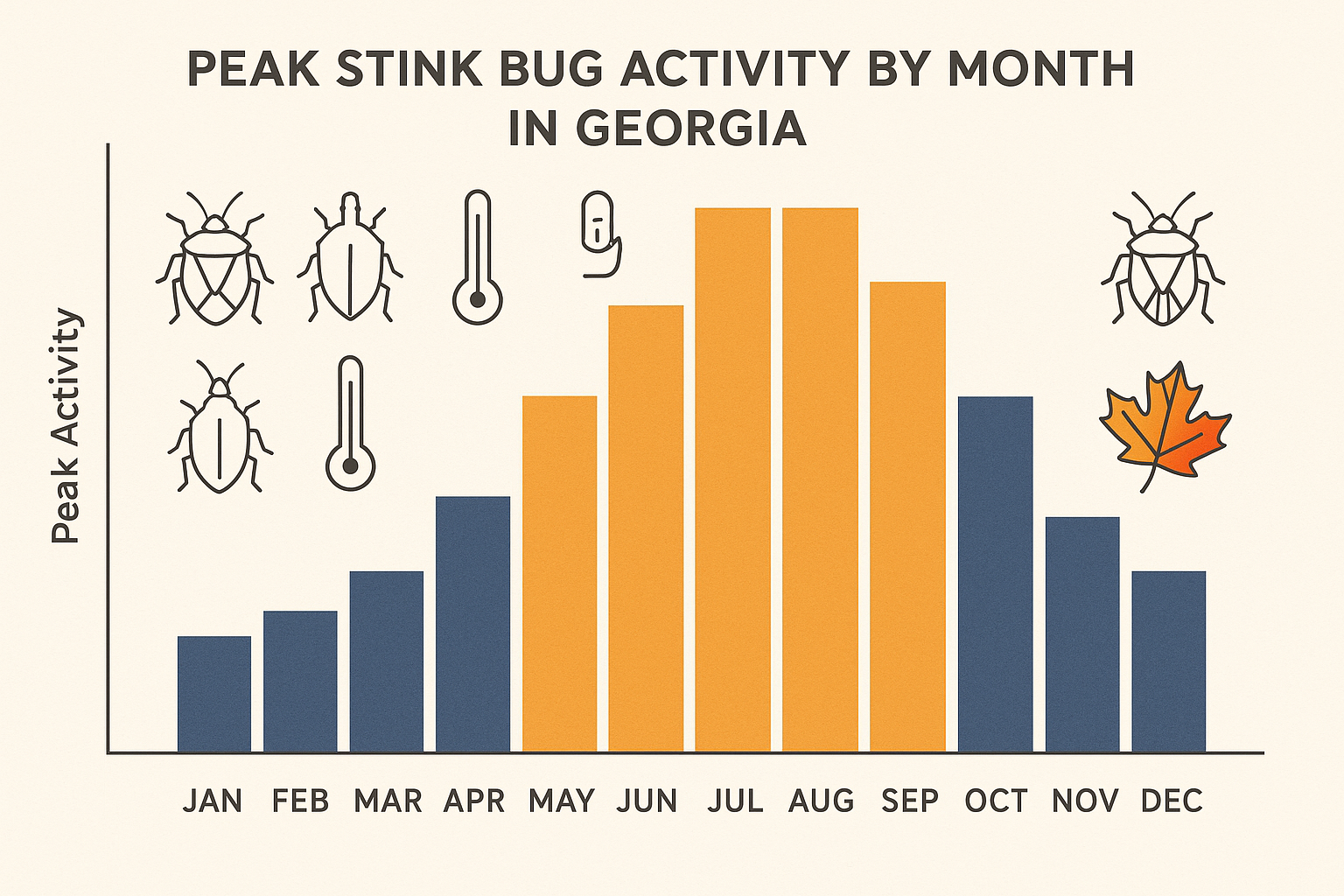
The chart plots bug counts against months, with a sharp rise in July, a plateau through August and September, and a gradual decline after October. The visual cue helps homeowners see that the danger spikes just before the first frost, making early fall the sweet spot for intervention.
Why Early Fall Is Ideal for Exterior Treatments
Applying a perimeter spray in late August or early September targets adults before they slip inside to hibernate. At this stage, the insects are still active on the exterior but are not yet seeking the warm indoor refuge that they do in late October. Treating now creates a chemical barrier that discourages entry and reduces the number of bugs that can make it through cracks and gaps.
Georgia’s Climate Factors
Georgia’s warm, humid summers accelerate nymph development, while the abundant foliage provides ample hiding spots. When temperatures dip below 65 °F, stink bugs begin their migration toward homes. Heavy rainfall can also push bugs off plants and onto structures, increasing the likelihood of indoor infestations.
Understanding these climate cues lets you time your service for maximum impact. If you wait until November, many bugs will already be inside, making interior treatments more complex and costly.
For a deeper dive into the best practices for fall treatments, see the expert guide from Dixie Pest – Stink Bug Exterminator. Our team at Anthem Pest Control can schedule a pre‑emptive exterior application that aligns perfectly with Georgia’s seasonal patterns, protecting your home before the bugs even think about moving in.
How Much Does Stink Bug Control Cost in Roswell, GA?
Homeowners in Roswell typically see a one‑time stink‑bug treatment priced between $120 and $250. If you prefer a seasonal protection plan, expect to pay roughly $30 to $70 per visit, depending on the frequency and scope of service. Most residents schedule two to three applications per year to keep bugs from re‑entering as temperatures drop. Prices usually include a thorough inspection, treatment of interior voids, and a follow‑up call to ensure effectiveness. These figures reflect the market rates reported by local providers and give a realistic baseline for budgeting.
What Drives the Price?
- Home size: Larger square footage means more product and labor, pushing the bill upward.
- Infestation severity: A light presence may be handled with a single spray, while a heavy outbreak often requires multiple applications and thorough crack‑and‑crevice work.
- Treatment type: Conventional chemical sprays are generally less expensive than eco‑friendly or low‑toxicity formulations, which can add $20‑$50 per service.
- Seasonality: Early‑season treatments (late spring) are usually priced lower than emergency fall visits when bugs are seeking shelter.
DIY Kits vs. Professional Services
- DIY kits: Available for $30‑$80, they give you control over timing but lack the thoroughness of a licensed technician, and you risk missing hidden harborages.
- Professional services: Offer a guarantee, proper identification, and disposal of dead insects, which can be especially important in densely populated neighborhoods.
- Cost‑benefit: While a DIY approach may seem cheaper upfront, repeat applications often raise the total expense and may not fully eradicate the problem.
Local Fees to Keep in Mind
Roswell imposes a modest municipal tax of 5 % on pest‑control invoices, and some providers add a disposal fee of $10‑$15 for collecting and removing dead stink bugs after treatment. These charges are typically itemized on the final invoice.
All pricing data referenced here comes from Anthem Pest Control – Stink Bug Control Cost in Roswell, GA. Use this information as a starting point when requesting a personalized quote from a licensed technician.
Pricing Options and What’s Included in Each Plan
At Anthem Pest Control we believe you should see exactly what you’re paying for, so we’ve built three clear‑cut packages that match every homeowner’s situation. Whether you need a one‑off fix or year‑round protection, you’ll know the services, the schedule, and the price before we lift a single spray bottle.
One‑Time Treatment
- Full‑home exterior spray: Our technicians coat the outside of your house, sealing entry points where stink bugs love to hide.
- Interior crack‑and‑crevice treatment: Targeted applications in walls, baseboards, and other hidden gaps eliminate the bugs that have already slipped inside.
- Follow‑up inspection (within 14 days): We verify the treatment’s success and advise on any extra steps needed.
This option is perfect for homeowners who discovered a sudden infestation and want a fast, thorough fix without a long‑term commitment.
Quarterly Plan
- Four seasonal visits (spring, summer, fall, winter) to keep a protective barrier active year‑round.
- Preventive barrier applications that stop stink bugs before they set up camp.
- Priority scheduling – you jump to the front of the line when a sudden surge hits Marietta.
- Annual re‑assessment of home size and infestation level to fine‑tune the treatment dosage.
Ideal for families who want steady peace of mind and a predictable, budget‑friendly schedule.
Monthly Plan
- Ongoing monitoring with a dedicated technician who knows the quirks of your property.
- Rapid response visits within 48 hours when new bugs appear.
- Discounted rates on additional services such as termite inspections or mosquito barrier upgrades.
- Unlimited interior treatments for the duration of the plan.
This is the premium choice for homeowners with large properties, high‑value landscaping, or a history of recurring stink bug invasions.
How Home Size & Infestation Level Influence the Tier
We use a simple visual guide (see the infographic below) that pairs a home‑size icon and an infestation‑level icon with the appropriate plan. A 1,500‑sq‑ft home with a low‑level sighting typically lands in the One‑Time Treatment, while a 3,000‑sq‑ft property battling moderate to heavy invasions benefits most from the Quarterly or Monthly plans.

Anthem’s Transparent Pricing Promise
Every plan comes with a written estimate that breaks down labor, product, and any applicable taxes. No hidden fees, no surprise add‑ons. We also back our work with a 100 % satisfaction guarantee: if stink bugs return within 30 days of treatment, we’ll re‑treat at no extra cost.
Choosing the right package is as simple as matching your home’s size and current bug pressure to the visual guide above. Once you’ve picked a plan, you’ll receive a detailed invoice, a clear schedule, and the confidence that Anthem Pest Control is handling the stink bug threat—so you can enjoy a bug‑free home all year long.
Treatment Methods and What to Expect from a Professional Service
Conventional Chemical Sprays
Most pest‑control companies in Marietta start with a proven chemical spray that contains active ingredients such as pyrethroids or neonicotinoids. These compounds create a residual barrier that continues to kill stink bugs for up to four weeks after application. Technicians follow strict safety protocols: the product is applied at the recommended dilution, only on exterior surfaces where bugs enter, and never directly on food‑prep areas.
Eco‑Friendly Options
If you prefer a greener approach, reputable providers offer botanical oils (like neem or rosemary), dust formulations (silica‑based or diatomaceous earth), and an Integrated Pest Management (IPM) plan. IPM blends monitoring, habitat modification, and low‑toxicity treatments to keep stink bugs at bay while minimizing impact on pets, children, and beneficial insects.
Interior Treatments
When stink bugs have already crossed the threshold, technicians employ targeted spot sprays on windowsills, door frames, and light fixtures—areas where the insects congregate. In severe infestations, a low‑pressure fogger may be used to disperse a fine mist throughout the living space. Exclusion techniques, such as sealing cracks and installing door sweeps, are performed simultaneously to prevent re‑entry.
Safety Steps You’ll See on the Job
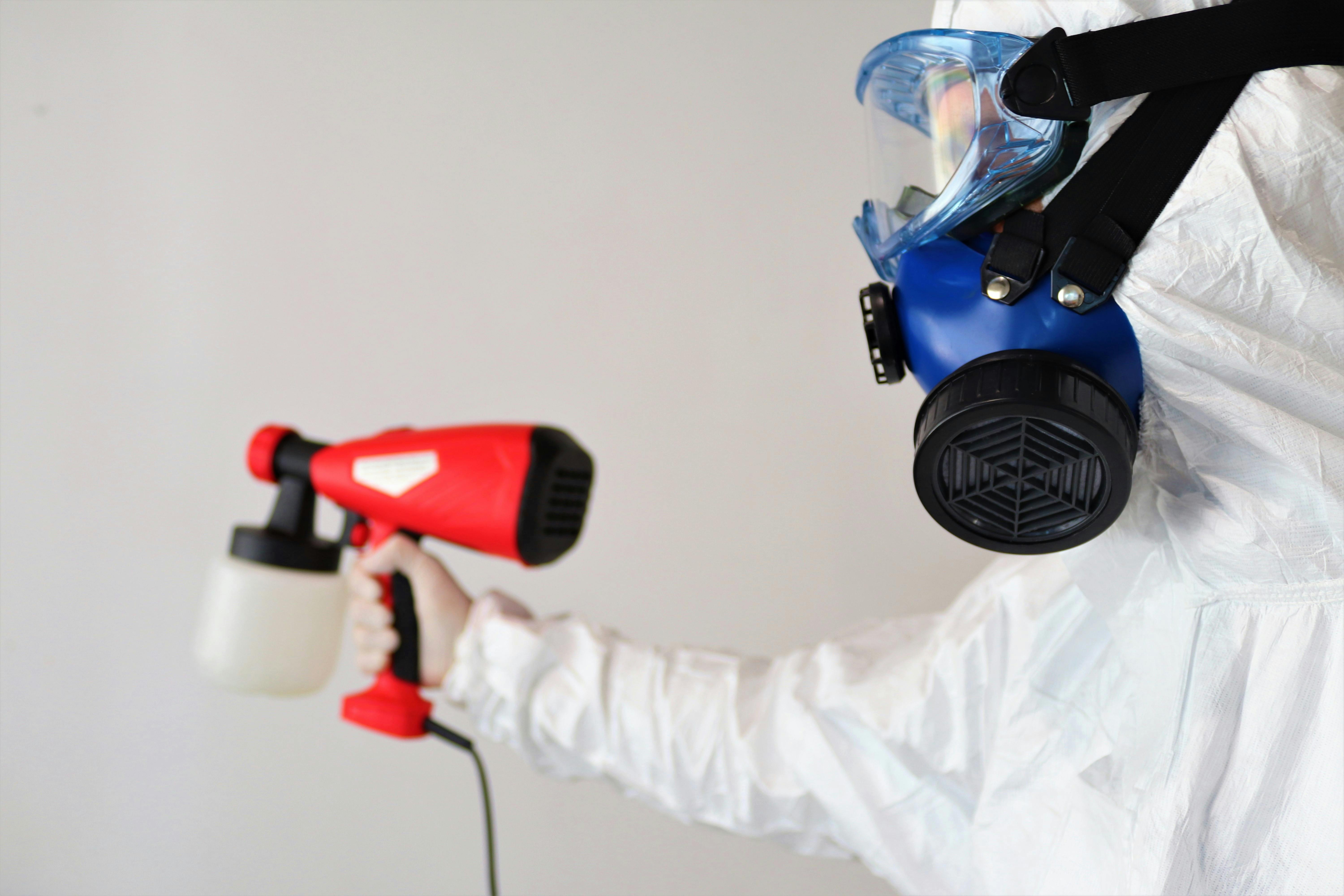
- Technicians wear personal protective equipment (PPE)—gloves, goggles, and respirators—to protect themselves and you.
- Ventilation guidelines are followed: windows are opened during and after treatment to allow fresh air circulation.
- Pet and child precautions include removing animals from treated zones and keeping children away from sprayed surfaces for the recommended drying time.
Typical Service Timeline
- Pre‑inspection: The technician conducts a thorough walk‑through, identifies entry points, and assesses the level of infestation.
- Treatment application: Depending on the chosen method, the professional applies sprays, dusts, or fogs while explaining each step.
- Post‑treatment walkthrough: You receive a clear summary of what was treated, safety reminders, and any immediate actions you should take.
- Follow‑up: A scheduled check (usually 2–4 weeks later) confirms that the residual barrier is still effective and addresses any new activity.
For a concrete example of best practices, see how Massey Services – Marietta Pest Control structures their stink‑bug program: a meticulous inspection, transparent communication, and a blend of chemical and eco‑friendly options tailored to each homeowner’s comfort level.
Choosing a professional service means you’ll walk away with a clear plan, a safe home environment, and confidence that the next summer’s stink‑bug surge will be kept well under control.
Choosing the Right Pest Control Provider
When stink bugs invade your Marietta home, the first decision is who to trust. Not every exterminator is equal, and a few key qualifications separate a reliable partner from a fly‑by‑night operation.
Licensing, Insurance, and Certifications
Georgia requires all pest‑control firms to hold a state‑issued license that proves they meet strict training and safety standards. Look for the Georgia Department of Agriculture pest‑control license number on the company’s website or contract. Insurance protects you if a technician accidentally damages property or causes an injury. A reputable provider also carries NPMA or EPA Safer Choice certifications.
Stink‑Bug Experience
General pest control helps, but stink‑bug treatment needs specific knowledge of their life cycle and hiding spots. Ask how many years the company has handled stink‑bug infestations in the Atlanta area and request local case studies. A provider that can point to successful summer‑season treatments in Marietta shows the hands‑on expertise you need.
Transparent Pricing and Written Agreements
Surprises on the invoice are a red flag. The right company will give you a clear, itemized quote before any work begins and will outline the scope of service in a written agreement. Look for language that explains how many visits are included, what products will be used, and any follow‑up visits required for a complete eradication.
Reputation: Reviews, BBB Rating, and Local Word‑of‑Mouth
Online reviews and Better Business Bureau ratings provide a snapshot of customer satisfaction. A score of A+ or A‑ with minimal unresolved complaints signals consistency. In Marietta, ask neighbors or check community forums for firsthand experiences—local reputation often reveals how promptly a company responds to service issues.
Guarantees and Warranty Policies
Confidence in a provider’s work shows up in its guarantee. Look for a “no‑re‑infestation” promise that includes a free re‑treatment within a specified window (usually 30‑90 days). This protects you from paying twice if the bugs return.
Why Anthem Stands Out
Anthem Pest Control blends a nationwide network with locally trained technicians who know Marietta’s stink‑bug hotspots. All staff are licensed, insured, and NPMA‑certified, and pricing is transparent with a written agreement. Anthem guarantees each treatment—if bugs return within 90 days, a free re‑treatment is scheduled. Safe, EPA‑approved products protect your family and pets while the bugs are eliminated.
Frequently Asked Questions About Stink Bug Control
Do stink bugs carry diseases?
Current research shows stink bugs are not vectors for human diseases. They may cause allergic reactions in some people, but they do not transmit pathogens like mosquitoes or ticks. Their primary nuisance is the unpleasant odor they release when crushed. They are most active from late summer through early fall.
Can I treat stink bugs myself?
DIY methods—such as sticky traps, vacuuming, or over‑the‑counter sprays—can reduce numbers temporarily, but they rarely eliminate an established infestation. Professional treatment offers targeted insecticides, proper dosing, and follow‑up monitoring, which most homeowners cannot replicate safely. Improper mixing can damage indoor finishes and pose health risks.
How long does a treatment last?
A standard exterior spray applied by a licensed technician typically provides 4–6 weeks of residual protection. Indoor treatments may last 2–3 weeks, depending on product type and home traffic. Seasonal re‑applications are common in Georgia’s warm months. Re‑treatments are recommended after heavy rain or irrigation.
Will the treatment affect my pets?
We use EPA‑approved products that are safe for cats and dogs when applied according to label directions. Pets should stay indoors until the spray dries—usually 30 minutes to an hour. Always follow the technician’s post‑treatment guidelines for extra peace of mind. If you have a new puppy, keep it in a separate room until the area is fully dry.
What should I do between professional visits?
- Seal cracks around windows, doors, and utility entry points.
- Remove outdoor lights that attract insects at night.
- Keep garden debris and leaf litter away from the home’s foundation.
- Eliminate food sources by storing produce in sealed containers.
- Inspect and clean screens regularly.
Any quick‑scan tips?
- Turn off outdoor lights an hour before sunset to reduce attraction.
- Vacuum trapped bugs promptly and discard the bag outside.
- Schedule a pre‑season inspection in early spring for the best defense.
Protect Your Home with Anthem Pest Control
Stink bugs thrive in Georgia’s warm months, slipping through cracks and laying eggs before homeowners even notice a problem. Spotting the first signs—tiny clusters on windowsills, a faint odor, or damage to fruit—allows you to act before an infestation spreads to walls and insulation. Early identification, paired with prompt treatment, stops the bugs from establishing a permanent foothold and saves you from costly, extensive remediation later.
Choosing a professional service brings two critical advantages. First, Anthem Pest Control offers transparent, upfront pricing that reflects your home’s square footage, the severity of the infestation, and the specific season‑adjusted treatment plan. Second, our technicians understand Georgia’s pest calendar; they know when stink bugs are most active and which products work best without harming your family or pets.
Our seasonal approach also includes preventative measures that seal gaps and reduce future invasions.
We invite you to schedule a free, no‑obligation inspection. During the visit, our licensed experts will assess entry points, evaluate the current population, and provide a customized quote that matches your property’s unique needs. There’s no hidden fee, and you’ll walk away with a clear action plan.
If you’re noticing stink bugs invading your Marietta home, don’t wait for the problem to worsen. Anthem Pest Control offers a free, no‑obligation inspection and a clear, upfront quote tailored to your property’s size and infestation level. Our licensed technicians use safe, effective treatments that keep your family and pets protected while eliminating those stubborn bugs for good. Call us today at 877‑371‑8196 or visit our website to get started.