Why Ticks Are a Growing Concern for Georgia Homeowners

Common Tick Species in Georgia
Georgia’s warm, humid climate creates an ideal breeding ground for several tick species that regularly bite humans and pets. The most prevalent are the deer tick (Ixodes scapularis), known for transmitting Lyme disease; the lone star tick (Amblyomma americanum), which can cause a painful rash and allergic reactions; and the American dog tick (Dermacentor variabilis), a carrier of Rocky Mountain spotted fever. Each species has a distinct life cycle, but all thrive in wooded areas, tall grasses, and even suburban lawns.
Health Risks from Tick Bites
A single bite can introduce serious pathogens. Lyme disease, the most widely recognized, can lead to joint pain, neurological issues, and heart complications if left untreated. Rocky Mountain spotted fever, though less common in the Southeast, still poses a risk of severe fever, headaches, and organ damage. Ehrlichiosis, transmitted primarily by the lone star tick, often starts with flu‑like symptoms but can progress to life‑threatening complications. The CDC emphasizes that early detection and prompt treatment are critical to preventing long‑term health effects.
Why Ticks Are on the Rise
Two major forces are driving a surge in tick activity across Georgia. First, climate change is extending the tick season; milder winters and hotter, wetter summers allow ticks to remain active for longer periods and expand into previously unsuitable northern and higher‑elevation areas. Second, suburban expansion pushes homes deeper into natural habitats, increasing the interface where humans, pets, and wildlife intersect. As neighborhoods sprout near forests and wetlands, the likelihood of encountering ticks on a morning jog or while playing in the yard climbs dramatically.
Impact on Everyday Life
For homeowners, the tick problem isn’t just a health scare—it reshapes daily routines. Outdoor recreation, a staple of Georgia’s lifestyle, becomes a cautious activity; families may avoid hiking trails, picnics, or backyard barbecues during peak tick months. Pets, especially dogs that love to roam, can bring ticks into the home, prompting frequent grooming and veterinary visits. Even routine lawn care turns into a vigilance task, with residents checking grass, leaf litter, and garden borders for the tiny, six‑legged invaders.
Understanding these trends sets the foundation for proactive measures. In the next section, we’ll walk you through how to identify the most common ticks in your yard and spot early warning signs before an infestation takes hold.
Spotting the Enemy – Tick Identification and Warning Signs
Common Georgia Ticks – What They Look Like
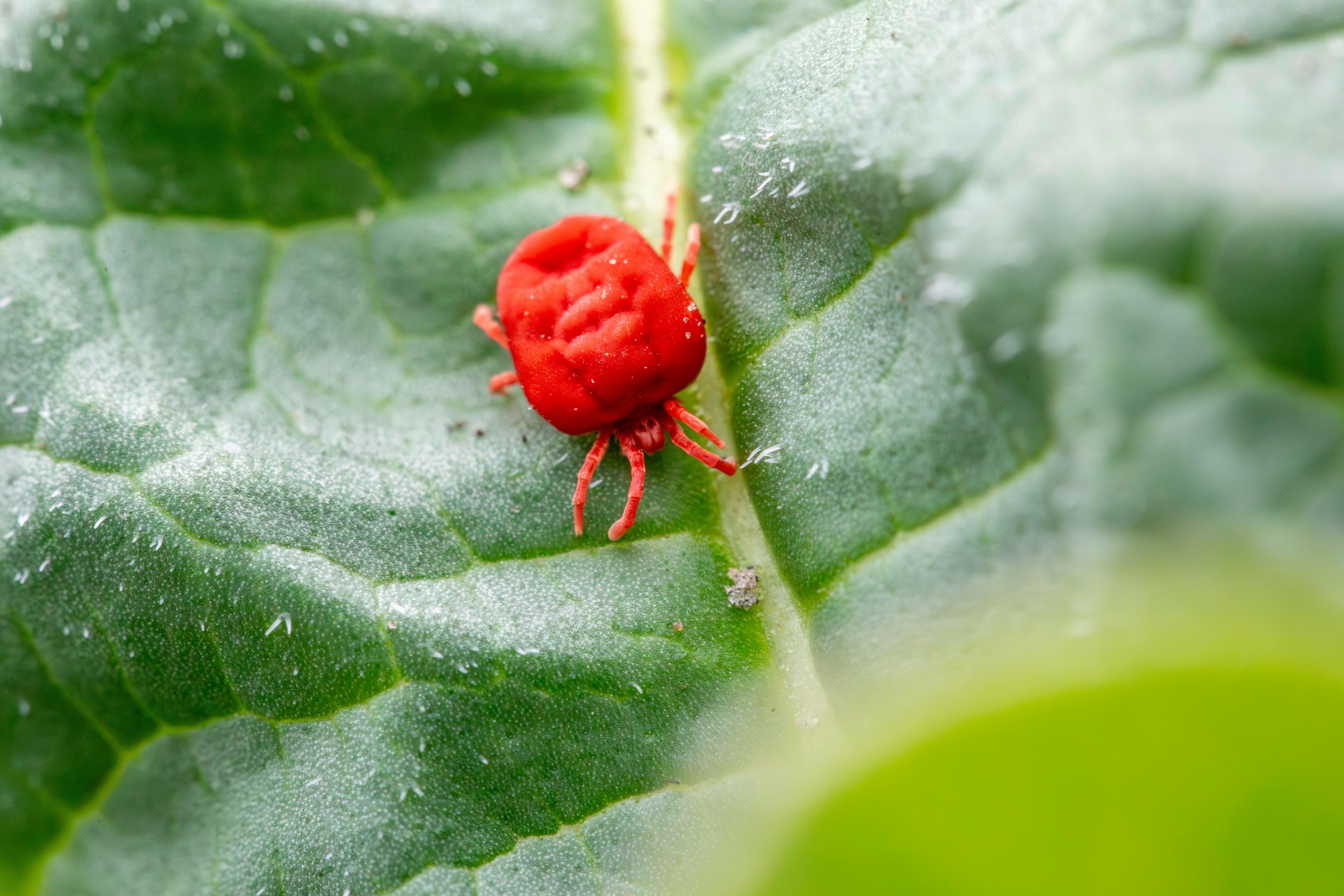
American Dog Tick (Dermacentor variabilis) – Adults range from 5 to 10 mm when unfed, expanding to 12 mm after a blood meal. Their bodies are reddish‑brown with a distinctive white, shield‑shaped pattern on the dorsal side. Nymphs are much smaller (2 mm) and appear dark brown.
Lone Star Tick (Amblyomma americanum) – Females are 3–5 mm long, sporting a reddish‑brown color and a single white spot on the back of the adult female (the “lone star”). Males lack the spot and are slightly smaller. Nymphs are light tan and lack obvious markings.
Blacklegged (Deer) Tick (Ixodes scapularis) – The smallest of the trio, adults measure 3 mm when unfed, turning dark gray to black after feeding. Their legs are noticeably longer than their bodies, giving a “spider‑like” appearance. Nymphs are about 1 mm, often mistaken for specks of dust.
Where Ticks Hang Out
- Dense, tall grasses and meadow edges – especially after a rain.
- Leaf litter and mulch beds where humidity stays high.
- Wooded borders and shady fence lines that provide shelter.
- Pet bedding, crates, and outdoor dog houses – pets can bring ticks right into the home.
Performing a Tick Check
After any outdoor activity, follow a quick three‑step routine for yourself, children, and pets:
- Inspect the skin. Run your hands over the entire body, paying special attention to hidden spots: scalp, behind ears, underarms, groin, and behind knees.
- Use a mirror or partner. For hard‑to‑see areas like the back of the neck or the lower back, a handheld mirror helps catch tiny nymphs.
- Check pets. Part the fur on the head, neck, between toes, and under the tail. A fine‑tooth comb can make the job easier.
If you find a tick, grasp it with fine‑point tweezers as close to the skin as possible, pull upward with steady pressure, and disinfect the bite area afterward.
Early Warning Signs in Your Yard
Even before you see a single tick on a person, the environment can give clues:
- Increased activity of deer, raccoons, or ground‑hogs – these animals carry ticks and drop them as they move.
- Clusters of tiny, dark specks on low‑lying vegetation, especially after a humid spell.
- Pets returning with ticks attached to their fur or scratching more than usual.
DIY Removal vs. Professional Help
For a lone adult tick that you can safely extract, DIY removal is usually sufficient. However, call a professional when:
- Multiple ticks are found on a single person or pet.
- Ticks appear in large numbers on grass or leaf litter, indicating an established population.
- You notice tick‑borne disease symptoms (fever, rash, joint pain) after a bite.
- You prefer a long‑term solution that includes perimeter treatments, habitat modification, and regular monitoring.
Anthem Pest Control offers targeted tick management plans that combine chemical barriers with landscape advice, ensuring the problem stays under control year after year.
Trusted Resource
For detailed species information, bite prevention tips, and the latest health alerts, visit the CDC’s comprehensive tick page: CDC Ticks.
When Are Ticks Most Active in Georgia?
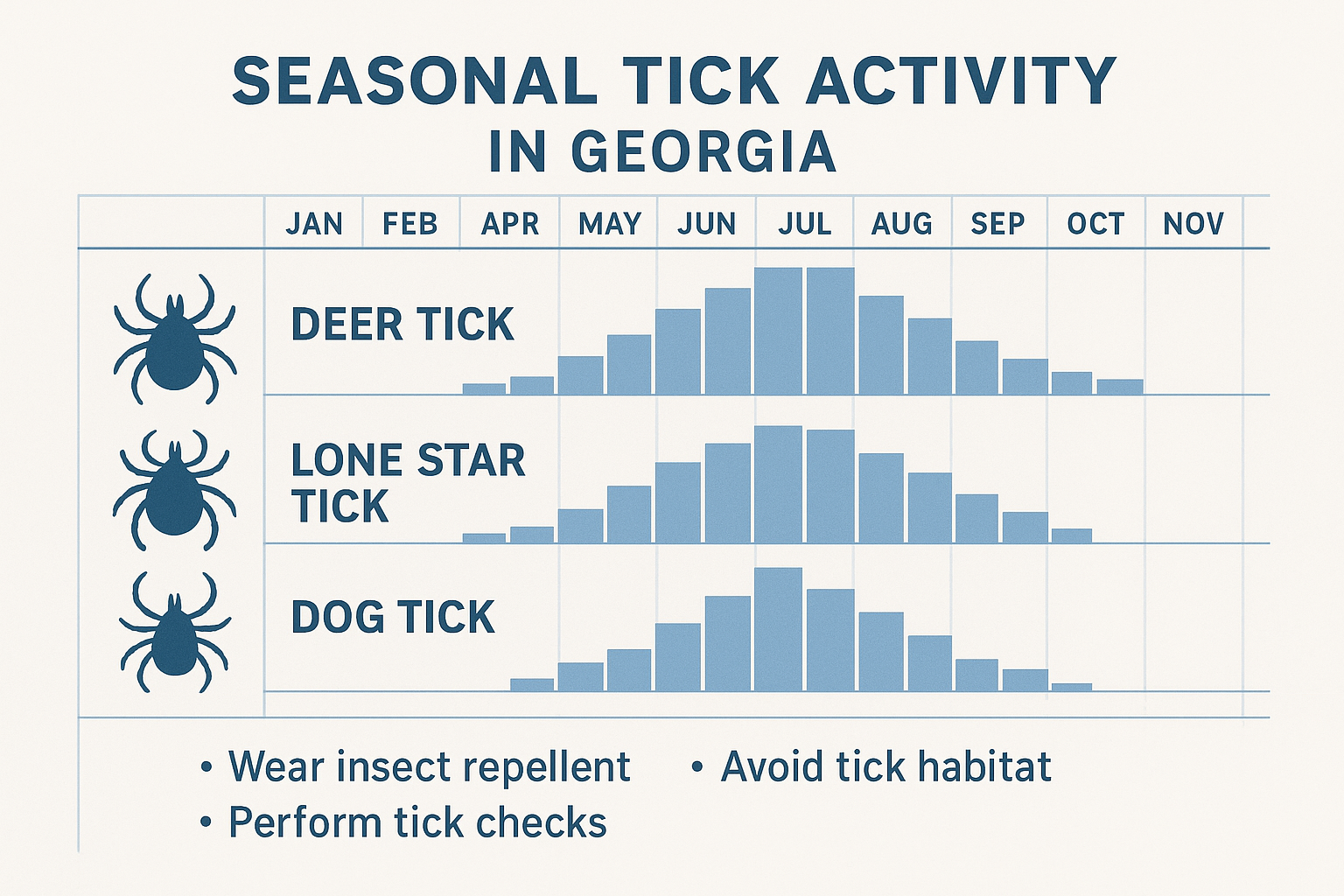
Georgia’s warm climate creates a perfect playground for three tick species that regularly bite homeowners: the Lone Star tick (Amblyomma americanum), the American dog tick (Dog tick), and the Blacklegged (deer) tick (Ixodes scapularis). Each has a distinct “busy season,” and knowing those windows lets you act before the bites start.
Peak Months for Georgia’s Three Primary Ticks
| Tick Species | Spring Peak | Summer Peak | Fall Peak |
|---|---|---|---|
| Lone Star | April – May | June – July | September – October |
| American Dog | March – April | July – August | October – November |
| Blacklegged (Deer) | May – June | July – August | October – November |
These windows overlap, which is why you’ll often hear the phrase “tick season runs from early spring through late fall.” The chart above visualizes the overlap, and you can use it alongside local weather reports to pinpoint the exact weeks when activity spikes in your neighborhood.
Why Temperature, Humidity, and Wildlife Matter
Ticks are ectothermic—meaning they rely on external heat to become active. When daytime highs consistently hit 65–85 °F (18–29 °C), larvae and nymphs emerge from leaf litter and start questing for a host. Humidity is the other key ingredient; ticks need at least 80 % relative humidity to survive the journey across grass blades. A dry spell can force them deeper into the soil, temporarily lowering bite rates.
Wildlife cycles also drive tick numbers. White‑tailed deer, ground‑hogs, and squirrels serve as primary hosts for adult ticks. In Georgia, deer populations peak in the fall, which explains why many species show a secondary activity surge in October‑November. If you notice more wildlife traffic in your yard, it’s a strong cue to schedule a treatment before the next wave of ticks emerges.
Reading the Seasonal Chart Like a Pro
- Identify the bar color for each species. The taller the bar, the larger the local population for that month.
- Match the bar peaks with your local forecast. If the forecast predicts a week of 70 °F and 85 % humidity during a peak bar, expect a noticeable increase in tick encounters.
- Look for “double‑peaks.” Some years show a spring and a fall peak; plan two preventative actions if that pattern appears.
Season‑by‑Season Prevention Tips
Spring (March – May)
- Keep grass trimmed to no more than 3 inches; shorter blades reduce questing height.
- Rake and remove leaf litter where larvae hide.
- Apply a pre‑emergent yard treatment in early March—this is the best time to get ahead of the Lone Star and American Dog ticks.
Summer (June – August)
- Perform a full‑body tick check on every family member after outdoor activities.
- Wear long sleeves and light‑colored clothing; ticks are easier to spot on bright fabric.
- If you notice a surge in bites, schedule a mid‑summer spot‑on treatment to knock down nymph populations.
Fall (September – November)
- Clear fallen leaves and prune overgrown shrubs that create humid micro‑climates.
- Apply a post‑harvest acaricide in late September—this targets adult ticks before they drop off hosts and lay eggs.
- Store firewood away from the house; wood piles retain moisture and become tick havens.
Timing Is Everything
Professional treatments work best when applied just before a peak month. A spring application in early March can suppress the Lone Star’s first wave, while a fall spray in late September catches the Blacklegged tick before it reproduces. Waiting until you see ticks on your pets or family often means you’re already behind the curve, and the infestation may be harder—and more expensive—to control.
At Anthem Pest Control, we tailor our tick‑management programs to the exact timing patterns shown in the chart above. By aligning our service schedule with Georgia’s seasonal tick dynamics, we help homeowners stay one step ahead, keep families safe, and avoid surprise bites that can lead to costly medical visits.
Effective Tick Control Options and Pricing in Buford, GA
Professional Treatment Methods
In Buford, licensed exterminators rely on three core approaches to keep ticks at bay. Chemical barrier sprays create an invisible wall around your home’s perimeter, targeting adult ticks before they can crawl onto pets or people. Granular treatments are spread across lawns, garden beds, and shaded areas where ticks love to hide; the granules slowly release an acaricide that kills both nymphs and adults. For families with curious dogs or cats, pet‑safe options—such as permethrin‑free formulations or neem‑based sprays—provide effective control without risking animal health.
DIY Alternatives – What You Need to Know
Homeowners often turn to over‑the‑counter sprays, tick tubes, or backyard mowers with built‑in tick control. While these solutions can reduce tick numbers temporarily, they usually lack the consistency and coverage of a professional program. DIY products often require weekly re‑application, and the active ingredients may not penetrate deep into leaf litter where nymphs reside. Moreover, without a calibrated application rate, you risk either under‑treating (leaving hotspots) or over‑treating (exposing children and pets to unnecessary chemicals).
Pricing Models in Buford
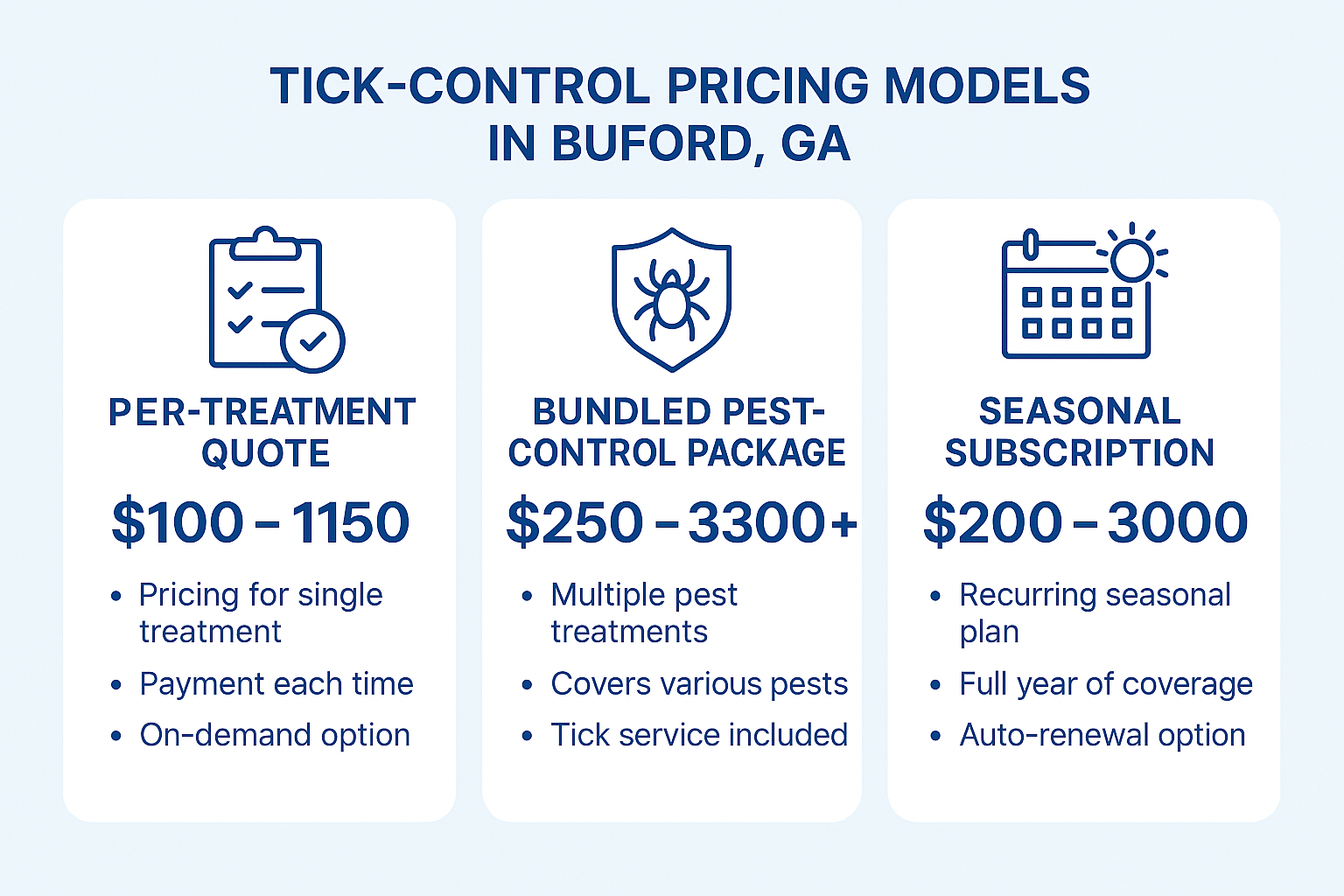
Local pest‑control companies typically offer three pricing structures, each designed to fit different budgeting styles:
- Per‑treatment quote: A one‑time fee for a single application, ideal for occasional infestations.
- Bundled pest‑control package: Combines tick treatment with other services (e.g., mosquito or ant control) at a discounted rate.
- Seasonal subscription: Fixed monthly or quarterly payments that cover all tick treatments throughout the high‑risk season (March‑October).
Pros and Cons of Each Model
| Model | Cost Predictability | Service Frequency | Coverage Scope | Best For |
|---|---|---|---|---|
| Per‑treatment quote | Low upfront, but spikes can occur | Single visit; re‑treatment extra | Focused on treated area only | Homeowners with isolated tick hot‑spots |
| Bundled package | Discounted vs. separate services | Typically 2‑3 visits per season | Multiple pests covered, broader area | Those seeking overall yard protection |
| Seasonal subscription | Fixed monthly/quarterly fee | Regular, scheduled applications | Full‑property coverage, year‑round monitoring | Budget‑conscious families wanting peace of mind |
Anthem Pest Control’s Transparent Pricing
Anthem Pest Control builds its reputation on clear, upfront estimates. For Buford residents, the company breaks down costs into three simple line items: product material, labor, and a service guarantee. The per‑treatment quote starts at $149 for a standard 2,000‑sq‑ft yard, while the bundled package (ticks + mosquitoes) averages $219 for the same footprint. The most popular choice, the seasonal subscription, runs $79 per month and includes unlimited re‑applications if weather or heavy foliage compromises efficacy. Every plan comes with a “tick‑free guarantee”: if ticks are still present after the first full season, Anthem will retreat at no extra charge.
Get Your Free Customized Quote
Because each Buford property is unique—different landscaping, pet activity, and micro‑climates—Anthem offers a no‑obligation, free inspection. A certified technician will map your yard, identify high‑risk zones, and match you with the pricing model that delivers the best value for your specific situation. Simply call 877‑371‑8196 or visit anthempest.com to schedule your assessment and take the first step toward a tick‑free summer.
Protect Your Home and Family with Professional Tick Management
Understanding tick identification, timing your treatments correctly, and applying the right control methods are the three pillars of effective tick management. When you know what species you’re dealing with, you can choose a product that targets its life cycle. Treating at the optimal seasonal window—early spring for larvae and late summer for nymphs—prevents the next generation from taking hold. And using a proven, professionally‑applied treatment ensures the chemicals reach the soil and vegetation where ticks thrive, without putting your pets or children at risk.
Why Anthem Pest Control Is Your Best Ally
Anthem Pest Control brings more than a truck and a spray rig; we bring local expertise honed by years of service across Georgia. Our certified technicians are trained to recognize the specific tick species that infest Buford yards and to apply EPA‑approved products that are both safe and effective. Because we live and work in the same neighborhoods, we understand the unique challenges of Georgia’s humid climate, wooded backyards, and popular outdoor recreation spots.
- Safe methods: Low‑drift, targeted applications protect your family, pets, and beneficial insects.
- Local knowledge: We know which tick hotspots—like shaded borders and leaf piles—need extra attention.
- Transparent pricing: No hidden fees; you see exactly what each service covers.
Free, No‑Obligation Quote & Flexible Pricing
We believe every homeowner should be able to protect their property without surprise costs. That’s why Anthem offers a free, no‑obligation quote after a quick phone assessment or on‑site visit. Our pricing options are flexible, ranging from one‑time treatments to seasonal maintenance plans, so you can choose what fits your budget and your yard’s needs.
Take the Next Step—Your Yard Deserves It
Ready to make your outdoor spaces safer for kids, pets, and anyone who enjoys your garden? A quick call to Anthem Pest Control starts the process. Our friendly staff will schedule a personalized assessment, walk you through the recommended treatment schedule, and answer any questions you have about tick prevention.
Call now at 877‑371‑8196 for your free quote, or visit Anthem Pest Control to learn more and book your service online. Protecting your home from ticks is easier than you think—let the professionals handle the hard work while you enjoy a bite‑free backyard.