Identifying Ticks and Recognizing Early Signs
Tick prevalence across the United States
Ticks are a nationwide nuisance, but their density spikes in the Southeast, Mid-Atlantic, and Upper Midwest. States such as Georgia, North Carolina, and Tennessee report the highest annual encounters because warm, humid climates provide ideal breeding grounds. In these high-risk areas, homeowners can expect to find ticks not only in wooded backyards but also in manicured lawns, pet bedding, and even on clothing after a simple walk through the neighborhood, increasing concern about tick control cost Canton homeowners may face.
Three primary tick species that affect homeowners
Georgia residents most commonly encounter three species, each with distinct health concerns:
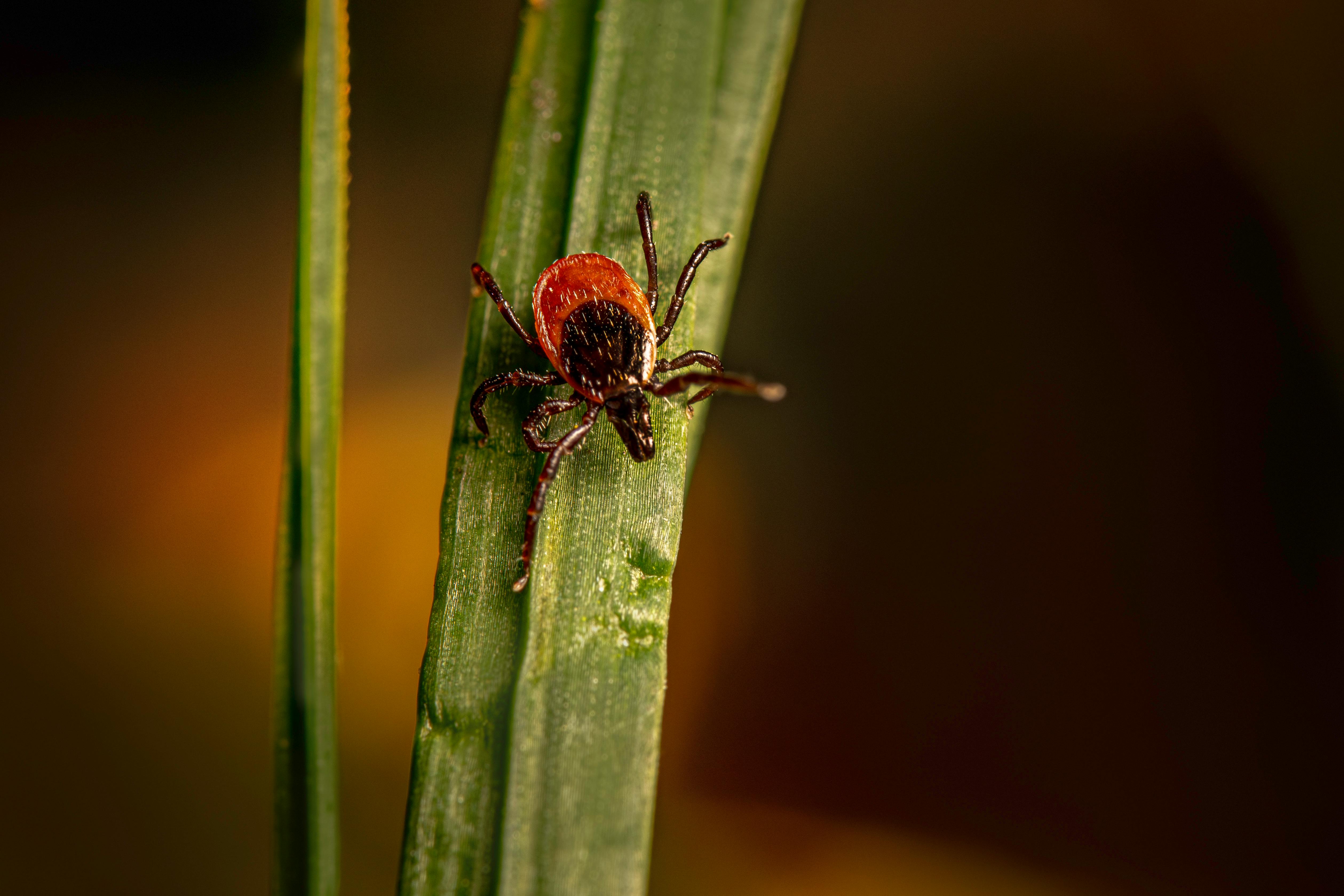
- American dog tick (Dermacentor variabilis) – Typically 3‑5 mm when unfed, brown‑gray with a white‑colored shield on the back. It’s the primary carrier of Rocky Mountain spotted fever.
- Lone Star tick (Amblyomma americanum) – Recognizable by a single white dot on the female’s back, ranging from 2‑6 mm. This species can transmit ehrlichiosis and the Alpha‑gal meat allergy.
- Black‑legged tick (or deer tick, Ixodes scapularis) – The smallest of the trio, often less than 3 mm, dark brown to black with a reddish‑brown underside. It’s the chief vector of Lyme disease and babesiosis.
Key visual characteristics for quick identification
When you spot a tiny arachnid, use these visual cues:
- Size – Dog ticks are the largest; deer ticks are the smallest.
- Coloration – Dog ticks have a mottled gray‑brown shell; Lone Star ticks show a stark white spot; deer ticks are uniformly dark.
- Markings – Look for the distinctive white “star” on Lone Star females and the scutum (shield) shape on the other two.
Step‑by‑step guide to safely remove a tick
- Gather fine‑pointed tweezers or a specialized tick‑removal tool.
- Grasp the tick as close to the skin’s surface as possible, aiming for the head, not the body.
- Pull upward with steady, even pressure. Avoid twisting or jerking, which can leave mouthparts embedded.
- After removal, clean the bite area with rubbing alcohol, iodine, or soap and water.
- Dispose of the tick by placing it in a sealed container, submerging it in alcohol, or flushing it down the toilet.
- Record the date and location of the bite. If you notice any symptoms, contact a healthcare professional promptly.
Quick checklist of warning signs after a bite
Even a brief attachment can trigger reactions. Keep an eye out for the following:
- Redness or swelling around the bite site within 24 hours.
- A “bull’s‑eye” rash (a central red spot surrounded by a clear ring).
- Flu‑like symptoms such as fever, headache, muscle aches, or fatigue that appear days to weeks later.
- Joint pain or a rash that expands beyond the original bite area.
If any of these signs develop, seek medical advice and mention the possible tick exposure.
For state‑specific data, seasonal activity charts, and detailed prevention tips, visit the CDC Georgia Tick Data page.
Health Risks Associated with Tick Bites
Ticks may seem tiny, but the illnesses they carry can have a big impact on your family’s health and your wallet. In northern Georgia, several tick‑borne diseases are common, each with its own set of symptoms and treatment costs. Knowing what to look for and acting quickly can mean the difference between a short course of antibiotics and months of medical care.
Major Tick‑Borne Illnesses in Georgia
- Lyme disease – Transmitted by the black‑legged (deer) tick; the most frequently reported tick illness in the state.
- Rocky Mountain spotted fever (RMSF) – Carried by the American dog tick; can progress rapidly if untreated.
- Ehrlichiosis – Often spread by the lone star tick; affects white blood cells.
- Anaplasmosis – Also transmitted by the lone star tick; similar to ehrlichiosis but targets a different cell type.
- Southern tick‑associated rash illness (STARI) – Linked to the lone star tick; produces a rash that looks like Lyme’s “bull’s‑eye.”
Incubation Periods & Early Warning Signs
| Illness | Incubation (days) | Early Symptoms |
|---|---|---|
| Lyme disease | 3–14 | Flu‑like aches, fever, fatigue; often a circular “bull’s‑eye” rash at the bite site. |
| Rocky Mountain spotted fever | 2–14 | Sudden fever, severe headache, muscle pain, and a rash that starts on wrists/ankles and spreads. |
| Ehrlichiosis | 5–10 | Fever, chills, headache, muscle aches, and sometimes a rash on the trunk. |
| Anaplasmosis | 5–14 | Fever, headache, muscle pain, and occasional nausea or vomiting. |
| STARI | 3–10 | Red, expanding rash at the bite site, mild fever, and fatigue. |
Who’s Most Vulnerable?
While anyone can be bitten, certain groups face higher risk. Children often play outdoors barefoot, making them easy targets. Outdoor workers—landscapers, construction crews, and park rangers—spend long hours in tick‑infested habitats. People with weakened immune systems, such as those on chemotherapy or with chronic illnesses, may experience more severe symptoms and complications.
When to Call Your Doctor (and What Tests to Expect)
If you notice any of the early symptoms listed above, especially a rash that expands or a sudden fever, seek medical care promptly. Physicians typically start with a detailed history of recent outdoor exposure, then order blood tests specific to the suspected disease:
- Lyme disease – Enzyme‑linked immunosorbent assay (ELISA) followed by a Western blot.
- RMSF – PCR or immunofluorescent antibody test for Rickettsia species.
- Ehrlichiosis & Anaplasmosis – Complete blood count (CBC) showing low platelets and PCR testing.
- STARI – Diagnosis is clinical; labs are often used to rule out Lyme.
Early testing can confirm the infection before it spreads, allowing a short course of antibiotics to clear the disease.
Immediate Steps After a Tick Bite
Act fast the moment you find a tick attached:
- Use fine‑tipped tweezers to grasp the tick as close to the skin as possible.
- Pull upward with steady, even pressure—avoid twisting, which can leave mouthparts behind.
- Disinfect the bite area with rubbing alcohol or iodine.
- Place the tick in a sealed container (or a zip‑lock bag) and note the date of removal.
- Monitor the site for a rash and track any fever, headache, or muscle aches for the next two weeks.
The Real Cost of Delayed Treatment
Early intervention usually means a single prescription of doxycycline or a similar antibiotic, costing under $100 in most cases. In contrast, delayed diagnosis can lead to chronic joint pain from Lyme disease, hospitalization for severe RMSF, or long‑term organ damage from ehrlichiosis. Those complications often require specialist visits, imaging, and extended medication regimens—expenses that can easily exceed several thousand dollars.
Understanding the health risks of tick bites empowers you to act decisively, protect your family’s wellbeing, and avoid costly medical bills. If you need professional tick control to keep these pests out of your yard, Anthem Pest Control offers safe, effective treatments tailored to Canton, Georgia homeowners.
Seasonal Tick Activity and Optimal Treatment Timing
Understanding the Tick Life Cycle
Ticks move through four distinct stages: egg, larva, nymph, and adult. Each stage requires a blood meal before it can advance, and the timing of those meals is tightly linked to temperature and humidity. Warm, moist conditions accelerate development, while cold or dry spells can pause it altogether. In Canton, Georgia, the spring and early summer provide the perfect cocktail of heat and moisture, prompting larvae and nymphs to emerge in large numbers.
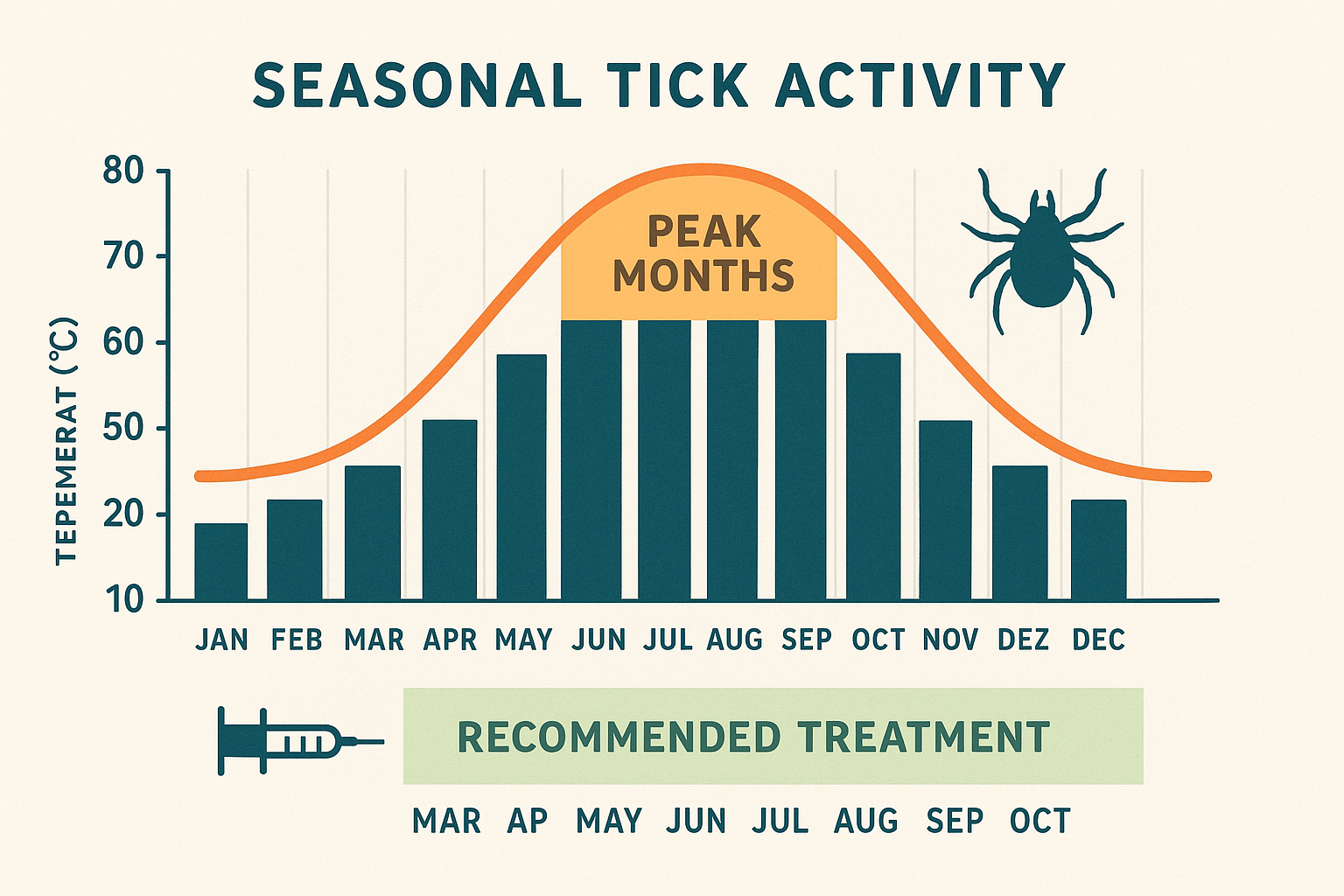
Month‑by‑Month Activity Chart
| Month | Activity Level |
|---|---|
| January | Low |
| February | Low |
| March | Moderate |
| April | High |
| May | High |
| June | High |
| July | High |
| August | High |
| September | Moderate |
| October | Low |
| November | Low |
| December | Low |
How Canton’s Climate Drives Tick Emergence
Canton experiences mild winters and hot, humid summers. When average daily highs climb above 65°F (18°C) and relative humidity stays above 60%, tick larvae and nymphs become active, seeking hosts in the leaf litter and tall grasses. Rainfall spikes in late spring further moistens the ground, creating a micro‑environment where ticks can thrive. Conversely, a dry spell in late summer can temporarily suppress activity, but once humidity returns, the tick population often rebounds quickly.
Recommended Treatment Schedule
Early Spring (late March‑early April): Apply a pre‑seasonal barrier spray around the home’s perimeter, focusing on shaded areas, garden beds, and the foundation. This creates a protective shield before the first wave of larvae appears.
Mid‑Summer (mid‑July): Conduct a follow‑up treatment to target nymphs and newly emerging adults. At this point, the initial barrier may have thinned, and a second application ensures continued coverage during the peak months.
Early Fall (late September‑early October): Perform a post‑season inspection and spot‑treat any lingering hotspots. This step helps eliminate any late‑season adults that could lay eggs over winter, reducing next year’s pressure.
Tips for Homeowners to Monitor Backyard Conditions
- Keep grass trimmed to a maximum of 3 inches; tall grass provides a humid corridor for ticks.
- Rake or remove leaf litter regularly, especially in shaded corners where moisture accumulates.
- Limit wildlife access by securing compost piles and using wildlife‑proof fencing; deer, rodents, and birds are primary hosts.
- Inspect pets and family members after outdoor activities; early detection of attached ticks can signal a rising local population.
Consequences of Missing the Optimal Window
Delaying treatment until after the peak season allows ticks to complete multiple life‑cycle stages on your property, which dramatically raises infestation levels. A heavier tick load often means more applications, higher chemical usage, and increased labor costs. Moreover, the longer ticks remain active, the greater the risk of tick‑borne diseases for both humans and pets. Acting within the recommended windows not only curbs the immediate problem but also locks in lower, more predictable service fees for the year.
Tick Control Solutions, Methods, and Pricing Options
Professional Treatment Options
When you call a licensed pest-control company, you’ll typically hear about four core services designed to keep ticks at bay, all of which influence tick control cost Canton homeowners ultimately pay:
- Perimeter barrier sprays – A continuous ring of EPA‑approved insecticide applied around the home’s exterior walls, walkways, and shaded zones where ticks congregate.
- Targeted spot treatments – Precision applications on high‑risk micro‑habitats such as woodpiles, dense shrubbery, or animal bedding.
- Wildlife habitat modification – Landscape adjustments (e.g., removing leaf litter, trimming tall grass) that reduce the natural hosts ticks rely on.
- Indoor residual sprays – Low‑toxicity formulations placed in crawl spaces, basements, and interior closets where ticks may hitch a ride indoors.
Pros and Cons by Method
| Method | Coverage Area | Duration of Effectiveness | Safety Considerations |
|---|---|---|---|
| Perimeter barrier spray | Entire property edge (up to 30 ft from foundation) | 4–6 weeks per application | Requires temporary evacuation of pets; low risk to humans when applied by certified techs |
| Targeted spot treatment | Specific hotspots only | 2–3 weeks in treated zones | Minimal exposure; ideal for families with small children |
| Wildlife habitat modification | Varies with landscape changes | Long‑term (months to years) when maintenance continues | Non‑chemical, completely safe for pets and people |
| Indoor residual spray | Closed interior spaces | 6–8 weeks indoors | Low‑odor, low‑toxicity; technicians wear protective gear during application |
Licensed Technicians and Safety Protocols
All Anthem Pest Control technicians are state‑licensed and trained to handle EPA‑approved products. Before any spray, they conduct a site assessment, identify vulnerable zones, and discuss any allergy or pet‑safety concerns with the homeowner. During application, they wear gloves, respirators, and eye protection, and they follow strict containment procedures to prevent drift onto neighboring properties. After each visit, a detailed service report is left on your doorstep, outlining the products used, concentration levels, and recommended post‑treatment precautions.
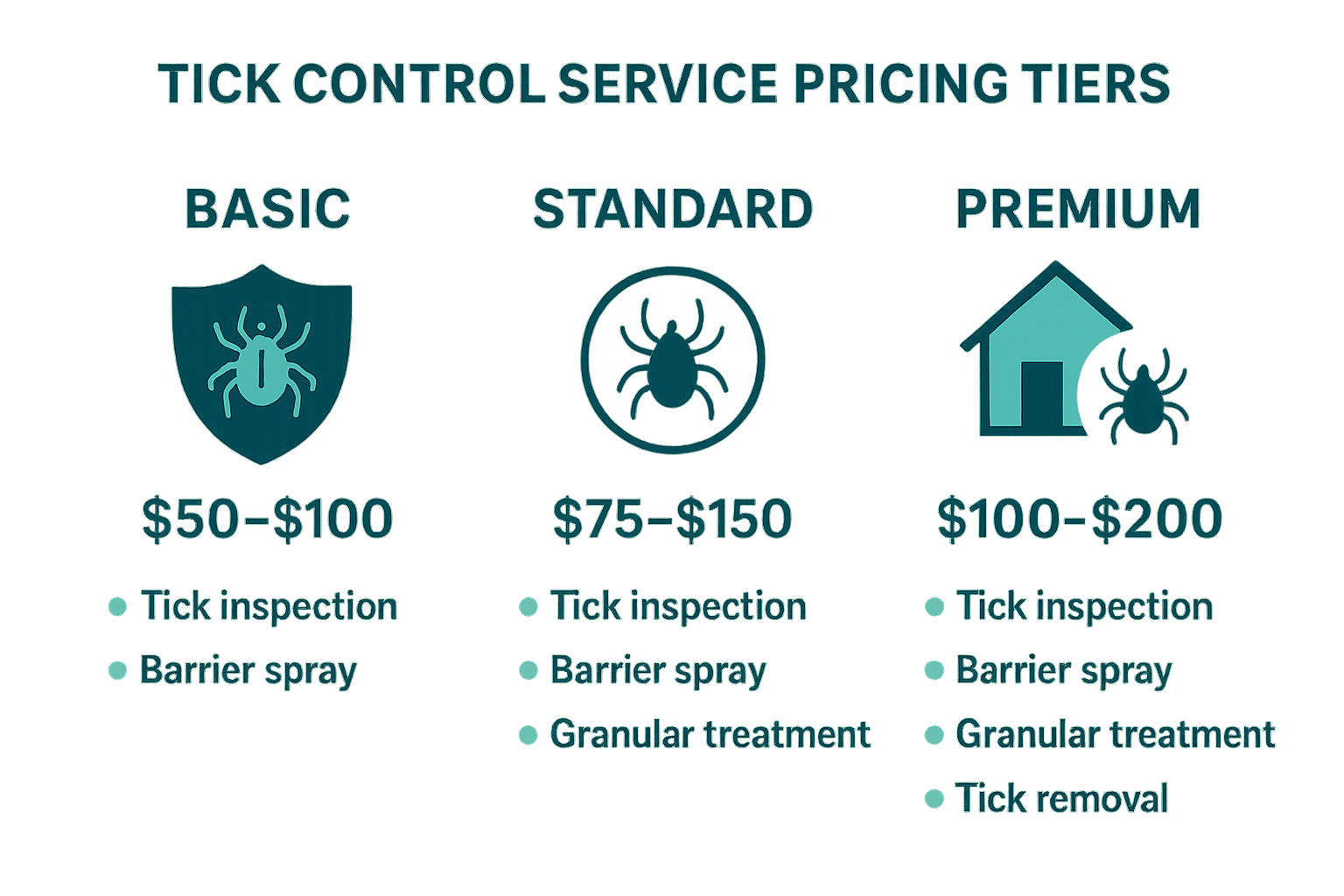
Anthem Pest Control Service Tiers
To make budgeting straightforward, Anthem offers three clearly defined packages. Each tier builds on the previous one, adding more visits, broader product coverage, and extra follow‑up inspections.
- Basic Tier – One perimeter spray per season, a single spot‑treatment for any identified hotspot, and a post‑treatment check‑in. Ideal for homeowners who already maintain a tidy yard.
- Standard Tier – Two perimeter sprays (spring and early fall), quarterly spot‑treatments, one indoor residual application, and two follow‑up inspections. This tier balances cost with comprehensive protection.
- Premium Tier – Quarterly perimeter sprays, monthly spot‑treatments, bi‑annual indoor residual sprays, habitat‑modification consulting, and unlimited follow‑up visits. Best for high‑risk properties or families with outdoor‑active children and pets.
Cost‑Benefit Example: Standard Tier vs. DIY
Consider a typical Canton, GA household that spends $150 annually on DIY tick sprays, repellents, and occasional spot treatments. Over three years, that adds up to $450, but the DIY approach often leaves gaps—especially after heavy rains or during peak tick season.
The Anthem Standard Tier costs $299 per year, totaling $897 over three years. While the upfront price is higher, this investment reflects the long-term value when comparing tick control cost Canton homeowners face over time, and the professional service guarantees:
- Consistent coverage across the entire property, reducing re‑infestation risk by up to 80 %.
- Two follow‑up inspections that catch missed hotspots before they spread.
- Peace of mind knowing EPA‑approved chemicals are applied safely by certified technicians.
When you factor in the hidden costs of DIY—time spent researching products, repeated applications after rain, and potential medical expenses from tick‑borne illnesses—the Standard Tier often delivers a better return on investment.

Protect Your Home Today with Anthem Pest Control
Early tick identification and timely seasonal treatments are the backbone of an effective defense strategy. Catching a tick problem before it spreads means fewer bites, less disease risk, and a smaller, more manageable treatment job.
Ticks are more than a nuisance—they can transmit Lyme disease, Rocky Mountain spotted fever, and other serious illnesses. The health cost of an infection far outweighs the modest investment in professional prevention, which also protects your pets and outdoor recreation areas.
Choosing a professional service brings two clear financial advantages. First, a licensed technician applies the right product in the right amount, eliminating waste and the need for repeat applications. Second, a comprehensive treatment reduces future emergency calls and the expensive remediation that follows a severe infestation.
Anthem Pest Control stands behind a promise of safe, effective, and affordable solutions. Our pricing is transparent—no hidden fees, just a clear estimate that aligns with your budget. We use EPA‑approved products that protect your family and the environment while delivering lasting results.
Ready to take the next step? Schedule a free, no‑obligation quote today. Our experienced technicians will walk your property, pinpoint high‑risk zones, and recommend a customized plan that fits your lifestyle and budget.
Call now at 877-371-8196 for your free quote, or visit Anthem Pest Control to learn more about tick control cost Canton homeowners can expect and our professional tick-control programs.