Why Tick Control Matters in Lawrenceville
Ticks may be tiny, but the diseases they carry are anything but. In Georgia, homeowners most commonly confront Lyme disease and Rocky Mountain spotted fever, both of which can lead to severe flu‑like symptoms, joint pain, and, in extreme cases, long‑term health complications. These illnesses don’t discriminate; they affect anyone who spends time outdoors—whether you’re gardening, hiking, or simply playing in the yard.
Recent data from the CDC shows a 12 % increase in tick‑borne illnesses across Georgia in 2023, bringing the total to **5,200 reported cases** for the year. That surge translates to roughly one new case for every 1,300 residents, underscoring how quickly ticks can become a public‑health concern in our state.
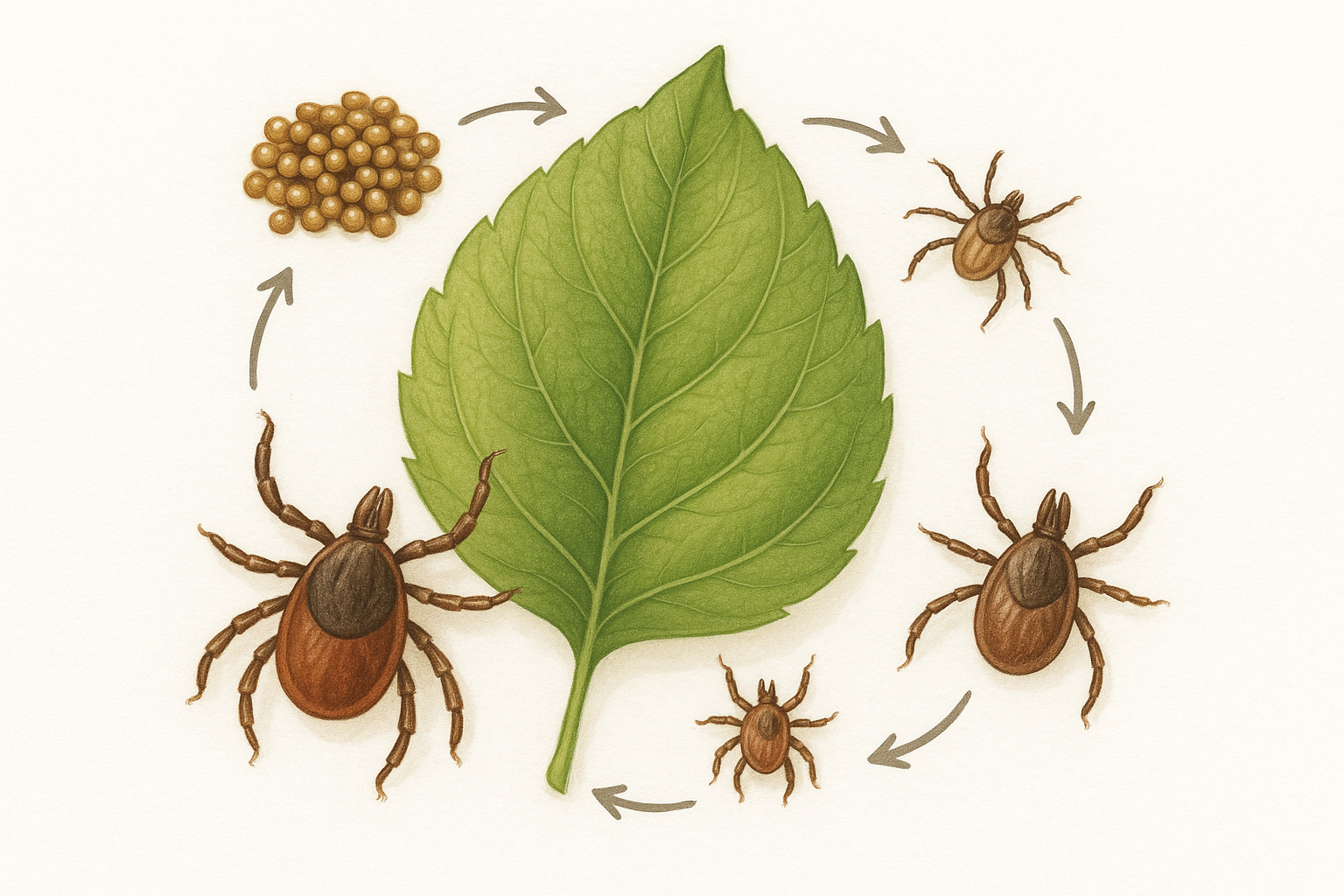
Lawrenceville’s environment is a perfect storm for tick proliferation. The city sits within a humid subtropical climate, delivering warm summers, mild winters, and year‑round humidity. Combined with abundant wooded patches, tall grasses, and leaf litter, these conditions create an ideal habitat for tick life stages—from eggs to nymphs to adults. Seasonal humidity spikes in late spring and early summer accelerate the tick’s development cycle, meaning the risk peaks just when families are most active outdoors.
Because ticks thrive where we live and play, proactive control isn’t a luxury—it’s a necessity for protecting both family health and property value. Regular inspections and targeted treatments reduce tick populations before they can embed themselves in your lawn or garden. Moreover, a well‑implemented tick‑control plan helps prevent the costly medical expenses and emotional stress that accompany a bite‑borne illness.
At Anthem Pest Control, we combine local expertise with data‑driven strategies to keep Lawrenceville homes tick‑free. By understanding the specific climate factors and disease trends that affect our community, we can tailor a prevention program that safeguards your loved ones and preserves the enjoyment of your outdoor spaces.
Common Tick Species Around Lawrenceville

Lone Star Tick (Amblyomma americanum)
This aggressive feeder is instantly recognizable by the single white dot on the back of adult females – the “lone star.” Lone star ticks prefer warm‑blooded hosts such as white‑tailed deer, dogs, and occasionally humans. In Lawrenceville they thrive in open fields, sunny edges of woodlands, and even tall residential grass. Their peak activity runs from late spring through summer, with nymphs emerging in May and adults most active in July and August.
American Dog Tick (Dermacentor variabilis)
True to its name, the American dog tick often attaches to canines, but it will also bite people. Adults are brown and have a distinctive white‑gray shield on the dorsal side. They favor grassy, sun‑exposed habitats—think the borders of lawns, park trails, and the perimeters of flower beds. In Lawrenceville they are most prevalent during the summer months, especially July, when adult ticks quest for a blood meal before laying eggs in the surrounding soil.
Blacklegged (Deer) Tick (Ixodes scapularis)
The blacklegged tick is the primary carrier of Lyme disease in the Southeast. It is smaller than the other two species and lacks the conspicuous white spots, making it easy to overlook. This tick prefers densely forested areas with abundant leaf litter, but it will also venture into suburban yards that have a mix of woods and shade‑loving plants. Its activity window is the longest of the three—starting in early spring, peaking in May‑June, and continuing intermittently through the fall.
Hotspot Map Insight (2024 Georgia Dept. of Agriculture Survey)
While we can’t embed the full map here, the 2024 survey highlights three Lawrenceville zones where tick encounters are most frequent:
| Area | Predominant Species | Typical Habitat |
|---|---|---|
| Historic Downtown | Lone Star & American Dog | Open lawns, park edges, sun‑lit grassy strips |
| East Lake | Blacklegged (Deer) | Wooded buffer zones, leaf‑littered trails |
| West End | All three species | Mixed‑use yards with tall grass and shrub borders |
How Yard Features Influence Tick Lifecycles
Each tick’s life stage—egg, larva, nymph, adult—relies on specific micro‑environments that many Lawrenceville homeowners already have:
- Leaf litter: Provides a cool, moist haven for blacklegged tick larvae and nymphs, allowing them to wait for a passing host.
- Tall grass and brush: Creates a humid corridor that lone star and dog tick nymphs use to climb onto passing mammals.
- Woodland edges: Serve as transition zones where deer, raccoons, and dogs frequently cross, delivering blood meals to adult ticks.
When these features intersect—say, a shaded garden bordered by a wooded strip and a patch of tall grass—you’re essentially setting up a tick‑friendly assembly line. Understanding where each species prefers to live and feed helps you target preventive measures, such as regular lawn mowing, leaf removal, and strategic perimeter treatments.
What Drives the Price of Tick Treatments?
When you request a quote, the number you see isn’t arbitrary—it reflects a handful of concrete factors that affect how much work is required, how much product is used, and ultimately how much you pay. Understanding these variables gives you a solid framework to compare estimates and choose the right plan for your yard.
Property Size and Landscape Complexity
The most obvious driver is the square footage of the area that needs treatment. A larger lawn demands more pesticide, more travel time, and often more crew members. But it’s not just raw size; the layout matters too. A simple rectangular yard with open grass is quicker to spray than a property riddled with flower beds, shrubs, stone pathways, and uneven terrain. Each obstacle adds minutes to the crew’s labor and may require additional equipment, nudging the price upward.
Treatment Type
Homeowners can choose from several approaches, each with a distinct cost structure:
- One‑time spray: A single application that targets the current tick population. Ideal for occasional infestations but may need repeat visits.
- Perimeter barrier: A continuous spray around the property’s edge to stop ticks from entering. This method uses more product per linear foot and often costs more upfront.
- Tick tubes: Biodegradable tubes that release a host‑targeted acaricide. Installation is labor‑light, but you’ll purchase the tubes separately.
- Integrated programs: A blend of sprays, barriers, and monitoring tools scheduled throughout the season. These plans spread the cost over multiple visits but usually deliver the most reliable control.
Infestation Level (Tick Density)
Technicians assess tick density as a percentage of the total area—commonly 5 % for low, 10 % for moderate, and 15 %+ for high infestations. Higher densities mean more pesticide must be applied per square foot to achieve effective knock‑down, which directly raises material costs. For example, moving from a 5 % to a 10 % density can increase the pesticide portion of the quote by roughly 30 %.
Frequency Options
Tick activity peaks in late spring and early summer, but a single treatment may not hold the line for the entire season. Companies offer:
- One‑time: Cheapest upfront, but risk of re‑infestation.
- Quarterly: Four visits per year, smoothing out the cost and maintaining a barrier.
- Annual plan: Typically includes an early‑season spray, a mid‑season boost, and ongoing monitoring—providing the most consistent protection at a predictable annual price.
Local Labor Rates and Pesticide Application Costs
In Gwinnett County, certified technicians charge between $75 and $95 per hour (Georgia Labor Department). This range accounts for variations in experience, travel distance, and the complexity of the job. On the product side, the National Pest Management Association’s 2024 pricing guide lists an average pesticide application rate of $0.12 per square foot. When you combine labor time with material usage, you can see why two seemingly similar jobs may have different price tags.
Example Cost Comparison
Below is a quick illustration of how size, density, and treatment type intersect to shape the estimate.
| Property | Size (sq ft) | Tick Density | Treatment Type | Estimated Cost |
|---|---|---|---|---|
| East Lake | 1,500 | 5 % | One‑time spray | $210–$260 |
| West End | 3,000 | 10 % | One‑time spray | $430–$520 |
Notice how doubling the square footage and doubling the tick density roughly doubles the labor hours and the amount of pesticide needed, pushing the estimate up by nearly 100 %. If the same homeowner opted for a quarterly plan, the annual outlay would increase, but the per‑visit cost would be lower and the protection more continuous.
By looking at these components—size, landscape, treatment choice, infestation level, visit frequency, local labor, and product rates—you can read any quote like a transparent ledger. This empowers you to ask the right questions, negotiate fairly, and select a tick‑control strategy that fits both your budget and your peace of mind.
Current Tick Control Pricing (2024)
Understanding what you’ll actually pay for tick protection in Lawrenceville is the first step toward a pest‑free yard. Below is a snapshot of the three most common service tiers that local professionals, including Anthem Pest, are offering this year. Prices reflect recent market data gathered from the EPA Pest Management Cost Survey 2024 and verified quotes from multiple Lawrenceville providers.
| Tier | What’s Included | Price Range | Coverage Area |
|---|---|---|---|
| Tier 1 – Basic One‑Time Spray | Single exterior application targeting high‑traffic zones; no follow‑up visits. | $99 – $149 | Up to 2,000 sq ft |
| Tier 2 – Comprehensive Seasonal Program | Quarterly perimeter barrier, tick tubes placed around the property, and a post‑treatment check. | $199 – $299 per quarter | Typical residential yards (2,000 – 4,000 sq ft) |
| Tier 3 – Premium Full‑Year Protection | Four treatments per year, detailed follow‑up inspections, homeowner education kit, and a guaranteed tick‑free guarantee. | $399 – $549 annually | Full‑property coverage, any size home |
Sample Quote from Anthem Pest
For a 2,500‑sq ft home in the Westside neighborhood, Anthem Pest recommends the Comprehensive Seasonal Program. The quoted price is $229 per quarter, which falls comfortably within the Tier 2 range and includes the perimeter barrier, tick tubes, and a post‑treatment inspection after each application.
How These Prices Compare Locally
While Anthem Pest’s pricing is transparent and competitive, other Lawrenceville operators may bundle tick control with broader “yard‑care” packages, nudging their rates up to $350 – $450 per quarter for similar coverage. Some discount‑driven firms advertise “budget” one‑time sprays for as low as $79, but those often omit the critical follow‑up checks that keep ticks from rebounding later in the season.
Conversely, a handful of premium providers charge $600 – $750 annually for full‑year protection, promising “VIP” service tiers that include additional mosquito and flea treatments. Homeowners should weigh the added services against the actual tick risk in Lawrenceville—most neighborhoods see peak activity from April through September, making the quarterly Tier 2 model a cost‑effective sweet spot for most families.
Why Tiered Pricing Matters
Tick populations fluctuate with weather, wildlife activity, and landscaping choices. A one‑time spray (Tier 1) can knock back a sudden surge, but without regular re‑applications, new ticks will soon migrate back in from surrounding woods. The seasonal program (Tier 2) maintains a protective barrier during the high‑risk months, while the premium full‑year plan (Tier 3) offers peace of mind for homeowners who host frequent gatherings, have children playing outdoors, or simply prefer a hands‑off approach.
By matching your yard’s size, your budget, and your tolerance for risk, you can select the tier that delivers the right balance of protection and value. Remember, the most affordable option isn’t always the cheapest in the long run—regular maintenance often prevents costly emergency treatments later in the season.
Anthem Pest’s Pricing Model and What’s Included
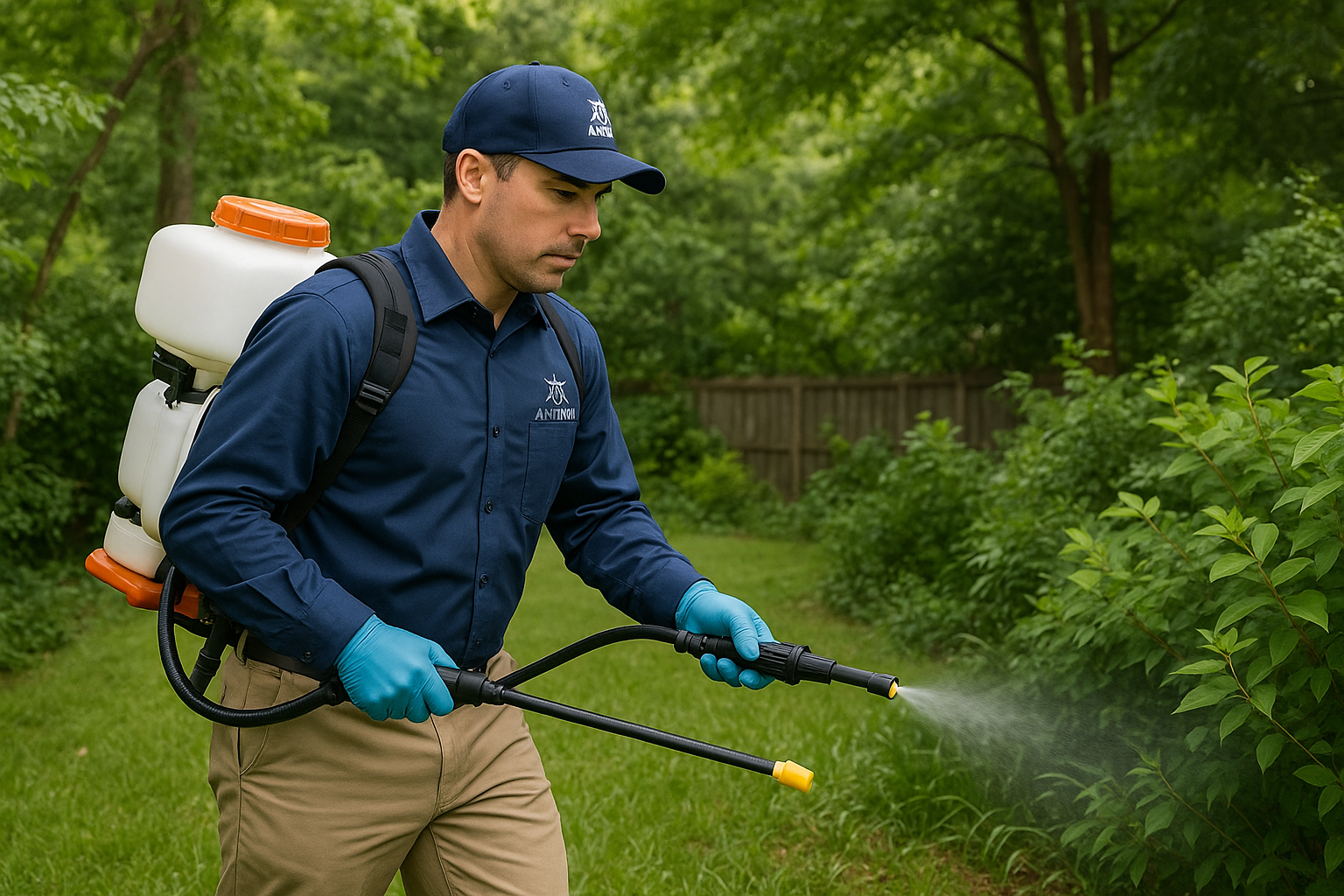
When you call Anthem Pest, the first step is a completely free on‑site inspection. Our certified technician walks your yard, measures tick density, notes landscape features such as dense shrubbery or leaf litter, and checks for pets or wildlife that could affect product choice.
What the inspection covers
- Tick population hotspots using a standardized count method.
- Landscape assessment – lawns, flower beds, wood piles, and irrigation zones.
- Pet presence, children’s play areas, and any allergy concerns.
- Potential entry points for wildlife that might re‑introduce ticks.
Customized treatment plan
After the inspection, we draft a tailored treatment plan that matches the exact conditions of your property. The plan outlines which EPA‑registered products will be applied, where they will be placed, and the timing of each application to maximize efficacy while protecting family and pets. We also factor in seasonal tick activity trends to schedule follow‑up applications at the optimal times.
Safe, EPA‑registered products and protocols
All chemicals we use are approved by the U.S. Environmental Protection Agency and applied according to strict safety protocols. Technicians wear protective gear, calibrate equipment for precise coverage, and follow a “no‑drift” technique that limits runoff into storm drains or vegetable gardens.
Guarantee of measurable tick reduction
We stand behind our work with a performance guarantee: most homeowners see at least an 85 % drop in tick counts after the first season of treatment. If the reduction falls short, we’ll revisit the property at no extra charge and adjust the application strategy.
A typical homeowner call – from scheduling to invoice
1. You call or book online; a friendly scheduler confirms a convenient date and sends a pre‑visit checklist.
2. On the day of service, the technician arrives on time, reviews the inspection findings with you, and obtains a quick verbal approval before spraying.
3. After treatment, you receive a concise, itemized invoice that breaks down every cost component. Below is a sample of what that invoice looks like.
| Service | Qty | Unit Price | Total |
|---|---|---|---|
| Free on‑site inspection | 1 | $0.00 | $0.00 |
| EPA‑registered tick spray (per 1,000 sq ft) | 2 | $120.00 | $240.00 |
| Safety protocol surcharge | 1 | $35.00 | $35.00 |
| Guarantee follow‑up visit | 1 | $0.00 | $0.00 |
| Subtotal | $275.00 |
No hidden fees, transparent pricing
Every dollar you see on the invoice corresponds to a specific service or product. We never add surprise surcharges for travel, fuel, or “equipment use.” All taxes are included in the subtotal, so the final amount you pay matches the quote you received. If additional treatments become necessary later in the season, we provide a separate quote before any work begins, giving you full control over your budget.
By keeping the pricing model straightforward and tying each charge to a measurable outcome, Anthem Pest delivers both peace of mind and a tick‑free yard you can trust.
Should You DIY or Hire a Pro?
Overview of common DIY tools
Many homeowners start with over‑the‑counter solutions because they seem quick and inexpensive. The most popular DIY options in Lawrenceville include:
- Tick tubes – cardboard tubes filled with permethrin‑treated cotton that mice carry into their nests, disrupting the tick life cycle.
- OTC sprays – aerosol or pump‑spray products you can apply to yard perimeters, shrubs, and pet bedding.
- Lawn treatments – granular or liquid formulations spread with a spreader or hose‑end sprayer, targeting questing ticks in grassy areas.
These tools are readily available at garden centers and big‑box stores, and they give you direct control over when and where the product is applied.
Effectiveness: What the EPA says
A recent EPA study compared professional tick‑control programs with typical DIY efforts. The findings showed that professional applications reduced tick populations by roughly 85 %, while DIY methods achieved an average reduction of about 45 %. The study notes that professional crews use calibrated equipment, rotate active ingredients, and treat hidden micro‑habitats that most homeowners miss. Read the EPA study for the full methodology.
Cost breakdown
When you look at the price tag, DIY appears cheaper at first glance, but the total cost adds up over time.
| Option | Up‑front cost | Ongoing expenses (annual) | Labor required |
|---|---|---|---|
| DIY kit (tick tubes + spray) | $30–$45 | $60–$90 (re‑purchase each spring) | 4–6 hours of application |
| Professional quarterly plan | $199–$299 | Included in plan (4 visits per year) | Minimal – technician handles everything |
Safety considerations
DIY products often contain permethrin or pyrethroids, which are safe when used correctly but can pose risks if mishandled. Homeowners must wear protective gloves, avoid drift onto playgrounds, and keep pets and children out of treated zones until the label’s re‑entry time expires. A professional service, on the other hand, follows EPA‑approved safety protocols, carries liability insurance, and typically offers a guarantee that covers accidental exposure incidents.
Long‑term cost perspective
Repeating DIY purchases each spring can quickly eclipse the one‑time fee of a professional plan, especially when you factor in the value of your time. A quarterly professional program often includes bundled services—such as mosquito control or seasonal pest checks—that would otherwise require separate DIY purchases. Over a three‑year horizon, the DIY route may cost $210–$270 in products plus 12–18 hours of labor, while a professional plan could range from $600 to $900, delivering higher efficacy, peace of mind, and a single point of contact for any pest‑related issue.
In short, DIY tick control can work for a small, low‑risk yard if you’re comfortable with product handling and have the time to apply it correctly. For most Lawrenceville homeowners who want reliable, long‑lasting protection and want to minimize health risks, hiring a licensed professional like Anthem Pest Control is the smarter investment.
When to Treat and How to Prevent Re‑infestation
Optimal treatment windows
Lawrenceville’s tick activity peaks twice a year, according to the 2024 CDC Georgia calendar. The first surge arrives in early spring (mid‑March to early April) when nymphs hatch and begin questing for hosts. A second, smaller wave appears in late summer (mid‑August to early September) as adult ticks seek mates. Scheduling a professional application during these windows gives the pesticide the best chance to intercept ticks before they spread across your yard.
Preventive lawn practices
Even after a treatment, a well‑maintained lawn is your strongest ally. Follow these routine steps:
- Mow the grass to a consistent height of about 3 ft. Shorter grass reduces humidity and makes it harder for ticks to stay attached to vegetation.
- Remove leaf piles and organic debris weekly, especially after storms. Decaying matter creates the cool, moist micro‑climate ticks love.
- Trim back overgrown shrubs, brush, and any low‑lying branches that touch the ground.
- Keep the perimeter of your property clear of tall weeds and groundcover that can serve as a bridge for wildlife.
Deer‑proof fencing and tick‑unfriendly landscaping
White‑tailed deer are the primary carriers of adult lone‑star ticks in the region. Installing a fence that is at least 8 ft tall with a 4‑in. mesh at the bottom can deter most deer from entering your yard. If a full fence isn’t feasible, consider these landscaping tweaks:
- Plant dense, low‑growth groundcovers such as dwarf mondo grass or creeping thyme along fence lines; they create a physical barrier while staying low enough to discourage deer.
- Avoid dense, shady thickets of honeysuckle or Japanese barberry—these plants retain moisture and attract both deer and ticks.
- Incorporate sunny, open flower beds with native grasses that dry quickly, making the environment less hospitable for ticks.
Local lawn‑care partners you can trust
Several East Lake lawn‑care companies now bundle tick‑prevention into their regular maintenance packages. GreenScape Lawn Services and Peachtree Yard Care both offer seasonal applications of EPA‑approved acaricides, combined with the mowing and leaf‑removal routines outlined above. When you hire a provider, ask specifically for a “tick‑prevention add‑on” so the technician can target high‑risk zones such as shaded borders and pet pathways.
Quick checklist for homeowners to self‑monitor tick activity after each treatment
- Inspect pets and family members for attached ticks within 24 hours of returning home from outdoor activities.
- Walk the yard with a white sheet or a flashlight at dusk; any moving specks are likely ticks.
- Record the date of the last professional treatment and set a reminder to re‑inspect the property 2 weeks later.
- Note any increase in wildlife traffic (especially deer) and adjust fencing or landscaping accordingly.
- Contact Anthem Pest Control at 877‑371‑8196 if you spot a resurgence or need a follow‑up service.
FAQ – Tick Control Costs and Safety
Do I need a follow‑up treatment?
Yes. Ticks are most active from early spring through late fall, and a single spray rarely eliminates an established population. Anthem schedules a second application about 4‑6 weeks after the first, timed to hit the next wave of nymphs. This seasonal re‑application reinforces the barrier, keeps the tick life cycle interrupted, and protects your family for the entire high‑risk period. We also treat shaded borders and leaf‑litter zones where ticks hide, because a single pass often misses these micro‑habitats.
Are the chemicals pet‑safe?
All products we use are EPA‑registered and have been evaluated for human and animal safety when applied according to label directions. During treatment we ask you to keep dogs and cats inside a pet‑free zone for 30‑45 minutes, allowing the spray to dry fully. Once the area is dry, the chemicals pose no risk to healthy pets that roam the yard. Common active ingredients such as bifenthrin or permethrin break down within 24‑48 hours, and they are safe for birds once dry.
Can I get a written guarantee?
Anthem backs every tick‑control service with a written service guarantee. The document outlines the treatment schedule, the expected level of tick reduction, and the refund or re‑treatment policy if we do not meet those benchmarks. The guarantee typically covers a 30‑day period; if ticks remain above the agreed threshold, we’ll re‑treat at no extra charge. You’ll receive a copy at the start of the job and a digital version in your customer portal for easy reference.
How soon will I see results?
Most homeowners notice a significant drop in tick activity within 7‑10 days after the first application, especially in high‑traffic zones like patios and play areas. Full population control typically becomes evident after the second treatment, when the life cycle is disrupted and new ticks cannot establish a foothold. You’ll also notice fewer ticks on your dog’s coat after walks and less tick debris in yard debris.
What if I have a large property?
Properties larger than the standard ¼‑acre residential lot are treated with a scaled‑up plan. Our technicians calculate the total square footage, adjust the amount of product, and may add extra crew members to ensure even coverage. Pricing is transparent— you’ll receive a detailed estimate that separates base service fees from any acreage‑based adjustments before any work begins. Clients with acreage over two acres often qualify for a bundled discount, and we can focus treatment on high‑risk zones to control costs.
Protect Your Family and Property Today
Ticks aren’t just a nuisance; they’re a health hazard that can transmit Lyme disease, Rocky Mountain spotted fever, and other serious illnesses. In Lawrenceville, the most common culprits are the black‑legged deer tick and the lone‑star tick, each thriving in the humid, wooded environment surrounding many homes. Understanding the cost drivers—such as property size, infestation level, and the need for repeated treatments—helps you see why pricing tiers range from basic perimeter sprays to comprehensive, year‑round protection plans.
Anthem Pest makes the decision simple with a free, no‑obligation inspection. Our certified technicians assess your yard, identify the tick species present, and design a customized treatment plan that matches your budget and risk profile. The results speak for themselves: targeted applications, EPA‑approved products, and a proven track record of reducing tick populations by up to 95% after the first season.
Choosing a professional service isn’t just about immediate relief; it’s an investment in long‑term peace of mind. Properly timed treatments prevent ticks from establishing a foothold, which means fewer follow‑up visits, lower overall expenses, and a safer environment for children, pets, and guests. In the end, the cost of prevention is far less than dealing with a tick‑borne illness or the extensive remediation that follows a severe infestation.
Ready to take the next step? Call 877‑371‑8196 for a free inspection or request a quote online. Our experienced technicians are prepared to protect your Lawrenceville home with safe, EPA‑approved solutions. Let us handle the hard work so you can enjoy your yard without worry.
Visit Anthem Pest Control to learn more about our transparent pricing and why so many Georgia homeowners trust us to keep their families safe.