Why Tick Control Matters in Lilburn
Georgia reported roughly 1,200 tick-borne disease cases in 2023, according to the CDC. While that number reflects the entire state, the suburban neighborhoods of Lilburn sit squarely in the hot spot, prompting many residents to research tick control cost Lilburn before peak season begins. Warm, humid summers, abundant leaf litter, and the patchwork of lawns, woodlands, and pet-friendly gardens create an ideal tick habitat that thrives year-round.
These conditions aren’t just a nuisance—they’re a public‑health concern. Ticks transmit several serious illnesses that affect both people and pets. Lyme disease can cause lingering fatigue, joint pain, and neurological issues if not treated promptly. Rocky Mountain spotted fever presents with high fever, rash, and can be fatal without early antibiotics. More recently, the Lone Star tick has expanded its range into the Atlanta metro area, bringing emerging threats such as ehrlichiosis and southern tick‑associated rash illness.
Local reports confirm the uptick. Over the past six months, residents in the Brookhaven and East Lilburn neighborhoods have logged a sharp increase in Lone Star tick sightings, often found on backyard dogs and in shaded garden beds. One homeowner shared that their family’s weekend hikes turned into a scramble to remove ticks from skin and fur, prompting an urgent call to a pest‑control professional.
For a homeowner, the stakes are personal. Every bite carries the risk of disease, and every untreated yard becomes a waiting room for ticks looking for a host. Protecting your family, pets, and property isn’t just about comfort—it’s about safeguarding health.

Tick Life Cycle and Peak Seasons in Lilburn
Black‑legged (deer) tick and Lone Star tick: life‑stage overview
The black‑legged tick (Ixodes scapularis), commonly called the deer tick, and the Lone Star tick (Amblyomma americanum) both follow a four‑stage progression: egg, larva, nymph, and adult. After a female lays thousands of eggs on the forest floor, the tiny, six‑legged larvae hatch and wait for a passing host—often a mouse, squirrel, or small bird. Once engorged, the larva drops off, molts into an eight‑legged nymph, and seeks a larger host such as a rabbit, raccoon, or human. The nymph’s bite is the most likely to transmit disease because it’s small enough to go unnoticed. After another blood meal, the nymph molts into an adult, which prefers deer, dogs, or people. Adult females attach for several days, fill with blood, and then drop to lay a new batch of eggs, restarting the cycle.
Three‑year life cycle and host‑seeking behavior
In Lilburn’s humid subtropical climate, the complete life cycle typically spans three years. Year 1 is dominated by larvae and early nymphs; Year 2 sees peak nymph activity; Year 3 is when adults are most abundant. Each stage is opportunistic, climbing onto vegetation (a behavior called “questing”) and extending their front legs to latch onto any passing warm‑blooded host. This questing habit explains why ticks are found not only in wooded areas but also in suburban lawns, gardens, and even on the edges of paved driveways.
Seasonal activity pattern
Temperature and humidity drive tick activity. In Lilburn, the warm months of late spring and early summer create ideal conditions for questing. According to the CDC, roughly 70 % of tick bites occur between May and July. Larvae are most active in early spring, nymphs dominate May‑June, and adults peak in late summer through early fall. Winter brings a dramatic slowdown, but ticks can remain dormant on leaf litter and resume activity as soon as temperatures rise above 50 °F.
| Month | Activity % |
|---|---|
| January | 2 |
| February | 3 |
| March | 8 |
| April | 15 |
| May | 22 |
| June | 25 |
| July | 18 |
| August | 5 |
| September | 2 |
| October | 0 |
| November | 0 |
| December | 0 |
Case study: a June lawn surprise
John Miller, a Lilburn homeowner, thought his freshly mowed lawn was a sign of summer readiness. While clearing clippings on a June afternoon, he noticed several tiny, dark specks crawling on the grass. A closer look revealed dozens of black‑legged nymphs clinging to the mower’s blade. Within 48 hours, two family members reported itchy bumps on their ankles. The incident prompted John to schedule a professional tick‑control service with Anthem Pest Control, who applied a targeted, environmentally safe acaricide around the perimeter of his property. After treatment, follow‑up inspections confirmed a dramatic reduction in tick activity, giving the Miller family peace of mind for the rest of the season.
Specific Risks for Lilburn Homeowners
Living in Lilburn means enjoying the charm of mature trees, nearby creeks, and plenty of outdoor space. Unfortunately, those same features also create ideal habitats for ticks. Understanding where the danger hides helps you target prevention before a bite turns into a health concern.
High‑risk zones around the typical Lilburn property
- Wooded edges – The transition zone between your lawn and a forested strip often shelters deer, rodents, and the ticks that hitch a ride on them.
- Riparian buffers – Areas alongside the South River and its tributaries stay moist year‑round, providing a perfect microclimate for tick development.
- Dog parks – Places like Lilburn Dog Park draw many pets and wildlife, increasing the chance of ticks attaching to a furry friend and then to you.
- Community gardens – Raised beds, compost piles, and shaded pathways attract birds and small mammals, which are common tick carriers.
Neighborhoods with documented tick hotspots
- Brookhaven – The dense canopy and frequent wildlife corridors have produced higher tick counts in recent surveys.
- South Gwinnett – Proximity to the South River’s floodplain creates damp, leaf‑laden zones where ticks thrive.
- Historic downtown district – Older homes with mature landscaping and less frequent lawn mowing provide shelter for questing ticks.
“Georgia continues to see a rise in tick‑borne illnesses, with Gwinnett County reporting one of the highest rates of Lyme disease and ehrlichiosis in the state.”
Georgia Department of Public Health, Tick‑Borne Diseases
How everyday landscaping choices amplify risk
Even small decisions in your yard can tip the balance toward a tick‑friendly environment. Tall grasses and untrimmed borders give ticks a “highway” to move between hosts. Piles of leaf litter act like a blanket, keeping the ground moist and protecting ticks from sunlight. When you allow shrubs to grow unchecked, you create shaded pockets where deer and rodents seek shelter, bringing their parasite passengers right to your doorstep.
Regular mowing, removing leaf debris, and keeping vegetation away from the home’s foundation are simple, cost‑effective steps that dramatically lower the odds of an unwanted encounter. Pair those habits with a professional tick‑control treatment from Anthem Pest Control, and you’ll protect both your family and your pets from the hidden threat lurking in Lilburn’s beautiful landscapes.
What Services Do Professional Pest Companies Offer?
When you call a licensed pest professional in Lilburn, you’ll quickly discover that “tick control” isn’t a one-size-fits-all solution, and understanding tick control cost Lilburn services offer depends on the type of package you choose. Companies typically bundle their expertise into a handful of service packages, each designed to match a homeowner’s risk level, property size, and lifestyle. Below is a quick guide to the most common offerings you’ll encounter.
One‑Time Perimeter Spray
This entry‑level option targets the outer edge of your yard—usually the fence line, sidewalks, and the first few feet of lawn. Technicians use a handheld sprayer to apply a thin layer of EPA‑approved insecticide, creating a barrier that kills ticks before they can cross onto your property. It’s ideal for:
- Homes with occasional tick sightings.
- Properties where a full‑yard treatment would be excessive.
- Seasonal “quick fix” before a family gathering or outdoor event.
Coverage typically spans 10–15 feet from the property line, and the treatment remains effective for about two weeks, depending on weather and foot traffic.
Yard‑Wide Broadcast Treatment
For broader protection, professionals employ a broadcast sprayer—often mounted on a backpack or small trailer—to coat the entire lawn, shrubbery, and under‑growth. The equipment forces the solution deeper into soil and vegetation, reaching the micro‑habitats where ticks thrive. Benefits include:
- Up to 30 days of residual control.
- Penetration of leaf litter and mulch where nymphs hide.
- Uniform coverage that eliminates untreated “hot spots.”
This package is best for larger yards, heavily wooded areas, or homes with pets that spend a lot of time outdoors.
Quarterly/Annual Maintenance Plans
Most reputable companies, including Anthem Pest, offer recurring plans that combine perimeter and broadcast applications on a set schedule. A typical quarterly plan involves:
- Initial perimeter spray and yard‑wide broadcast.
- Two follow‑up visits spaced 6–8 weeks apart, focusing on re‑application and tick monitoring.
- Final inspection and a detailed report of tick activity.
Annual contracts may add extra visits during peak tick season (April‑July) and include regular inspections of pet areas, playgrounds, and high‑traffic zones.
Pet‑Safe Options
Homeowners with dogs or cats often request formulations that avoid permethrin, a compound toxic to felines. Professionals can switch to:
- Permethrin‑free products such as bifenthrin or pyrethrins.
- Spot‑on treatments applied directly to pets, offering immediate protection without environmental exposure.
- Environmental buffers—like keeping treated zones away from pet feeding stations.
These options maintain efficacy while keeping your four‑legged family members safe.
Anthem Pest’s “Tick Shield” Program
Anthem Pest’s flagship service bundles a three‑visit schedule that blends the best of both worlds: a perimeter spray on the first visit, a full yard broadcast on the second, and a final “touch‑up” plus monitoring on the third. The program is engineered to:
- Provide continuous protection throughout the high‑risk months.
- Include a detailed tick activity log for the homeowner.
- Offer a transparent, flat‑rate price that eliminates surprise fees.
Because the visits are spaced roughly four weeks apart, the residual action of the EPA‑approved ingredients remains robust, reducing the need for additional treatments.
EPA‑Approved Active Ingredients & Safety Guidelines
Most professional tick treatments rely on the following EPA‑registered chemicals:
- Bifenthrin – a synthetic pyrethroid offering long‑lasting residual control.
- Permethrin – effective but not recommended for households with cats.
Regardless of the product, technicians follow strict safety protocols: they wear protective gear, keep children and pets off treated areas for at least two hours, and advise homeowners to water lawns lightly after application to reduce drift. For a full list of guidelines, visit the EPA’s tick‑control page.
How Much Does Tick Control Really Cost in Lilburn?
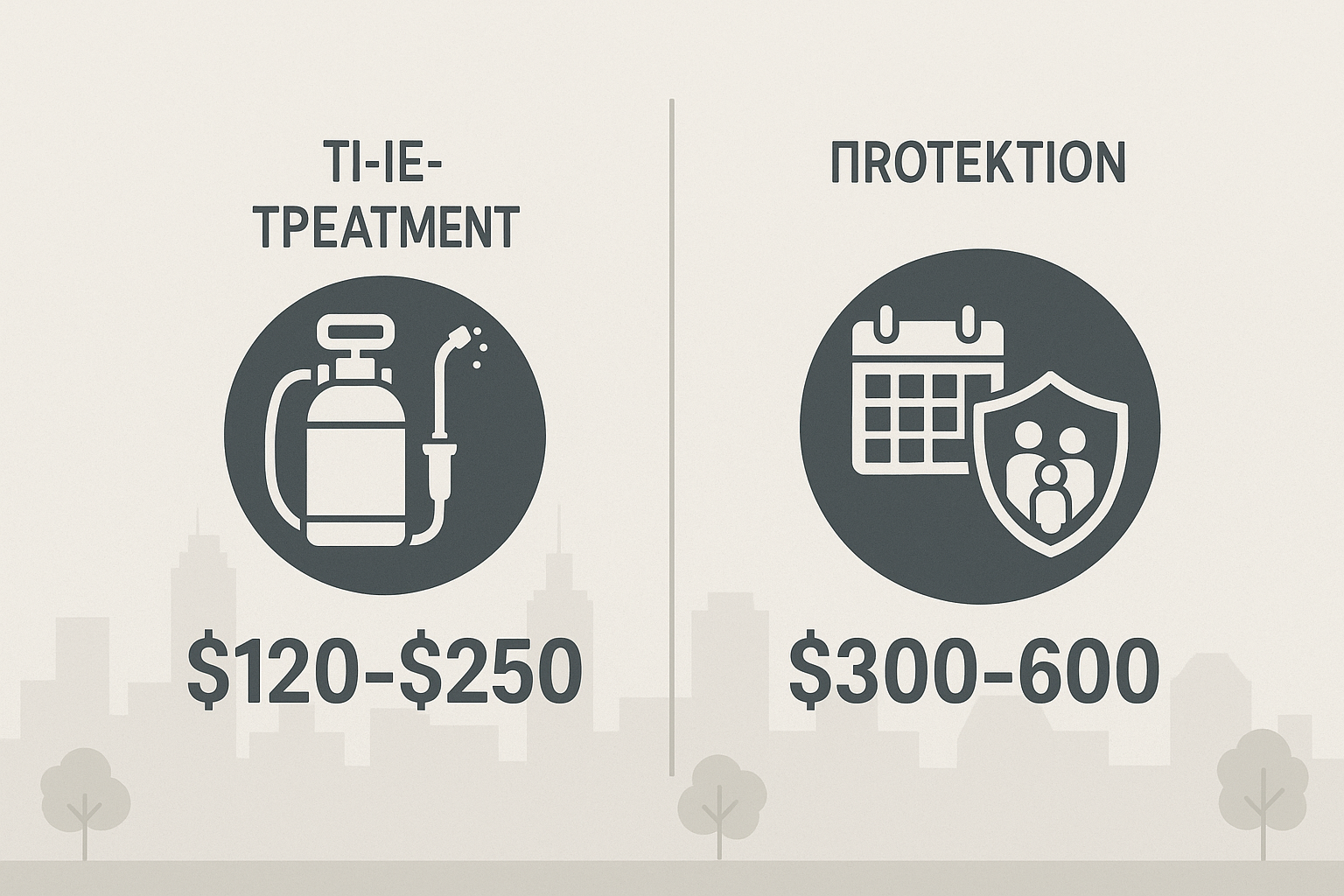
When you’re weighing tick-control options for your Lilburn home, understanding tick control cost Lilburn homeowners typically pay can feel just as intimidating as the pests themselves. The good news is that most services fall into clear, predictable ranges, and Anthem Pest Control makes every cost component transparent. Below is a data-driven breakdown based on the 2024 Georgia pest-control pricing survey from the National Pest Management Association (NPMA) and recent quotes gathered from Anthem’s Lilburn sales team.
Typical Service Options and Their Price Ranges
| Service | Price Range | Typical Coverage / Frequency |
|---|---|---|
| Single‑treatment perimeter spray | $120 – $250 | ≈1.5 hr labor, up to 5,000 sq ft |
| Full‑yard broadcast treatment | $200 – $350 | Entire property, one‑time application |
| Annual protection plan (4 visits + monitoring) | $300 – $600 | Quarterly visits, includes follow‑up checks |
| Pet‑treatment surcharge | $30 – $50 | Additional safe‑application for pets |
| Holiday‑season surcharge | +10 % of base price | Applied to any service booked Dec – Jan |
The figures above reflect the NPMA 2024 national averages for Georgia, adjusted with real‑world quotes from Anthem’s local technicians. Prices can vary slightly depending on yard size, landscape complexity, and whether you need special pet‑friendly formulations.
What Drives the Cost?
- Labor time: A perimeter spray typically requires 1.5 hours of technician time, while a full‑yard broadcast can take up to 2 hours for larger properties.
- Product type: EPA‑registered tick control products are priced per acre; bulk purchasing by a professional service keeps the per‑treatment cost lower than DIY options.
- Frequency: One‑off treatments are cheaper upfront, but an annual plan spreads the expense over four visits and often includes complimentary monitoring.
- Seasonal demand: The holiday‑season surcharge reflects higher demand and limited technician availability during December and January.
Real‑World Savings Example
One Lilburn homeowner, who lives adjacent to a city park heavily infested with ticks, chose to bundle tick control with a mosquito treatment. By combining the two services, they received a $75 discount off the standard tick‑control price—a savings that represents roughly 20 % of a typical full‑yard broadcast cost. Bundling is a common way to stretch your pest‑control budget while keeping both tick and mosquito populations in check.
How to Choose the Right Option for Your Home
Start by assessing the size of your yard and the level of tick activity. If you only need a quick barrier around the house, the perimeter spray is the most cost‑effective entry point. For larger properties or for families with children and pets who play outdoors, the full‑yard broadcast or an annual protection plan offers broader coverage and peace of mind. Remember to ask about the pet‑treatment surcharge if you have animals that spend time in the yard; the extra $30‑$50 ensures the chemicals used are safe for them.
Finally, schedule your service early in the tick season (late winter to early spring). Early treatment not only reduces the number of ticks before they become a problem but also locks in the base price before any holiday‑season surcharge kicks in.
Why Hire a Licensed Professional?
When it comes to protecting your Lilburn yard from ticks, the cheap allure of a do‑it‑yourself spray kit can be tempting. A typical DIY kit costs between $30 and $80, promises a quick “spray‑and‑forget” solution, and can be purchased at any big‑box store. In practice, however, the savings often evaporate once you factor in the hidden costs of ineffective treatment, repeated applications, and potential health risks.
Cost vs. Value
- DIY kits: $30 – $80 per application, usually covering 5 000 sq ft. Most homeowners need two to three treatments per season to see any noticeable drop in tick activity.
- Professional service: Anthem Pest Control’s standard tick‑control program starts at $199 for a full‑property treatment, including a follow‑up visit and a guaranteed 90‑day protection warranty.
While the upfront price of a professional job is higher, the long‑term value becomes clear when you consider the reduction in repeat applications and the peace of mind that comes with a proven, backed‑by‑insurance solution.
Proven Efficacy
An EPA‑sponsored field study compared licensed pest operators with consumer‑grade products. The results were stark: professionals achieved an average 90 % reduction in tick counts after a single treatment, whereas DIY kits managed only about 55 %. That gap translates directly into fewer bites, lower risk of Lyme disease, and a healthier environment for pets and children.
Licensing, Certification, and Insurance
Licensed pest technicians in Georgia must hold an EPA‑registered certification, complete annual continuing‑education courses, and maintain liability insurance. This regulatory framework ensures they:
- Use EPA‑approved chemicals at the correct concentrations.
- Apply treatments safely, respecting local ordinances and wildlife protection rules.
- Carry insurance that covers accidental property damage or unintended pet exposure.
In contrast, a homeowner spraying a DIY product bears full responsibility for any mishap—whether it’s a damaged lawn, a pet’s reaction, or a missed spot that leaves a tick hotspot.
Liability and Warranty Protection
Professional services come with written warranties that guarantee a specific level of tick control. If the promised reduction isn’t met, Anthem Pest will re‑treat the property at no extra charge. DIY users have no such recourse; the product label’s limited guarantee rarely covers application errors or ineffective results.
“After my son was diagnosed with Lyme disease, I stopped trusting the cheap spray cans. I called Anthem, and within a week the tick count in our yard dropped dramatically. The technician explained every step, and the warranty gave me confidence we wouldn’t have to repeat the process.” – Emily R., Lilburn, GA
Choosing a licensed professional isn’t just about spending a little more upfront; it’s about investing in a scientifically backed, legally compliant, and fully insured solution that protects your family, pets, and property for the long haul.
When Is the Best Time to Treat?
Timing is everything when it comes to keeping ticks at bay. By aligning your treatment schedule with the tick life cycle, you create a “wall” that stops nymphs, larvae, and adults before they can set up shop in your yard. Below is a quick seasonal guide that shows exactly when to call in the pros for maximum protection.
Early‑Spring (March – April)
This is the first window to intercept emerging nymphs, which are the most active stage after winter. A barrier treatment in early spring stops the first wave of ticks from crawling onto your lawn and into your home. It also gives you a head‑start on the season’s most common tick‑borne illnesses.
Mid‑Summer (July)
By July, the first generation has reproduced, and a second‑generation of ticks is on the move. A follow‑up treatment in mid‑summer sweeps up any missed spots and tackles the new batch of nymphs and adults that thrive in the heat.
Fall (October)
As temperatures dip, adult ticks look for a place to overwinter. A final sweep in October eliminates these adults before they burrow into leaf litter or hide in the soil, reducing the number that will emerge the following spring.
Seasonal Calendar Snapshot (for design)
Imagine a clean, three‑column calendar graphic placed right after this paragraph. Column 1 shows “Mar‑Apr: Early‑Spring Barrier,” column 2 displays “Jul: Mid‑Summer Follow‑Up,” and column 3 reads “Oct: Fall Final Sweep.” Each column could include a small icon (sprinkler, sun, leaf) and a brief bullet‑point reminder. This visual will help homeowners see the entire tick‑control timeline at a glance.
Special Offer: Early‑Season Tick Guard
Anthem Pest wants you to start the season strong. Book your early‑spring barrier before April 15 and lock in the Early‑Season Tick Guard promotion—a discounted rate plus a complimentary yard inspection. It’s the most cost‑effective way to protect your family and pets from tick bites before they become a problem.
Remember, the earlier you act, the fewer ticks you’ll have to fight later. Mark these dates on your calendar, set a reminder for the promotion deadline, and let Anthem Pest handle the rest. Your yard stays safe, and you keep peace of mind all year long.
FAQ – Tick Control in Lilburn
Is the treatment safe for children and pets?
Yes. Anthem Pest uses EPA‑approved products that meet strict safety standards. For families with pets, we offer pet‑safe options such as low‑toxicity sprays and granules that break down quickly after application. Technicians wear protective gear and follow label instructions to minimize any exposure risk.
How often should re‑treatments be scheduled?
Ticks are most active from early spring through late fall. We recommend an initial treatment in early spring, followed by a second application in midsummer, and a final touch‑up in early fall. This seasonal timeline keeps the tick population suppressed throughout the high‑risk period. In high‑infestation zones, a quarterly schedule may be advised.
What warranty or guarantee is offered?
All Anthem Pest tick‑control services come with a 30‑day re‑treatment guarantee. If you notice ticks returning within 30 days of the service, we’ll return at no extra charge to re‑apply the treatment. The guarantee applies only when preparation guidelines are followed and the property has not been altered significantly after the initial visit.
How should I prepare my yard before a visit?
Clear the area to give our technicians unobstructed access. Mow the grass to a uniform height, trim back overgrown shrubs, and remove leaf piles, wood debris, and any pet waste. This not only improves product penetration but also reduces the chance of ticks hiding in clutter.
Does my homeowner’s insurance cover pest‑control services?
Generally, standard homeowner’s policies do not reimburse routine pest‑control treatments, including tick control. However, hiring a licensed professional like Anthem Pest adds liability protection, ensuring the work meets state regulations and reducing risk for both you and your insurer.
Selecting a Trusted Tick Control Partner
When you’re ready to protect your yard and home from ticks, the company you choose matters as much as the treatment itself. Use this quick checklist to separate reputable pros from fly‑by‑night operators.
- Licensing and EPA certification – Confirm the business holds a valid Georgia pest‑control license and that technicians are EPA‑registered. This guarantees they follow state regulations and use approved products safely.
- Local experience with Lilburn’s tick species – Look for a firm that knows the specific tick varieties common in Gwinnett County, such as the Lone Star and American dog tick. Local knowledge translates into targeted applications and better long‑term results.
- Transparent pricing and detailed service agreements – A trustworthy provider will give a written estimate that breaks down labor, chemicals, and any follow‑up visits. Avoid hidden fees by insisting on a clear contract before work begins.
- Customer reviews and guarantee policies – Scan online testimonials, Google reviews, and BBB ratings. Companies that stand behind their work typically offer satisfaction guarantees or re‑treatment clauses.
- Responsive support and free on‑site inspection – Prompt, 24‑hour response lines and a no‑cost initial walkthrough show a company values your time and peace of mind.
Anthem Pest checks every box on this list. Our technicians are fully licensed, EPA‑certified, and have years of hands‑on experience eliminating Lilburn’s most stubborn ticks. We provide a clear, upfront quote, a written service plan, and a 100 % satisfaction guarantee. Plus, our 24‑hour response line and complimentary on‑site inspection make the process effortless for busy homeowners.
Take Action to Protect Your Home Today
Ticks aren’t just a nuisance—they can transmit Lyme disease, Rocky Mountain spotted fever, and other serious illnesses to both people and pets. In Lilburn, professional tick control typically falls between $150 and $350 for a single‑season treatment, a small investment compared to the potential medical bills and lost time from an infection.
Getting ahead of the problem with a licensed technician is the most reliable way to safeguard your family. Early, thorough applications create a barrier that keeps ticks from establishing in your yard, giving you peace of mind throughout the warmer months.
Ready to lock in protection before the peak tick season arrives? Call Anthem Pest at 877‑371‑8196 for a free, no‑obligation quote. Scheduling now helps you secure current pricing and ensures availability when you need it most.
For more details about tick control cost Lilburn homeowners can expect, or to request your complimentary on-site inspection, visit Anthem Pest Control. We’re here to keep your home safe—no pressure, just expertise.