Why Tick Control Matters in Tucker

Ticks aren’t just a nuisance; they’re vectors for serious illnesses that affect Georgia families each year. The most common tick-borne diseases in our state include Lyme disease, Rocky Mountain spotted fever, and Southern tick-associated rash illness (STARI). Even a single bite can trigger fever, fatigue, joint pain, or a rash that mimics other conditions, making early detection critical and encouraging homeowners to consider the tick control cost Tucker GA.
Tucker’s climate creates a perfect breeding ground for these pests. Warm, humid summers and mild winters allow ticks to remain active for more than eight months annually. The neighborhood’s abundant oak, pine, and grassland vegetation provides the leaf litter and shade ticks need to stay moist and hidden, while deer and small mammals—natural hosts—frequently traverse backyards and parks.
Recent CDC data underscores the urgency. In 2023, Georgia reported 1,248 confirmed cases of Lyme disease and 162 cases of Rocky Mountain spotted fever. Preliminary 2024 figures show a steady rise, with an estimated 1,300 Lyme cases already logged by mid‑year. These numbers translate to a real risk for any household that spends time outdoors, especially families with children and pets.
Proactive tick control isn’t just about protecting health; it safeguards your property’s livability. Unchecked tick populations can quickly infiltrate lawns, garden beds, and even indoor spaces via pets. Regular treatment reduces the chance of a surprise bite on a family picnic, a backyard barbecue, or a simple walk to the mailbox.
Understanding the local tick dynamics sets the foundation for the next steps—identifying the species most common in Tucker, exploring effective treatment options, and budgeting for a comprehensive control plan. With the right preventive measures, you can keep your yard enjoyable and your loved ones safe.
Common Tick Species Around Tucker
Lone Star Tick
The Lone Star tick (Amblyomma americanum) is one of the most frequently reported ticks in the Tucker area. Adult females are about 3 mm long when unfed and sport a distinctive ivory‑white dot on the back of their scutum—a “star” that gives the species its name. Males lack the spot and appear uniformly reddish‑brown. Lone Stars are most active from late April through July, with a secondary surge in early fall, so you’ll often see them on hikers and pets during the warm months.
American Dog Tick
American Dog ticks (Dermacentor variabilis) are larger than Lone Stars, reaching up to 5 mm when engorged. Their dorsal surface is a mottled brown‑gray with a characteristic white‑gray “ornamental” pattern that looks like a tiny shield. They thrive in open, grassy fields and are most common from May through September. You’ll notice them crawling on dogs, cats, and occasionally humans after a weekend in a local park.
Blacklegged (Deer) Tick
Also known as the deer tick (Ixodes scapularis), this species is the primary vector for Lyme disease in Georgia. Adults are the smallest of the three, measuring only 2–3 mm, and have a dark, almost black scutum that covers the entire back. Their activity peaks in two windows: early spring (March–May) and late fall (October–November). Because they are so tiny, they can easily go unnoticed on skin or clothing, making early detection critical.
Quick Visual ID Checklist
- Size: Lone Star (≈3 mm), American Dog (≈5 mm), Blacklegged (2–3 mm).
- Color & Markings: Lone Star – ivory‑white spot; American Dog – mottled brown‑gray with white “ornamental” pattern; Blacklegged – uniformly dark scutum.
- Shape: Lone Star and Blacklegged have a more oval body; American Dog appears broader and flatter.
- Seasonal Peaks: Lone Star (late spring‑early fall), American Dog (mid‑summer), Blacklegged (early spring & late fall).
According to the Tucker Police Department’s June 2024 pest‑alert bulletin, residents reported an uptick in Lone Star and Blacklegged tick sightings near the Tucker‑Baldwin Nature Preserve. The bulletin advises homeowners to conduct weekly yard inspections and to consult a licensed professional for targeted tick control.
Professional Tick Control Methods
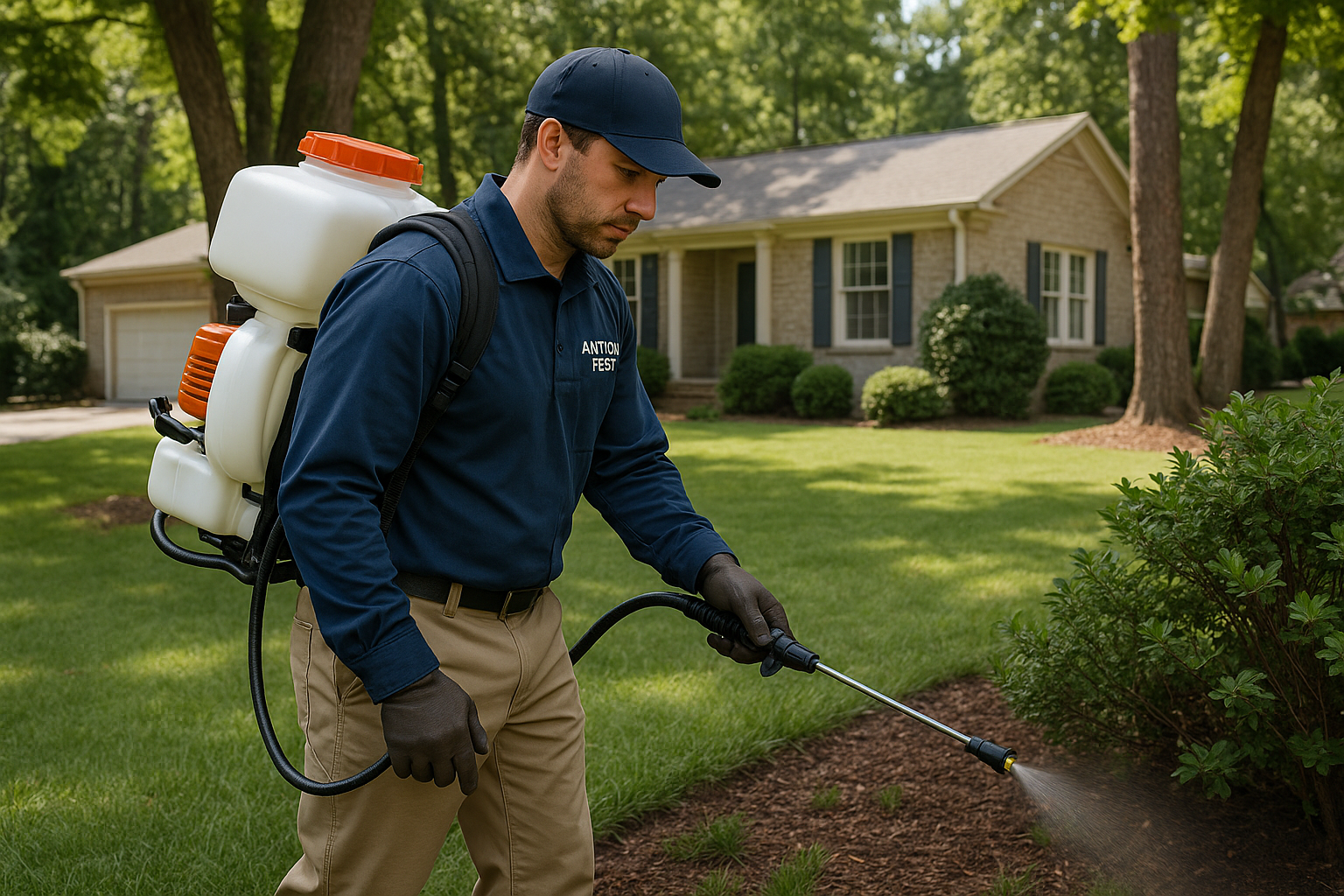
One‑time Perimeter Spray (5,000‑7,000 sq ft)
This service targets the outer boundary of your property, creating a chemical barrier that kills ticks before they can enter the yard. A certified technician mixes an EPA‑approved, low‑toxicity formulation and applies it with a backpack sprayer, overlapping each pass to ensure uniform coverage. The spray reaches approximately 5,000‑7,000 sq ft, making it ideal for medium‑sized homes in Tucker. It works best in early spring, just before nymphs emerge, and can provide protection for up to 8 weeks under normal weather conditions.
Quarterly Maintenance Program
The quarterly program spreads four applications across the year—early spring, late spring, midsummer, and early fall. By treating the property at each critical stage of the tick life cycle, you suppress both nymph and adult populations and reduce the chance of re‑infestation. Each visit follows the same perimeter‑spray technique, but the repeated dosing builds a cumulative effect that lasts longer than a single treatment. Homeowners appreciate the set‑and‑forget convenience, and the predictable schedule aligns with the NPMA’s recommended frequency for residential tick control (NPMA guidelines).
Premium Integrated Pest‑Management (IPM) Package
The IPM package combines chemical control with habitat modification. First, a professional crew removes tall grasses, leaf litter, and woodpiles that serve as tick refuges. Next, wildlife exclusion measures—such as fencing and sealing entry points—limit deer and small mammals that transport ticks onto your lawn. Finally, a customized spray plan is designed based on your property’s micro‑climate, soil type, and vegetation density. This holistic approach delivers the most durable protection, especially for larger estates or properties with dense landscaping.
Pros and Cons Comparison
| Service | Pros | Cons |
|---|---|---|
| One‑time Perimeter Spray |
|
|
| Quarterly Maintenance Program |
|
|
| Premium IPM Package |
|
|
Typical Application Timing
Anthem Pest aligns its treatments with the tick life cycle in Tucker. The first application is scheduled in early spring (late March to early April) to target emerging nymphs before they climb onto hosts. A second round is placed in late summer (mid‑August) when adult ticks are most active and seeking a blood meal. For the quarterly program, the additional spring and fall visits fill the gap between these peaks, providing consistent population control while helping homeowners understand the tick control cost Tucker GA.
Safety Considerations
All three services use EPA‑approved products that meet the lowest toxicity standards for residential use. Technicians wear protective gloves, masks, and eye gear, and they follow strict containment procedures to prevent drift onto neighboring properties. Homeowners are advised to keep pets and children away from treated zones for at least two hours after application. The low‑toxicity formulations also protect beneficial insects such as bees, as they break down quickly once exposed to sunlight and moisture.
How Much Does Tick Control Cost?
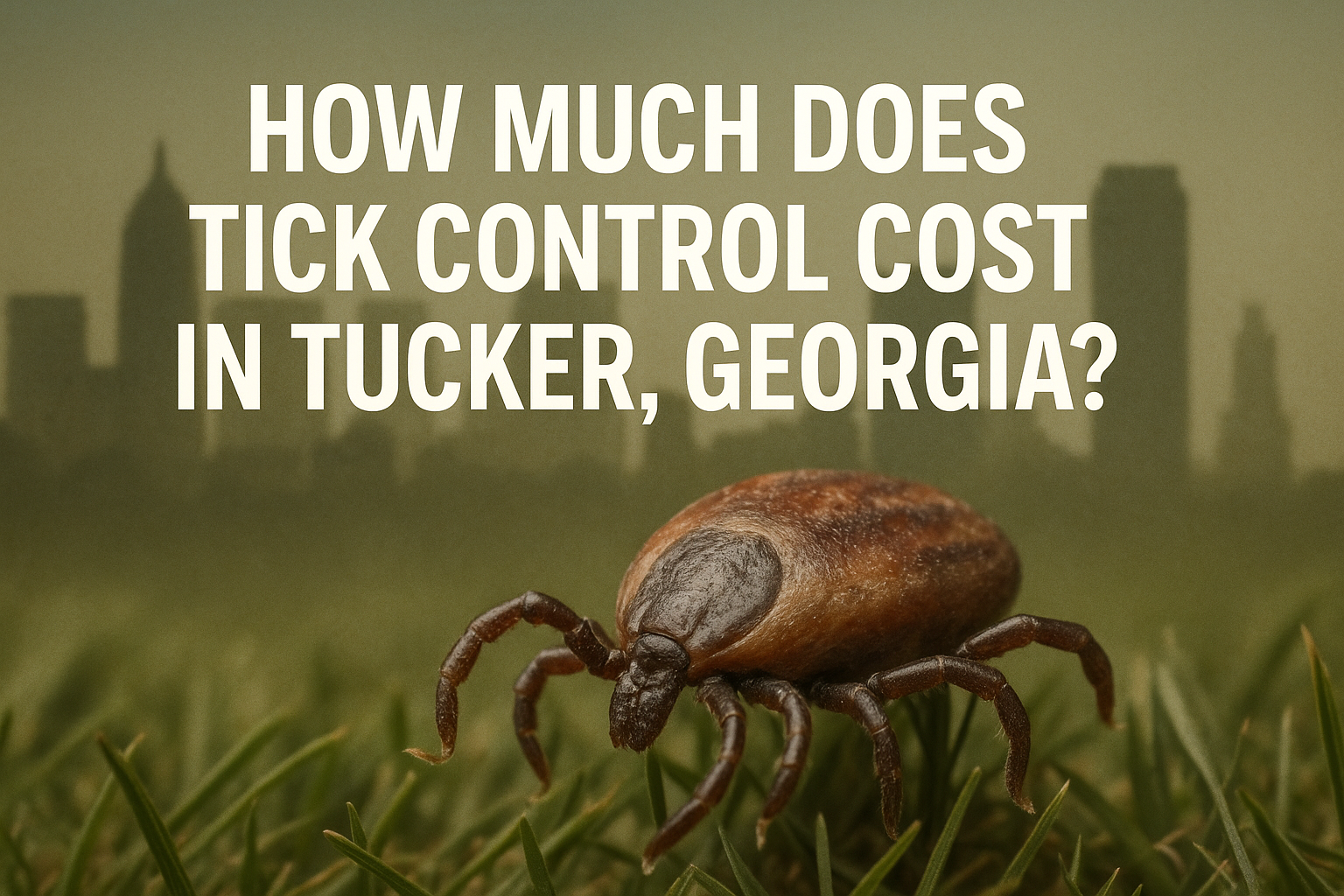
When you’re staring at a patch of grass and spot a lone tick, the first question that pops into most Tucker homeowners’ minds is, “How much will it cost to keep my yard tick‑free?” The answer isn’t a single number—it depends on the type of service you choose, the size and complexity of your property, and a few local nuances. Below is a clear, no‑surprises breakdown of what you can expect to pay for professional tick control in Tucker, Georgia, plus a quick look at the DIY alternatives.
Typical Professional Pricing in Tucker
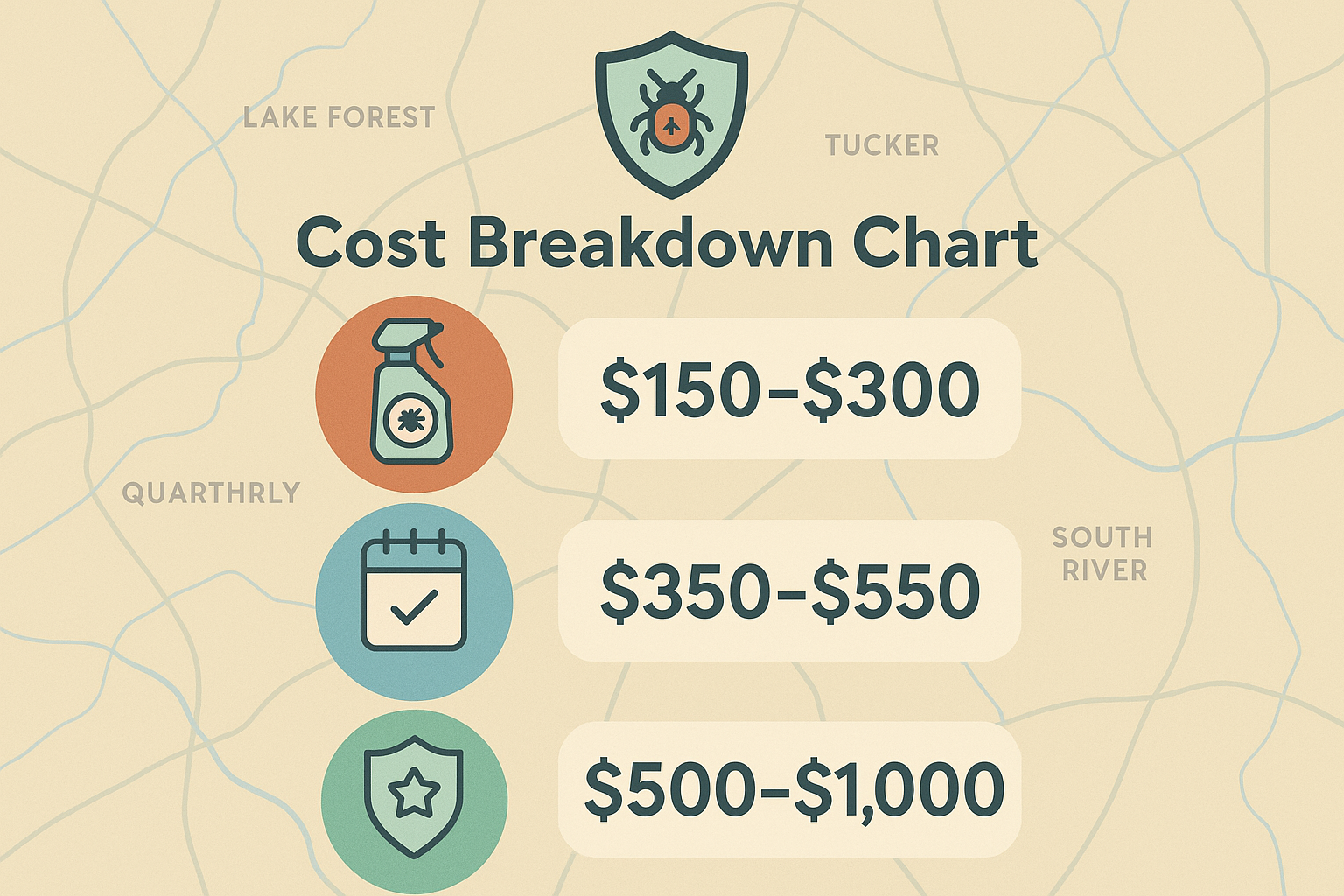
One‑time perimeter spray – For an average 5,500 sq ft home, most reputable companies charge between $120 and $180. This service treats the outer boundary of your yard, creating a protective barrier that kills ticks before they can wander onto your lawn or into your home.
Quarterly program – Most homeowners prefer a scheduled approach that keeps ticks at bay year‑round. Four visits per year typically run $350‑$450 annually. Each visit includes a fresh application and a brief inspection to adjust treatment based on seasonal tick activity.
Premium Integrated Pest Management (IPM) package – The most comprehensive option combines perimeter sprays, targeted spot‑treatments in high‑risk zones (like pet pathways and shaded leaf piles), and ongoing monitoring. Expect to pay $600‑$800 per year for this all‑in‑one solution.
What Drives the Price?
- Yard size – Larger square footage requires more product and labor, so a 10,000 sq ft property can cost up to 30 % more than the average home.
- Landscape complexity – Rock gardens, dense shrubbery, or multiple elevation changes increase the time it takes to reach every tick‑habitat niche.
- Pet presence – Homes with dogs or cats often need pet‑safe formulations, which can add a modest premium.
- Neighborhood density – Areas like Brookshire, with tightly packed yards, may see slightly lower per‑home costs due to shared treatment zones, whereas more spread‑out neighborhoods such as South River usually incur higher individual rates.
DIY vs. Professional: The Real Cost Difference
DIY tick‑control kits are tempting because they sit on a store shelf for as little as $30‑$70. These kits typically include a spray bottle and a limited amount of pesticide, meant for spot‑treating a single area. While the upfront price is lower, the effectiveness is often short‑lived. Most over‑the‑counter products degrade after a few rain showers, leaving your yard vulnerable again within weeks.
In contrast, a professional treatment not only uses EPA‑approved, longer‑lasting formulations but also includes a thorough inspection, precise application, and follow‑up visits that address re‑infestations. Over a three‑year span, a quarterly program ($400 × 3 = $1,200) can actually save you money compared to repeatedly buying DIY kits ($50 × 12 = $600) and still dealing with persistent tick problems that may require additional purchases.
Sample Cost Calculator
| Home Size | Square Footage | One‑Time Perimeter Spray | Quarterly Program | Premium IPM Package |
|---|---|---|---|---|
| Small | ≈ 3,000 sq ft | $90 – $120 | $300 – $350 | $540 – $660 |
| Medium | ≈ 5,500 sq ft | $120 – $180 | $350 – $450 | $600 – $800 |
| Large | ≈ 8,500 sq ft | $180 – $240 | $420 – $540 | $720 – $960 |
These figures are averages based on local service records and give you a quick way to compare options before you call a technician.
According to the EPA’s residential pest‑control cost survey for the Southeast region, the average annual spend on professional tick control hovers around $380, confirming that a quarterly program aligns closely with regional norms.
Bottom line: while DIY kits may look cheaper on paper, the long‑term protection, reduced re‑treatment, and peace of mind that come with a professional service usually make the higher upfront cost a smarter investment for Tucker homeowners.
When to Schedule Tick Control in Tucker
Ticks in Tucker follow a predictable rhythm that mirrors the region’s warm‑season climate. The most effective window for a professional treatment arrives just before the insects become active, giving you a chance to knock them out before they can bite, reproduce, and spread disease. In practice, that means scheduling a service in early spring—typically March through early April—when nymphs are emerging, and again in late summer, around August to early September, when adult ticks are on the move.
The timing isn’t arbitrary. The black‑legged (or deer) tick, the species most often linked to Lyme disease in Georgia, spends the bulk of its year in three stages: egg, larva, nymph, and adult. Eggs hatch in late summer, producing larvae that quest for a host in late summer and early fall. Those larvae molt into nymphs over the winter, and nymphs become active in early spring, seeking small mammals and humans. By late summer, the nymphs have matured into adults, which then climb onto larger hosts—often deer—before dropping off to lay the next generation of eggs. Treating the yard before the nymphs rise and again before the adult surge interrupts this cycle, reducing the overall tick population dramatically. Missing this window often means dealing with a surge of bites later in the season.
Beyond professional applications, homeowners can shrink tick habitats with a few simple yard‑care habits. Consistent lawn maintenance removes the low‑lying grass and leaf litter that provide the humidity ticks need to survive. Removing brush, trimming overgrown shrubs, and keeping woodpiles away from the house also cuts down on shelter for rodents, a primary food source for immature ticks.
- Regular mowing: Keep grass no taller than 3 inches; short grass dries out quickly, making it inhospitable for ticks.
- Leaf litter removal: Rake or mulch leaves every few weeks during the fall to eliminate the damp micro‑climate ticks love.
- Deer‑deterrent fencing: A 4‑foot fence or strategically placed deer‑repellent plants can keep the primary adult host away from your perimeter.
- EPA‑registered repellents: Apply spot‑on or spray‑on products to high‑traffic zones such as patios, pet beds, and play areas, following label directions.
- Pet protection: Use veterinarian‑approved tick collars or topical treatments on dogs and cats, which can bring ticks into the yard.
The University of Georgia Cooperative Extension advises homeowners to combine these cultural practices with at‑least‑two professional applications per year for the best results. By aligning your service dates with the early‑spring nymph emergence and the late‑summer adult flight, you create a “double‑knock” effect that dramatically lowers the chance of ticks surviving to the next season.
In short, mark your calendar for a March‑April visit and a follow‑up in August‑September. Pair those appointments with diligent yard work, and you’ll keep your family—and your pets—farther from the bite‑risk zones that ticks love to call home. Plan ahead, act early, and let the experts handle the heavy lifting.
FAQs About Tick Control Costs
Does Anthem Pest offer a free on‑site estimate?
Yes. We provide a complimentary, no‑obligation on‑site estimate for every tick‑control request in Tucker, GA. Our certified technicians will assess your property, identify tick hotspots, and walk you through the recommended treatment plan and pricing. To schedule your free estimate, simply call 877‑371‑8196 or visit our website. The estimate includes a detailed quote, so you know exactly what you’re paying before any work begins.
Are treatments safe for children and pets?
Absolutely. At Anthem Pest we prioritize the health of your family and furry companions. All of our tick‑control products are EPA‑approved and formulated with low‑toxicity active ingredients. Technicians follow strict safety protocols: they apply treatments during low‑traffic times, keep children and pets indoors until the product dries, and use calibrated equipment to avoid over‑application. Our approach meets or exceeds the EPA’s “Reduced Risk” standards, giving you confidence that the yard remains a safe play area while effectively eliminating ticks.
What is the warranty or guarantee on tick control?
We stand behind our work with a satisfaction guarantee. If ticks are still present after a full treatment cycle, we’ll return at no extra cost to re‑treat the affected area within the warranty period. Our standard warranty covers a 30‑day post‑treatment window for residential services, and we offer extended service plans for ongoing protection. Additionally, all of our treatments come with a written service warranty that outlines the scope of coverage, re‑treatment policy, and any exclusions. This transparency ensures you know exactly what protection you receive and for how long.
Protect Your Home with Professional Tick Control
When you’re budgeting for tick control in Tucker, GA, expect a realistic range—typically $100 to $300 for a single‑season treatment, with additional visits for ongoing protection. Acting quickly after the first signs appear prevents a small problem from becoming a full‑blown infestation, especially during the spring and early summer when ticks are most active. By budgeting for professional treatment now, you avoid costly emergency visits later in the season.
Anthem Pest brings more than a price tag; our technicians live in Tucker and understand the local landscape, wildlife patterns, and neighborhood concerns. We use EPA‑approved products that target ticks while protecting pets, children, and the environment, delivering results you can see after just one visit.
Ready to take the next step? Call us today at 877‑371‑8196 for a free, no‑obligation on‑site estimate, or visit our website to request a personalized quote.
Our free quote includes a detailed breakdown of every service, so you’ll never encounter hidden fees. Transparent pricing, proven protocols, and a reputation built on satisfied homeowners make Anthem Pest the trusted choice for protecting your yard, patio, and indoor spaces from ticks year after year. We also tailor each plan to your property’s size and surrounding vegetation, ensuring maximum coverage without unnecessary waste, while helping homeowners understand the tick control cost Tucker GA.
Visit Anthem Pest Control to schedule your treatment and enjoy a tick‑free home.