Recognizing House Flies and Their Impact in Kennesaw
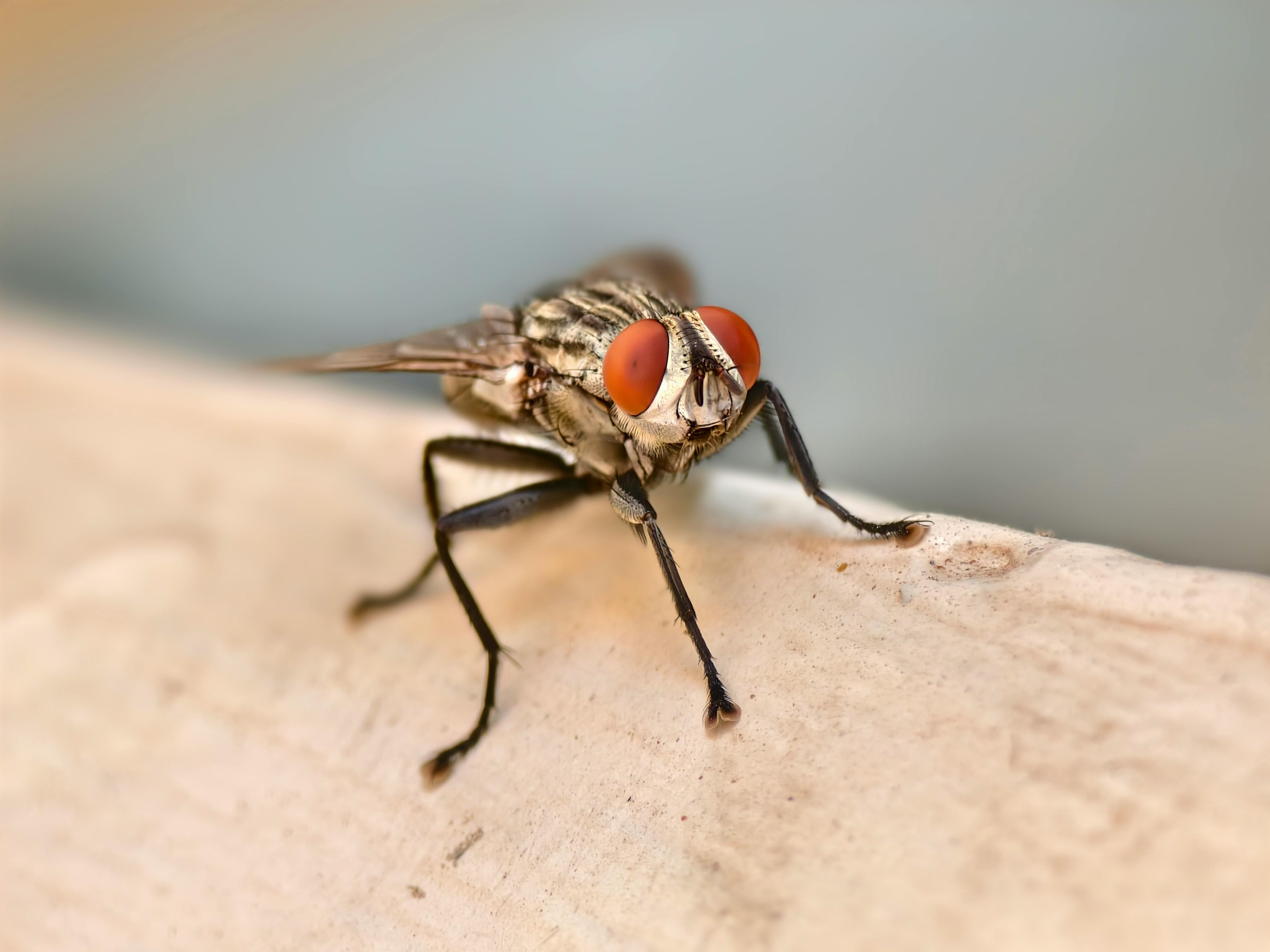
The common house fly (Musca domestica) may seem harmless, but its rapid life cycle makes it a relentless indoor intruder. In just 7‑10 days, a single female can lay up to 150 eggs, which hatch into larvae (maggots) within a day. Those larvae mature into adult flies in under a week, ready to reproduce again. This exponential growth means a few unnoticed flies can quickly become a full‑blown infestation.
What a House Fly Looks Like
Adult house flies are about 6‑9 mm long—roughly the size of a thumb nail. Their most striking features are bright, reddish‑brown eyes and a gray‑striped thorax. You’ll often spot them buzzing around windows, kitchen counters, or garbage cans, both indoors and outdoors. Their preference for warm, moist environments makes them especially active during Kennesaw’s long, humid summers.
Why Kennesaw’s Climate Is a Fly‑Friendly Playground
Kennesaw’s average summer temperature hovers between 80‑90°F (27‑32°C) with humidity levels often exceeding 70%. Those conditions accelerate the fly’s developmental stages and provide ample food sources—think sugary drinks, uncovered food, and pet waste. Even a small puddle of standing water can become a breeding hotspot, allowing eggs to stay moist until they hatch.
Primary Concerns for Homeowners
- Food contamination: Flies carry over 100 disease‑causing bacteria on their legs and mouthparts, easily transferring them to meals, countertops, and utensils.
- Health risks: Pathogens such as E. coli, Salmonella, and Staphylococcus can cause food poisoning and gastrointestinal illness.
- Nuisance factor: Persistent buzzing and the sight of flies landing on family members create an uncomfortable living environment.
Did you know? A single house fly can visit up to 50 different sites in a day, spreading bacteria wherever it lands. Common breeding sites include uncovered trash bins, pet waste piles, and even damp rags left near sinks.
Understanding these habits helps you spot the early signs of a fly problem before it escalates. For example, an increase in flies near outdoor grills or compost piles often signals that waste is not being managed properly.
Local experts at Got‑Bugs Pest Control Kennesaw have observed that neighborhoods with regular trash collection and sealed compost containers see far fewer fly complaints. Implementing simple sanitation steps—like covering food, securing garbage, and eliminating standing water—can dramatically reduce the fly population and protect your home’s health.
Seasonal Fly Activity and When to Act
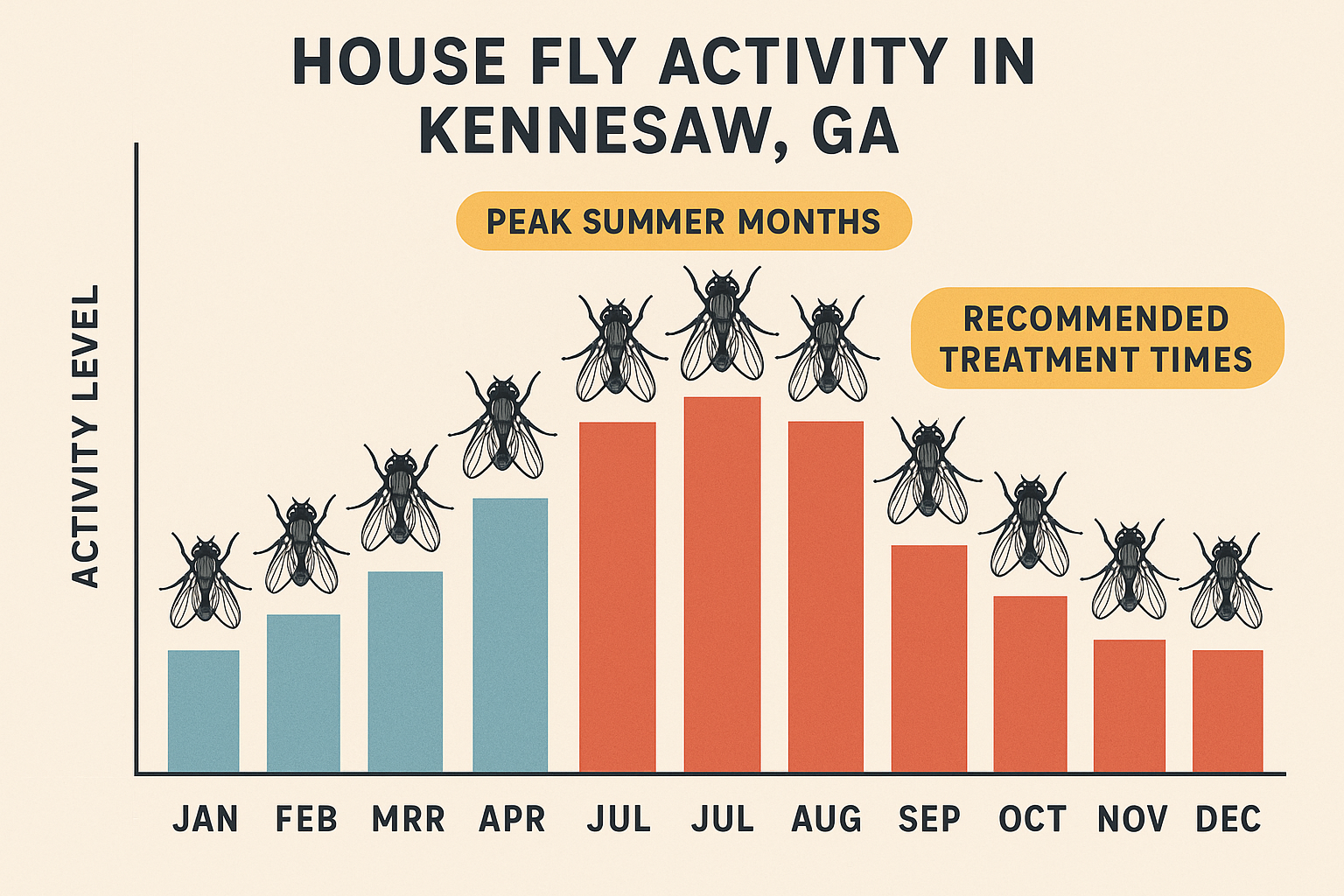
House flies in Kennesaw follow a predictable rhythm that mirrors the region’s climate. The chart below breaks down monthly activity levels, giving you a visual cue for when flies are likely to appear and when they’re most vulnerable to treatment. Understanding this pattern is the first step in staying ahead of a potential infestation.
Why June – August Is the Peak Period
During the summer months, average temperatures in Kennesaw hover between 85°F and 95°F, and humidity rises alongside occasional afternoon thunderstorms. These conditions create the perfect breeding ground for house flies. Warmth accelerates the life cycle—from egg to adult can be as short as seven days—while moisture provides ideal sites for larvae to develop in organic waste. Consequently, fly populations explode, making June, July, and August the most challenging months for homeowners.
Temperature, Rainfall, and the Fly Breeding Cycle
Flies are ectothermic; their metabolism spikes as temperatures climb. A single degree increase can boost egg‑laying rates by up to 10 %. Meanwhile, rainfall supplies the damp organic material—think compost piles, pet waste, and rotting fruit—that larvae need to thrive. When a warm front follows a rainstorm, you’ll often see a sudden surge in adult flies within 48 hours as new adults emerge and seek food sources.
Early‑Season Warning Signs to Watch For
- More frequent sightings of flies buzzing around doors and windows in late April.
- Unusual foul odors near garbage cans, animal shelters, or decaying vegetation.
- Visible fly larvae or pupae in moist, organic debris around the property.
Spotting these clues early lets you intervene before the summer boom, saving you both time and money.
Optimal Timing for Preventative and Follow‑Up Treatments
Our experience shows that a preventative treatment applied in late spring—typically mid‑May—creates a protective barrier just as flies begin to emerge. This treatment targets adult flies and disrupts the breeding cycle before it gains momentum. A follow‑up application in mid‑summer, around early July, tackles any residual populations that survived the first round and helps keep numbers low through the peak months.
How Seasonal Awareness Cuts Emergency Calls
When homeowners align their pest‑control schedule with the fly activity calendar, they avoid the frantic, last‑minute calls that often accompany a sudden swarm. Proactive measures reduce the need for emergency sprayings, which are not only more expensive but can also require stronger chemicals. By staying ahead of the curve, you protect your family’s comfort and keep your budget in check.
| Month | Activity Level |
|---|---|
| January | Low |
| February | Low |
| March | Moderate |
| April | Moderate |
| May | High |
| June | Very High |
| July | Very High |
| August | High |
| September | Moderate |
| October | Low |
| November | Low |
| December | Low |
Effective Treatment Options – DIY vs. Professional
Common DIY tools you’ll find at the hardware aisle
Most homeowners start with a few low‑cost items: adhesive fly strips, UV‑light traps, and aerosol indoor sprays. Pair these tools with diligent sanitation—regularly emptying trash, wiping down food prep surfaces, and sealing food in airtight containers. A simple daily routine can keep a few stray flies at bay without breaking the bank.
Why DIY often falls short
Do‑it‑yourself methods typically deliver a short‑term knock‑down rather than lasting control. Sprays may linger on countertops, posing health risks to children, pets, or anyone with respiratory sensitivities. More importantly, DIY solutions rarely address hidden breeding sites such as behind appliances, in wall voids, or within damp crawl spaces. Missing these hotspots means flies return as soon as the chemicals wear off.
The professional approach: inspection, targeted spray, and exclusion
A licensed technician begins with a thorough inspection to locate breeding grounds, entry points, and any contributing sanitation issues. After mapping the problem, the tech applies a targeted spray formulated for house flies—often a residual insecticide that remains active for weeks. The visit concludes with exclusion measures: sealing cracks, installing screen mesh, and recommending structural tweaks that block future ingress.
What a typical Anthem Pest technician does on the job
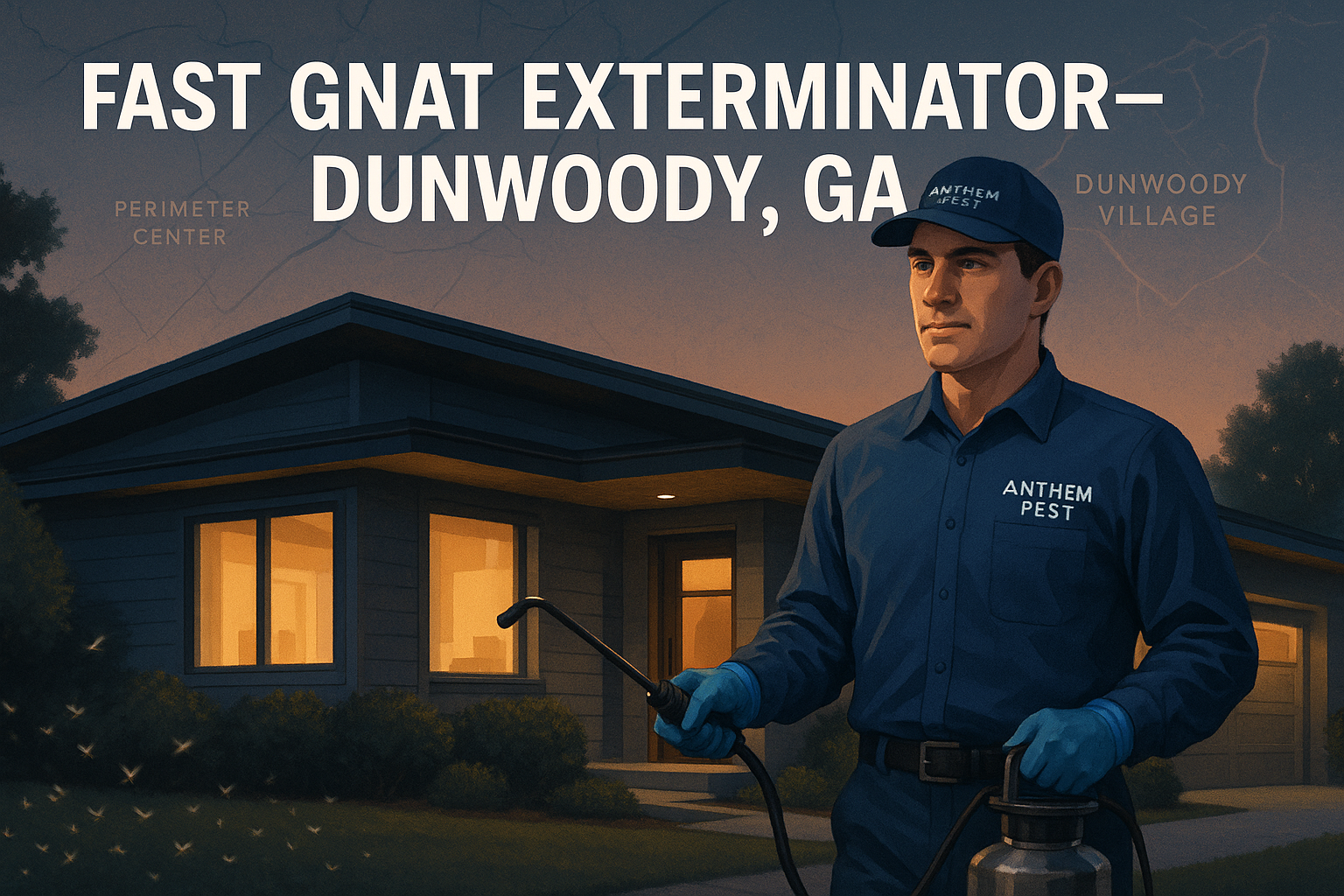
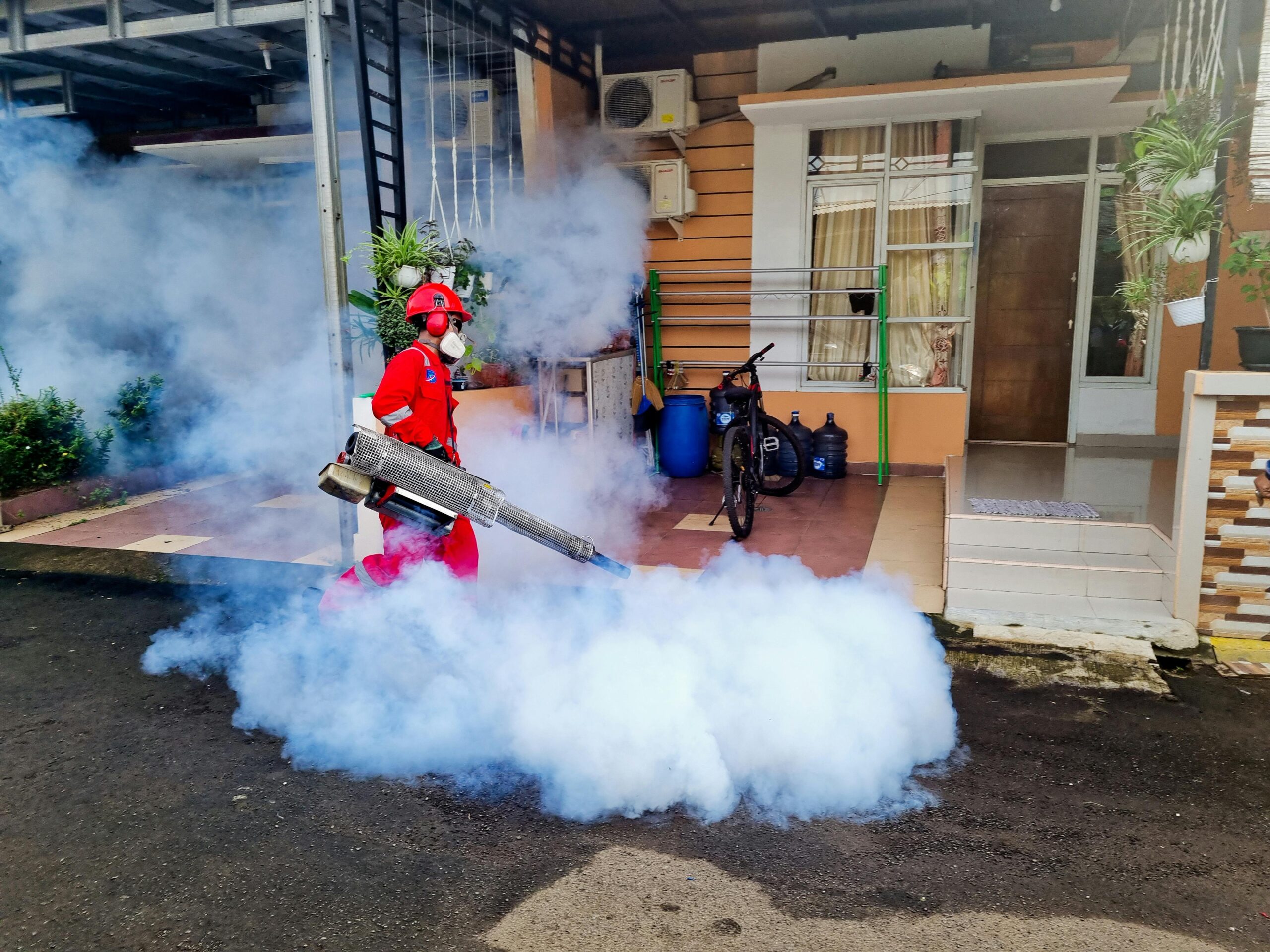
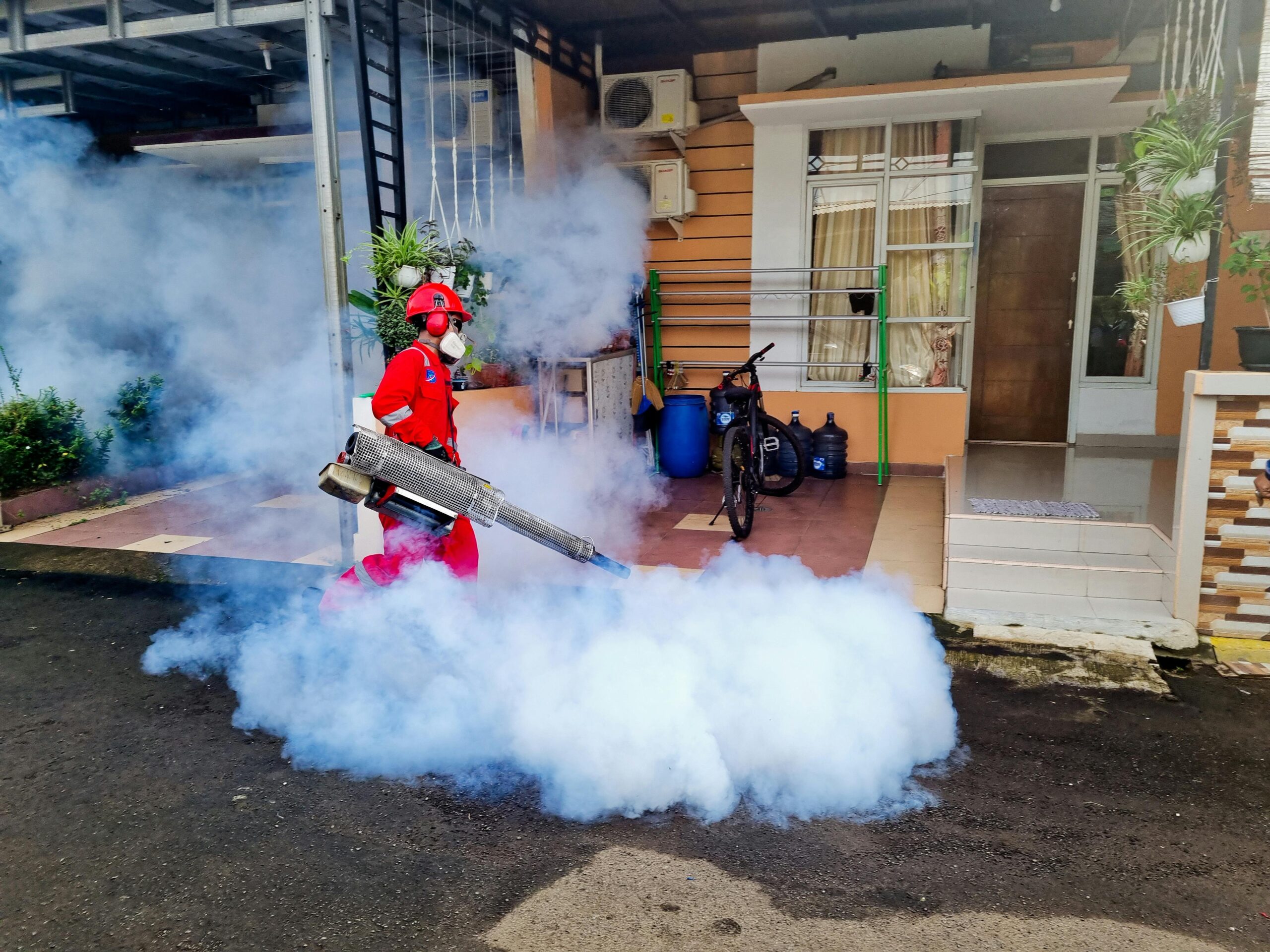
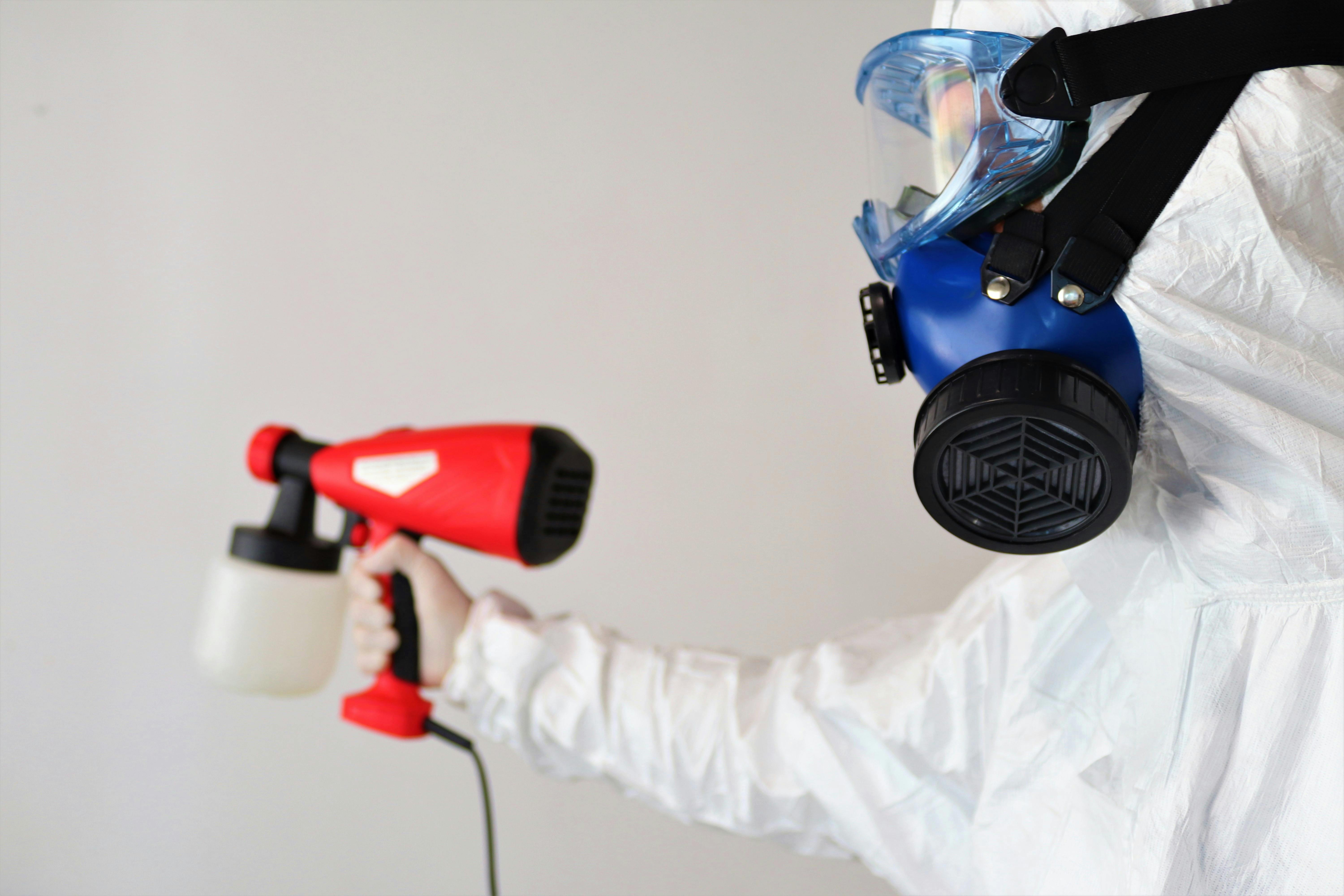
When you schedule a service, the technician arrives in full protective gear—gloves, goggles, and a respirator—to safeguard both themselves and your household. They treat interior zones with a calibrated sprayer, focusing on ceiling corners, light fixtures, and hidden crevices where flies rest. After the spray, a brief walkthrough explains the follow‑up plan, which usually includes a second visit for re‑treatment and a monitoring checklist for you.
Benefits of hiring a licensed professional in Georgia
- Proper pesticide selection: Technicians choose products approved by the Georgia Department of Agriculture, ensuring effectiveness while meeting strict safety standards.
- Regulatory compliance: All applications are documented, and any required notifications are handled on your behalf.
- Warranty and guarantee: Anthem Pest offers a satisfaction guarantee and a written warranty that covers re‑infestations within the service window.
When to trade DIY for a professional service
If you notice persistent fly activity despite regular traps and sprays, or if vulnerable occupants—young children, seniors, or individuals with asthma—share the space, it’s time to call in the experts. A professional treatment not only eliminates the current swarm but also implements long‑term barriers that DIY methods simply cannot achieve.
Pricing Guide for House Fly Control in Kennesaw
Three Common Pricing Models
When you call a local pest professional, you’ll typically encounter one of three billing structures. Understanding how each works helps you match the plan to your budget and the severity of your fly problem.
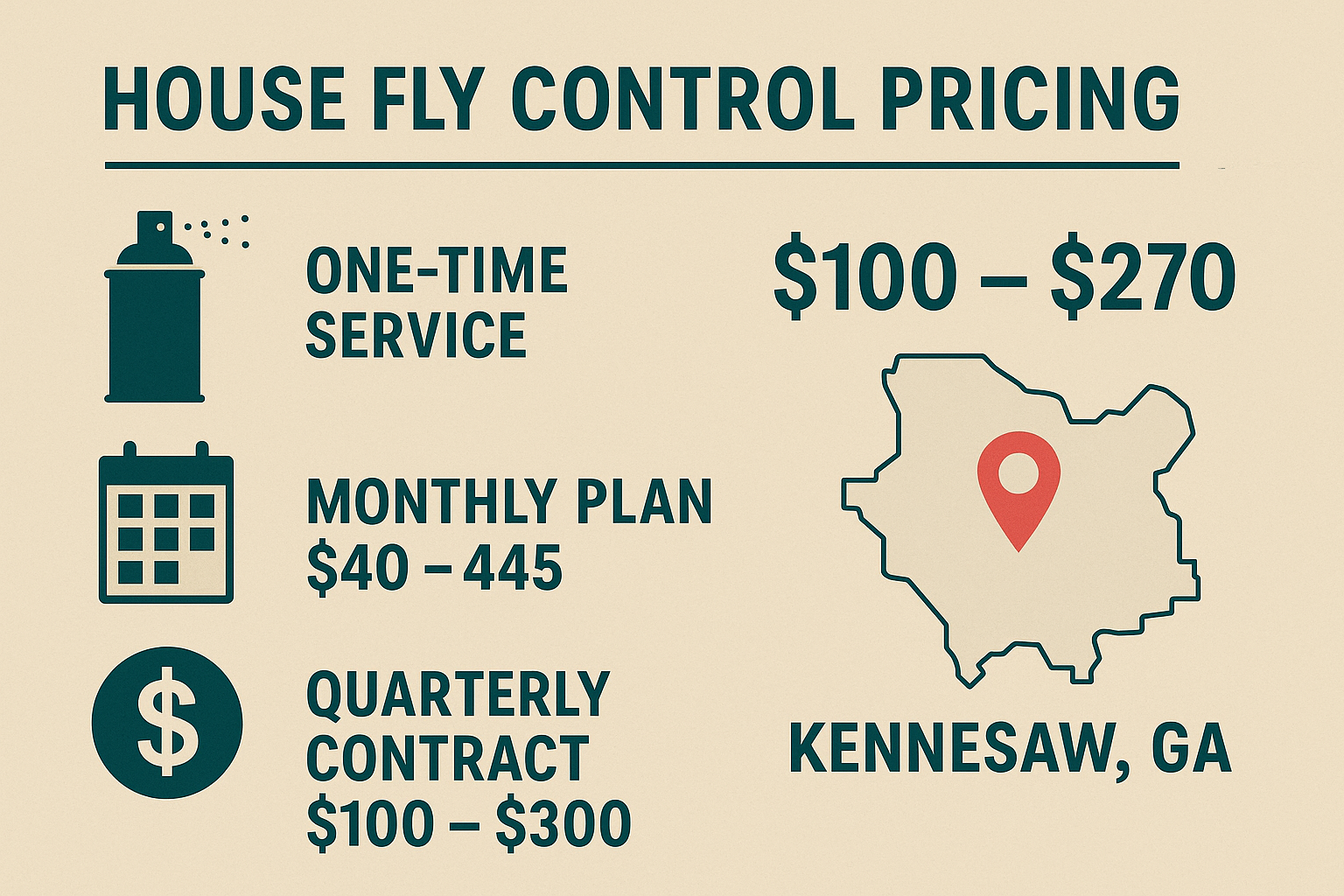
- One‑time service: A single visit that targets the current infestation.
- Monthly plan: Recurring visits that keep flies at bay throughout the season.
- Quarterly contract: Four visits spread over a year, ideal for long‑term protection.
Typical Price Ranges
In Kennesaw, the market for house‑fly control is fairly consistent. Most reputable companies quote within these bands:
- One‑time treatment: $100 – $270 per visit.
- Monthly plan: $40 – $45 per month.
- Quarterly contract: $100 – $300 per quarter.
Prices can vary based on property size, level of infestation, and any additional services (e.g., pet‑safe formulations).
What’s Included in Each Package
- One‑time service: One thorough inspection, targeted spray or bait placement, and a 30‑day guarantee against re‑infestation.
- Monthly plan: Four to six visits per year, coverage of up to 2,500 sq ft per visit, and a written guarantee that includes follow‑up treatments at no extra charge.
- Quarterly contract: Four scheduled visits, each covering the entire home and surrounding yard, plus a “fly‑free” warranty that extends for 90 days after the final visit.
Cost‑Benefit Analysis: Upfront Savings vs. Ongoing Protection
A one‑time treatment may look attractive if you need a quick fix, but recurring plans often deliver better value. For example, a monthly plan at $42 per month totals $504 for a year, yet it prevents the need for multiple emergency visits that can each cost $150 + . A quarterly contract, averaging $200 per quarter, spreads the expense and locks in a guarantee that many one‑time services lack. In short, the modest monthly or quarterly outlay can save you both money and headaches in the long run.
Tips for Evaluating Quotes
- Watch for hidden fees such as “travel surcharge” or “equipment rental.”
- Confirm that the provider holds a Georgia pest‑control license and insurance.
- Ask about the guarantee: how long does it last, and what does it cover?
- Compare the number of visits and coverage area—more visits don’t always mean better service if the area is over‑treated.
- Request a detailed written estimate that breaks down labor, products, and any optional add‑ons.
Ready to see how these numbers translate to your home? Reach out to a local Anthem Pest Control expert for a free, no‑obligation estimate. Our transparent pricing and licensed technicians make it easy to choose the right fly‑control solution for Kennesaw homeowners.
Protect Your Home Today with Anthem Pest Control
House flies may seem harmless, but in Kennesaw they quickly become a health and comfort nightmare. Their constant buzzing, unsightly presence, and ability to spread bacteria from waste to food surfaces put your family at risk for gastrointestinal illnesses and allergic reactions. During the warm months, fly populations explode, making early intervention essential to keep your kitchen, porch, and outdoor gatherings fly‑free.
Acting during the seasonal peak gives you two major advantages. First, professional treatments target flies when they are most active, breaking the breeding cycle before numbers surge. Second, a certified technician can identify hidden entry points and breeding sites that DIY methods often miss, ensuring a long‑lasting solution rather than a temporary fix.
Anthem Pest Control combines deep local knowledge of Kennesaw’s climate with safe, EPA‑approved treatment methods. Our technicians use low‑odor, child‑ and pet‑friendly products that eliminate flies without compromising the health of your loved ones. Because we believe in transparent pricing, you’ll receive a clear, itemized quote before any work begins—no hidden fees, no surprise charges. We also offer a satisfaction guarantee, so if flies return within 30 days, we’ll re‑treat at no extra cost.
Ready for a fly‑free home? Call us today at 877‑371‑8196 for a free, no‑obligation quote and discover which service plan fits your budget. Our friendly team will walk you through the process, answer any questions, and schedule a prompt visit at a time that works for you.
Take the first step toward a healthier, more comfortable household. Visit Anthem Pest Control online to learn more about our fly control programs and read testimonials from satisfied Kennesaw homeowners.