Ant Trail Discovery and What to Expect in Austin

Imagine this: you’re preparing dinner, the kettle whistles, and you glance down to see a thin, purposeful line of tiny workers marching across your kitchen counter. Your heart skips a beat, the panic sets in, and you wonder how those ants slipped past your tidy home. It’s a familiar moment for many Austin homeowners, and it’s the perfect opening act for a deeper conversation about ant control.
According to the EPA’s 2023 Indoor Pest Survey, 42 % of Texas households reported ant sightings inside their homes within the last twelve months. Austin, with its warm climate and abundant outdoor food sources, consistently ranks among the top three Texas cities for indoor ant activity. Those numbers translate to thousands of families dealing with the same unsettling trail you just encountered.
In this guide, we’ll walk you through a clear, step‑by‑step roadmap designed specifically for Austin residents. First, we’ll help you identify the species and the conditions that attract them. Next, we’ll cover practical prevention measures you can implement today—no expensive equipment required. Then, we’ll outline proven treatment options, from DIY solutions to professional interventions, all backed by Anthem Pest’s transparent pricing model. Finally, we’ll show you how to keep your home ant‑free year after year with a maintenance plan that fits your budget.
Our tone throughout this section is friendly yet professional, speaking to you as a neighbor who understands the unique challenges of living in Austin. We blend local insight—like the impact of the city’s humid summer evenings—with the expertise of a seasoned pest‑control team. By the end of this segment, you’ll feel confident that the ant trail you discovered is just the first clue in a manageable, solvable puzzle.
Identify the Ants Invading Your Home
Ants are tiny, but the damage they cause can be massive—especially in Austin’s warm climate. Knowing which species you’re dealing with is the first step toward a targeted, effective treatment. Below we break down the three ant culprits that show up most often in local homes.
Common Ant Species in Austin
Odorous House Ant (Tapinoma sessile) – These ants emit a faint, rotten‑egg smell when crushed. They’re small (2‑3 mm), light brown, and favor indoor environments, especially kitchens and bathrooms.
Pavement Ant (Tetramorium caespitum) – Slightly larger (3‑4 mm) and dark brown to black, pavement ants are most active outdoors, nesting under sidewalks, driveways, and foundation cracks. Inside, they’re usually found near entry points.
Argentine Ant (Linepithema humile) – The most aggressive invader, Argentine ants are 2‑3 mm, dark brown, and form massive super‑colonies that can span entire neighborhoods. They thrive both indoors and outdoors, often following moisture lines.
Key Traits to Differentiate Them
- Size: Odorous (2‑3 mm) – Pavement (3‑4 mm) – Argentine (2‑3 mm)
- Color: Light brown (Odorous) – Dark brown/black (Pavement) – Dark brown (Argentine)
- Odor: Rotten‑egg scent when crushed (Odorous) – No noticeable odor (Pavement) – Slight citrus note (Argentine)
- Trail behavior: Irregular, often in kitchens (Odorous) – Straight, along pavement cracks (Pavement) – Continuous, massive highways that can cross walls (Argentine)
- Typical activity: Mostly indoor (Odorous) – Primarily outdoor, occasional indoor foragers (Pavement) – Both indoor and outdoor, especially moist areas (Argentine)
According to the Texas A&M Entomology 2024 survey, 68% of Austin homeowners report ant sightings each summer. That high number underscores why accurate identification matters; a misdiagnosis can lead to wasted chemicals and lingering infestations.
Real‑World Scenario: The Riverside Family
When the Martinez family in Riverside noticed thousands of tiny ants marching along their kitchen counters, they assumed they were dealing with ordinary house ants. The trail, however, was unusually long and seemed to appear overnight. A quick visual check revealed the ants were dark brown, about 2 mm long, and left a faint citrus scent when crushed—classic signs of Argentine ants.
Because Argentine ants form sprawling colonies, the Martinezes discovered satellite nests in the backyard mulch and even under the bathroom sink. By confirming the species, they could request a targeted bait program from Anthem Pest Control, focusing on both indoor foraging lines and outdoor nest sites. Within two weeks, ant activity dropped dramatically, and the family avoided a costly, repeated spray regimen.
Identifying the species early saves time, money, and frustration. Keep these traits in mind, compare them to what you see, and you’ll be ready to call a professional who knows exactly how to eliminate the right ant.
Austin’s Climate and Home Features Create Ideal Ant Habitat
Hot Summers and Humid Micro‑Climates
In Austin, summer temperatures regularly climb above 95°F (35°C), and the heat persists for more than three months. Those long, scorching days drive ants to forage early in the morning and late in the evening, when the ground is still warm but the sun isn’t beating down. At the same time, pockets of humidity form around shaded patios, mature trees, and irrigation zones. These micro‑climates retain moisture, giving colonies a comfortable refuge and boosting reproductive cycles throughout the season.
Rainfall Patterns and Ant Activity
According to NOAA’s 2024 climate report, Austin receives an average of 34 inches of rain per year. Heavy downpours in spring and early summer temporarily flood underground tunnels, forcing ants to relocate to drier chambers near the foundation. When the water recedes, the insects emerge in large numbers, attracted to the newly moist soil that supports their brood. This seasonal surge is why homeowners often notice a spike in ant sightings just weeks after a rain event.
Structural Vulnerabilities in Austin Homes
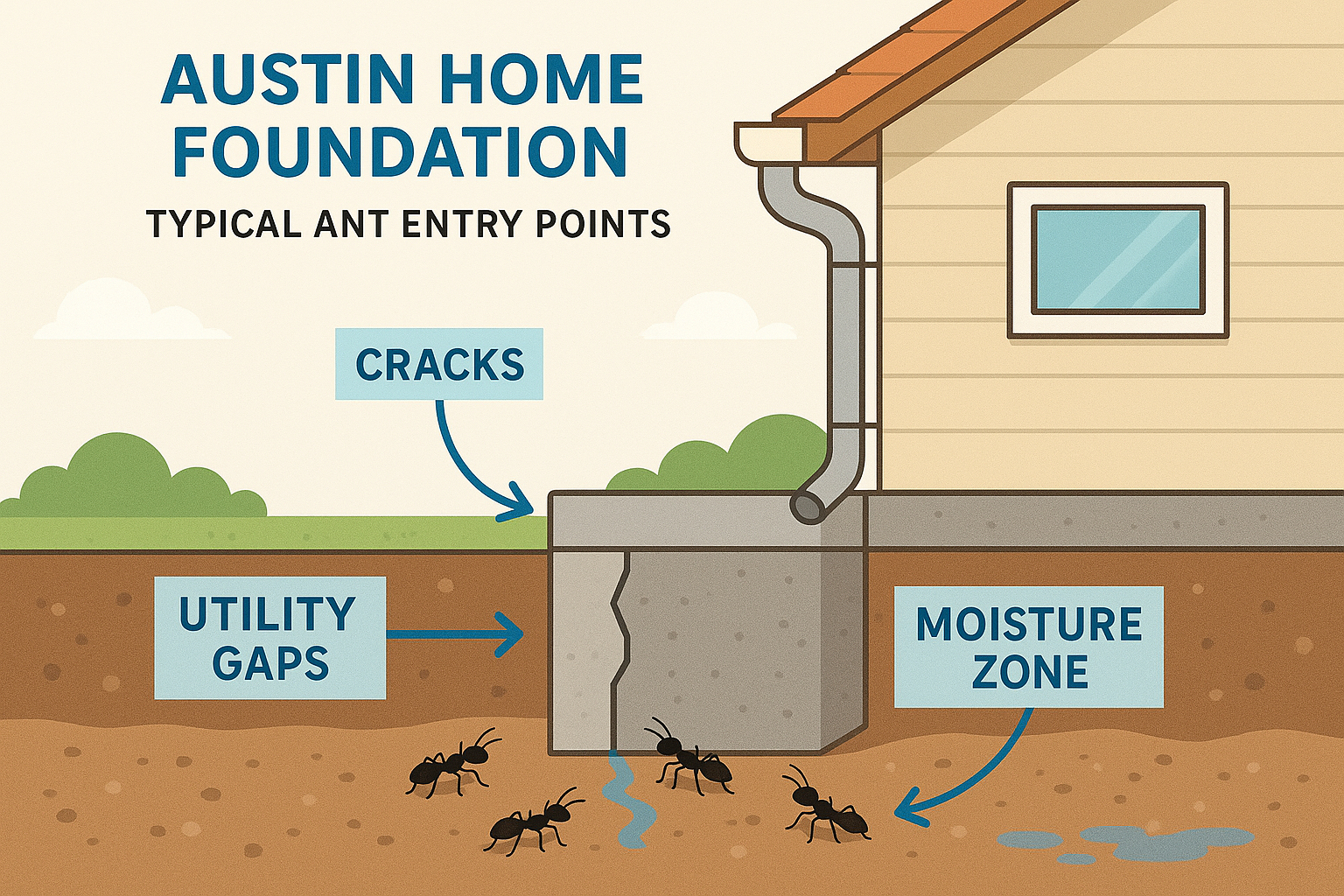
Many Austin residences share construction traits that unintentionally welcome ants. Small cracks in concrete slabs or block foundations act as entry points, especially when rain seeps into the voids. Utility penetrations—such as electrical conduit, plumbing stacks, and HVAC ducts—create gaps that are rarely sealed completely. Additionally, popular landscaping choices like mulched beds, ornamental water features, and low‑lying flower beds retain moisture against the house envelope, turning the yard into a continuous food and water source for colonies.
New Suburbs vs. Historic Districts: A Tale of Two Environments
In a newly built suburb, homes often feature tighter construction tolerances but larger, open‑plan yards with extensive irrigation. The fresh concrete may have fewer visible cracks, yet the abundant water and loose soil around the perimeter provide ideal foraging routes for ants. Conversely, older historic neighborhoods showcase tighter soil compaction and mature trees that shade foundations, creating humid pockets. However, aging foundations in these districts frequently develop larger cracks and gaps, offering ants even easier access. The net effect is that ant activity can be high in both settings, but the triggers differ—water management in new builds versus structural degradation in historic homes.
Spot Ants Before They Multiply
Ants can turn a quiet kitchen into a bustling highway in just a few weeks. The sooner you notice the first sign, the easier—and cheaper—it is to stop the invasion. Use the printable checklist below during your weekly home walk‑through to catch the problem before it spreads.
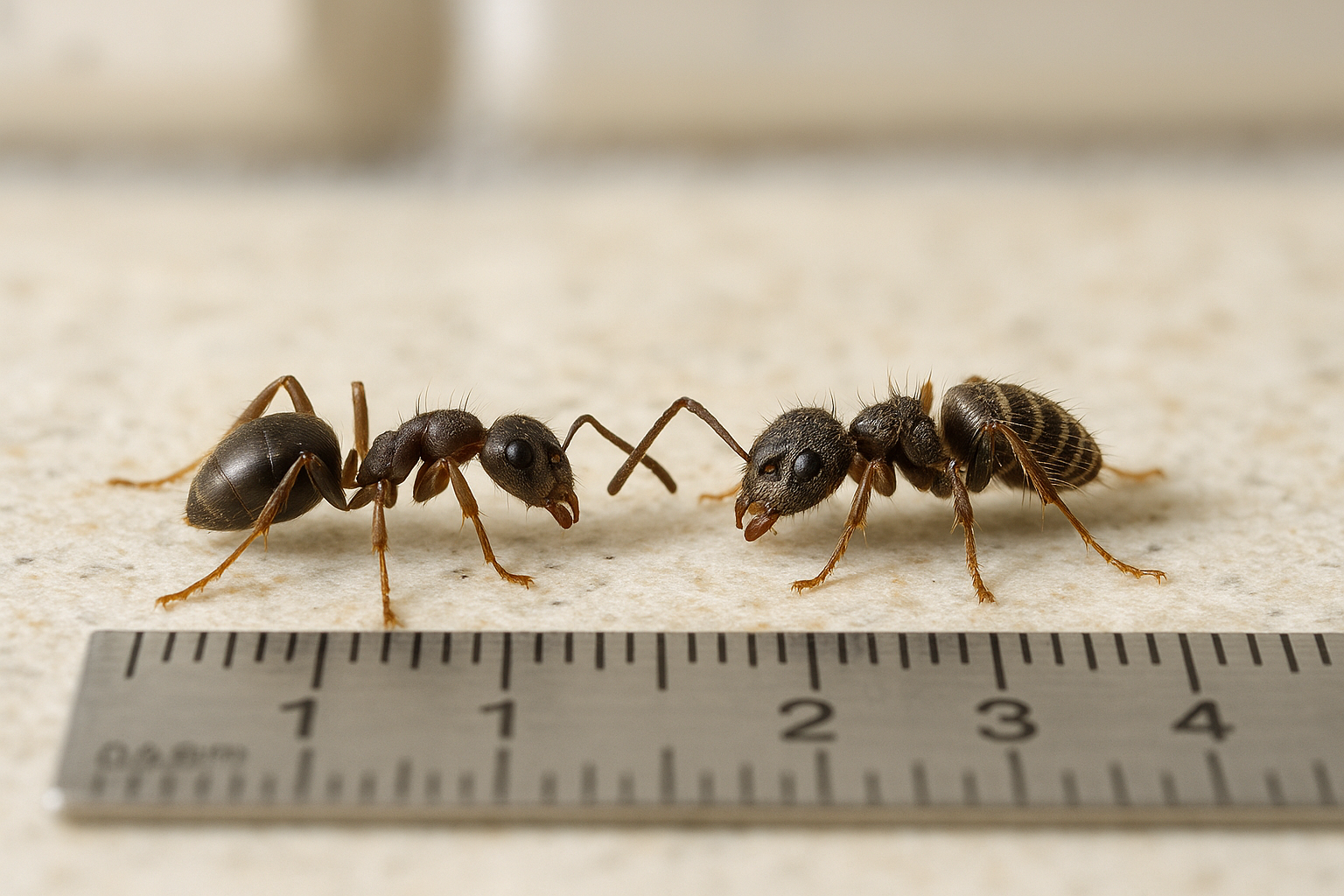
Early‑Detection Checklist (Print & Hang)
- Visual trail spotting: Look for thin, irregular lines of ants marching along baseboards, countertops, or windowsills. Trails often lead to a hidden nest.
- Food source identification: Check for exposed crumbs, open food containers, or sugary spills. Ants are attracted to even the smallest amount of residue.
- Moisture checks: Inspect under sinks, behind appliances, and in bathroom caulking for damp spots or leaking pipes. Many ant species need moisture to thrive.
- Warning signs that merit a professional: Large numbers of workers, sudden spikes in activity, or finding a colony’s queen or brood. If you see any of these, call a pest‑control expert.
Print this list, tape it to your refrigerator, and run through each point at least once a week. Mark items with a check‑mark when they’re clear, and note any observations that need follow‑up.
Example in action: Maria, a homeowner in East Austin, printed the checklist and walked through her house on a Saturday morning. She spotted a faint ant trail along the pantry wall that led to a tiny crack behind a spice rack. The trail stopped at a damp patch near the dishwasher—exactly the moisture hotspot the list warned about. Using the “food source” step, she sealed all open cereal boxes and wiped down the countertop. Realizing the crack could be an entry point, Maria called Anthem Pest at 877‑371‑8196 for a free inspection. A technician arrived within two days, confirmed the hidden entry, and treated the area, preventing a full‑scale infestation.
Anthem Pest offers a free professional inspection for homeowners who catch ant activity early. Give us a call at 877‑371‑8196 and mention the “Early‑Detection Checklist” to schedule your appointment. Acting fast not only protects your home’s structure but also saves you money on future treatments.
Do‑It‑Yourself Measures That Actually Work
1. Seal Entry Points
Ants slip through the tiniest cracks around doors, windows, and the foundation. A quick caulk‑and‑weather‑strip routine can block their highway.
- Silicone caulk – Apply a thin bead around gaps in trim, baseboards, and exterior cracks. One tube costs $5‑$15 and lasts for several rooms.
- Weather‑stripping – Attach to the bottom of exterior doors and any sliding panels that sit flush against the house. A roll runs $10‑$30 and typically covers 10‑12 feet.
- Focus on high‑traffic zones: around utility penetrations, pipe sleeves, and where the foundation meets the siding.
2. Reduce Food and Water Sources
Ants are opportunistic feeders. Removing their buffet and water bowl makes your home far less inviting.
- Airtight storage – Transfer pantry staples (sugar, flour, cereal) into containers with rubber seals. The upfront cost is modest, often under $20 for a starter set.
- Fix leaky faucets – Even a slow drip supplies the moisture ants crave. A basic faucet washer replacement usually costs less than $5 for parts; a plumber’s service call averages $75‑$150 if you need professional help.
- Wipe down countertops and sweep crumbs nightly. A clean surface denies ants the scent trails they use to recruit nestmates.
3. Landscape Adjustments
Outdoor conditions directly affect indoor invasions. Simple yard tweaks keep ant colonies at bay.
- Mulch management – Keep mulch at least 6 inches away from the foundation. Ants love the damp, organic material; a small shovel or rake can reposition it for free.
- Trim vegetation – Prune shrubs, vines, and trees so they don’t brush the siding. This eliminates bridges that ants use to climb onto the house.
- Redirect downspouts to discharge water at least 3 feet from the foundation, reducing moisture that attracts nesting sites.
Professional Sealing Service (Reference)
If DIY time is limited or you prefer a guaranteed seal, Anthem Pest offers a professional sealing package. The service includes a thorough inspection, high‑grade silicone application, and custom weather‑stripping installation.
| Service Component | Typical Cost |
|---|---|
| Full‑home exterior seal | $120‑$250 |
| Additional interior touch‑ups | Included in base price |
Safe, Non‑Toxic Bait Stations
When sealing and sanitation aren’t enough, EPA‑approved bait stations can finish the job without harsh chemicals.
- Choose stations labeled “non‑toxic” or “pet‑safe.” They contain a slow‑acting attractant that workers carry back to the nest.
- Place stations along ant trails, under appliances, and near entry points—never within reach of children or pets.
- Check and replace bait every 2‑3 weeks during peak season. Proper placement and regular monitoring keep the colony suppressed while maintaining a safe household environment.
Choosing the Right Ant Control Service in Austin
Baiting Programs
When ants are already inside your walls or cabinets, a well‑placed bait can be the most effective way to eliminate the colony. Bait stations contain a slow‑acting insecticide that worker ants carry back to the nest, eventually killing the queen and the entire population. Because different ant species prefer different food sources, Anthem Pest selects the bait formulation that matches the identified species—sweet‑based baits for odorous house ants, protein‑rich options for carpenter ants, and fatty baits for fire ants. The program typically runs for 2–4 weeks, giving the ants enough time to discover and transport the bait.
Liquid Barrier Sprays
For homeowners who want an immediate shield around the perimeter of their home, liquid barrier sprays create a chemical wall that repels foraging ants. Technicians apply the spray at cracks, door thresholds, window sills, and other entry points where ants are likely to cross. Most modern formulations remain active for 30‑45 days, providing a “set‑and‑forget” layer of protection during peak ant season. If you notice new entry points after rain or landscaping work, a quick touch‑up can extend the barrier’s effectiveness.
Integrated Pest Management (IPM) Plans
IPM is a holistic approach that blends monitoring, prevention, and targeted treatments while minimizing environmental impact. Anthem Pest’s IPM plan includes quarterly inspections, identification of ant species, and recommendations for habitat modification—such as trimming vegetation away from the foundation or fixing moisture leaks. When treatment is needed, the plan may combine low‑toxicity baits, spot‑sprays, and physical barriers, ensuring long‑term control without over‑reliance on chemicals.
How Anthem Pest Customizes Your Treatment
Every ant infestation starts with a clue: the species, the size of the colony, and the exact entry points. Our technicians conduct a thorough inspection, then tailor the solution. If you have carpenter ants nesting in wood, we’ll prioritize bait stations and targeted wood‑injection treatments. For pavement‑dwelling fire ants, a liquid barrier around the yard’s edge paired with a bait ring may be recommended. This species‑specific strategy maximizes results while keeping pesticide use to the minimum necessary.
Pricing Transparency
- One‑time treatment: $150‑$300
- Annual monitoring & IPM plan: $200‑$350
These ranges reflect the typical cost for most Austin homes in 2024 and include all necessary materials, labor, and a follow‑up visit to verify success.
Ready to stop ants from marching across your kitchen counters? Call us today at 877‑371‑8196 or visit Anthem Pest to schedule a free inspection and get a clear, upfront quote.
Seasonal Ant Management Calendar for Austin
Ant activity in Central Texas follows a predictable rhythm. By syncing your home‑care routine with the calendar below, you can stop colonies before they become visible problems.
Spring (March – May)
As temperatures rise above 65 °F, worker ants emerge from overwintering nests to scout for food. This is the perfect window for pre‑emptive actions:
- Inspect the foundation and seal cracks with caulk or expanding foam.
- Place protein‑based bait stations along interior walls, under sinks, and near entry points.
- Trim vegetation that touches the house to reduce bridge routes.
Summer (June – August)
Summer brings peak foraging activity, especially after rainstorms. Intensify monitoring and treat hot spots promptly:
- Check bait stations weekly; replace any that are empty or contaminated.
- Conduct spot treatments with a low‑toxicity spray on ant trails you observe outdoors.
- Keep outdoor garbage cans sealed and clean up food residues on patios.
Fall (September – November)
Before the first frost, focus on creating a lasting barrier and eliminating hidden sources:
- Apply a perimeter treatment of residual insecticide around the home’s exterior.
- Inspect outdoor lighting fixtures and mulch; ants often nest in these damp, shaded areas.
- Remove fallen leaves and debris that can harbor moisture‑loving colonies.
Winter (December – February)
Ants retreat indoors to escape the cold. Maintain sanitation to deny them a food source:
- Search for overwintering colonies in wall voids, under appliances, and in crawl spaces.
- Vacuum crumbs, store food in airtight containers, and fix any leaky pipes.
- Continue to monitor bait stations; replace them if activity spikes.
Following the CDC’s 2024 guidance on seasonal pest spikes ensures you stay one step ahead of Austin’s ant invasions. For personalized protection, contact Anthem Pest Control at 877‑371‑8196 or visit our website.
Frequently Asked Questions About Ant Control
Do ant baits harm pets?
Most EPA‑approved ant baits are low‑toxicity for mammals, so they’re safe around dogs and cats when used as directed. Place baits in areas pets can’t reach, keep the product sealed, and follow label instructions. If you have concerns, ask your technician for pet‑friendly options.
How long until ants disappear after treatment?
Bait stations usually start killing foraging ants within 24‑48 hours, but it can take 1‑2 weeks for the colony to collapse completely. Sprays provide immediate knock‑down, yet the visible ants may return in a few days as the nest rebuilds. Patience and follow‑up are key.
Can ants cause structural damage?
While most ants are just a nuisance, species like carpenter ants and some moisture‑loving ants can damage wood. They tunnel through damp timber, accelerating rot and compromising structural integrity. Early detection and treatment prevent costly repairs later on.
What’s the difference between bait and spray?
Bait attracts foragers, which carry the slow‑acting poison back to the nest, eradicating the colony over time. Spray delivers a fast‑acting insecticide that kills on contact but doesn’t affect hidden workers. Use bait for long‑term control and spray for immediate hot‑spots.
How often should I schedule professional inspections?
In Austin’s warm, humid climate ants can reappear each spring and after heavy rains. We recommend a professional inspection at least twice a year—once before the summer heat and again in early fall—to catch early activity and adjust treatment plans.
Protect Your Austin Home with Anthem Pest
Before you reach for a spray can, remember the four pillars of ant control in Central Texas:
- Identify the species. Carpenter, odorous, and fire ants each require a different approach.
- Know why they thrive. Warm temperatures, moisture, and easy food sources make your yard a magnet.
- Follow a DIY checklist. Seal entry points, eliminate standing water, and keep countertops crumb‑free.
- Know when to call professionals. Persistent trails, structural damage, or colonies larger than a few hundred ants signal a job for experts.
Anthem Pest brings that expertise right to your doorstep. Our technicians live and work in Austin, so they understand the local climate, building styles, and the specific ant species that cause trouble here. We use EPA‑approved, pet‑safe products that eliminate the problem without compromising your family’s health, and we keep every quote transparent—no hidden fees, just a clear price for a lasting solution.
Ready for a worry‑free home? Call us at 877‑371‑8196 to schedule a free inspection, or visit our website to book online. Our team will assess the situation, recommend the most cost‑effective treatment, and provide a written estimate—no pressure, no obligation.
Take the first step toward an ant‑free yard today. Visit Anthem Pest Control for more information and to claim your free quote.