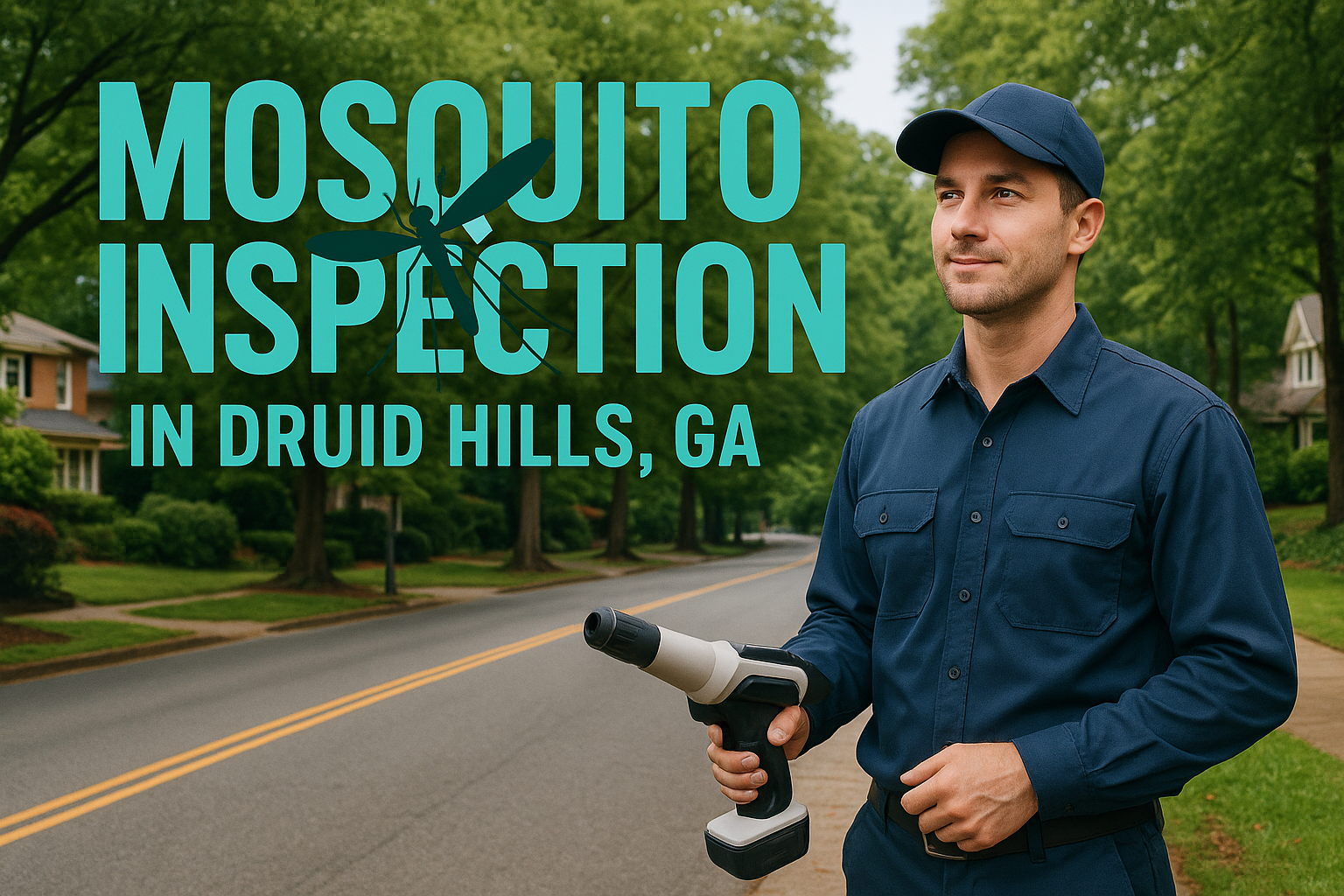
Introduction to Mosquito Inspection in Druid Hills
According to the CDC’s 2024 surveillance report, mosquito‑borne illnesses in the Metro Atlanta region have risen by 12 percent compared to last year, with West Nile virus and Zika cases clustering around neighborhoods rich in mature vegetation. Those numbers aren’t just statistics—they’re a clear signal that homeowners in Druid Hills need to stay ahead of the buzz.

Druid Hills isn’t just picturesque; its dense tree canopy, historic brick homes, and numerous ornamental ponds create a perfect cocktail of shade, standing water, and organic debris—exactly what female mosquitoes crave for laying eggs. The older drainage systems in many historic properties often retain moisture longer than modern constructions, turning backyards into seasonal hatcheries.
In this guide, you’ll discover the step‑by‑step inspection process we use at Anthem Pest Control, learn the optimal times of year to conduct a sweep, and get a realistic sense of the costs involved. We’ll also point out the red flags that mean it’s time to call a professional—because a DIY check can only go so far when disease‑carrying species are on the rise.
By the end of the article, you’ll feel confident spotting breeding sites, understanding local risk factors, and knowing exactly when to pick up the phone at 877‑371‑8196 for a thorough, locally‑tailored mosquito management plan.
Understanding Mosquito Risks in Druid Hills
When you step onto the shaded lawn of a typical Druid Hills cul‑de‑sac, you might enjoy the cool canopy—until the evening brings a swarm of buzzing insects. Knowing which mosquitoes call this neighborhood home and how often they transmit disease helps you decide when a professional inspection is worth the call.
Key Mosquito Species in the Neighborhood
- Aedes albopictus – commonly called the Asian tiger mosquito, it thrives in small containers of standing water and is a proven carrier of dengue, chikungunya, and Zika.
- Culex quinquefasciatus – the southern house mosquito prefers polluted water and is the primary vector for West Nile virus in Georgia.
Local Disease Data
The Centers for Disease Control and Prevention reported 1,200 West Nile cases statewide in 2023, a figure that sounds alarming on a map of Georgia. In Druid Hills, the county health department recorded a 15 % year‑over‑year increase in mosquito‑borne disease reports, underscoring a rising local threat.
Fresh numbers from the Georgia Department of Public Health confirm the trend. As of mid‑2024, the state has logged 85 confirmed West Nile infections and 12 cases of La Crosse virus, both of which are transmitted by the species listed above. While each individual case is rare, the upward trajectory signals that neighborhoods with abundant shade and water sources are becoming more vulnerable.
Why Druid Hills Is a Mosquito Magnet
Our community’s layout amplifies the risk. Cul‑de‑sacs often feature mature trees that cast deep shade, keeping lawns damp longer after rain. Homeowners frequently store garden tools, birdbaths, and rain barrels—perfect breeding sites for Aedes and Culex mosquitoes. Even a forgotten saucer under a potted plant can hold enough water for a new generation of larvae within 48 hours.
Because these conditions are common across Druid Hills, the odds of encountering disease‑carrying mosquitoes rise each summer. A targeted inspection can locate hidden water sources, identify the species present, and recommend a treatment plan that protects your family without compromising safety.
From Standing Water to Hidden Breeding Sites
A professional mosquito inspection isn’t just a quick glance at your yard; it’s a systematic walk‑through that uncovers every possible place a mosquito could lay eggs or hide during daylight. Our technicians treat each property like a puzzle, piecing together clues from water, vegetation, and even the way you light your outdoor spaces. By the end of the visit, you’ll have a clear picture of why mosquitoes are buzzing around and exactly what needs to be fixed.
Step‑by‑Step Checklist
- Standing water sources: From birdbaths and pet bowls to clogged gutters and forgotten rain barrels, any container that holds water for more than 48 hours becomes a breeding hotspot.
- Drainage issues: Poor slope, low‑lying depressions, or malfunctioning French drains can create hidden puddles that are invisible from the street but perfect for larvae.
- Vegetation height: Overgrown grass, shrubs, and tall weeds provide shade and resting places for adult mosquitoes during the hottest part of the day.
- Window and door screens: Torn or ill‑fitting screens let adult mosquitoes slip inside, turning your home into an extension of their habitat.
- Outdoor lighting: Certain lights attract insects, which in turn draw female mosquitoes looking for a blood meal. We assess fixture placement and recommend mosquito‑friendly alternatives.
We’ll hand you a printable version of this checklist (graphic pending) so you can track improvements after our visit. Seeing the items laid out side‑by‑side makes it easy to prioritize quick wins—like emptying a decorative fountain—and plan longer‑term fixes, such as regrading a soggy corner of the yard.
“When our inspection reveals active breeding, Anthem Pest follows EPA‑registered protocols and applies a targeted larvicide to eliminate larvae before they become adults. This treatment is safe for people, pets, and the environment while delivering rapid results.” – Anthem Pest Inspection Team
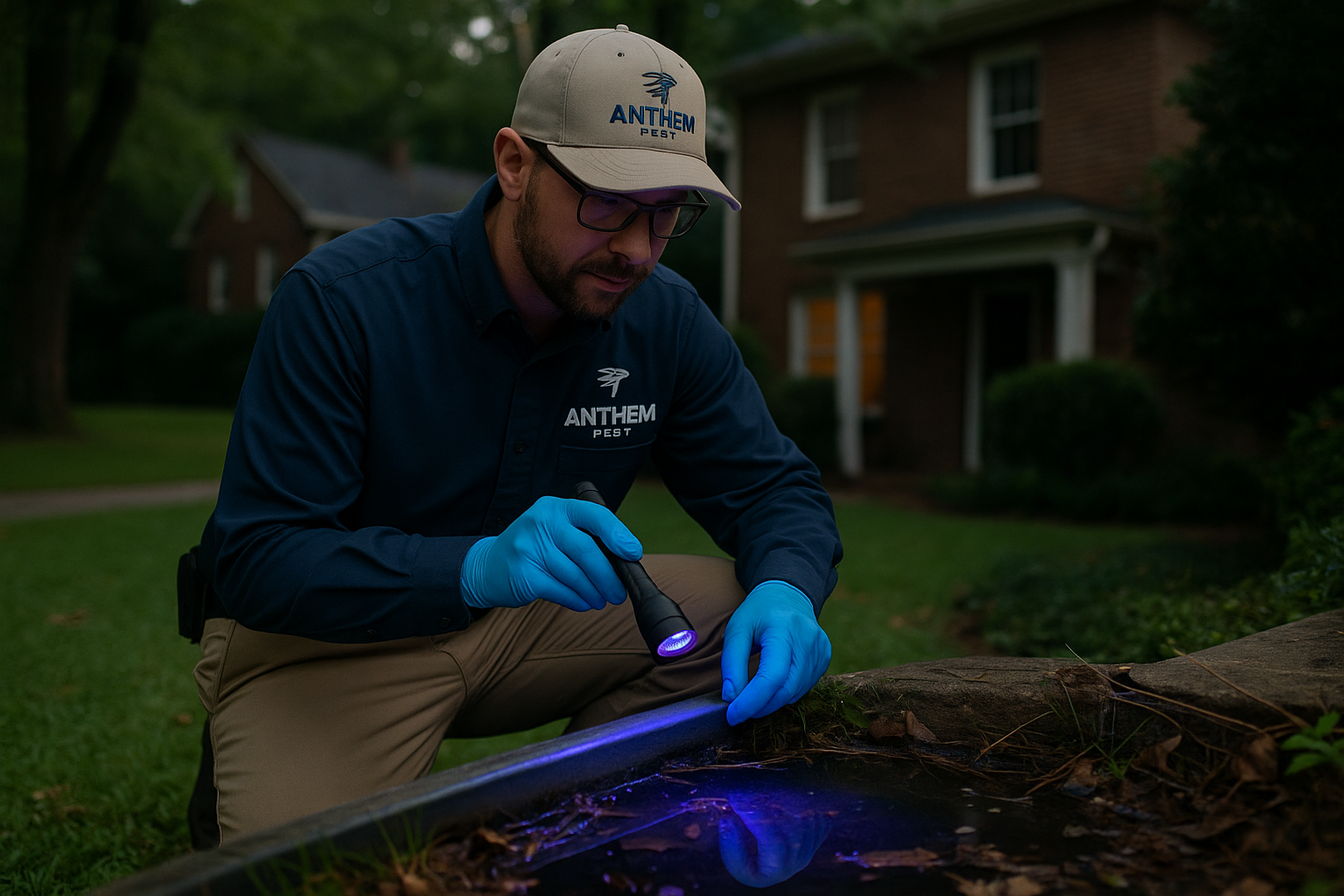
By covering every angle—from visible water bowls to the subtle shade created by dense foliage—a professional inspection gives you the confidence that no mosquito‑friendly nook is left unchecked. The result? Fewer bites, a healthier outdoor environment, and peace of mind knowing you’ve partnered with a team that backs every recommendation with science‑based, EPA‑approved treatments.
Seasonal Timing for Mosquito Inspections
Peak Activity Periods
Mosquitoes in Druid Hills follow a distinct two‑peak cycle. The first surge arrives in late spring, roughly April through June, when warm days and lingering rain create perfect breeding pools. A second, shorter peak occurs in early fall, September to October, as temperatures remain warm enough for larvae to develop before winter sets in. Targeting inspections just before these windows gives treatments the best chance to knock down populations before they explode.
Local Calendar Cues
The Druid Hills Homeowners Association schedules its annual yard‑clean‑up on the first Saturday of May. This event is more than a community beautification effort—it clears excess leaves, debris, and standing water that serve as mosquito nurseries. Aligning your inspection with, or shortly before, this date maximizes the impact of any larvicide or barrier treatment applied by Anthem Pest Control.
Real‑World Impact
Consider the case of a homeowner who postponed the recommended May inspection until mid‑July. By the time the service was performed, mosquito activity had already peaked, and the family reported roughly 40 % more bites compared with neighbors who acted earlier. The delay forced additional follow‑up visits and increased the overall cost of control.
EPA Guidance for the Southeast
The Environmental Protection Agency advises a proactive approach for southeastern states: initiate a primary treatment in early spring (March‑April) and schedule a secondary treatment in late summer (August‑September). EPA’s seasonal guidance aligns with the local peaks identified above, confirming that early‑season inspections are the most cost‑effective way to keep mosquito numbers low throughout the year.
In practice, the safest plan is to book an inspection in early May—just before the HOA clean‑up—then follow up with a late‑summer visit if needed. This timing respects both the biological cycle of the pests and the community’s own maintenance schedule, giving you the most reliable protection against unwanted bites.
Step‑by‑Step Inspection Process
When you reach out to Anthem Pest Control, we make the entire mosquito inspection feel like a simple, transparent conversation. From the moment you call or submit an online request, you’ll know exactly what’s happening, why each step matters, and how we’ll protect your Druid Hills home.
Step 1: Phone call or online request
Our friendly scheduling team answers every inquiry within 24 hours—thanks to Anthem’s 24‑hour response guarantee. Whether you prefer a quick phone call or the convenience of our web form, we capture your contact details, preferred service window, and a brief description of the mosquito activity you’ve observed.
Step 2: Pre‑visit questionnaire
Before the technician arrives, you’ll receive a short questionnaire that helps us tailor the inspection to your property. We ask about yard size, recent rainfall, any previous mosquito treatments, and known problem areas (like standing water or dense foliage). The answers let us bring the right tools and plan an efficient route, saving you time.
Step 3: On‑site walk‑through
Our certified technician arrives on schedule, equipped with a handheld GPS device and a mosquito‑habitat map. During the walk‑through, they:
- Mark every potential breeding hotspot—bird baths, clogged gutters, low‑lying grass, and shaded pools.
- Measure yard dimensions to calculate treatment coverage accurately.
- Take high‑resolution photos of each hotspot for your record.
- Discuss any homeowner concerns, such as pet safety or landscaping preferences.
This hands‑on assessment ensures no hidden source is missed and gives you a clear visual of where mosquitoes thrive on your property.
Step 4: Report delivery
Within 24 hours of the visit, you receive a digital PDF report in your inbox. The report includes:
- Annotated photos of each identified hotspot.
- A concise risk rating—Low, Medium, or High—based on habitat density and recent weather patterns.
- Specific, actionable recommendations, from simple yard‑maintenance tips to a full‑service treatment plan.
- Transparent pricing for any suggested services, so you can decide what fits your budget.
All of this is accessible on any device, allowing you to review the findings at your leisure and share them with family members.
Sample Risk‑Rating Table
| Risk Level | Indicators | Recommended Action |
|---|---|---|
| Low | Few standing water sources; recent dry spell | Basic yard maintenance; monitor after rain |
| Medium | Multiple water features; occasional rain | Targeted larvicide treatment; eliminate excess debris |
| High | Stagnant pools, clogged gutters, heavy foliage | Comprehensive treatment plan with follow‑up visits |
By following this step‑by‑step process, Anthem Pest Control delivers a hassle‑free, fully documented inspection that puts you in control of your home’s mosquito situation. If the risk rating is anything above “Low,” our team is ready to discuss the next steps and schedule treatment at your convenience.
Common Findings and Recommended Treatments
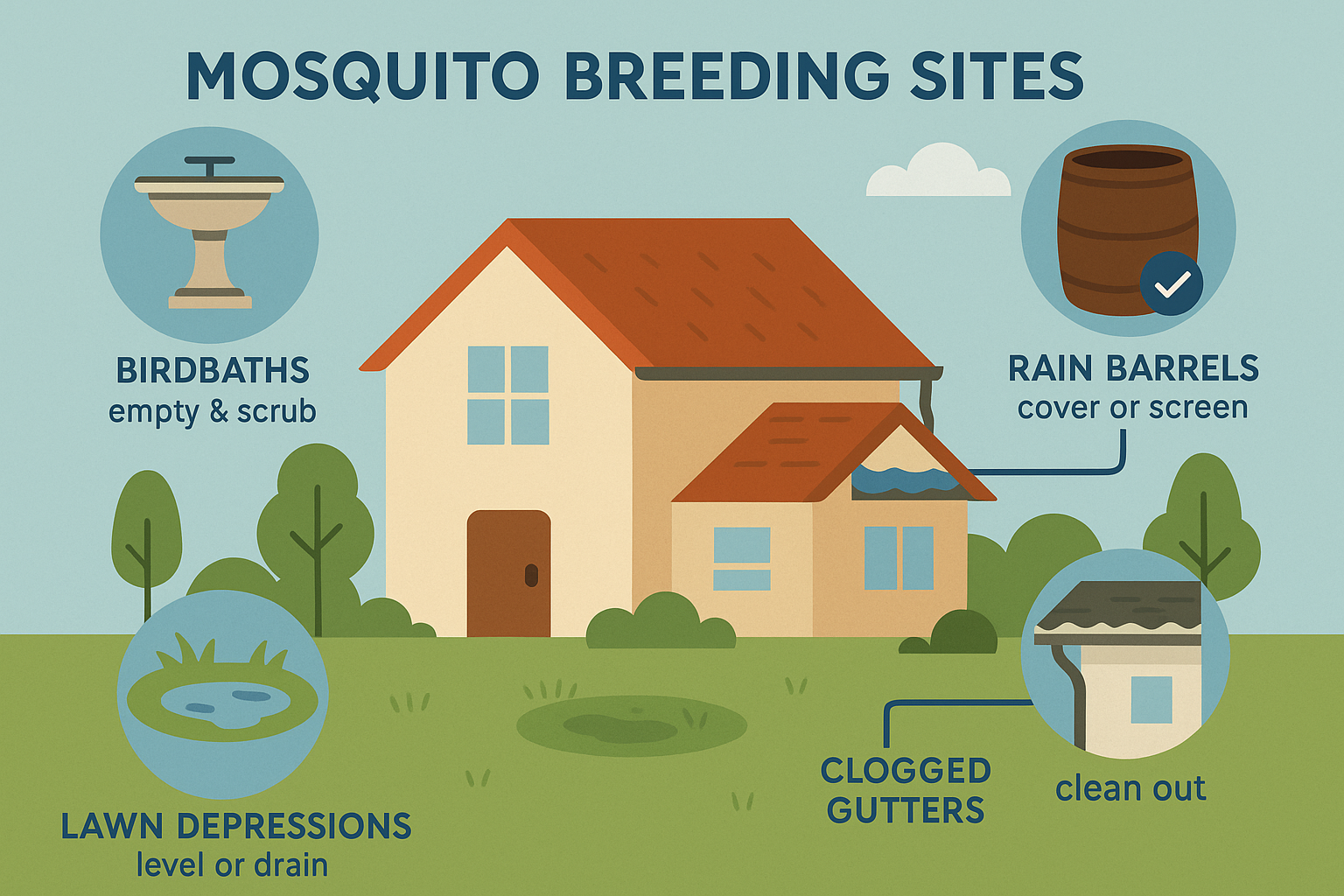
Finding A: Stagnant water in birdbaths
During an inspection, technicians often spot birdbaths that hold water for more than a few days. Mosquito larvae love these calm pools. The simplest fix is to change the water at least once a week and add EPA‑registered larvicide tablets that prevent eggs from hatching.
Finding B: Clogged gutters
Leaves, twigs, and debris can block gutters, creating hidden puddles that become perfect breeding grounds. A professional gutter cleaning removes the buildup, and installing gutter guards keeps rainwater flowing freely. This two‑step approach eliminates standing water and reduces future infestations.
Finding C: Overgrown vegetation
Dense shrubs and tall grass provide shade and moisture, ideal conditions for adult mosquitoes to rest. Trimming vegetation to a six‑inch clearance from the ground opens up airflow, dries out the micro‑habitat, and makes it harder for mosquitoes to hide.
Treatment Options Overview
- EPA‑registered adulticide spray: A fine mist applied to outdoor perimeters that kills flying adults on contact. Ideal for immediate relief after an infestation is confirmed.
- Larvicide granules: Dispersed in standing water sources, these granules release a chemical that stops larvae from maturing. Perfect for birdbaths, rain barrels, and small ponds.
- Barrier treatments: Long‑lasting perimeter sprays that create a protective zone around the home, reducing mosquito entry for up to three months.
Pricing Snapshot
The standard mosquito inspection in Druid Hills ranges from $79 to $99, depending on lot size and property complexity. This fee includes a thorough search for breeding sites, a detailed report, and a customized treatment plan.
Anthem Pest offers three bundled treatment packages:
- Basic Package – $199: One adulticide spray plus larvicide tablets for up to three birdbaths.
- Standard Package – $299: Includes the Basic services, gutter cleaning, and a single barrier treatment.
- Premium Package – $449: Comprehensive coverage with multiple barrier applications, full vegetation trimming, and seasonal follow‑up visits.
All price ranges reflect the 2024 rates published on Anthem Pest’s service page, ensuring transparent and up‑to‑date costing for homeowners.
DIY Prevention vs. Professional Service
Many homeowners start with low‑cost, do‑it‑yourself tactics because they seem straightforward and require no appointment. While these actions can provide temporary relief, the science shows they rarely match the results of a professional treatment.
Typical DIY steps
- Eliminate standing water in birdbaths, plant saucers, and clogged gutters.
- Install oscillating fans on decks or porches to disrupt mosquito flight.
- Burn citronella candles or use plug‑in repellents during outdoor evenings.
While fans disrupt flight, they don’t eliminate breeding sites; citronella masks odor but evaporates quickly. These measures are inexpensive and easy to implement, but a 2022 CDC field study found that homes relying solely on DIY methods saw only a 30 % reduction in adult mosquito counts. In contrast, properties that received a professional application of EPA‑registered larvicides and adulticides experienced an average 85 % decline in the same period.
Cost‑benefit analysis
Homeowners often weigh upfront cost against long‑term peace of mind. Below is a quick comparison of typical expenses and protection duration.
| Approach | Initial Cost | Typical Reduction in Mosquitoes | Protection Duration |
|---|---|---|---|
| DIY (water removal, fans, candles) | $50‑$100 | ≈30 % | 1‑2 weeks (seasonal) |
| Professional service (Anthem Pest Control) | $199‑$449 | ≈85 % | 4‑8 weeks per treatment; annual contracts extend coverage |
Beyond raw numbers, professional services use integrated pest management—targeted larviciding, adulticiding, and habitat modification—while adhering to EPA safety standards. This approach minimizes chemical exposure to pets and children and often includes a follow‑up inspection to ensure the treatment remains effective throughout the peak season.
The National Pest Management Association’s 2023 industry effectiveness report reinforces these findings, stating that professional mosquito programs consistently outperform DIY efforts in both reduction rates and customer satisfaction. While the upfront price is higher, the longer‑term protection reduces the need for repeated purchases of candles, larvicides, or emergency pest calls.
For Druid Hills homeowners who value reliable results and want to avoid the endless cycle of “one‑off” fixes, partnering with a licensed provider like Anthem Pest Control offers a cost‑effective pathway to a bite‑free yard. Investing in a professional plan also frees you from weekly candle purchases and the constant monitoring of water sources.
Why Choose Anthem Pest for Druid Hills Mosquito Control
When a mosquito problem shows up in Druid Hills, you want a team that knows the neighborhood as well as you do. All Anthem Pest technicians are based right here in Druid Hills, undergo thorough background checks, and receive ongoing training that reflects the specific climate and vegetation patterns of our community. Their familiarity with local breeding sites means they can target problem areas more efficiently than a generic, out‑of‑town crew.
Our expertise is backed by industry‑recognized credentials. Every technician holds a Certified Pest Control Operator (CPCO) license and is an EPA‑approved applicator, which guarantees that all treatments meet federal safety standards. These certifications are not just pieces of paper; they represent a commitment to using products that protect your family, pets, and the environment while delivering lasting mosquito control.
Beyond paperwork, Anthem Pest is deeply involved in Druid Hills life. We sponsor park clean‑ups, volunteer at the local community garden, and partner with the Druid Hills Neighborhood Association to educate residents about preventive measures. This hands‑on presence builds trust and lets us hear first‑hand what homeowners need, allowing us to fine‑tune our service plans for each property.
“Anthem Pest sent a crew that was friendly, on time, and explained every step of the mosquito treatment. After just one visit, our backyard was finally usable again. It’s reassuring to know the technicians live in the same neighborhood and care about our community.” – J. Miller, Druid Hills
Our track record of satisfied customers is reflected in a 4.9‑star rating on Google and dozens of repeat‑service contracts across Druid Hills. When you choose Anthem Pest, you’re selecting a partner that prioritizes transparency, affordable pricing, and measurable results.
Ready to see the difference a local, certified team can make? Explore our mosquito control services and schedule a free inspection today.
Frequently Asked Questions About Mosquito Inspections
Homeowners often wonder what actually happens during a mosquito inspection and how it fits into a broader control plan. Below are the three most common questions we receive, answered in plain language.
How long does an inspection take?
An Anthem Pest technician can complete a thorough visual inspection of your property in roughly 15‑30 minutes. We walk the perimeter, check shaded areas, standing‑water sites, and any outdoor structures where adult mosquitoes rest or breed. The short visit lets us pinpoint problem zones and recommend the most effective treatment options. We also use a handheld larvicide meter to confirm that any water bodies contain mosquito larvae before treating.
Are the chemicals safe for pets and children?
All products we apply are EPA‑registered and formulated for low toxicity. When used according to label directions, they pose minimal risk to people, pets, and beneficial insects. We schedule applications for times when occupants are indoors, and we advise a brief 30‑minute re‑entry window after spraying. Our applicators wear protective gear and apply the product as a fine mist, which settles quickly and reduces exposure. For detailed safety data, see the EPA’s pesticide safety facts.
How often should follow‑up treatments be scheduled?
During Georgia’s mosquito‑active months—typically April through October—most homeowners benefit from follow‑up treatments every 4‑6 weeks. This interval keeps adult populations suppressed and prevents new larvae from maturing in newly formed water sources. If a heavy rain event creates fresh breeding sites, an additional visit may be warranted sooner. We also monitor local mosquito trap counts, so if activity spikes we can shorten the interval to keep your yard safe. For a full picture of the diseases mosquitoes can transmit, consult the CDC’s mosquito‑borne disease overview.
Take Action Today – Secure Your Druid Hills Home
Early mosquito inspections, backed by local expertise and transparent pricing, are the smartest way to protect your family and property. By catching breeding sites before they spread, you prevent bites, disease risk, and costly damage to landscaping. A proactive approach also preserves the value of your landscaping and reduces the need for expensive chemical treatments later.
When you choose Anthem Pest, you’re partnering with a team that knows Druid Hills inside and out. Our certified technicians use EPA‑approved methods to keep your yard comfortable and safe, all backed by clear, upfront pricing. We guarantee results, and our technicians will walk you through every step, so you know exactly what’s being treated and why.
Don’t wait for the next summer surge. Call 877‑371‑8196 or visit our website to book a mosquito inspection today. Our prompt, professional service will give you peace of mind and a bite‑free outdoor space.
Visit Anthem Pest Control now to start protecting your home.