Why Rat Control Matters for Homeowners
Rats are relentless opportunists. A single pair can produce dozens of offspring in just a few months, turning a modest sighting into a full‑blown infestation before most homeowners even notice. In Peachtree City, where homes blend tightly with mature landscaping, the risk of a hidden rat problem is especially high. Understanding the urgency of rat control is the first step toward protecting your property, your family’s health, and your peace of mind.
Common Rat Species in U.S. Homes
Two species dominate residential settings across the United States:
- Roof rats (Rattus rattus) – Also called black rats, they favor elevated entry points such as eaves, attics, and roof vents. Their slender bodies let them navigate tight spaces, making them adept at moving through insulation, wiring, and ceiling joists.
- Norway rats (Rattus norvegicus) – Known as brown or sewer rats, they are larger and prefer ground‑level access points like crawl spaces, basements, and foundation cracks. Their powerful jaws enable them to gnaw through tougher materials, including concrete and metal.
Both species are highly adaptable, thrive in urban and suburban environments, and are drawn to the shelter, food, and water that a typical home provides.
What Rats Can Do to Your Home
The damage caused by rats goes far beyond a few chewed wires. Homeowners often face a cascade of problems, including:
- Structural destruction: Rats gnaw on wood, drywall, insulation, and even plumbing, compromising the integrity of walls, roofs, and foundations.
- Food contamination: Their droppings and urine can infiltrate pantry items, pet food, and stored grains, rendering them unsafe for consumption.
- Electrical hazards: Chewed wiring creates short circuits and increases the risk of fire, endangering both property and lives.
- Water damage: Burrowing in crawl spaces can damage plumbing and create pathways for moisture, leading to mold growth.
Health Risks You Can’t Ignore
Rats are vectors for a range of serious diseases, including Hantavirus, Leptospirosis, Salmonellosis, and Lymphocytic Choriomeningitis. Their saliva, urine, and feces can contaminate surfaces, trigger severe allergic reactions, and exacerbate asthma in sensitive individuals. Even a brief encounter can leave behind pathogens that linger for weeks, making early intervention critical for household health.
Anthem Pest Control’s Role
At Anthem Pest Control, we specialize in identifying rat activity before it escalates. Our technicians are trained to recognize the subtle signs of both roof‑rat and Norway‑rat presence, from gnaw marks to droppings and nesting material. In this article series we’ll walk you through:
- How to accurately identify rat species and their tell‑tale signs.
- The specific health hazards each species poses.
- Seasonal trends that influence rat activity in Peachtree City.
- Service options ranging from targeted baiting to comprehensive exclusion programs.
- Practical prevention steps you can implement right away.
Our approach blends safe, EPA‑approved treatments with transparent pricing, ensuring you receive effective protection without surprise costs.
Early Detection Saves Money and Stress
Spotting a rat problem early dramatically reduces the scope of remediation. A small, localized trap or a targeted bait station can eliminate an emerging infestation before it damages wiring, insulation, or stored food. Waiting until damage is visible often means costly repairs, extensive fumigation, and prolonged health risks. By partnering with Anthem Pest Control at the first sign of trouble, homeowners gain a fast, professional response that safeguards both their investment and their family’s well‑being.
Spotting a Rat Infestation – Key Signs to Watch For
Rats are stealthy, but they can’t hide forever. Knowing the tell‑tale clues they leave behind lets you catch a problem before it turns into a full‑blown invasion. Below is a homeowner‑focused cheat sheet that breaks down what to look for, where to look, and how to stay safe while you investigate.
Visual Clues
- Droppings: Small, dark, rice‑shaped pellets about ¼‑inch long. You’ll often find them along walls, under appliances, or in hidden corners. A fresh pile will appear moist and may have a faint, metallic scent.
- Gnaw marks: Rats gnaw on almost anything—wood, plastic, wiring, and even concrete. Look for rough, irregular bite edges, especially around baseboards, pipe insulation, and the edges of food containers.
- Chewed food packaging: Crinkled foil, torn cardboard, and shredded snack bags are classic rat footprints. If you notice food items that look “chewed up” without any obvious cause, rats are likely the culprits.
- Grease smears: Rats often rub their bodies against surfaces, leaving a dark, oily streak. These smears are common on kitchen cabinets, pantry doors, and the underside of sinks.
- Burrows and runways: In basements, crawl spaces, or garden beds, you may see neat tunnels in soil or shredded material lining a pathway. Inside walls, a thin line of dust or shredded insulation can indicate a hidden runway.
Audible Clues
Rats are most active at night, and their sounds can be a dead giveaway. Listen for:
- Scratching: A faint, rapid scratching noise in the attic or walls, especially after sunset.
- Squeaking: High‑pitched squeaks or chirps that echo through ceiling spaces. A single squeak may be a juvenile, while a chorus often points to a larger group.
Smell Clues
A persistent, musky odor that resembles ammonia or a “wet dog” smell is a strong indicator of a rat problem. The scent becomes more pronounced in enclosed areas like closets, crawl spaces, or behind appliances.
Quick DIY Inspection Checklist
Arm yourself with a flashlight, a sturdy pair of gloves, and a disposable mask, then follow these steps:
- Attic: Scan the joists and insulation for droppings, gnaw marks, and greasy streaks. Pay special attention to the edges of ventilation shafts.
- Basement & crawl spaces: Look for burrows in the soil, shredded insulation, and any signs of gnawed wiring. Check behind stored boxes and shelving.
- Kitchen cabinets & pantry: Open every door and pull out shelves. Examine corners for droppings, chewed packaging, and grease smears.
- Exterior entry points: Walk the perimeter of your home, inspecting the foundation, eaves, and roof vents for gnaw holes (about ½‑inch wide) and fresh mud or debris.
- Behind appliances: Move the refrigerator, stove, and washer aside if possible. Rats love the warmth and hidden pathways these appliances provide.
Safety First
Rats can carry diseases, and their droppings may contain harmful pathogens. Always wear thick gloves and a mask to avoid direct contact with droppings, urine, or contaminated surfaces. If you notice a large amount of droppings or suspect a heavy infestation, stop the inspection and call a professional. A trained technician from Anthem Pest Control can safely remove the rodents, sanitize the area, and seal entry points to prevent a return.
By staying alert to these visual, audible, and olfactory clues, you’ll be better equipped to spot a rat problem early—saving you time, money, and the stress of dealing with a full‑scale infestation.
Health Risks Linked to Rats
Overview of Common Rodent‑borne Illnesses
Rats are more than a nuisance—they’re carriers of several serious diseases that can affect anyone in your home. The most frequently reported illnesses include:
- Hantavirus Pulmonary Syndrome: Transmitted through inhalation of aerosolized virus particles from rodent urine, droppings, or saliva. It can cause severe respiratory distress and, in some cases, be fatal.
- Leptospirosis: A bacterial infection spread when contaminated water or soil contacts broken skin or mucous membranes. Symptoms range from flu‑like aches to kidney failure.
- Salmonellosis: Often linked to food contamination after rats gnaw on packaging or leave droppings on surfaces. It leads to gastrointestinal upset, fever, and dehydration.
- Rat‑bite Fever (Streptobacillosis): Acquired through a bite or scratch from an infected rat, or by handling contaminated objects. It produces fever, rash, and joint pain.
How Diseases Spread
Understanding the pathways rats use to move pathogens helps you see why a small infestation can become a major health threat. The primary vectors are:
- Urine and droppings: When dried, these particles become dust that can be inhaled, especially during cleaning or renovation.
- Saliva: Rats leave saliva on gnawed food, containers, and wiring, contaminating anything they touch.
- Fleas and mites: Parasites hitch a ride on rats and can bite humans, acting as secondary carriers of bacterial diseases.
- Direct contact: Bites, scratches, or handling a dead rat without protection can introduce pathogens straight into the bloodstream.
Even a brief encounter—like a child finding a nest in the garage—can release enough viral particles to cause illness if the area isn’t cleaned properly.
Vulnerable Populations
Not everyone faces the same level of risk. Certain groups are especially susceptible:
- Children: Their developing immune systems and natural curiosity lead them to touch or play near contaminated areas.
- Elderly adults: Age‑related immune decline makes infections more severe and recovery slower.
- Immunocompromised individuals: Those undergoing chemotherapy, living with HIV, or on immunosuppressive medication can experience life‑threatening complications from even mild exposures.
For these households, a proactive rat‑inspection isn’t just about property damage—it’s a critical step in safeguarding health.
Why Professional Pest Control Matters
The Centers for Disease Control and Prevention reports that over 20,000 cases of rodent‑related illnesses occur in the United States each year, with a noticeable spike in regions where rat populations are unchecked (CDC, 2023). A professional service like Anthem Pest Control brings three essential advantages:
- Comprehensive inspection: Trained technicians identify hidden entry points, nesting sites, and food sources that DIY methods often miss.
- Targeted treatment: Using EPA‑approved baits and traps reduces the rodent count while minimizing exposure to pets and children.
- Preventive follow‑up: Ongoing monitoring and sealing of access routes keep rats out long after the initial eradication, dramatically lowering the chance of disease re‑emergence.
When you call a certified pest professional, you’re not just eliminating a squeaking visitor—you’re cutting off the chain of transmission before it reaches your family’s doorstep. Prompt action, combined with safe, science‑backed control methods, is the most effective defense against the hidden health hazards rats bring into your home.
Beyond Rats – Recognizing Other Common Indoor Pests
Quick Comparison: Rats, Cockroaches, and Beetles
| Pest | Typical Habitat | Common Signs | Typical Damage |
|---|---|---|---|
| Rats | Attics, basements, wall voids, near food storage | Droppings, gnaw marks, gnawed wires, nocturnal scurrying | Structural damage, fire hazard from chewed wiring, contamination of food |
| Cockroaches | Warm, moist areas – kitchens, bathrooms, behind appliances | Live or dead insects, oily smears, musty odor, egg cases | Food contamination, allergic reactions, trigger asthma attacks |
| Beetles (e.g., carpet & flour beetles) | Carpet fibers, pantry shelves, grain storage | Small specks of feces, shed skins, occasional live beetles | Staining of fabrics, spoilage of stored dry goods |
While rats often steal the spotlight, the same structural gaps and food sources that invite them also welcome cockroaches and beetles. Understanding where each pest prefers to live and the tell‑tale signs they leave behind helps you catch an infestation early, before damage escalates.
Spotting a Cockroach Infestation
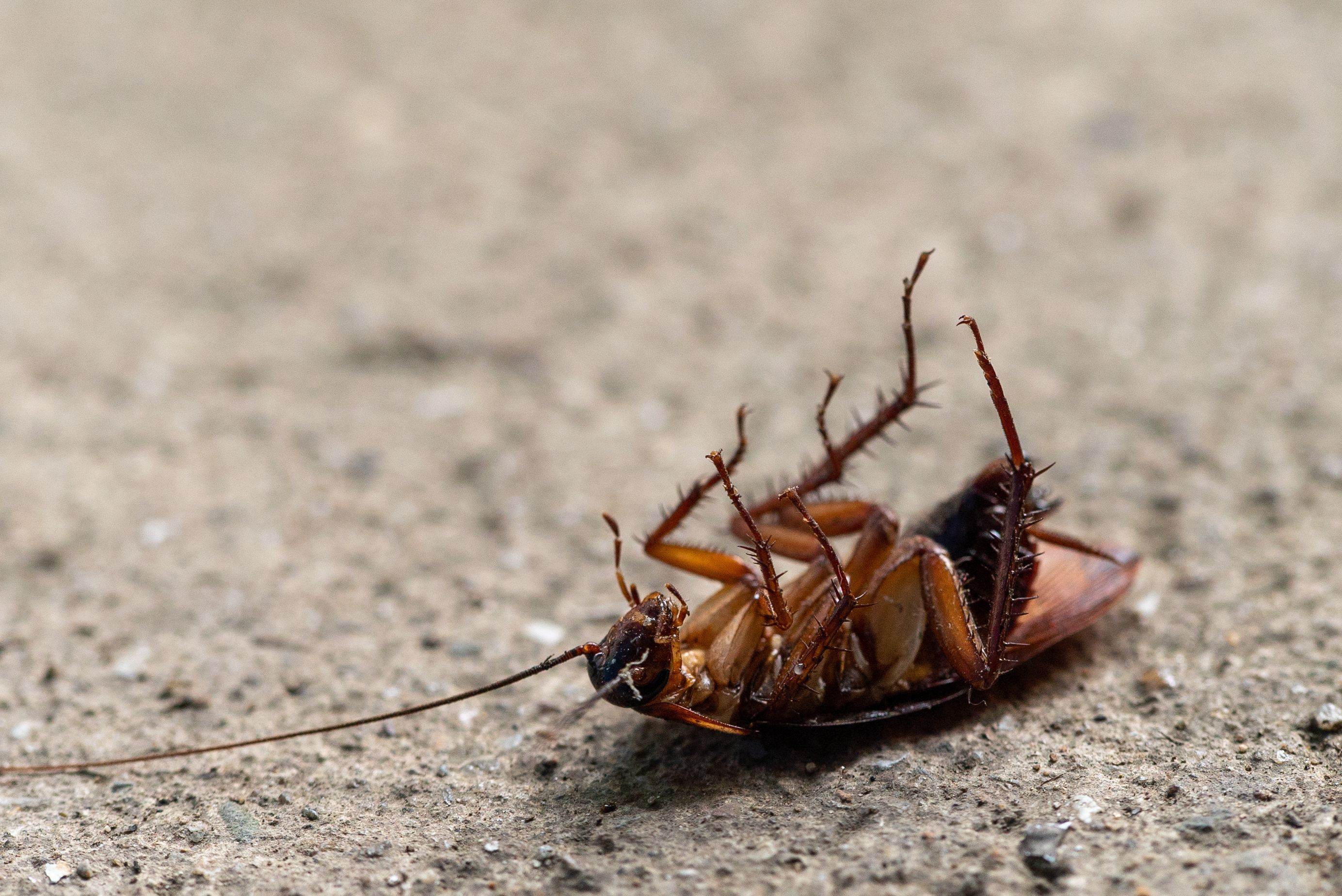
The macro photograph above shows a dead cockroach in crisp detail. Notice the glossy, oval body, the flattened brown‑black exoskeleton, and the long antennae that extend forward. The segmented, slightly flattened abdomen and the six spindly legs are also distinctive. Homeowners can use these visual cues when they find a lone specimen in a pantry, under a sink, or near a garbage can. A single dead cockroach is often the first warning sign of a larger, hidden population thriving in the dark crevices of your home.
Why Multiple Pests Often Appear Together
Rats, cockroaches, and beetles share common entry points—cracks in foundations, gaps around pipes, and unsealed doors. When one species establishes a foothold, it can unintentionally create conditions that favor others. For example, a rat’s gnawing may enlarge a wall void, providing a new harbor for cockroaches seeking shelter from light and moisture. Likewise, food crumbs left behind by rodents attract beetles and roaches alike. Treating each pest in isolation often leads to repeated service calls, whereas a comprehensive, multi‑pest strategy targets the underlying vulnerabilities that invite all of them.
Anthem Pest Control’s Multi‑Pest Approach
At Anthem Pest Control, we assess your home as an ecosystem, not just a single problem. Our technicians perform a thorough inspection, identify overlapping habitats, and then apply a coordinated treatment plan that may include bait stations, gel applications, and perimeter sprays—all designed to eliminate rats, cockroaches, beetles, and any other lurking invaders in one go. By sealing entry points, reducing moisture, and educating homeowners on proper sanitation, we create a long‑term barrier that keeps all indoor pests at bay, protecting your family and your property.
Structural Damage – How Rats and Beetles Threaten Your Home
Rats Chew Their Way Through Your Home
Rats are relentless gnawers. Their incisors grow continuously, so they must constantly bite into hard surfaces to keep them trimmed. In a typical Peachtree City home, this means they’ll target structural wood—studs, joists, and rafters—plus insulation, electrical wiring, and even PVC plumbing. A single rat can create dozens of shallow tunnels in a beam, weakening its load‑bearing capacity. Over time, these tunnels expand, allowing moisture to seep in and rot to set in. The result isn’t just an unsightly gnaw mark; it’s a compromised framework that can sag, creak, or, in extreme cases, collapse.
Wood‑Boring Beetles: A Silent Warning
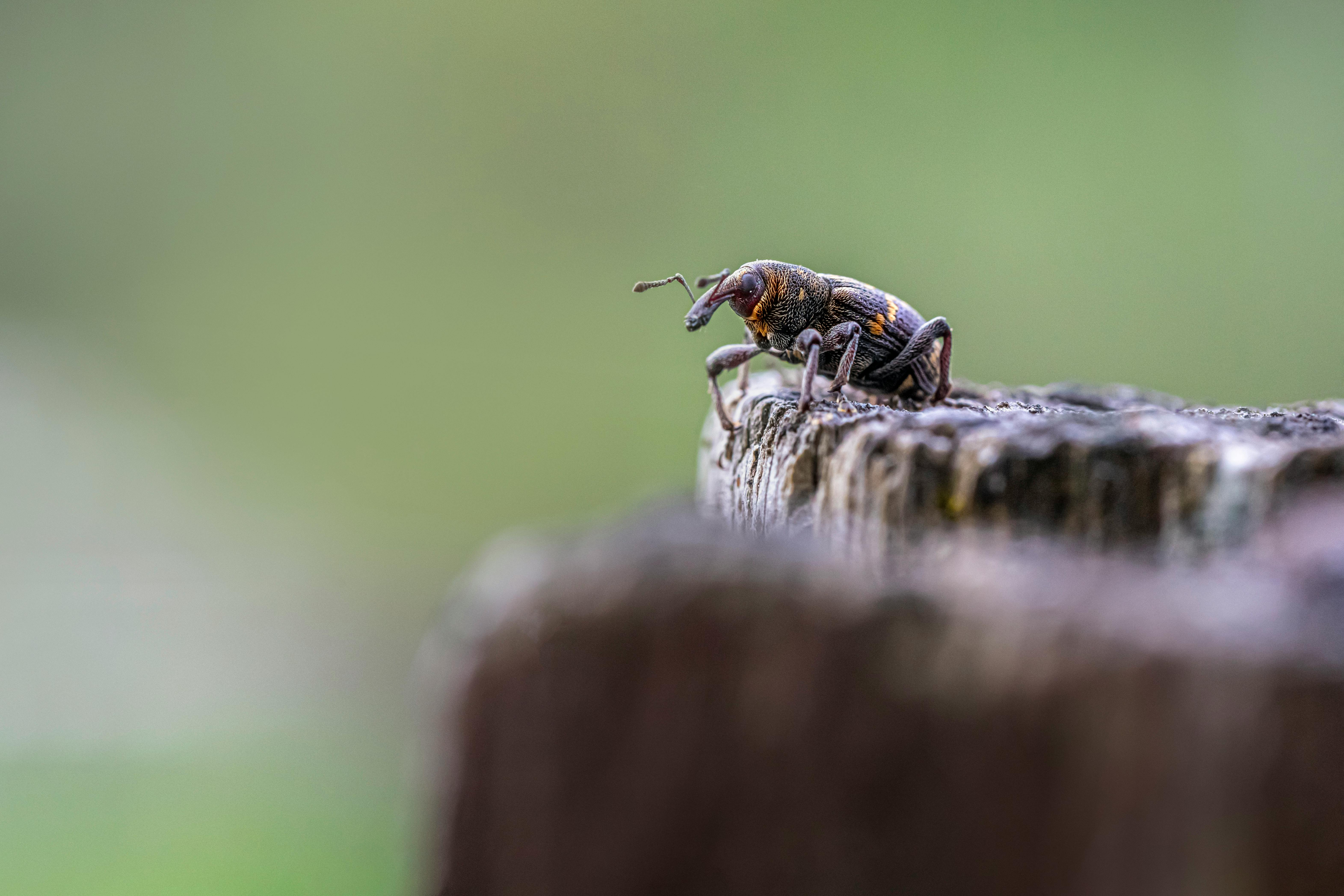
While rats leave obvious bite marks, wood‑boring beetles work in the shadows. Species such as the pine weevil lay eggs inside healthy timber, and the larvae tunnel outward, creating a network of galleries that look like fine sawdust. Homeowners often first notice the damage as small exit holes or a fine powdery frass on the floor. These beetles thrive in wood already stressed by moisture or previous rodent activity, making them a reliable indicator that your timber is already compromised.
Seeing the Damage: What the Image Shows
The photograph above captures a large pine weevil perched on a piece of pine wood. Notice the tiny, round exit holes and the faint, powdery residue surrounding them—classic signs of beetle activity. When you compare this to a rat‑chewed joist, the contrast is stark: the beetle’s work is subtle, often missed during a casual walk‑through, whereas a rat’s gnaw marks are visible to the naked eye. Both, however, signal that the structural integrity of your home is under attack.
The True Cost of Ignoring Structural Damage
Leaving rat or beetle damage unchecked can quickly become a financial nightmare. Repair estimates for compromised framing range from $2,000 to $7,500, depending on the extent of the damage and whether you need to replace insulation, rewire circuits, or overhaul plumbing. Beyond dollars, there are safety hazards: exposed wiring raises fire risk, damaged joists can lead to sagging floors, and water‑logged wood invites mold growth, which threatens indoor air quality.
- Immediate repairs: $2,000–$4,000 for localized joist replacement.
- Extensive structural work: $5,000–$7,500 for full‑scale framing and system replacements.
- Secondary issues: mold remediation, increased utility bills from compromised insulation.
Why a Professional Inspection Matters
A trained Anthem Pest Control technician can spot the early signs most homeowners miss. Using a flashlight, moisture meter, and a keen eye for bite marks or beetle holes, the inspector will map out affected areas before they spread. Early detection means targeted treatment—rodent exclusion, beetle control, and moisture mitigation—followed by a precise repair plan. By catching damage while it’s still localized, you protect your home’s structural health and keep repair costs well within budget.
Choosing the Right Rat Inspection Package
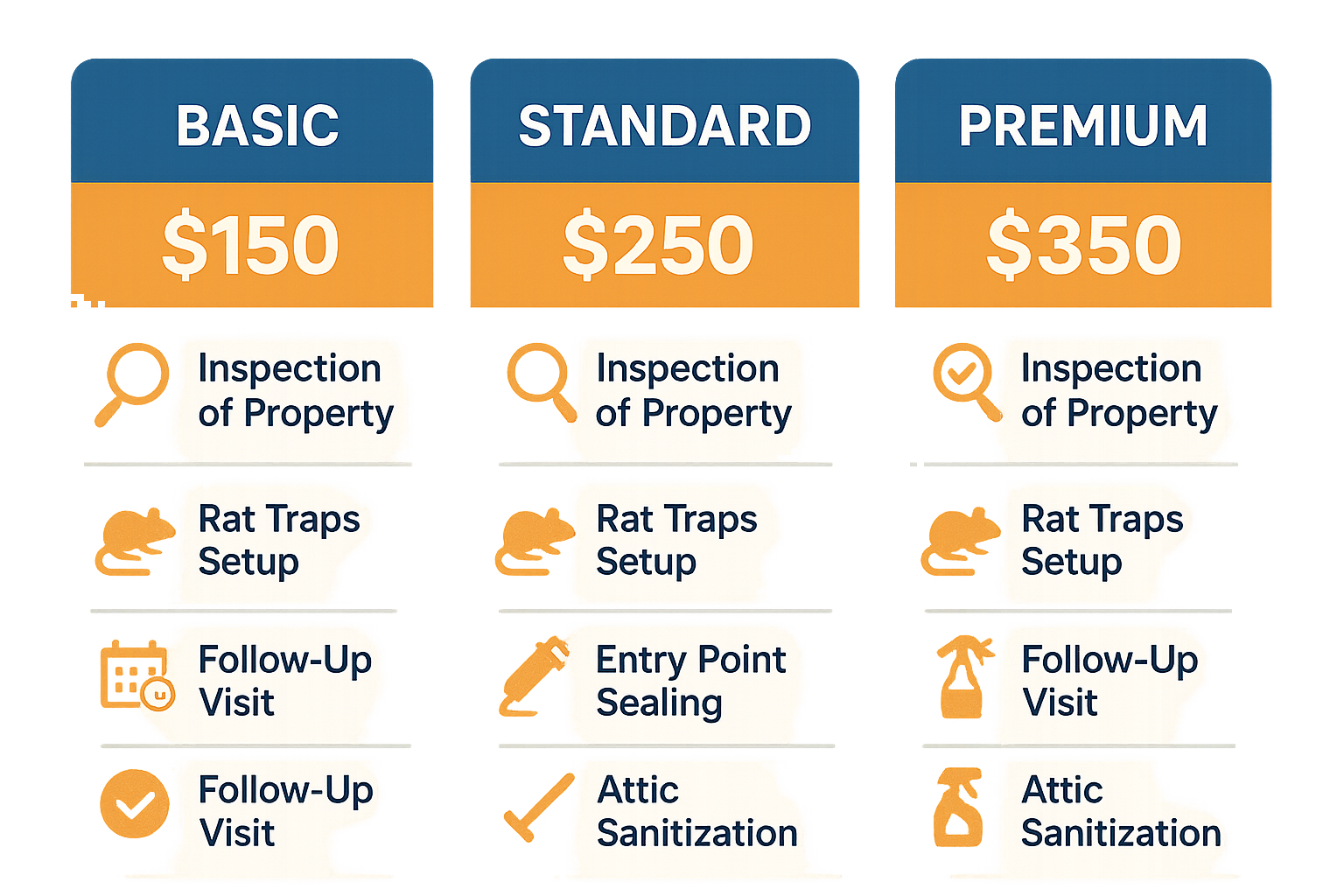
When it comes to rodent control, a one‑size‑fits‑all approach rarely works. Anthem’s structured inspection packages give you a clear roadmap—from a thorough visual assessment to a long‑term monitoring plan—so you know exactly what’s happening, what’s being treated, and when follow‑up visits will occur. By selecting a package that aligns with the severity of the infestation and your budget, you avoid surprise costs and ensure the protection your home needs.
Basic Package – “Spot‑Check & Treat”
Ideal for homeowners who have only occasional rat sightings or want a quick confirmation of activity. The Basic tier provides the essentials to identify a problem and apply immediate control.
- Price point: Competitive entry‑level rate.
- Included services: One‑time visual inspection of interior and exterior entry points, placement of a limited number of bait stations, and a written report with recommendations.
- Follow‑up: No scheduled return visit; you receive a phone call to discuss findings and next steps.
Standard Package – “Comprehensive Guard”
Best for families that have noticed regular activity or live in properties with multiple potential entry points. This middle tier balances thoroughness with affordability.
- Price point: Mid‑range pricing reflecting added service depth.
- Included services: Full visual inspection, strategic placement of bait stations throughout the property, installation of monitoring traps, and a detailed treatment plan.
- Follow‑up: One on‑site follow‑up visit within two weeks to assess bait effectiveness and adjust placement if needed.
Premium Package – “Total Protection Plan”
Designed for severe infestations or homeowners who want peace of mind year‑round. The Premium tier delivers the most extensive coverage and proactive prevention.
- Price point: Premium pricing with a focus on long‑term value.
- Included services: Comprehensive inspection of all interior and exterior spaces, extensive bait station network, continuous monitoring with electronic traps, sanitation recommendations, and a customized rodent‑proofing plan.
- Follow‑up: Two scheduled follow‑up visits (at two weeks and one month) plus quarterly check‑ins for the first year to ensure the infestation stays under control.
Each tier is built to match a specific need: the Basic package tackles occasional sightings, the Standard package addresses consistent activity, and the Premium package offers a full‑scale defense for high‑risk properties or owners who demand ongoing protection. For a quick visual comparison, refer to the infographic below—it breaks down price, services, and follow‑up frequency side by side, helping you decide which level fits your situation.
Seasonal Rat Activity – When to Be Most Vigilant
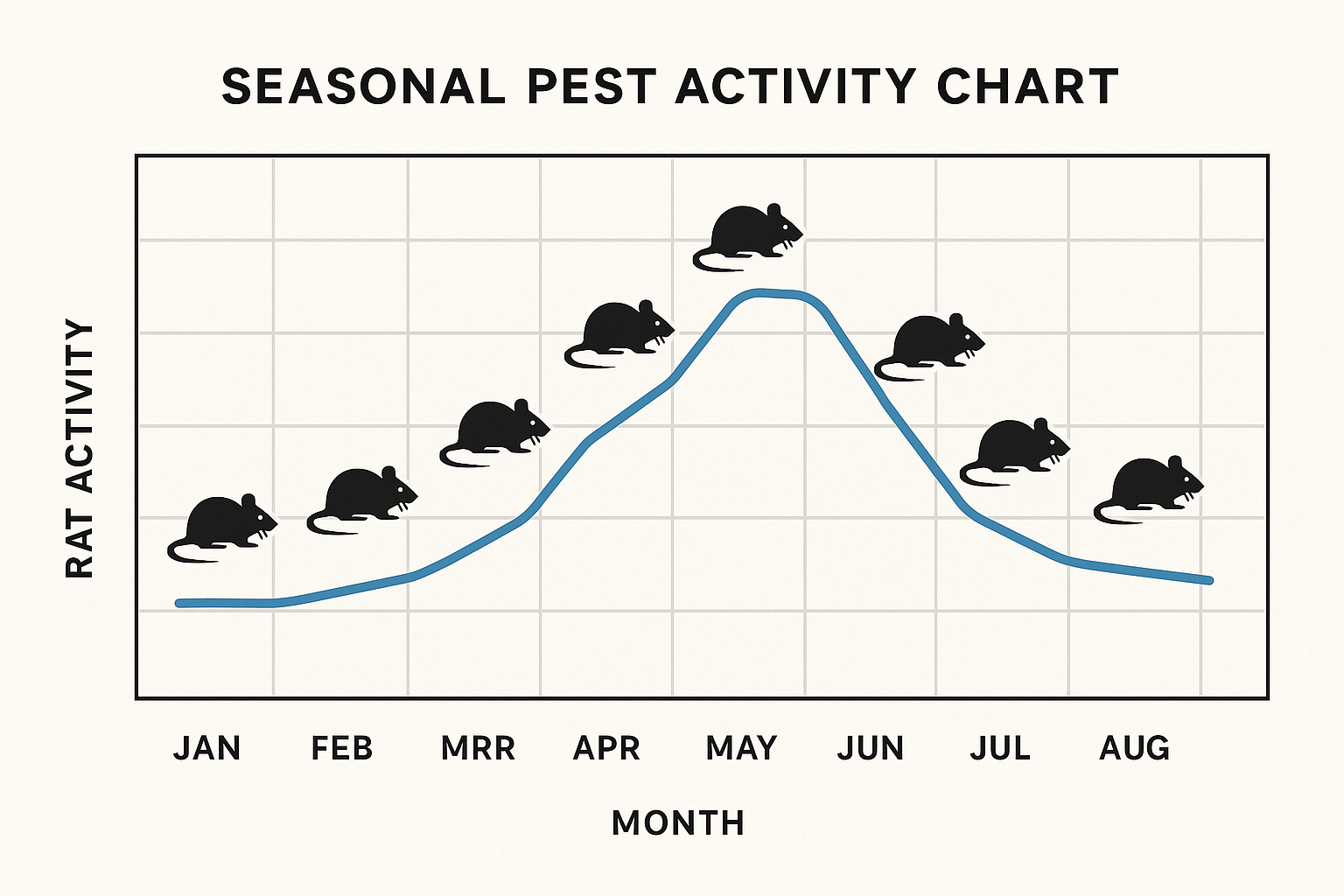
Understanding the rhythm of rat activity in Peachtree City helps you time inspections and treatments for maximum impact. The line‑graph below breaks down monthly sightings based on years of field data collected by Anthem Pest Control. In short, the chart shows a clear surge from late spring through early fall, with May, June, and September marking the highest activity spikes. The winter months—December through February—register the lowest numbers, reflecting rats’ reduced foraging when temperatures dip below freezing.
Why Rats Move With the Seasons
Three key factors drive these seasonal patterns:
- Temperature. Rats are warm‑blooded mammals that thrive when outdoor temperatures sit between 65°F and 85°F. Warm weather expands their foraging range, allowing them to explore new food sources and nesting sites.
- Food availability. Spring brings fresh growth, blooming gardens, and increased outdoor activity from homeowners—think barbecues, picnics, and open trash cans. Summer’s heat intensifies the search for water, while fall harvests leave behind fruit and vegetable scraps that act like an all‑you‑can‑eat buffet.
- Breeding cycles. Female rats can breed year‑round, but the peak litter period aligns with the warmer months. A single pair can produce up to 12 offspring in a season, so a modest uptick in sightings can quickly snowball into a full‑blown infestation.
Practical Tips for Homeowners
Armed with this seasonal insight, you can tighten your defenses before rats even think about moving in.
- Boost monitoring in high‑risk months. From May through September, increase visual inspections around the home’s perimeter. Look for gnaw marks, droppings, and fresh burrows, especially near foundations, garage doors, and utility entry points.
- Schedule preventative treatments early. Aim to have a professional rodent exclusion service performed in late April or early May. This pre‑emptive barrier blocks entry before the population surge.
- Secure food sources. Keep compost bins tightly sealed, store pet food in metal containers, and clean up fallen fruit or garden debris promptly. Reducing easy meals forces rats to look elsewhere.
- Maintain landscaping. Trim overgrown shrubs, keep grass mowed, and eliminate dense ground cover that can hide nests. An open yard offers fewer hiding spots and makes it harder for rats to establish a base.
- Inspect and seal entry points. Pay special attention to gaps around pipes, vents, and foundation cracks. Even a half‑inch opening is enough for a determined rat to squeeze through.
By aligning your inspection schedule with the chart’s peak periods and taking the preventative steps outlined above, you’ll stay one step ahead of the rodents. If you notice activity during the low‑season months, it may indicate a hidden infestation that requires immediate professional attention—don’t wait for summer to let the problem grow.
Effective Treatment Options and Long‑Term Prevention
Integrated Pest Management (IPM) – The Backbone of Our Strategy
At Anthem Pest Control, we don’t rely on a single “magic bullet.” Our Integrated Pest Management (IPM) framework blends five core actions—inspection, exclusion, baiting, trapping, and sanitation—to create a comprehensive, low‑risk solution that targets rats where they hide and prevents future invasions. First, a certified technician conducts a thorough walkthrough, identifying active pathways, nesting sites, and food sources. Next, we seal every opening, set targeted bait stations, and deploy traps only where the data says they’ll be most effective. Finally, we coach you on sanitation habits that remove the attractants rats love.
Humane Bait Stations, Snap Traps, and Electronic Traps
Our bait stations are designed with safety in mind. Each unit is tamper‑proof, keeping children and pets out while delivering a measured dose of rodenticide that rats consume quickly, reducing the chance of bait shyness. For homeowners who prefer a non‑chemical approach, we offer high‑quality snap traps positioned along walls and near known runways; these provide instant, humane removal without lingering toxins. When speed and precision matter—such as in a high‑traffic kitchen—we can install electronic traps that deliver a quick, painless shock, then automatically record each catch for easy monitoring.
Exclusion Techniques That Seal the Deal
Rats are master squeezers, slipping through gaps as small as a quarter‑inch. Our exclusion process starts with a meticulous seal‑up of every potential entry point:
- Door sweeps: Installed on exterior doors to block gaps beneath the threshold.
- Vent repairs: Mesh screens cover attic and crawl‑space vents, preventing rodents from using them as highways.
- Foundation sealing: Cracks, gaps around utility lines, and foundation voids are filled with steel‑wool and caulk, creating a barrier that rats can’t chew through.
These measures turn your home into a fortress, forcing any lingering rats to seek shelter elsewhere.
Sanitation – Removing the All‑You‑Can‑Eat Buffet
Even the best exclusion work can be undone if food and water remain readily available. We guide homeowners through three easy sanitation pillars:
- Proper food storage: Keep pantry items in airtight containers, clean crumbs immediately, and never leave pet food out overnight.
- Waste management: Use bins with tight‑fitting lids, empty them regularly, and keep compost areas far from the house.
- Landscaping tips: Trim tree branches away from the roof, keep mulch at least 12 inches from the foundation, and remove debris that could serve as nesting material.
By cutting off the food supply, you make your property far less attractive to any curious rodents.
Tailored Treatment Plans Based on Inspection Findings and Seasonal Data
Every home is unique, so our recommendations are never one‑size‑fits‑all. After the initial inspection, we compile a detailed report that highlights hot spots, entry routes, and the severity of the infestation. We then cross‑reference this information with seasonal rodent activity trends for Peachtree City—rats tend to seek shelter earlier in the fall and become more active during mild winter days. This data‑driven approach lets us schedule bait placement before the peak season, adjust trap density during high‑risk months, and schedule follow‑up visits at optimal intervals to ensure lasting control.
Why Anthem’s IPM Wins Over “Quick‑Fix” Solutions
Many DIY products promise instant eradication, but they often ignore the underlying causes that let rats return. Anthem’s IPM method tackles the problem at its source, combining safe baiting, precise trapping, and rigorous exclusion with homeowner education. The result is a long‑term solution that protects your family, pets, and property without the need for repeated emergency calls. When you choose Anthem, you’re investing in a partnership that keeps your home rat‑free year after year.
Protect Your Home Today with Anthem Pest Control
Early detection of rat activity, awareness of seasonal patterns, and a professional‑grade treatment plan are the three pillars that keep a home safe from unwanted guests. When you spot the first sign—a gnaw‑marked wire, a fresh droppings trail, or a sudden rustle in the attic—acting quickly stops a small problem from becoming a full‑blown infestation.
Why Timing and Expertise Matter
Rats thrive in the warm months of spring and summer, but they never truly hibernate. That means they can slip into your home at any time, especially when outdoor food sources dwindle. A seasoned technician knows where to look, how to set traps safely, and which exclusion methods will seal every possible entry point. By combining seasonal awareness with a thorough inspection, you eliminate the hidden pathways that allow rodents to return year after year.
What Sets Anthem Apart
- Transparent pricing: No hidden fees—just a clear, upfront quote so you know exactly what you’re paying for.
- Experienced technicians: Our crew holds industry certifications and undergoes continuous training to stay ahead of the latest rodent‑control techniques.
- Nationwide coverage: Whether you’re in Peachtree City or any other U.S. community, Anthem’s network is ready to respond quickly and efficiently.
Our approach blends safe, EPA‑approved products with proven exclusion strategies, ensuring that the solution is both effective and gentle on your family and pets. Because we believe in lasting protection, we also provide a detailed follow‑up plan that helps you maintain a rodent‑free environment long after the initial treatment.
Take the First Step—No Obligation, No Pressure
Ready to safeguard your home without the guesswork? Anthem offers a free, no‑obligation inspection and quote. One of our friendly specialists will walk you through the findings, explain the recommended actions, and answer any questions you have.
Give us a call today at 877‑371‑8196 or visit Anthem Pest Control to schedule your complimentary rat inspection. Let us handle the pests so you can focus on what matters most—enjoying a safe, comfortable home.