Recognizing Stink Bugs and Their Impact in Decatur, GA
The Brown Marmorated Stink Bug (Halyomorpha halys)
A thorough Stink Bug Inspection Decatur GA homeowners schedule often reveals the brown marmorated stink bug (BMSB) as the primary invasive species. Originally from East Asia, this pest has spread rapidly across the United States and thrives in Decatur’s warm, humid climate. Although species like the green stink bug (Acrosternum hilare) and southern green stink bug (Nezara viridula) are sometimes present, the BMSB is responsible for most residential infestations and garden damage in the area.
Spotting the Invader
Identifying a stink bug is easier than you might think once you know the visual cues. Adults measure about 1/2 to 3/4 inch long and sport a distinctive “shield‑shaped” back. Their coloration is a mottled brown with lighter tan or amber markings that form a subtle, almost metallic pattern. When they feel threatened, they raise their abdomen and release a pungent odor—hence the name. Look for the characteristic V‑shaped line that runs from the head to the tip of the shield; this is a reliable field mark for the BMSB.
How They Get Inside
Stink bugs are expert hitchhikers and opportunistic invaders. In Decatur’s older homes and newer subdivisions alike, they exploit any gap that offers a warm refuge during the cooler months. Common entry points include:
- Eaves and soffits where roofing material meets the wall.
- Window and door frames, especially if weather‑stripping is worn.
- Utility openings for cables, pipes, and vents that lack proper sealing.
- Cracks around foundation bricks or siding panels.
Once inside, they congregate in sunny, undisturbed spaces—attics, wall voids, and even kitchen cabinets.
What They Damage
Stink bugs are primarily a nuisance, but the damage they cause can be costly for both ornamental and edible plants. Their feeding style involves piercing plant tissue and injecting digestive enzymes, which leads to:
- Ornamental plants: Wilting, discoloration, and unsightly “shot‑hole” lesions on roses, azaleas, and boxwoods.
- Fruit crops: Deformed apples, peaches, and grapes that develop dark spots, making them unmarketable.
- Interior surfaces: When large numbers gather on walls or ceilings, they can leave brownish stains that are difficult to remove.
While they rarely cause structural damage, the aesthetic and economic impact on a well‑tended garden can be significant, prompting many homeowners to seek professional help.
Health Considerations
Stink bugs are not disease vectors, so they don’t transmit illnesses to people or pets. However, their defensive odor can be a genuine irritation, especially in confined spaces. Some individuals experience mild allergic reactions—such as skin redness or itching—after prolonged contact with crushed bugs. The odor itself, a mix of aldehydes, can linger on clothing or furniture, leading to an unpleasant indoor environment that many homeowners find unacceptable.
Why Decatur Is a Hotspot
Decatur’s climate and suburban landscaping create an ideal breeding ground for stink bugs. Warm, humid summers accelerate their life cycle, while the abundance of ornamental shrubs, fruiting trees, and well‑maintained lawns provides a continuous food source. Moreover, the city’s mix of historic homes with older construction and newer developments with tight building envelopes gives these insects plenty of entry routes. Seasonal migrations also play a role: as temperatures drop in late summer, BMSBs seek shelter for overwintering, often choosing homes as their safe haven.
Understanding these habits is the first step toward effective control. By recognizing the brown marmorated stink bug, spotting its tell‑tale signs, and knowing where it loves to hide, Decatur homeowners can make informed decisions about when to call a professional and protect both their property and peace of mind.
Seasonal Activity and Timing for Stink Bug Control
Life‑Cycle Snapshot
Stink bugs in Georgia follow a predictable annual rhythm. Overwintering adults seek refuge in insulated wall voids, attics, or under siding during the cold months. As temperatures climb above 55 °F (13 °C) in early spring, these adults emerge to mate. The resulting nymphs develop through five instars over the summer, producing a new generation of adults that peak in late summer. When foliage begins to die back in September, the new adults start migrating back toward sheltered entry points, looking for a place to hunker down for the winter.
When the Bugs Are Most Active
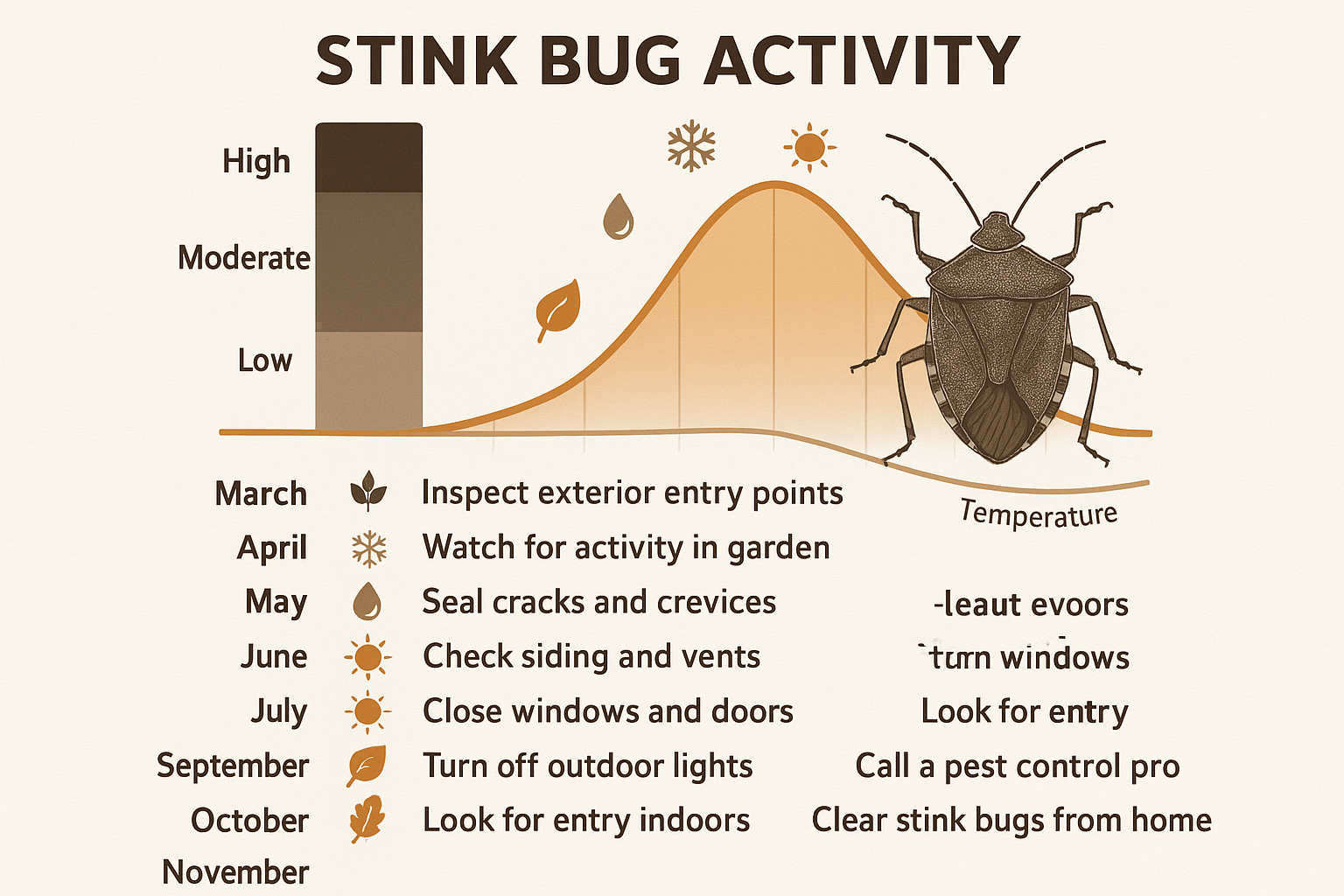
| Month | Activity Level | Key Behavior |
|---|---|---|
| May | Low‑to‑moderate | First adult emergence, early mating |
| June | Moderate | Nymph development accelerates |
| July | High | Peak nymph activity, early adult formation |
| August | High | Full adult population, increased feeding on fruit and vegetables |
| September | Moderate‑high | Adults begin migration toward indoor shelter |
Temperature and Bug Activity
Stink bugs are cold‑blooded; their metabolism spikes when daily highs exceed 70 °F (21 °C). In Decatur, those temperatures typically arrive in late March and linger through early October. Warm, humid days accelerate nymph growth, while sudden cold snaps can stall development and push adults to seek indoor refuge sooner than expected. Monitoring local temperature trends helps you anticipate when a population surge is about to begin.
Monthly Homeowner Action Checklist
- March: Seal cracks around windows, doors, and utility penetrations. Early sealing stops overwintering adults from slipping inside.
- April: Trim vegetation that touches the house foundation. Stink bugs use low‑lying branches as highways.
- June: Remove garden debris, fallen leaves, and fruit scraps. Reducing outdoor food sources limits nymph survival.
- July: Inspect and repair screen mesh. A single tear can become a highway for dozens of bugs.
- August: Dim exterior lighting or switch to yellow‑spectrum bulbs. Bright lights attract the insects during their final migration.
- September: Conduct a thorough interior sweep—check attic corners, wall voids, and under appliances for the first signs of indoor intrusion.
Why Early Action Matters
Stink bugs only need a few weeks of indoor shelter to establish a breeding population that will reappear next spring. By acting before they start seeking refuge—ideally by late August—you cut off the “overwintering pipeline.” Early treatment also reduces the amount of pesticide needed, keeping exposure to family members and pets at a minimum.
Timing Your Treatment with EPA‑IPM Guidelines
The EPA’s Integrated Pest Management (IPM) framework stresses “monitor‑then‑act.” Use the seasonal chart and temperature cues to schedule a professional inspection when activity first spikes (late May) and follow up with a targeted treatment before the September migration rush. Aligning your actions with EPA‑IPM principles not only improves control success but also supports environmentally responsible pest management.
Professional Inspection Process for Stink Bugs

Stink Bug Inspection Decatur GA services from Anthem Pest Control go far beyond a quick glance around your property. When you schedule an inspection, our certified technicians follow a systematic, science-backed process that pinpoints the exact location, size, and severity of a stink bug infestation. This thorough approach not only saves you time and money but also gives you peace of mind knowing that every nook and cranny has been carefully examined by a trained professional.
Step‑by‑step walk‑through
Our inspection begins with an exterior perimeter sweep. The technician walks the entire building envelope, checking for cracks, gaps, and damaged siding where stink bugs love to hide. Next comes a detailed look at the soffit and attic spaces. These areas often trap moisture and provide a warm refuge, making them prime real estate for the bugs. Finally, we perform an interior visual scan, focusing on windows, doors, and any interior cracks that could serve as entry points. Each step is methodical, ensuring no potential harbor goes unnoticed.
Tools of the trade
While a flashlight is a staple, our technicians also bring a moisture meter to detect damp spots that attract stink bugs. In larger homes or hard‑to‑reach areas, we employ thermal imaging cameras. These devices reveal temperature differences that often indicate hidden colonies behind insulation or inside wall cavities. The combination of low‑tech and high‑tech tools lets us locate bugs that might otherwise stay concealed.
Distinguishing stink bugs from harmless insects
During a professional Stink Bug Inspection Decatur GA homeowners rely on, proper identification is critical. Not every brown or green bug is a stink bug, and misidentifying them can lead to unnecessary treatments. Our technicians are trained to recognize the characteristic shield-shaped back, distinctive antennae, and subtle scent glands that set stink bugs apart. By comparing these traits to common houseflies, beetles, or harmless ladybugs, we ensure that only genuine stink-bug infestations receive targeted attention.
Documentation and transparent reporting
Every finding is recorded meticulously. We take photos of each hotspot and compile an infestation map that visualizes the spread across your property. This map, paired with a detailed recommendation report, outlines the severity, suggested treatment options, and a timeline for follow‑up. Anthem’s reporting style is deliberately transparent—homeowners receive a clear, jargon‑free summary that explains what was found, why it matters, and how we’ll address it.
Safety considerations and EPA‑approved IPM practices
Our inspection adheres to Integrated Pest Management (IPM) principles endorsed by the EPA. This means we prioritize non‑chemical solutions first—such as sealing entry points, reducing moisture, and removing food sources—before considering any pesticide application. If chemicals become necessary, we use only EPA‑approved products applied at the lowest effective dose. Throughout the process, we wear protective gear and follow strict safety protocols to protect both your family and the environment.
By the time your Stink Bug Inspection Decatur GA service is complete, you’ll have a comprehensive understanding of the infestation inside your home along with a clear, actionable treatment plan from Anthem Pest Control. Our goal is to turn a potentially stressful pest problem into a manageable, transparent solution you can trust.
When to Call a Pest‑Control Professional

Red‑flag symptoms that scream “professional help needed”
Most homeowners can tolerate the occasional stink bug, but certain signs mean the infestation has crossed the line from nuisance to damage‑risk:
- Swarming in kitchen cabinets. If you open a drawer and are met with a cloud of bugs, the population has likely multiplied behind the walls.
- Repeated sightings after DIY attempts. Sprays, traps, or homemade repellents that only give you a brief reprieve are a clear warning that the bugs are resilient.
- Visible damage to garden beds. Stink bugs feed on beans, tomatoes, and other vegetables. Wilting foliage, tiny holes in pods, or a sudden drop in yield signals a growing outdoor problem.
Why DIY methods often fall short
Do-it‑yourself solutions sound appealing, but they come with three major drawbacks:
- Limited residual effect. Most over‑the‑counter sprays lose potency within days, allowing bugs to rebound quickly.
- Safety concerns. Many products contain chemicals that can irritate skin, eyes, or pets if not applied correctly.
- Incomplete coverage. Stink bugs hide in wall voids, under eaves, and inside attic insulation—areas that a homeowner rarely reaches.
Weighing cost‑benefit: professional treatment vs. self‑treatment
When you compare the price of a few cans of aerosol to a single professional service, the numbers often look similar. However, the value of a licensed technician lies in:
- Targeted, long‑lasting residuals that keep bugs at bay for months.
- Comprehensive inspection that uncovers hidden entry points.
- Reduced risk of re‑infestation, saving you future time and money.
In most cases, the upfront cost of a professional visit pays for itself by preventing repeated DIY purchases and protecting your home’s structural and horticultural health.
How to get started with Anthem Pest Control
Reaching a licensed provider is straightforward. Follow these steps to ensure a swift, accurate response:
- Gather key details. Note the areas where you’ve seen bugs, any DIY products you’ve already tried, and the extent of garden damage.
- Choose your contact method. Call 877‑371‑8196 for immediate assistance, or submit an online request through anthempest.com for a convenient callback.
- Provide your address and preferred service window. Anthem offers a 24‑hour response window, so you’ll hear back quickly.
- Expect a free on‑site quote. A certified technician will inspect, discuss treatment options, and give you a transparent price before any work begins.
Why Anthem’s 24‑hour response matters
Stink bugs reproduce fast, and a delay can turn a manageable situation into a full‑blown infestation. Anthem’s commitment to responding within 24 hours means you won’t waste precious time watching the problem grow. The free on‑site quote also eliminates surprise fees, letting you decide with confidence.
Pricing Comparison – Inspection vs. Full Treatment
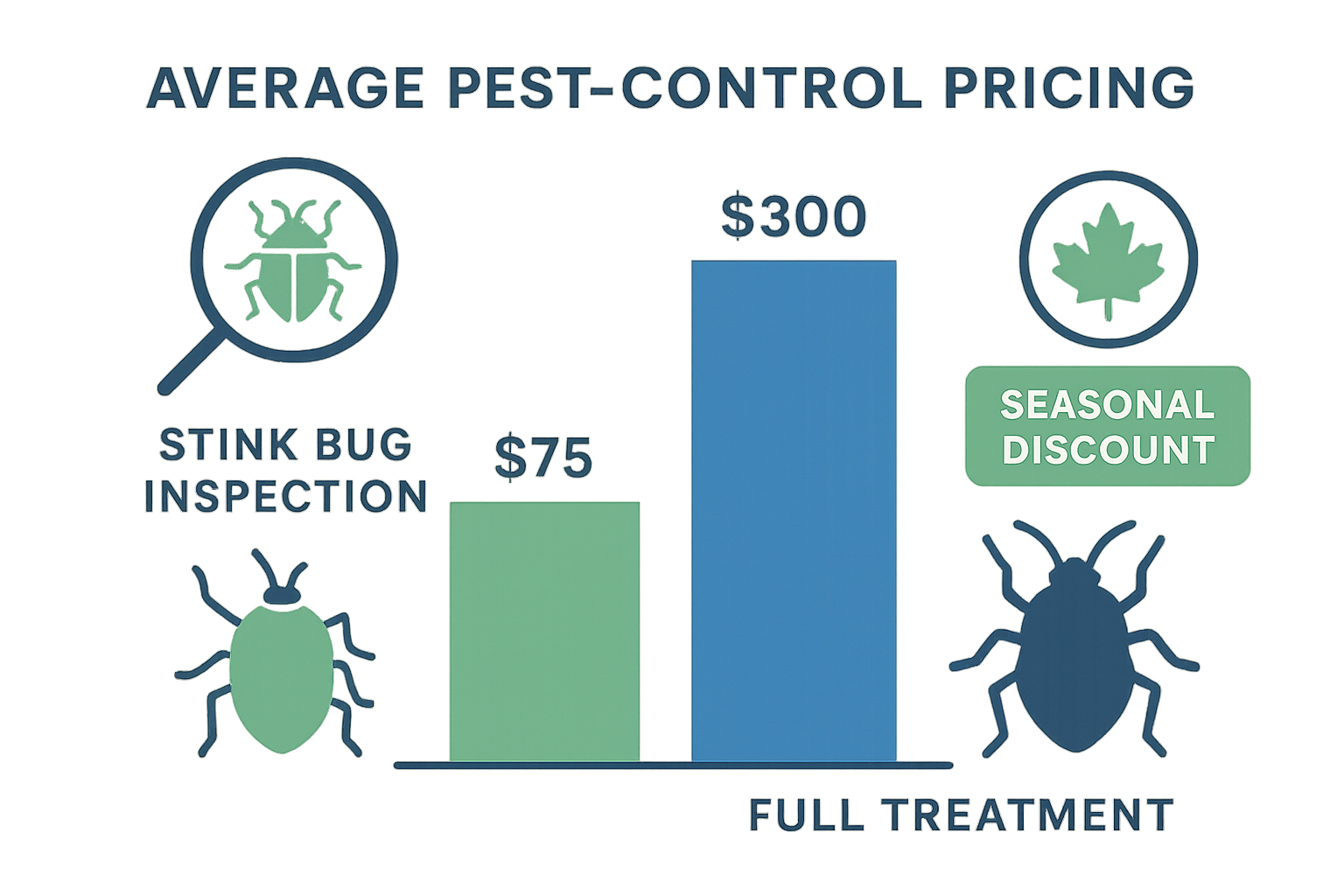
Understanding the cost difference between a simple inspection and a comprehensive stink‑bug treatment helps you budget with confidence. Below is a quick visual snapshot of what most homeowners in Decatur can expect.
| Service | Typical Cost | What’s Included |
|---|---|---|
| Inspection Only | $80 – $120 | 15‑minute exterior walk‑through, detailed report, identification of hot spots, recommendation sheet |
| Full Treatment Package | $250 – $450 | Inspection report, targeted chemical or mechanical application, treatment of all identified zones, one follow‑up visit, warranty documentation |
What’s included in each service?
Inspection only gives you a professional’s eye on the problem. Our technician will walk your property, pinpoint entry points, and hand you a written report that explains the severity and suggests next steps. No chemicals are applied, so you’re paying for expertise and peace of mind.
Full treatment builds on that inspection. After the report, we treat every zone where stink bugs have been seen or are likely to hide. Depending on the infestation, we may use low‑impact chemicals, mechanical traps, or a combination of both. The package also includes a follow‑up visit within two weeks to verify that the bugs are gone and to address any lingering activity.
Seasonal discounts and bundled savings
We know pest control is an unexpected expense, so Anthem Pest offers seasonal promotions—typically 10‑15 % off during the early spring rush when bugs first emerge. If you bundle stink‑bug treatment with another service (like mosquito control or a termite inspection), you can lock in additional savings, sometimes as much as $75 off the combined price.
Factors that can affect pricing
- House size: Larger homes require more treatment zones, which raises material and labor costs.
- Infestation severity: A light, localized problem may be handled with a single application, while a heavy, multi‑story invasion often needs multiple passes.
- Method choice: Chemical treatments are generally less expensive than extensive mechanical solutions such as vacuum‑extraction or heat‑treatment, but we always prioritize the safest option for your family and pets.
Get your personalized quote today
Because every property is unique, the best way to lock in an accurate rate is to request a custom quote. Give us a call at 877‑371‑8196 or visit anthempest.com to schedule a free inspection. Our transparent pricing ensures you know exactly what you’re paying for—no hidden fees, just reliable protection against stink bugs.
Protect Your Home with Anthem Pest Control
Early identification of stink bugs—and any other unwelcome guests—can mean the difference between a quick fix and a full‑blown infestation. That’s why catching the problem in the spring, before the bugs start seeking shelter inside, is crucial. Pair that timing with a professional inspection, and you’ve already taken the smartest step toward a pest‑free home.
At Anthem Pest Control, we back that proactive approach with EPA‑compliant Integrated Pest Management (IPM) solutions. Our technicians use the least‑toxic options first, reserving stronger treatments only when absolutely necessary. The result is a safe environment for your family, pets, and plants, while still delivering the knock‑out power pests need.
Transparency is another pillar of our service. From the moment you request a quote, you’ll see clear, upfront pricing—no hidden fees, no surprise add‑ons. We believe you should know exactly what you’re paying for, whether it’s a single stink‑bug treatment or a comprehensive protection plan.
More Than Just Stink Bugs
Anthem isn’t a one‑trick pony. While we excel at stink‑bug inspections in Decatur, we also protect homes from termites, rodents, bed bugs, mosquitoes, cockroaches, ants, and countless other pests. Think of us as your single point of contact for year‑round home protection—whether you need a one‑time extermination or an ongoing maintenance schedule.
Ready for a Free, No‑Obligation Quote?
We understand that every home is unique, so we offer a complimentary assessment to pinpoint the exact pests you’re dealing with and recommend the most effective, cost‑efficient solution. Our friendly technicians will walk you through the findings, answer any questions, and provide a detailed estimate—no pressure, just honest advice.
Give us a call today at 877‑371‑8196 or visit our website to schedule your free quote. Our online form is quick and easy, and you’ll receive a confirmation within minutes.
Take the next step toward a healthier, pest‑free home. Visit Anthem Pest Control now and discover how simple protection can be when you partner with experts who care about your safety and budget.