Why Stink Bugs Are a Growing Concern for Georgia Homeowners
The brown marmorated stink bug (Halyomorpha halys) is an invasive pest that originated in East Asia and arrived in the United States via international trade shipments. Since its first detection in the early 2000s, the bug has spread rapidly across the Midwest and Southeast, establishing a strong foothold in Georgia’s climate and increasing the demand for stink bug inspection Peachtree City homeowners rely on to identify infestations early. Its distinctive shield-shaped body, mottled brown coloration, and the notorious odor it releases when disturbed make it instantly recognizable to most homeowners.
How Stink Bugs Slip Inside
During the warm months, stink bugs live outdoors, feeding on a wide variety of plants. As temperatures dip in late summer and fall, they seek shelter from the cold. Small cracks around windows, gaps in siding, utility openings, and even the tiniest spaces around vent pipes become invitation‑only entry points. Once inside, they congregate in wall voids, attics, and crawl spaces, emerging at night to wander through kitchens and bedrooms. The sheer number of bugs that can squeeze through a penny‑sized crack is why a single infestation can quickly turn into a full‑house nuisance.
Damage to Gardens and Landscape
Stink bugs are polyphagous—meaning they feast on dozens of plant species. In Georgia, they target popular garden crops such as tomatoes, peppers, beans, and corn, as well as ornamental shrubs and fruit trees like peaches, apples, and persimmons. Their feeding method involves inserting a needle‑like mouthpart to extract plant juices, leaving behind shriveled, discolored spots that can ruin entire harvests. A single adult can damage dozens of fruits in a season, and a colony of a few hundred can decimate a homeowner’s vegetable garden or reduce the market value of a backyard orchard.
Health Concerns and Psychological Impact
While stink bugs are not known to transmit diseases, their defensive spray can cause a lingering, unpleasant odor that permeates clothing, furniture, and even indoor air. For sensitive individuals, direct contact may trigger mild skin irritation or allergic reactions, especially if the spray lands on the eyes or mucous membranes. Beyond the physical effects, the sight of hundreds of bugs clustering on walls or inside appliances can be unsettling. Homeowners often report increased anxiety and a sense of loss of control when faced with a large, smelly infestation—especially during the colder months when the bugs are most likely to seek refuge indoors.
Expert Guidance for Georgia Residents
Understanding the biology and behavior of stink bugs is the first step toward effective control. The Georgia‑specific pest resource from Peachtree Pest Control offers detailed recommendations on inspection timing, exclusion techniques, and safe treatment options tailored to the local climate. By following these guidelines and partnering with a professional service like Anthem Pest Control, homeowners can reduce the likelihood of indoor invasions and protect their gardens from costly damage.
Georgia’s Stink Bug Activity Calendar – When to Watch and Act
Life Cycle and Temperature
Stink bugs follow a simple three‑stage life cycle: egg → nymph → adult. In Georgia’s climate, temperature is the master switch. When soil and air temperatures consistently stay above 55°F (13°C), eggs hatch and nymphs begin feeding. As warmth climbs into the 70‑80°F range, nymphs mature rapidly, and adults emerge in large numbers. Cooler nights slow development, while a sudden cold snap can halt activity altogether.
Reading the Seasonal Activity Chart
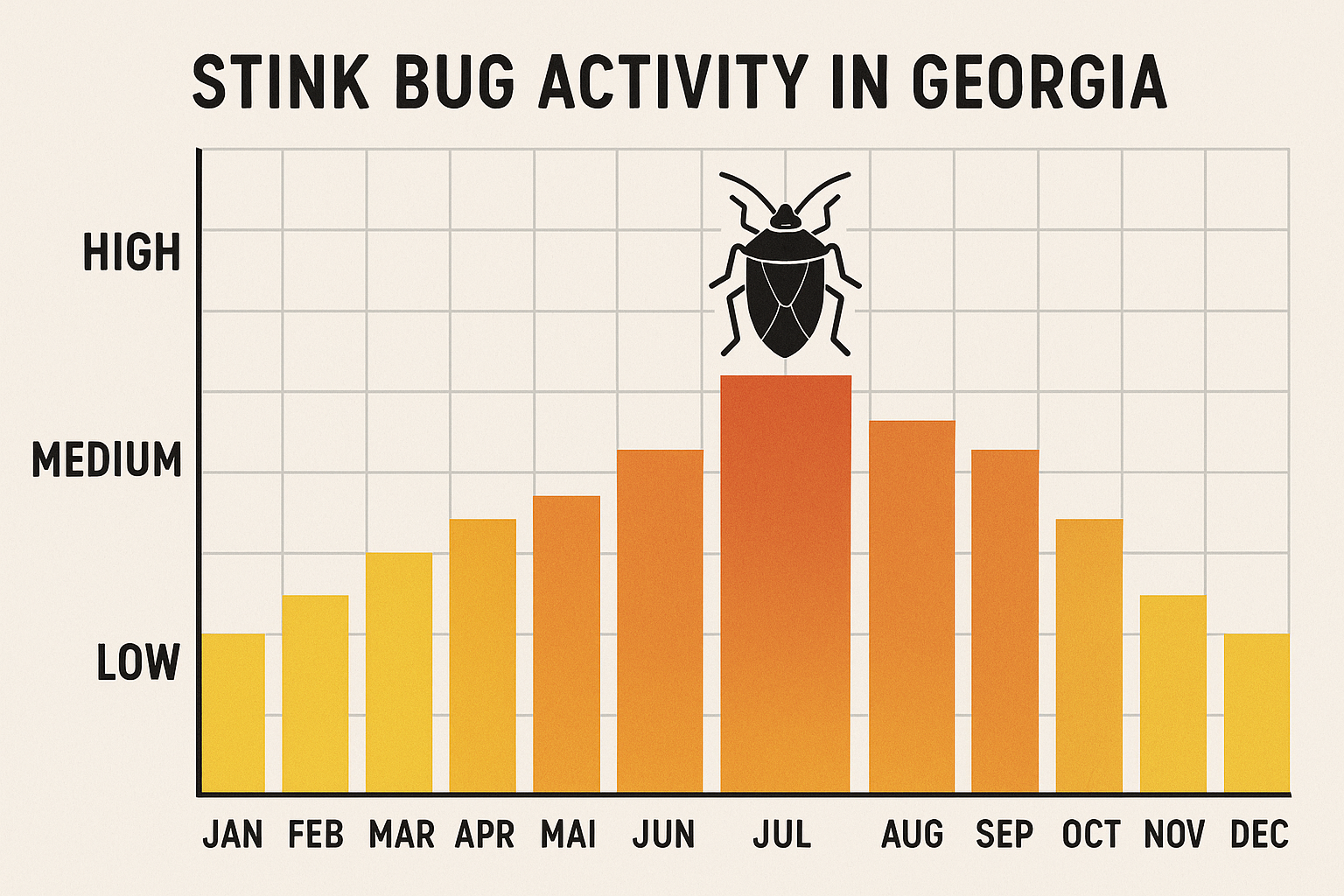
The chart plots months on the horizontal axis and activity level on the vertical axis, providing helpful insight for scheduling a stink bug inspection Peachtree City homeowners can rely on. Expect a gentle rise from March through May as the first generation of adults appears. Activity spikes sharply in July and August, then plateaus through September. By October, the line begins its descent as bugs seek warm shelter for winter. The lowest points occur from December through February.
High‑Risk Months: Late Summer to Early Fall
July, August, and September are the danger zone for homeowners in Peachtree City. During these months, adult stink bugs are at their peak feeding and breeding rates, and the population surge forces many to look for overwintering sites inside homes—especially around windows, doors, and attic vents. This is the optimal window for professional treatment, as chemicals work best when bugs are actively feeding.
Low‑Activity Periods: Winter Focus on Prevention
From November through February, stink bugs are largely dormant. While you won’t see many live insects, winter is the perfect time to seal entry points. Caulking gaps, installing door sweeps, and repairing damaged screens can block the bugs that try to slip inside as temperatures drop. Because the insects are not actively feeding, chemical treatments are less effective and often unnecessary during this lull.
Tips for Homeowners to Monitor Activity
- Visual inspections: Walk the perimeter of your home weekly during peak months. Look for clusters of bugs on sunny walls, windowsills, and outdoor lights.
- Light traps: Set up a simple UV‑light trap near a doorway at night. The insects are attracted to the glow, making it easy to gauge population levels.
- Record sightings: Keep a small log of dates, locations, and numbers observed. This data helps you and a pest‑control professional pinpoint the exact timing for treatment.
Effective Stink Bug Treatment Options and What to Expect
When stink bugs invade a Peachtree City home, the goal is simple: eliminate the current infestation and prevent future arrivals—starting with a professional stink bug inspection Peachtree City homeowners trust. Below, we break down the most common treatment methods, explain how they’re applied, and outline the results you can anticipate—whether you tackle the problem yourself or call a licensed technician from Anthem Pest Control.
Chemical Barriers
Professional-grade insecticides create a protective “wall” around your property. The two primary applications are:
- Perimeter sprays: Technicians treat the exterior foundation, siding, and crawl spaces with a residual formula that remains active for weeks. This stops bugs from crossing the threshold.
- Indoor residual treatments: Low‑toxicity sprays are applied to cracks, baseboards, and entry points inside the home. The chemicals stay effective for 30‑45 days, killing any stink bugs that wander indoors.
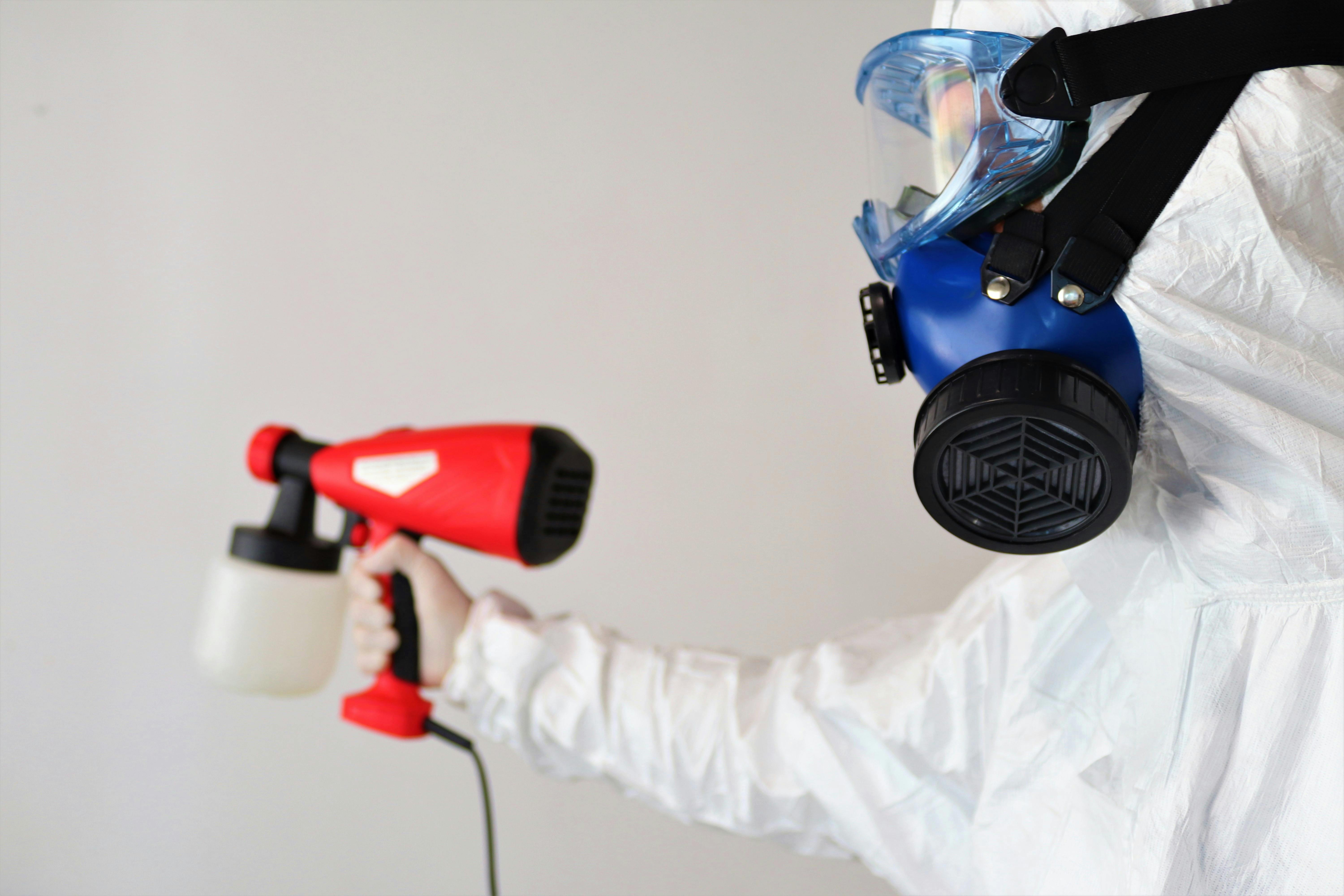
Safety is paramount. Licensed technicians wear proper personal protective equipment (PPE), follow label directions, and use the minimum effective dosage. Homeowners should keep children and pets away from treated zones for the recommended re‑entry time—usually a few hours for perimeter work and up to 24 hours for indoor applications.
Non‑Chemical Approaches
If you prefer a chemical‑free route, several tactics can reduce stink bug numbers:
- Vacuuming: A handheld shop‑vac with a sealed bag captures bugs quickly. Empty the bag outdoors immediately to avoid re‑release.
- Steam treatments: Professional steamers deliver >200 °F vapor directly onto hiding spots, killing bugs on contact without residues.
- Exclusion techniques: Sealing cracks, repairing screens, and installing door sweeps block entry points. Even a thin layer of silicone caulk can make a big difference.
These methods are excellent for spot treatments or for homeowners who want to minimize chemical exposure, but they often require repeated effort to keep the bug population at bay.
Professional vs. DIY
Choosing between a DIY kit and a licensed technician hinges on three factors: effectiveness, safety, and long‑term protection.
- Proper PPE and handling: Professionals are trained to wear respirators, gloves, and eye protection, reducing health risks.
- Correct dosage and placement: Over‑application can lead to resistance or hazardous residues, while under‑application leaves gaps for bugs to exploit.
- Warranty and follow‑up: Anthem Pest offers a satisfaction guarantee and can schedule a revisit if the initial treatment falls short.
DIY products can work for minor sightings, but they rarely provide the comprehensive barrier that a full‑service plan delivers.
What a Typical Professional Visit Looks Like
- Inspection: The technician walks the property, identifying hot spots, entry points, and any structural conditions that favor stink bugs.
- Treatment plan: Based on the findings, a customized mix of perimeter spray, indoor residual, and exclusion measures is proposed.
- Application: Using calibrated equipment, the technician applies the chemicals precisely where needed, then follows up with steam or vacuuming for immediate knock‑down.
- Post‑treatment walkthrough: Homeowners receive a clear report, safety instructions, and a visual check of treated zones.
Most customers notice a sharp decline in stink bug activity within 24–48 hours after a professional stink bug inspection Peachtree City homeowners trust is completed. Residual protection continues to work for up to six weeks, giving you a pest-free window to enjoy your home.
Visual Proof of Success
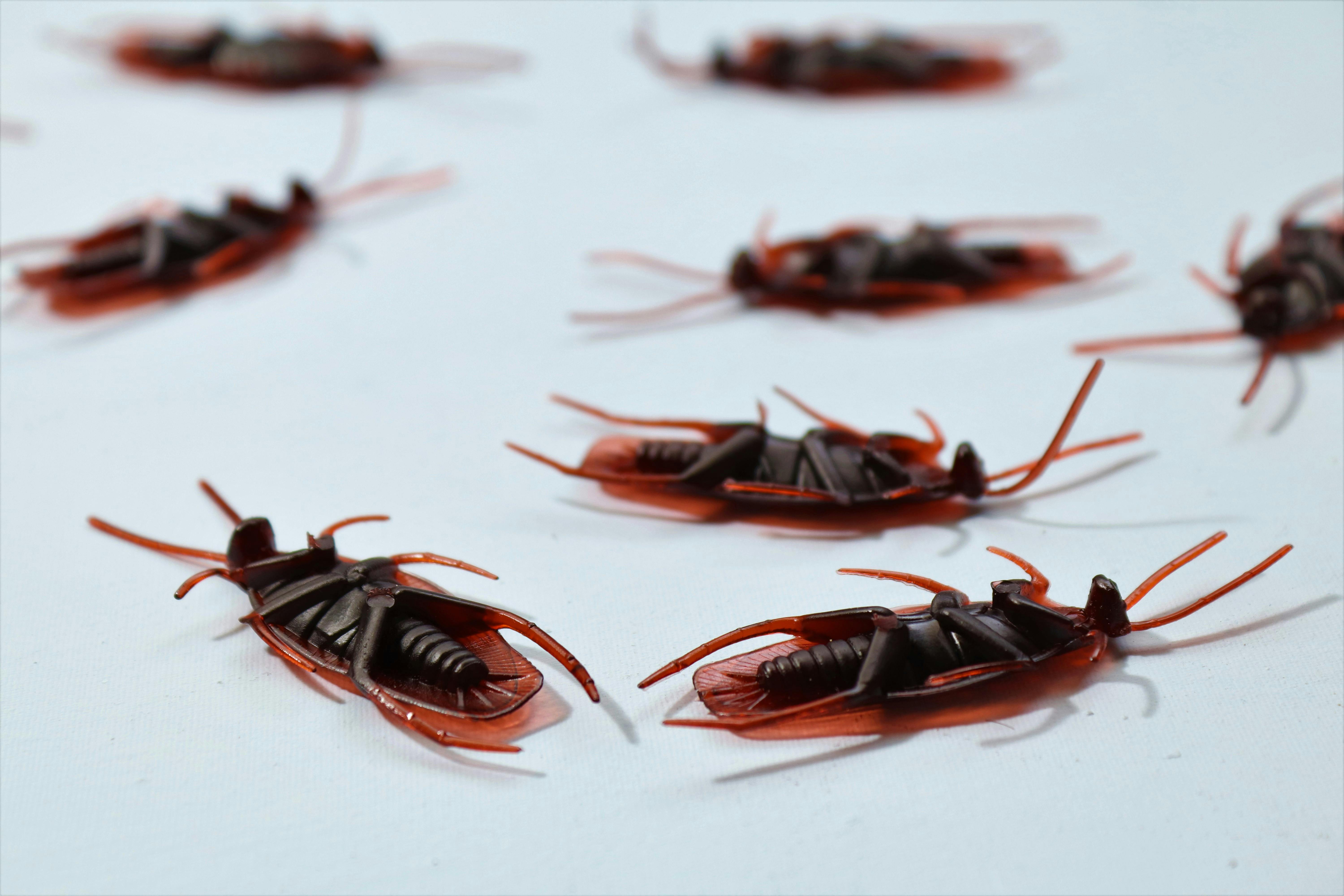
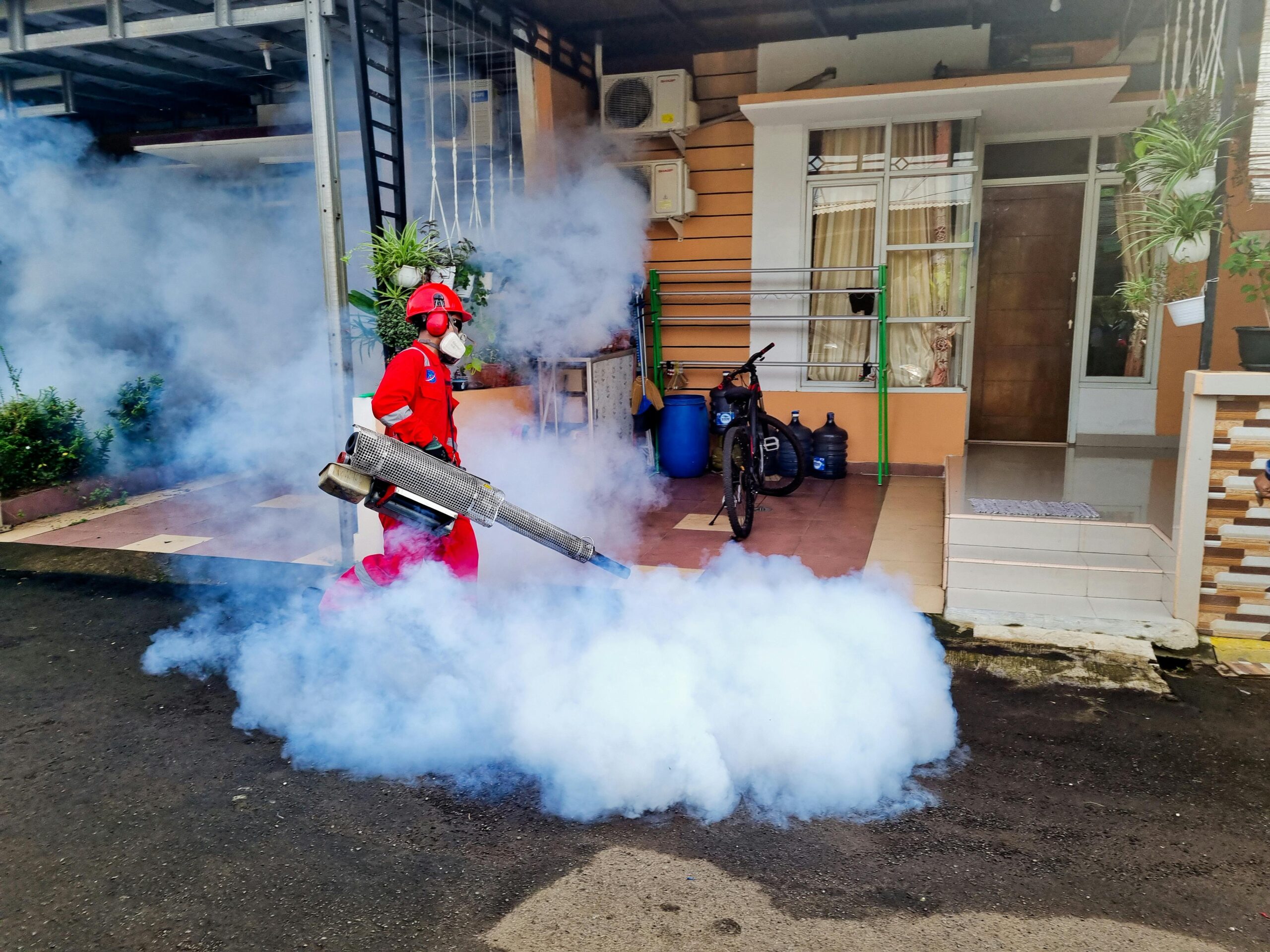
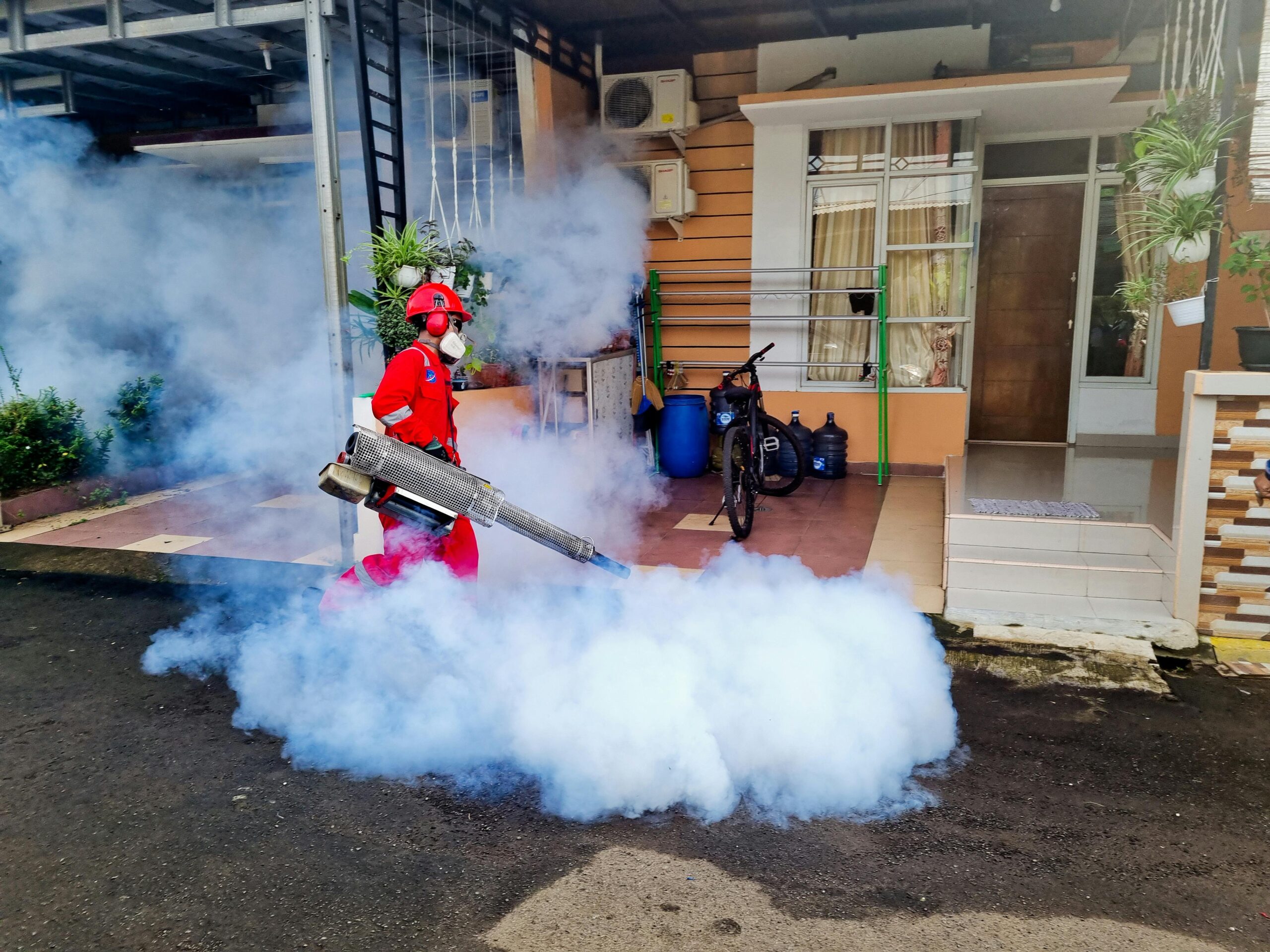
The image above illustrates the kind of result you can expect after a thorough professional treatment—visible evidence that the stink bugs have been eliminated and that your home is back to its comfortable, odor‑free state.
Understanding Inspection and Treatment Costs for Stink Bugs
Flat‑Fee Inspection: What You Get
A flat‑fee inspection typically runs between $75 and $120, regardless of property size. The fee covers a thorough walk‑through by a certified technician who will:
- Identify the stink‑bug species present and confirm they’re the culprits.
- Assess activity levels by checking indoor traps, outdoor light sources, and seasonal patterns.
- Review common entry points—cracks, vents, and foundation gaps—to gauge how easily bugs can get inside.
This all‑inclusive approach means you won’t be surprised by hidden charges after the visit.
Treatment Pricing Models
Once the stink bug inspection Peachtree City homeowners rely on is complete, Anthem Pest Control offers three transparent pricing structures:
- Per hour: $85 / hour, ideal for small homes or targeted spot‑treatments.
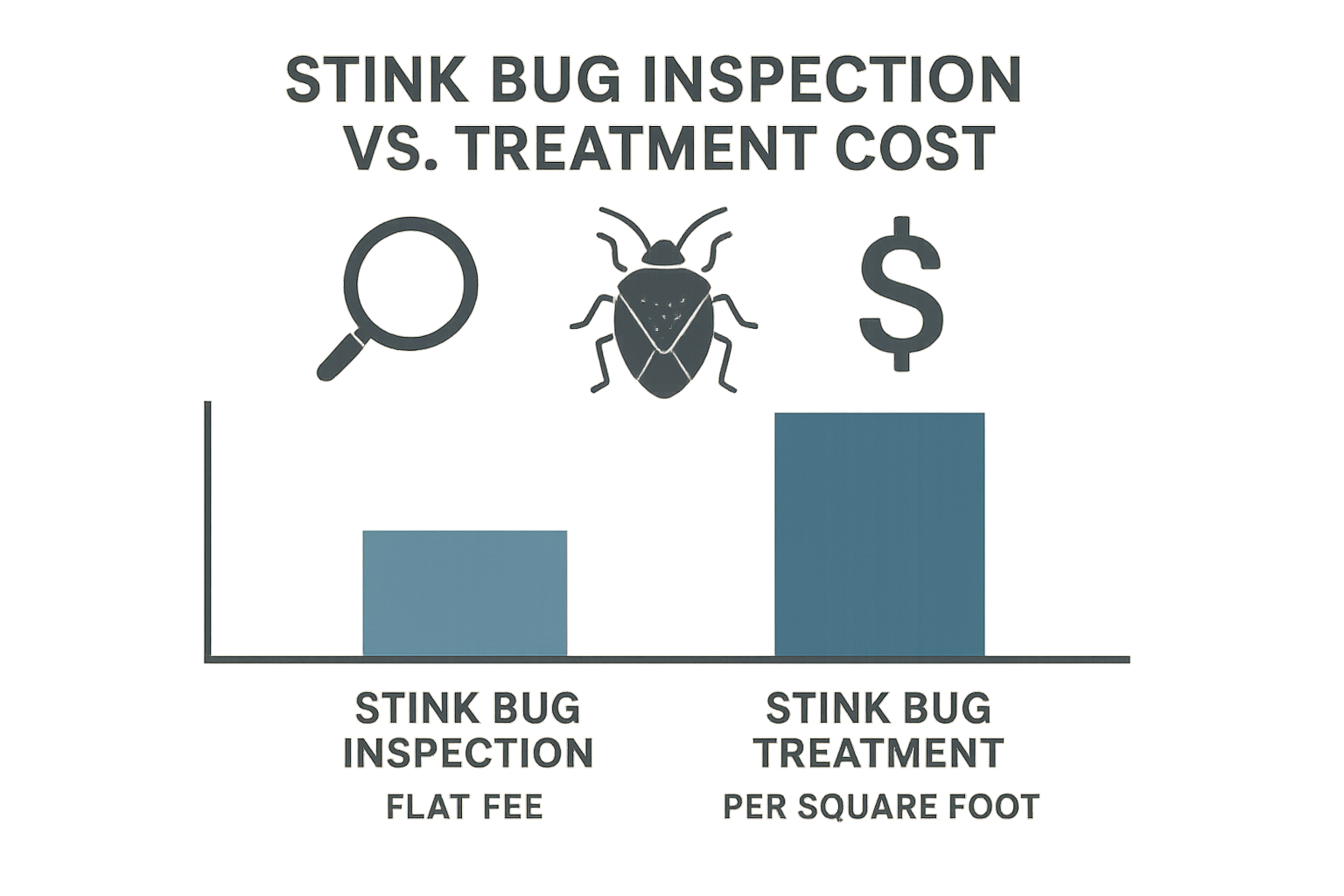
- Per square foot: $0.12 / sq ft, best for larger properties where coverage area dictates material use.
- Seasonal discounts: 10‑15 % off during the early spring window (March‑May) when bugs first emerge, encouraging proactive control.
Each model includes the same EPA‑approved products, a follow‑up visit, and a warranty period that matches the treatment type.
Cost‑Comparison Infographic
Factors That Influence Your Quote
While the base rates are consistent, the final cost can shift based on three key variables:
- Property size: Larger homes or acreage require more product and longer application times.
- Infestation severity: A light presence may need a single spray, whereas a heavy outbreak could involve multiple treatments and additional monitoring.
- Additional services: Sealing cracks, installing door sweeps, or adding barrier treatments for adjacent structures adds a modest line‑item, typically $50‑$150 per service.
Our Transparency Pledge
Anthem Pest Control believes you deserve a clear, upfront quote before any work begins. Our technicians provide a written estimate that breaks down every component—inspection, labor, materials, and optional extras—so you can budget confidently and avoid surprise fees. If the scope changes after the initial visit, we discuss adjustments immediately and obtain your approval before proceeding.
Protect Your Home Today with Anthem Pest Control
Stink bugs become a nuisance as temperatures rise in late spring and early summer, seeking shelter in wall voids, attics, and kitchen cabinets. Their feeding can discolor fruits, vegetables, and ornamental plants, while large numbers create an unpleasant odor that lingers in your home. Homeowners typically choose between DIY sprays, barrier treatments, or a full‑service extermination plan—each with its own effectiveness and safety considerations.
A professional inspection from Anthem Pest Control gives you a clear picture of the infestation level and the most cost‑effective treatment path. Our certified technicians conduct a thorough walk‑through, identify entry points, and provide a transparent, itemized quote before any work begins. This upfront approach eliminates surprise fees and ensures you understand exactly what’s being done to protect your family and property.
If you’ve spotted a few stink bugs crawling across windowsills or you simply want to prevent a future invasion, our team is ready to help. We combine industry‑leading products with proven application techniques, all while respecting the safety of children, pets, and the environment.
Give us a call at 877‑371‑8196 for a free, no‑obligation quote. Our friendly staff will schedule a same‑day inspection at a time that fits your busy schedule, and you’ll receive a detailed report outlining recommended actions and associated costs—nothing hidden.
Take the first step toward a stink-bug-free home today by scheduling a stink bug inspection Peachtree City homeowners trust. Visit Anthem Pest Control to learn more about our services and request your complimentary quote.