Ant Infestations in Dunwoody – Why They Happen

Imagine coming home after a long day, setting down a glass of water, and noticing a tiny army of ants marching across your kitchen counter toward the crumbs left behind. That unsettling sight is all too familiar for many Dunwoody residents searching for reliable ant control Dunwoody GA solutions, and it’s usually the first clue that an indoor colony is establishing a foothold.
Why Dunwoody Is a Magnet for Ants
The Atlanta metro area’s climate creates a perfect breeding ground for ants. Warm summers regularly top 90°F, while humid springs keep soil moisture high—conditions that accelerate colony growth. Add to that the prevalence of landscaped yards, mulch beds, and ornamental plantings common in Dunwoody neighborhoods, and you’ve got an abundant food and shelter supply just outside the front door.
Data backs up what homeowners experience on the ground. According to the USDA’s 2023 pest‑complaint report, Georgia ranked fourth nationwide for ant complaints, a clear indicator that the Peach State’s environment is especially inviting to these persistent insects.
What This Article Will Deliver
Our goal here is three‑fold:
- Break down pricing: We’ll demystify the cost of professional ant treatments so you know exactly what you’re paying for.
- Seasonal activity calendar: Learn when ant activity spikes and when the best time to intervene is.
- Local expertise: See why Anthem Pest Control is the trusted partner for Dunwoody homeowners seeking reliable, transparent solutions.
Beyond the numbers and timelines, you’ll walk away with actionable tips you can start using today—like proper food storage, moisture control, and simple perimeter barriers—to keep ant trails at bay while you schedule a professional inspection.
Identifying the Ants Invading Your Home
When you spot tiny invaders marching across your kitchen floor or notice gnawed wood in the backyard, knowing which ant you’re dealing with is the first step toward effective control.
Carpenter Ants
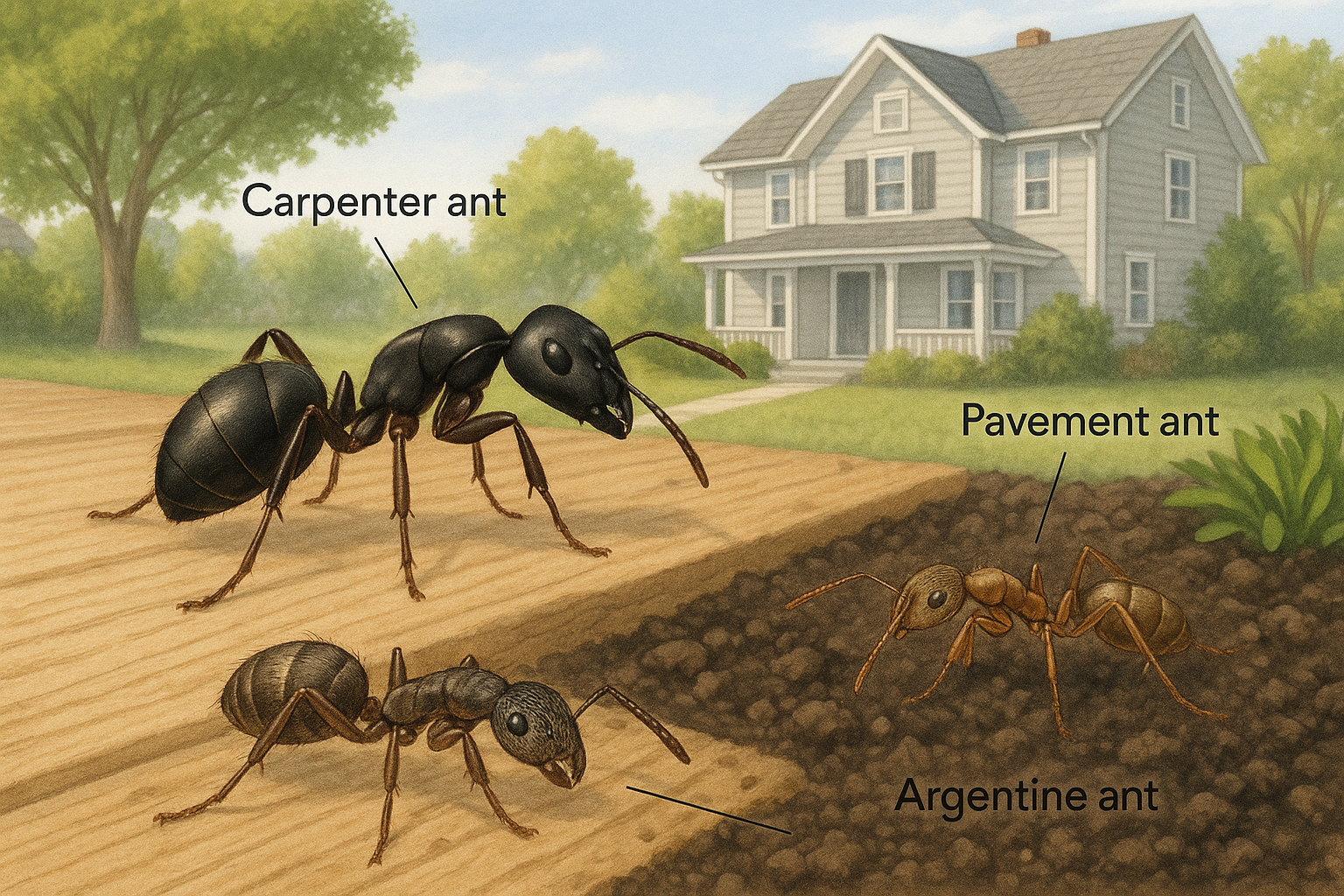
Carpenter ants are the largest household ants in the Southeast, with workers ranging from ¼ to ½ inch long. Their bodies are a glossy black‑brown, and the thorax often shows a faint “waist” that distinguishes them from other species. Unlike termites, they don’t eat wood; instead, they hollow out moist, decaying timber to create nesting tunnels. In Dunwoody, they love the damp wood of decks, fences, and any structural member that contacts the water‑rich soils near Peachtree Creek. Over time, a colony can carve out galleries that weaken a deck’s support beams, leading to sagging or even collapse if left untreated.
- Size: ¼–½ in, larger than most household ants
- Color: Shiny black‑brown, sometimes with a faint reddish hue
- Habitat: Moist wood, decks, tree stumps, and wall voids
- Damage: Structural weakening of wood, audible rustling in walls
Pavement Ants
Pavement ants are the classic “kitchen ant.” They measure about ⅛ inch, are dark brown to black, and have a single node between the thorax and abdomen. Their colonies thrive under sidewalks, driveways, and the cracks of concrete patios. In Dunwoody, you’ll often see long foraging trails snaking from the base of the Dunwoody Shopping Center to nearby homes, especially after a rain. They’re attracted to sugary spills, pet food, and even the sweet nectar of indoor houseplants, making them frequent indoor guests during warm months.
- Size: ~⅛ in, small and fast
- Color: Dark brown to black
- Habitat: Concrete cracks, sidewalks, under pavers
- Behavior: Forms extensive outdoor trails, enters homes for sweets
Argentine Ants
Argentine ants are a newer threat in the Atlanta metro area. Workers range from light to dark brown and are slightly smaller than pavement ants, but their real power lies in their aggressive supercolonies. They love warm, moist mulch, flower beds, and any shaded soil that retains humidity. During the fall, these colonies explode outward, quickly colonizing neighboring yards. Their sheer numbers can overwhelm native ant species, and they’ll forage inside homes in search of protein and sweet foods, often appearing as a moving carpet along baseboards.
- Size: Slightly smaller than pavement ants
- Color: Light‑to‑dark brown
- Habitat: Warm, moist mulch and shaded garden beds
- Spread: Rapid expansion in fall, forming massive supercolonies
According to the EPA’s 2022 pest‑type breakdown, ants represent 27 % of all residential pest calls in the Southeast, making them the single most reported nuisance insect in the region (EPA 2022 data).
Professional Ant Control vs DIY Solutions
Why DIY feels tempting
Most homeowners reach for the nearest ant chalk, a spray from the hardware aisle, or a quick‑mix vinegar solution. These products promise an instant “no‑more‑ants” fix and they’re cheap enough to keep a bottle under the sink. In practice, they often target the visible workers on the kitchen counter but do little for the hidden colony deep in wall voids or under concrete slabs. The result? Ant trails reappear after a few days, and you find yourself re‑applying the same remedy over and over.
Hidden health and efficacy risks
When you apply over‑the‑counter pesticides without proper training, you risk more than just a lingering ant problem. The CDC’s 2021 study linked improper pesticide use to increased exposure and respiratory irritation [CDC 2021 report]. Unregistered “natural” powders and homemade concoctions can also damage indoor air quality, especially in homes with children or pets. Moreover, many DIY sprays lack the residual power needed to break the queen’s reproductive cycle, so colonies bounce back stronger.
What a professional service brings to the table
Anthem Pest Control eliminates those guesswork pitfalls with EPA‑registered formulations that are rigorously tested for safety and long‑lasting effectiveness. Our technicians calibrate each application to the size of your home, ensuring the right amount of bait or spray reaches every potential entry point. After the initial treatment, we schedule follow‑up inspections to verify that the colony is truly collapsed and to address any new activity before it spreads.
Because we stand behind our work, every residential ant program includes a 2‑year guarantee. If ants reappear within that window, we return at no extra charge, re‑treat, and re‑educate you on preventative steps. This warranty reflects confidence that our integrated approach—combining bait stations, perimeter treatments, and moisture management—outperforms any quick‑fix you can buy at a big‑box store.
“After trying store‑bought sprays, I called Anthem Pest. Within a week the trails vanished and the technician explained why the bait stations work better.” – A. M., Dunwoody homeowner
Bottom line for the savvy homeowner
If you’re looking for a one‑time, low‑cost patch, DIY might seem attractive, but the hidden health risks and short‑term results often cost more in time and frustration. Investing in Anthem’s professional ant control gives you EPA‑approved chemistry, precise application, ongoing monitoring, and a two‑year peace‑of‑mind guarantee—so you can enjoy an ant‑free home without the constant cycle of “spray‑and‑wait.”
Ant Treatment Options and Transparent Pricing
When ants march into your kitchen or crawl through wall voids, the right professional treatment can stop the invasion fast and keep it from returning. For homeowners looking for reliable ant control Dunwoody GA, Anthem Pest Control offers three proven methods that target colonies at different stages, each with a clear price range so you know exactly what you’re paying for.
Bait Stations – The “Trojan Horse” Strategy
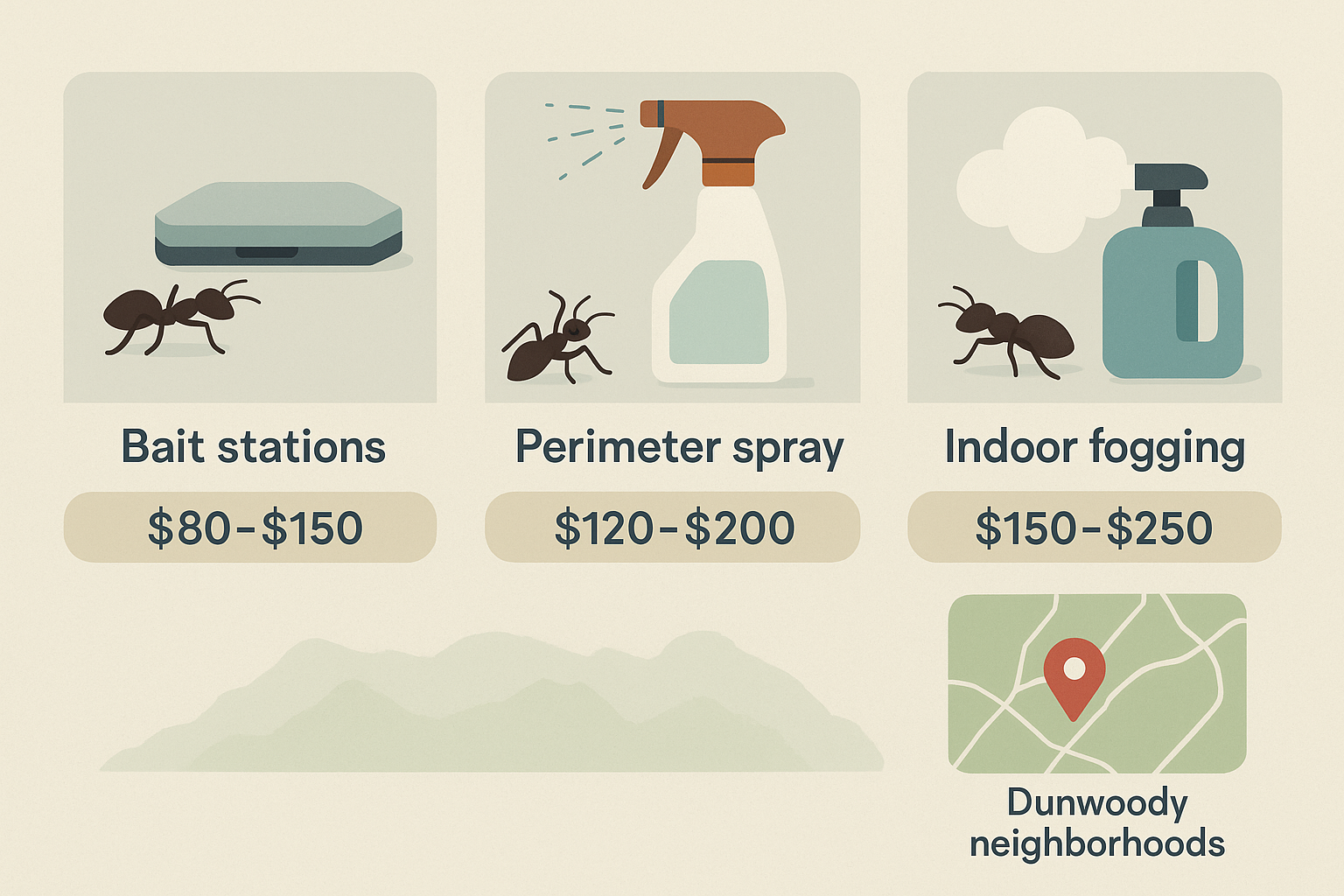
Bait stations use either a sweet‑tasting gel or granular formulation that foraging workers can’t resist. The ants carry the toxic bait back to the nest, where it spreads through the colony, eventually killing the queen and all hidden workers. Placement is key: position stations near entry points, along baseboards, and under appliances where you’ve seen trails. Because the bait works over several days, you’ll notice a gradual decline in activity rather than an instant “zap.”
Typical cost: $80 – $150 per treatment. This fee includes a thorough inspection, the bait products, and strategic placement for optimal results.
Perimeter Spray – Shielding Your Home’s Exterior
Perimeter spraying creates a chemical barrier around the outside of your house, using EPA‑registered pyrethroids or neonicotinoids that repel or kill ants before they even reach your doors. Technicians apply the spray to foundation walls, door frames, windows, and any cracks where ants could slip through. Most homeowners schedule this service quarterly, which maintains a consistent shield throughout the active season.
Typical cost: $120 – $200 per treatment. The price covers the full exterior application and a follow‑up check to ensure the barrier remains intact.
Indoor Fogging/Spot Treatment – Heavy‑Duty Rescue
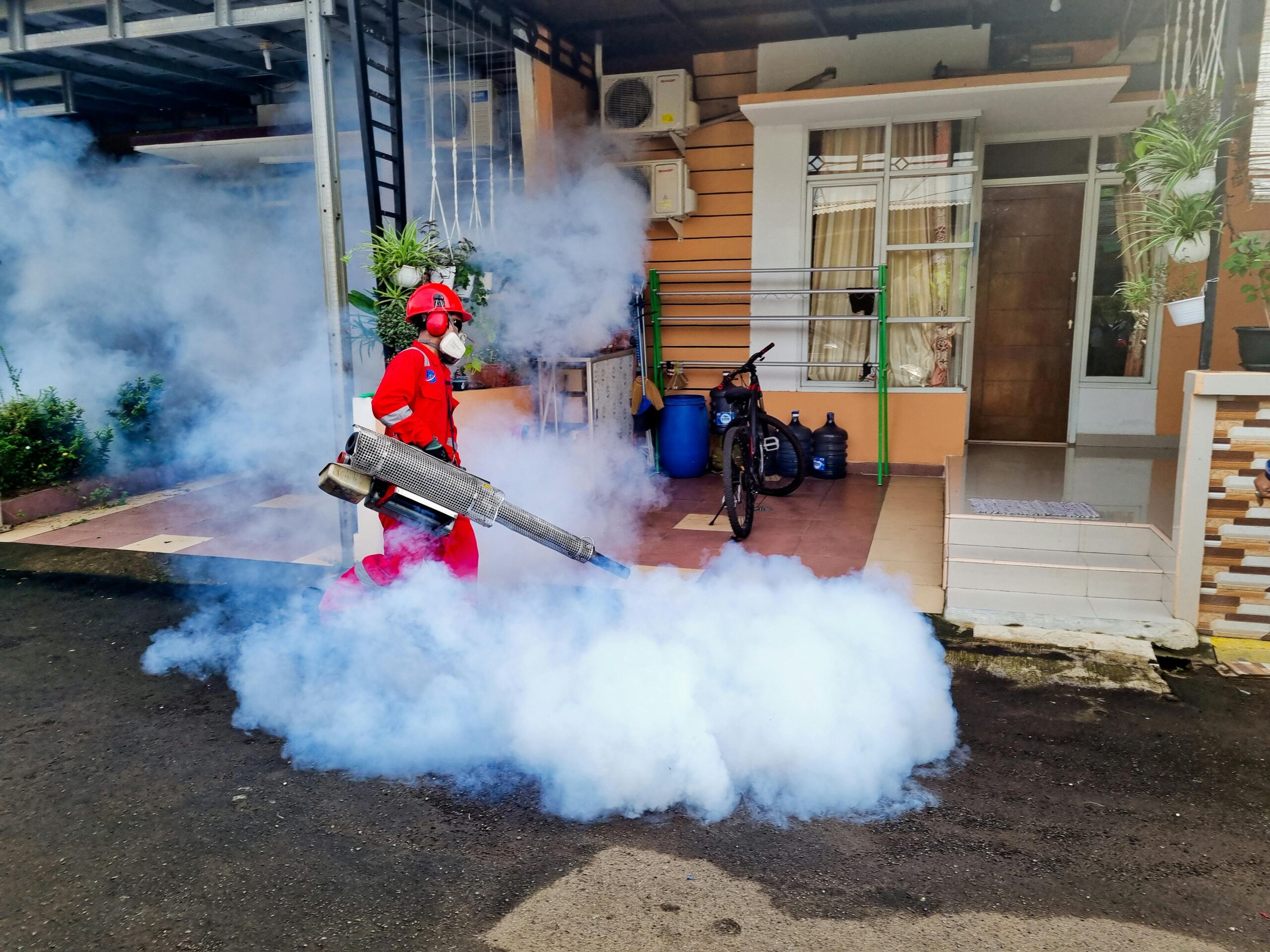
When an infestation is severe—especially in wall voids, under cabinets, or in crawl spaces—indoor fogging or spot treatment is the most aggressive option. Technicians use a low‑pressure fogger that disperses a fine mist of fast‑acting insecticide, reaching cracks and crevices that baits or sprays can’t. This method is ideal for immediate knock‑down of large ant populations while you arrange longer‑term bait or perimeter solutions.
Typical cost: $150 – $250 per treatment. The fee includes the fogging equipment, the insecticide, and a post‑treatment walkthrough to verify coverage.
| Method | Pros | Cons | Price Range |
|---|---|---|---|
| Bait Stations | Targets the colony at its source; low toxicity to humans and pets; long‑term control. | Requires several days to see results; less effective for massive outdoor colonies. | $80 – $150 |
| Perimeter Spray | Creates a protective barrier; immediate deterrent; works for a full season with quarterly re‑application. | Doesn’t eliminate the nest inside the home; may need repeat applications. | $120 – $200 |
| Indoor Fogging/Spot Treatment | Rapid knock‑down of heavy infestations; reaches hidden voids; can be combined with other methods. | Higher upfront cost; may require follow‑up baiting for lasting control. | $150 – $250 |
Transparent Pricing and Anthem’s Peace‑of‑Mind Guarantee
All three options come with Anthem Pest’s industry-leading 2-year guarantee. If ants return within that period, we’ll revisit your home at no extra charge and re-apply the appropriate treatment, reinforcing our commitment to reliable ant control Dunwoody GA homeowners can trust. Additionally, every package includes a complimentary follow-up inspection—usually scheduled 30 days after the initial service—to confirm that the colony is truly gone and that your home remains protected.
Because we list exact price ranges up front, you won’t encounter hidden fees or surprise add‑ons. Our technicians explain which method (or combination) best fits your infestation level, your budget, and your comfort with chemicals, ensuring you make an informed decision without any guesswork.
Choosing the right ant control plan is about more than cost; it’s about long‑term results and confidence that your home stays ant‑free. With Anthem Pest’s transparent pricing, clear treatment pathways, and a solid guarantee, you can enjoy a pest‑free environment without the stress of hidden expenses.
Seasonal Ant Activity Calendar for Dunwoody
Understanding when each ant species is most active helps you stay one step ahead. Below is a month‑by‑month guide that pairs the busiest ant in Dunwoody with a short, actionable prevention checklist. Follow these steps and you’ll reduce the chances of an infestation before it even starts.
March – Pavement Ants
- Sweep entryways daily to remove food crumbs.
- Store outdoor trash in sealed containers.
- Trim low‑lying shrubs that touch the house.
April – Pavement Ants
- Inspect foundation cracks and apply caulk.
- Keep patio furniture away from walls.
- Remove standing water from flowerpots.
May – Pavement Ants
- Vacuum ant trails before they spread.
- Check for ant nests under pavers and sand them out.
- Continue sealing trash bins tightly.
June – Carpenter Ants
- Examine wooden decks for soft spots or moisture.
- Repair any leaky gutters or downspouts.
- Maintain a gap of at least 6 inches between wood and soil.
July – Carpenter Ants
- Replace any rotted wood on fences or porches.
- Use a dehumidifier in damp basements.
- Keep firewood stacked away from the home’s exterior.
August – Carpenter Ants
- Inspect attic insulation for signs of ant activity.
- Seal any vent openings that lead to wood structures.
- Trim tree branches that brush against the roof.
September – Argentine Ants
- Rake and remove fallen leaves promptly.
- Reduce mulch depth to no more than 2 inches.
- Seal foundation cracks where colonies can enter.
October – Argentine Ants
- Clear debris from garden beds and walkways.
- Inspect outdoor compost piles for ant tunnels.
- Maintain a dry perimeter around the house.
November – General Prevention
- Store firewood indoors or on a raised platform.
- Run a final sweep of kitchen counters and floors.
- Schedule a professional inspection before winter sets in.
December – General Prevention
- Check for gaps around doors and install weather‑stripping.
- Keep indoor humidity below 50 % with a hygrometer.
- Remove any outdoor food sources, like birdseed.
January – General Prevention
- Inspect crawl spaces for moisture accumulation.
- Seal any new cracks that appear from freeze‑thaw cycles.
- Maintain routine vacuuming of kitchen and pantry areas.
February – General Prevention
- Plan a spring treatment appointment with a licensed professional.
- Check that outdoor lighting isn’t attracting insects that feed ants.
- Store gardening tools away from the home’s foundation.
For scientific validation of these seasonal trends, see NPMA’s 2023 Seasonal Pest Guide: NPMA 2023 guide.
DIY Prevention Tips That Complement Professional Service
Even after a professional ant treatment, everyday habits can keep those tiny invaders at bay. Simple, low‑cost actions performed daily create an environment that’s unattractive to ants and help prolong the results of your extermination. The Georgia Extension University’s 2022 study showed households that adopted these practices saw a 22% reduction in ant sightings compared with those that didn’t.
Food Storage
Ants are drawn to sugary crumbs and protein residues. Store pantry staples—sugar, honey, cereal, and pet food—in airtight containers. Wipe down countertops, sweep floors, and vacuum regularly to eliminate hidden crumbs. A quick wipe of any spill within minutes removes the scent trail that guides ants straight to your kitchen.
Yard Maintenance
Outdoor habitats are a launchpad for indoor infestations. Keep grass trimmed to a few inches, remove any decaying wood or stumps, and thin out dense mulch that retains moisture. These steps reduce shelter and foraging routes, making it harder for ant colonies to establish a foothold near your home.
Moisture Control
Ants love moisture. Fix leaky pipes, drips, or roof leaks promptly. In basements and crawl spaces, run a dehumidifier to keep humidity below 50 %. Ensure that downspouts direct water away from the foundation, preventing damp zones that attract moisture‑loving species.
Entry Sealing
Even the tiniest crack can become an ant highway. Inspect windows, doors, and the foundation for gaps and seal them with a high‑quality caulk. Install door sweeps on exterior doors to block entry points. This physical barrier works hand‑in‑hand with professional treatments to keep ants out.
Quick‑Look Tips
- Food storage: Use airtight containers; clean spills instantly.
- Yard care: Trim grass, remove rotting wood, thin mulch.
- Moisture control: Repair leaks, dehumidify basements, ensure proper drainage.
- Entry sealing: Caulk cracks, add door sweeps.
Integrating these everyday actions with Anthem Pest Control’s professional ant services creates a layered defense. By reducing food sources, moisture, and entry points, you not only lower the chance of a re‑infestation but also make the next professional treatment more effective.
For the full study, visit UGA Extension 2022. If you need assistance sealing entry points or identifying moisture problems, our technicians are ready to help—just give us a call at 877‑371‑8196 or visit anthempest.com.
Choosing the Right Ant Control Partner in Dunwoody
When you’re dealing with an ant invasion, the last thing you want is to waste time and money on a service that can’t guarantee results. If you’re searching for dependable ant control Dunwoody GA, use the quick checklist below to separate reputable professionals from the rest.
- Valid state licensing – The company must hold a current Georgia pest‑control license, which proves they meet state safety and training standards.
- EPA‑registered product usage – Look for firms that only apply chemicals approved by the Environmental Protection Agency; this protects your family, pets, and the environment.
- Transparent written quotes – A trustworthy provider will give a detailed estimate before any work begins, outlining the treatment plan, products, and total cost.
- Local customer reviews – Real‑world feedback from Dunwoody homeowners reveals how reliably a company handles ant problems and follows up after treatment.
- Membership in professional organizations – Affiliations such as the National Pest Management Association (NPMA) demonstrate a commitment to industry best practices and ongoing education.
Anthem Pest checks every box on that list, making us the logical choice for Dunwoody residents:
- Five‑year service record in the Dunwoody area, with thousands of successful ant treatments.
- Consistently high satisfaction – a 4.9‑star rating on Google reflects the experiences of our neighbors.
- Active NPMA membership, keeping our technicians up‑to‑date on the latest, safest control methods.
- Locally trained technicians who understand the specific ant species and seasonal patterns in Fulton County.
If you’re ready to reclaim your home, call us today at 877‑371‑8196 or visit anthempest.com to schedule a free, written estimate. Our transparent pricing, EPA‑approved treatments, and local expertise ensure your ant problem disappears – and stays gone.
Protect Your Home with Trusted Ant Control
Quick recap: In Dunwoody, the most common invaders are odorous house ants, carpenter ants, and pavement ants. Knowing which species you’re dealing with helps you choose the right treatment—whether it’s a bait station, a targeted spray, or a fogging application. Anthem Pest offers transparent pricing for each method, so you’ll never be surprised by hidden fees. Follow the seasonal calendar: pre‑emptive treatments in early spring, spot‑checks in summer, and barrier applications in fall. Simple DIY steps—like sealing entry points, keeping food sealed, and removing standing water—reduce the chance of a re‑infestation.
What sets Anthem Pest apart is the use of EPA‑registered products combined with a 2‑year guarantee and a complimentary follow‑up inspection. That guarantee means the company stands behind its work, giving you peace of mind that your home stays ant‑free long after the initial visit.
If you’re ready to protect your kitchen, pantry, and yard, schedule a free, no‑obligation inspection. Our local technicians will assess your specific situation, recommend the most effective approach, and tailor a plan that fits your budget.
Ready to reclaim your kitchen and yard from ant trails? Call Anthem Pest today at 877-371-8196 for a free, no-obligation quote. Our local experts specialize in professional ant control Dunwoody GA, tailoring a plan that fits your budget and protects your home year-round. Visit Anthem Pest Control.