Identifying Carpet Beetles in Your Home
Carpet beetles belong to the family Dermestidae, a group of tiny insects that love anything made of natural fibers. For homeowners, they’re more than a nuisance; the larvae can chew through carpets, wool blankets, upholstery, and even pantry goods, leaving behind unsightly damage and a lingering odor. Spotting them early is the most cost-effective way to keep your home looking and feeling clean and can often reduce the need for extensive carpet beetle control Decatur GA services.
What Do Adult Carpet Beetles Look Like?
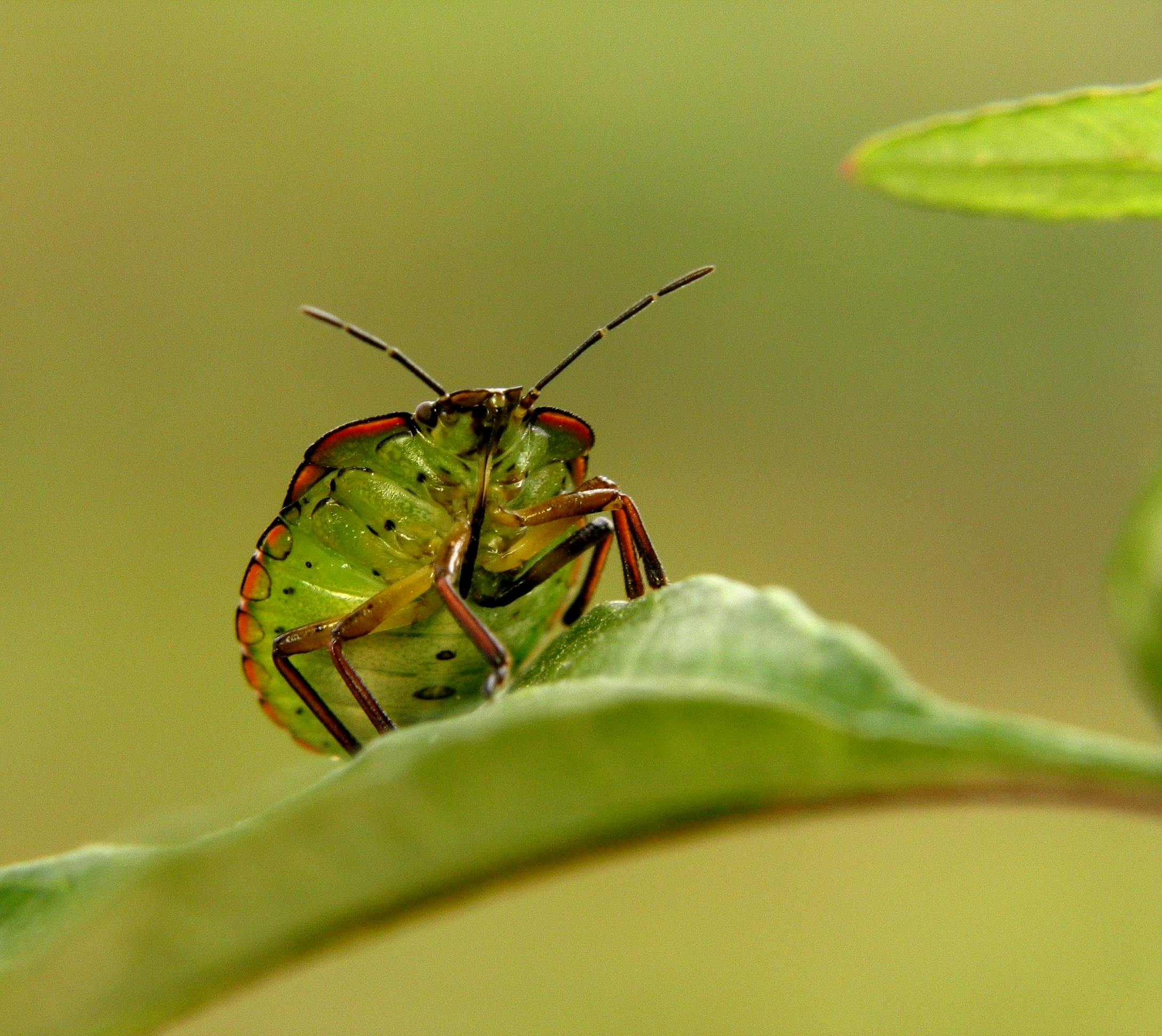
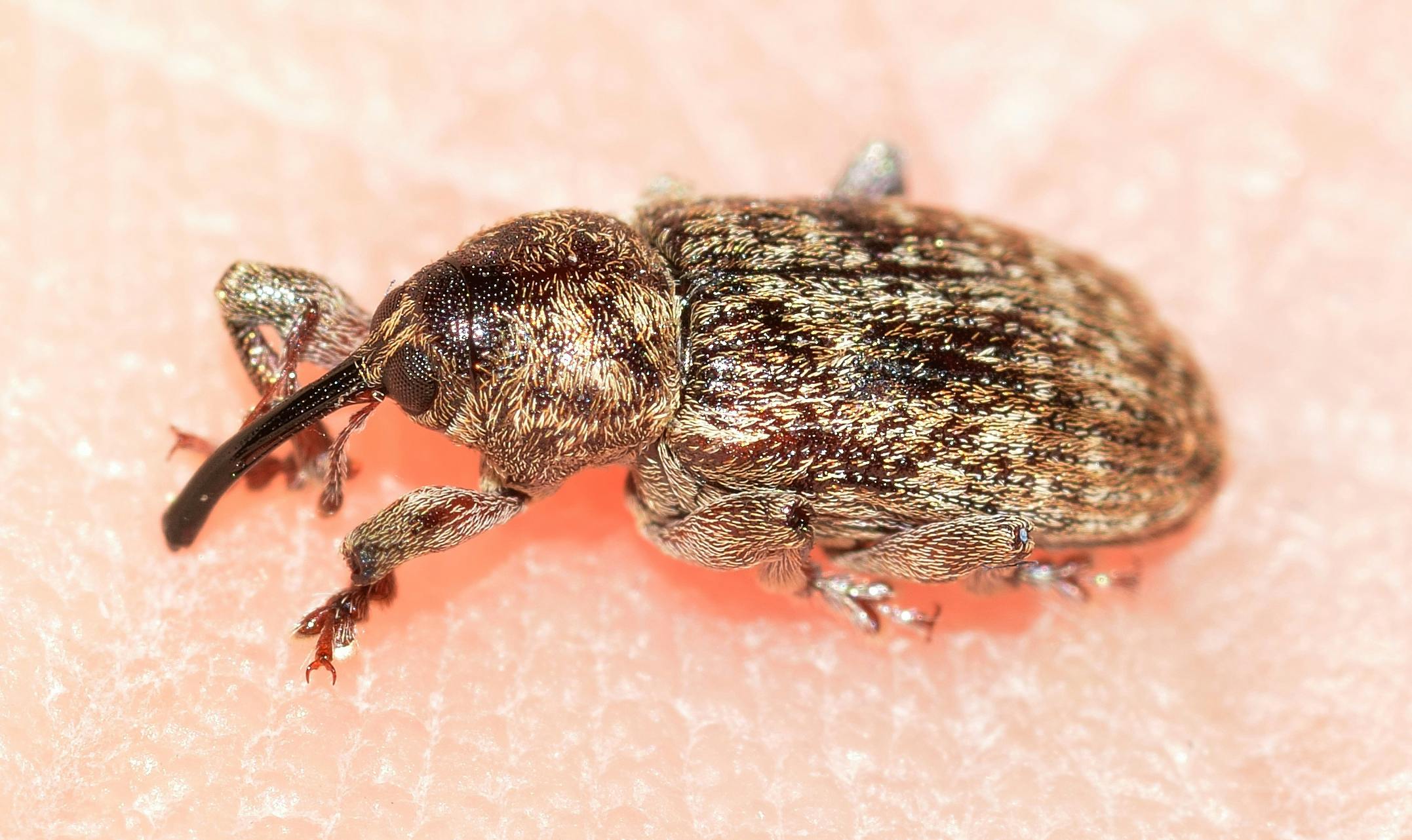
Adult carpet beetles are small—typically 2‑5 mm long—and often go unnoticed because of their size. Their bodies are oval and slightly rounded, covered in fine, bristly hairs that give them a fuzzy appearance. Most species display a distinctive pattern: a dark, mottled back with lighter spots or bands, sometimes resembling tiny specks of pepper. Their wing covers (elytra) are usually black or dark brown with irregular white or tan markings, making them easy to differentiate from plain‑colored insects.
Larval Stage – The Real Fabric Destroyer
The larvae, commonly called “woolly bears,” are the true culprits behind fabric damage. They’re slightly larger than the adults, ranging from 3‑7 mm, and are covered in dense, hair‑like setae that can cause skin irritation. Their bodies are creamy‑white to light brown, often with darker heads and a few short, bristly hairs that give them a shaggy look. Unlike the smooth adults, larvae move in a slow, crawling motion, seeking out keratin‑rich materials to feed on.
Where They Hide
Carpet beetles are opportunistic hide‑outs. Typical locations include:
- Carpets and wool rugs—especially in low‑traffic corners.
- Upholstered furniture and slipcovers.
- Stored clothing, blankets, and draperies tucked away in closets.
- Pet bedding and cages.
- Pantry items such as dried herbs, grains, and pet food.
Because they prefer undisturbed areas, a quick glance under furniture or behind baseboards can reveal early activity.
Visual Warning Signs
- Small, pepper‑like specks on fabric surfaces—these are shed larval skins.
- Fine, silky webbing near the edges of carpets or inside closets.
- Irregular, round holes in wool, silk, or cotton items.
- Clusters of dead adult beetles near windows or light sources.
- Unpleasant, musty odor emanating from heavily infested fabrics.
Carpet Beetles vs. Other Household Pests
It’s easy to confuse carpet beetles with moths or silverfish, but a few key differences help you tell them apart. Moths are winged insects that flutter when disturbed, whereas carpet beetles remain still and only fly when directly provoked. Silverfish are long, fish‑shaped and move rapidly in a wavy motion, lacking the rounded, bristly body of a beetle. Additionally, moth larvae create silken tubes, while carpet beetle larvae leave behind the characteristic pepper‑like skins and fine webbing.
Quick Inspection Checklist
- Check the underside of carpets and rugs for specks and webbing.
- Inspect seams and folds of upholstered furniture.
- Pull out stored fabrics and look for shed skins or small holes.
- Examine pantry shelves for tiny beetles or webbing on dry goods.
- Look for clusters of dead adults near light fixtures or windows.
For a deeper dive into identification and control methods, consult the Carpet Beetle Guide from PestWorld. Recognizing these signs early lets you act before the larvae cause costly damage, keeping your home comfortable and pest‑free.
Seasonal Activity of Carpet Beetles in Georgia and Prevention Tips
Carpet beetles are tiny, but their impact on a Decatur home can be surprisingly large. Their life cycle is tightly linked to Georgia’s warm, humid climate, which means their activity spikes and dips throughout the year—making timely carpet beetle control Decatur GA especially important. Understanding these patterns lets you schedule inspections, treatments, and simple housekeeping tasks before the beetles become a problem.
Life Cycle Tied to Temperature and Humidity
In Georgia, carpet beetles thrive when temperatures hover between 70°F and 85°F and relative humidity stays above 60%. Under these conditions, eggs hatch in 5–10 days, larvae feed for several months, and adults emerge to mate and lay the next generation of eggs. When it gets too hot or too dry, development slows, and the insects seek shelter in climate‑controlled areas of the home, where they can continue the cycle year‑round.
When Beetles Are Most Active
Late spring through early fall (April – October) marks the high‑activity window. As outdoor heat rises, adult beetles flock indoors to escape temperature extremes, and larvae become more voracious as they feast on natural fibers, pet hair, and stored foods. This is the period when you’ll notice increased sightings near windows, closets, and under furniture, especially after a rainstorm or a heatwave.
Quiet Months – What to Expect
During the cooler months (November – March), beetle movement slows dramatically. Adults may enter a semi‑dormant state, and larvae often retreat deeper into carpet padding or insulation. Although you’ll see fewer beetles, the larvae can still cause damage, so regular monitoring remains essential.
Season‑by‑Season Prevention Checklist
- Spring (March‑May): Vacuum high‑traffic areas twice a week, focusing on baseboards and under furniture. Store seasonal clothing in sealed plastic bins, and wash any items that have been in storage before putting them away.
- Summer (June‑August): Increase vacuum frequency to three times a week, especially after storms. Trim vegetation away from the house foundation, and seal cracks around windows and doors to block beetle entry.
- Fall (September‑November): Reduce outdoor lighting or switch to yellow‑tone bulbs that attract fewer insects. Perform a thorough inspection of stored blankets, rugs, and pet bedding before the cooler months set in.
- Winter (December‑February): Keep humidity levels inside the home between 40%‑50% using a dehumidifier. Conduct a monthly visual check of closets and attics, and vacuum any areas where you notice dust or shed skins.
Using the Seasonal Activity Chart
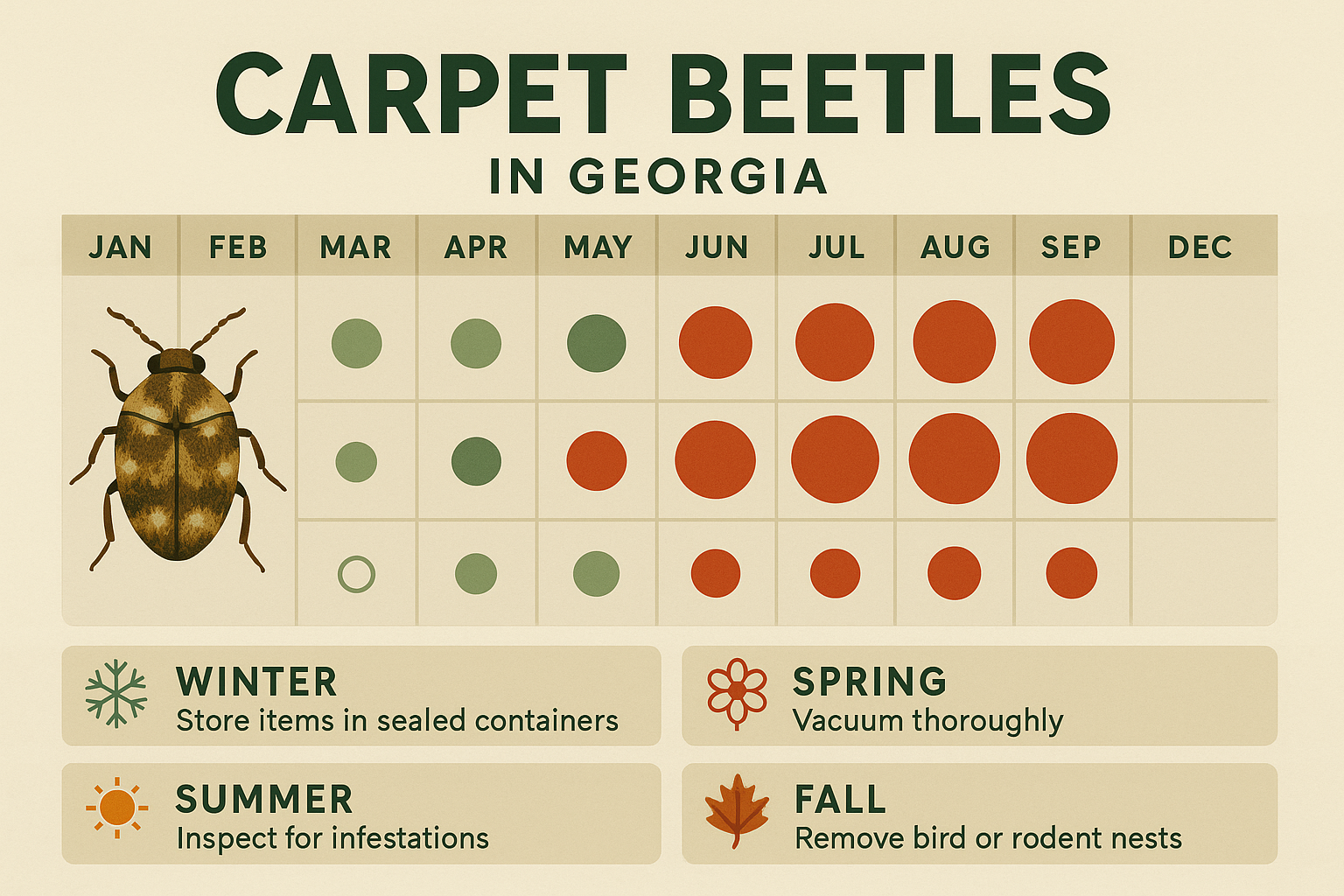
The chart above breaks down each month’s typical beetle activity level—Low, Moderate, or High. Align your inspection schedule with the “High” periods (April‑October) to catch infestations early. For example, plan a professional inspection in early May, then follow up with a preventative treatment in September before beetles seek indoor refuge for winter.
| Month | Activity Level | Recommended Action |
|---|---|---|
| January | Low | Maintain humidity, monthly visual checks |
| February | Low | Seal cracks, store seasonal items properly |
| March | Moderate | Increase vacuuming, inspect closets |
| April | High | Professional inspection, begin preventative treatment |
| May | High | Continue treatments, focus on outdoor lighting |
| June | High | Boost vacuum frequency, trim vegetation |
| July | High | Inspect stored fabrics, keep humidity controlled |
| August | High | Final summer check, prepare for fall |
| September | High | Pre‑winter treatment, reduce outdoor lights |
| October | Moderate | Complete any lingering treatments, store summer items |
| November | Low | Maintain cleanliness, monitor for residual activity |
| December | Low | Final monthly inspection before winter |
By syncing your cleaning routine, storage habits, and professional services with the beetles’ seasonal rhythm, you can keep your Decatur home free from unwanted damage. A little foresight each season goes a long way toward protecting carpets, upholstery, and cherished belongings.
Professional Treatment Options for Carpet Beetle Infestations
When carpet beetles have taken up residence in your home, the goal of any professional service is three-fold: eliminate the larvae that are already feeding, stop adult beetles from reproducing, and safeguard the items most vulnerable to damage—wool blankets, upholstery, and stored clothing. This is exactly where professional carpet beetle control Decatur GA makes the difference, as a licensed technician knows where the insects hide and applies the right tools at the right time, turning a frustrating infestation into a manageable problem.

Chemical Options: Sprays, Dusts, and Spot Treatments
Modern EPA‑registered products give technicians a powerful arsenal while keeping families and pets safe. The most common chemical approaches include:
- Residual sprays: Applied to baseboards, under furniture and wall voids, these formulations keep killing beetles for weeks.
- Dusts: Silica‑ or boric‑acid dusts are forced into cracks and vents where liquids can’t reach.
- Spot treatments: Directly target heavily infested items such as a wool rug or stored coat.
Safety is never an afterthought. Technicians wear protective gear, use low‑odor formulations, and advise homeowners to keep children and pets out of treated rooms for a few hours while the product settles.
Non‑Chemical Options: Heat, Vacuuming, and Encasements
For households that prefer a chemical‑free route, several effective alternatives exist:
- Heat treatment: Raising room temperature to 120‑130 °F for several hours kills every life stage without leaving residues.
- Intensive vacuuming: A HEPA‑rated vacuum removes larvae, pupae and eggs from carpet, upholstery and floor crevices.
- Fabric encasements: Zip‑pered, insect‑proof covers seal mattresses, pillows and stored garments, turning them into dead‑ends for beetles.
These methods can be combined with targeted chemicals for a truly comprehensive approach, especially when dealing with extensive infestations.
Integrated Pest Management (IPM) – The Smart Strategy
Anthem Pest follows an IPM framework that blends inspection, monitoring, targeted application, and follow‑up. First, a certified technician conducts a thorough walk‑through, identifying beetle hotspots, breeding sites, and at‑risk materials. Traps and sticky cards are then placed to monitor adult activity. Based on the findings, the technician selects the most appropriate chemical or non‑chemical treatment, applies it precisely, and schedules a post‑treatment inspection to verify success. This data‑driven cycle reduces unnecessary pesticide use while delivering lasting results.
What to Expect During a Technician Visit
Preparation is minimal, but a few steps help the process run smoothly:
- Clear clutter from floors and under furniture so the technician can access baseboards and seams.
- Secure or remove delicate items you wish to protect; the crew will discuss whether they’ll be treated, wrapped, or left untouched.
- Ventilate the area if instructed—usually by opening a window for 15‑20 minutes after treatment.
During the visit, the professional will treat identified zones with the chosen products, run a quick heat‑map assessment, and leave you a written after‑care guide. This guide covers safe re‑entry times, recommended cleaning schedules, and signs that indicate a follow‑up visit may be needed.
Why Choose a Certified Provider?
Hiring a licensed pest‑control service like Anthem Pest brings several undeniable advantages:
- Proper equipment: Technicians arrive with calibrated sprayers, heat units, and HEPA vacuums that homeowners simply don’t own.
- EPA‑registered products: Only certified professionals can legally apply many of the most effective insecticides, ensuring compliance with state regulations.
- Liability protection: Should an application cause unexpected damage, a reputable company carries insurance that covers remediation, giving you peace of mind.
- Local expertise: Anthem Pest knows the specific carpet beetle species common to Decatur, GA, and tailors treatment timing to the region’s climate patterns.
In short, a professional service turns a DIY guess‑work job into a science‑backed solution, delivering faster eradication and long‑term protection for your home and family.
Carpet Beetle Control Pricing in Decatur, GA
When it comes to pest control, the biggest surprise for homeowners is often the price tag. At Anthem Pest Control, we keep it simple: you either pay a flat-rate for a defined service or an hourly fee for custom work, depending on the scope of carpet beetle control Decatur GA your home requires. A flat-rate package tells you exactly what you’ll get—spray zones, follow-up visits, and any preventive add-ons—so there are no “oh-no, the bill is higher” moments. Hourly rates, on the other hand, are useful when a home needs extra prep work, delicate item handling, or an unusual layout. Both models include the same core guarantee: a thorough inspection, EPA-approved products, and a pest-free guarantee that lasts until the next season.
Typical Service Packages
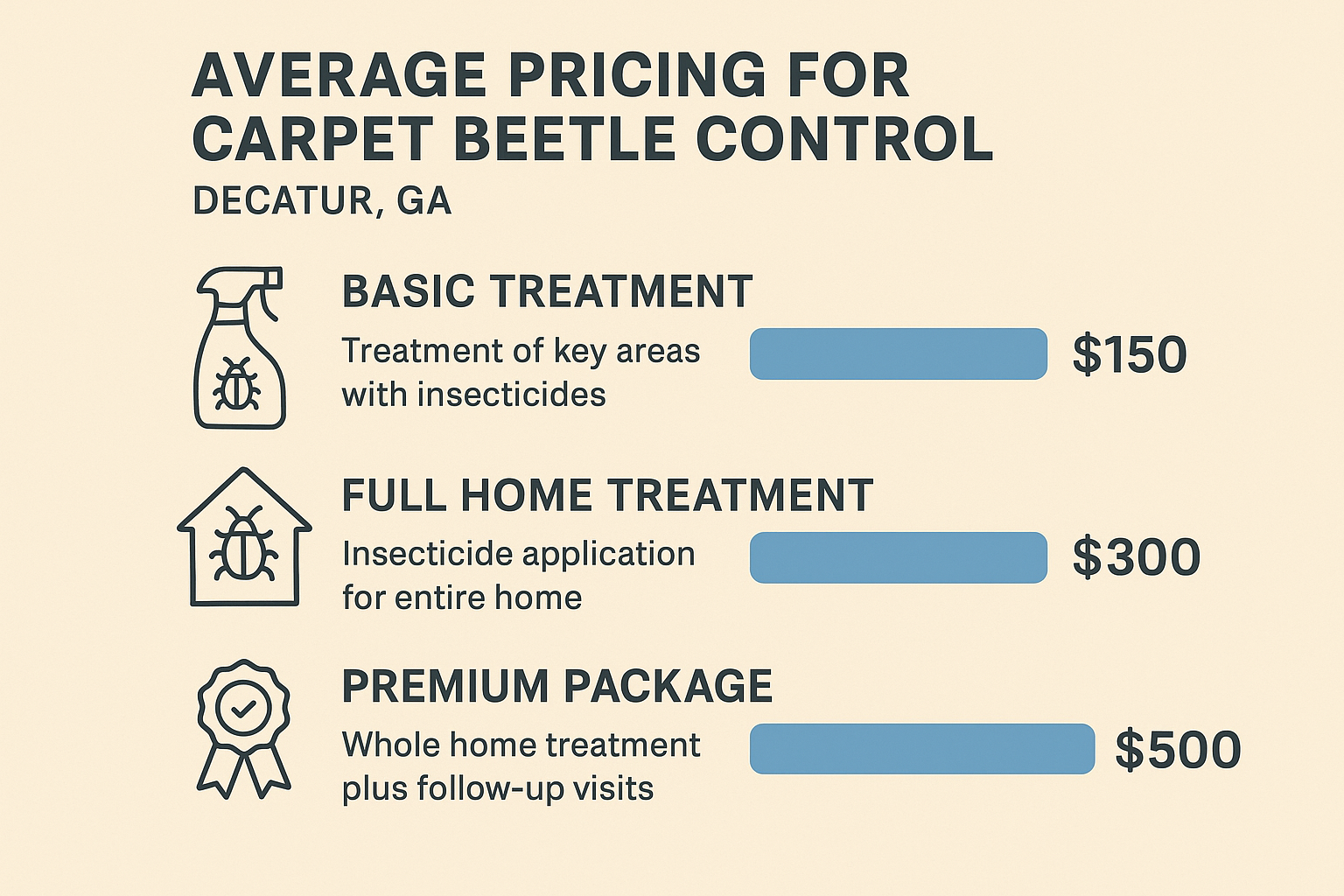
- Basic Treatment – Ideal for smaller homes or apartments where carpet beetles have been spotted in a few high‑risk zones (attics, closets, and under furniture). This package includes a targeted spray, a detailed walkthrough of the treated areas, and a follow‑up inspection within two weeks to confirm the beetles are gone.
- Full Home Treatment – Perfect for homeowners who want peace of mind throughout the entire house. We treat every interior space, from basements to upper‑level bedrooms, and add preventive measures such as fabric encasements on vulnerable items. The package also covers a second‑look inspection after 30 days and a complimentary advice sheet on how to keep beetles at bay.
- Premium Package – Our most comprehensive option. In addition to the full‑home spray and encasements, you receive annual monitoring, seasonal service visits (spring and fall), and a multi‑year warranty that covers any re‑infestation caused by our products. This is the go‑to choice for families with children, pets, or valuable textiles that need extra protection.
What Influences the Cost?
Even within a single package, the final price can shift based on a few key factors:
- Home size – Larger square footage means more product and more time.
- Infestation severity – A light spotting requires less product than a full‑blown outbreak.
- Delicate items – If you have heirloom fabrics, quilts, or stored clothing, we take extra precautions, which adds a modest fee.
- Prep work – Moving furniture, vacuuming, or sealing cracks before we start can affect labor hours.
How Anthem Pest Control Structures Its Quotes
Transparency is the cornerstone of our pricing. We start with a free on‑site estimate—no phone call, no commitment, just a clear breakdown of what each package includes for your specific home. Our technicians walk through every room, note any problem spots, and hand you a written quote before any work begins. Because we charge by package or hour, there are no hidden fees or surprise add‑ons after the fact.
Quick Visual Comparison
For a side‑by‑side look at what each tier delivers and how the numbers stack up, check out our pricing infographic below. It’s designed to help you decide which level of protection fits your budget and lifestyle.
Protect Your Home with Anthem Pest Control
Carpet beetles may seem harmless, but they silently gnaw at wool, silk, leather and even stored food, leaving behind holes, shed skins and unsightly damage. Because the insects work under the radar—often hiding in closets, under furniture or inside carpet padding—homeowners rarely notice the problem until a sizable portion of a treasured item is gone. Catching an infestation early means you can stop the beetles before they multiply, saving you time, stress, and costly repairs.
Seasonal peaks you should watch
In Decatur, beetle activity spikes in late spring and early fall when indoor humidity rises and outdoor beetles seek shelter inside homes. Those two windows are the optimal moments to inspect vulnerable areas, replace worn‑out linens, and apply a preventative treatment. If you miss these peaks, the beetles can establish a breeding colony that lasts through the winter, making eradication far more difficult.
Quick prevention checklist
- Vacuum carpets, rugs and upholstery weekly; empty the canister outdoors.
- Store seasonal clothing in sealed plastic bags or airtight containers.
- Regularly clean and rotate stored blankets, pillows and pet bedding.
- Seal cracks around windows, doors and baseboards to block entry points.
- Schedule a professional inspection before the first peak each year.
Why Anthem Pest Control is your local ally
Anthem’s technicians are trained specifically for the Georgia climate and the unique pest pressures of the Decatur area. They use only EPA‑approved products that are proven to eliminate carpet beetles while remaining safe for children and pets. Transparent pricing means you’ll know exactly what you’re paying for—no hidden fees, no surprise add‑ons. And every service comes with a satisfaction guarantee, so if beetles persist after treatment, we’ll return at no extra cost. If you’re not completely satisfied, we’ll re‑treat the area at no additional charge.
Take the first step today
Don’t let carpet beetles turn your favorite sweaters, blankets or upholstery into a costly repair job. Reach out now for a free, no‑obligation quote and let our locally‑trained team design a prevention plan that fits your schedule and budget.
Call us at 877-371-8196 or visit Anthem Pest Control for trusted carpet beetle control Decatur GA. Our same-day service window means you won’t wait weeks for a professional to assess the damage. We’re ready to schedule your inspection, answer any questions, and help you protect the home you love.