
What Are Carpet Beetles and How They Invade Your Home
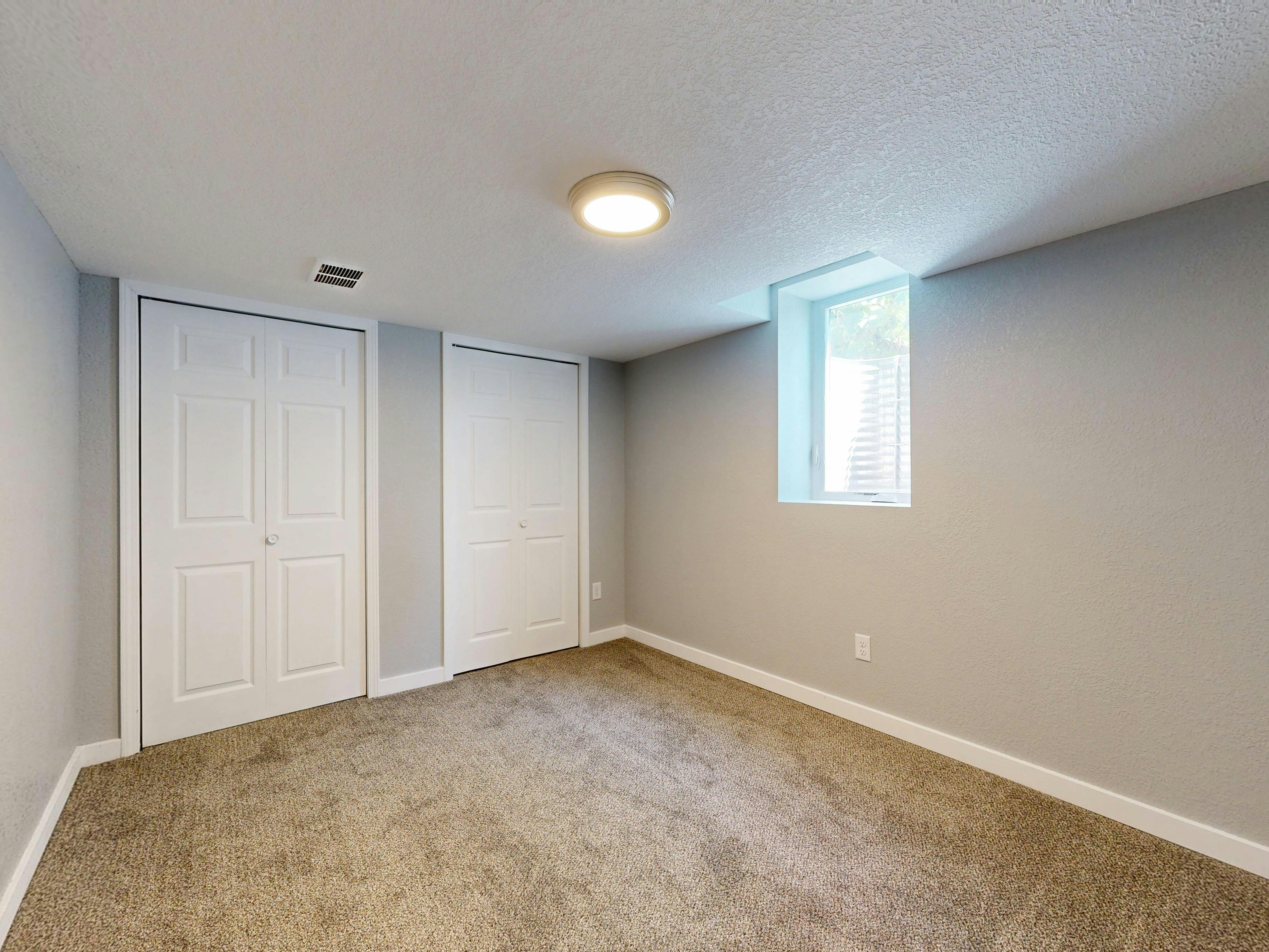
Carpet beetles may be tiny—typically 2 to 5 mm long—but their impact on a household can feel massive. These insects belong to the family Dermestidae, a group known for feeding on animal-derived materials. Homeowners in Decatur, Georgia, often encounter them during the warm months when adult beetles emerge in search of a place to lay eggs, making carpet beetle control Decatur homeowners rely on an essential step in protecting their homes. Understanding what they are and why they matter is the first step toward keeping your carpets, clothing, and cherished décor intact.
Taxonomy and Common Species
In North America, the most frequently spotted carpet beetles are the varied carpet beetle (Anthrenus verbasci) and the black carpet beetle (Attagenus unicolor). The varied carpet beetle is recognizable by its mottled black, white, and orange pattern, while the black carpet beetle is uniformly dark, making it harder to spot. Both species share a life cycle that includes egg, larva, pupa, and adult stages, with the destructive larval phase lasting several months under optimal conditions.
Where They Hide Inside Your Home
Carpet beetles are opportunistic indoor dwellers. They gravitate toward areas where natural fibers accumulate: carpeted rooms, especially those with high foot traffic; closets packed with wool, silk, or cotton garments; and upholstered furniture that offers both food and shelter. Dark, undisturbed corners—such as under beds, behind baseboards, and inside storage boxes—provide the perfect micro‑environment for larvae to develop unnoticed.
How Adults Get Inside
Adult beetles are adept hitchhikers. They can flutter in through open windows or doors, especially during warm evenings when they are most active. More insidious entry points include shipments of second‑hand furniture, boxes of clothing, or even grocery packages that have been stored in infested warehouses. Once inside, a single female can lay up to 100 eggs, setting the stage for a rapid population buildup if conditions remain favorable.
What Damage They Cause
The real trouble begins when the larvae start feeding. Their diet consists of keratin, hair, feathers, and other protein‑rich fibers. As they chew, they leave behind irregular, ragged holes in carpets, rugs, and area rugs. Clothing items—especially those made of wool, cashmere, or silk—can develop unsightly patches or complete tears. Even decorative items like upholstered chairs, drapes, and pet bedding are vulnerable, turning a minor nuisance into costly repairs or replacements.
Why Early Detection Is Critical
Spotting carpet beetles early can save homeowners a great deal of time, money, and frustration. The larval stage is the destructive phase, and a small infestation can quickly expand to a full‑blown problem that requires professional treatment. Early identification allows for targeted interventions—such as thorough vacuuming, laundering of affected fabrics, and strategic pesticide applications—before the beetles have a chance to compromise structural fibers or valuable heirlooms. In Decatur’s humid climate, where beetles thrive, prompt action is the most affordable line of defense.
Recognizing the Warning Signs of a Carpet Beetle Infestation
Carpet beetles are tiny, but the damage they cause can be dramatic. Spotting the first clues early can save you from costly repairs and a full‑blown infestation. Below are the most reliable visual and sensory cues to watch for in every room of your home.
Physical signs you can’t ignore
- Small, round larvae measuring 5‑10 mm, often described as “cigar‑shaped” or “spotted” depending on the species.
- Shedding skins (exuviae) left behind as the larvae grow—these look like translucent, papery shells.
- Adult beetles, typically 2‑5 mm long, that flutter toward light fixtures, windows, or lamps.
Damage patterns on fabrics
Carpet beetle larvae feast on keratin‑rich materials. Look for irregular, jagged holes or “chewed” edges on wool blankets, silk garments, fur coats, and feathered items such as down comforters. The damage is often uneven, with small bite‑size pits that expand over time.
Fecal pellets: the tiny tell‑tale specks
Larval waste appears as minute, dark specks—about the size of a pinhead—scattered near the affected fabric. These pellets are most common in carpet piles, under cushions, and inside storage bins where larvae hide.
Odors and dust buildup
Heavy larval activity can create a faint, musty odor, especially in closed closets or under furniture. You may also notice an increase in fine dust that looks like shredded fabric fibers. While not exclusive to carpet beetles, these signs paired with the visual clues above are strong indicators.
Quick room‑by‑room inspection checklist
- Start at the doorway and work clockwise, scanning the floor, carpet edges, and baseboards.
- Lift rugs and inspect the backing for larvae, shed skins, or pellets.
- Slide furniture away from walls and examine the undersides and the floor beneath.
- Open closets and storage bins; shake out fabrics and look for holes, larvae, or waste.
- Use a flashlight to spot adult beetles near light sources—especially near windows and lamps.
DIY removal vs. calling a professional
If you find only a few larvae or isolated damage, a thorough cleaning, vacuuming, and laundering of affected items can often halt the problem, especially in early-stage cases before carpet beetle control Decatur professionals are needed. Use a high-heat dryer cycle (at least 120 °F) to kill any hidden stages.
However, when you encounter any of the following, it’s time to call Anthem Pest Control:
- Widespread holes in multiple garments or carpet sections.
- Repeated sightings of adult beetles over several weeks.
- Large numbers of larvae, shed skins, or fecal pellets.
- Infestations in hard‑to‑reach areas like HVAC ducts or wall voids.
Professional treatment targets both visible insects and the hidden life stages, using safe, EPA‑registered products that protect your family and pets while eradicating the colony.
Seasonal Peaks: When Carpet Beetles Are Most Active
Carpet beetles follow a four‑stage life cycle—egg, larva, pupa, and adult—and each stage is tightly linked to temperature. In the warm months, eggs hatch in as little as a week, larvae grow rapidly, and a new generation can appear every 6‑8 weeks. Cooler temperatures slow development; eggs may linger for weeks, and larvae can enter a dormant state until the heat returns. Understanding how temperature drives each stage helps homeowners anticipate when the beetles are most likely to appear inside the house.
Life‑cycle at a glance
- Egg: Laid on natural fibers, animal products, or in cracks. Hatches in 1‑2 weeks when temperatures stay above 68°F (20°C).
- Larva: The destructive stage. Feeds on wool, silk, feathers, and pet hair. Growth accelerates from late spring through early fall.
- Pupa: Forms within the larval case. Takes 1‑3 weeks in summer, but can extend to several months in winter.
- Adult: Short‑lived (a few weeks) but capable of flying outdoors and re‑entering homes to lay new eggs.
Seasonal activity chart
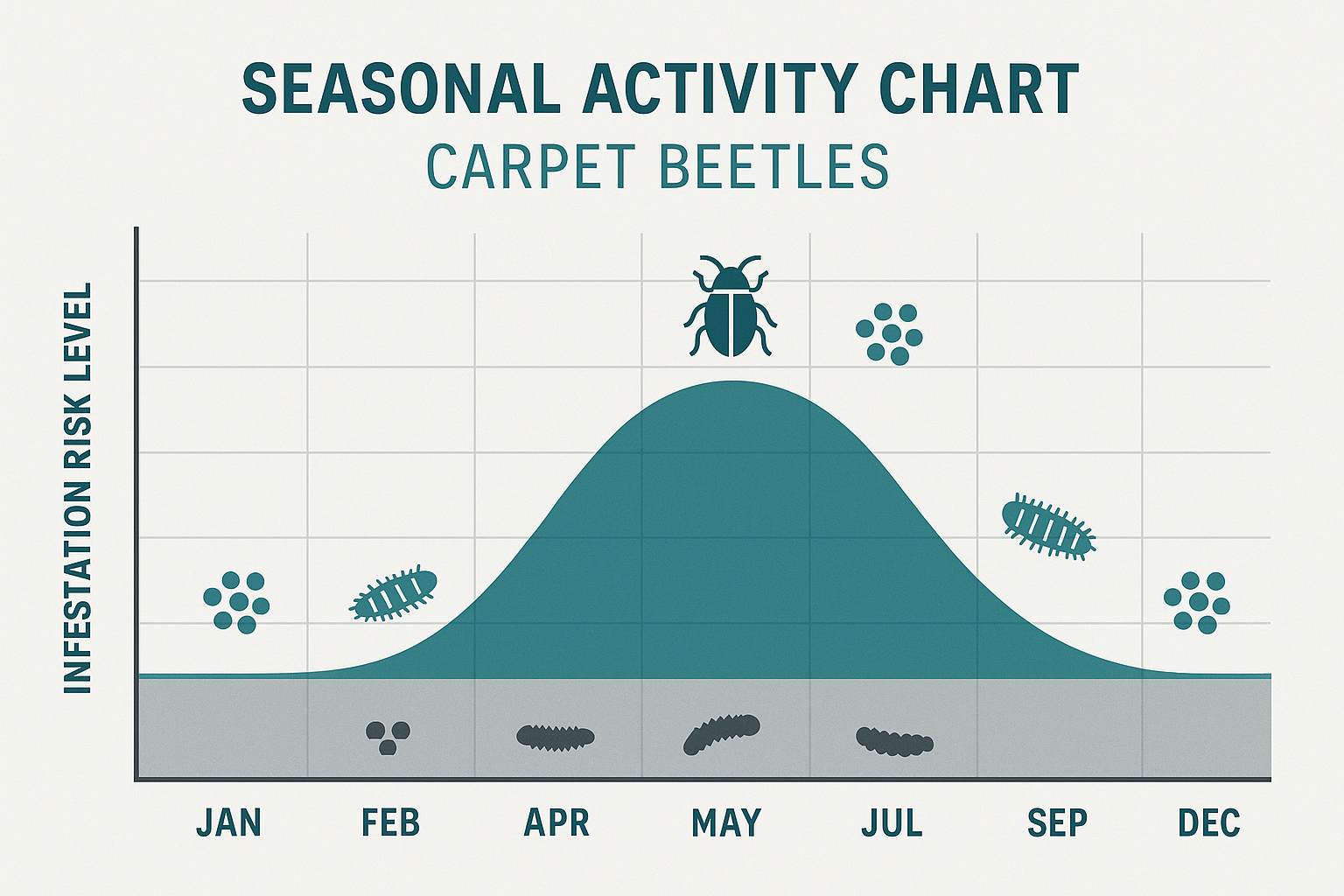
| Month | Dominant Stage | Risk Level |
|---|---|---|
| January | Adult (overwintering) | Low |
| February | Adult (overwintering) | Low |
| March | Adult, early eggs | Moderate |
| April | Eggs & early larvae | Moderate |
| May | Larval growth | High |
| June | Larvae (peak feeding) | High |
| July | Larvae (peak feeding) | High |
| August | Larvae (peak feeding) | High |
| September | Larvae & early pupae | High |
| October | Pupae, emerging adults | Moderate |
| November | Adult activity increases | Moderate |
| December | Adult (seeking indoor shelter) | Moderate |
When indoor heating kicks on in late October, the warm, stable environment mimics summer conditions. This encourages any lingering larvae to resume feeding, and newly emerged adults often seek out homes for shelter, leading to a noticeable spike in indoor infestations during the heating season.
Practical tip for homeowners
Schedule a professional inspection and preventative treatment in late spring—ideally before June—so you’re protected before the larval surge begins. A follow‑up treatment in early fall (late September) can knock down any late‑season larvae before they overwinter inside your walls. For a quick visual reference, check the infographic that outlines the exact months to watch.
Treatment Strategies – From DIY Methods to Professional Fumigation
DIY Options You Can Try Today
Most homeowners start with the tools they already have. A thorough vacuuming session removes adult beetles, larvae, and shed skins from carpet fibers, baseboards, and upholstery. Follow up by laundering any removable fabrics—blankets, pillowcases, or clothing—in hot water (at least 130°F) and drying on the highest heat setting to kill hidden eggs. Over-the-counter insecticidal sprays, typically pyrethroid-based, can be applied to cracks, crevices, and the undersides of furniture where beetles hide; these steps are often used as an initial measure before professional carpet beetle control Decatur services are required. For a chemical-free approach, many people scatter cedar chips, lavender sachets, or eucalyptus oil around closets, as the strong aromas help deter beetles from establishing a foothold.
Why DIY Often Falls Short
- Incomplete coverage: Vacuum hoses and spray nozzles can’t reach deep voids, wall voids, or under heavy furniture where beetles thrive.
- Resistance buildup: Repeated use of the same over‑the‑counter insecticide can lead to tolerant beetle populations, rendering the product ineffective.
- Health hazards: Improper handling of sprays or concentrated powders may irritate skin, eyes, or respiratory passages, especially in homes with children or pets.
- Time‑intensive: Achieving a truly thorough DIY regimen often requires multiple rounds over weeks, which can be frustrating for busy homeowners.
Professional Solutions: What the Experts Do Differently
When the infestation spreads beyond the reach of a household vacuum, it’s time to call in a licensed pest‑control specialist. Professionals employ three core strategies:
- Targeted fumigation: A smoke‑based or gaseous fumigant penetrates every nook, ensuring larvae and eggs are exposed.
- Heat treatment: Raising indoor temperatures to 130‑140°F for several hours eradicates beetles at all life stages without chemicals.
- Integrated Pest Management (IPM): A combination of inspection, monitoring traps, selective chemical applications, and preventative recommendations keeps beetles from returning.
Smoke‑Based Fumigation Explained

Smoke‑based fumigation uses a petroleum‑derived or botanical smoke that expands to fill wall voids, attic spaces, and under floorboards. Technicians deploy a portable fogger or a specialized smoke generator attached to a flexible hose, allowing the mist to travel through existing ventilation pathways. Safety protocols are strict: the area is sealed, occupants and pets are evacuated, and a certified respirator is worn throughout the process. After application, the home is ventilated for a prescribed period—usually 2‑4 hours—before re‑entry, and a residual monitoring plan is set up to verify success.
Benefits of Calling a Certified Exterminator
- Guaranteed penetration: Professional equipment reaches hidden cavities that DIY tools simply cannot.
- Follow‑up monitoring: Technicians place sticky traps and conduct post‑treatment inspections to confirm eradication.
- Warranty options: Many companies, including Anthem Pest Control, offer service guarantees that cover re‑treatment if beetles reappear within a set timeframe.
- Regulatory compliance: Licensed pros follow EPA‑mandated safety standards, ensuring chemicals are applied correctly and responsibly.
Understanding Pricing Through EPA Data
Homeowners often wonder why professional treatment costs vary. The EPA pesticide cost data breaks down average expenses for active ingredients, application labor, and safety equipment. By referencing this data, Anthem Pest Control can provide transparent pricing that reflects actual material costs, regional labor rates, and the added value of a certified technician’s expertise.
Comparing Carpet Beetle Treatment Pricing Tiers
When it comes to carpet beetle control, Anthem Pest offers three clearly defined service packages—Basic, Standard, and Premium. Each tier bundles the essential steps—inspection, treatment, and follow‑up—while scaling the depth of protection to match your home’s needs and budget.
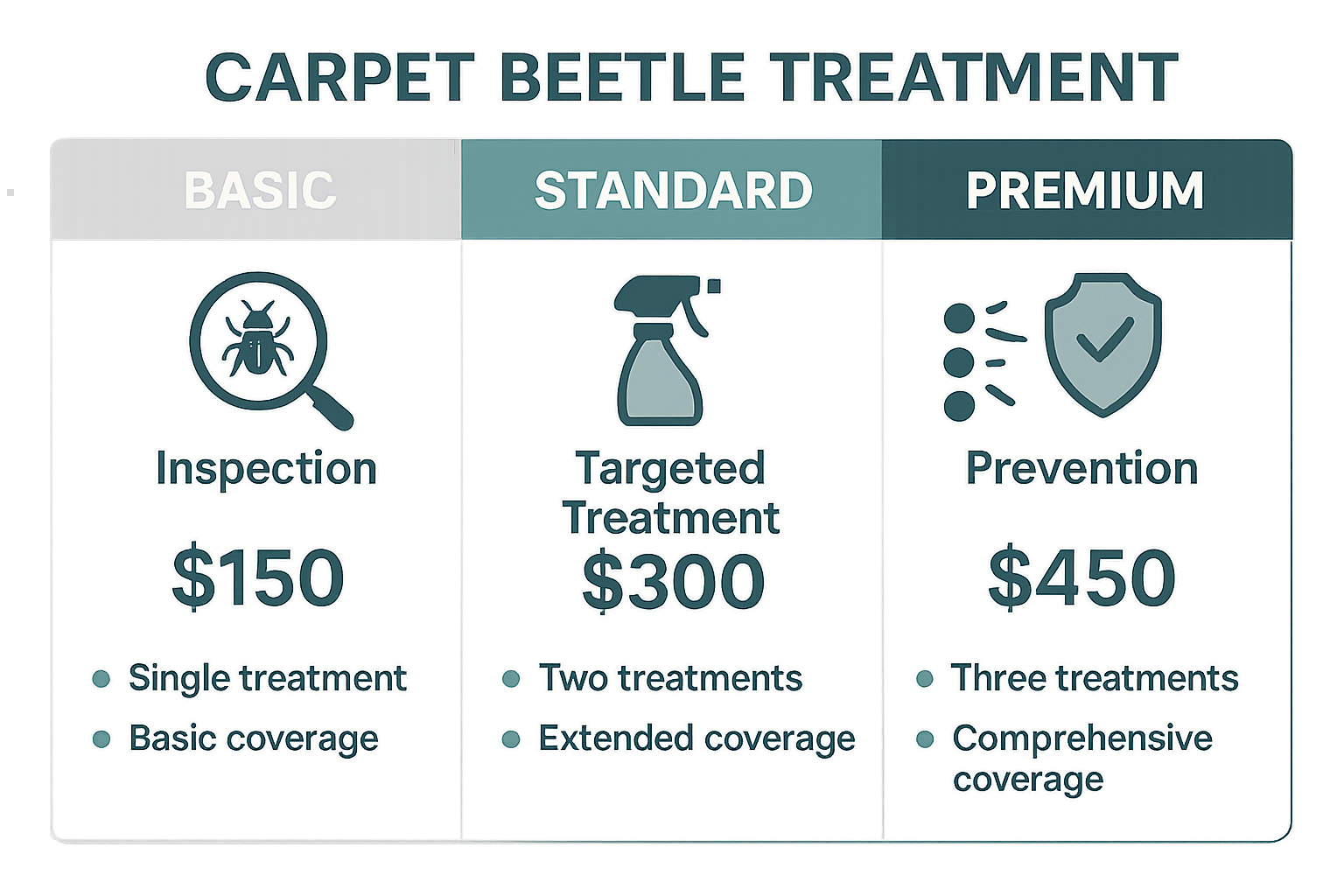
What’s included in each tier?
| Tier | Price (average) | Key Benefits |
|---|---|---|
| Basic | $149 – $199 |
|
| Standard | $229 – $279 |
|
| Premium | $349 – $429 |
|
What drives the cost?
The headline price for each tier is a starting point; several variables can shift the final figure. Larger homes require more product and longer application times, so square‑footage is a primary factor. A heavy infestation—evidenced by widespread larvae, shed skins, or damage—means additional treatments and possibly specialized equipment, which adds to the bill. Finally, the chosen method (chemical spray, dust, or a combination with heat) influences material costs, and certain eco‑friendly formulations carry a premium.
Why consider a higher‑tier plan?
Choosing Standard or Premium isn’t just about paying more; it’s an investment in long‑term peace of mind. Extended warranties protect you from repeat infestations without extra charges, while preventive scheduling keeps carpet beetles at bay year after year. Premium customers also enjoy priority service, meaning you won’t be stuck waiting for the next available slot during a sudden outbreak.
Ready to see the exact number for your home? Contact Anthem Pest today for a personalized quote that reflects your square footage, infestation level, and preferred treatment method. A quick call or online request will give you a clear, no‑surprise price before any work begins.
Safeguard Your Home with Anthem Pest Control
Carpet beetles may seem harmless, but left unchecked they can damage clothing, upholstery, and even structural fibers. Early, professional intervention stops the cycle before it spreads to cherished items and costly repairs.
Why Professional Help Matters
DIY sprays often miss hidden larvae hidden in seams, ducts, or insulation. Certified technicians bring specialized equipment, knowledge of beetle life cycles, and the ability to treat both the visible adults and the hidden eggs. The result is a thorough, long‑lasting solution rather than a temporary band‑aid.
Anthem Pest Control’s Edge
- Nationwide reach: Whether you own a home in Decatur or elsewhere, our U.S.–wide network delivers consistent service.
- Certified technicians: Every technician holds industry‑recognized certifications and undergoes regular training on the latest beetle‑control methods.
- Safe, affordable solutions: We use EPA‑approved products that protect your family, pets, and the environment while keeping costs down.
Transparent Pricing & Flexible Options
We believe you should know exactly what you’re paying for. Our pricing structure is clear, with no hidden fees, and we offer tiered service plans that let you choose the level of protection that fits your budget. A free, no‑obligation quote gives you a complete picture before any work begins.
Don’t let carpet beetles turn your home into a feeding ground. A quick call or a visit to our website can schedule a personalized assessment that pinpoints the problem and outlines the most effective treatment plan.
Our team is ready to respond quickly, so you can breathe easy knowing the beetles are gone.
Ready to protect your home? Call Anthem Pest Control today at 877-371-8196 for a free quote, or visit our site to get started with trusted carpet beetle control Decatur homeowners rely on.