Recognizing Carpet Beetles and Early Warning Signs
Adult Carpet Beetles: What They Look Like
Adult carpet beetles are small, oval-shaped insects that range from 2 mm to 5 mm in length. The most common species in U.S. homes—and those most often addressed through carpet beetle control Druid Hills homeowners need—are the Varied (Anthrenus verbasci) and Black (Attagenus unicolor) carpet beetles. The Varied adult sports a mottled pattern of black, white, and orange scales on its back, giving it a speckled appearance that blends well with fabrics. The Black carpet beetle, as the name suggests, is uniformly dark brown to black and lacks the striking pattern. Both species have club-shaped antennae and a soft, hair-covered thorax that can be mistaken for a tiny beetle or even a grain of sand if you’re not looking closely.
Larval Stage: The Hidden Destroyer
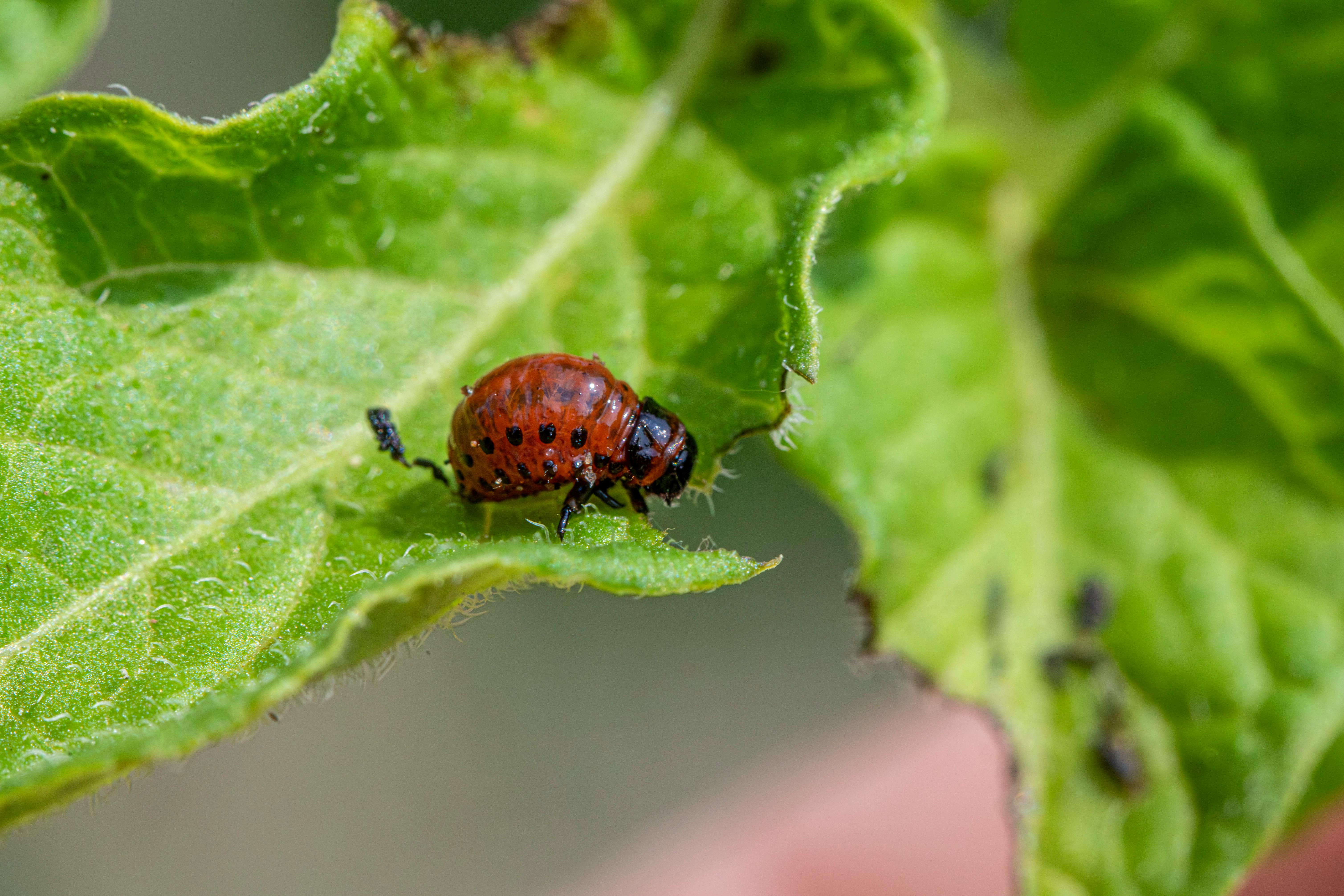
It’s the larva, not the adult, that does the real damage. Carpet beetle larvae are elongated, creamy‑white caterpillars covered in dense, bristly hairs. Their bodies are segmented, and each segment may display a darker head capsule and a few short, dark setae. The hairs are not just for show—they can irritate skin and help the larva cling to fabrics. A macro photograph is the best way to see these details, allowing you to compare what you find in your home with a clear visual reference.
Where They Hide in Your Home
Carpet beetle larvae prefer dark, undisturbed places where natural fibers accumulate. Typical hiding spots include:
- Carpet fibers, especially in high‑traffic areas where dirt and pet hair settle.
- Upholstered furniture—think sofas, armchairs, and slipcovers.
- Stored fabrics such as blankets, wool sweaters, and curtains that sit in closets or attics for months.
- Pet bedding and cages, because animal fur provides an extra protein source.
Early Indicators: What to Look For
Before you notice holes or obvious damage, carpet beetles leave subtle clues:
- Shed skins (exuviae): Tiny, translucent shells that look like specks of dust.
- Fine webbing: A silky, cobweb‑like material often found near the edges of carpets or under furniture.
- Irregular holes: Small, round to oval holes in wool, silk, or feather‑filled items. The edges are usually clean, not ragged.
How to Differentiate Carpet Beetle Damage from Other Pests
Not all holes mean carpet beetles. Moths, for example, create larger, irregular holes and leave behind cocoons or larval cases. Silverfish tend to chew on starchy materials—paper, glue, or cereal boxes—leaving behind silvery scales and a fish‑like shape. Carpet beetle damage is distinct because it targets protein‑rich fibers (wool, fur, feathers) and is often accompanied by the tell‑tale shed skins and fine webbing mentioned above. If you see a combination of these signs, you’re likely dealing with carpet beetles.
Quick Inspection Checklist for Each Room
- Check the underside of carpet edges and in the pile for shed skins or webbing.
- Run a flashlight over upholstery seams and cushions; look for tiny white hairs or specks.
- Pull out stored blankets, sweaters, and curtains; inspect the backs for holes or larvae.
- Examine pet beds, crates, and favorite resting spots for webbing and larvae.
- Look for damage on natural‑fiber rugs, especially in corners and under furniture legs.
- Note any unusual dust‑like particles that could be exuviae and record the locations.
Carpet Beetle Life Cycle and Seasonal Activity
Understanding exactly how carpet beetles develop helps you pinpoint the right moments for inspection and treatment, which is essential for effective carpet beetle control Druid Hills homeowners rely on. The life cycle is a four-stage process—egg, larva, pupa, and adult—each with its own timeline that shifts with temperature, humidity, and food availability.
Egg Stage (3–10 days)
Female carpet beetles lay clusters of 30‑50 eggs in hidden crevices near a food source—think wool blankets, stored grain, or pet hair. Under optimal indoor conditions (70‑80°F and 60‑70% relative humidity), eggs hatch in as little as three days. Cooler, drier environments can stretch this stage to a week or more.
Larval Stage (2–5 months, sometimes up to a year)
The larva is the destructive phase. These creamy‑white, bristly caterpillars chew through natural fibers, causing the damage homeowners notice. Development speed is highly temperature‑dependent:
- Warm, humid homes (75‑85°F, >65% RH): larvae mature in 2–3 months.
- Cooler, drier homes (below 70°F, <50% RH): the stage can linger for 6–12 months.
Abundant food accelerates growth, while scarcity can trigger a dormant “diapause” that extends the larval period.
Pupal Stage (1–2 weeks)
When ready, the larva spins a silken cocoon and transforms into a pupa. This stage is brief—typically 7‑14 days—unless environmental stress forces a delay. The emerging adult is fully formed but remains inside the cocoon until conditions are favorable for emergence.
Adult Stage (2–6 weeks)
Adult carpet beetles are small (2‑5 mm), oval, and often spotted. They live just long enough to mate and lay eggs, usually 2–3 weeks, but can survive up to six weeks if food is plentiful. Adults are most active in warm months, seeking new food sources and oviposition sites.
Factors Influencing Development Speed
Three key variables dictate how quickly carpet beetles move through their life cycle:
- Temperature: Every 10°F rise can halve development time.
- Humidity: Moisture supports egg viability and larval feeding.
- Food Availability: Dense collections of wool, feathers, or pet dander speed up growth.
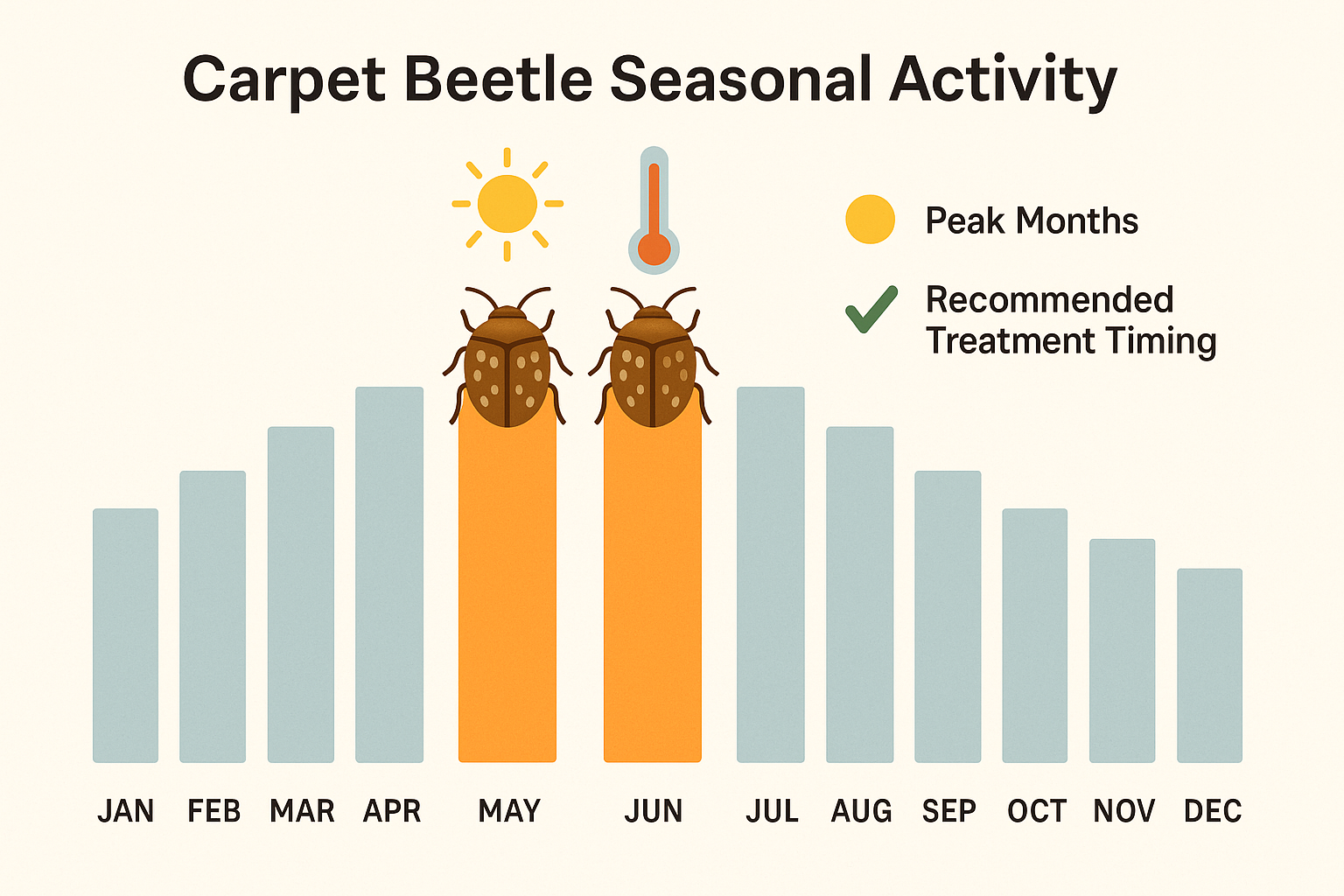
Seasonal Activity Chart
| Month | Egg Hatch | Larval Growth | Adult Emergence |
|---|---|---|---|
| January | Low | Slow | Minimal |
| February | Low | Slow | Minimal |
| March | Increasing | Accelerating | Early |
| April | High | Rapid | Moderate |
| May | Peak | Rapid | High |
| June | Peak | Rapid | High |
| July | Moderate | Steady | High |
| August | Moderate | Steady | Moderate |
| September | Low | Slowing | Low |
| October | Low | Slowing | Low |
| November | Very Low | Minimal | Very Low |
| December | Very Low | Minimal | Very Low |
When to Inspect and Treat
Use the chart as a calendar:
- Early Spring (March‑April): Conduct a thorough inspection of closets, attics, and pet areas. Look for shed larval skins and small beetles near windows.
- Late Spring to Early Summer (May‑June): Apply a preventive treatment—either a professional residual spray or a DIY borate dust—right before the peak adult emergence.
- Mid‑Summer (July): Perform a follow‑up spot‑treatment if you still see activity, focusing on any newly discovered larval hotspots.
- Fall (September‑October): A final inspection helps catch any late‑season larvae that survived the summer heat.
Indoor Climate Control as a Management Tool
Lowering indoor temperature to below 70°F and keeping humidity under 55% can dramatically slow egg hatch and larval growth. Simple actions—using a dehumidifier in basements, sealing drafts, and limiting indoor heating during the hottest months—make the home less inviting for carpet beetles. Remember, though, extreme dryness can damage wood and fabrics, so aim for a balanced environment.
By aligning your inspection schedule with the beetle’s natural rhythm and tweaking indoor climate conditions, you give Anthem Pest Control a solid foundation to deliver effective, targeted treatments when they matter most.
Damage Caused by Carpet Beetles and Health Implications
Materials Most Vulnerable to Beetle Feeding
Carpet beetle larvae have a voracious appetite for protein‑rich fibers. Wool blankets, silk blouses, feather‑filled pillows, and leather upholstery are top targets because they contain keratin, a nutrient the larvae cannot resist. Even blended fabrics that contain a small percentage of natural fibers can suffer damage over time, especially in dark, undisturbed corners where beetles thrive.
What the Damage Looks Like
Typical signs appear as irregular, circular holes ranging from a pinprick to a half‑inch in diameter. On carpets, you’ll notice small, clean‑cut patches surrounded by a fine, powdery residue—larval frass. Clothing may show “chewed” edges on cuffs, collars, or seams, while stored items such as quilts or museum specimens can exhibit a mottled, “eaten‑away” appearance that worsens with each generation.
Economic Impact of Infestations
Replacing damaged goods quickly adds up. A high‑quality wool rug can cost $200–$500, a silk dress easily exceeds $300, and leather furniture repairs range from $150 to $1,000 depending on the extent of the damage. According to the EPA’s pest‑management cost data, U.S. households collectively spend billions annually on repairing or replacing items ruined by insects, with carpet beetles contributing a notable share.
Health Risks from Beetle Debris
Beyond material loss, the shed skins, fecal pellets, and dead larvae become airborne allergens. The CDC notes that exposure to these microscopic particles can trigger sneezing, itchy eyes, and asthma flare‑ups, especially in sensitive individuals. Prolonged inhalation may lead to chronic respiratory irritation, making it essential to address infestations promptly—not just for your belongings, but for your family’s well‑being.
When to Call a Professional vs. DIY Repair
If you discover isolated damage on a single sweater or a small carpet area, a thorough vacuuming, washing, and targeted insecticidal spray may suffice. However, when damage spreads across multiple rooms, affects stored heirlooms, or you notice persistent allergic symptoms, it’s time to enlist a licensed exterminator. Professionals like Anthem Pest Control can perform a full‑home inspection, identify hidden breeding sites, and apply EPA‑approved treatments that eradicate the beetles while minimizing health risks. DIY methods often miss concealed larvae, leading to recurring damage and higher long‑term costs.
Treatment Options: DIY Methods vs Professional Services
DIY Tactics You Can Try at Home
Most homeowners start with the tools they already have. A thorough vacuuming session—especially along baseboards, under furniture, and inside closets—helps pull out adult beetles, larvae, and shed skins. Follow up with a hot‑steam cleaning of carpets, upholstery, and curtains; the heat kills insects hidden deep in fibers. Insecticidal sprays labeled for carpet beetles can be applied to seams, cracks, and the undersides of furniture, while natural remedies such as diatomaceous earth, lavender oil, or cedar blocks are sprinkled or placed in vulnerable areas to deter further activity.
Why DIY May Not Cut It
While these methods are accessible, they often fall short of complete eradication. Vacuuming and steam cleaning rarely reach every nook—think behind wall hangings, inside air ducts, or within thick carpet padding—leaving pockets where larvae can thrive. Insecticide resistance is another concern; beetles that have been exposed to over‑the‑counter products may develop tolerance, reducing effectiveness over time. Safety is a further issue: many sprays contain chemicals that can irritate skin, eyes, or lungs, especially in homes with children, pets, or allergy‑prone occupants. The bottom line is that DIY solutions tend to offer a surface‑level fix rather than a long‑term solution.
What a Professional Service Looks Like
Professional pest control companies follow a systematic, science‑backed approach that addresses every stage of an infestation.
- Inspection: Certified technicians conduct a detailed walkthrough, using flashlights, magnifiers, and sometimes moisture meters to locate hidden larvae, eggs, and adult beetles.
- Targeted Spray Application: EPA‑approved, low‑odor insecticides are applied with precision sprayers to cracks, baseboards, and the underside of furniture, ensuring deep penetration where beetles hide.
- Fumigation (when needed): For severe, multi‑room infestations, a controlled-release fumigant may be used to saturate the entire living space, reaching areas that surface sprays cannot.
- Follow‑Up Monitoring: After treatment, technicians place sticky traps and pheromone lures to gauge residual activity, returning as needed to re‑treat hotspots.

Why Choose Anthem Pest Control
Anthem Pest Control brings a blend of expertise and accountability that DIY simply cannot match.
- Certified Technicians: Every technician holds state‑required certifications and ongoing training specific to carpet beetle biology and control.
- EPA‑Approved Products: We use formulations that are proven to overcome resistance while meeting strict safety standards for families and pets.
- Guaranteed Results: Our service agreements include a satisfaction guarantee—if beetles reappear within the warranty period, we’ll retreat at no extra cost.
- Local Knowledge: Serving Druid Hills, Georgia, we understand the regional climate, common entry points, and the types of fabrics most vulnerable to infestation.
When It’s Time to Call in the Pros
If you notice any of the following, it’s a clear sign that professional help is warranted:
- Extensive damage to clothing, blankets, or carpet padding that DIY cleaning hasn’t halted.
- Recurring beetle sightings despite regular vacuuming and spray applications.
- Households with infants, seniors, or individuals with respiratory sensitivities who cannot safely handle chemical sprays.
- Large‑scale infestations spreading across multiple rooms or floors, indicating that beetles have nested in hidden voids.
In these scenarios, a prompt call to Anthem Pest Control (877‑371‑8196) can prevent the problem from escalating, protect your belongings, and give you peace of mind knowing the infestation is being handled by trained professionals.
Understanding the Cost of Carpet Beetle Control
When a carpet beetle infestation strikes, the first question most homeowners ask is, “How much will it cost to fix this?” Understanding pricing for carpet beetle control Druid Hills homeowners need helps you compare options, budget wisely, and avoid surprise charges once the job is underway. Below, we break down every component that shapes the final bill.
Typical Service Elements
- Inspection: A certified technician surveys the home, identifies beetle hotspots, and determines infestation severity. This step usually costs between $75 and $120, depending on square footage.
- Treatment: Application of EPA‑approved insecticides, dusts, or heat treatments. Prices vary by method—chemical spray averages $150‑$300, while heat treatment can reach $400‑$600 for larger homes.
- Follow‑up Visits: Most plans include one or two post‑treatment checks to ensure beetles are gone and to address any lingering larvae. Each visit typically adds $50‑$80.
Cost‑Comparison Infographic

The graphic above illustrates how Druid Hills, GA pricing stacks up against nearby neighborhoods such as Decatur, Brookhaven, and the broader Atlanta metro area. Notice the modest premium in Druid Hills—reflecting higher labor rates and the need for specialized equipment in older homes.
Key Factors That Influence Your Quote
- Infestation severity: Light sightings may need a single treatment, while heavy infestations require multiple rounds.
- Square footage: Larger homes demand more product and longer labor time.
- Treatment type: Chemical sprays are typically cheaper than heat or fumigation, but the latter may be required for delicate fabrics.
- Access difficulty: Homes with tight crawl spaces or multiple stories can increase labor costs.
National Cost Ranges (EPA & NPMA Data)
| Region | Low End ($) | High End ($) |
|---|---|---|
| Druid Hills, GA | 250 | 650 |
| Atlanta Metro (excluding Druid Hills) | 225 | 600 |
| Southeastern US (average) | 200 | 580 |
| Nationwide average | 180 | 560 |
These figures include inspection, treatment, and a standard follow‑up. Prices can shift upward if you need specialized heat treatment or if the infestation spans multiple floors.
How Anthem Pest Control Aligns with Industry Standards
Anthem Pest’s base package for carpet beetles in Druid Hills starts at $275, positioning us squarely within the national low‑to‑mid range. What sets us apart is a 30‑day guarantee—if beetles reappear within a month, we’ll retreat at no extra charge. Additionally, our technicians provide a detailed post‑treatment report, so you know exactly what was done and why.
Tips for Getting Accurate Quotes and Avoiding Hidden Fees
- Ask for a written estimate that itemizes inspection, treatment, and each follow‑up visit.
- Confirm whether the quote includes taxes, travel surcharges, or disposal fees.
- Request clarification on “premium” products; many reputable firms use EPA‑registered solutions at no extra cost.
- Compare at least three local providers; the lowest price isn’t always the best value if it skips follow‑up visits.
- Verify the company’s licensing and read recent customer reviews to gauge reliability.
By understanding each cost component and asking the right questions, you can secure a fair price, protect your home’s fabrics, and keep carpet beetles from making a comeback.
Protect Your Home Today with Anthem Pest Control
Quick Recap: What You Need to Know
Carpet beetles are tiny, but their larvae can chew through wool, silk, and even stored foods. You likely spotted them by the tell‑tale round, speckled spots on fabrics or by finding shed skins in closets. The highest activity occurs in late spring through early fall, when adult beetles emerge to lay eggs. If left unchecked, a modest infestation can evolve into costly damage to clothing, upholstery, and even structural wood.
Why Early Detection Saves Money
Finding the first signs—such as small holes in garments or a faint, carpet‑like fuzz—means you can act before the colony expands. Professional treatment at the first hint stops the life cycle, sparing you from expensive repairs or replacement of cherished items. In short, a little vigilance now prevents a big bill later.
Anthem Pest Control: Your Local Carpet Beetle Specialist
At Anthem Pest Control, our certified technicians have tackled carpet beetle problems across Druid Hills and the surrounding neighborhoods for years. We combine a deep understanding of the beetle’s biology with the latest integrated pest‑management (IPM) techniques. Whether you need a one‑time eradication or an ongoing prevention plan, we tailor the approach to fit your home’s layout and your lifestyle.
Safe, Effective, and Affordable Solutions
We prioritize your family’s health and the environment. Our treatments use low‑toxicity products that target beetle larvae while leaving pets and children safe. We also offer heat‑treatment options for delicate items that can’t tolerate chemicals. Because we know budget matters, we provide cost‑effective packages that deliver results without hidden fees.
Transparent Pricing—No Surprises
Before any work begins, you’ll receive a detailed, itemized quote that outlines every step of the process. Our pricing structure is straightforward: a fixed rate for the initial inspection, a clear charge for the treatment, and optional maintenance visits at a reduced rate. This transparency builds trust and lets you plan your pest‑control expenses with confidence.
Ready for a Free, No‑Obligation Quote?
If you suspect carpet beetles or simply want to protect your home before the season peaks, give us a call today. Our friendly, certified technicians are standing by to answer your questions and schedule a same‑day inspection. Reach us at 877‑371‑8196 or click the link below to start your free quote.
Visit Anthem Pest Control for more information and to book your appointment now for professional carpet beetle control Druid Hills homeowners can trust.