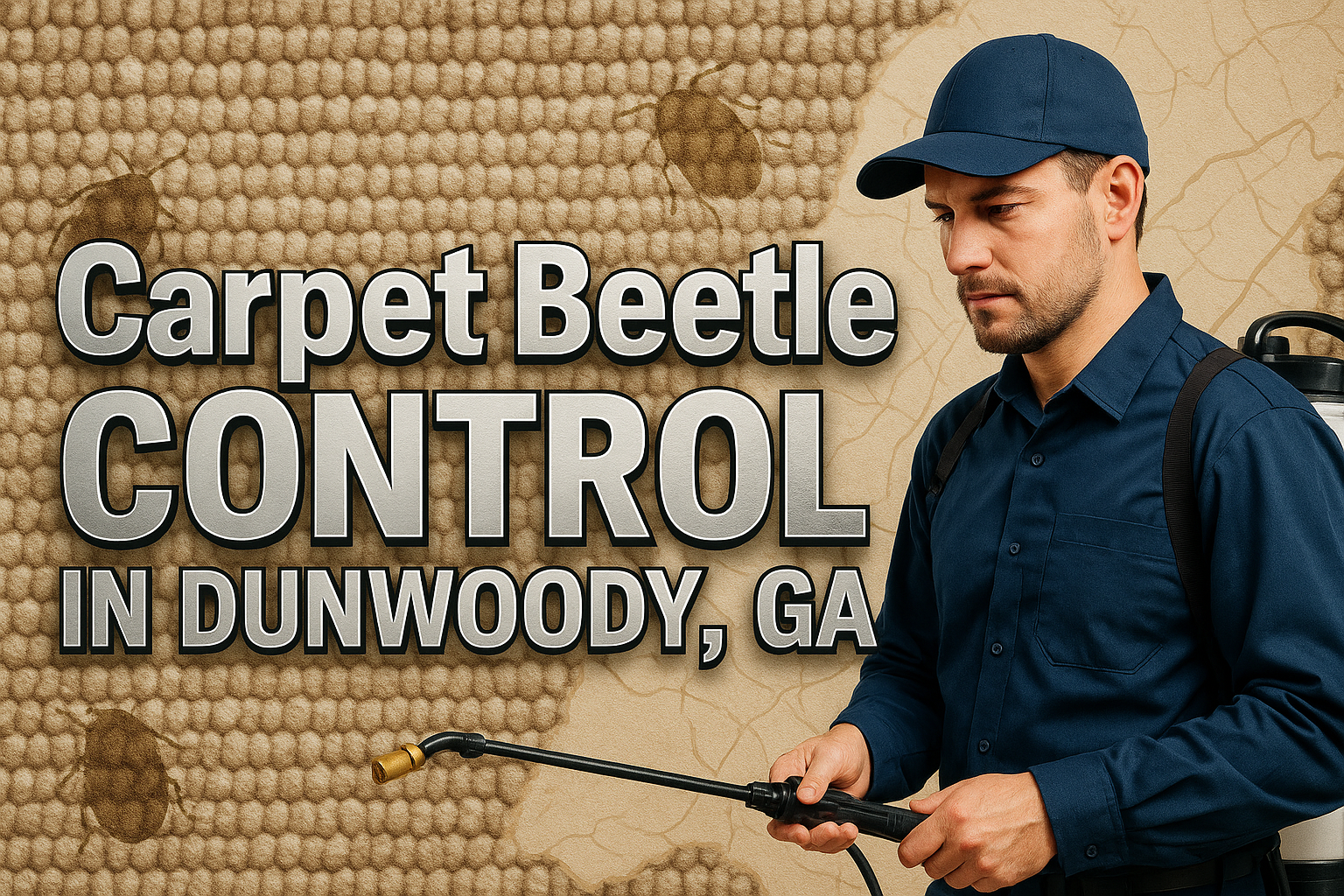
Why Carpet Beetles Are Rising in Dunwoody
Over the past six months, the Dunwoody Village Homeowners Association and the Northwood Neighborhood Watch have logged a 42% jump in carpet beetle reports, according to the city’s latest municipal pest‑report data. Homeowners are suddenly finding tiny specks and irregular holes in their rugs, prompting a wave of concern across the community.
Carpet beetles may look harmless, but the damage they cause is anything but. Adult beetles and their larvae chew through natural fibers, leaving behind ragged holes in carpets, threadbare spots on upholstery, and shredded threads in clothing. Even synthetic blends aren’t safe; the larvae will gnaw at any protein‑rich material, including wool blends and silk drapes.
Beyond the aesthetic nightmare, these insects pose a health risk. As the larvae feed, they shed skin fragments, fecal pellets, and shed exoskeletons that become airborne. For residents with asthma or sensitive skin, inhaling these particles can trigger asthma attacks, exacerbate allergic rhinitis, and cause itchy rashes. In short, a small beetle infestation can quickly become a full‑blown indoor‑air‑quality issue.
That’s why this guide is essential. We’ll break down the true cost of professional carpet beetle treatment in Dunwoody, walk you through DIY prevention steps you can start today, and explain why Anthem Pest Control consistently ranks as the top local choice for safe, effective eradication.
What’s coming up next?
- Identification: Learn how to spot adult beetles, larvae, and tell‑tale damage signs.
- Hotspot Reasons: Discover why Dunwoody’s climate, housing stock, and landscaping create a perfect breeding ground.
- Treatment Options: Compare chemical, heat, and integrated pest‑management approaches, with transparent pricing.
- Prevention: Proven, budget‑friendly habits to keep beetles out for good.
- FAQs & CTA: Answers to the most common homeowner questions and a direct line to schedule an inspection.
Stay with us as we unpack each of these topics, giving you the knowledge and confidence to protect your home—and your family—from the growing carpet beetle threat in Dunwoody.
Spotting Carpet Beetles in Your Home
Carpet beetles are sneaky, but the good news is that every stage of their life cycle leaves a tell‑tale sign you can see with a quick glance. Knowing what to look for lets you catch an infestation before it turns your favorite rug or sweater into a patchwork of holes.
Life Cycle at a Glance
In Dunwoody the typical carpet beetle goes through four distinct phases: egg → larva → pupa → adult. The cycle can finish in as little as six weeks when temperature and humidity are favorable, which means a small number of adults can quickly become a full‑blown problem if unchecked.
What to Look For at Each Stage
- Eggs – Tiny, white ovals about 0.5 mm long. You’ll often find them tucked along carpet edges, under baseboards, or hidden in the folds of a shag rug.
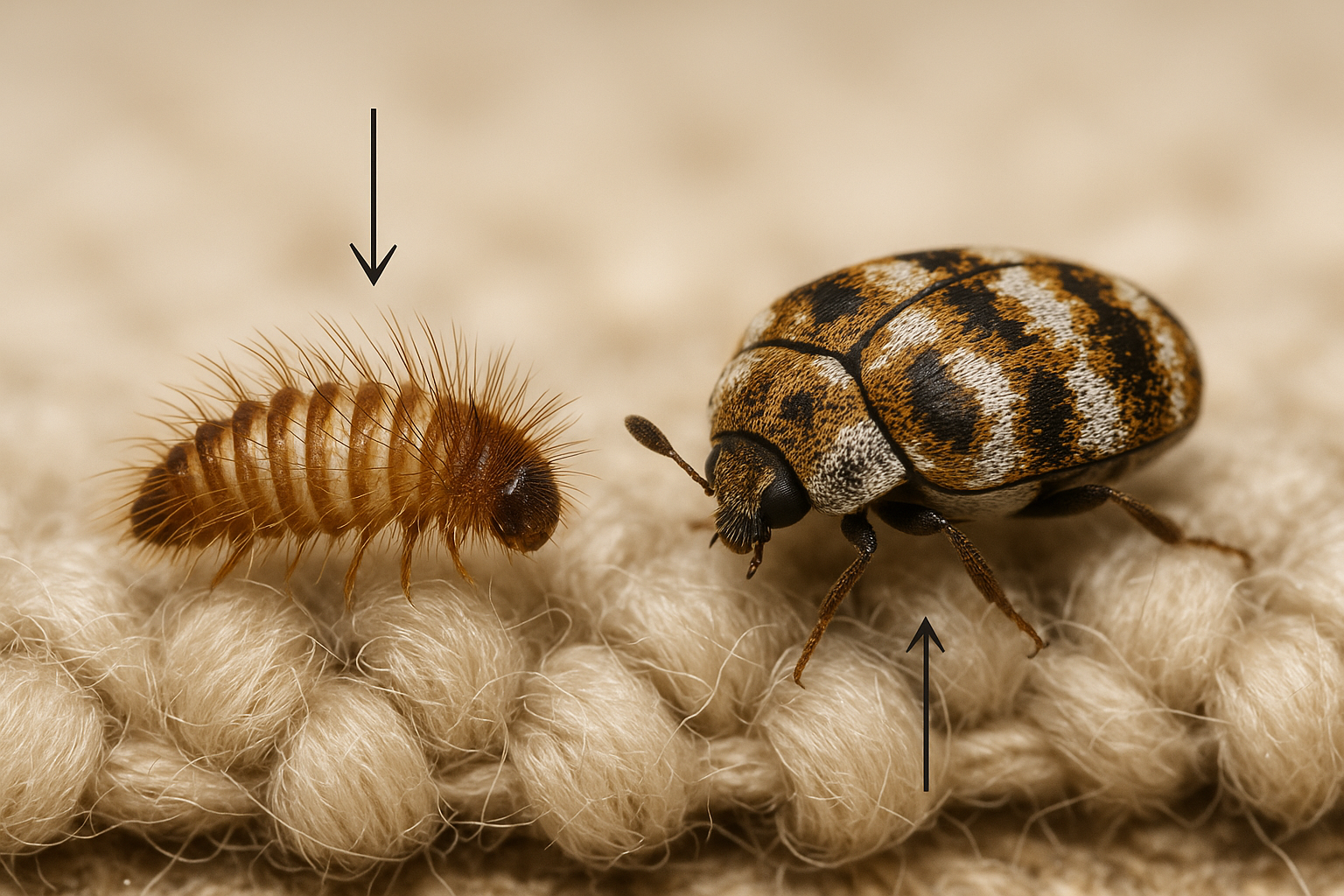
- Larvae – The infamous “cucumber” larvae are 3–5 mm long, brown‑spotted, and covered in bristly hairs. They love wool, silk, and animal‑fiber fabrics, leaving irregular holes and a fine, powdery frass.
- Pupae – A short, immobile stage lasting 1–2 weeks. Pupae look like a tiny, creamy capsule and are usually hidden in the same spots where you found eggs or larvae.
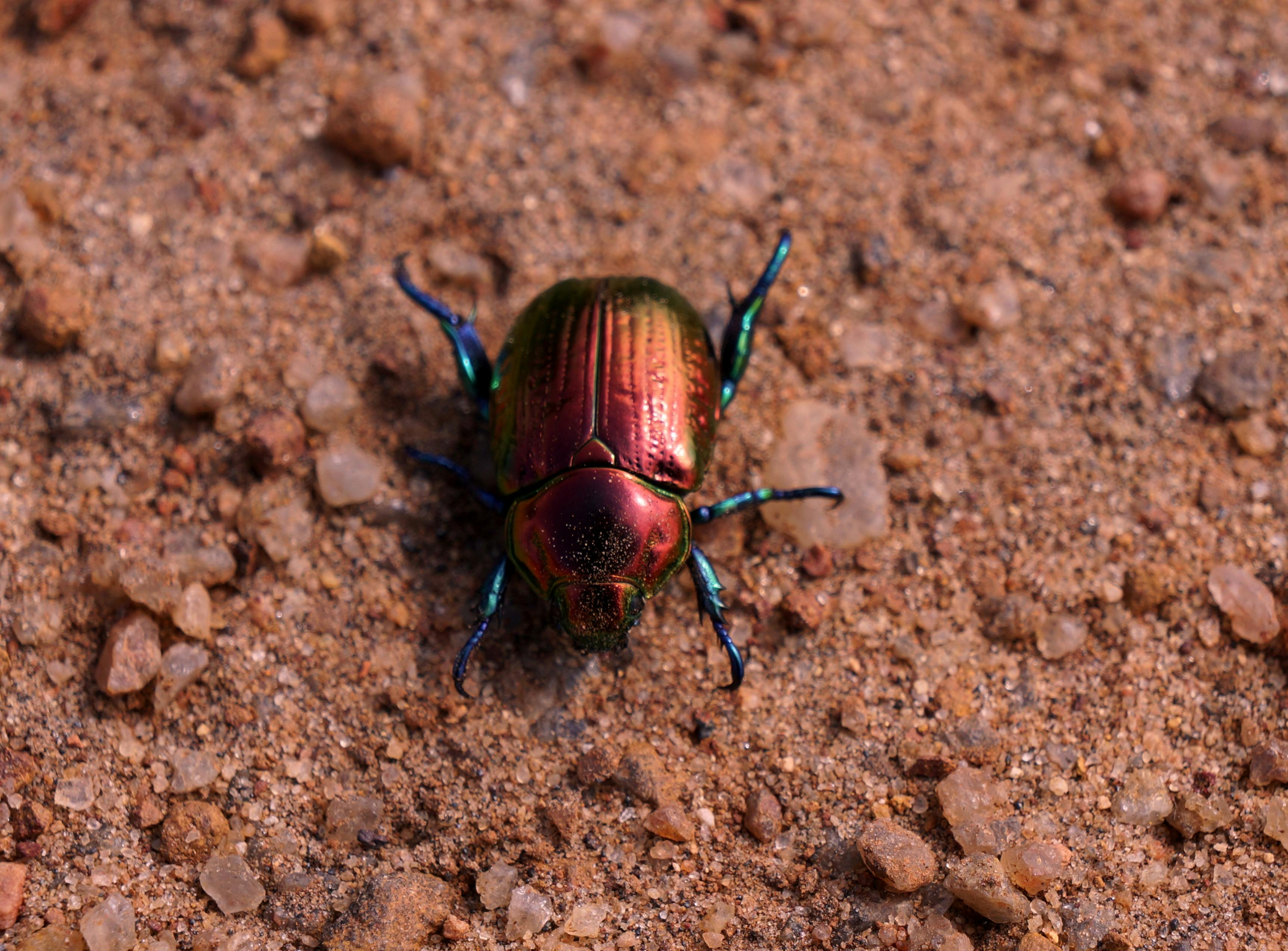
- Adults – Round, 2–3 mm beetles with a mottled brown‑black pattern. They’re most active at night and are commonly seen near windows, light fixtures, or on ceiling fans as they are drawn to light.
For example, you might notice brown‑spotted larvae crawling along the pile of a shag rug in your living room, while a few adult beetles flutter toward the bright kitchen ceiling light. Both signs point to an active infestation that needs immediate attention.
According to the EPA, “12 % of U.S. households report carpet beetle damage annually.” That statistic underscores how common these pests are, even in well‑maintained homes.
Confirming an Infestation
- Place sticky traps near windows, baseboards, and under furniture. A few trapped adults confirm a breeding population.
- Vacuum the carpet edges and rug piles, then inspect the vacuum bag or canister for eggs, larvae, or frass.
- Check hidden storage areas—attics, closets, and under sofas are favorite larval hideouts.
- If you spot any of the visual cues above, give Anthem Pest Control a call. Our technicians can verify the problem and recommend a targeted, safe treatment plan.
Dunwoody’s Climate Makes It a Beetle Hotspot
Dunwoody’s subtropical climate isn’t just pleasant for residents—it creates a perfect breeding ground for carpet beetles. The city experiences long, humid summers and relatively mild winters, which means the insects can remain active for most of the year without the harsh cold that would normally slow them down.
During the summer months, indoor humidity often climbs above 60 % in basements, crawl spaces, and attic insulation. Those moist conditions speed up egg hatch rates and larval growth, turning a few hidden beetles into a full‑blown infestation in just weeks if left unchecked.
Local housing stock adds another layer of risk. The Dunwoody Village neighborhood, with many homes built before 1990, reports significantly higher carpet‑beetle sightings than newer subdivisions. Older structures tend to have more gaps around windows, older siding, and less efficient vapor barriers, giving adult beetles easy entry points and providing hidden nooks for larvae to hide.
The CDC’s indoor pest seasonality chart for the Southeast confirms that carpet‑beetle activity peaks from late spring through early fall in humid regions like Georgia. See CDC data here for a visual overview of the seasonal trend.
Landscaping choices also influence indoor beetle pressure. Dense shrubbery and mulched flower beds trap moisture and attract beetles that later wander toward the house. When foliage brushes against siding or windows, adult beetles can slip inside, especially during warm evenings when they’re most active.
Key climate‑related risk factors in Dunwoody:
- Humid summers with indoor humidity often exceeding 60 %.
- Mild winters that allow beetles to remain active year‑round.
- Older homes built before 1990, especially in Dunwoody Village.
- Dense foliage and mulch around the foundation that funnels beetles indoors.
Comparing Treatment Options and Costs
Professional Integrated Pest Management (IPM) by Anthem Pest
When you call Anthem Pest, the first step is a thorough, room‑by‑room inspection. Our certified technicians identify where carpet beetles are breeding, locate hidden larvae, and assess any structural conditions that could encourage future infestations. After the inspection, we apply a targeted, low‑toxicity treatment that focuses only on the affected zones, minimizing exposure to occupants and pets. The process concludes with a follow‑up visit to verify that the beetles are gone and to address any lingering hotspots.
Typical pricing for Anthem’s IPM service falls into two clear brackets. A spot treatment—ideal for a single infested room or closet—ranges from $150 to $300. For homeowners who want comprehensive protection, the full‑home IPM package, which includes the initial inspection, treatment of all vulnerable areas, a second‑visit verification, taxes, and a limited warranty, is priced between $300 and $600. All costs are presented up front, so there are no surprise fees.
Key benefits of choosing Anthem’s professional IPM include:
- Use of EPA‑registered products that are proven effective against carpet beetles while remaining safe for families and pets.
- Guaranteed eradication backed by a service warranty—if beetles return within the warranty period, we return at no extra charge.
- Reduced risk of re‑infestation thanks to integrated steps such as moisture control, sealing entry points, and education on proper housekeeping.
- Professional documentation of the treatment, which can be useful for insurance claims or resale disclosures.
DIY Treatments
Many homeowners attempt to tackle carpet beetles on their own using over‑the‑counter (OTC) products. Common DIY options include aerosol sprays, foggers, and ready‑mix solutions that claim to kill beetles on contact. In addition to chemical controls, a disciplined routine of vacuuming carpets, upholstery, and baseboards, followed by steam cleaning, can physically remove larvae and eggs.
Cost comparison: Consumer‑grade sprays and foggers typically run between $30 and $80 for a full‑house supply. While the upfront expense is lower than a professional service, the hidden costs—extra product purchases, time spent applying treatments, and the potential need for repeat applications—can quickly add up.
Risks associated with DIY approaches are worth noting:
- Incomplete coverage: OTC products often lack the residual activity needed to protect hidden areas like wall voids, under floorboards, or inside closets.
- Pesticide resistance: Repeated use of the same low‑dose chemicals can encourage beetles to develop resistance, rendering future treatments less effective.
- Safety concerns: Many sprays contain pyrethroids or other neurotoxic agents that can pose health risks to children, pets, and even adults with respiratory sensitivities if not applied correctly.
- False sense of security: Without a professional inspection, homeowners may miss the underlying conditions—excess humidity, stored animal products, or cracked plaster—that fuel beetle populations.
For a balanced view of best practices, the National Pest Management Association’s (NPMA) carpet‑beetle guide recommends an integrated approach that combines chemical treatment, sanitation, and structural repairs. Following those guidelines can help you decide whether a professional IPM plan or a DIY regimen best fits your budget and risk tolerance.
How Anthem Pest Handles Carpet Beetle Treatment
Initial Contact
When you notice carpet beetles, the first step is a quick call to 877‑371‑8196. Our friendly dispatch team will ask for your address, the size of the home, and any recent pest activity you’ve observed. They’ll offer same‑day or next‑day appointments based on your schedule, and they’ll confirm the price range before any work begins—so you know exactly what to expect.
Pre‑treatment Homeowner Checklist
Before the technician arrives, we ask you to complete a short checklist. This helps the treatment work faster and safer.
- Clear all floors of toys, shoes, and loose items.
- Secure pets in a separate room or crate; some products need a pet‑free environment.
- Note any visible damage or stains on carpets so we can target hotspots.
- Remove excess clutter that could hide beetles or interfere with equipment.
Inspection Checklist Used by Technicians
Our certified technicians perform a systematic walk‑through, recording key factors that influence the treatment plan.
- Carpet type and weave density (wool, synthetic, area rug).
- Presence of pets or livestock and their usual locations.
- History of prior pest treatments and any residual chemicals.
- Potential moisture sources such as leaky pipes or high‑humidity rooms.
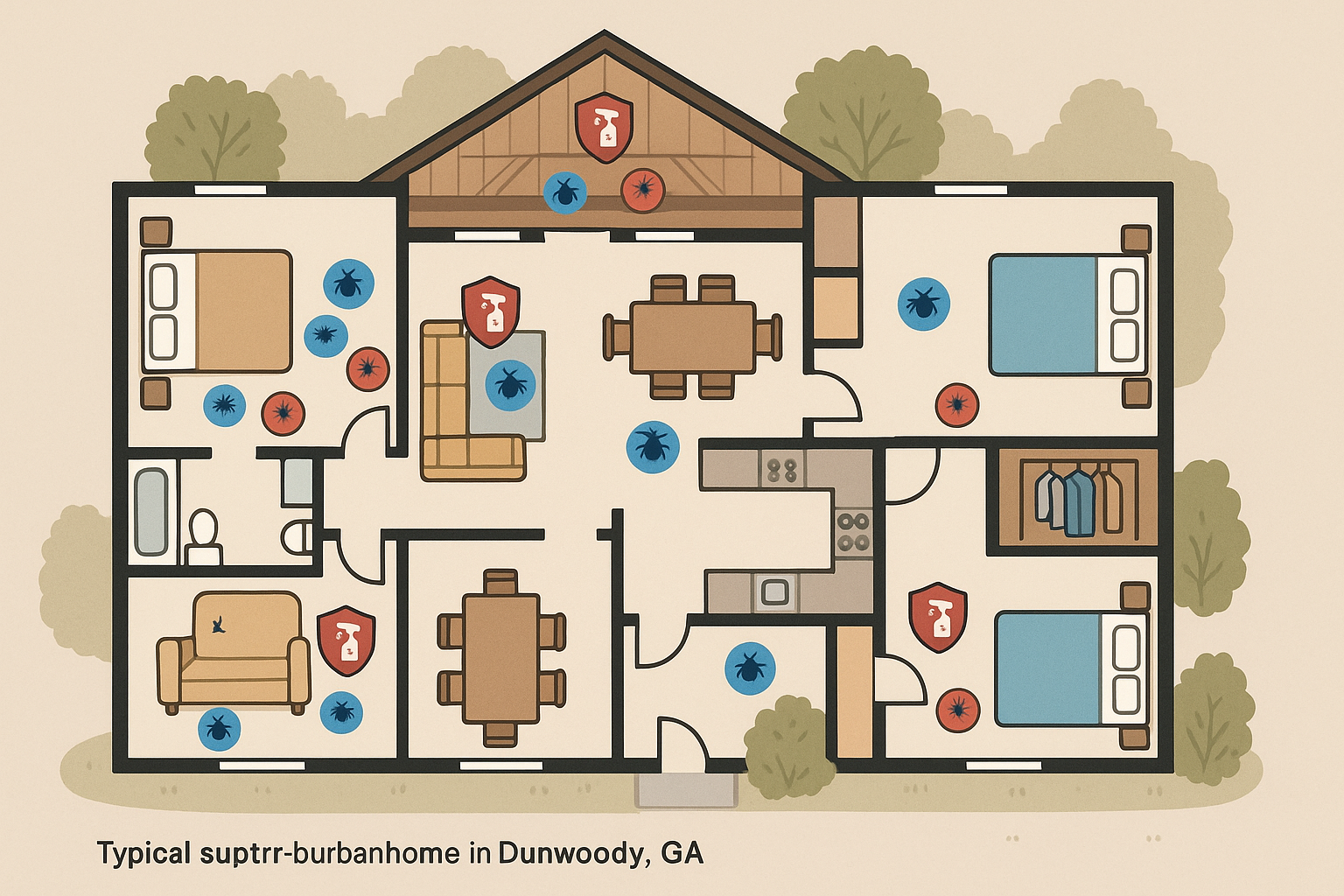
- Identification of “hotspots” where beetle larvae or adult activity is most concentrated.
Treatment Execution
Based on the inspection, we choose the most effective application method:
- Targeted spot‑spray: Applied directly to confirmed hotspots—under carpet edges, along baseboards, and in storage areas.
- Whole‑home fogger: Reserved for severe infestations; the fogger disperses an EPA‑registered, low‑toxicity aerosol that penetrates cracks, crevices, and hidden voids.
All products comply with EPA standards and are formulated to minimize risk to humans, children, and pets. Technicians wear protective gear and follow strict safety protocols, ensuring the chemicals are applied only where needed.
Post‑treatment Monitoring & Warranty
Two weeks after the initial service, a qualified technician returns for a comprehensive re‑inspection. They document any remaining beetle activity, compare it to the original findings, and adjust the plan if necessary. Our standard warranty covers a full retreatment at no extra charge if beetles reappear within 30 days, reinforcing our confidence in the solution.
Throughout the process, Anthem Pest maintains transparent pricing—no hidden fees, no surprise add‑ons. The quote you receive on the first call includes the inspection, treatment, follow‑up visit, and warranty coverage, giving you peace of mind that your home is protected from carpet beetles for the long term.
Long‑Term Prevention Strategies
Establish a Consistent Vacuuming Routine
After treatment, the most effective line of defense is a disciplined vacuum schedule. Aim to vacuum high‑traffic carpets and rugs at least once a week, paying special attention to seams, edges, and the spaces beneath sofas and chairs where beetle larvae love to hide. Using a vacuum equipped with a HEPA filter captures not only adult beetles but also the microscopic shed skins and eggs they leave behind, preventing a hidden resurgence.
Seasonal Deep‑Cleaning After Fall
When the leaves start to turn, it’s time for a thorough deep‑clean. Steam‑cleaning your carpets and area rugs removes any remaining larvae, pupae, and the fine dust that can harbor beetle fragments. The high temperature of the steam kills insects on contact and loosens debris that a regular vacuum might miss. Follow up with a light vacuum to pick up the dislodged material, and you’ll start the colder months with a clean slate.
Store Wool and Natural Fibers Properly
Woolen blankets, sweaters, and other natural‑fiber items are prime beetle targets. Transfer these pieces into sealed, airtight containers or use zip‑lock storage bags before the first frost. For garments you need to keep on hangers, invest in high‑quality garment bags with zip closures. This creates a moisture‑free barrier that deters beetles from laying eggs and feeding on the fibers.
Home Maintenance to Block Entry Points
Even the cleanest home can invite beetles if they have easy access. Inspect the exterior for cracks around windows, doors, and the foundation, and seal any gaps with caulk or weatherstripping. Install door sweeps on exterior doors to block the tiny openings beetles use to slip inside. Finally, address any leaky pipes or condensation issues; lower humidity levels make your home less inviting for beetle development.
Tap Into Local Resources
Staying informed about community pest trends can give you a proactive edge. Subscribe to the Dunwoody Homeowners Association pest‑watch newsletter, which provides timely alerts on emerging beetle activity, seasonal tips, and neighborhood‑wide mitigation efforts. Engaging with neighbors through this channel often uncovers practical, locally‑tested strategies that complement the professional services you receive from Anthem Pest Control.
Frequently Asked Questions
How long does a professional treatment last?
Most Anthem Pest Control programs provide 6‑12 months of protection after the initial service. The exact duration depends on factors such as the severity of the infestation, the type of product used, and whether the homeowner follows the recommended follow‑up schedule. Regular inspections help ensure the barrier stays effective throughout the year.
Are the chemicals safe for children and pets?
We use EPA‑registered, low‑toxicity products that are specifically formulated for indoor use around families. Technicians apply the treatments following strict safety protocols, including limiting exposure time and ventilating treated areas. While the chemicals are safe when used as directed, we always advise keeping children and pets away from treated zones until the area is fully dry.
What if the infestation returns?
Should carpet beetles reappear, Anthem Pest offers a warranty re‑inspection at no extra charge. Our technician will assess the situation, identify any missed hotspots, and apply a supplemental treatment at a reduced cost. Prompt reporting helps us address the problem before it spreads, protecting your home and your peace of mind.
Can carpet beetles affect other rooms such as kitchens or basements?
Yes—carpet beetle larvae are mobile and can migrate to any carpeted or fabric‑covered surface, including kitchens, basements, and even stored food areas. That’s why a whole‑home treatment is essential; it targets all potential hiding spots and prevents the bugs from establishing new colonies in untouched rooms.
Protect Your Home with Anthem Pest Today
When it comes to carpet beetles, three things make the difference between a quick fix and a lingering problem: accurate identification, transparent professional pricing, and proactive prevention.
- Identify correctly. Knowing you’re dealing with carpet beetles, not moths or silverfish, lets us target the right life stage.
- Know the cost up front. Our quotes are itemized, no hidden fees, so you can budget confidently.
- Prevent future infestations. Ongoing monitoring and homeowner tips keep the bugs out for good.
Anthem Pest brings more than a generic service. Our technicians understand the unique humidity and seasonal patterns of Dunwoody, Georgia, allowing us to schedule treatments when they’re most effective. We rely exclusively on EPA‑registered, low‑toxicity products that protect your family, pets, and the environment while eradicating beetles at every stage of their life cycle. And with our satisfaction guarantee, you never pay for a job that doesn’t meet our high standards.
Ready to take the next step? Call us today at 877‑371‑8196 for a free, no‑obligation quote, or visit our website to schedule online. A quick conversation can stop carpet beetles before they damage fabrics, trigger allergies, or spread to neighboring rooms.
Don’t let a small infestation become a costly repair. Let Anthem Pest’s local expertise protect your home, your health, and your peace of mind.
Visit Anthem Pest Control now.