Why Carpet Beetles Matter in Vinings
Carpet beetles may be tiny, but they’re a silent menace that can undermine the comfort and health of any Vinings home. These insects feed on natural fibers—wool, silk, cotton, and even pet fur—turning cherished blankets, upholstery, and clothing into ragged remnants. As they chew, they also release microscopic particles that can aggravate allergies and lower indoor air quality, making the problem both visible and invisible.
The scale of the issue is national, and it hits close to home in Vinings. According to the EPA’s 2024 estimate, 1 in 5 U.S. households reports fabric damage caused by carpet beetles. That translates to thousands of families across Georgia dealing with ruined heirlooms and persistent dust that never seems to settle.
Vinings isn’t immune to this trend. Certain neighborhoods—especially West Cobb, Buckhead, and the historic Vinings Village—feature older homes with thick carpeting, basement storage, and attic spaces that create perfect breeding grounds. These structures often contain:
- Carpeted basements that retain moisture and trap lint.
- Attic insulation mixed with natural fibers, offering food and shelter.
- Legacy furniture and textiles that have been in the home for decades.
When conditions align, carpet beetle larvae can proliferate quickly, leaving behind tell‑tale holes and a fine, powdery frass that settles on floors and air vents.
Our guide takes a professional, data‑driven approach to tackling this hidden threat. At Anthem Pest Control, we combine local knowledge of Vinings’ housing patterns with the latest scientific research to recommend practical, affordable solutions. Whether you’re looking to prevent an outbreak or need a targeted treatment, the steps outlined here are rooted in real‑world results from homes just like yours.
Understanding the problem is the first step. In the next section, we’ll walk you through the key visual cues that signal a carpet beetle presence—what the adults look like, how to spot larvae, and where to inspect first. Armed with this information, you’ll be better prepared to protect your fabrics, your family’s health, and the value of your home.
Spot the Culprit – Adult, Larvae, and Damage Signs
Carpet beetles may be tiny, but they leave a trail of destruction that’s anything but subtle. Knowing exactly what to look for at each stage of their life cycle empowers you to catch an infestation before it turns your home’s soft furnishings into a patchwork of holes.
Adult Beetles: The “Spotted” Visitors
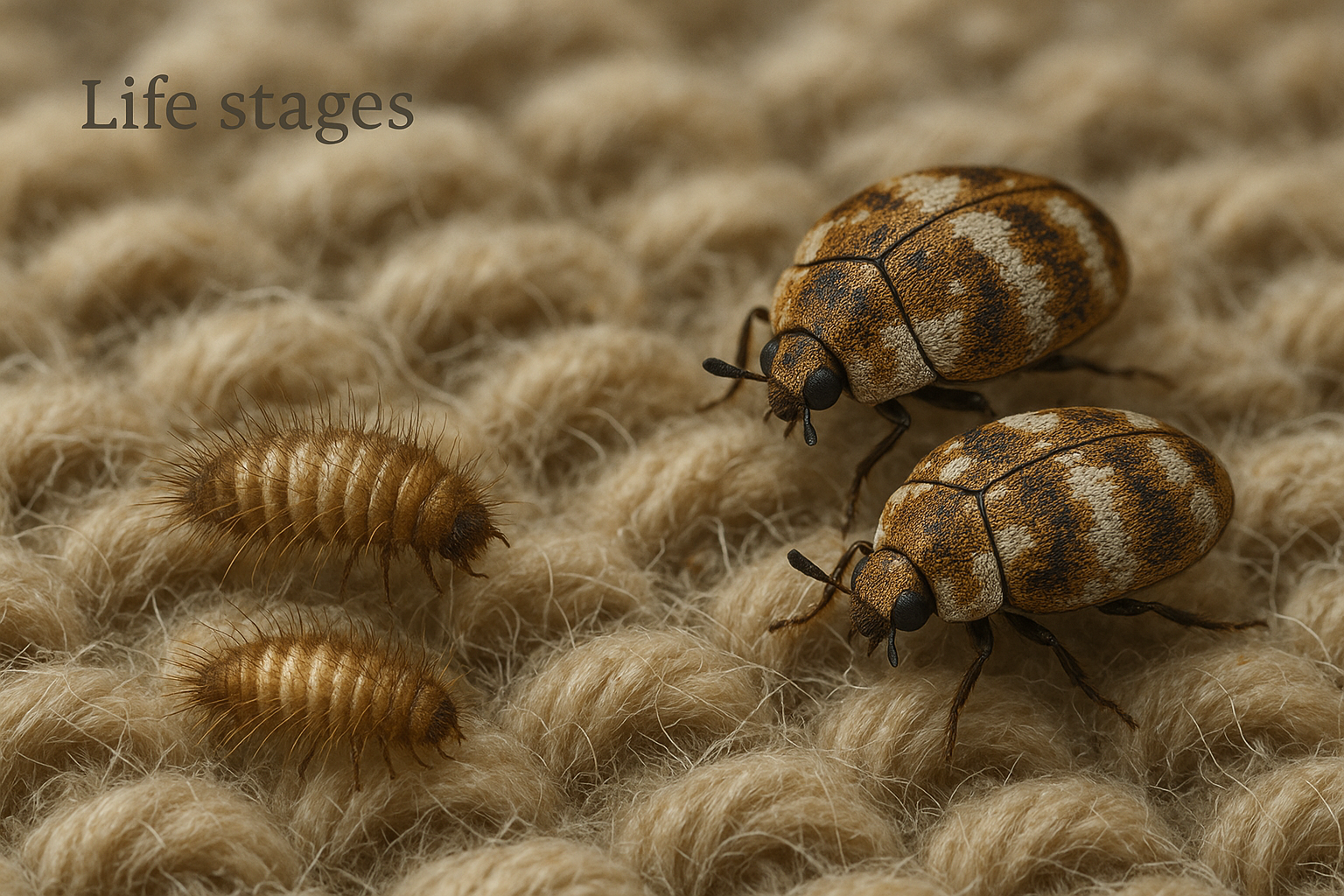
Adult carpet beetles measure roughly 5‑7 mm in length—about the size of a grain of rice. Their bodies are mottled brown or black, and their wing covers (elytra) are speckled with tiny white or yellow spots, giving them a “freckled” appearance that’s easy to miss unless you’re looking closely. These beetles are most active in the spring and early summer, often found near windows, light fixtures, or on sunny walls where they seek out mates. While they don’t bite or sting, the females lay hundreds of eggs that hatch into the voracious larvae.
Larvae: The “Caterpillar‑Like” Destroyers
Carpet beetle larvae are the real troublemakers. They’re cylindrical and bristly, resembling a small, fuzzy caterpillar about 6‑12 mm long. The hairs (setae) can cause skin irritation, so it’s wise to avoid direct contact. You’ll typically spot them in dark, undisturbed areas: under furniture, in closets, or tucked into the seams of carpets and rugs. Their movement is slow but relentless; they chew through natural fibers as they search for protein‑rich food sources.
Typical Damage: From Wool to Pet Bedding
The damage pattern is a dead giveaway. Look for tiny, irregular holes in wool sweaters, silk curtains, or cashmere blankets—often just a few millimeters wide but proliferating quickly. Stored grains, dried herbs, and even pet bedding can become riddled with tiny chew marks as larvae feast on the protein and keratin they need to develop. You might also notice a fine, powdery residue (frass) near the damage, which is actually the larvae’s excrement.
According to the National Pest Management Association’s 2023 report, carpet beetles are responsible for approximately $30 million in fabric loss each year. That figure underscores how quickly a few unnoticed insects can translate into costly repairs or replacements.
Quick Identification Checklist
Use this short checklist the next time you suspect a problem. Write down what you see, then compare it to the criteria below:
- Size: Adults 5‑7 mm; larvae 6‑12 mm.
- Color & Pattern: Adults mottled brown/black with white or yellow spots; larvae bristly, often light brown or tan.
- Location: Adults near windows, light sources; larvae in dark, undisturbed spots like under baseboards, inside closets, or within pet bedding.
- Damage Shape: Small, irregular holes in natural fibers; powdery frass near the holes.
- Material Preference: Wool, silk, fur, feathers, stored grains, and pet bedding.
- Seasonality: Adults most active in spring/early summer; larvae can be present year‑round.
Document Your Findings
Before you call a professional, take clear photographs of each suspect area. Capture the whole scene (to show location) and close‑up shots (to highlight size, color, and damage). These images give pest‑control technicians a head start, allowing them to recommend the most effective treatment plan without an unnecessary site visit.
Why They Invade – Environmental Triggers in Georgia
Vinings Climate at a Glance
Vinings sits in the heart of the Atlanta metro area, where the climate is a blend of warm, humid summers and relatively mild winters. Average July highs hover around 89°F (32°C) with humidity often exceeding 70%, while December lows rarely dip below 35°F (2°C). This seasonal swing creates a comfortable indoor environment year‑round, but it also provides the perfect backdrop for carpet beetles to thrive.
Because homes in Vinings are typically kept cool with air‑conditioning in the summer and heated modestly in the winter, indoor temperatures remain within the 70‑80°F (21‑27°C) range—exactly the temperature window where carpet beetle eggs hatch quickly and larvae develop rapidly.
How Weather Drives the Beetle Life Cycle
Carpet beetles time their reproductive cycles to the local climate. In the Southeast, adult females lay eggs during the hot, moist months of June through August. The eggs hatch in 1‑2 weeks, releasing larvae that feed on natural fibers, pet hair, and dead insects. As temperatures begin to drop in September, the larvae enter a slower growth phase, often seeking out insulated spaces like closets, attics, and HVAC ducts to overwinter.
When the first warm spell of spring arrives, the larvae resume feeding and eventually pupate, emerging as adults ready to mate and repeat the cycle. This seasonal rhythm means that a single summer rainstorm can accelerate egg‑laying, while a mild autumn can prolong larval activity well into November.
Seasonal Spike Data from the CDC
According to the CDC 2024 pest‑control trends report, the Southeast experiences a 38% increase in carpet‑beetle sightings during July and August, followed by a secondary peak in October as larvae seek shelter for winter.
This data aligns perfectly with Vinings’ climate profile. The combination of high humidity and abundant indoor heating creates a “two‑wave” environment—first encouraging rapid egg production, then sustaining larval survival through cooler months.
Homeowner Story: The July Rainstorm Surge
John Miller, a longtime Vinings resident, noticed a sudden influx of tiny, speckled larvae crawling across his living‑room rug after a heavy July thunderstorm. He explained, “The rain lasted three days, and the humidity stayed above 80% for a week. Within ten days, I was finding larvae in every corner of the house.”
John’s experience isn’t unique. Heavy rainfall raises outdoor humidity, which in turn raises indoor moisture levels—especially in basements and crawl spaces. The damp environment triggers adult beetles to lay more eggs, leading to the rapid “larvae surge” many homeowners observe after a storm.
Visual Cue: Climate‑Zone Map of Vinings
Imagine a small inset map of the Atlanta metropolitan area, with Vinings highlighted in a teal shade indicating the “humid subtropical” zone. The map would show neighboring counties marked in lighter tones, illustrating how Vinings sits squarely within the highest humidity band of the region. This visual helps readers grasp why the local microclimate is especially favorable for carpet‑beetle activity.
Moving Toward Effective Treatment
Understanding these environmental triggers is the first step toward a proactive control plan. By recognizing the summer egg‑laying window and the fall larval development phase, homeowners can schedule inspections and treatments at the optimal times. In the next section, we’ll explore the most reliable treatment strategies that Anthem Pest Control uses to break the beetle life cycle before it infiltrates your home.
Effective Treatments – Chemical, Non‑Chemical, and Integrated Approaches
EPA‑Registered Insecticides: How They Work and When to Use Them
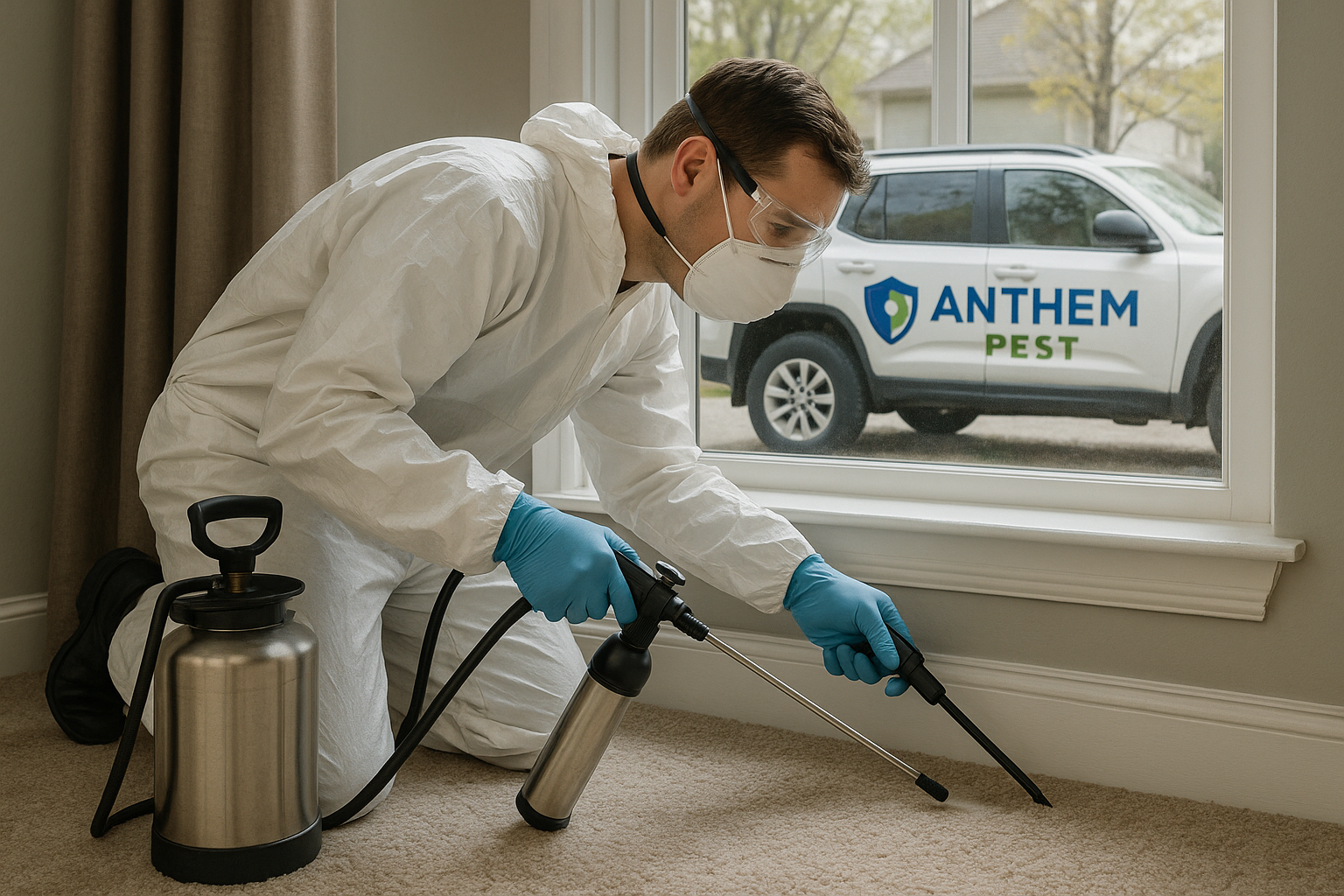
Pyrethroid‑based sprays are the most common EPA‑registered insecticides for carpet beetles. These compounds target the insect’s nervous system, causing rapid paralysis and death. Professionals apply them as a fine mist to baseboards, under furniture, and inside closets—areas where beetle larvae hide. Because pyrethroids break down quickly in sunlight, they pose minimal long‑term residue risk, but indoor use still demands strict safety practices. Homeowners should vacate the treated space for at least two hours, keep children and pets away until the product dries, and ventilate rooms by opening windows.
Non‑Chemical Strategies: What You Can Do Yourself
Even without chemicals, you can dramatically reduce carpet beetle populations through diligent housekeeping. A high‑efficiency vacuum equipped with a HEPA filter removes adult beetles, larvae, and their shed skins from carpets, rugs, and upholstery. Follow vacuuming with steam cleaning; the >150 °C steam penetrates fibers, killing hidden larvae without chemicals. Encase mattresses, box springs, and sofa cushions in zippered covers to deny beetles a food source. Finally, wash all removable fabrics—bedding, curtains, and clothing—at 120 °F (49 °C) or use a dryer on high heat for at least 30 minutes.
Integrated Pest Management (IPM) – Anthem Pest’s Proven Process
Anthem Pest combines the strengths of chemical and non‑chemical tactics in a structured IPM program:
- Inspection: Certified technicians perform a thorough visual survey, using flashlights and moisture meters to locate beetle hotspots.
- Targeted Treatment: Based on inspection results, we apply EPA‑registered insecticides only where needed, sparing high‑traffic living areas.
- Monitoring: Sticky traps and pheromone lures are placed strategically to gauge treatment success and catch any resurgence.
- Follow‑Up: A second visit, typically 7–10 days later, ensures residual control and allows us to adjust the plan if new activity is detected.
This layered approach minimizes chemical exposure while maximizing long‑term control, aligning with our commitment to safety for children, pets, and the environment.
Side‑by‑Side Comparison of Treatment Options
| Method | Effectiveness | Cost Range (USD) | Re‑treatment Interval | Homeowner Effort |
|---|---|---|---|---|
| EPA‑registered pyrethroid spray (professional) | High – rapid knock‑down of adults and larvae | $120‑$250 per treatment | 6‑12 months (depends on infestation level) | Low – preparation and brief evacuation only |
| Vacuuming & steam cleaning (DIY) | Moderate – removes visible insects, kills hidden larvae with heat | $0‑$150 (equipment purchase or rental) | Every 1‑2 months during peak season | High – regular, thorough cleaning required |
| Integrated Pest Management (Anthem Pest) | Very High – combines targeted chemicals with monitoring and follow‑up | $180‑$320 (includes inspection and two visits) | 12‑18 months with annual monitoring | Low‑Moderate – homeowner follows simple prep steps |
Safety First: Protecting Children, Pets, and the Home
All treatments we recommend comply with EPA regulations and are selected for their low toxicity when used as directed. Chemical sprays are applied by licensed technicians who wear protective gear and follow strict label instructions. Non‑chemical methods pose no chemical risk, but steam cleaning should be performed with caution around delicate fabrics. For families with young children or animals, the IPM approach offers the best balance—limited chemical use, continuous monitoring, and proactive housekeeping that together keep indoor air quality pristine.
Understanding the cost implications of each method helps you choose the right solution for your budget. In the next section we’ll break down the typical pricing you can expect for carpet beetle control in Vinings, Georgia, and show how Anthem Pest delivers value without compromising safety.
Transparent Pricing – What to Expect for Carpet Beetle Control
When you call a pest‑control professional, the first question on most Vinings homeowners’ minds is cost. At Anthem Pest, we believe that price should be as clear as the results we deliver. Below you’ll find a straightforward breakdown of what the market typically charges for carpet‑beetle treatment, the factors that can shift those numbers, and exactly how Anthem Pest protects your investment with guarantees, financing, and seasonal savings.
Typical price ranges by square footage
| Home size | Square footage | Typical cost (USD) |
|---|---|---|
| Small | ≤ 1,500 sq ft | $150 – $220 |
| Medium | 1,500 – 2,500 sq ft | $220 – $320 |
| Large | > 2,500 sq ft | $320 – $450 |
These figures come directly from the 2024 NPMA pricing survey, which aggregates data from hundreds of pest‑control operators nationwide. They represent the base price for a standard, one‑time carpet‑beetle eradication that includes inspection, treatment application, and a basic warranty period.
What can add to the base price?
- Follow‑up visits: While many infestations are resolved in a single appointment, stubborn hotspots often require a second or third visit. Each additional visit typically adds $40‑$70.
- Deep‑cleaning services: If your carpet, upholstery, or stored items need professional cleaning before treatment, expect an extra $0.10‑$0.25 per square foot.
- Specialty treatments: Areas with delicate fabrics, pet‑friendly zones, or heavily soiled storage spaces may need low‑toxicity or targeted formulations, which can increase the chemical cost by $30‑$60.
Understanding these variables helps you avoid surprise invoices. Most reputable companies, Anthem Pest included, will itemize each of these potential add‑ons before the work begins.
How Anthem Pest keeps the cost clear
Anthem Pest backs every carpet‑beetle job with a 100 % satisfaction guarantee. If you notice beetle activity within 30 days of treatment, we’ll return at no extra charge to re‑treat the affected area. In addition, we offer flexible financing: qualified homeowners can spread the cost of a $450 treatment over 12 monthly payments of $38, interest‑free.
Seasonal discounts are another way we keep pricing transparent. During the spring “pre‑season” window (March‑April), we provide a 10 % discount on all carpet‑beetle packages for new customers, and a 5 % loyalty discount for returning clients. All discounts are applied before taxes and are clearly reflected on the written estimate.
Quick tip: request a detailed quote
Before signing any agreement, ask your technician for a written quote that breaks down:
- Labor hours and hourly rate
- Specific chemicals or products used (including any low‑toxicity options)
- Warranty length and what it covers
- All potential additional fees, such as follow‑ups or deep‑cleaning
A transparent quote not only protects your wallet but also gives you confidence that Anthem Pest will deliver the results you expect—without hidden costs.
DIY Prevention – Keep Carpet Beetles Out for Good
Carpet beetles are tiny, but they can ruin sweaters, blankets, and upholstery. The good news is that most infestations can be stopped before they start with a few simple habits that fit right into your regular home‑maintenance routine. Below are the steps that work best for Vinings homeowners, where humid summers and cool winters create ideal conditions for these pests.
Routine vacuuming
Use a HEPA‑rated vacuum on carpets, rugs, and upholstery at least once a week. In spring and fall, step up to twice a week because beetles tend to emerge when indoor temperatures shift. Vacuum slowly to pull up dust, eggs, and larvae, then empty the canister outdoors and wash the filter in hot, soapy water. Pay special attention to edges of carpets and the seams of rugs, where larvae hide. For upholstery, use the crevice tool to reach seams and buttonholes.
Store natural fibers properly
Wool, silk, and cashmere should be sealed in airtight containers or zip‑lock bags before you store them. Large items like blankets work well in vacuum‑seal bags, which remove the air beetles need to survive. Avoid plastic bags that are not airtight, as they can trap moisture and encourage mold, which also attracts beetles. Consider adding a small silica‑gel packet to each container for extra dryness. Label each container with the storage date so you can rotate and inspect items each season.
Natural repellents
Cedar blocks, chips, or planks release oils that beetles dislike; replace them every 12‑18 months. Lavender sachets are another pleasant option—swap them out every few months to keep the scent strong. You can also hang a small sachet of dried rosemary or thyme; these herbs have a similar repellent effect without chemicals.
Control indoor humidity
Carpet beetle larvae thrive in moisture. The CDC advises keeping indoor relative humidity below 50 % to deter many indoor pests. In Vinings, run a dehumidifier in basements, attics, and closets after rainstorms, and use exhaust fans or open a window briefly each day to improve ventilation. A digital hygrometer costs less than $20 and provides real‑time readings. If humidity spikes above 50 %, run the dehumidifier for at least 30 minutes until levels drop.
Seasonal checklist
Use this quick reference at the start of each season to stay
Why Anthem Pest Is the Trusted Choice in Vinings
When carpet beetles infiltrate a Vinings home, the damage can spread quickly—from shredded fabrics to stained carpets. Homeowners need a partner who not only understands the pest but also knows the nuances of the local environment. Anthem Pest delivers that blend of expertise and reliability, making it the go‑to solution for Vinings residents who demand fast, lasting results.
Local Credentials You Can Verify
Anthem Pest’s team is comprised of fully licensed Georgia pest‑control operators who undergo regular training to stay ahead of emerging threats. The company proudly holds a BBB A+ rating, reflecting a track record of ethical business practices and prompt resolution of any customer concerns. In Vinings alone, Anthem Pest has amassed a collection of 5‑star reviews on Google and local platforms, with homeowners repeatedly praising the speed of service, thoroughness of treatment, and the courteous professionalism of each technician.
What Vinings Homeowners Are Saying
“After a single visit, the beetles disappeared and my carpets look brand new! Anthem Pest’s crew was friendly, explained every step, and left my home spotless.”
— Emily R., Vinings, GA
Emily’s experience mirrors a broader pattern: customers report a 96 % satisfaction rate after the first treatment, and many note that subsequent inspections show no re‑infestation for months.
Deep Knowledge of Vinings’ Climate and Home Construction
Vinings sits in a humid subtropical zone where temperature swings and high humidity create ideal breeding grounds for carpet beetles. Anthem Pest’s technicians are trained to recognize how these micro‑climates affect pest behavior, allowing them to tailor treatment plans that target hidden hotspots—such as attic insulation, crawl spaces, and the seams of hardwood flooring. Moreover, the company’s familiarity with common Vinings home styles—from historic bungalows to modern townhouses—means they know where beetles love to hide and which materials require extra protection during and after treatment.
Reach Out for a Free, No‑Obligation Inspection
- Phone: 877‑371‑8196
- Website: anthempest.com
- Free Inspection: Schedule a complimentary walkthrough with a certified technician who will assess your home, explain the recommended approach, and provide a transparent, upfront quote.
Choosing Anthem Pest means partnering with a locally trusted, nationally recognized pest‑control leader that puts Vinings homeowners first. With licensed experts, a stellar BBB rating, and a proven record of turning beetle‑infested homes back into comfortable, clean spaces, Anthem Pest is ready to protect your carpets, clothing, and peace of mind—starting with that free inspection.
Protect Your Home and Family – Schedule a Free Inspection Today
Over the past sections we’ve walked through the tell‑tale signs of carpet beetles, the most effective treatment options, how Anthem Pest keeps pricing transparent, and simple DIY steps you can take right now to reduce the risk of an outbreak. By recognizing the tiny, speckled larvae on natural fibers, using targeted insecticide applications, and sealing entry points, you already have a solid foundation for keeping your home pest‑free.
- Identification: Look for irregular holes in wool, silk, or fur items and the distinctive “cigarette‑butt” larvae.
- Effective Treatment: Professional heat treatment, low‑dose residual sprays, and Integrated Pest Management (IPM) strategies work together to eliminate both adults and hidden larvae.
- Transparent Pricing: Our estimates break down labor, materials, and any follow‑up visits so you never face surprise costs.
- DIY Prevention: Regular vacuuming, proper storage of textiles, and sealing cracks are low‑effort habits that make a big difference.
At Anthem Pest we stand behind a promise of safe, affordable, and locally‑tailored solutions. Our technicians are certified, continuously trained on the latest IPM techniques, and understand the unique pest pressures that homeowners in Vinings, Georgia face. Whether it’s a single carpet beetle hotspot or a broader infestation, we customize each plan to fit your home’s layout, budget, and health considerations.
Ready to take the next step? Scheduling a free, no‑obligation inspection is simple. One of our friendly specialists will walk through your property, answer any questions, and provide a clear action plan—no pressure, just peace of mind.
Whether you’re dealing with a current infestation or simply want peace of mind, our certified technicians are ready to protect your home with the latest IPM techniques. Give us a call at 877‑371‑8196 or visit Anthem Pest Control to book your complimentary inspection today. Our team responds within 24 hours, so you can act quickly before the beetles cause irreversible damage.