Why Centipedes Matter in Dunwoody

Centipedes are often misunderstood. In the wild they are harmless predators, feeding on insects like flies, spiders, and even other centipedes. Their rapid movements and many legs can be unsettling, but they pose no direct threat to people or pets. When these nocturnal hunters wander inside your home, many residents begin looking for reliable centipede control Dunwoody services to stop the intrusion. A few extra legs on the kitchen floor can quickly become a nuisance.
Dunwoody’s humid subtropical climate creates the perfect backdrop for centipede activity. Warm summers, mild winters, and abundant moisture in lawns, mulch, and leaf litter give centipedes the moisture they need to thrive. When humidity spikes after a summer thunderstorm, you’ll notice them emerging from the garden, often under decks, in basements, or even inside bathrooms. The combination of temperature and moisture accelerates their life cycle, leading to higher indoor sightings during the rainy months.
Anthem Pest has been serving the Atlanta metro area, including Dunwoody, for over 20 years. Our technicians have logged thousands of centipede encounters, giving us a deep understanding of how local weather patterns influence pest behavior. This long‑standing presence means we know which treatment formulas work best, how to target hidden entry points, and how to educate homeowners on long‑term prevention.
Our guide is built on data and real‑world experience. You’ll learn how to identify the most common centipede species in Georgia, recognize the signs of an infestation, and apply proven treatment strategies that protect your family without compromising safety. For a deeper dive into centipede biology and safety recommendations, the U.S. Environmental Protection Agency offers an excellent fact sheet: EPA centipedes.
Identifying the Common House Centipede
What it looks like
The house centipede (Scutigera coleoptrata) is instantly recognizable by its sleek, dark‑brown body that typically measures between 2 and 4 inches long. Its most striking feature is a set of long, yellow‑orange legs—up to 15 pairs—that fan out from each body segment, giving it a spider‑like silhouette. The head is small and rounded, and the antennae are equally slender. When disturbed, it darts across surfaces with a speed that can seem almost frantic, a behavior that often surprises homeowners.

Preferred habitats
House centipedes thrive in damp, sheltered environments where they can hunt for insects like silverfish and spiders. Typical hotspots in a home include moist basements, crawl spaces, and the grout lines of bathroom tiles. They also favor the undersides of kitchen cabinets, closets, and any area where humidity remains elevated for extended periods. Because they are nocturnal, you’re most likely to spot them after sunset, especially near sources of water or where prey populations are high.
How common is it?
According to the 2024 EPA indoor arthropod ranking, “Centipedes rank among the top 5 indoor arthropods in the Southeast.” This statistic underscores how frequently homeowners in Georgia encounter these predators, especially during the humid summer months when indoor moisture levels rise.
Quick identification checklist: Centipede vs. Millipede
- Leg count: House centipedes have one pair of legs per body segment (up to 15 pairs), while millipedes possess two pairs per segment.
- Speed: Centipedes move quickly, often scurrying away in seconds; millipedes are slow and deliberate.
- Body shape: Centipedes feature a flattened, elongated body; millipedes are cylindrical and rounded.
- Coloration: Centipedes display contrasting yellow‑orange legs against a dark torso; millipedes are usually uniformly brown or black.
- Behavior: Centipedes are active hunters that may bite if handled; millipedes are detritivores and curl into a tight coil when threatened.
Even though house centipedes look unsettling, they are actually beneficial allies that keep other indoor insects in check. Their venom is weak and bites are rare, but a misidentification can lead to unnecessary pesticide use. By confirming the key traits—fast movement, yellow‑orange legs, and a slender dark body—you can decide whether a professional inspection is needed or simply monitor the moisture levels that attract them.
Local Factors that Amplify Centipede Encounters
Moisture‑Rich Tree Canopy and Mature Landscaping
In Dunwoody, the dense tree canopy and well‑established landscaping create a natural humidity reservoir. Shade from mature oaks, pines, and magnolias slows evaporation, keeping the soil damp for weeks after a rain. Centipedes thrive in that cool, moist environment, slipping beneath leaf litter and root zones to hunt for insects.
Older Homes and Crawl‑Space Vulnerabilities
Many neighborhoods—Brookhaven, Dunwoody Village, and North Dunwoody—feature homes built before the 1990s. Those structures often have crawl spaces, unfinished basements, and foundation gaps that serve as highways for centipedes. Cracks around utility penetrations or poorly sealed vents let the insects move from the yard into the living areas with ease.
Seasonal Spike Data for Fulton County
The 2023 CDC seasonal pest spike report for Fulton County documented a 22 % increase in centipede sightings between May and August, precisely when Dunwoody’s humidity peaks. The report attributes the rise to the combination of warm temperatures, abundant moisture, and the prevalence of older housing stock that offers easy entry points.
Leaf Piles, Mulch, and Irrigation: Perfect Micro‑Habitats
Homeowners who mulch flower beds or keep leaf piles for aesthetic reasons unintentionally create ideal micro‑habitats. Mulch retains water, and decomposing leaves generate a soft, dark substrate where centipedes can hide during daylight. Over‑watering lawns or sprinkler systems that drip onto foundations further saturates the soil, extending the centipede’s active season.
Spotting Early Signs Around Your Home
Look for thin, elongated bodies with dozens of legs near door thresholds, under deck railings, or inside crawl‑space vents. You may also notice shed exoskeletons in mulch beds or small clusters of dead insects—centipedes often leave behind their prey after a hunt. Catching these clues early lets Anthem Pest Control intervene before the infestation spreads, keeping your home comfortable and pest‑free.
Effective Centipede Control Methods
Centipedes thrive in the humid corners of homes, especially where moisture meets cracks and crevices. To keep these fast-moving predators at bay, many homeowners turn to professional centipede control Dunwoody services that combine proven chemical tactics, targeted baits, and long-term preventive measures. Below is a data-driven look at the three most reliable control strategies used by Anthem Pest in Dunwoody, Georgia.
Chemical Barrier Sprays
Low‑toxicity pyrethroids—such as bifenthrin and permethrin—form an invisible shield along the foundation, exterior walls, and common entry points. Applied in early spring, when centipedes first emerge from the soil, the barrier intercepts their migration before they can infiltrate living spaces. A fall retreat reinforces the barrier after summer rains, ensuring year‑round protection.
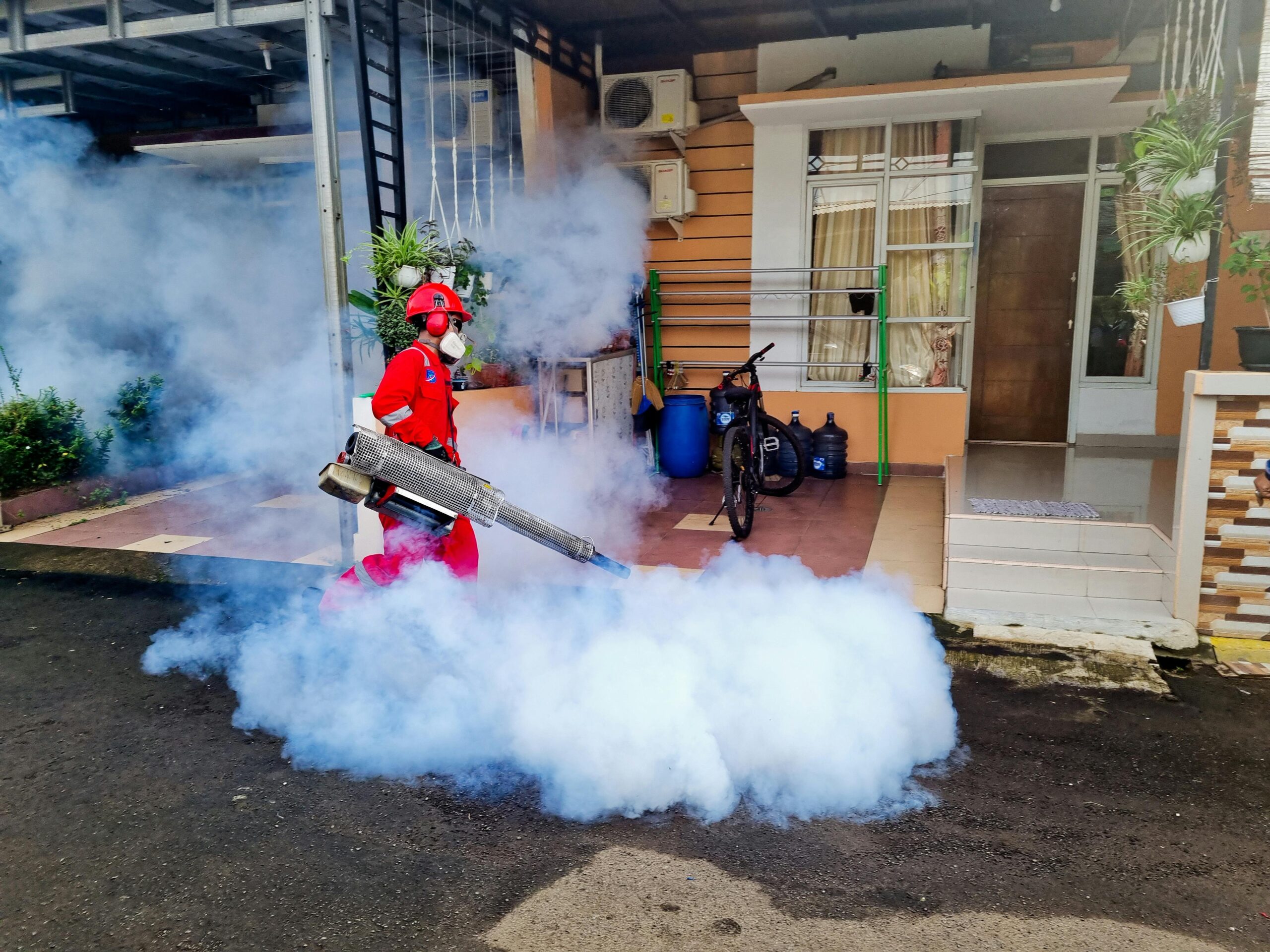
Safety is paramount. Anthem Pest technicians wear protective gear, calibrate sprayers for precise coverage, and advise homeowners to keep children and pets indoors for at least two hours after application. Because pyrethroids break down quickly in sunlight, the risk of lingering residues is minimal, making this method suitable for families concerned about chemical exposure.
Bait Stations
Modern bait stations combine a slow‑acting insecticide with an attractant that mimics the decaying organic matter centipedes seek. Placed near door thresholds, garage doors, and damp basements, the stations lure wandering centipedes, which then transport the toxin back to hidden nests.
EPA field trials have documented a 70‑85 % reduction in centipede activity within 30 days of proper bait placement. The key to success is strategic positioning and regular inspection—stations should be checked every two weeks and replenished as needed. Bait stations complement barrier sprays by targeting those individuals that manage to slip past the perimeter.
Integrated Pest Management (IPM)
IPM is the gold standard for sustainable centipede control. It blends moisture management, structural sealing, and selective chemical applications into a cohesive plan. Homeowners start by fixing leaky pipes, installing dehumidifiers, and improving ventilation in crawl spaces. Next, they seal foundation cracks, window gaps, and utility penetrations with silicone caulk or expanding foam.
Once the environment is less inviting, a targeted chemical treatment—often a spot‑on pyrethroid spray—addresses residual hotspots. By reducing the habitat first, the amount of pesticide needed drops dramatically, lowering both cost and exposure risk. Anthem Pest’s technicians conduct a thorough inspection, then tailor an IPM package that aligns with the home’s specific moisture profile and construction quirks.

Cost‑Comparison Overview
| Method | Typical Cost (per treatment) | Effectiveness (% reduction) | Application Frequency |
|---|---|---|---|
| Chemical Barrier Spray | $120 – $180 | 80 – 90 | Spring & Fall (2 applications) |
| Bait Stations | $90 – $130 | 70 – 85 | Initial placement + 30‑day follow‑up |
| Integrated Pest Management | $150 – $250 | 85 – 95 | Custom schedule; typically 1‑2 visits per year |
All three options are backed by Anthem Pest’s 30‑day guarantee. If centipede activity persists after the initial treatment window, a complimentary re‑visit is scheduled to adjust the approach at no extra charge.
Ready to choose the right solution for your home? Visit Anthem Pest’s centipede control page for detailed pricing, service calendars, and to book a certified technician.
What Homeowners Can Expect to Pay
Understanding the cost structure for centipede control helps you plan ahead and avoid surprise invoices. At Anthem Pest Control we keep pricing transparent, so you know exactly what you’re paying for—whether you need a quick knock‑down or a full‑scale prevention program.
Single‑visit treatment is the most straightforward option. Technicians assess the infestation, apply a targeted pesticide, and finish the job in one appointment. Prices typically range from $150 to $300, depending on the square footage and severity of the problem. Smaller condos may fall at the lower end, while larger homes with extensive baseboard cracks can approach the upper limit.
Comprehensive Integrated Pest Management (IPM) package includes three scheduled visits, ongoing monitoring, and a follow‑up report that outlines long‑term prevention steps. This bundled approach usually costs between $300 and $600. The range reflects differences in property size, the need for additional treatments, and any special considerations such as pet‑friendly products.
Many homeowners save money by pairing centipede control with another service, such as ant extermination. Anthem offers a $20 discount on the combined bill when you schedule both treatments together. Bundling not only reduces cost but also tackles multiple entry points that insects often share.
According to the National Pest Management Association’s 2024 pricing survey, these figures align with regional averages for the Atlanta metro area, including Dunwoody. The survey confirms that single‑visit and IPM packages fall within the national 25th‑‑75th percentile ranges, giving you confidence that you’re receiving a fair market rate.
| Service Type | Visits Included | Price Range | Notes |
|---|---|---|---|
| Single‑Visit Treatment | 1 | $150 – $300 | Based on square footage and infestation level |
| Comprehensive IPM Package | 3 (treatment + monitoring) | $300 – $600 | Includes follow‑up report and preventive recommendations |
| Bundled Ant + Centipede Service | Varies | Standard rates – $20 discount | Best for homes with multiple pest concerns |
When you’re ready to schedule, give Anthem Pest Control a call at 877‑371‑8196 or visit our website. Our technicians will provide a free on‑site estimate and explain which option fits your budget and pest‑pressure level.
Keeping Centipedes Out for Good
Seasonal Tasks
Each fall, sweep away leaf litter, pine needles, and garden debris that create cool, damp hideouts right up against your foundation. In the winter months, inspect indoor plumbing for drips; even a slow‑leak can raise humidity levels and invite centipedes into crawl spaces. When the weather warms, set a de‑humidifier in basements and unfinished rooms, aiming for a relative humidity of 45‑50 % to make the environment too dry for these moisture‑loving predators.
Home Maintenance
Install door sweeps on all exterior doors and replace worn weather‑stripping to block the tiny entry points centipedes use to slip indoors. Seal foundation cracks, gaps around utility penetrations, and any openings around windows with a high‑quality silicone or polyurethane caulk. Store firewood, lumber, and other organic materials at least three feet away from the house and on a raised platform, preventing it from becoming a bridge for centipedes and other pests.
Dunwoody‑Specific Landscaping Advice
In the Atlanta‑metro climate, shrubs and ornamental plants tend to grow close to the home’s exterior walls. Trim all foliage to no closer than 12 inches from the structure; this reduces shade and moisture that attract centipedes. Replace deep, organic mulch with gravel pathways or stone borders near the foundation, allowing water to drain quickly and eliminating the soft, humid pockets centipedes love to explore.
For a quick, printable reference, download our Centipede Prevention Checklist. Use it each season to verify you’ve covered the basics and stay ahead of any potential infestation.
For ongoing education, the EPA’s Centipede Fact Sheet offers science‑backed guidance on identification, biology, and safe control methods. Keeping these steps in mind will help you enjoy a centipede‑free home year after year.
Why Anthem Pest Is Dunwoody’s Trusted Choice
Certified Expertise You Can Trust
Anthem Pest isn’t just another pest‑control outfit; it’s a fully certified partner in protecting your home. Every technician holds the National Pest Management Association (NPMA) certification, a gold‑standard that guarantees up‑to‑date training and ethical practices. In addition, Anthem Pest operates under a Georgia Department of Agriculture license, meeting the state’s strict safety and efficacy requirements. This dual credentialing means you get proven expertise backed by both national and local oversight.
Transparent Pricing & 24/7 Emergency Support
What sets Anthem Pest apart is its transparent pricing model for centipede control Dunwoody homeowners can rely on. Before any treatment, you receive a detailed, itemized estimate so there are no surprise fees later. And because pests don’t keep office hours, the company offers a 24/7 emergency line that connects you directly to a licensed specialist ready to respond within hours, day or night.
Local Voices, Real Results
‘Anthem Pest solved a centipede invasion in our Brookhaven home within 24 hours, and the technician explained every step in plain language.’ – Sarah M., Brookhaven.
‘When ants appeared in our Peachtree Corners kitchen, Anthem’s crew arrived on the same evening, treated the entry points, and followed up with a free inspection.’ – James L., Peachtree Corners.
Risk‑Free Guarantee & Free Inspection
Anthem Pest backs every service with a 30‑day satisfaction guarantee—if pests return within that window, treatment is repeated at no extra cost. New customers also enjoy a complimentary home inspection, during which a certified professional identifies hotspots, explains the treatment plan, and answers any questions before you sign up.
Get Started Today
Ready to protect your Dunwoody home? Call 877‑371‑8196 now or visit anthempest.com to schedule your free inspection. Anthem Pest’s local team is standing by to deliver fast, reliable, and affordable centipede control you can count on.
Frequently Asked Questions
Are centipedes dangerous to children or pets?
Centipedes are not venomous to humans or pets, and they rarely bite unless they feel threatened. According to the EPA, their bite is comparable to a mild bee sting and does not transmit disease. Children and pets may be startled by the fast‑moving legs, but the risk of serious injury is negligible. Simple sanitation and exclusion are usually enough to keep them away from play areas.
How long does a treatment last?
A professional centipede treatment typically leaves a residual barrier that remains active for three to six months, provided the home is kept clean and moisture sources are controlled. The exact duration depends on the product used, indoor humidity, and how often the treated zones are disturbed. Regular inspections and spot‑treatments can extend protection beyond the initial period.
Can I DIY the treatment safely?
While over‑the‑counter sprays are marketed for DIY use, they often lack the potency and residual chemistry that certified professionals apply. Mis‑application can leave gaps in coverage, increase exposure to household members, and even cause pesticide resistance. For safety and effectiveness, Anthem Pest Control recommends a licensed technician who follows EPA‑approved protocols and can tailor the treatment to your home’s unique conditions.
Recap and Call to Action
To keep centipedes out of your Dunwoody home, first learn the signs—quick‑moving, many‑legged crawlers hiding in damp basements or along foundation cracks. Once spotted, you have several treatment paths: DIY sprays for minor sightings, professional perimeter fogging, or targeted soil applications for severe infestations. Costs range from $150 for a single‑visit spot treatment up to $500 for a full‑home program, with pricing depending on square footage and severity. Preventive steps—reduce moisture, seal entry points, and keep clutter away—help keep future invasions at bay.
Anthem Pest brings two decades of local knowledge to every job, backed by a 30‑day satisfaction guarantee. Our technicians know the Dunwoody climate, the species most likely to appear, and the safest products to protect your family and pets.
Ready for a pest-free home? Call us today for expert centipede control Dunwoody homeowners trust and receive a free inspection and no-obligation quote at 877-371-8196. Or visit Anthem Pest Control to schedule your service.