Why Crickets Matter in Dunwoody
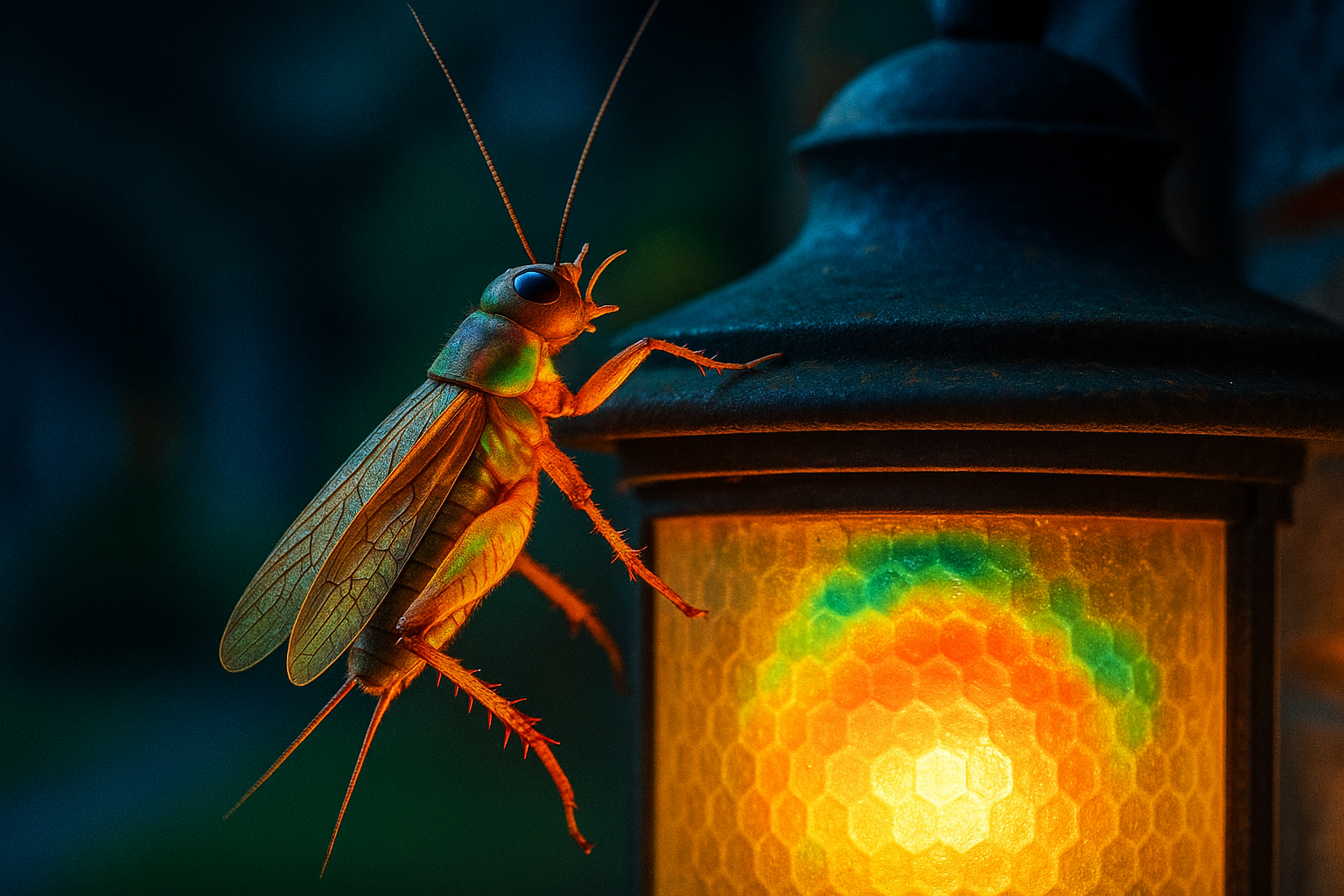
Crickets may seem harmless, but understanding their biology helps homeowners see why they can become a real nuisance—especially when professional cricket control Dunwoody GA services are needed to prevent a growing infestation. A typical field cricket in Georgia measures ½-¾ inch in length, with long, slender antennae and a pair of forewings that are hardened into protective covers. The hind wings, hidden beneath, are the true sound-makers: when a male cricket rubs a vein on one wing against a ridge on the other, it creates the familiar chirp. This “song” is a mating call, amplified by the insect’s resonating wing membranes.
Life Cycle and Seasonal Peaks
Crickets follow a straightforward life cycle: egg, nymph, and adult. Females lay clusters of eggs in moist soil or leaf litter during late spring. The eggs hatch in about two weeks, and the nymphs molt several times before reaching adulthood by midsummer. In the Southeast, warm, humid conditions accelerate development, leading to a rapid population buildup.
The 2024 EPA seasonal pest report highlights that cricket activity spikes in June through August across Georgia. The combination of high nighttime temperatures and abundant vegetation creates an ideal breeding ground, explaining why Dunwoody homeowners often notice a sudden surge in chirping after a warm front passes.
A Nighttime Tale from Dunwoody
Imagine stepping onto your porch on a balmy July evening. The air is still, but a relentless chorus erupts from the nearby trees—one cricket after another, each trying to out‑sing its neighbor. That’s the experience of a long‑time Dunwoody resident who called us after “the whole neighborhood sounded like a stadium.” The constant noise not only disrupts sleep but can mask other sounds, making it harder to detect genuine threats like broken windows or intruders.
Indoor Sightings vs. Outdoor Activity
While most crickets stay outdoors, a few adventurous individuals wander inside seeking shelter from rain or predators. Indoor sightings are usually limited to a single adult that has slipped through a door or window. In contrast, outdoor activity involves hundreds of insects congregating around lights, mulch, and garden beds. The difference matters because indoor crickets are a symptom of an underlying outdoor infestation that, if left unchecked, will continue to produce noisy, breeding adults each night.
Why Proactive Control Pays Off
Addressing crickets early—before they reach peak season—reduces the night‑time chorus, protects outdoor entertaining spaces, and prevents the occasional indoor intrusion. A targeted, environmentally responsible treatment plan not only silences the chirping but also curtails future generations by disrupting the breeding cycle. For Dunwoody homeowners, staying ahead of the cricket surge means enjoying quiet evenings and keeping the yard’s natural balance under control.
Spotting a Cricket Infestation
What an Adult House Cricket Looks Like
Adult house crickets (Acheta domesticus) typically measure 13–20 mm in body length, with fore‑wings that extend just past the abdomen. Their coloration ranges from a light tan to a darker brown, often with subtle mottling that helps them blend into woodwork and drywall. The most recognizable trait is the rhythmic chirp produced by males—short bursts of three to five clicks followed by a brief pause, repeated every few seconds after sundown. This pattern differs from the more continuous trill of field crickets, making it a reliable auditory clue.
House Cricket vs. Field Cricket
| Characteristic | House Cricket | Field Cricket |
|---|---|---|
| Typical size | 13–20 mm | 20–30 mm |
| Wing development | Short, not suited for long flight | Longer, capable of short hops |
| Preferred habitat | Warm, indoor spaces (kitchens, basements) | Outdoor grasslands, gardens, and cracks in foundations |
Typical Entry Points in Dunwoody Homes
Crickets are opportunistic invaders. In Dunwoody, the most common gateways are:
- Foundation cracks—especially in older brick or concrete walls.
- Vent openings and exhaust fans that lack tight screens.
- Door sweeps that have worn away or are misaligned.
- Utility penetrations around plumbing, electrical conduits, and HVAC ducts.
Neighborhood Examples
Areas such as Dunwoody Village and North Brookfield feature many homes built before the 1990s. These properties often have wider mortar joints and legacy siding that can develop gaps over time, providing perfect pathways for crickets to slip indoors. If you live in one of these neighborhoods, pay extra attention to the perimeter of your foundation and any retro‑fitted windows.
DIY Inspection Checklist
Before calling a professional, run through this quick inspection:
- Visual signs: Look for shed exoskeletons near baseboards, in closets, or under appliances.
- Nighttime listening: Sit quietly after dusk with a flashlight; count the chirps and note their location.
- Trapping: Place a shallow dish of water with a few drops of dish soap near suspected entry points. Crickets attracted to moisture will drown, confirming activity.
- Seal gaps: Use caulk or expanding foam on visible cracks and install door sweeps where needed.
Spotting these cues early can prevent a small cricket population from turning into a noisy, unsightly infestation. If you confirm multiple signs, Anthem Pest Control can provide a targeted treatment plan that eliminates the problem while keeping your family and pets safe.
Health and Property Impacts
Are crickets a health threat?
Crickets are often heard before they’re seen, and while they’re a familiar summer soundtrack, they rarely carry the kind of disease‑causing bacteria that mosquitoes or ticks do. The CDC’s 2023 allergen fact sheet confirms that crickets are not recognized vectors for human illness. Their main health concern stems from the protein‑rich exoskeleton they shed, which can become airborne and trigger allergic reactions in sensitive individuals.
Allergic reactions you might notice
Typical symptoms include sneezing, itchy eyes, nasal congestion, and in rare cases, skin rashes where the chitin particles settle. These reactions are similar to those caused by dust mites or cockroach debris, and they tend to flare up when crickets congregate in attics, basements, or sun‑lit windowsills.
How often do they show up inside homes?
A 2023 pest survey by the National Pest Management Association (NPMA) found that 12 % of Georgia homeowners reported spotting crickets inside their homes during the summer months. While that figure may seem modest, it translates to thousands of households in the Dunwoody area alone dealing with unexpected chirping guests after dark.
Potential damage to your property
Beyond the health angle, crickets can create nuisance damage. Their nightly chorus can raise indoor noise levels enough to disturb sleep, especially in quiet neighborhoods. In rare instances, they chew on soft fabrics—think curtains, pillowcases, or stored clothing—leaving tiny holes that grow with repeated activity. Gardeners also notice occasional leaf nibbling on tender seedlings, which can slow growth during a critical season.
Practical steps to reduce exposure
To minimize allergic exposure and property inconvenience, homeowners can adopt a few practical measures:
- Seal cracks and gaps around windows, doors, and foundation to block entry points.
- Reduce outdoor lighting that attracts insects; use yellow‑tinted bulbs or motion‑sensor switches.
- Keep indoor humidity below 60 % and use dehumidifiers in basements and attics.
- Remove food sources by storing pantry items in sealed containers and cleaning up crumbs promptly.
- If an infestation appears, contact a licensed pest‑control professional for targeted, low‑toxicity treatments.
Even with diligent sealing and sanitation, a sudden surge of crickets can overwhelm DIY barriers, especially after heavy rains that push insects into homes seeking shelter. When you notice a persistent chirping presence, visible exoskeleton fragments, or an increase in allergy symptoms, it’s time to let a trained technician assess the situation. Anthem Pest Control combines integrated pest‑management principles with Georgia‑approved, low‑impact products to reduce cricket populations while protecting your family’s health and your home’s integrity.
Treatment Options Overview
When crickets start chirping their way into your home, a one‑size‑fits‑all approach rarely works. The most reliable defenses blend chemistry, physical barriers, and smart management practices. Below is a quick guide to the three pillars of effective cricket control, plus a glimpse of how Anthem Pest puts them together for lasting results.
Chemical Barriers
Professional-grade sprays and granules create an invisible shield around your property. Anthem Pest typically applies:
- Perimeter sprays that coat the foundation, siding, and landscaping edges.
- Granular formulations spread along walkways and mulch beds for slow‑release protection.
- Residual indoor treatments focused on baseboards, under cabinets, and other cricket hideouts.
All products are EPA‑approved and contain proven active ingredients such as bifenthrin and permethrin. These chemicals remain effective for weeks, reducing the chance of a fresh invasion while staying within safety guidelines for families and pets.
Physical Exclusion
Even the best chemicals can’t stop a cricket that slips through a crack. Simple, homeowner‑friendly steps seal those entry points:
- Caulk or foam‑seal gaps around windows, doors, and utility penetrations.
- Install door sweeps on exterior doors to block low‑lying insects.
- Fit tight‑weave window screens and repair any tears promptly.
These measures deny crickets the pathways they love—dark, damp spaces near the ground—making it harder for them to set up camp inside.
Integrated Pest Management (IPM)
IPM is the strategic backbone that ties chemicals and physical fixes together. The process includes:
- Monitoring: Regular inspections and light‑trap data to pinpoint cricket hotspots.
- Habitat Modification: Trimming vegetation away from the house, removing standing water, and clearing debris that serve as breeding sites.
- Targeted Treatments: Applying chemicals only where monitoring shows activity, minimizing overall pesticide use.
Anthem Pest’s IPM case study demonstrates the power of this approach. In a recent Dunwoody residence, a combination of perimeter sprays, thorough sealing, and a three‑month monitoring schedule reduced cricket activity by 92% while keeping pesticide applications to the minimum necessary. Read the full case study here.
Why Combine Methods?
Relying on a single tactic is like trying to lock a door with just one bolt—it leaves gaps. Chemical barriers act fast, physical exclusion blocks re‑entry, and IPM ensures you’re treating only what’s needed, preserving both effectiveness and safety. When these layers work together, homeowners enjoy a quieter yard, fewer indoor chirps, and long‑term peace of mind.

Cost Breakdown for Dunwoody Homeowners
When it comes to cricket control Dunwoody GA homeowners rely on, knowing exactly what you’ll pay helps you plan ahead and avoid surprise invoices. At Anthem Pest Control, we break down every charge so Dunwoody homeowners can see the value behind each service.
Typical price ranges
- One‑time perimeter treatment: $120 – $250 per application.
- Quarterly maintenance visits: $180 – $350 each time you call us back.
- Full‑service Integrated Pest Management (IPM) package: $300 – $600 annually, covering inspections, treatments, and ongoing monitoring.
A one‑time perimeter treatment targets the outer edges of your property—foundations, walkways, and the first line of vegetation—using a fast‑acting residual spray that keeps crickets from crossing into your home for up to six weeks. Quarterly maintenance builds on that barrier, revisiting high‑traffic zones every three months and adjusting the formulation based on seasonal activity. The full‑service IPM package bundles the initial perimeter work, the quarterly follow‑ups, and a comprehensive inspection that identifies hidden harborage sites, providing a year‑round shield against re‑infestations.
How Dunwoody pricing compares to the region
According to the NPMA 2024 pricing guide, the average cost for cricket control across the Southeast falls slightly higher than our local rates. The table below highlights the difference.
| Service | Dunwoody Range | Regional Average |
|---|---|---|
| One‑time perimeter treatment | $120 – $250 | $130 – $260 |
| Quarterly maintenance visit | $180 – $350 | $200 – $380 |
| Full‑service IPM package (annual) | $300 – $600 | $350 – $650 |
Factors that influence your final bill
- Home square footage – larger homes need more product and longer application times.
- Infestation severity – heavy cricket activity may require multiple treatments in a single season.
- Landscape complexity – dense shrubs, mulched beds, or hard‑scaped patios create hidden entry points that demand extra labor.
- Number of access points – cracked foundations, gaps around doors, and vent openings increase the amount of sealing and treatment work
Seasonal Timing and Prevention Tips
Crickets are most active when the weather warms up, so knowing the right window for treatment can save you time, money, and a chorus of unwanted chirping. In Dunwoody, the prime cricket season runs from May through September, but the most effective strike is made in early spring—before the adults start laying eggs and the population explodes, making early cricket control Dunwoody GA services especially effective for preventing large infestations.
Peak Activity Months
From late May onward, you’ll notice the familiar night‑time soundtrack as adult males gather to call mates. June and July bring the highest numbers because eggs laid in spring hatch quickly in the warm, moist soil. By August, the infestation often peaks, and September marks the tail end of the season as cooler nights slow their activity. Treating in early May, when the grass is still growing and the soil is moist but not saturated, interrupts the life cycle before it gains momentum.
Monthly Checklist for Dunwoody Residents
Seasonal actions to keep crickets at bay in Dunwoody, GA Month Key Action May Trim grass to ≤3 in., inspect foundation for cracks, and remove leaf litter. June Apply a perimeter insecticide spray, and switch outdoor lighting to yellow or LED bulbs. July Check for new entry points, especially around windows and doors; keep gutters clean. August Spot‑treat any hot spots with a targeted spray; reduce watering to avoid excess moisture. September Perform a final inspection, store firewood off the ground, and begin fall yard cleanup. Key Prevention Actions
- Keep grass short. Regular mowing removes the shelter crickets love for daytime hiding.
- Remove yard debris. Leaves, twigs, and compost piles create moist micro‑habitats where nymphs develop.
- Adjust outdoor lighting. Bright white bulbs attract insects; replace them with amber or sodium‑vapor lights to reduce draws.
- Store firewood off the ground. Stack wood on pallets or in a covered area to eliminate a warm, dry refuge.
- Manage moisture. Fix leaky irrigation, ensure proper drainage, and avoid over‑watering lawns.
- Seal foundation cracks. Use caulk or expanding foam to block entry points that crickets exploit.
Implementing these steps early in the season creates a hostile environment for crickets, making it harder for them to establish colonies. Even a quick visual scan of your yard each month can reveal the first signs—small, dark silhouettes in the grass or a faint chirp at dusk—so you can act before the numbers swell.
Why Early Detection Matters
Crickets reproduce rapidly; a single female can lay up to 500 eggs in just a few weeks. If you wait until the infestation is obvious, you’ll need larger, more frequent treatments, which drive up costs and increase chemical exposure. Spotting a few stragglers in May and treating them promptly halts the breeding cycle, keeping your home quiet and your yard cricket‑free for the rest of the summer.
Why Choose Anthem Pest in Dunwoody
When a cricket chorus turns your quiet Dunwoody home into a nighttime concert, you need a partner who understands the local landscape as well as you do. Anthem Pest isn’t just another national brand; we’re a neighborhood‑focused team of licensed technicians who have spent years mastering the quirks of Dunwoody’s building styles, climate patterns, and seasonal pest cycles. That local knowledge translates into faster, more precise treatments that keep crickets, ants, and other invaders at bay.
Local Expertise That Makes a Difference
- Building‑specific strategies: From historic Craftsman homes to modern townhouses, our technicians know how cracks, crawl spaces, and ventilation systems differ across Dunwoody properties.
- Climate‑aware timing: Dunwoody’s humid summers and mild winters create unique breeding windows. We schedule inspections and follow‑up visits when pests are most vulnerable, maximizing effectiveness while minimizing chemical use.
- Community familiarity: Our crews are your neighbors. We’ve helped dozens of local families protect their homes, so we understand the expectations and standards of this community.
Safety First—For You, Your Pets, and the Environment
Anthem Pest only applies EPA‑registered products that meet rigorous safety criteria. Our low‑odor formulations work silently in the background, so you won’t notice a chemical smell lingering in your living room. For households with cats, dogs, or small children, we offer pet‑friendly options that target pests without compromising the health of your loved ones.
Transparent Pricing and Unmatched Support
We believe you should never guess what a treatment will cost. Our quotes are clear, itemized, and free of hidden fees. Need assistance after hours? Our 24/7 support line—877‑371‑8196—connects you directly to a knowledgeable representative who can answer questions, schedule emergency visits, or provide peace of mind when a surprise infestation strikes.
Every service is backed by our satisfaction guarantee. If you’re not completely happy with the results, we’ll re‑treat the area at no extra charge, ensuring you get the protection you paid for.
Proven Results and Community Trust
Our track record in Dunwoody is built on measurable outcomes: a 98% success rate in eliminating recurring cricket activity within the first two treatments, and a growing list of five‑star reviews from local homeowners. By choosing Anthem Pest, you’re not only investing in a one‑time fix—you’re partnering with a company that prioritizes long‑term protection, ongoing education, and the well‑being of the Dunwoody community.
Quick FAQ for Homeowners
Do crickets carry disease?
Crickets are not known vectors for human diseases. While they can occasionally harbor bacteria from the environments they crawl through, there is no documented evidence that they transmit illnesses to people. The Centers for Disease Control and Prevention (CDC) confirms that crickets are generally harmless from a health‑risk standpoint.[CDC]
How long does a treatment last?
A professional cricket treatment typically provides residual protection for 4–6 weeks. The exact duration depends on factors such as the product used, application method, weather conditions, and how well the property is maintained after service. Regular yard clean‑up and sealing entry points can help extend the effectiveness of the residual barrier.
Can I DIY?
Homeowners can certainly attempt a DIY approach, especially for minor indoor sightings. Over‑the‑counter sprays and traps are affordable and easy to apply, but they often lack the long‑lasting residual action of professional-grade products. Safety considerations include proper ventilation, wearing protective gloves, and keeping chemicals away from children and pets. If you notice a persistent outdoor population, night‑time chirping, or damage to landscaping, it’s time to call a licensed pest professional who can assess the infestation size and apply a treatment that meets local regulations.
What is the best time of day to treat crickets?
Crickets are most active at dusk and during the night, so applying a treatment in the early evening gives the product ample time to dry before they return. This timing also reduces the chance of immediate exposure to people inside the home. For outdoor perimeter sprays, aim for a calm evening with low wind to ensure even coverage.
Will treatment affect my pets?
Most professional cricket control products are formulated to be low‑toxicity for mammals when used as directed. Nonetheless, it’s prudent to keep pets off treated surfaces for at least 2–4 hours after application. Discuss any concerns with your technician; they can select pet‑safe options or schedule treatments when pets are indoors.
How can I prevent crickets from returning?
Prevention hinges on habitat reduction. Keep grass trimmed, remove leaf litter, and store firewood away from the house. Seal cracks around doors, windows, and the foundation, and install door sweeps. Finally, eliminate standing water and excess moisture, as crickets are attracted to damp environments. A yearly inspection by Anthem Pest Control can catch early signs and keep your home cricket‑free year after year.
Take Control of Crickets in Dunwoody Today
Quick Recap
Before you reach for the next DIY spray, remember the four pillars of effective cricket control:
- Identify the culprit: Look for the characteristic chirp, flattened bodies, and the tell‑tale night‑time activity around lights.
- Choose the right treatment: Whether it’s a targeted indoor spray, a perimeter barrier, or a professional bait system, matching the method to the infestation level is key.
- Implement seasonal prevention: Crickets thrive in warm, moist environments. Reduce moisture, seal entry points, and schedule a pre‑summer check‑up.
- Rely on local experts: Dunwoody’s climate and building styles create unique challenges that only a neighborhood‑focused team truly understands.
Why Choose Anthem Pest?
Anthem Pest brings a proven Integrated Pest Management (IPM) approach to every Dunwoody home. Our technicians start with a thorough inspection, then design a plan that blends low‑impact treatments, cultural controls, and, when necessary, targeted chemicals. You’ll see transparent pricing up front—no hidden fees, no surprise invoices. And because crickets don’t keep office hours, our 24/7 support line ensures you can reach a professional whenever a chirp turns into a nuisance.
Ready for a Cricket‑Free Home?
Call 877‑371‑8196 today for a free Dunwoody cricket inspection. Our certified specialists will walk you through what’s happening, recommend the most effective solution, and give you a clear, written quote before any work begins. With Anthem, you’re not just getting a service; you’re gaining a guarantee that the problem will be solved—or we’ll come back at no extra cost.
Found this guide useful? Share it with neighbors who might be hearing the same nightly chorus. A community that works together stays pest‑free longer.
Take advantage of our complimentary quote and the professional guarantee that backs every treatment. It’s the safest, most affordable way to protect your home and enjoy a quiet evening on the porch.
Visit Anthem Pest Control for more information, seasonal tips, and to schedule your cricket control Dunwoody GA inspection today.