Why House Crickets Become a Home Problem
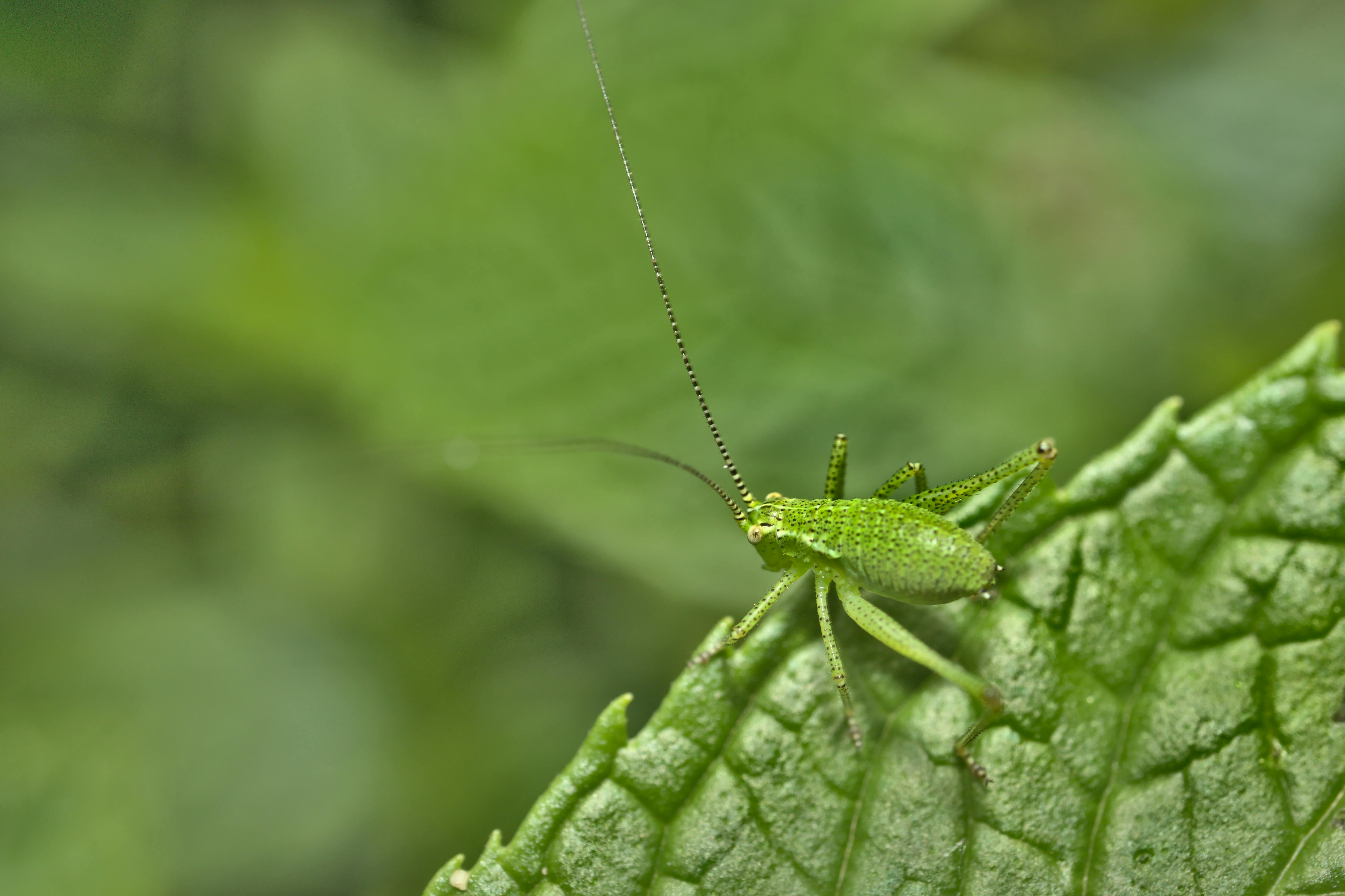
Most homeowners think of crickets as harmless background singers, but the common house cricket (Acheta domesticus) is a true opportunist. Its life cycle is rapid: eggs hatch in 7–10 days, nymphs molt six times, and adults can begin breeding within weeks. In warm climates like Druid Hills, GA, cricket control Druid Hills GA is essential, as multiple generations can appear in a single summer, creating a steady influx of hungry insects.
Typical entry points
Crickets are excellent climbers and squeezers. They exploit any weakness in a building’s envelope, including:
- Gaps around windows, doors, and utility penetrations
- Cracks in foundation walls or siding
- Unscreened vents, attic fans, and dryer exhausts
- Outdoor lighting that attracts moths and other insects, which in turn draw crickets
Even a ¼‑inch opening is enough for an adult cricket to slip through, so routine sealing is essential.
Conditions that encourage infestations
Once inside, crickets thrive when three key conditions converge:
- Warm, humid environments: Temperatures between 75–85 °F and relative humidity above 60 % accelerate growth and egg development.
- Abundant food sources: Plant debris, fallen leaves, pet food, or even pantry crumbs provide a steady diet.
- Safe harborage: Cluttered basements, crawl spaces, or storage areas give crickets places to hide during the day.
Problems caused by crickets
Beyond the nightly chorus, crickets can create tangible issues for homeowners:
- Structural damage: Their mandibles chew through soft wood, insulation, and even wallpaper, compromising surfaces over time.
- Unsightly droppings: Small, black specks can stain walls, floors, and stored goods.
- Noise disturbances: Male crickets chirp by rubbing their wings, a sound that can become a persistent annoyance, especially in quiet bedrooms.
- Potential allergens: Shed exoskeletons and feces may trigger respiratory irritation for sensitive occupants.
Connection to the broader pest ecosystem
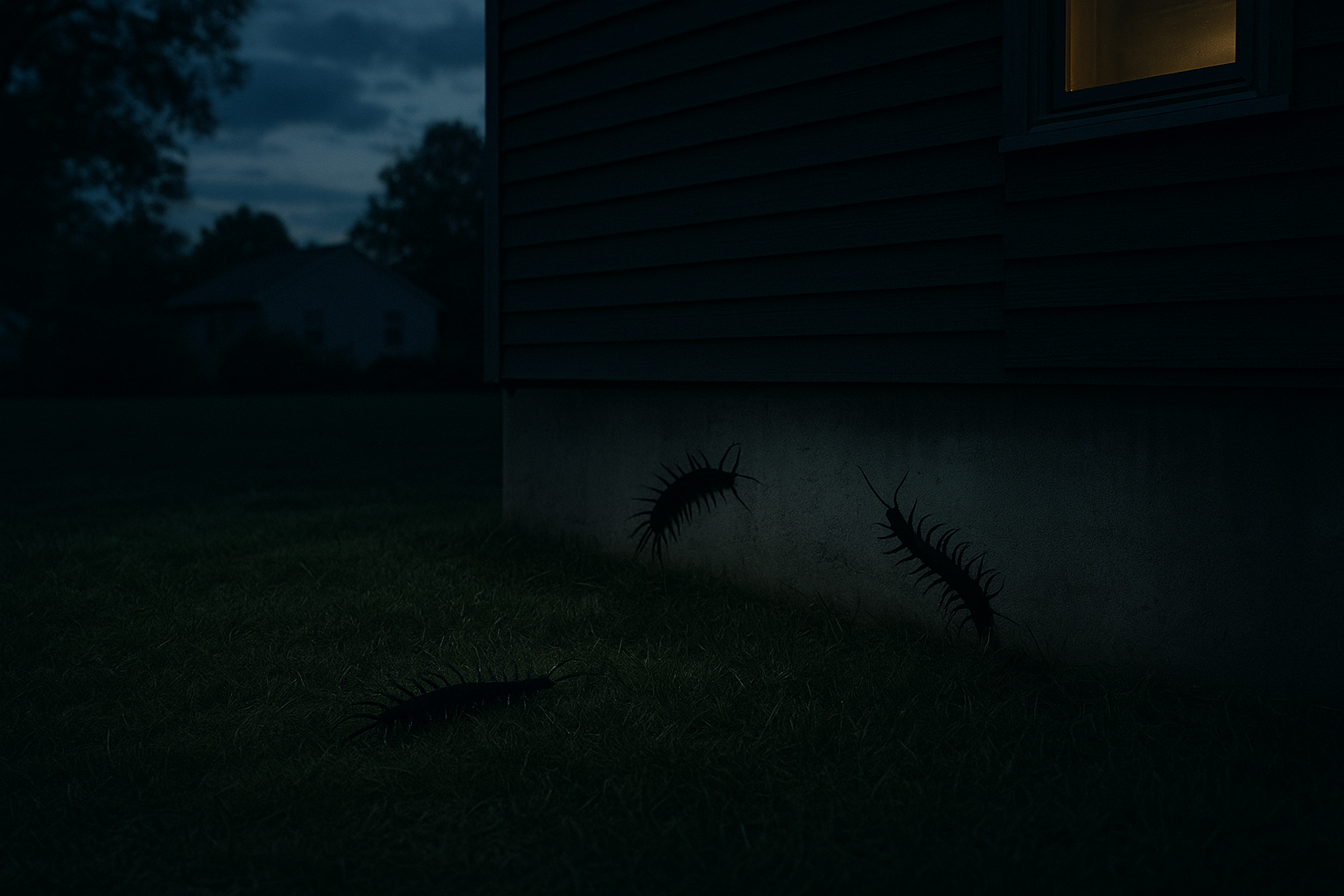
Crickets are not isolated invaders; they act as a food source for other indoor pests. Spiders, centipedes, and even certain beetles are attracted to cricket activity, and their presence can turn a simple cricket problem into a multi‑pest scenario. In some cases, these secondary predators become a greater nuisance than the original crickets.
Professional guidance
The U.S. Environmental Protection Agency (EPA) advises that “integrated pest management (IPM) practices—such as sealing entry points, reducing moisture, and limiting food sources—are the most effective first line of defense against indoor insects.”
University of Georgia Extension experts echo this, recommending regular inspections of exterior lighting and foundation cracks, and emphasizing the importance of prompt treatment when cricket activity is first noticed.
Understanding how crickets get inside, what draws them, and the ripple effects they create makes proactive control a smart investment. For Druid Hills homeowners, partnering with a knowledgeable pest‑management team ensures these noisy intruders are dealt with before they become a structural or health concern.
Spotting and Identifying Cricket Infestations

Crickets are hard to notice in daylight, but a few unmistakable clues can confirm they’ve moved into your home. Spotting these signs early saves you time and prevents a quiet chirper from becoming a noisy problem.
Physical description
House crickets (Acheta domesticus) are ½‑¾ in (12‑19 mm) long, with a dark‑brown to black, slightly glossy body. They have long, transparent fore‑ and hind‑wings that lie flat over the abdomen; the forewings are narrow and veined, while the hind wings are broader and used for the nighttime chirp. Male crickets possess a “scraper” on the forewing that creates the characteristic song when rubbed against a hardened vein.
Common signs of a cricket presence
- Nighttime chirping – a steady, high‑pitched trill that starts after sunset.
- Small holes in fabric, drywall, or stored cardboard.
- Silky egg cases – thin, parchment‑like sacs tucked in cracks, baseboards, or behind appliances.
- Droppings – tiny black specks, about the size of a pinhead, often near food storage or baseboards.
Crickets vs. other household insects
| Feature | Cricket | Ant | Beetle | Cockroach |
|---|---|---|---|---|
| Size | ½‑¾ in (12‑19 mm) | 1‑6 mm | 5‑30 mm | ½‑2 in |
| Color | Dark brown‑black | Red, black, brown | Shiny black or metallic | Reddish‑brown, tan |
| Wings | Transparent fore‑ and hind‑wings | None (workers) | Hard elytra covering wings | Leathery fore‑wings |
| Sound | Male chirps at night | None (some hiss) | Usually silent | Occasional rustling |
Inspection checklist
Use this list to scan both interior and exterior zones. Mark each item as “found” or “clear” to gauge severity.
Inside the home
- Kitchen cabinets and pantry shelves – check for droppings and egg sacs.
- Basement corners and crawl‑space vents – listen for chirping and inspect insulation.
- Closets and laundry rooms – examine stored fabrics for tiny perforations.
- Under appliances – warm, dark gaps attract crickets.
Outside the home
- Foundation cracks and siding gaps – look for egg cases and entry points.
- Mulch beds and garden borders – damp organic material is a favorite hideout.
- Landscape stones and pavers – lift edges to see if insects are sheltering underneath.
- Outdoor lighting fixtures – bright lights draw adult males at dusk.
When to call a professional
If you notice any of the following, let Anthem Pest Control handle the problem:
- Repeated nightly chirping despite basic sealing.
- Visible damage to clothing, drapery, or drywall.
- Multiple egg sacs or droppings spread across rooms.
- Unable to locate the source after a thorough inspection.
Professional treatment eliminates the current population and seals hidden entry points, reducing the chance of a resurgence.
For broader context on cricket prevalence versus other pests, see the NPMA home‑pest statistics. Understanding regional trends helps you prioritize prevention and anticipate seasonal spikes.
Effective Control Methods – DIY and Professional Options
Immediate DIY Actions
Start by sealing cracks around doors, windows, and foundation walls with caulk or weather‑stripping. Crickets are attracted to bright outdoor lights, so switch to yellow‑tinted bulbs or install motion‑sensor fixtures to cut down on nighttime illumination. Remove food sources by keeping trash cans tightly sealed, cleaning up fallen fruit, and storing pet food indoors. Finally, place sticky traps along baseboards and near entry points to catch wandering adults before they establish a foothold.
Safe Chemical Options
When chemicals are needed, choose low‑toxicity baits and sprays that carry an EPA registration for residential use. Granular baits can be scattered around the perimeter of the home, where they attract foraging crickets and deliver a slow‑acting toxin they carry back to the nest. For spot treatments, apply a thin mist of EPA‑approved spray directly on hiding places such as cracks, mulch, and under decks. Always read the label, wear gloves, and apply on calm days to avoid drift onto plants or pets.
Biological Controls
Biological options work well for long‑term suppression. Entomopathogenic nematodes (e.g., Steinernema carpocapsae) can be watered into the soil around the foundation; these microscopic worms seek out cricket larvae and release bacteria that kill them within days. Encouraging natural predators—such as ground‑hunting spiders, birds, and toads—by providing shelter (rock piles, shallow water dishes) creates a self‑regulating environment. Adjusting irrigation to avoid overly moist soil also discourages cricket breeding.
Limitations of DIY Approaches
While DIY methods can reduce a mild infestation, they often fall short in several areas. Homeowners may miss hidden entry points, leading to incomplete coverage. Crickets can develop resistance to over‑used chemicals, rendering low‑dose sprays ineffective. Moreover, handling even low‑toxicity products carries safety risks for children, pets, and people with respiratory sensitivities. If the problem persists after several weeks of diligent effort, it’s a sign that professional intervention may be necessary.
When to Call a Professional
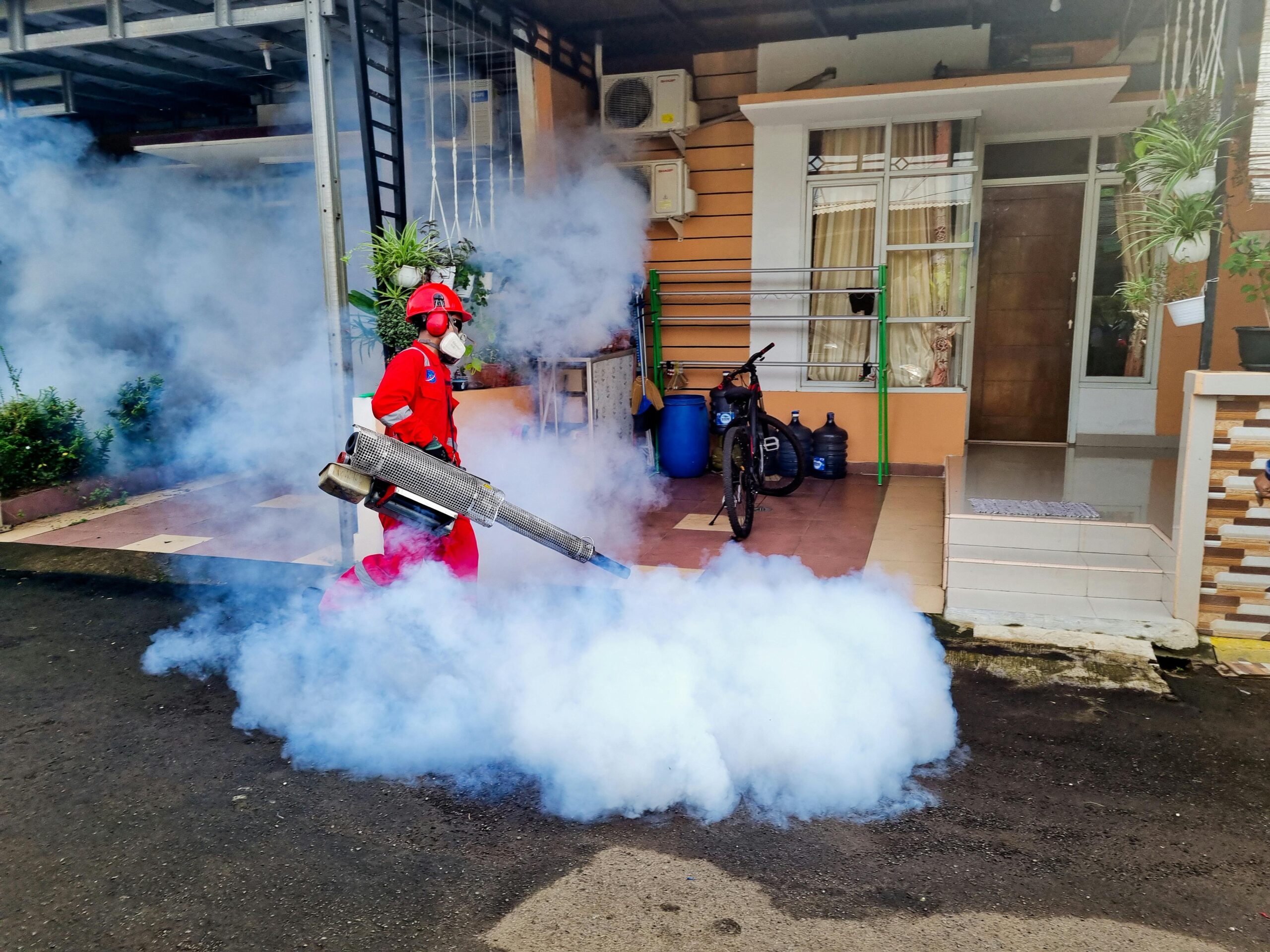
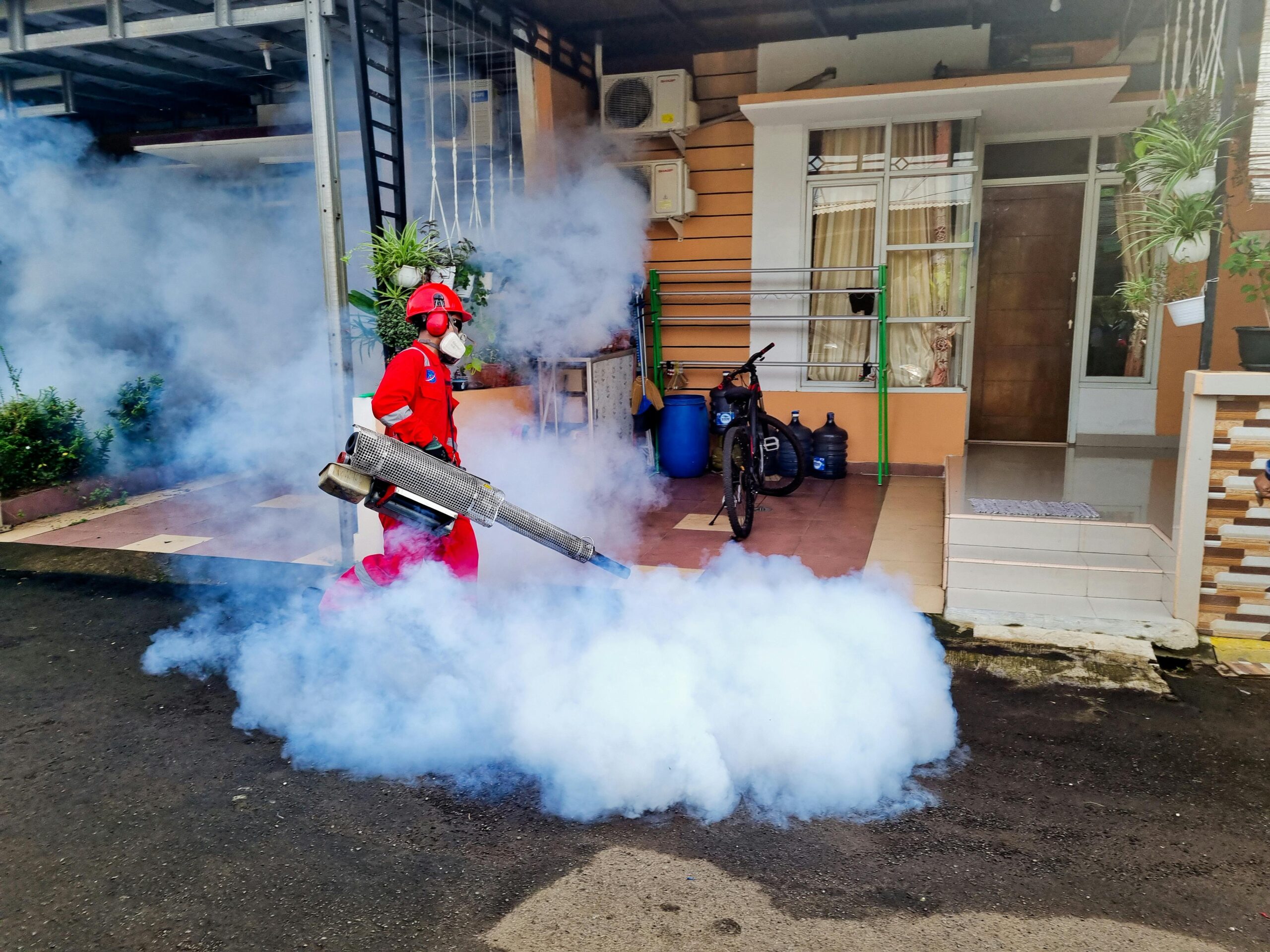
Professional pest‑control services bring tools and expertise that go beyond what’s available to the average homeowner. A licensed technician will conduct a thorough inspection, identify all infestation hotspots, and apply a perimeter spray that reaches cracks, voids, and hidden voids where crickets hide. Inside, they can perform residual treatments on baseboards, wall voids, and attics to create a protective barrier that lasts weeks. Ongoing monitoring, often included in service contracts, ensures that any resurgence is caught early.
Benefits of Professional Treatment
Choosing a reputable company like Anthem Pest Control means you get EPA‑registered products applied by trained technicians who understand cricket biology. Professionals can blend chemical, mechanical, and biological tactics for a synergistic effect, reducing the chance of resistance. Many providers offer warranties that guarantee a follow‑up visit if crickets return within a specified period, giving homeowners peace of mind and a clear line of accountability.
Cost Considerations
One-time DIY treatments typically cost between $30 and $80 for traps, baits, and low-toxicity sprays. For homeowners considering cricket control Druid Hills GA, a single professional visit for perimeter and indoor residual treatment usually ranges from $150 to $250, depending on property size and infestation severity. Annual maintenance plans—often including quarterly inspections, retreatments, and monitoring—average $300 to $450 per year. While the upfront price is higher, the comprehensive coverage and warranty protection often result in lower long-term expenses by preventing re-infestations.
Choosing the Right Service – Tier Comparison
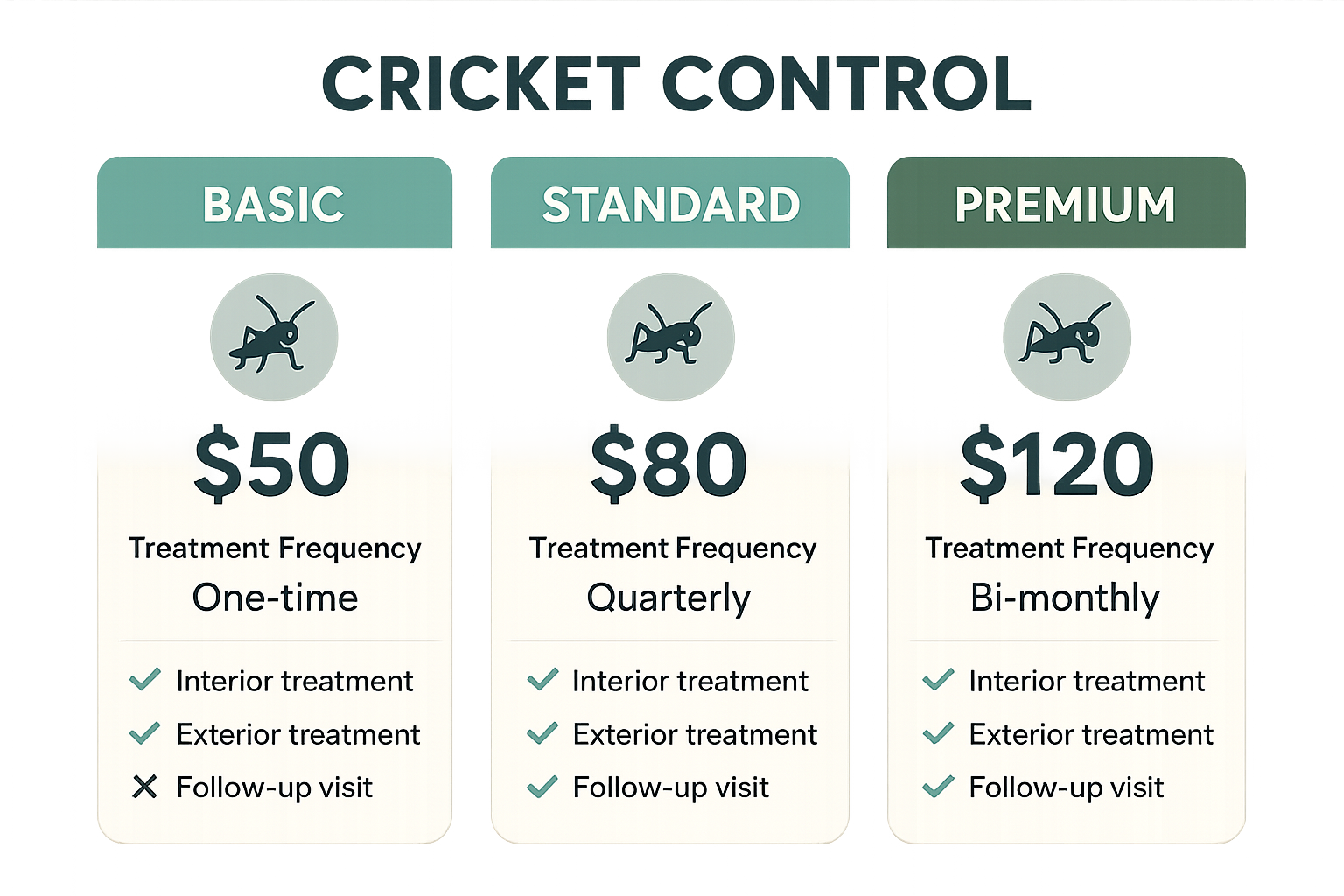
Most pest‑control companies now offer tiered packages so you can pick the level of protection that matches your home and budget. At Anthem Pest Control we break our plans into three clear tiers—Basic, Standard, and Premium—each designed to tackle crickets and other seasonal pests while giving you flexibility on visits, treatments, and guarantees.
Tier Overview
| Tier | Visits per Year | Treatment Types | Warranty | Added Perks | Typical Price* |
|---|---|---|---|---|---|
| Basic | 1 | Cricket spray + perimeter barrier | 30 days | None | $149 |
| Standard | 2 | Cricket spray, interior fogger, mosquito barrier | 60 days | Rodent monitoring | $269 |
| Premium | 4 | All Standard treatments + bed‑bug preventive, seasonal tick control | 90 days | Year‑round mosquito & tick barrier, quarterly rodent check, priority scheduling | $429 |
*Prices are estimates for a typical 2,000‑sq‑ft home in Druid Hills; actual quotes are customized to your property.
What Each Tier Includes
- Basic: One thorough exterior treatment aimed at eliminating crickets before they invade your yard. Ideal for small homes or occasional visitors.
- Standard: Adds a mid‑season interior fogger and a mosquito barrier, plus a simple rodent monitoring device. Great for families who want a bit more peace of mind during the warm months.
- Premium: The full‑service package. Four visits cover every season, incorporating tick control, bed‑bug prevention, and a robust mosquito barrier. Perfect for larger properties or homeowners who prefer “set it and forget it.”
Pricing Snapshot & Value
While the Premium tier carries the highest price tag, it also delivers the most comprehensive protection—often saving you money in the long run by preventing multiple infestations. The Standard tier strikes a balance, offering mosquito and rodent safeguards without the extra tick/bed‑bug services. If crickets are your sole concern and you have a modest budget, the Basic plan provides a solid entry point.
How to Pick the Right Tier
- Home size: Larger square footage typically benefits from more frequent visits.
- Infestation severity: Heavy cricket activity or a history of multiple pests leans toward Standard or Premium.
- Budget: Compare the annual cost against the potential expense of separate treatments for mosquitoes, rodents, or ticks.
- Bundled services: If you already have termite or ant control, adding a tier that includes overlapping treatments can streamline scheduling and reduce overall spend.
Why Anthem Stands Out
Anthem Pest Control prides itself on transparent pricing and customizable plans. Our technicians will walk you through each tier, explain exactly what you’re paying for, and adjust the package if your needs change during the year. When you choose Anthem, you get a clear, upfront quote and the flexibility to upgrade or downgrade without hidden fees.
Seasonal Trends and Timing for Cricket Management
Crickets thrive when the air is warm and humid—conditions that typically arrive in late spring. Their life cycle accelerates as temperatures rise above 70°F (21°C), with eggs hatching within a week and nymphs molting rapidly. By the time humidity peaks, usually in June, cricket control Druid Hills GA becomes increasingly important, as you’ll hear the first audible chirps that signal a burgeoning population.
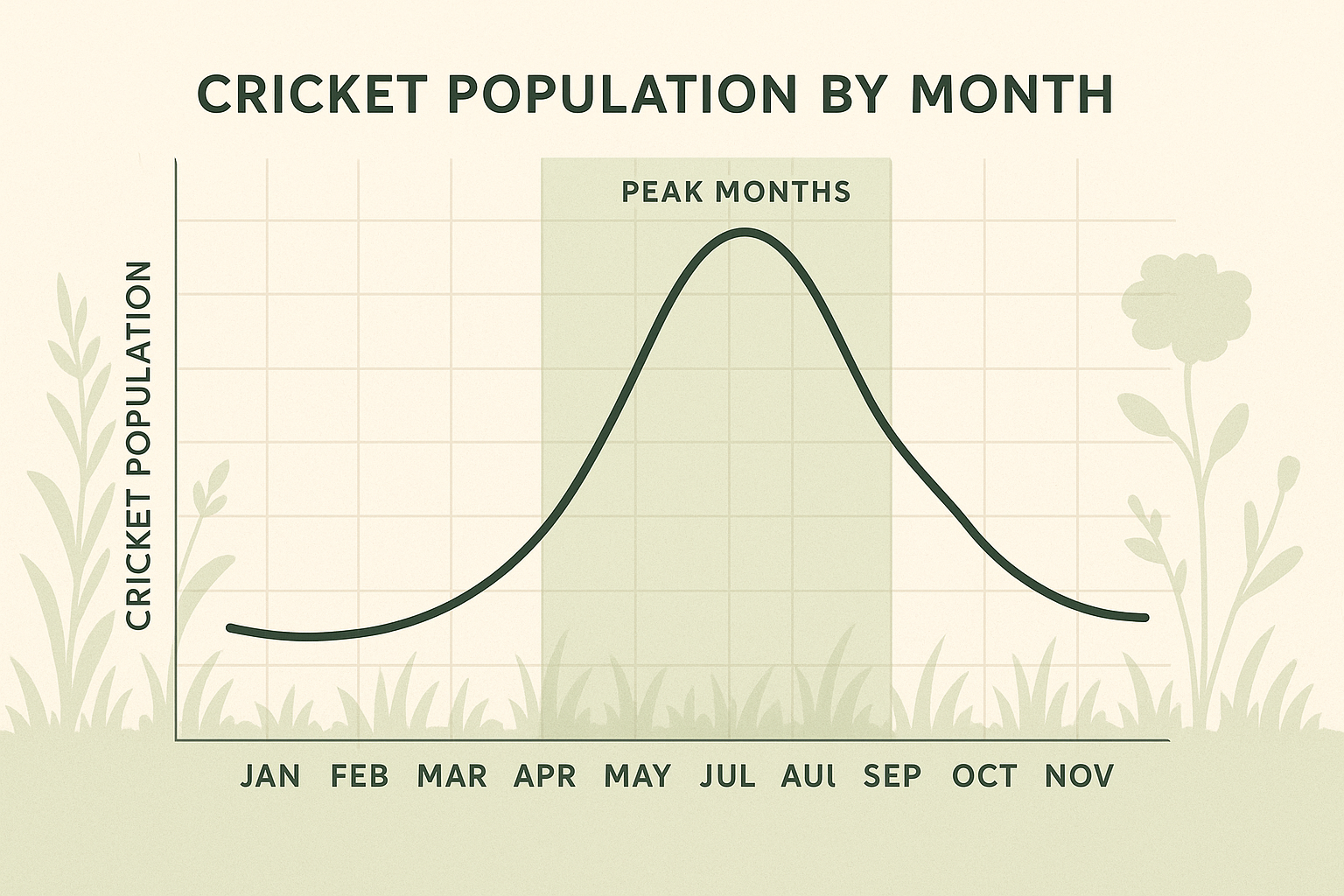
The line chart above visualizes these trends, with a sharp rise in activity from June through August. This three‑month window is the critical period for homeowners in Druid Hills, Georgia. Treating early—right as the first adults emerge—stops the insects before they lay thousands of eggs, effectively preventing a summer explosion.
In warmer southern states, cricket activity can start as early as April, while in the cooler northern regions the peak may shift to July or even early August. Understanding where your home falls on this temperature gradient helps you time interventions precisely, avoiding both premature sprays that waste product and late applications that allow damage to spread.
Recommended Seasonal Schedule
- Late Spring (late April‑early May): Pre‑season inspection. A technician checks for entry points, moisture sources, and early cricket activity.
- Early Summer (early June): First treatment. Targeting adults and nymphs before they reproduce.
- Mid‑Summer (mid‑July): Follow‑up application. Eliminates any survivors and disrupts the next generation.
- Early Fall (late September): Final preventive visit. Treats residual populations and fortifies barriers for the cooler months.
Anthem Pest Control builds flexibility into this schedule. Our online reminder system notifies you a week before each appointment, and we can shift dates to accommodate holidays or unexpected weather patterns. This proactive approach ensures you never miss the narrow treatment windows that keep cricket numbers low.
By aligning your cricket management plan with these seasonal cues, you’ll protect outdoor patios, decks, and indoor spaces from the noisy, plant‑eating insects that love Georgia’s summer. A timely, data‑driven strategy—paired with Anthem’s reliable service—means you enjoy a quiet, cricket‑free home all season long.
Protect Your Home with Anthem Pest Control
Crickets may sound charming on a summer night, but inside your home they become noisy, noisy invaders that leave behind unsightly stains and a lingering odor. Early detection—spotting the chirping at night, noticing small droppings, or finding crickets hiding in wall voids—prevents a minor annoyance from turning into a full‑blown infestation.
While a DIY spray, a vacuum, or a homemade barrier can knock back a few stragglers, these quick fixes often miss hidden nests, resist repeat invasions, and may expose you to chemicals that aren’t EPA‑approved for indoor use. When the problem persists, the cost of repeated over‑the‑counter treatments adds up faster than a professional solution.
Why Choose Anthem Pest Control?
Anthem’s technicians are trained to locate and eliminate cricket colonies at their source. We use only EPA‑approved products that are safe for children and pets, and our tiered pricing lets you see exactly what you’re paying for—whether you need a one‑time knock‑down or an ongoing prevention plan. With nationwide coverage, we bring the same level of expertise to Druid Hills as we do to any community we serve.
Getting started is simple: request a free, no‑obligation quote and choose a schedule that fits your busy life. Our transparent approach means no hidden fees, and our flexible appointment windows let you plan around work, school, or family time.
Take the Next Step
Ready to enjoy a quiet, cricket-free home? For reliable cricket control Druid Hills GA, call us today at 877-371-8196 or visit Anthem Pest Control for a personalized plan that protects your family and property. Our team will assess your property, recommend the most effective treatment schedule, and ensure long-term protection against future cricket invasions.