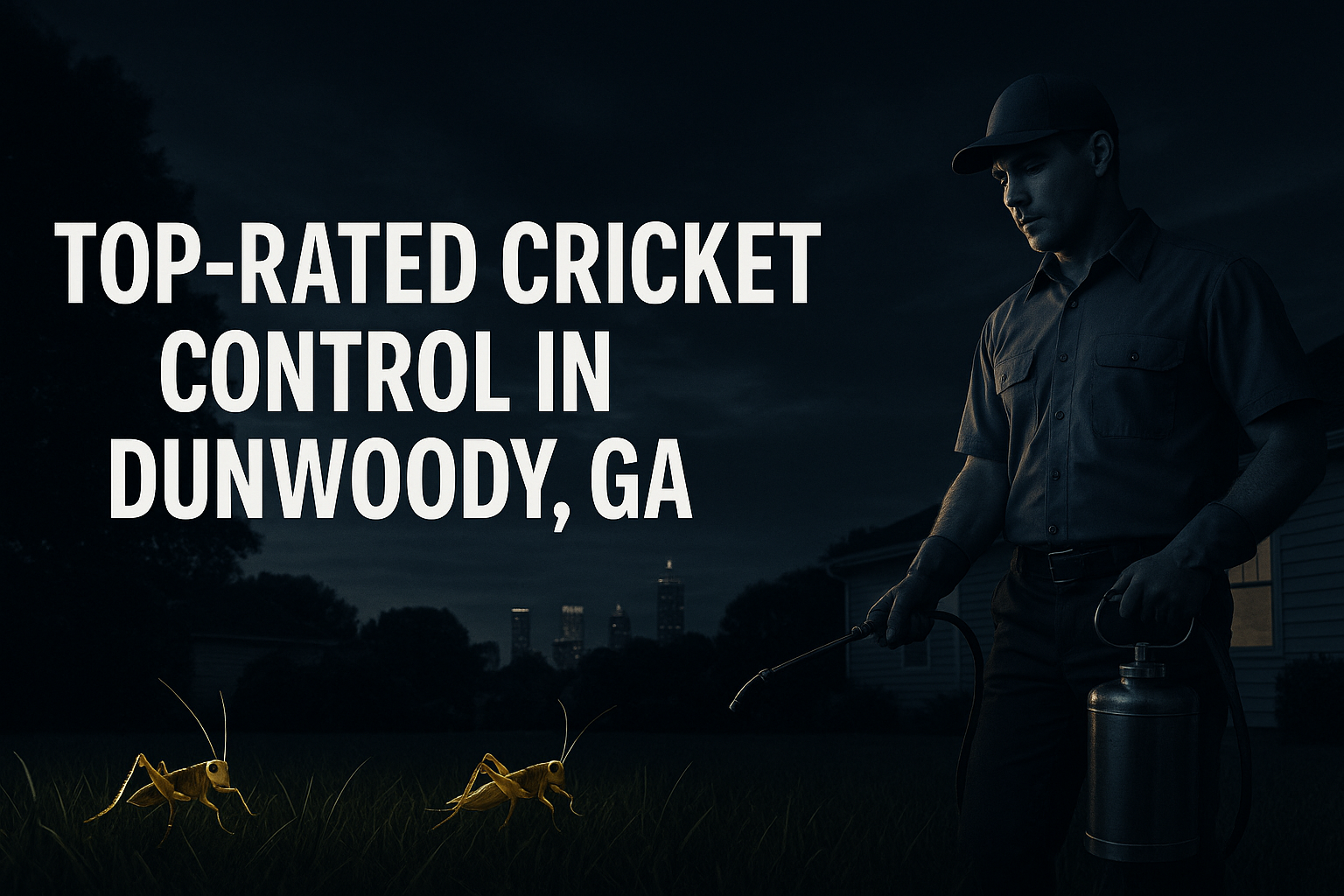
Rising Cricket Activity in Dunwoody Homes
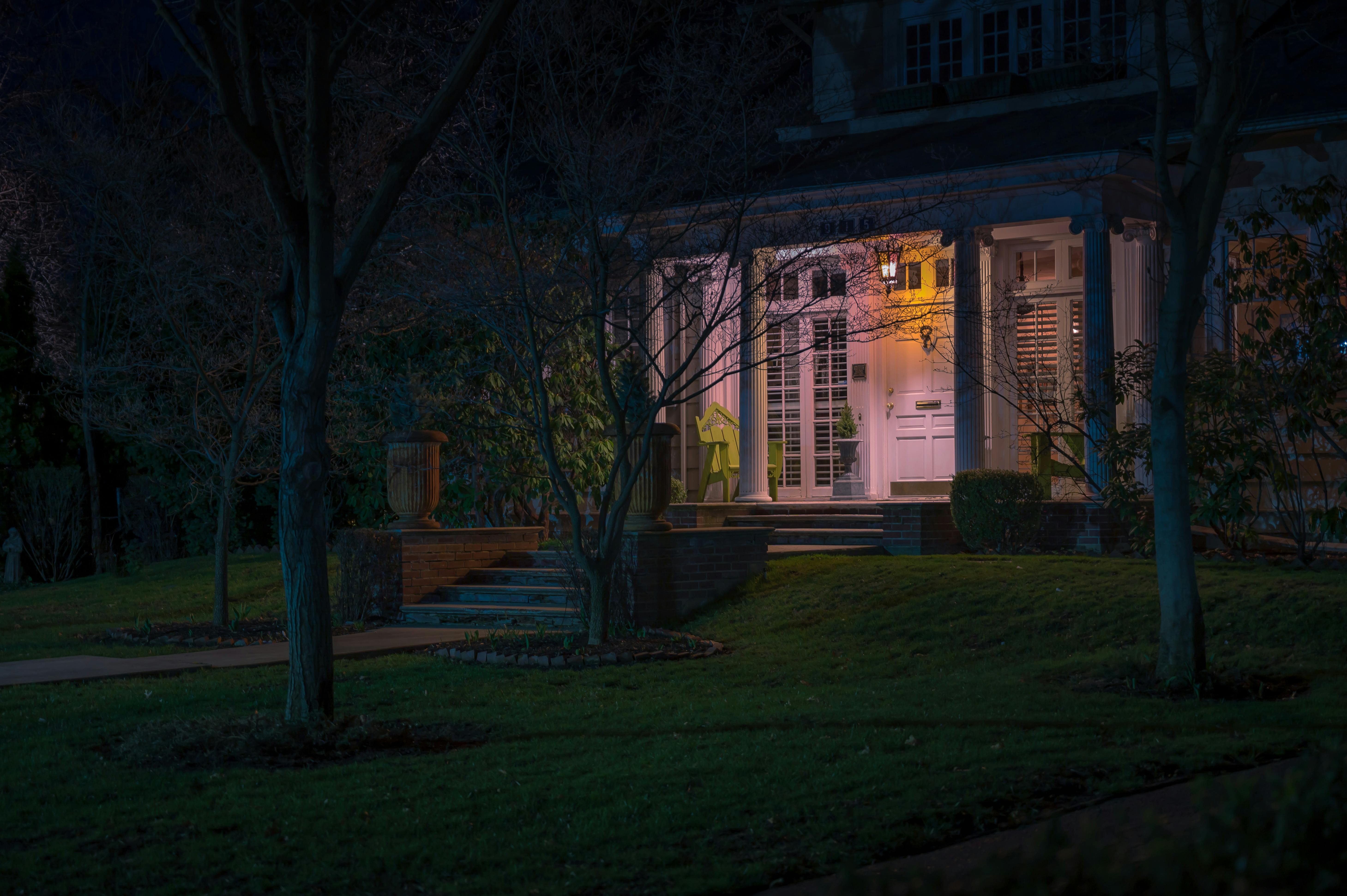
Every June, Dunwoody neighborhoods awaken to an unmistakable soundtrack – the relentless chirp of crickets filling front yards and back porches. As temperatures climb, these noisy insects multiply, and their voracious appetite can leave lawns speckled with brown patches and garden beds gnawed at the roots, making professional cricket control Dunwoody services increasingly important for homeowners who want to protect their property.
In this guide we’ll walk you through everything you need to tame the summer surge: how to identify the common house‑cricket and field‑cricket species, the tell‑tale signs of an early infestation, proven treatment options, a clear cost breakdown, seasonal timing tips, and the local expertise that makes the difference.
When the chirping becomes a nuisance, Anthem Pest is the trusted partner for Dunwoody homeowners. Our locally trained technicians combine safe, EPA‑approved products with a transparent pricing model, ensuring you get fast relief without surprise fees.
We write this guide from a homeowner’s perspective, using plain language and practical advice you can apply today, so you feel confident tackling crickets before they turn your yard into a summer soundtrack you’ll wish you could mute.
What Makes Crickets Tick?
In Georgia’s warm climate two cricket species dominate the backyard soundtrack: the house cricket (Acheta domesticus) and the mole cricket (Neoscapteriscus vicinus). Understanding their habits is the first step toward a targeted treatment plan.
House cricket – the noisy neighbor
- Activity pattern: Primarily nocturnal, males chirp after sunset to attract mates.
- Feeding: Omnivorous scavengers; they chew on plant debris, pet food, and even fabric.
- Habitat: Favor cracks in foundations, wood piles, and indoor closets where humidity stays above 60 %.
Mole cricket – the underground engineer
- Activity pattern: Crepuscular to nocturnal; they emerge at dusk and may be heard during the day if soil is warm.
- Feeding: Predatory, feeding on earthworms, larvae, and small insects, which can damage lawn roots.
- Burrowing: Construct deep, L‑shaped tunnels that aerate soil but also create unsightly mounds.
The EPA reports that cricket chirping peaks from May through September when daily temperatures consistently reach ≥ 75 °F. A 2024 EPA update confirms that activity spikes sharply once that thermal threshold is crossed, regardless of humidity.
The temperature threshold is not arbitrary; crickets’ metabolism accelerates above 75 °F, causing males to increase wing‑stroke frequency and produce louder chirps. High humidity also prolongs activity, giving mole crickets more time to tunnel and feed.
Local data reinforce the national trend. A 2023 Georgia Extension study documented a 42 % increase in lawn‑damage reports during hot, humid weeks, linking mole cricket tunneling to weakened turf and increased weed invasion. Homeowners who notice sudden “hummings” after a heat wave should assume both species are active and consider early intervention.
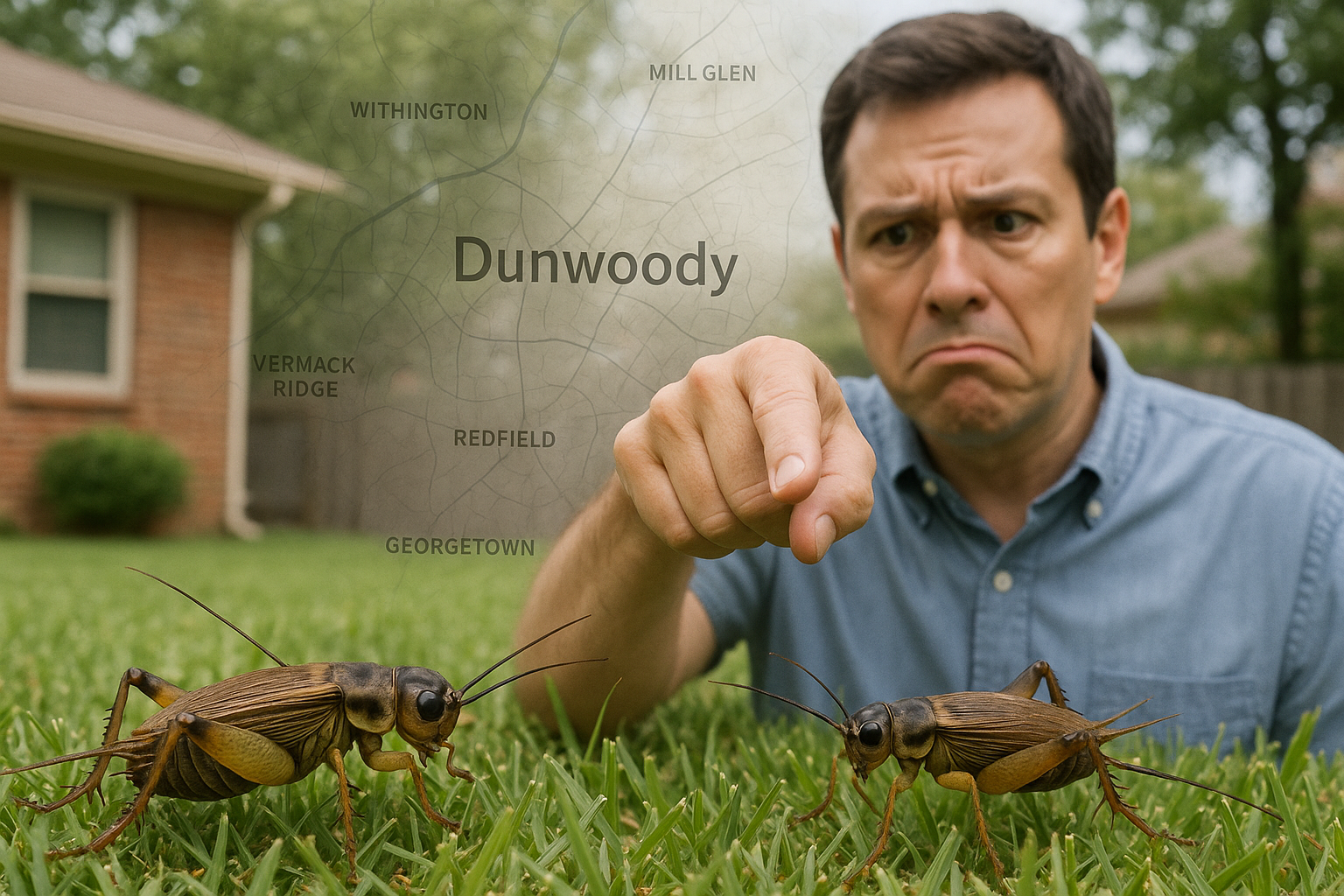
Because the two species behave differently—one stays on surfaces, the other works underground—treatment strategies must be species‑specific. Spot‑on baits and perimeter sprays work well for house crickets, while soil‑applied nematodes or targeted granules are more effective against mole crickets. Knowing when and where each cricket is most active lets Anthem Pest Control deploy the right product at the right time, keeping your lawn and home quiet all season long.
Spot the Signs Before They Multiply
Detecting crickets early can save you a chorus of noise and damage to your yard. In Dunwoody, the first clues appear when the sun sets, but they’re easy to miss if you don’t know what to look for.
- Nighttime chirping – a steady, high‑pitched trill that seems to come from the ground or walls.
- Small holes in sod – tiny, irregular openings where crickets push through to hide.
- Chewed plant roots – wilted or stunted foliage with exposed, gnawed roots.
- Crickets in basements or crawl spaces – occasional sightings of live insects or their exoskeletons in low‑traffic areas.
According to the DeKalb County Health Department (2023), 1 in 5 households in the county reports cricket sightings each summer. This statistic underscores why a quick visual check is essential, especially in high‑risk neighborhoods.
Neighborhood‑Specific Checklist
- Perimeter Mall area
- Inspect lawn edges and mulch beds after evening rain.
- Listen for chirping near the mall’s parking lot perimeter.
- Check drainage ditches for small holes and debris.
- Dunwoody Village
- Examine ornamental shrubs for chewed roots.
- Look inside basement windows and crawl‑space vents.
- Tap on patio stones; a hollow sound may hide crickets.
- North Dunwoody
- Survey the grassy strips along side streets after dusk.
- Search for exoskeletons near garden fences.
- Monitor raised garden beds for sudden leaf wilting.
The Hidden Costs of DIY
When you reach for a $30‑$70 spray kit, the upfront price looks attractive, but the numbers tell a different story. Professional treatments typically achieve a 95 % reduction in cricket activity, while the average DIY attempt stalls around 60 % success.
Consider a Dunwoody homeowner who bought three kits over two months. Each kit cost $55, and the lingering crickets forced a second round of applications. By switching to Anthem Pest’s one‑time service, the family avoided $250 in repeat purchases and reclaimed a quiet backyard.
Beyond effectiveness, safety regulations add hidden costs to DIY. The EPA mandates that only licensed technicians may apply EPA‑registered cricket pesticides. Using an over‑the‑counter product without proper training can lead to accidental exposure, property damage, or even legal penalties.
Anthem Pest’s technicians are fully licensed and stay current on EPA registration requirements, ensuring every product is applied safely and legally. The peace of mind, combined with a proven 95 % reduction, often outweighs the modest price difference.
Effective Treatments for Every Situation
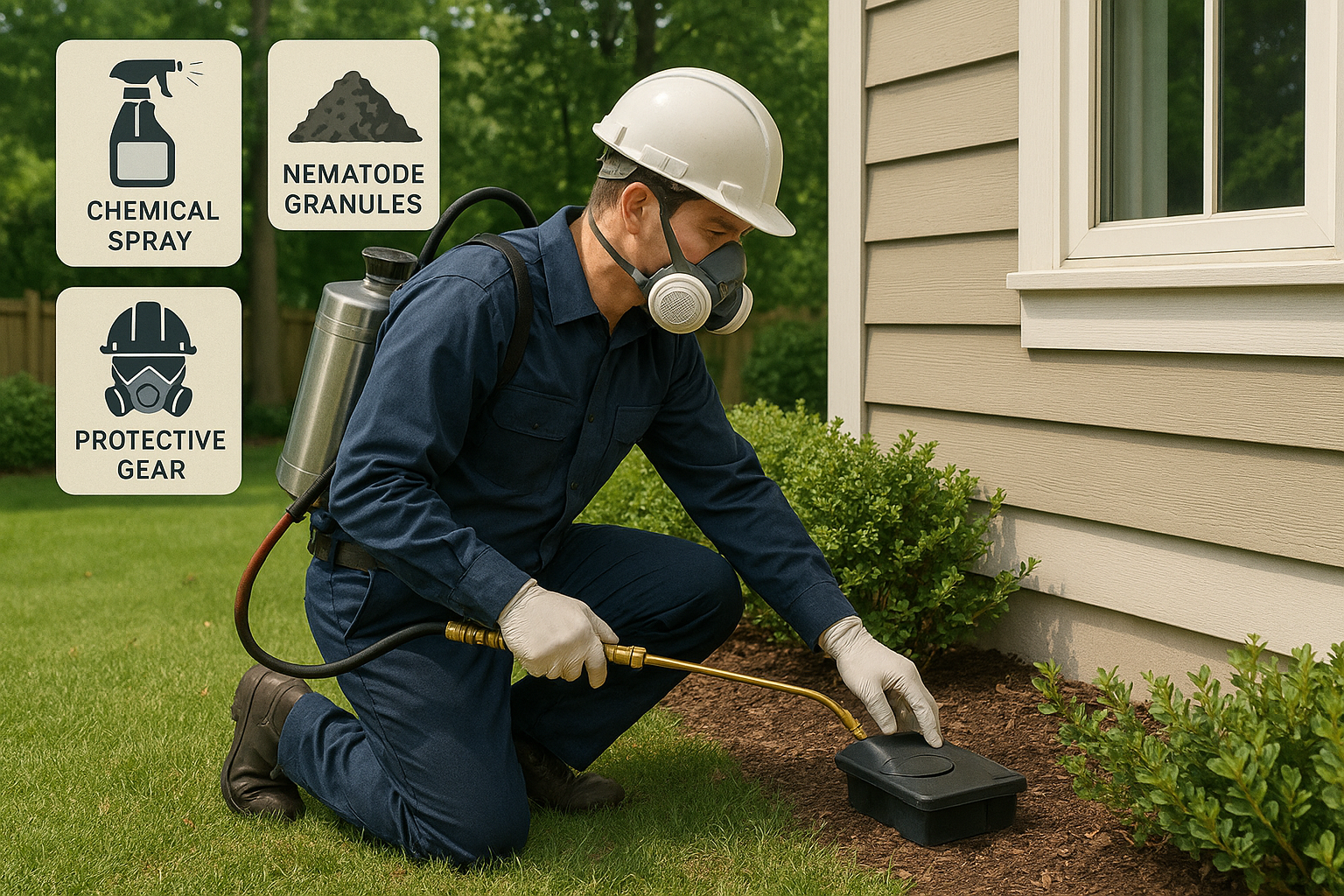
Chemical Sprays
When crickets are swarming your yard or porch, a targeted pyrethroid spray is often the fastest way to knock them down. Products built around bifenthrin or similar pyrethroids penetrate the insect’s nervous system within minutes, providing rapid knock‑down. For maximum effectiveness, apply the spray in the early evening when crickets are most active but before they seek shelter. Always follow EPA label limits—typically no more than 0.1 % active ingredient per square foot—to protect pets, children, and beneficial insects.
Baiting & Biological Controls
For homeowners who prefer a less chemical approach, entomopathogenic nematodes such as Steinernema scapterisci are a proven option. These microscopic worms seek out and infect crickets, killing them from the inside out. When applied correctly to moist soil or mulch, nematodes can reduce populations by up to 78 % — as documented in the University of Georgia Extension guide. Pair nematodes with bait stations that contain a slow‑acting protein bait; the crickets ingest the bait, share it with nestmates, and the colony collapses over several weeks.
Integrated Pest Management (IPM)
IPM blends cultural, mechanical, and chemical tactics for long‑term control. Start by removing debris, tall grass, and wood piles where crickets hide. Fix any drainage issues that create damp zones, as moisture attracts them. Once the habitat is less inviting, follow up with a spot‑treatment of a pyrethroid spray or a nematode application in the remaining hot spots. This layered strategy not only curbs the current infestation but also makes future outbreaks less likely.
Pricing Snapshot
- Chemical spray visit: $150–$250
- Nematode (biological) treatment: $200–$300
What Will It Cost You?
Understanding the price of cricket control Dunwoody services helps you budget confidently and avoid surprise charges. Below is the current Anthem Pest price list for the most common treatments in Dunwoody, Georgia.
| Service Option | Price Range | Coverage / Details |
|---|---|---|
| Single‑visit chemical spray | $150 – $250 | Effective for up to 1,500 sq ft per application |
| Nematode granule application | $200 – $300 | Biological control applied once per treatment |
| Full‑service annual package (spring + fall) | $350 – $600 | Includes two treatments, follow‑up inspection, and warranty |
Several factors can shift a quote within these ranges. Larger homes or properties with extensive lawns—common in the Perimeter area—require more product and labor, nudging the price toward the upper end. A heavy infestation will also increase the number of treatment zones, while a light, early‑season problem may be handled with a single‑visit spray at the lower end.
Neighborhood characteristics matter, too. Homes surrounded by dense vegetation or close to wooded patches tend to attract more crickets, which can raise the severity score used by technicians when calculating labor time.
Anthem Pest also offers flexible payment options to fit most household budgets. Homeowners can choose a single‑payment discount of 5 % for upfront billing, or spread the cost over three interest‑free installments. Seasonal promotions—such as a spring‑time “Early Bird” discount—may further reduce the lower end of the range, making professional cricket control even more affordable.
Anthem Pest’s Transparent Pricing Guarantee
Anthem Pest pledges to present a written estimate before any work begins, and the final bill will never exceed the quoted range without a clear, written explanation. This guarantee protects Dunwoody homeowners from hidden fees and ensures you know exactly what you’re paying for.
Our team has verified that the figures above reflect Anthem Pest’s current 2024 price list for cricket services, so you can rely on them when planning your pest‑control budget.
When to Act for Maximum Results
Crickets are most vulnerable before they start chirping and burrowing, so timing your treatments can save you money and hassle.
Seasonal timing recommendations
- Early‑spring (March – April): Apply a pre‑emptive perimeter spray before adult crickets emerge. This creates a barrier that stops the first wave of insects from establishing nests.
- Late‑summer (August): Conduct a follow‑up treatment focused on mole‑cricket burrow control. By this time the young have matured and are digging deeper, so a targeted soil drench is most effective.
Cricket eggs hatch once soil temperatures hit 55 °F, which in Dunwoody typically occurs in late March. Applying a pre‑emptive spray a week earlier stops nymphs before they surface. After the August drench, monitor for new burrows through September and plan a final check if needed.
Local weather insight
The National Weather Service reports that Dunwoody’s average rainfall for June-July 2024 was 4.3 inches, well within the typical 4-5-inch range. Consistent moisture encourages cricket breeding, reinforcing the need for early-spring prevention and a late-summer touch-up as part of a proactive cricket control Dunwoody strategy.
Simple calendar you can follow
Mark these dates on your home‑maintenance calendar:
- Mar 10 – Mar 20: Pre‑emptive perimeter spray.
- Apr 5 – Apr 15: Inspect for early activity; re‑apply if needed.
- Aug 15 – Aug 25: Soil drench for mole‑cricket burrows.
- Sep 1 – Sep 10: Final inspection before cooler weather.
Sticking to this schedule lets Anthem Pest Control intervene at the optimal moments, keeping your yard quiet and cricket‑free all year long.
Why Anthem Pest Is Dunwoody’s Top Choice
Anthem Pest has been protecting homes in Dunwoody for more than 15 years. Our technicians are state‑licensed, fully certified, and receive quarterly training on the latest Integrated Pest Management techniques. Every treatment uses EPA‑registered products that are proven effective yet safe for families, pets, and the surrounding environment. This long‑standing presence means we know the local climate, the most common cricket hotspots, and the neighborhoods that need the quickest response.
What sets Anthem apart is our commitment to the community. Homeowners in Perimeter, Dunwoody Village, and the Brookhaven‑adjacent neighborhoods consistently tell us they appreciate our prompt arrival, thorough inspections, and courteous service.
We called Anthem after hearing crickets in our backyard every night. The technician arrived within an hour, explained the treatment, and the noise stopped within two days. – Sarah M., Perimeter
Anthem’s team was friendly and left my home cricket‑free without any harsh chemicals. I felt safe for my kids and dog. – James L., Dunwoody Village
When a sudden cricket invasion hit our Brookhaven‑border home, Anthem’s 24/7 line got us help the same night. Their guarantee gave us peace of mind. – Carla R., Brookhaven area
We stand behind every service with a 30‑day satisfaction guarantee—if you’re not completely happy, we’ll re‑treat at no extra cost. For urgent cricket activity, our 24/7 emergency line (877‑371‑8196) connects you directly to a licensed specialist ready to schedule a same‑day visit.
Ready to reclaim a quiet yard? Visit anthempest.com or call us now to book your custom cricket control plan.
Frequently Asked Questions
Below are quick answers to the most common questions homeowners ask about cricket infestations and our treatment approach.
Do crickets carry diseases?
According to the Centers for Disease Control and Prevention, crickets are not known to transmit diseases directly to humans. While they can harbor bacteria or parasites, the risk of infection is negligible unless you handle them improperly or consume contaminated food. For more details, see the CDC’s FAQ on insects and disease.
Will treatments affect pets?
Most professional cricket control programs use low‑toxicity products that are safe for dogs and cats when applied correctly. Anthem Pest follows EPA‑registered guidelines, recommends a short waiting period (usually 30 minutes) before allowing pets back inside, and offers pet‑friendly application methods such as spot‑treatments and bait stations. Always discuss any sensitivities with your technician.
How often should I schedule treatments?
We advise an annual cricket service, ideally in early summer when populations begin to rise. Homeowners who notice a mid‑season surge can add a supplemental check‑up to keep the infestation under control. Regular inspections help catch new activity before it becomes a nuisance.
If you have additional concerns, our certified technicians are ready to provide personalized guidance.
Sources and Further Reading
Below are the key resources we consulted when preparing this guide. Each link leads to a trusted, government‑or university‑backed source that you can review for the latest cricket‑control recommendations, cost benchmarks, and safety information.
- University of Georgia Extension guide on cricket control
- EPA overview of approved cricket pesticides
- NPMA pest‑library entry on crickets
We recommend double‑checking any statistics or pricing figures against these references before making treatment decisions. These resources are regularly updated and reflect best practices for safe, effective cricket management in Georgia.
Protect Your Dunwoody Home Today
Early detection of crickets and other pests gives you the advantage of stopping an infestation before it spreads. Professional treatment ensures the problem is eradicated at its source, while transparent pricing lets you plan your budget with confidence.
At Anthem Pest, our Dunwoody technicians combine local knowledge with EPA‑registered products that are both safe for your family and highly effective. We stand behind every service with a satisfaction guarantee, so you know the job is done right the first time.
Our locally‑trained crews know the seasonal patterns that affect Dunwoody homes, allowing us to time treatments for maximum impact.
Ready to safeguard your home? Give us a call at 877‑371‑8196 or head to our website for a free inspection and a personalized quote. Our team will assess your situation, explain the best treatment options, and provide a clear cost estimate—no hidden fees.
Don’t wait for the chirping to become a chorus. Visit Anthem Pest Control today and take the first step toward professional cricket control Dunwoody homeowners trust for a quieter, pest-free home.