Why Cricket Control Matters in Suwanee, GA
Summer evenings in Suwanee are famous for their warm, humid nights—a perfect recipe for the house cricket (Acheta domesticus). When temperatures hover above 75°F and humidity stays above 60%, crickets reproduce quickly, and their populations can explode within weeks. This seasonal boom means that what starts as a few stray chirps in your backyard can soon become a full‑scale indoor invasion if left unchecked.
What the local climate does for crickets
Suwanee’s subtropical climate provides crickets with both the heat they need to mature and the moisture they crave for egg‑laying. The region’s abundant vegetation, well‑watered lawns, and occasional rainstorms create sheltered hiding spots in mulch, leaf litter, and even the cracks of your home’s foundation. As the season progresses, these conditions turn outdoor habitats into breeding grounds, and adult crickets are drawn indoors by the promise of food, water, and darkness.
Typical signs of an infestation
Homeowners usually notice crickets in three ways: a persistent, high‑pitched chirping that peaks after sunset; occasional sightings of live insects scurrying across kitchen counters, baseboards, or bathroom tiles; and small, irregular holes or shredded edges on fabrics, curtains, and indoor plants. While crickets don’t chew wood like termites, they can gnaw on soft plant leaves and fabric fibers, leaving visible damage that escalates the longer the colony persists.
Health and nuisance impacts
The most obvious nuisance is the noise—continuous chirping can raise stress levels and disrupt sleep, especially for light‑sensitive residents. Although crickets are not disease vectors, their shed skins, feces, and dead bodies can trigger allergic reactions or asthma flare‑ups in sensitive individuals. In rare cases, large numbers of crickets can cause minor structural concerns, such as weakened insulation or compromised fabric integrity, which may lead to higher energy bills.
Cost of inaction versus professional treatment
Doing nothing often costs more in the long run. A single night of sleeplessness can affect productivity, and repairing fabric or plant damage adds up quickly. By contrast, a professional cricket treatment from Anthem Pest Control typically starts around $150‑$200 for a single‑family home, covering inspection, targeted baits, and a follow‑up visit. This upfront investment prevents the exponential growth of the colony and eliminates the hidden expenses of prolonged discomfort and property wear.
Next step: accurate identification
Before you choose a treatment plan, confirming that you’re dealing with house crickets—not a similar‑looking beetle or moth—is essential. In the next section, we’ll walk you through simple visual cues and diagnostic tools to pinpoint the pest with confidence.
Spotting Crickets – Identification and Warning Signs
Before you call in a professional, it helps to know exactly what’s sharing your floorboards. House crickets have a few unmistakable traits that set them apart from harmless visitors like ladybugs or harmless moths. Spotting those clues early can save you time, money, and a lot of nighttime chirping.
Physical Description
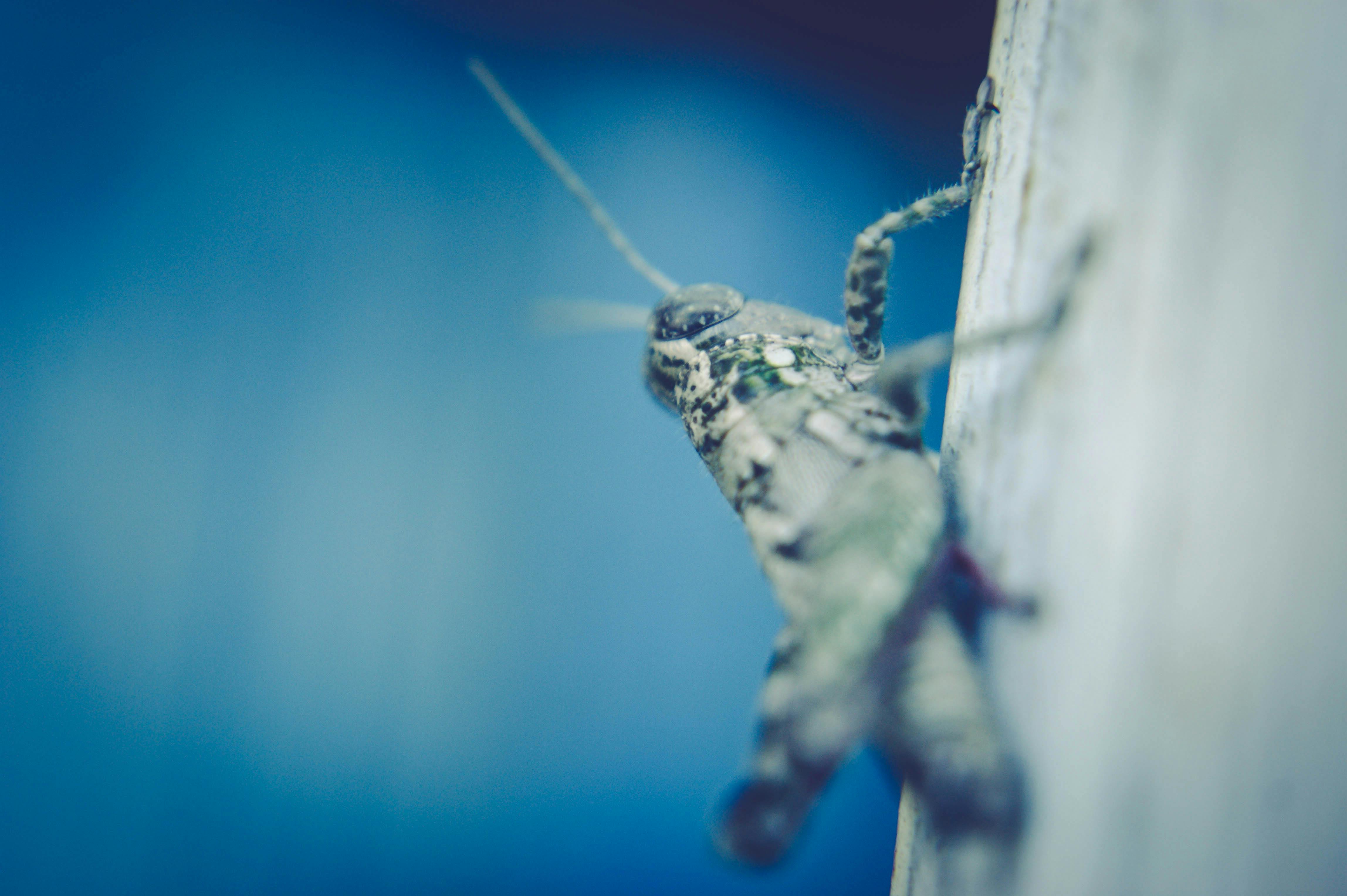
Adult house crickets typically measure ½‑¾ inches in length. Their bodies are a smooth blend of light brown to gray, which lets them blend into wood, drywall, or mulch. Look for long, filament‑like antennae that extend well beyond the head, and powerful hind legs built for jumping—those legs are noticeably larger than the front pair and end in a distinct, spiny tibia.
Chirping Behavior
Only male crickets “sing.” They create the familiar high‑pitched trill by rubbing the edges of their forewings together—a process called stridulation. The chirp is usually a repeating series of 5‑7 notes followed by a brief pause, and it becomes most audible just after sunset when the insects are most active. If you hear a steady rhythm that fades as the night deepens, you’re likely listening to a cricket.
Where They Hide
Inside the home, crickets favor quiet, damp areas. Common indoor hotspots include:
- Kitchens—especially behind appliances where crumbs and moisture linger.
- Basements and crawl spaces—cool, dark, and often humid.
- Bathrooms and laundry rooms—anywhere water accumulates.
Outdoors, they gravitate toward grass, mulch, and wood piles. These environments provide shelter during the day and a ready supply of insects for food.
How to Tell Them Apart from Similar Pests
Crickets can be confused with katydids, beetles, or even certain moths. Here are quick visual checks:
- Katydids have much longer, leaf‑shaped bodies and wings that fold flat over the back, giving them a green or brown “leaf” appearance.
- Beetles possess hard, shell‑like elytra covering their wings and lack the long antennae and powerful hind legs of crickets.
- Moths are winged and usually rest with wings spread; they do not have the jumping legs or chirping behavior.
Immediate Steps While Waiting for Professional Help
If you’ve confirmed a cricket presence, you can reduce their numbers before Anthem Pest Control arrives:
- Eliminate food sources: Store pantry items in sealed containers and clean up crumbs promptly.
- Reduce moisture: Fix leaky pipes, use a dehumidifier in basements, and ensure proper ventilation in bathrooms.
- Seal entry points: Caulk gaps around windows, doors, and utility penetrations where crickets might slip in.
- Set simple traps: Place sticky traps near suspected pathways or use a shallow dish of soapy water to catch jumping adults.
These actions won’t eradicate an established infestation, but they’ll curb the population and make the professional treatment more effective. When you’re ready, give Anthem Pest Control a call at 877‑371‑8196 for a thorough, locally‑tailored cricket management plan.
Seasonal Cricket Activity in Georgia
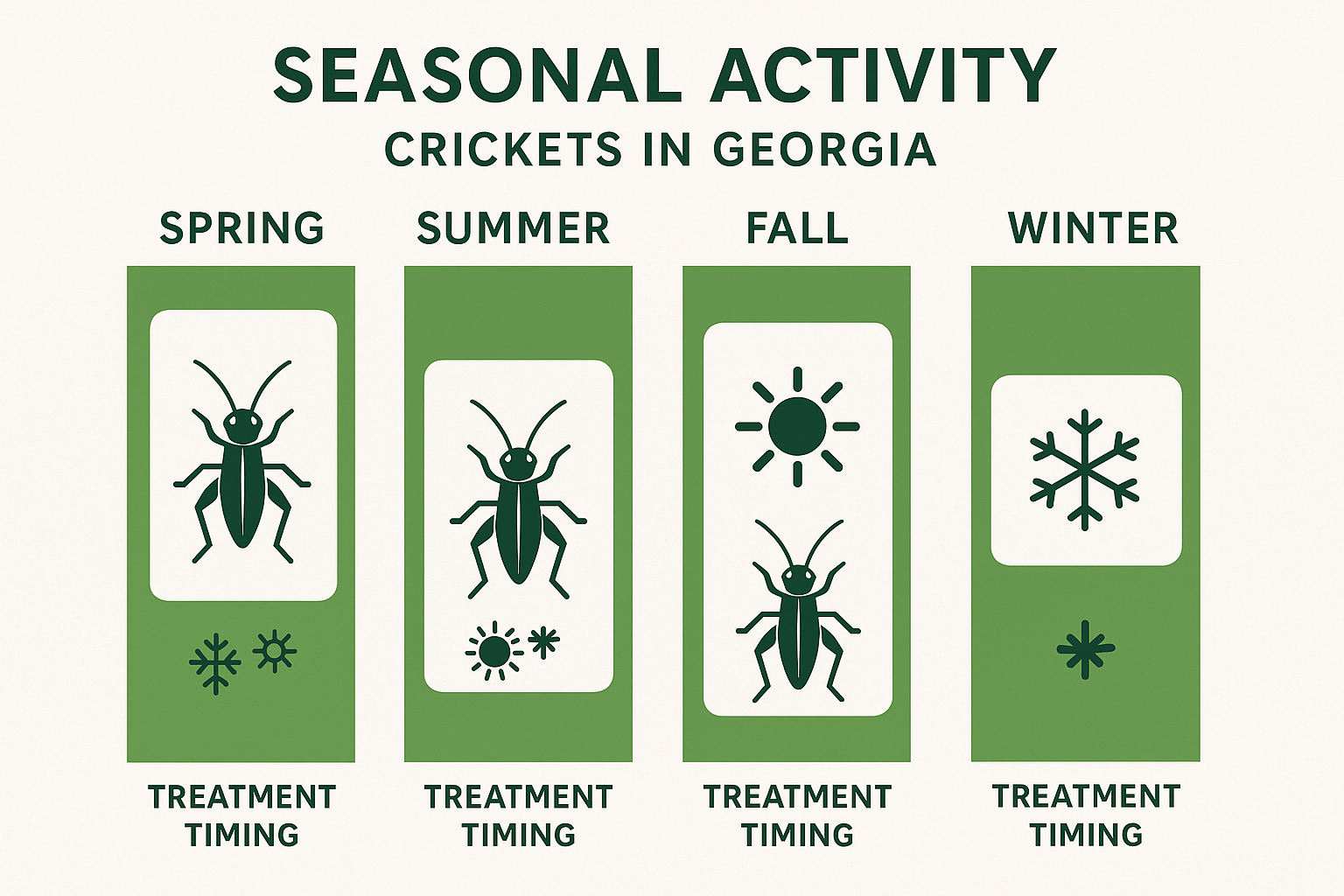
Georgia’s climate is a four‑act play for crickets, and each season sets the stage for a different level of activity. Understanding the temperature ranges that drive their life cycle helps you time inspections and treatments for maximum impact.
Spring: Nymph Emergence & Early Breeding
As daytime highs climb into the mid‑50s °F (12‑13 °C) and nights stay above 40 °F (4 °C), cricket eggs hatch. Nymphs appear in late March to early April, feeding on plant material and growing rapidly. This is the window when a pre‑emptive treatment works best—targeting the young, still‑soft exoskeletons before they reach reproductive maturity.
Summer: Population Explosion & Peak Noise
June through August brings temperatures regularly above 80 °F (27 °C) and humidity that fuels a cricket boom. Adults mate, lay dozens of eggs, and the chorus reaches its loudest. If you hear the characteristic chirp after sundown, it’s a sign the infestation is at its peak. Immediate control—either a perimeter spray or an indoor residual treatment—is essential to curb the noise and prevent damage to wiring or insulation.
Fall: Declining Activity, Indoor Risks Remain
By September, daytime highs dip into the 70s °F (21‑24 °C) and nighttime temperatures fall below 60 °F (15 °C). Outdoor activity wanes, but crickets seeking shelter can slip inside walls, attics, or basements. A targeted indoor inspection in October catches any stragglers before they embed themselves for the winter months.
Winter: Dormancy & Monitoring
Winter temperatures in Georgia often stay below 50 °F (10 °C), pushing crickets into a dormant state. They remain hidden in cracks, crevices, and insulation. The focus shifts from active treatment to vigilant monitoring. A quarterly check—especially after any heavy snowfall or rain—helps you spot early signs of re‑emergence when the weather warms.
Scheduling Tips Based on the Chart
- Early March: Schedule a pre‑emptive exterior treatment to stop nymphs before they breed.
- Late May: Conduct a follow‑up inspection; apply a second round if activity is evident.
- Mid‑July: Deploy an intensive indoor residual spray if the summer chorus is loud.
- Early October: Perform an indoor inspection and treat any hidden pockets.
- January–February: Set up monitoring stations and plan for a spring re‑assessment.
By aligning your pest‑control calendar with Georgia’s seasonal cricket patterns, you stay one step ahead of the infestation. A timely inspection and targeted treatment not only quiets the nightly chirp but also protects your home’s structure and your family’s peace of mind.
Professional Cricket Treatment Methods

Why DIY Methods Often Fall Short
Many homeowners reach for aerosol sprays or sticky traps, hoping a quick fix will silence the nightly chirp. While these tools can catch a few stragglers, they rarely address the hidden colonies nesting in wall voids, crawl spaces, or under siding. Over‑the‑counter products also lack the residual power needed to keep crickets at bay for more than a few weeks, and improper placement can even attract other insects.
Anthem’s Integrated Approach
Our technicians start with a thorough inspection, pinpointing entry points, breeding sites, and any structural conditions that favor cricket activity. From there we apply a targeted perimeter treatment that creates a chemical barrier around the home’s foundation, preventing new insects from slipping inside. Inside, we use EPA‑approved residual sprays on baseboards, window sills, and other high‑traffic zones, ensuring long‑lasting protection without a heavy chemical load.
For properties with severe infestations, we offer optional fumigation that reaches the most inaccessible cracks and voids, delivering a deep‑clean effect that DIY products simply cannot match.
Smoke Machine Fumigation for Hard‑to‑Reach Spaces
Our smoke‑machine fumigation system generates a fine, insect‑penetrating fog that seeps into wall cavities, under decks, and through tiny cracks where crickets hide. The fog’s microscopic particles coat every surface, disrupting the insects’ respiratory systems and eliminating entire colonies in a single treatment. Because the smoke is applied under controlled pressure, it spreads evenly without leaving residue on visible surfaces.
Safety Protocols You Can Trust
All products we use are EPA‑approved and formulated to be safe for children and pets when applied by certified technicians. We also carry a line of low‑toxicity options for families with heightened sensitivities. Every Anthem technician completes rigorous training on proper dosage, application techniques, and emergency procedures, so you can feel confident that your home is protected without compromising safety.
Benefits of Ongoing Monitoring and Follow‑Up Visits
Cricket populations can rebound quickly if a single treatment is left unchecked. Our scheduled monitoring visits include a visual inspection, moisture assessment, and a light touch‑up of residual sprays where needed. This proactive approach catches early activity before it becomes a full‑blown infestation, saving you time, stress, and money in the long run.
One‑Time vs. Recurring Service Models
For homeowners who need an immediate solution, our one‑time treatment package delivers a comprehensive eradication plan in a single visit. If you prefer continuous protection, our recurring service model spreads treatments throughout the cricket season, automatically adjusting the frequency based on local activity trends. Both options come with transparent pricing and a clear service agreement, so you know exactly what to expect.
Cricket Control Pricing Options for Suwanee Homeowners
Typical Cost Range in Suwanee
Based on recent market data, most Suwanee residents pay between $150 and $300 for a standard cricket control service. Prices fluctuate with property size, infestation severity, and the specific treatment method used. This range gives you a baseline to evaluate any quote you receive.
Plan Options
1. One‑time Treatment
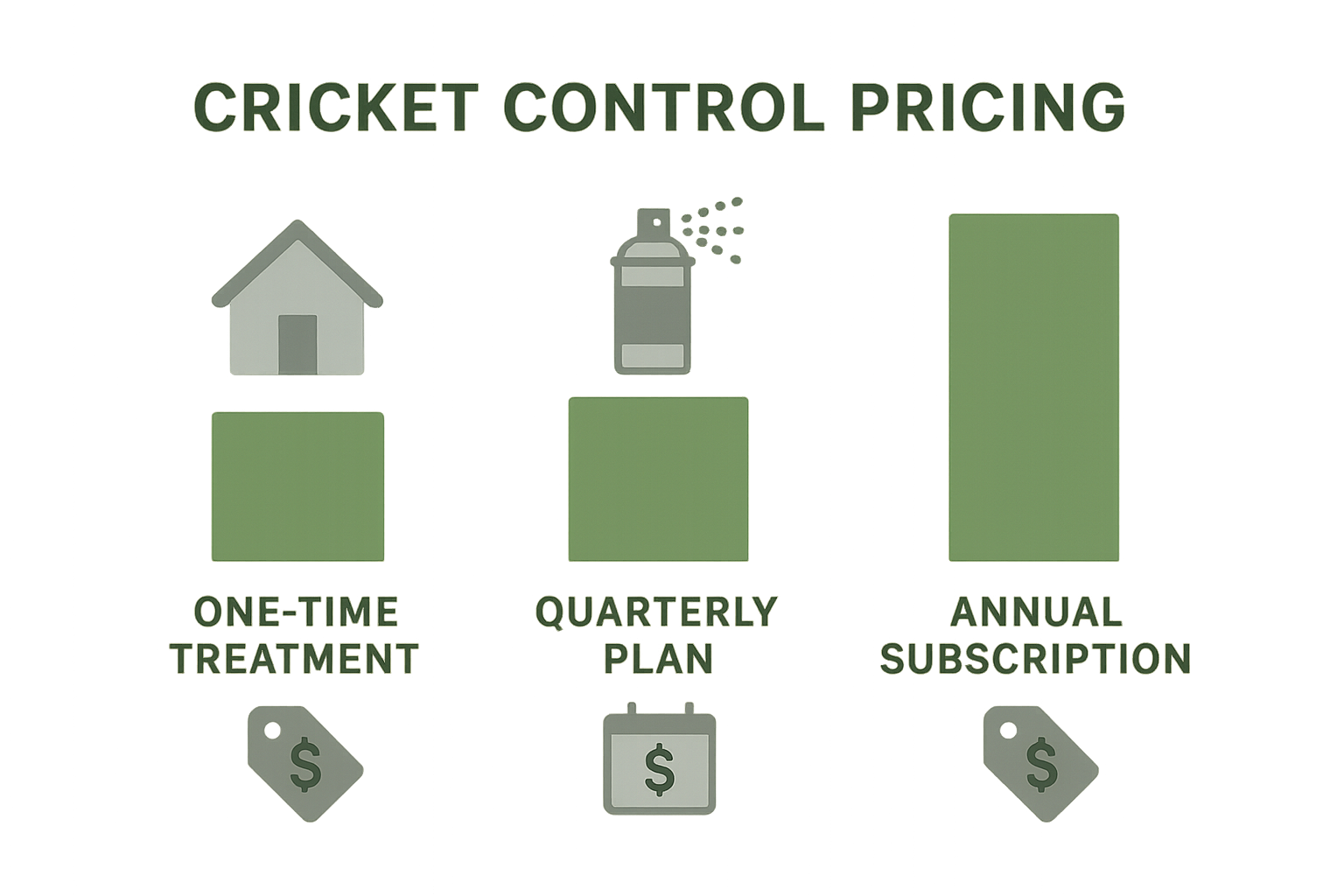
This flat‑fee package includes a thorough inspection, a single professional application, and a post‑treatment follow‑up call. Homeowners typically see a charge of $180‑$250, covering everything needed to knock out an active cricket problem in one go.
2. Quarterly Plan
Four scheduled visits per year keep crickets at bay throughout the warm months. Each visit is discounted to roughly $70‑$85, bringing the annual cost to about $280‑$340. The plan also adds seasonal adjustments—such as extra perimeter treatment before the first summer heatwave—to address shifting cricket activity.
3. Annual Subscription
For the ultimate peace of mind, the subscription offers unlimited visits, priority scheduling, and a price lock for the entire year. Most subscribers pay a flat $350‑$400 and never worry about surprise fees, even if multiple infestations occur.
Cost‑Benefit Analysis
While the one‑time treatment looks cheapest upfront, repeat infestations are common when crickets re‑enter from neighboring yards or outdoor debris. Each additional visit adds $150‑$200 to your bill, quickly eroding any initial savings.
The quarterly plan spreads costs evenly and includes proactive adjustments, reducing the likelihood of a full‑blown resurgence. Over two years, the subscription typically saves $100‑$150 compared with repeatedly paying for one‑time services, and it eliminates the stress of emergency calls.
Transparent Source
All pricing figures are drawn from the latest local market report: Anthem Pest Cricket Control Cost – Suwanee, GA.
How to Request a Free Quote
Getting a no‑obligation estimate from Anthem Pest is straightforward. Prepare the following information before you call or fill out the online form:
- Exact address (including any outbuildings or sheds)
- Square footage of the home and any attached structures
- Recent sightings: dates, locations, and severity
- Current pest‑control measures, if any
- Preferred service plan (one‑time, quarterly, or annual)
Dial 877‑371‑8196 or visit Anthem Pest’s website to submit your details. A local technician will review your information, schedule a free inspection, and present a clear, itemized quote tailored to your home’s needs.
Secure a Cricket‑Free Home with Anthem Pest Control
Crickets may sound charming, but in Suwanee their summer chorus signals a growing nuisance—noisy nights, unwanted indoor hopping, and the risk of damage to siding and screens. Because these insects thrive when temperatures rise, waiting until they’re already in your walls often means a bigger, costlier battle. Prompt, professional treatment stops the invasion before it starts, keeping your home quiet and your family comfortable.
In Suwanee, crickets emerge as temperatures climb above 70°F, often gathering in shaded corners, under decks, and near outdoor lighting. Without early intervention, colonies can migrate indoors, causing noise and potential damage to siding, insulation, and even electrical wiring.
Why Choose Anthem Pest Control?
- Licensed technicians: Our crew holds state‑issued licenses and ongoing training, so they know the most effective methods for cricket control in Georgia.
- Safe, proven products: We use EPA‑approved formulations that target crickets while protecting pets, children, and the environment.
- Transparent pricing: No hidden fees—just a clear quote that matches the scope of work.
- Local knowledge: Living and working in Suwanee gives us insight into the neighborhoods and habitats where crickets hide, allowing us to tailor treatments for maximum impact.
We understand that every home is different. That’s why we offer a free, no‑obligation inspection to assess your specific situation. Our technician will walk you through the findings, explain the recommended plan, and answer any questions you have—no pressure, just clear information.
Ready to silence the nightly chirp before it starts? Give us a call at 877‑371‑8196 or click the link below to request your personalized quote. Let Anthem Pest Control protect your home, so you can enjoy a peaceful, cricket‑free summer.