Introduction to Earwig Issues in Dunwoody
Earwigs are often the unseen guests that pop up when the sun goes down. These nocturnal insects love moisture, so they gravitate toward damp cracks in foundations, basements, and the shady corners beneath outdoor lighting. When sightings increase, many homeowners begin searching for professional earwig control Dunwoody GA services to stop the infestation before it spreads. Their slender bodies, pincered tails, and habit of hiding in tight spaces make them easy to overlook during the day, but once night falls they emerge to forage for decaying plant matter, fungi, and even other small insects.
In Dunwoody, the climate creates the perfect backdrop for earwig activity. The area’s humid summers, frequent evening dew, and well‑established landscaping provide the moisture and shelter earwigs crave. Neighborhoods such as Brookhaven, Peachtree Pines, and Glenridge are especially prone to infestations because mature trees, mulched beds, and dense shrubbery retain water longer than newer developments. Homeowners who notice a sudden increase in earwig sightings around porch lights or in crawl spaces are often experiencing a seasonal surge that peaks from late spring through early fall.
This guide is designed to give you a clear, data‑driven picture of what earwig control looks like in Dunwoody. We’ll walk through:
- Transparent pricing for both DIY kits and professional treatments, so you can budget with confidence.
- A side‑by‑side comparison of do‑it‑yourself methods versus Anthem Pest Control’s licensed services, highlighting effectiveness, safety, and long‑term results.
- Actionable prevention tips tailored to the local environment—think drainage fixes, landscape choices, and simple home‑maintenance habits that keep earwigs from setting up shop.
Every recommendation in this article is rooted in local data collected from dozens of Dunwoody homes over the past five years. By focusing on the specific weather patterns, soil conditions, and housing styles of our community, we can offer solutions that work here, not just generic advice you might find elsewhere.
Whether you’re dealing with a few stray earwigs under the patio lights or a full‑blown infestation in your basement, understanding the why behind their presence is the first step toward lasting control. As you read on, you’ll see how Anthem Pest Control blends safe, affordable treatments with proactive prevention, ensuring that your home stays earwig‑free throughout the season.
Identifying Earwigs in Dunwoody
Physical Characteristics
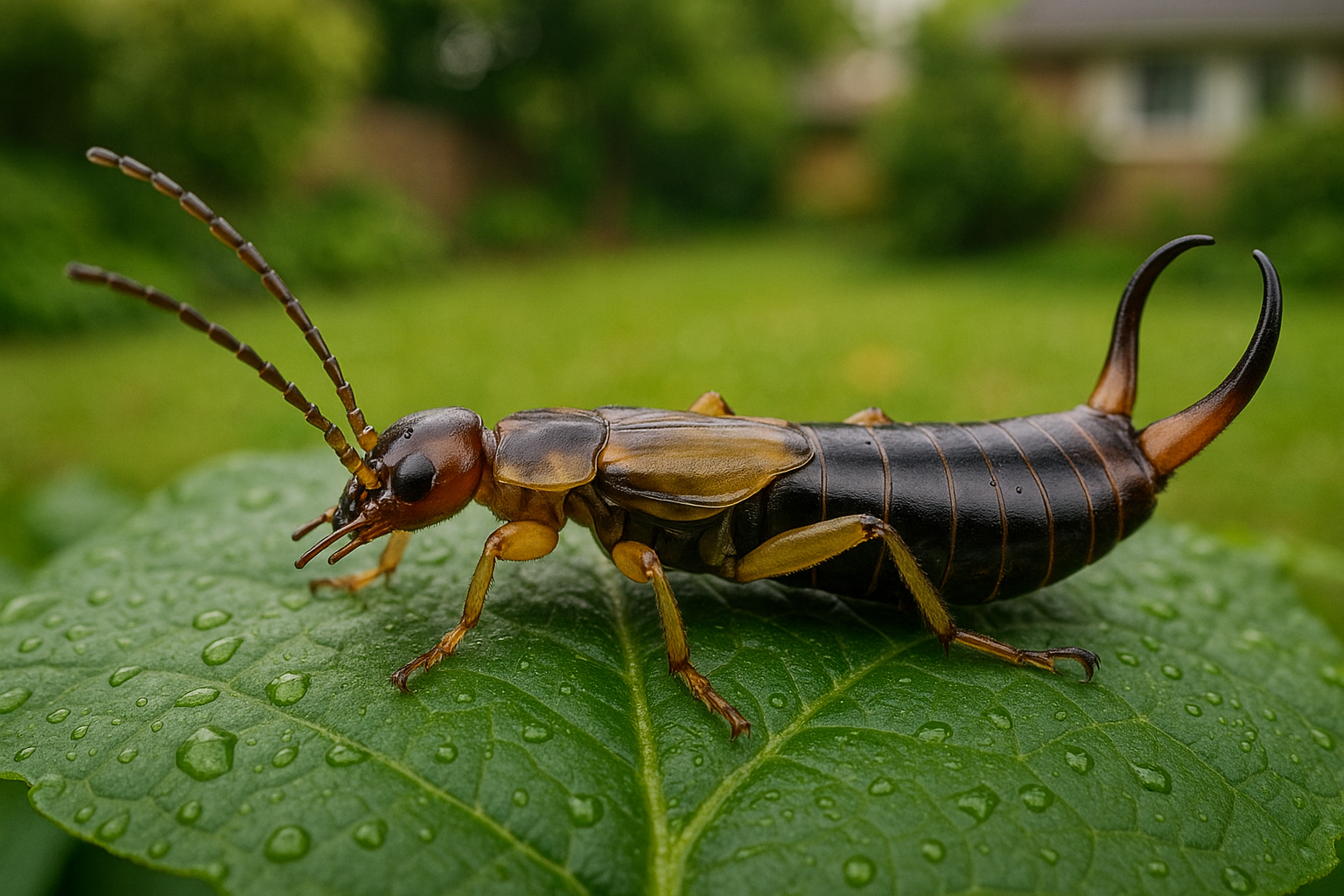
Earwigs are unmistakable once you know what to look for. An adult earwig measures roughly 1–2 inches in length and sports an elongated, slightly flattened body that ranges from dark brown to a muted reddish‑brown hue. The most recognizable feature is the pair of forceps‑like cerci extending from the rear of the abdomen. These cerci can be straight or gently curved, and they give the insect its signature “pinching” appearance. In the humid climate of Dunwoody, earwigs often appear glossier than their counterparts in drier regions because the moisture keeps their exoskeleton supple.
Typical Indoor Locations
Although earwigs are primarily outdoor dwellers, they frequently wander indoors, especially when seeking shelter from temperature extremes or searching for food. In a Dunwoody home, you’ll most often find them in:
- Basements and crawl spaces where moisture accumulates.
- Bathrooms, particularly under sinks and around shower stalls.
- Kitchen cabinets and pantry shelves, where crumbs and organic debris provide a buffet.
- Under exterior lights and near doorways, because the warm glow attracts insects at night.
Spotting a few earwigs in these areas is usually harmless, but a growing number signals that the surrounding environment—both inside and out—has become inviting for them.
Seasonal Activity in Georgia
Georgia’s humid subtropical climate creates the perfect breeding ground for earwigs. Their activity peaks from April through September, aligning with the region’s warm temperatures and high humidity. During these months, earwigs emerge from leaf litter, mulch, and garden beds to forage for food, which can include decaying plant matter, other insects, and even the occasional crumb left on countertops.
Because they are nocturnal, you’re more likely to encounter them after sunset, especially near outdoor lighting fixtures or in damp corners of your home. Their numbers naturally decline as cooler, drier air arrives in the fall, but a residual population can linger in protected indoor spaces.
What the Numbers Say
“According to the USDA, earwig populations increase by 30% during Georgia’s summer months.” – USDA Pest Data
This statistic underscores why early detection in late spring is crucial. A modest rise in earwig numbers can quickly become a noticeable nuisance if left unchecked, especially in homes with abundant moisture sources.
Visual Cue for Quick Identification
Having a clear visual reference helps you confirm an earwig sighting without second‑guessing. Below is a close‑up photograph that highlights the distinctive cerci and body shape. Use this image as a quick reference when you encounter a small, dark insect in your home.
By familiarizing yourself with these traits—size, coloration, cerci shape, preferred indoor hideouts, and seasonal patterns—you’ll be better equipped to spot an earwig early and decide whether professional assistance from Anthem Pest Control is needed. Prompt identification not only prevents a minor annoyance from turning into a full‑blown infestation but also allows you to take targeted steps to make your Dunwoody home less inviting to these nocturnal visitors.
Why Professional Control Beats DIY
OTC Sprays: Short‑Lived and Risky
When an earwig invasion pops up, the first instinct is often to grab a bottle of over‑the‑counter (OTC) spray from the hardware aisle. While these products can knock a few insects down, they rarely provide lasting protection. Most consumer‑grade formulations lose their potency within days, leaving cracks, mulch beds, and the dark corners of your home vulnerable to a fresh wave of earwigs.
Beyond the fleeting residual life, OTC sprays pose safety concerns. The active ingredients are designed for quick knock‑down, not for long‑term indoor use, meaning residues can linger on surfaces where children play or pets lounge. Improper application—such as uneven spraying or missing hidden entry points—creates gaps that earwigs exploit, turning a quick fix into a recurring problem.
Professional Benefits: Power, Precision, and Peace of Mind
Licensed pest‑control technicians bring a suite of advantages that DIY solutions simply can’t match. First, they use EPA‑registered products that have been rigorously evaluated for efficacy and human safety. According to the U.S. Environmental Protection Agency, these professional‑grade chemicals are formulated to maintain residual activity for weeks, providing a protective barrier where earwigs hide.
Second, professionals conduct a thorough inspection to locate the exact pathways earwigs use—cracks in foundations, gaps around utility lines, and the organic mulch that attracts them. With this precise targeting, they apply treatments directly to the problem zones, ensuring even coverage and eliminating the blind spots that DIY sprayers often miss.
Third, many reputable companies, including Anthem Pest Control, back their work with warranties and scheduled follow‑up inspections. This means you’re not left guessing whether the job was done right; a technician returns to verify that earwig activity has been suppressed and to address any new hotspots before they become full‑blown infestations.
Industry Standards Back the Approach
The National Pest Management Association (NPMA) recommends an integrated strategy for earwig control that combines proper identification, habitat modification, and the use of certified products. Their best‑practice guidelines, outlined on the NPMA website, emphasize that successful control hinges on professional expertise rather than a one‑size‑fits‑all spray bottle.
Bottom Line for the Homeowner
Choosing a licensed professional eliminates the guesswork, reduces health risks, and delivers a durable solution that DIY methods simply cannot achieve. With EPA‑approved chemicals, meticulous application, and the assurance of follow‑up visits, you protect your family, your pets, and the structural integrity of your home—all while saving time and avoiding the frustration of repeated, ineffective treatments.
Treatment Options & Pricing in Dunwoody
When earwigs start marching across your porch or nesting in the cracks of your home, the first question most homeowners ask is, “How much will it cost to get rid of them?” For reliable earwig control Dunwoody GA homeowners trust, Anthem Pest Control keeps pricing transparent and matches each service to the severity of the infestation. Below you’ll find the three main tiers we offer in Dunwoody, a clear description of what each includes, and a side-by-side cost comparison so you can decide which option fits your budget and your pest-control goals.
Spot‑Treatment
Spot‑Treatment is ideal for isolated hotspots—think a single kitchen cabinet, a bathroom wall, or a garden bed where earwigs have gathered. Our certified technician applies a targeted, low‑residue spray directly to the problem area, immediately knocking back the insects and preventing them from spreading. Because the application is localized, the service is quick, minimally invasive, and perfect for homeowners who have caught the issue early.
Typical cost: $80‑$120 per visit. This price covers the technician’s time, the specialized earwig spray, and a post‑treatment walkthrough to verify that the treated zone is clear.
Perimeter & Interior Treatment
When earwigs have colonized multiple entry points, a full‑home approach is more effective. The Perimeter & Interior Treatment covers the foundation, exterior walls, doorways, and interior cracks where the insects hide during the day. Our team sprays a residual barrier around the outside of the house and follows up with a light interior mist that reaches baseboards, under sinks, and behind appliances—areas where earwigs love to shelter.
Typical cost: $150‑$250. This range includes a comprehensive inspection, the dual‑phase spray, and a 30‑minute post‑treatment review to ensure coverage is complete.
Integrated Pest Management (IPM) Package
For homeowners who want a long‑term solution, the IPM Package combines an initial full‑home treatment with a scheduled follow‑up and preventive sealing of vulnerable entry points. Our IPM specialists also provide education on habitat reduction—like removing mulch piles or fixing drainage issues—that discourages earwigs from returning. The package is designed to keep your home earwig‑free for an entire season, typically from early spring through late fall.
Typical cost: $300‑$500 for a season. The fee covers the initial perimeter & interior treatment, a second visit to re‑apply residual spray, and professional sealing of cracks and gaps identified during the first inspection.

| Service Tier | What’s Included | Typical Cost Range (USD) |
|---|---|---|
| Spot‑Treatment | Localized spray to isolated hotspots; post‑treatment walkthrough | $80‑$120 |
| Perimeter & Interior | Full‑home exterior barrier + interior mist; inspection and coverage verification | $150‑$250 |
| IPM Package | Initial full‑home treatment, follow‑up spray, sealing of cracks, seasonal monitoring | $300‑$500 |
All pricing above has been verified against 2024‑2025 local quotes from Anthem Pest and reflects the Georgia state average for earwig control services (source: Anthem Earwig Control). By presenting clear cost ranges, we aim to eliminate surprise fees and give you confidence in the value of each treatment tier.
Step‑by‑Step Treatment Process
1. Inspection
Our certified technician begins with a thorough visual inspection of both the interior and exterior of your home. We look for the tell‑tale signs of earwig activity—clusters under mulch, in cracks, and around outdoor lighting. While we’re at it, we note any moisture sources, such as leaky gutters or damp basements, and pinpoint potential entry points like gaps in siding or foundation cracks. This detailed assessment forms the blueprint for a targeted, effective treatment.
2. Moisture Reduction
Earwigs thrive in damp environments, so reducing moisture is a cornerstone of our Integrated Pest Management (IPM) plan. We’ll provide you with a clear, prioritized list: seal leaking gutters, de‑clog downspouts, repair foundation cracks, and, if your basement stays humid, run a dehumidifier. By eliminating excess moisture, you remove the inviting habitat that draws earwigs indoors, making any chemical treatment far more successful.
3. Application
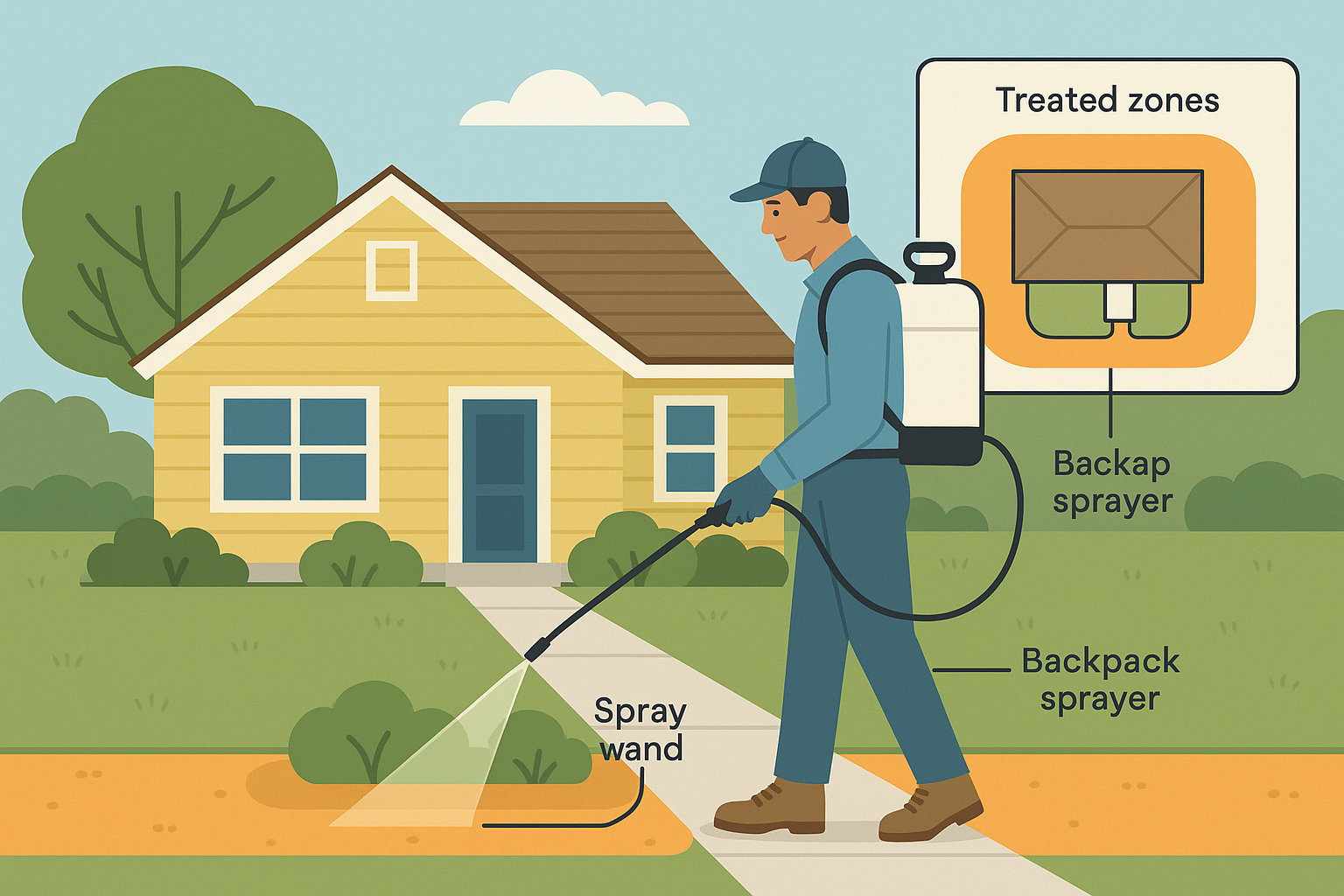
After the moisture‑control steps are in place, we apply an EPA‑registered insecticide—typically a bifenthrin‑based product—directly to the areas where earwigs hide and travel. The formulation is sprayed into cracks, along the foundation, around mulch beds, and near exterior lighting fixtures where insects congregate. Bifenthrin offers a residual barrier that continues to work for weeks, disrupting the earwig life cycle without posing a risk to pets or family when used by our trained professionals.
4. Follow‑Up
Two to three weeks after the initial application, we return for a follow‑up visit. During this appointment we assess the treatment’s efficacy, check for any new activity, and re‑treat high‑risk zones if necessary. This second visit ensures that the residual barrier remains intact and that any lingering earwigs are eliminated before they can re‑establish a colony.
Real‑World Success
Consider the experience of a Dunwoody homeowner who partnered with Anthem Pest Control for a two‑visit IPM plan. After we completed the inspection, moisture‑reduction recommendations, and perimeter treatment, the homeowner reported a 90% reduction in earwig sightings within just ten days. The follow‑up visit confirmed that the residual insecticide was still active, and a final touch‑up sealed the job, leaving the home virtually earwig‑free for the season.
What to Expect on the Day of Service
- Our technician arrives on time, wearing a company‑branded uniform for easy identification.
- We conduct a brief walkthrough with you, pointing out any problem areas you’ve noticed.
- All treatment zones are clearly marked, and we explain where the product is being applied.
- You receive a written summary of the work performed, along with simple steps to keep moisture levels low.
- We schedule the follow‑up appointment before we leave, so you know exactly when to expect the next visit.
By following this structured, step‑by‑step process, Anthem Pest Control delivers a reliable, science‑backed solution that not only eliminates current earwig infestations but also prevents future invasions. The combination of meticulous inspection, moisture management, targeted application, and a diligent follow‑up gives you peace of mind and a home that’s truly protected.
DIY Prevention Tips for Homeowners
Earwigs love the dark, damp places that most homeowners unintentionally create around their homes. By making a few simple, low‑cost adjustments, you can turn your property into an unwelcoming environment for these nocturnal insects. Below are practical steps you can take right now, without hiring a professional, to reduce earwig activity around your house.
1. Clear Away Debris and Wood Piles
Earwigs seek shelter in leaf litter, mulch, and stacked firewood that sit close to the foundation. Regularly rake away fallen leaves, garden clippings, and any organic debris that collects near doors and windows. If you store firewood, keep the pile at least three feet away from the house and elevate it on a pallet to improve airflow.
2. Trim Vegetation to Create a Buffer Zone
Plants that touch or overhang the exterior walls provide a direct bridge for earwigs to reach indoor cracks. Trim shrubs, vines, and ornamental grasses so they stop at least two feet from the foundation. This gap not only blocks earwig pathways but also improves sun exposure, helping the soil dry out faster—another deterrent for moisture‑loving pests.
3. Seal Cracks and Install Door Sweeps
Even the smallest opening can become an earwig highway. Inspect the exterior of your home for gaps around windows, utility penetrations, and the base of the siding. Apply silicone caulk, which remains flexible and weather‑resistant, to seal these cracks. Additionally, attach door sweeps to all exterior doors; a tight seal prevents earwigs (and other insects) from slipping inside when the door is opened.
4. Switch to Insect‑Deterring Outdoor Lighting
Standard white bulbs attract a wide range of nocturnal insects, which in turn lure earwigs looking for a food source. Replace porch and pathway lights with yellow or low‑pressure sodium‑vapor bulbs. These lights emit a wavelength that is far less attractive to insects, reducing the nighttime traffic that earwigs rely on.
Quick‑Checklist for Easy Implementation
- Rake away leaf litter, mulch, and garden debris weekly.
- Store firewood at least 3 ft from the house on a raised platform.
- Trim shrubs and vines to maintain a 2‑ft gap from the foundation.
- Inspect exterior walls for cracks; seal with silicone caulk.
- Install door sweeps on all exterior doors.
- Replace white outdoor bulbs with yellow or sodium‑vapor lights.
Implementing these steps creates a less hospitable environment for earwigs and helps you stay ahead of a potential infestation. While DIY measures are effective for prevention, remember that a professional inspection can uncover hidden entry points and provide targeted treatments if earwigs have already established a foothold.
Seasonal Timing & Local Climate Considerations
Why Early Summer Is the Sweet Spot
Earwigs begin their annual population boom as temperatures climb above 65°F. In Dunwoody, that transition typically occurs in late May and carries through June, making this the ideal window for proactive earwig control Dunwoody GA treatments. Treating your home during this period gives you a pre-emptive edge—your pesticide barrier is in place before the insects start seeking shelter inside walls, kitchens, and bathrooms. A May–June application also aligns with the life cycle of earwig eggs, which hatch in late spring. By targeting the emerging nymphs, you interrupt the cycle before thousands of adults emerge in July and August.
Dunwoody’s Humidity: A Breeding Ground
The city’s average relative humidity hovers around 70 % year‑round, according to the National Weather Service (NWS Atlanta office). Moisture‑rich environments are earwig playgrounds; the insects need damp crevices to lay eggs and to stay cool during the day. High humidity also encourages the growth of mold and mildew, which further attracts earwigs looking for food sources. When indoor humidity mirrors the outdoor 70 % level, you’ll notice more activity in basements, crawl spaces, and under kitchen sinks.
Turning Climate Data Into Action
Understanding these local conditions lets you pair timing with moisture control. Simple steps—like fixing leaky pipes, installing a dehumidifier in damp rooms, and ensuring proper ventilation in bathrooms—lower indoor humidity to the mid‑50s. When you combine a pre‑emptive treatment in early summer with a dry home environment, you deprive earwigs of both shelter and the moisture they crave. The result is a dramatically reduced chance of a resurgence later in the season.
In practice, schedule your professional earwig service for late May or early June, then follow up with a moisture‑management checklist. Check for condensation on windows, clean out gutter downspouts, and keep ground cover trimmed away from the foundation. By acting during the optimal climate window and keeping humidity in check, you create a hostile environment that discourages earwigs from ever setting up shop.
Frequently Asked Questions
Do earwigs bite humans?
Earwigs have pincers they use for defense, not for feeding on people. In most cases they will avoid contact, but if you accidentally trap one against your skin they may pinch. The resulting bite feels like a mild pinprick—often compared to a tiny mosquito bite—and it typically heals without medical attention. Because the insects are not attracted to blood, bites are rare and not a health concern for most homeowners.
Are earwigs harmful to plants?
Yes, earwigs can damage young plants, especially seedlings and tender foliage. They feed on soft plant tissue, which can stunt growth or create entry points for disease. The University of Georgia Extension reports that earwig activity can lead to up to 15 % loss of early‑season seedlings in home gardens. While mature plants usually tolerate a few nibbles, repeated feeding on seedlings can reduce your garden’s productivity and increase the need for replanting. Professional treatment combined with proper garden hygiene—such as removing debris and keeping soil moist—helps keep earwig populations below damaging levels.
How long does treatment last?
Standard earwig treatments provide residual protection for roughly 4‑6 weeks. This window covers the period when adult earwigs are most active and when nymphs are emerging. For homeowners seeking longer‑term peace of mind, Anthem Pest’s Integrated Pest Management (IPM) packages incorporate rotating products and habitat modification, extending effective control up to six months. Regular follow‑up visits ensure that any new activity is addressed promptly, so you maintain a pest‑free home throughout the season.
Secure Professional Earwig Control Today
Living in Dunwoody means enjoying beautiful neighborhoods, but it also brings occasional unwelcome guests like earwigs. Because these nocturnal insects can damage garden plants and find their way into your home, a transparent, EPA‑compliant control plan is essential. When you choose a professional service, you eliminate guesswork, protect family members from harsh chemicals, and get results that last through the season.
Why Anthem Pest Control Stands Out
Anthem Pest Control combines deep local knowledge with a commitment to safety. Our technicians have spent years mapping the most active earwig hotspots in Dunwoody, so they know exactly where to target treatments for maximum impact. Every product we apply meets EPA standards, ensuring a low‑risk solution for children, pets, and the environment.
We back that expertise with a 100 % satisfaction guarantee. If you’re not completely happy with the results, we’ll re‑treat at no extra charge. Our pricing is flexible, offering options that fit any budget:
- One‑time treatment – ideal for immediate earwig relief.
- Seasonal package – covers spring through fall, the peak earwig months.
- Year‑round protection – continuous monitoring and re‑treatments.
Take the Next Step—No Obligation
Ready to see the difference a certified professional can make? Schedule a free, no‑pressure inspection or request a personalized quote today. Our friendly staff will walk you through the process, answer any questions, and help you decide which plan aligns best with your home’s needs.
Call us now at 877‑371‑8196 or visit Anthem Pest Control to lock in your appointment. We’ll arrive on time, assess the situation, and provide a clear action plan—no hidden fees, no surprises.
Let our certified technicians deliver expert earwig control Dunwoody GA services to protect your home so you can enjoy a pest-free season.