Why Earwig Problems Matter in Smyrna
Earwigs may seem harmless, but in Smyrna they quickly become a nuisance, making professional earwig control Smyrna GA services essential for homeowners. These nocturnal insects slip through foundation cracks, gaps around windows, and even tiny openings in siding. Once inside, they wander along baseboards, hide in damp closets, and can be spotted scurrying across kitchen counters late at night. Outside, they feast on tender foliage, often moving from garden to garden in search of food.

A recent University of Georgia Extension survey highlighted how quickly the problem is growing. Between 2023 and 2024, earwig sightings in Cobb County rose by 22 %, a clear indicator that local conditions—warm evenings, ample mulch, and frequent irrigation—are creating an ideal habitat for these pests. Homeowners who ignore the uptick risk seeing the insects spill over from the yard into living spaces.
For gardeners, earwigs can be more than a visual annoyance. They chew on ornamental roses, lilacs, and hydrangeas, leaving ragged edges that invite disease. In vegetable patches, they target seedlings of tomatoes, beans, and lettuce, often stripping leaves just enough to stunt growth. While a few individuals rarely cause catastrophic loss, a thriving population can decimate a season’s worth of produce.
Beyond plant damage, the presence of earwigs inside the home is unsettling. Their pincers, especially when raised in a defensive posture, can startle residents and children. Although they rarely bite, the psychological discomfort of seeing them crawl across countertops or bedroom floors adds up, prompting many homeowners to call for professional help.
Early awareness is the most cost‑effective defense. Spotting a few earwigs near doorways or noticing chewed garden edges gives you a chance to intervene before numbers swell. Simple steps—sealing entry points, reducing excess mulch, and fixing leaky gutters—can keep populations below damaging levels and save you from expensive extermination later.
Understanding why earwig problems matter sets the foundation for proper identification. The next step is to recognize the pest’s distinctive biology, so you can choose the right treatment strategy.
Spotting the Enemy: Earwig Basics
Before you can keep earwigs out, you need to know what they look like and how they live. These small, nocturnal insects often go unnoticed until they start scuttling across walls or hiding in your garden beds.
Physical Traits
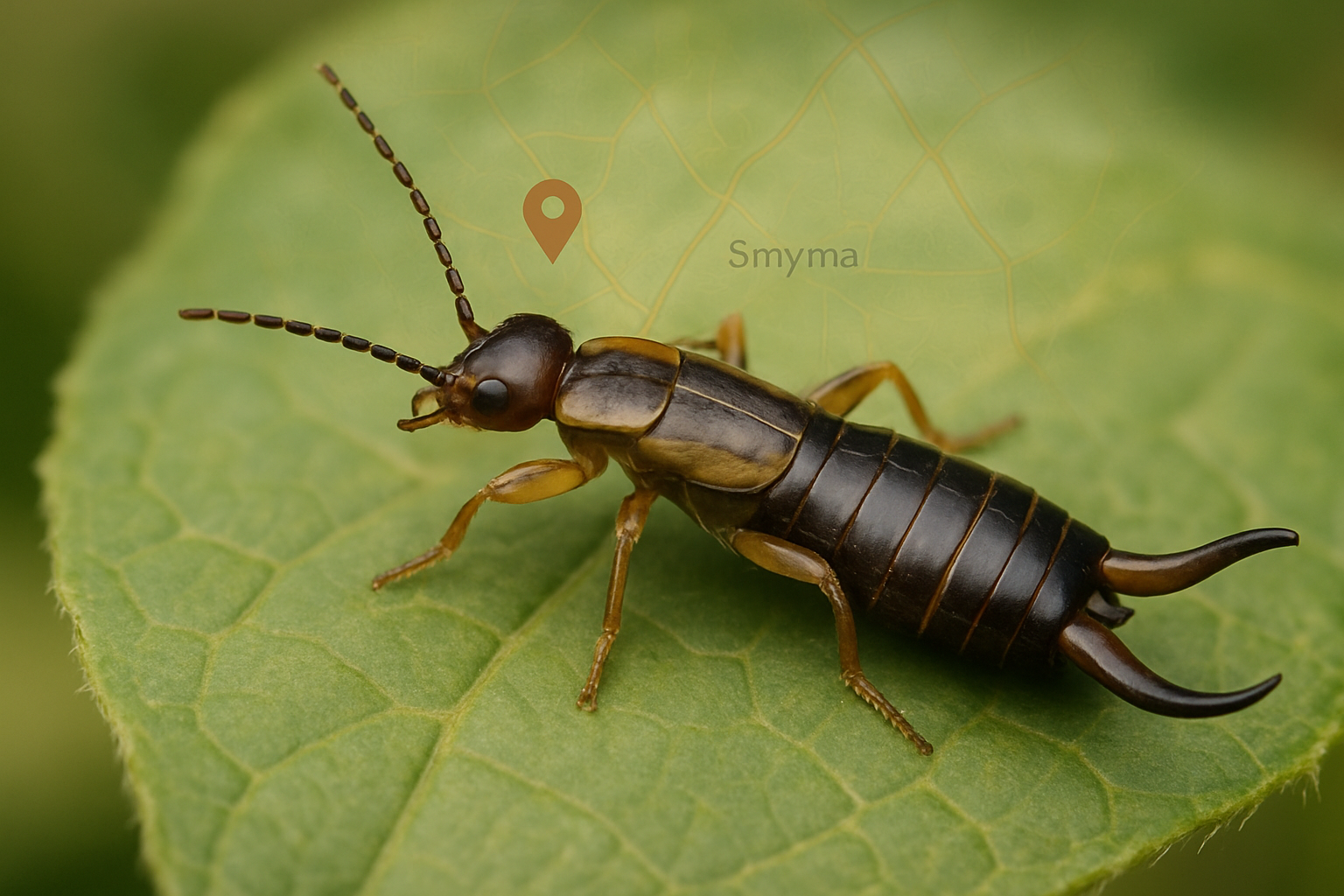
Earwigs are easily recognized by the pair of forceps‑like cerci protruding from the rear of their elongated bodies. The cerci vary from blunt to sharply curved, giving each species a distinct silhouette.
Adults measure between one and two inches long, sport a smooth, dark brown exoskeleton, and have long, slender antennae. They are most active after sunset, which is why you may hear a faint rustling when lights go out.
Life Cycle Overview
A female earwig lays a single egg capsule containing 30‑50 tiny ova in a protected, moist nook such as leaf litter or under a stone. The eggs hatch in about two weeks, releasing nymphs that look like miniature adults.
Nymphs molt five to six times before reaching maturity, typically emerging as adults in late spring. According to the EPA Earwig Fact Sheet, an average household can expect to see five to ten earwigs per week during the late‑summer peak.
Preferred Habitats
Earwigs thrive in damp environments. Mulched flower beds, compost piles, and the shaded side of a deck provide the humidity they crave. They also seek shelter under stones, pavers, or any debris that stays moist near water features.
Seasonal Behavior & Breeding Peaks
Temperature drives their activity. As temperatures rise above 65 °F, earwigs become more mobile, seeking food and mates. The primary breeding window runs from early May through July, with a secondary surge in September as cooler, moist evenings return.
Quick Visual Checklist
- Length: 1–2 inches (2.5–5 cm)
- Color: Dark brown to black, glossy exoskeleton
- Signature feature: Pair of rear‑ending pincers (cerci)
- Activity: Night‑time, often seen near lights
- Habitat clues: Found in mulch, leaf litter, under stones, or close to water sources
Recognizing these cues early lets you act before populations explode. Simple steps—removing excess mulch, fixing drainage, and sealing cracks—cut off the moist shelters earwigs love. When you can point out the exact insect to a technician, treatment plans become faster, safer, and more cost‑effective, keeping your home comfortable all year. A quick inspection each spring can save you time and money.
Smyrna’s Unique Climate and Landscape
Smyrna sits squarely in Georgia’s humid subtropical zone, meaning residents enjoy long, warm summers, mild winters, and a steady rhythm of rainfall throughout the year. Average summer highs hover around 90°F (32°C), while winter lows rarely dip below 40°F (4°C). The area receives roughly 50 inches of rain annually, with May through September delivering the heaviest showers. This combination of heat and moisture creates an environment where many insects, including earwigs, thrive.
Landscaping habits that welcome earwigs
- Generous layers of organic mulch in flower beds and around trees provide shelter and a constant food source.
- Decorative water features—ponds, fountains, and birdbaths—maintain localized humidity, especially near patios and walkways.
- Dense shrub borders and evergreen hedges, common in neighborhoods like East Cobb, Olde Towne, and Westside, offer dark, damp refuges for nocturnal pests.
These landscaping choices are aesthetically pleasing, but they also trap moisture against foundations and under deck slabs. Earwigs are attracted to the cool, damp micro‑climates that develop in these spots, emerging at night to hunt for insects, plant material, and even the occasional crumb of food left on outdoor furniture.
Local data backs up the observation. The Georgia Department of Agriculture’s 2024 pest report shows a 22 % increase in earwig complaints across Cobb County compared with 2023, with the highest concentration of calls originating from the Smyrna ZIP codes 30080 and 30082. The agency attributes this surge to the region’s “persistent moisture levels and widespread use of mulch in residential yards.”
When moisture pools near a home’s foundation, earwigs can infiltrate crawl spaces, basements, and patio joints, where they seek shelter during the day. Their presence may go unnoticed until they start foraging in kitchens or leaving characteristic “pincer” tracks on walls. Understanding how the local climate and landscaping practices foster these conditions highlights why a proactive, targeted control plan is essential.
With the environmental factors laid out, the next logical step is to consider the cost considerations for effective earwig control—from one‑time treatments to ongoing preventive measures—so Smyrna homeowners can protect their homes without surprise expenses.
What You’ll Pay for Professional Earwig Control
When earwigs start invading your home, the first question is often “how much will it cost to get rid of them?” Understanding the price components helps you avoid surprise fees and choose a solution that truly protects your family and property.
- Initial inspection: $75 – $100 – A certified technician evaluates the extent of the infestation, identifies entry points, and recommends a tailored treatment plan.
- Single‑visit treatment: $120 – $180 – Includes application of EPA‑approved products, targeted to the hotspots discovered during the inspection.
- Annual maintenance plan: $250 – $350 – Covers a scheduled follow‑up visit, preventive treatments, and routine monitoring to keep earwigs from returning year after year.
For homeowners on a tight budget, DIY earwig spray kits are tempting. These kits typically run $25 – $40 and promise quick results. In practice, they often fall short on three fronts: efficacy, safety, and long‑term control. Over‑the‑counter chemicals may kill a few visible insects, but they rarely reach the hidden cracks and crevices where earwigs hide, leading to rapid re‑infestation. Moreover, improper application can expose children, pets, and indoor air quality to unnecessary chemicals.
The 2023 NPMA Pricing Survey confirms that professional earwig services fall within the ranges listed above, reflecting industry‑standard labor, equipment, and product costs. When you factor in the expertise of a licensed technician, you’re paying for a solution that’s both effective and compliant with state safety regulations.
Hidden costs can quickly outweigh the savings of a cheap DIY approach. Many pest‑control contracts include follow‑up visits if the initial treatment doesn’t achieve full control—each additional visit can add $80 – $120. Sealing entry points, a critical step many homeowners overlook, may require caulking, weather‑stripping, or structural repairs that range from $150 to $300. Finally, untreated earwig populations can cause property damage: they feed on tender plant roots, chew on soft wood, and create unsightly stains, potentially leading to costly repairs that run into the thousands.
Choosing a professional service like Anthem Pest Control means you receive a clear, itemized quote, transparent follow‑up policies, and the peace of mind that your home is protected from both current and future earwig invasions. In the next section, we’ll walk through the most common treatment methods—chemical, mechanical, and preventive—so you can see exactly how those costs translate into lasting results.
Effective Treatments: Chemical, Non‑Chemical, and Integrated
When earwigs invade your Smyrna home, a one‑size‑fits‑all solution rarely works. Combining chemistry, physical barriers, and smart habitat tweaks creates a robust defense that keeps these nocturnal foragers out for good.
Chemical Approach
The fastest way to knock back a heavy earwig population is with EPA‑registered pyrethroids. These fast‑acting insecticides disrupt the pest’s nervous system, delivering a knock‑down effect within minutes while leaving minimal residue when applied correctly.
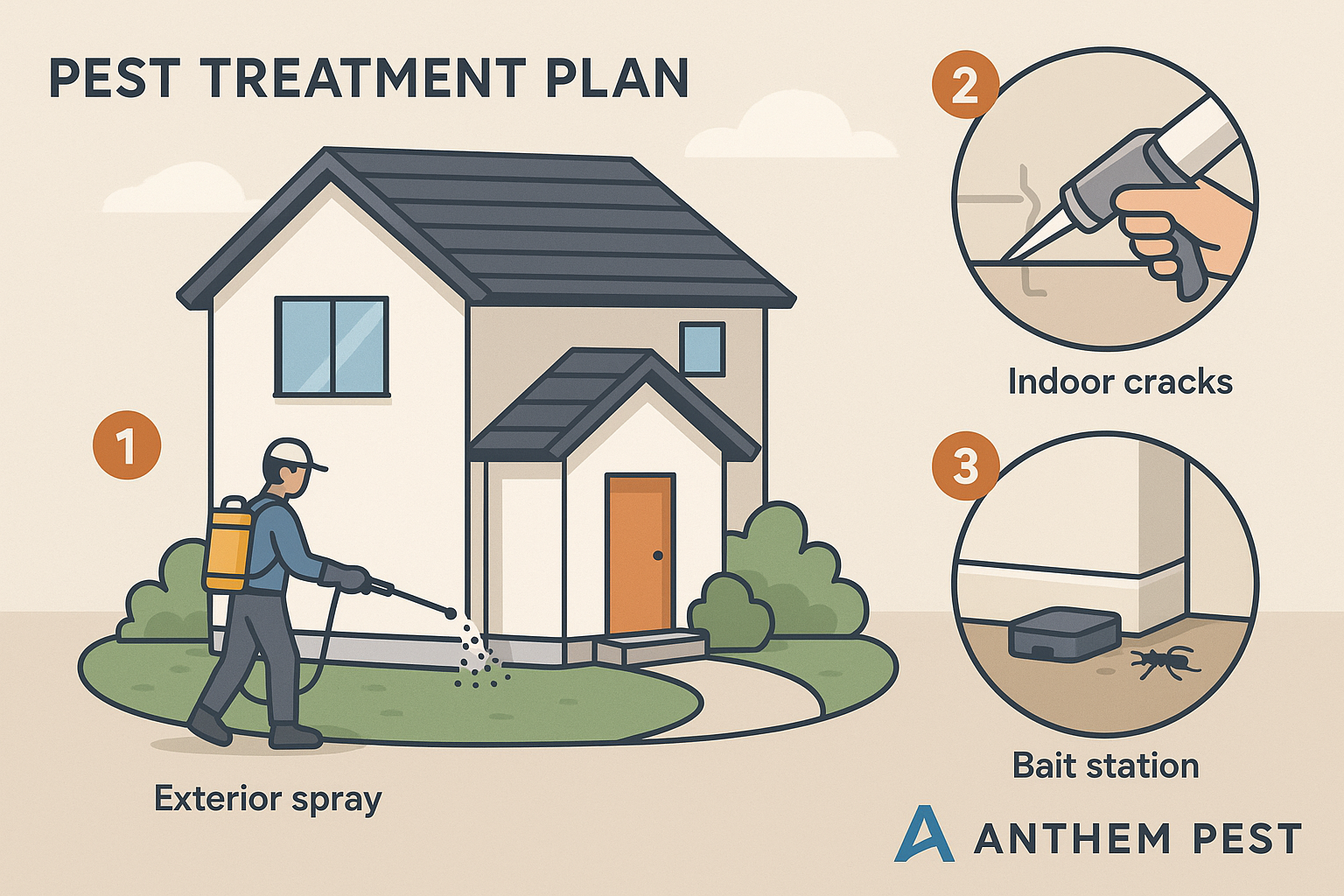
- Perimeter spray: Permethrin or bifenthrin is applied as a continuous barrier around the home’s foundation, preventing earwigs from crossing into the yard.
- Crack‑and‑crevice treatment: Targeted application into siding gaps, deck joints, and foundation vents where earwigs hide during daylight.
- Safety precautions: Technicians wear protective gloves, keep children and pets away until the spray dries, and follow label‑specified re‑entry intervals (usually 2‑4 hours). Proper ventilation and avoiding over‑application protect indoor air quality.
Non‑Chemical Options
If you prefer a low‑toxicity route, several physical and cultural tactics can starve earwigs of shelter and moisture.
- Diatomaceous earth (DE): A fine powder of fossilized algae; its microscopic shards pierce the insect’s exoskeleton, causing dehydration. Spread a thin layer in dark corners, under decks, and along the foundation.
- Sticky traps: Glue‑coated cards placed near exterior lights or known entry points capture wandering earwigs, providing both control and valuable monitoring data.
- Habitat modification: Trim excess mulch, remove rotting wood, and repair leaky gutters or downspouts. Reducing excess moisture and organic debris eliminates the damp environments earwigs love.
Integrated Pest Management (IPM)
Integrated Pest Management weaves chemical and non‑chemical tools into a single, data‑driven plan, minimizing risk while maximizing results.
- Seal all obvious entry points—window screens, door sweeps, and foundation cracks.
- Control moisture by fixing drainage issues and ensuring proper yard grading away from the house.
- Apply targeted pyrethroid treatments only where monitoring shows activity, reducing overall chemical load.
- Deploy diatomaceous earth and sticky traps for ongoing detection and early‑stage knock‑down.
- Review and adjust the program quarterly or after heavy rains, using trap counts to guide follow‑up applications.
Case Study: Smyrna Homeowner Cuts Earwig Sightings 85 %
John Miller, a Smyrna homeowner, called Anthem Pest after spotting earwigs in his kitchen cabinets and around patio lights. The technician recommended a three‑step IPM plan: (1) seal all exterior cracks, (2) install diatomaceous earth along the foundation, and (3) apply a perimeter pyrethroid spray just before the first heavy spring rain. Within two weeks John reported an 85 % drop in sightings, and after one month the earwigs were essentially gone. “I felt safe again,” he said, “and the price fit my budget.”
Why a Professional IPM Plan Beats DIY
A professional IPM plan delivers coordination that DIY methods often lack. Trained technicians identify hidden harborage, calibrate spray rates, and schedule treatments around weather patterns—actions that dramatically reduce unnecessary chemical use. This precision protects pets, preserves indoor air quality, and provides documented reduction results. Additionally, Anthem Pest offers follow‑up visits and a written report, giving homeowners a clear record of actions taken and future prevention steps.
Quick Comparison of Common Earwig Control Tactics
| Method | Advantages | Disadvantages |
|---|---|---|
| Chemical (pyrethroids) | Rapid knock‑down; effective for large infestations; long‑lasting perimeter barrier. | Requires careful handling; potential pet/human exposure if misapplied; may affect non‑target insects. |
| Diatomaceous earth | Non‑toxic; works continuously; inexpensive. | Needs dry conditions to stay effective; may be displaced by rain or foot traffic. |
| Sticky traps | Provides monitoring data; no chemicals; easy to install. | Captures only a fraction of the population; requires regular replacement. |
| Integrated Pest Management | Balances safety and efficacy; reduces chemical use; addresses root causes. | Requires professional assessment and ongoing maintenance. |
Visual Aid: Illustrated Treatment Plan
DIY Prevention to Keep Earwigs Out
Earwigs love the dark, damp places that often hide around a home’s perimeter. The good news is that most of those inviting habitats can be altered with a few inexpensive, homeowner‑friendly steps. Below are the most effective actions you can take right now to make your property far less attractive to these nocturnal pests.
1. Swap Mulch for Coarse Wood Chips or Stone
Mulch retains moisture and provides the perfect shelter for earwigs. Replacing it with coarse wood chips, crushed stone, or decorative gravel not only improves drainage but also eliminates the soft, humid environment they thrive in. According to a University of Georgia Extension study, homes that remove mulch see a 40% reduction in earwig activity. The change is simple: rake away the existing mulch, level the soil, then spread a 2‑to‑3‑inch layer of the new material.
2. Keep Garden Debris Away from the Foundation
Leaves, twigs, and rotting wood act as natural earwig hideouts. Collect fallen leaves weekly, store yard waste in sealed containers, and position compost bins at least 15 feet from the house. By creating a clear buffer zone, you remove the “home base” earwigs use before they venture indoors.
3. Eliminate Standing Water
Leaky gutters, clogged downspouts, and puddles under planters are magnets for moisture‑loving insects. Inspect your roof after each rain, clear debris from gutters, and repair any leaks promptly. If water pools near the foundation, re‑grade the soil to slope away from the house or install a French drain to keep the area dry.
4. Seal Entry Points
Earwigs can squeeze through gaps as small as a quarter of an inch. Install door sweeps on all exterior doors and apply a silicone‑based caulk around windows, utility penetrations, and any cracks in the siding. This not only blocks earwigs but also improves energy efficiency.
Quick‑Start Checklist
Use the printable checklist below to track your progress. Tick each item as you complete it, and you’ll have a clear visual of the barriers you’ve built against earwigs.
- Remove existing mulch and replace with coarse wood chips or stone.
- Clear garden debris and keep it >15 ft from the foundation.
- Repair gutters, downspouts, and any standing water sources.
- Install door sweeps on all exterior doors.
- Seal cracks around windows, utility entries, and siding.
Download the printable version here: Earwig Prevention Checklist – Anthem Pest. Keep the list handy during your seasonal maintenance routine, and you’ll notice fewer earwigs crawling into your home.
When to Treat: Seasonal Calendar
In Smyrna, earwig populations follow a predictable rhythm that aligns with our local climate. Understanding this pattern lets you intervene before the insects become a nuisance.
Peak Activity Window
The most aggressive earwig activity occurs from late spring through early fall, roughly May through September. Warm daytime temperatures and moderate humidity create ideal foraging conditions, so you’ll notice more sightings around foundations, decks, and indoor lighting fixtures during this period.
Secondary Surge
After the winter lull, a smaller but noticeable spike can happen in late winter, especially after a mild spell with steady rain. When temperatures climb above 55 °F and moisture levels rise, dormant earwigs emerge to seek shelter and food, often finding their way indoors.
Optimal Inspection Months
For Smyrna homeowners, we recommend two key inspection windows:
- March – a pre‑season check that catches any early‑season activity and allows you to set up preventive barriers before the spring surge.
- October – a post‑season review that identifies lingering individuals and helps you seal entry points before winter dormancy.
Adjusting for Weather Anomalies
Heavy rain events or unusually warm winters can shift earwig behavior. If a prolonged rainstorm saturates your yard in April, consider an extra inspection in May. Likewise, a warm spell in February may warrant an early‑season treatment. Flexibility ensures you stay one step ahead.
Linking Timing to Your IPM Plan
These calendar checkpoints dovetail with the Integrated Pest Management (IPM) workflow we discussed earlier: monitor → identify → intervene → evaluate. By scheduling inspections during March and October, you gather critical data, apply targeted treatments only when needed, and assess effectiveness before the next cycle. This strategic timing maximizes control while minimizing chemical use, keeping your home safe and earwig‑free.
Why Anthem Pest Is Smyrna’s Top Choice
When earwigs start marching across your porch or hiding in the cracks of your home, you need a partner who knows Smyrna inside and out. Anthem Pest brings more than a generic, one‑size‑fits‑all approach; we deliver local expertise backed by years of experience in every Smyrna neighborhood, from the leafy streets of Olde Towne to the bustling avenues of Westside. Our licensed technicians have mapped the city’s micro‑climates, so they know exactly where earwigs thrive and how to target them before they become a nuisance.
We never compromise on safety or effectiveness. All treatments are EPA‑compliant, using products that protect your family, pets, and the environment while eradicating earwigs at the source. And because we stand behind every job, Anthem Pest offers a 100 % satisfaction guarantee. If you’re not completely happy with the results, we’ll return—on us—to make it right.
Service Area Coverage
- East Cobb
- Olde Towne
- Westside
- Surrounding communities throughout Smyrna
Our crews are stationed throughout these zones, ensuring rapid response times and familiar faces you can trust. No matter which corner of Smyrna you call home, a local technician will be on the job, equipped with the knowledge of your area’s unique pest pressures.
Earwig emergencies don’t wait for business hours, and neither do we. Anthem Pest operates a 24‑hour response line at 877‑371‑8196. Whether you discover a sudden infestation after a storm or notice earwigs nesting in your garden overnight, you can reach a certified professional any time of day or night.
Ready to see how our specialized earwig program works? Visit our dedicated Anthem Pest Earwig Service page for detailed treatment options, pricing, and customer testimonials. With Anthem Pest, Smyrna homeowners receive the peace of mind that comes from a trusted, locally‑focused pest control partner—one that combines expertise, guarantees, and round‑the‑clock support to keep earwigs—and every other pest—out of your home.
Earwig FAQs
Here are the most common earwig questions homeowners ask, answered quickly.
Are earwigs harmful to humans?
For the most part, earwigs are harmless to people. They don’t bite, sting, or carry diseases that affect humans. The real concern is their appetite for tender foliage, seedlings, and ornamental plants. A small infestation can leave ragged leaf edges, wilted buds, and occasional damage to fruit. While you won’t feel any direct health risk, the aesthetic and horticultural damage can be frustrating for homeowners who take pride in their gardens. They may wander indoors at night, seeking damp crevices, but they usually hide in basements or crawl spaces and do not cause structural damage.
How long does treatment last?
Professional earwig control typically uses EPA‑approved insecticides that leave a residual barrier on treated surfaces. Most products remain effective for 4–6 weeks, providing a window of protection while the insects are most active. After that period, a follow‑up visit is often recommended to address any new hatches or survivors that escaped the first round. Consistent monitoring and a scheduled retreat keep the population suppressed throughout the growing season. If you notice activity sooner, a spot‑treatment can be applied without waiting for the next scheduled service, keeping the perimeter sealed.
Can pets be affected?
Yes, but only if the product is applied incorrectly or if clearance times are ignored. At Anthem Pest Control we prioritize pet‑safe formulations and follow manufacturer‑specified re‑entry intervals, usually ranging from a few hours to 24 hours. When a licensed technician applies the treatment, they wear protective gear and ensure that pets are kept away from treated areas until the label’s waiting period expires. This approach safeguards cats, dogs, and other household animals while still delivering a powerful earwig knock‑down. For households with fish tanks or small reptiles, we also recommend sealing entry points and using baits that pose no risk to aquatic life.
Protect Your Smyrna Home Today
Earwigs may seem harmless, but in Smyrna they can damage garden plants, invade basements, and leave unsightly egg‑sacs on siding. The humid climate, abundant mulch, and older home foundations create perfect hiding spots, while treatment costs range from $80 for a single‑visit DIY spray to $250‑$350 for a full professional program.
- Identify earwig hotspots: mulch, cracks, and damp basements.
- Professional treatment covers the entire property, not just visible insects.
- Preventive sealing and regular inspections keep future invasions at bay.
Hiring a licensed Anthem Pest technician gives you a cost‑benefit edge: we target the entire colony, apply EPA‑approved products safely, and provide a warranty that DIY methods simply can’t match. Our experts also identify entry points, seal them, and set up preventive measures that save you money on future infestations.
Ready to safeguard your home without the guesswork? Request a free, no‑obligation quote today. Call us at 877‑371‑8196 or visit Anthem Pest Control to schedule professional earwig control Smyrna GA services and protect your home from infestations.