What Fleas Are and How to Spot Them
Fleas: A Quick Definition
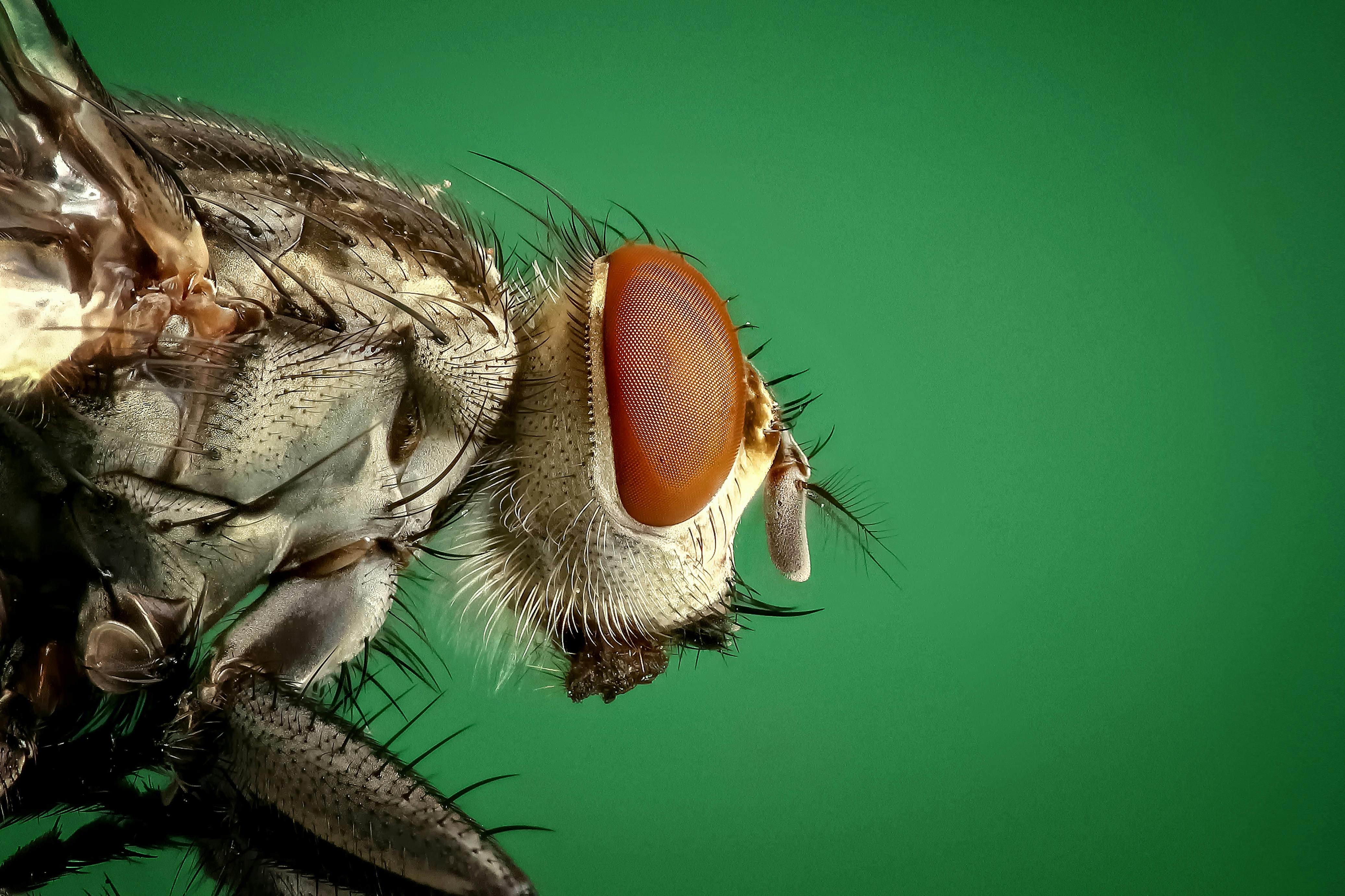
Fleas are wing-less, blood-feeding parasites that have lived alongside humans and pets for millennia. The most common culprits in Decatur homes—often identified during professional flea control Decatur inspections—are the cat flea (Ctenocephalides felis), the dog flea (Ctenocephalides canis), and the less-frequent human flea (Pulex irritans). Though they prefer animal hosts, all three will bite people when the opportunity arises.
Key Physical Characteristics
Adult fleas measure only 1–3 mm in length—about the size of a grain of sand—yet they are instantly recognizable once you know what to look for. Their bodies are laterally compressed, giving them a “flat” appearance that lets them slip between fur or carpet fibers. Powerful hind legs enable spectacular jumps of up to 150 times their own body length, which is why you’ll often see them “bounce” across a light‑colored surface.
Where Fleas Like to Hide
Fleas spend most of their life off the host, nesting in the environments where pets rest. Typical hiding spots include:
- Pet bedding and cushions
- Carpet piles and rug edges
- Cracks in flooring or baseboards
- Seams of upholstered furniture
These micro‑habitats stay warm and humid—perfect conditions for flea eggs, larvae, and pupae to develop unnoticed.
Visual Signs of a Flea Presence
Spotting an infestation early saves both comfort and money. Look for these tell‑tale clues:
- Flea dirt: Tiny black specks that are actually digested blood. When moistened with water, they turn a reddish‑brown stain.
- Live fleas: Small, dark, and fast‑moving; they often appear as tiny black specks that suddenly jump when disturbed.
- Bite marks: Small, red, itchy papules usually found around the ankles, calves, or lower back on humans, and similar puncture spots on pets.
Simple DIY Inspection Steps
Before calling a professional, run through these quick checks:
- Grab a fine‑toothed flea comb and gently run it through your pet’s fur, especially around the neck and tail base. Any trapped specks are likely flea dirt.
- Turn off the lights, place a white sheet or towel under a bright lamp, and watch for tiny black insects that jump onto the fabric.
- Remove pet bedding and shake it over a white surface. Dark specks that smear when damp are a strong indicator of flea activity.
Warning Signs of a Growing Infestation
If the above checks reveal more than a few stray fleas, you may be dealing with a burgeoning problem. Keep an eye out for:
- Increased scratching or restlessness in pets, especially at night.
- “Sand‑like” droppings (flea dirt) accumulating in pet sleeping areas or on carpet edges.
- Sudden clusters of bite marks on family members, often appearing in a line or “breakfast‑plate” pattern.
These symptoms signal that flea eggs are hatching faster than you can remove them, and professional intervention from a trusted service like Anthem Pest Control may be the safest next step.
Health Risks Fleas Pose to Humans and Pets
Typical Bite Reaction
Most flea bites appear as small, red welts that itch fiercely. The bite site often swells and becomes raised, resembling a tiny mosquito bite but with a more pronounced bump. For people with heightened sensitivity, the reaction can escalate into Skeeter syndrome—a severe allergic response that causes intense itching, larger swelling, and sometimes hives.
Secondary Skin Infections
Constant scratching can break the skin’s protective barrier, opening the door to bacterial infections such as impetigo or cellulitis. These infections may present as crusty lesions, redness that spreads, or painful, warm areas around the bite. Over‑the‑counter antibiotic ointments can help minor cases, but persistent redness, swelling, or fever warrants a doctor’s visit.
Diseases Fleas Can Transmit
Although rare in the United States, fleas are capable vectors for several serious illnesses:
- Yersinia pestis – the bacterium that causes plague. Modern cases are sporadic, with fewer than 10 reported annually in the U.S., but the disease remains a public‑health concern in certain rural areas.
- Bartonella henselae – responsible for cat‑scratch disease. Fleas can spread the bacteria among cats, which then transmit it to humans via scratches or bites. Most infections produce mild fever and swollen lymph nodes, though complications can arise in immunocompromised individuals.
- Murine typhus – a flea‑borne rickettsial disease. It accounts for a handful of cases each year, primarily in the southern states, and presents with fever, headache, and a rash that may be mistaken for other illnesses.
Flea‑Borne Tapeworms in Pets
The tapeworm Dipylidium caninum lives in a pet’s intestines and uses fleas as an intermediate host. When a dog or cat swallows an infected flea during grooming, the tapeworm matures and sheds segments that look like tiny grains of rice around the animal’s rear. Children who inadvertently ingest these segments can develop a mild intestinal infection, which is usually harmless but can cause abdominal discomfort and occasional itching around the anal area.
Impact on Pets
Heavy flea infestations can lead to anemia, especially in kittens, puppies, or small breeds that lose blood faster than they can replace it. Even a modest number of bites can trigger allergic flea dermatitis, causing red, inflamed patches, hair loss, and relentless scratching. Over time, chronic skin irritation may predispose pets to secondary infections similar to those seen in humans.
When to Seek Medical or Veterinary Help
Prompt professional attention is essential if you notice any of the following:
- Severe allergic reactions such as swelling of the lips, tongue, or throat, or difficulty breathing.
- Fever, chills, or a rash that spreads beyond the bite site.
- Persistent skin infections that do not improve with basic wound care.
- In pets, unexplained weight loss, lethargy, or visible blood in the stool—signs that anemia or tapeworm infection may be developing.
Early diagnosis and treatment not only relieve discomfort but also prevent the flea population from rebounding. A comprehensive flea‑control program, combined with proper hygiene and prompt medical care, protects both your family and your four‑legged companions from the hidden health threats that these tiny pests carry.
Seasonal Flea Activity and When to Treat
Fleas move through four distinct stages: egg, larva, pupa, and adult. Each stage is highly sensitive to temperature and humidity. Eggs hatch fastest when the air is warm (above 65 °F) and moist, while larvae thrive in humid, dark areas such as carpet fibers or pet bedding. The pupal stage can remain dormant for weeks or even months if conditions turn cool or dry, emerging as an adult the moment the environment becomes favorable again. Understanding these environmental triggers helps homeowners predict when a hidden infestation is likely to erupt.
High‑Risk Months in Decatur
In Decatur, Georgia, the “high‑risk” window typically spans late spring through early fall (May – September). During these months, daytime temperatures regularly exceed 75 °F and humidity stays above 60 %, creating the perfect incubator for eggs and larvae. Even when outdoor activity wanes in cooler months, indoor environments—heated homes, carpeted floors, and pet‑friendly spaces—can sustain a flea population year‑round because they provide stable warmth and moisture.
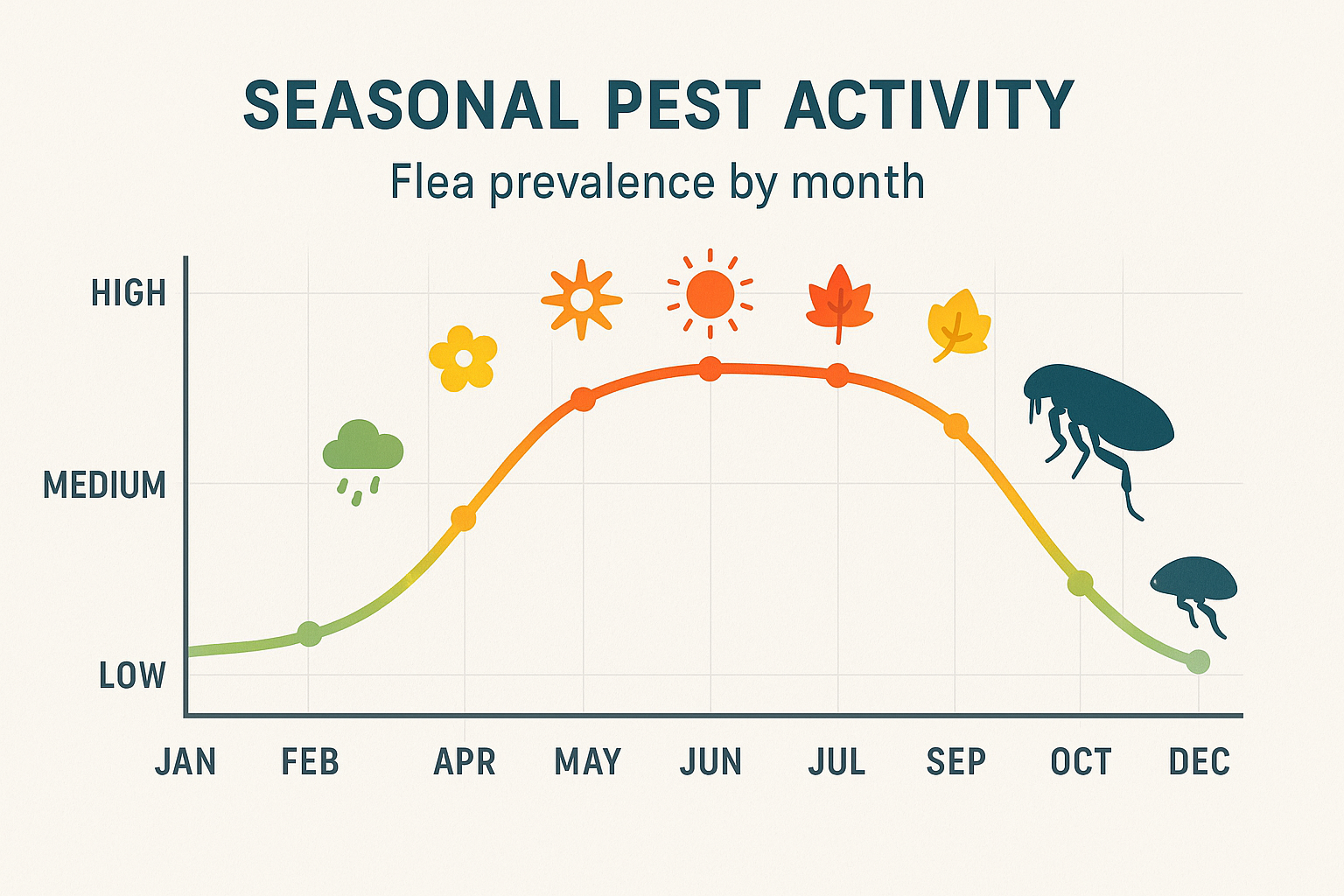
| Month | Activity Level |
|---|---|
| January | Low |
| February | Low |
| March | Medium |
| April | Medium |
| May | High |
| June | High |
| July | High |
| August | High |
| September | Medium |
| October | Medium |
| November | Low |
| December | Low |
Pre‑emptive Steps Before the Peak Season
- Treat pets early. Apply a veterinarian‑recommended flea preventive by late February or early March. This stops adult fleas from laying eggs before they even have a chance.
- Sanitize the home. Vacuum carpets, rugs, and upholstery thoroughly, then dispose of the bag or clean the canister. Wash pet bedding in hot water (≥130 °F) to kill any hidden larvae or pupae.
- Apply a perimeter spray. Use a professional‑grade indoor/outdoor treatment around doorways, baseboards, and under furniture to create a barrier before outdoor flea pressure builds.
Adjusting Treatment Frequency in Cooler Months
When temperatures dip below 60 °F, flea reproduction slows dramatically. Many homeowners find that a quarterly treatment schedule—once in early spring, once in midsummer, and twice in the fall—maintains control without the expense of monthly applications. However, if you have a heavy pet load or notice occasional bites, reverting to a monthly regimen during the shoulder months (April and October) can keep the population in check.
Why Continuous Monitoring Still Matters
Even during “low” months, a single surviving adult can restart an outbreak when the house warms up again. Keep an eye on pet scratching, use a flea comb weekly, and inspect high‑traffic areas such as the kitchen floor and laundry room. A quick spot‑treatment at the first sign of activity is far cheaper and less stressful than battling a full‑blown infestation later in the season.
Effective Flea Treatment Options for Homeowners

DIY Approaches You Can Start Today
Vacuuming and steam cleaning are the first line of defense in effective flea control Decatur homeowners can begin immediately. Run a high-efficiency vacuum over carpets, rugs, and upholstered furniture at least twice a week during an active infestation. Follow each session with a steam-cleaning pass if your equipment allows; the heat kills eggs and larvae that the vacuum may miss.
Pet bedding, blankets, and floor mats should be laundered in hot water (minimum 130°F/54°C) and dried on the highest setting. Re‑wash these items weekly until flea activity subsides, and consider using a separate laundry basket for pet items to avoid cross‑contamination.
Over‑the‑counter (OTC) sprays, foggers, and powders can provide rapid knock‑down. Apply sprays to seams, under furniture, and along baseboards, respecting the product’s dwell time. Foggers are best reserved for large, open areas; always ventilate the space for at least 30 minutes after application and wear a mask to protect your lungs.
Topical and oral pet medications—such as selamectin (Revolution) or nitenpyram (Capstar)—are essential for breaking the flea life cycle on the animal host. These products are safe when used as directed, but a veterinarian’s guidance is crucial, especially for puppies, senior pets, or animals with pre‑existing health conditions.
Professional Pest Control Services
When you call Anthem Pest Control, we deploy an Integrated Pest Management (IPM) strategy that blends chemical, mechanical, and biological tactics. This holistic approach targets every stage of the flea life cycle while minimizing environmental impact.
EPA‑registered insect growth regulators (IGRs) such as methoprene or pyriproxyfen are applied to cracks, baseboards, and pet zones. IGRs don’t kill adult fleas immediately, but they prevent eggs and larvae from maturing, effectively collapsing the population over a 2‑3 week period.
Our technicians perform targeted indoor treatments: spot‑on sprays for high‑traffic zones, and, when warranted, whole‑home fogging to reach hidden areas like attic insulation or crawl‑space voids. Each treatment is calibrated to your home’s layout and the severity of the infestation.
We stand behind our work with follow‑up visits and warranty periods that vary by package. Typically, a second visit occurs 7‑10 days after the initial application to address any newly emerged fleas, and a warranty of 30‑60 days guarantees continued protection.
Safety Considerations for Every Homeowner
- Children and pets: Keep them out of treated rooms until ventilation is complete. Store all chemicals out of reach and follow label instructions for re‑entry times.
- Indoor plants: Cover foliage or relocate plants before fogging or spray applications to avoid accidental drift.
- Disposal: Seal used vacuum bags in a plastic bag before discarding to prevent live fleas from escaping. Wash or discard any fabrics that have been heavily treated if they show signs of damage.
When DIY Isn’t Enough – Time to Call the Pros
If you continue to notice bites after 2‑3 weeks of diligent DIY effort, or if fleas appear in multiple rooms despite thorough cleaning, it’s a clear sign that the infestation has moved beyond your control. Households with pets that have sensitivities to common chemicals should also consider professional help, as we can tailor low‑toxicity formulations to protect vulnerable animals.
Persistent infestations often hide in wall voids, under flooring, or within HVAC systems—areas that only licensed technicians can safely access and treat. Upgrading to a professional service not only accelerates eradication but also provides a documented plan for long‑term prevention.
Authoritative Guidance
For a deeper dive into best practices, consult the Anthem Pest Flea Control Guide. The guide outlines step‑by‑step protocols, product recommendations, and seasonal timing tips that align with Georgia’s climate.
Comparing Flea Control Pricing Tiers
When you request a quote from a pest‑control company, the estimate usually falls into three clear tiers: basic, standard, and premium. Each tier bundles a different mix of treatments, follow‑up visits, and guarantees. Knowing exactly what’s included lets you match the service to your home’s size, pet situation, and budget, so you’re never surprised by hidden fees.
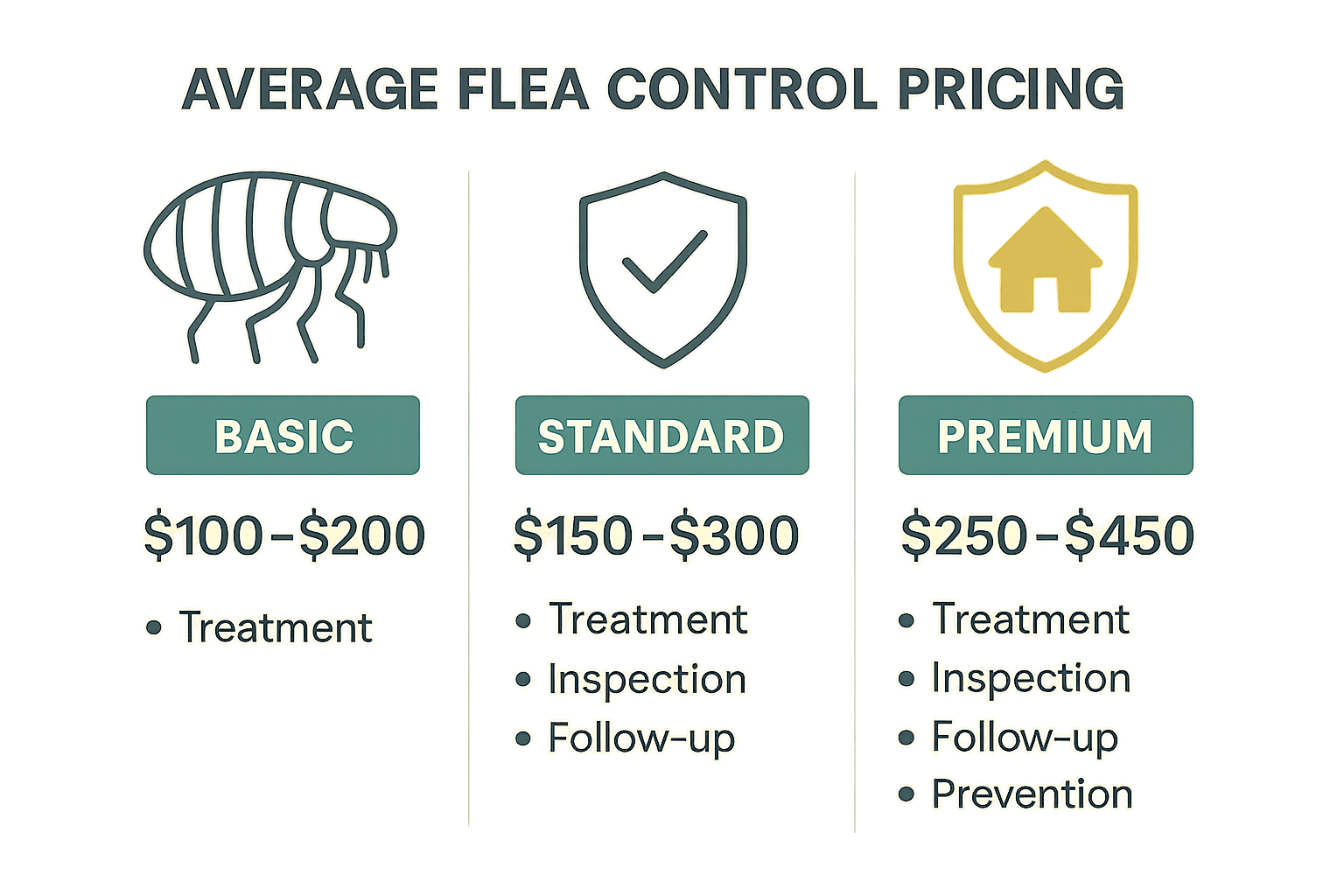
| Tier | Services Included | Typical Price Range | Ideal Customer Profile |
|---|---|---|---|
| Basic | One‑time interior spray, limited follow‑up (7‑day check), standard insect growth regulator (IGR) | $80 – $120 | Small apartments, single‑pet households, low‑level infestations |
| Standard | Two visits, pet‑safe products, carpet steam treatment, mid‑range IGR + adulticide | $150 – $220 | Medium‑sized homes, families with 1‑2 pets, moderate infestations |
| Premium | Quarterly visits, whole‑home fogging, advanced IGR, coordination of pet medication, 12‑month warranty | $300 – $420 | Large properties, multiple pets, severe or recurring infestations, homeowners who want set‑and‑forget protection |
What the Basic Tier Covers
The basic package is designed for homeowners who need a quick, targeted knock-down of adult fleas as part of professional flea control Decatur services. A technician applies a single interior spray, typically focusing on high-traffic zones such as carpets, pet bedding, and baseboards. The treatment includes a standard IGR that stops eggs from hatching, but follow-up is limited to a brief phone check or a 7-day site visit. This tier works best when the infestation is just getting started and the home is under 1,200 sq ft.
What the Standard Tier Covers
Stepping up to the standard tier adds a second visit, which lets the technician treat any hatchlings that escaped the first round. Pet‑safe products are used, so cats and dogs can roam freely during and after treatment. Carpet steam is introduced to penetrate deep‑lying flea eggs, while a mid‑range IGR combined with an adulticide provides a two‑pronged attack. This tier is the sweet spot for most families in Decatur—enough power to eradicate a moderate infestation without the higher cost of a full‑service plan.
What the Premium Tier Covers
The premium tier is a comprehensive, year‑long safeguard. Quarterly visits include whole‑home fogging that reaches hidden cracks, under‑furniture spaces, and outdoor perimeters. An advanced IGR with a longer residual effect keeps the life cycle broken for months. Technicians also coordinate with your veterinarian to ensure any prescribed pet medication aligns with the environmental treatment. A 12‑month warranty guarantees a re‑treatment at no extra charge if fleas return, making this tier ideal for larger homes or households with multiple pets.
Factors That Influence the Final Price
Even within the same tier, prices can shift based on several variables. Square footage is the most obvious—larger homes require more product and labor. The severity of the infestation dictates how many treatment points and follow‑up visits are needed. Pet count matters because each animal may require a separate safety protocol or medication. Finally, geographic nuances such as Decatur’s humid climate can increase the frequency of treatments, nudging the cost upward.
Tips for Evaluating Quotes
- Itemized breakdown: Look for a line‑by‑line list that separates products, labor, and any travel fees.
- Guarantee terms: A clear warranty (e.g., “re‑treat free within 30 days”) shows confidence in the service.
- Hidden fees: Ask if there are extra charges for pets, attic access, or after‑hours calls.
- Certification: Verify that the technicians are licensed and that the products are EPA‑approved.
Budgeting for regular, preventive flea control is smarter than waiting for an outbreak. A modest quarterly investment in a standard or premium plan can save you from emergency visits that often cost twice as much and may require extensive re‑treatment. By choosing the tier that aligns with your home’s size, pet load, and infestation risk, you protect your family’s comfort while keeping the expense predictable.
Protect Your Home with Professional Flea Control Today
Early detection of a flea infestation isn’t just about keeping your pets comfortable—it’s a safeguard for your family’s health, too. Flea bites can trigger allergic reactions, skin irritation, and even transmit diseases. Prompt, thorough treatment stops the life cycle before it spreads to every carpet, bedding, and crevice in your home.
Why Choose a Licensed, Experienced Provider?
- Safe, EPA‑approved products: Professionals know how to apply chemicals that eliminate fleas while protecting children, pets, and indoor air quality.
- Proven, repeatable methods: From targeted adulticide sprays to environmentally‑friendly larvicide granules, a seasoned technician follows a protocol that guarantees long‑term control.
- Ongoing monitoring: After the initial visit, experts schedule follow‑up inspections to catch any resurgence before it becomes a full‑blown problem.
What Anthem Pest Control Brings to the Table
Anthem Pest Control stands out for its transparent pricing, customized treatment plans, and unwavering focus on customer satisfaction. Every homeowner receives a detailed, no‑surprise quote that outlines exactly what services will be performed and why. Our technicians tailor each plan to your home’s layout, pet situation, and seasonal flea pressures, ensuring you get the most effective protection without paying for unnecessary add‑ons.
Take the First Step—Free, No‑Obligation Inspection
Don’t wait for a tiny bite to turn into a household nightmare. Our team is ready to conduct a comprehensive, free inspection that identifies the source of the infestation and maps out a clear action plan. This zero‑risk assessment lets you see the value of professional treatment before any commitment.
Give us a call today at 877‑371‑8196 or visit our website at https://anthempest.com to schedule your free inspection. Our friendly staff will answer any questions you have and set up a convenient appointment time.
Ready to reclaim your home’s comfort and safety? Visit Anthem Pest Control now and let our experts deliver trusted flea control Decatur homeowners rely on to protect their families from fleas—today and for the seasons ahead.