Why Fleas Matter in Smyrna, GA
Fleas have long been a nuisance across the Southeast, thriving in the warm, humid climate that characterizes states from Georgia to Florida. In the region’s dense suburban neighborhoods, the combination of lush lawns, abundant wildlife, and year-round pet activity creates an ideal breeding ground for these tiny parasites. Because of these conditions, flea control Smyrna GA homeowners depend on has become increasingly important to prevent infestations from spreading in local neighborhoods.
Recent data from the Smyrna County Health Department confirms that the problem is intensifying. In the first quarter of 2024, the department logged a 27% increase in flea‑related service calls compared with the same period in 2023. While the department does not publish exact case numbers publicly, the upward trend aligns with statewide reports showing a surge in flea activity after an unusually mild winter and early spring.
For homeowners, the stakes go far beyond an itchy pet. Fleas can transmit several diseases that affect both animals and people, including murine typhus, cat‑scratch disease, and tapeworm infections. Even when disease transmission is rare, the constant scratching can lead to secondary skin infections, allergic reactions, and severe discomfort for pets—especially kittens, puppies, and older animals with compromised immune systems.
Beyond health concerns, fleas can cause tangible property damage. Their life cycle—egg, larva, pupa, adult—spans roughly two weeks, during which they feed on blood and produce waste that stains carpets, upholstery, and bedding. In heavy infestations, the accumulated debris can emit a distinct, unpleasant odor, prompting costly deep‑cleaning or carpet replacement.
Because of these risks, a proactive, data‑driven approach is essential. This guide will focus on cost‑effective, locally‑tailored solutions that address the unique climate and housing patterns of Smyrna. From targeted indoor treatments to yard‑wide preventative measures, we’ll break down the options that deliver real results without breaking the bank.
Understanding why fleas matter is the first step toward protecting your family, your pets, and your home. The following sections will walk you through the most efficient strategies—backed by the latest local data and the expertise of Anthem Pest Control, your trusted neighbor in pest management.
Flea Biology and Health Risks

Fleas are tiny, wing‑less insects that can turn a comfortable home into a constant source of irritation. Understanding their biology is the first step toward effective control, especially for homeowners in Smyrna, where warm, humid summers create the perfect breeding ground.
Life Cycle at a Glance
The flea life cycle consists of four distinct stages: egg, larva, pupa, and adult. An adult female can lay up to 50 eggs per day, scattering them on pets, carpets, and cracks in the floor. In ideal temperatures of 70‑90 °F (21‑32 °C), these eggs hatch within 2‑5 days, releasing larvae that feed on organic debris. Within another 5‑11 days, the larvae spin cocoons and enter the pupal stage, where they can remain dormant for weeks—sometimes months—until they sense a host’s vibrations or carbon dioxide. Once emerged, the adult flea lives only a few weeks, but during that time it can lay hundreds of eggs, perpetuating the cycle.
Why Warm, Humid Climates Accelerate Development
Heat speeds up metabolic processes, shortening each developmental phase. Humidity prevents the larvae from drying out, ensuring a higher survival rate. In Smyrna’s typical summer climate, a single infestation can multiply exponentially in less than two weeks, overwhelming both pets and people.
Health Risks for Pets and Humans
According to the CDC, approximately 15 % of U.S. households report flea bites each year. While most bites cause only itching, fleas are vectors for serious diseases:
- Murine typhus – a bacterial infection transmitted when flea feces enter a bite wound or are inhaled.
- Plague – caused by Yersinia pestis, historically spread by flea bites from infected rodents.
These threats are highlighted in the EPA Flea Control Guidelines, which stress prompt treatment to reduce disease transmission.
Beyond disease, flea bites can trigger allergic reactions, anemia in heavily infested pets, and secondary skin infections from scratching. For homeowners, the constant irritation and potential health hazards make early intervention essential.
Recognizing the rapid life cycle, the climate advantage, and the associated health risks empowers you to act decisively. Professional flea control, combined with regular pet grooming and home cleaning, is the most reliable way to break the cycle and protect both your family and your furry companions.
Seasonal Patterns in Smyrna
Flea activity in Smyrna follows a predictable rhythm that mirrors the city’s warm climate. According to the National Weather Service 2024 Smyrna averages, daily highs linger between 70 °F and 90 °F from May through September. Those temperatures create the perfect incubator for flea eggs, larvae, and pupae, allowing the population to explode during the late‑spring and summer months.
During the peak window of May‑September, adult fleas can complete their life cycle in as little as two weeks. Warm, humid days accelerate egg hatch, while mild nights keep larvae from desiccating. By contrast, the cooler months of October through April see a sharp decline in activity because temperatures dip below the 65 °F threshold that fleas need to remain active.
Understanding this pattern is why timing your treatment matters. Initiating a preventative program in early spring—ideally before the first sustained 70 °F day—targets adult fleas before they begin laying eggs. This early‑season strike interrupts the cycle, reduces the number of larvae that would otherwise develop in your yard and home, and gives your pets a cleaner start to the grooming season.
For homeowners, the practical takeaway is simple: schedule a professional flea treatment in March or early April, and pair it with regular pet grooming that includes thorough baths and flea combing. Early intervention not only protects your family’s comfort but also saves money by preventing the massive population surge that typically follows the first warm spell of the year.
Spotting a Flea Infestation
Fleas are tiny, but they leave unmistakable clues that any homeowner can spot with a little attention. Recognizing those clues early stops the bugs from multiplying and saves you from costly, full‑home treatments later.
Look for three visual cues:
- Flea “dirt” – tiny black specks that look like pepper. These are dried flea feces and often appear on pet bedding, carpet edges, or in the cracks of hardwood floors.
- Excessive scratching – if your dog or cat can’t stop scratching, biting, or licking a particular area, it’s usually a sign that fleas are feeding and irritating the skin.
- Red bite clusters – humans typically develop small, itchy, red bumps arranged in a line or group, often around the ankles, waist, or neck.
Use the quick checklist below to confirm an infestation before calling a professional:
- Pull back pet bedding and run a fine‑toothed flea comb over the fabric; any live fleas or black specks are a red flag.
- Vacuum high‑traffic carpet areas and immediately discard the vacuum bag or clean the canister.
- Inspect baseboards, under furniture, and the seams of upholstered furniture for tiny moving insects or flea dirt.
- Place a white dish towel on the floor overnight; check it in the morning for live fleas that have jumped off the towel.
Local insight – Burnt Hickory case study: A Smyrna‑area survey from the 2023 rainy summer showed a 30 % jump in flea‑related service calls in the Burnt Hickory neighborhood. Heavy moisture created ideal breeding conditions, and many residents reported the same visual signs listed above before requesting treatment.
If you tick several items on the list, it’s time to reach out to a qualified provider like Anthem Pest Control. Early detection lets us target the problem quickly, keeping your home and family bite‑free.
Overview of Treatment Options
Chemical Insecticides
Most DIY flea programs rely on synthetic chemicals such as pyrethroids and neonicotinoids. These compounds knock down adult fleas quickly and can keep an infestation under control for weeks when applied correctly. The downside? Over‑use has bred resistance in many flea populations, especially in areas with heavy seasonal pressure like Smyrna. Additionally, residues can linger on carpets and pet bedding, posing a mild risk to curious cats and dogs if not vacuumed thoroughly.
- Pros: Fast knock‑down, widely available at hardware stores, relatively inexpensive per ounce.
- Cons: Resistance buildup, potential pet irritation, requires precise dosing and strict safety precautions.
Organic Alternatives
Homeowners who prioritize pet safety often turn to diatomaceous earth, silica‑based powders, or essential‑oil sprays (e.g., lavender, peppermint). These products work by desiccating adult fleas or disrupting their nervous systems without synthetic chemicals. While they’re safe for pets and children, the trade‑off is a slower kill rate—typically 24‑48 hours for each life stage—and the need for repeated applications to maintain pressure on the breeding cycle.
- Pros: Non‑toxic to pets, environmentally friendly, can be used in conjunction with other methods.
- Cons: Slower action, less effective against heavy infestations, can be messy to apply on carpeted surfaces.
Professional Integrated Pest Management (IPM)
Integrated Pest Management combines chemical, mechanical, and biological tactics under the guidance of a trained technician. A professional IPM plan starts with a thorough inspection, identifies hot spots, and selects the most effective product—often a low‑dose, fast‑acting insecticide paired with targeted dusts or steam treatments. Follow‑up visits monitor flea counts, adjust dosages, and treat newly hatched larvae before they emerge as adults. This systematic approach outperforms DIY because it addresses every stage of the flea life cycle while minimizing unnecessary chemical exposure.
- Pros: Targeted application, built‑in monitoring, reduced resistance risk, often includes pet‑safe zones and preventative education.
- Cons: Higher upfront cost, requires scheduling with a technician, depends on homeowner cooperation for prep work.
When budgeting, the National Pest Management Association’s 2024 pricing guide lists a typical professional flea treatment between $120 – $250 per treatment. Anthem Pest Control aligns with this range, offering transparent pricing and a satisfaction guarantee that ensures the chosen method—whether chemical, organic, or a full IPM program—delivers lasting relief for Smyrna homeowners.
Anthem Pest’s Top‑Rated Flea Control Services

We use EPA‑registered micro‑encapsulated sprays and foggers that remain active for weeks, yet are formulated to be harmless to children and pets. The product is applied in a thin, invisible layer that continues to kill emerging larvae and adult fleas long after the crew leaves.
Outdoor Perimeter Spray
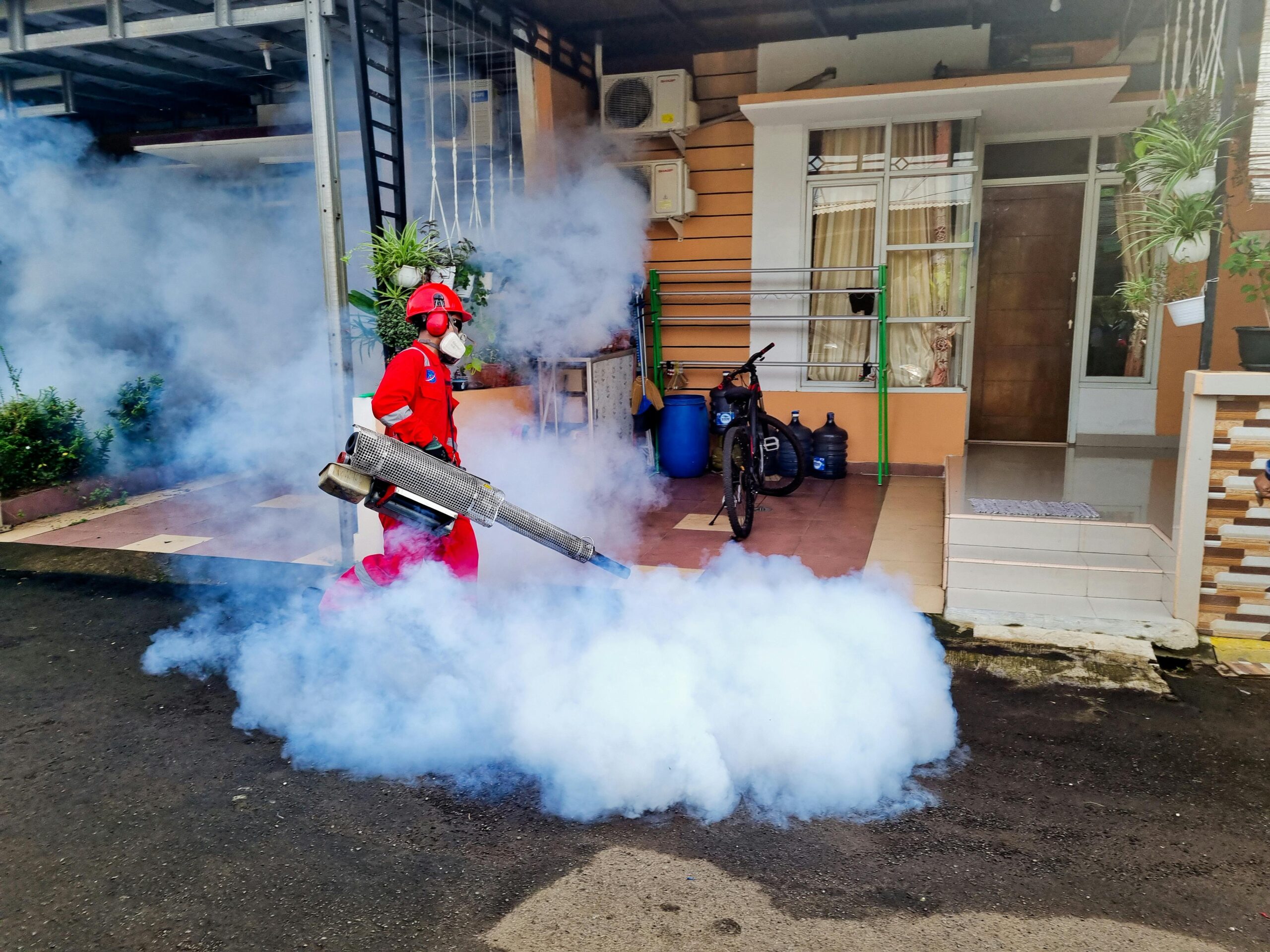
After the interior is secured, we move to the exterior, spraying a calibrated perimeter around your property. This barrier focuses on shaded areas, mulch beds, and the foundation—places where adult fleas drop off to re‑enter the house. The outdoor formula is also EPA‑approved and safe for family members who enjoy their yards.
Local Knowledge, Better Results
Our Smyrna technicians know the neighborhood’s housing stock inside out, from classic ranch‑style homes with wide crawl spaces to split‑level houses with multiple entry points. This familiarity lets us place treatments exactly where fleas are most likely to travel between indoor and outdoor zones.
The EPA registration means each active ingredient has passed strict testing for toxicity and effectiveness. Our technicians get quarterly training on proper dilution and application, ensuring the spray reaches cracks and voids without over‑saturating surfaces. This precision maximizes flea kill rates while protecting your family’s air quality.
We also align our schedule with Georgia’s humid subtropical climate. By treating in early spring and again after the first heavy rains, we exploit the seasonal drop in flea activity while the moisture helps the residual chemicals adhere to surfaces for longer protection.
In Smyrna, the peak flea season runs from late April through September, when temperatures consistently sit above 70°F. Scheduling a follow‑up treatment midway through this window keeps the residual barrier active as new generations hatch, giving you uninterrupted comfort throughout the summer.
Choosing Anthem Pest means you get a pet‑safe, EPA‑approved solution delivered by locals who understand Smyrna’s unique home designs and weather patterns—so you can reclaim your yard and your peace of mind.
Cost Breakdown and Pricing Transparency
When you call Anthem Pest Control for flea control Smyrna GA, the first thing you’ll notice is the clarity of our pricing. We’ve stripped away hidden fees so you know exactly what you’re paying for, whether you need a quick indoor fix or a full-scale home and yard treatment. Our transparent quotes are delivered after a free on-site assessment, so you never face surprise charges.
Anthem’s Pricing Tiers
- Tier 1 – Basic indoor treatment: $149‑$179. Covers a one‑time spray of all interior rooms, focusing on carpeted areas, baseboards, and pet sleeping spots.
- Tier 2 – Full home + yard package: $219‑$259. Includes the Tier 1 indoor service plus exterior perimeter spray, yard perimeter treatment, and a follow‑up visit to ensure the infestation is fully eradicated.
How We Stack Up Against the Nation
According to the National Pest Management Association (NPMA), the average U.S. homeowner spends between $180 and $230 per flea‑control service. Our Tier 1 falls just below that range, while Tier 2 sits slightly above the national average—reflecting the added yard work and extra technician time required for a comprehensive solution.
What Drives the Cost?
Several variables influence the final price you see on the invoice. Understanding these factors helps you see why a “one‑size‑fits‑all” quote rarely works.
- Square footage: Larger homes need more product and longer labor hours, which raises the price.
- Number of pets: More furry family members mean a higher risk of re‑infestation, so we may apply additional treatments or use pet‑safe formulations.
- Infestation severity: A light, early‑stage problem can be handled with a single visit; a heavy, multi‑room outbreak often requires a second follow‑up.
- Seasonal demand: Spring and early summer are peak flea seasons. Higher demand can modestly increase labor costs, though we strive to keep rates stable.
These variables are evaluated during our technician’s walkthrough, ensuring the estimate reflects your unique situation.
For a deeper look at industry pricing trends, the 2024 EPA report on pesticide expenditures confirms that average flea‑control costs hover around $200 per treatment, aligning closely with our Tier 2 offering. EPA cost data provides the most recent national benchmarks.
DIY Prevention Tips for Homeowners
Keeping fleas at bay between professional treatments doesn’t require a hefty budget—just a few disciplined habits that fit easily into your weekly routine. Below are the most effective, low‑cost actions you can start today.
1. Vacuum like you mean it
Run a high‑efficiency vacuum over carpets, rugs, and upholstered furniture at least twice a week. Flea eggs and larvae cling to fibers, and the suction removes them before they hatch. Empty the canister or bag immediately into a sealed trash bag and discard it outside the home; this prevents any rescued insects from re‑infesting the space.
2. Hot‑wash pet zones
All pet bedding, blankets, and toys should be laundered at a minimum of 130 °F (54 °C). The heat kills every stage of the flea life cycle. If a machine‑dry setting is available, use the highest temperature for 30 minutes to double‑down on eradication.
3. Monthly flea combing
Grab a fine‑toothed flea comb and run it through your dog’s and cat’s coat once a month, preferably after a bath. Place the comb’s contents into a bowl of soapy water to ensure any captured fleas are dead. This simple check lets you spot a resurgence early, before it spreads.
4. Tidy the yard
Fleas love cool, shaded debris. Keep grass trimmed to a few inches, rake away leaf litter, and clear piles of wood or compost where adult fleas hide. Good airflow and sunlight are natural enemies of flea development.
For a comprehensive list of pet‑care best practices, visit the CDC flea‑care checklist. Pair these DIY steps with Anthem Pest Control’s scheduled treatments, and you’ll give fleas far fewer places to call home.
Neighborhood Spotlight in Smyrna
Flea pressure isn’t the same across Smyrna. By understanding the quirks of each area, you can tailor your prevention plan and avoid costly infestations. Below are three neighborhoods where flea risk differs, plus quick links to help you pinpoint the exact location on Google Maps.
Burnt Hickory
This older‑home district features spacious yards, mature trees, and plenty of wildlife corridors. Those large, shaded lawns create ideal micro‑climates for flea larvae to thrive, especially when pets roam freely. Homeowners here should prioritize regular yard treatments and keep grass trimmed to disrupt the flea life cycle. View Burnt Hickory on Google Maps.
East Cobb
East Cobb is known for its newer subdivisions and a network of pet‑friendly parks. While the newer landscaping reduces hidden breeding grounds, the high concentration of dogs and cats in nearby parks raises the chance of adult fleas hitching a ride home. A schedule of quarterly perimeter sprays, combined with monthly indoor fogging, keeps the flea population in check. View East Cobb on Google Maps.
South Smyrna
South Smyrna’s multi‑unit apartments present a unique challenge: fleas can jump between units through shared hallways, laundry rooms, and pet‑friendly common areas. Coordinated, building‑wide treatments are essential—individual efforts rarely succeed. Encourage property managers to arrange a professional flea‑control program that treats common spaces and individual units simultaneously. View South Smyrna on Google Maps.
For each neighborhood, Anthem Pest Control offers customized quotes, free inspections, and a transparent pricing sheet so you know exactly what to expect. Call us at 877‑371‑8196 or visit our website to schedule a treatment that matches your community’s needs.
Frequently Asked Questions
How long does a treatment last?
Most Anthem flea treatments provide residual protection for 4‑6 weeks. The exact duration depends on the severity of the infestation, the type of EPA‑registered product used, and environmental factors such as carpet density and humidity. Heavy‑infested homes may see a shorter window, while lighter infestations often enjoy the full six‑week period. For optimal results, we recommend scheduling a follow‑up inspection before the protection wanes.
Is it safe for children and pets?
Yes. Anthem exclusively applies EPA‑registered products that are labeled as safe for humans and animals when used exactly as directed. Our technicians follow label instructions, including proper ventilation and keeping pets and children out of treated zones for the brief period specified on the product label—usually a few hours. This approach aligns with the EPA Flea Control Guidelines, ensuring a healthy home environment.
What if fleas return?
Fleas can be persistent, especially in multi‑pet households. If you notice activity after the initial treatment, Anthem offers a complimentary follow‑up visit within 14 days to assess the situation. We may apply a supplemental spot‑treatment or adjust the product choice based on the rebound. Additionally, many of our service plans include a warranty that covers a second treatment at no extra cost, giving you peace of mind.
Can I combine flea control with tick or mosquito services?
Absolutely. Anthem provides bundled pest‑management packages that address fleas, ticks, and mosquitoes in a single coordinated program. Combining services reduces overall chemical exposure, streamlines scheduling, and often lowers the total cost. Integrated treatments are designed to meet the standards set by the EPA Flea Control Guidelines, delivering comprehensive protection for your yard and home.
Choosing a Reliable Flea Control Provider
When it comes to protecting your Smyrna home from fleas, the company you hire matters as much as the treatment itself. Here are the five essential checks every homeowner should run before signing a contract.
1. EPA‑registered products and licensed technicians
A reputable provider uses only chemicals approved by the U.S. Environmental Protection Agency. Ask for proof that the technicians on the job are state‑licensed and have completed required safety training. This ensures proper application and keeps your family and pets safe.
2. Transparent pricing and clear service tiers
Look for a quote that breaks down costs—initial treatment, follow‑up visits, and any optional add‑ons. Companies that hide fees or use vague “custom packages” often surprise homeowners with extra charges later. A straightforward price sheet lets you compare options side‑by‑side.
3. Verified online reputation
Check the Better Business Bureau and local Yelp pages for Smyrna. Consistent five‑star ratings, detailed positive reviews, and a quick response to complaints signal a company that stands behind its work.
4. Insurance coverage and service warranty
Accidents happen. A fully insured provider protects you from liability if something goes wrong during treatment. Additionally, a written warranty—such as a guarantee of flea‑free results for a set period—shows confidence in the effectiveness of the service.
5. Local expertise and community involvement
Flea activity in Smyrna follows specific seasonal patterns. Companies that understand the local climate, common host animals, and neighborhood pest trends can tailor treatments for maximum impact.
Why Anthem Pest checks every box. We use only EPA‑registered formulations, and all of our technicians are state‑licensed and continuously trained. Our pricing is posted online with clear tiers, so you know exactly what you’re paying for. Anthem Pest holds full liability insurance and backs every flea‑control plan with a satisfaction warranty. Our Smyrna team has years of on‑the‑ground experience, reflected in a 4.9‑star rating on the BBB and glowing Yelp reviews from neighbors just like you. When you choose Anthem, you choose peace of mind.
Get Professional Flea Control Today
When you choose a professional, locally‑tailored flea‑control program, you’re investing in a solution that does more than just kill the insects you see today. A trained technician knows the specific micro‑climates of Smyrna homes, targets hidden breeding sites, and applies products that are both fast‑acting and safe for children and pets. The result is a faster resolution, a healthier indoor environment, and a solid barrier that keeps fleas from returning season after season.
Anthem Pest makes the first step effortless. Simply call 877‑371‑8196 or click the link below to schedule a complimentary home inspection. Our experts will assess the extent of the infestation, identify any underlying conditions that could invite pests back, and provide a transparent, itemized quote—no hidden fees, no surprise appointments.
Our friendly technicians are ready to create a custom plan for your home—call or click today for a free quote. Whether you need a one‑time treatment or an ongoing prevention schedule, we’ll tailor the service to fit your budget and lifestyle.
Because Anthem Pest’s technicians are based right here in the Greater Atlanta area, they understand the unique seasonal patterns that drive flea activity in Smyrna. We use EPA‑approved products that are proven to break the flea life cycle at every stage, from egg to adult, giving you lasting peace of mind. Plus, our service comes with a satisfaction guarantee—if fleas reappear within 30 days, we’ll return at no extra cost.
Visit Anthem Pest Control to learn more and book your free inspection for flea control Smyrna GA.