Why a Professional Flea Inspection Matters
Fleas are tiny, but the clues they leave behind are anything but subtle. Most homeowners first notice a sudden increase in pet scratching, tiny red bite spots on their own skin, or the tell‑tale specks of “flea dirt” (black, pepper‑shaped droppings) in carpet fibers. These signs often appear after the infestation has already taken root, making early detection a challenge.
Risks of Ignoring the Early Warning Signs
- Health concerns: Flea bites can trigger itching, skin infections, and, in sensitive individuals, allergic reactions or even transmit diseases such as murine typhus.
- Pet discomfort: Even a short‑term infestation can cause anemia, dermatitis, and severe stress for cats and dogs.
- Spread throughout the home: Fleas hide in cracks, under baseboards, and within pet bedding, quickly moving from one room to another if left unchecked.
The Technician’s Edge: Finding What You Can’t See
A qualified pest‑control technician brings more than a flashlight and a keen eye. Using specialized tools, they can detect hidden flea stages—eggs, larvae, and pupae—nestled in carpet padding, floor cracks, and pet sleeping areas. Their training allows them to differentiate flea activity from other insects, preventing unnecessary treatments and focusing effort where it matters most.
Systematic Inspection: The Checklist Approach
Think of a professional inspection like a well‑organized checklist, much like the one shown in the image below. The technician works methodically, scanning each room with a clipboard in hand and a safety vest for protection. This systematic process ensures no nook is overlooked, from the underside of sofas to the gaps around baseboards.

Anthem Pest Control’s Inspection Protocol
At Anthem Pest Control, our inspection protocol is built on transparency and thoroughness. After the visual sweep, we provide homeowners with a detailed report that includes:
- Exact locations where flea life stages were found.
- Photographic evidence or notes for each hotspot.
- Recommended treatment options tailored to the severity of the infestation.
- A clear timeline for follow‑up visits and preventive measures.
This level of detail empowers you to understand the scope of the problem, make informed decisions, and feel confident that the solution is both safe and effective. By catching fleas early through a professional inspection, you protect your family’s health, keep your pets comfortable, and avoid the costly, time‑consuming battle of trying to eradicate a full‑blown infestation on your own.
Flea Biology and Human Health Risks
What a Flea Looks Like
Fleas are tiny, wing‑less insects, typically 1–4 mm long, with laterally compressed bodies that let them slip between hair shafts. Their powerful hind legs enable the famous “jump‑and‑run” that makes them such effective parasites. Human fleas (Pulex irritans) share this shape, though they are less common than the cat‑ or dog‑fleas most homeowners encounter.
Life Cycle: Egg → Larva → Pupa → Adult
Understanding the four stages is crucial for effective control:
- Egg: A gravid female can lay up to 50 eggs per day, scattering them on the host’s fur or in the surrounding environment. Eggs are tiny, white, and hatch within 2–5 days under optimal temperature and humidity.
- Larva: The worm‑like larvae avoid light, feeding on organic debris, adult flea feces (which contain blood), and mold. This stage lasts 5–11 days.
- Pupa: Larvae spin silken cocoons, entering a protective pupal stage that can linger for weeks or months until vibrations or carbon dioxide from a host signal it’s safe to emerge.
- Adult: Once emerged, the adult seeks a blood meal within minutes. After feeding, females begin reproducing within 24 hours, perpetuating the cycle.
Typical Hosts
While dogs and cats are the primary hosts, fleas will opportunistically bite humans, especially when pet populations are high or when indoor environments provide shelter. Human‑to‑human transmission is rare, but a heavy infestation can lead to noticeable bites on the legs, ankles, and lower torso.
Health Impacts: Disease Transmission and Allergic Reactions
Fleas are more than a nuisance; they are vectors for several pathogens. In rare cases, they can transmit Yersinia pestis (the bacterium that causes plague) or Rickettsia felis, the agent of flea‑borne spotted fever. More commonly, flea bites trigger flea allergy dermatitis, an itchy, red rash that can become infected if scratched. The reaction is caused by an allergic response to flea saliva, and repeated bites can exacerbate skin irritation and lead to secondary bacterial infections.
Chemical Controls: Phenothrin Overview
One of the active ingredients frequently used in professional flea sprays is Phenothrin. It belongs to the pyrethroid family, acting on the insect’s nervous system to cause rapid paralysis. According to its safety profile, Phenothrin is low‑toxicity for mammals when applied according to label directions, but it can be toxic to aquatic life and should be used with proper ventilation and protective gear. Anthem Pest Control follows EPA‑approved guidelines to ensure safe application in homes.
Why Early Detection Matters
Spotting the signs of a budding flea problem—such as tiny black specks (flea dirt) on pet bedding or a sudden increase in itchy bites—allows homeowners to intervene before the population reaches the pupal stage, where it becomes far harder to eradicate. Prompt treatment not only protects pets but also reduces the risk of allergic dermatitis and disease transmission for the whole family.
Flea Treatment Options and Pricing Tiers
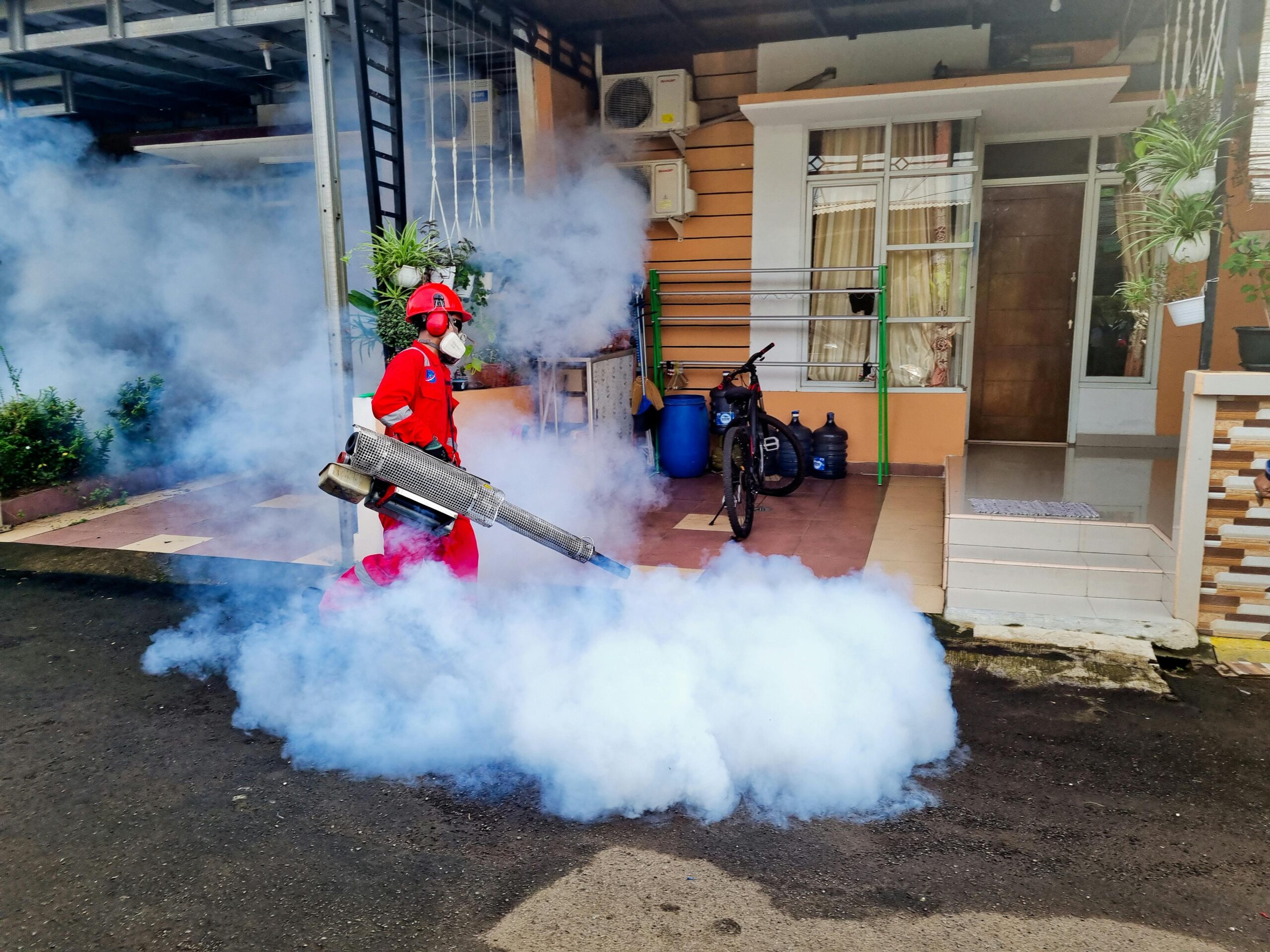
When it comes to getting rid of fleas in Suwanee, homeowners typically consider three broad categories of treatment. DIY sprays are ready‑to‑use bottles you apply directly to carpets, pet bedding, and baseboards. Over‑the‑counter foggers (often called “bug bombs”) disperse a fine mist throughout a room, but they can leave residues that are unsafe for pets and children if not used correctly. Finally, professional indoor/outdoor applications combine targeted chemicals, heat or cold treatments, and precise placement to eradicate fleas at every stage of their life cycle, both inside the house and in the yard.
Why Choose a Professional Service?
Professional flea control offers several advantages that DIY solutions simply can’t match. Trained technicians know exactly where fleas hide—under furniture, in wall voids, and even in outdoor mulch—so they can apply products where they’ll be most effective. A licensed pest‑control company also provides a follow‑up visit to verify that the infestation is truly gone, reducing the chance of a rebound. Most importantly, reputable firms like Anthem back their work with a warranty that covers re‑treatment if fleas return within the guaranteed period, giving homeowners peace of mind and protecting their investment.
Anthem’s Three Service Packages
Anthem Pest Control tailors its flea programs to fit different budgets and comfort levels. Each package includes a thorough inspection, safe‑grade products, and a clear timeline for results.
- Basic – One comprehensive indoor treatment, covering up to 1,500 sq ft. Includes a single follow‑up visit and pet‑safe spray formulations.
- Standard – Two indoor visits plus one outdoor perimeter application, ideal for homes with fenced yards. Adds a protective barrier around entry points and a 30‑day warranty.
- Premium – Three indoor treatments, two outdoor applications, and a targeted larvicide for deep‑soil control. Features a pet‑exclusion protocol, a 60‑day warranty, and priority scheduling for any future pest issues.
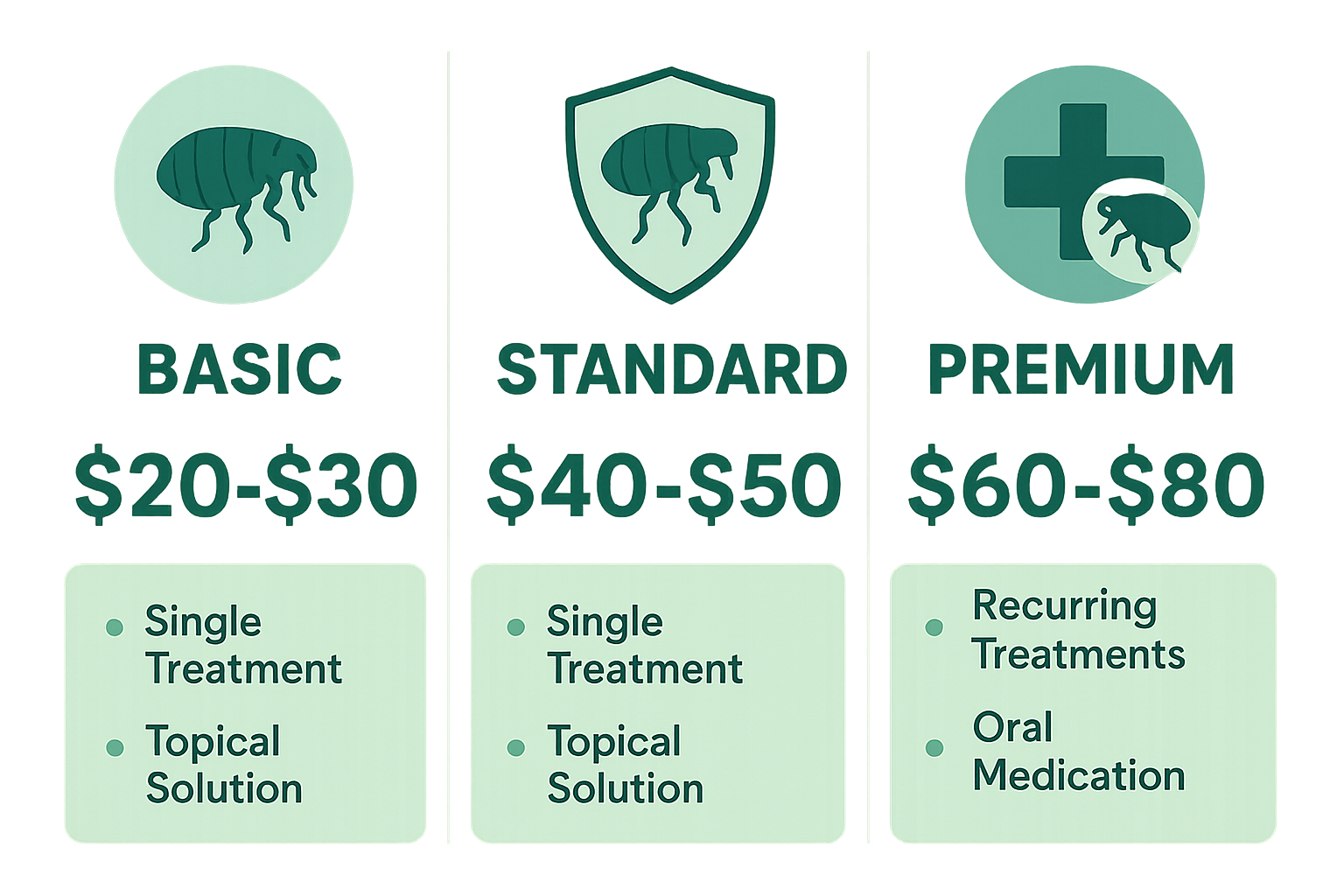
The infographic above visualizes the three tiers, highlighting the price ranges you can expect for each level of service in Suwanee, GA. For a detailed breakdown of costs, visit Anthem’s dedicated pricing page: Flea Control Cost – Suwanee, GA. There you’ll find exact dollar figures, optional add‑ons, and financing options that make even the Premium package affordable for most households.
Choosing a provider with a solid reputation matters as much as the treatment itself. Anthem Pest Control is proudly accredited by the Better Business Bureau, reflecting a history of transparent pricing, responsive customer service, and consistent compliance with industry standards. Verify their BBB rating here: Anthem Pest Control – BBB Accreditation. With that level of trust behind every spray and fog, you can focus on enjoying a flea‑free home rather than worrying about hidden risks.
Seasonal Flea Activity and Timing Your Treatment
Fleas thrive on warmth and humidity, so their life cycle speeds up as soon as temperatures climb above 65°F (18°C). In Suwanee, the spring thaw ignites a rapid breeding surge: eggs hatch in days, larvae develop within weeks, and adult fleas are ready to jump onto pets and into your home. By midsummer, the population can explode if left unchecked, while cooler fall and winter months slow development but never fully stop it.
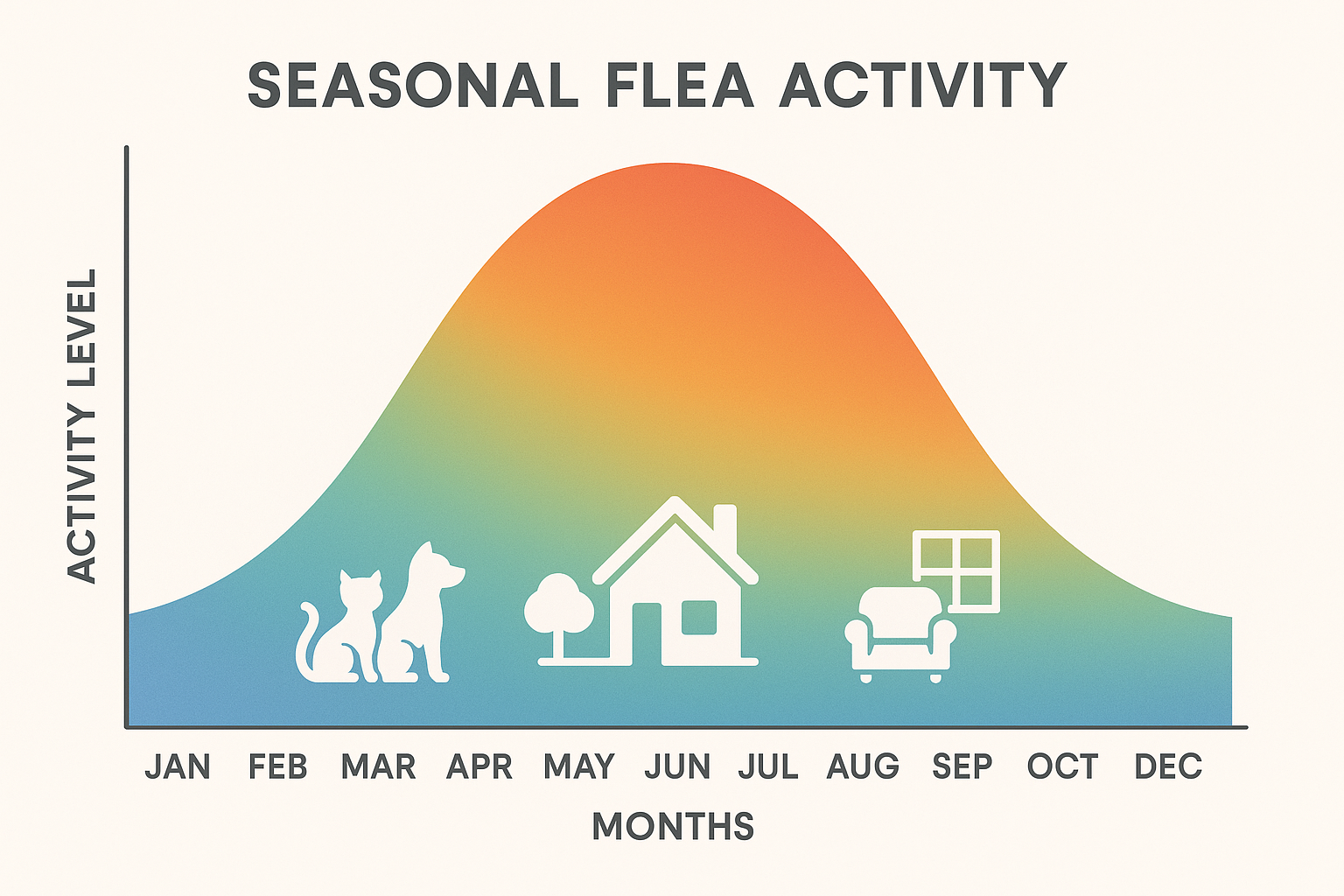
| Month | Activity Level | Recommended Action |
|---|---|---|
| January–February | Low | Maintain indoor hygiene; monitor pets |
| March–April | Rising | Schedule professional treatment |
| May–June | High | Follow‑up treatment; intensify vacuuming |
| July–August | Peak | Second professional service; outdoor perimeter control |
| September–October | Declining | Continue indoor prevention, reduce outdoor habitats |
| November–December | Low‑Moderate | Final indoor cleanup; store pet bedding |
The smartest strategy is to act before the spring surge. Scheduling a professional flea treatment in early March gives you a head‑start, targeting adult fleas before they lay the next generation of eggs. A follow‑up in late July or early August catches any survivors that escaped the first round and tackles the outdoor breeding zones when grass and leaf litter are at their densest.
Indoor vs. Outdoor Considerations
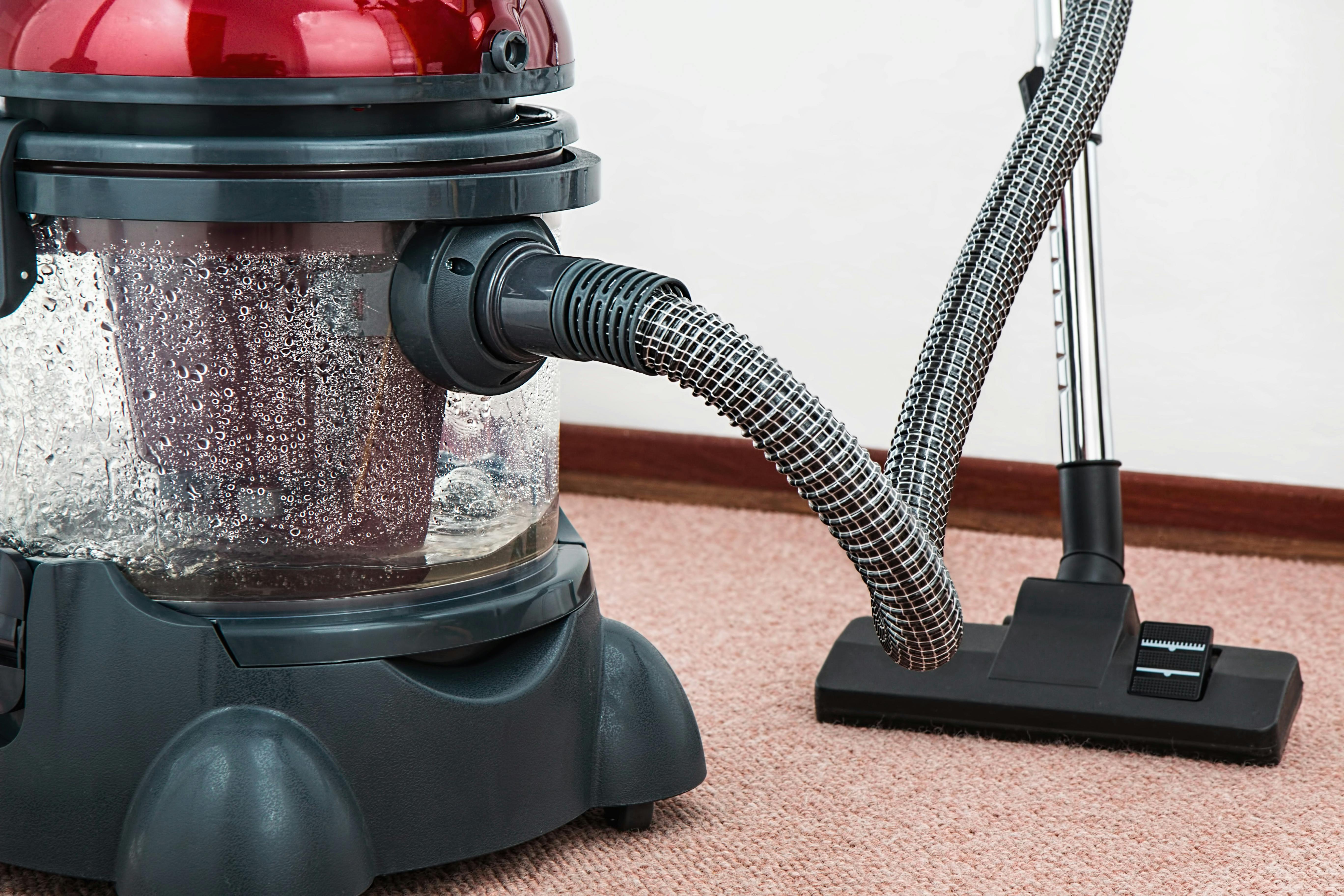
During the cooler months, focus on indoor defenses: vacuum carpets and upholstery weekly, wash pet bedding in hot water, and keep doors and windows sealed. As temperatures rise, shift attention to the yard—trim grass, remove leaf litter, and treat shaded dog runs or mulch beds where adult fleas love to hide. Outdoor treatments complement indoor work, especially in June and July, when fleas migrate between the yard and your home.
Immediate Tips for Homeowners
- Vacuum high‑traffic areas daily; dispose of the bag or empty the canister outside.
- Groom pets weekly with a flea‑comb and a veterinarian‑approved topical or oral product.
- Wash all pet blankets, toys, and bedding in water hotter than 130°F (54°C) every two weeks.
- Inspect your yard for damp, shady spots and improve drainage to discourage flea larvae.
- Seal cracks around foundations and under decks where fleas can shelter.
Following Anthem’s seasonal guidance ensures you stay one step ahead of the flea life cycle. For a detailed month‑by‑month plan, visit our seasonal flea control page and let our certified technicians tailor a schedule that protects your family and pets year‑round.
Secure a Flea‑Free Home with Anthem Pest Control
When it comes to keeping fleas out of your home, the three pillars of success are a thorough professional inspection, a clear understanding of the risks that attract fleas, and the right treatment tier for your situation. A qualified technician can spot hidden infestations, identify the sources—whether it’s a pet, a neighboring yard, or a humid nook—and match those findings to a targeted plan that eliminates every life stage of the flea.
Why Choose Anthem Pest Control?
- Safety first. All of our products are EPA‑approved and applied by licensed technicians who prioritize the health of your family and pets.
- Effective results. We combine proven chemical treatments with integrated pest‑management techniques, ensuring fleas are eradicated and won’t return.
- Transparent pricing. Our tiered packages are clearly outlined, so you know exactly what you’re paying for—no hidden fees, no surprise add‑ons.
- Affordability. Competitive rates and a free, no‑obligation quote mean you can protect your home without breaking the bank.
Our commitment doesn’t stop at the initial visit. Anthem provides follow‑up checks and offers preventative tips so you stay one step ahead of any future infestation. That continuity builds the peace of mind every homeowner deserves.
Take the First Step Toward a Flea‑Free Home
Ready to protect your family and pets? Call us today at 877‑371‑8196 for a complimentary quote. Our friendly, licensed technicians will assess your home, explain the best package for your needs, and schedule treatment at a time that works for you.
Don’t wait for another bite—act now and enjoy the comfort of a home that’s truly pest‑free.
Visit Anthem Pest Control for more information and to schedule your free inspection.