Understanding Fruit Flies and Their Impact in Decardit
When a tiny, reddish‑brown fly hovers over your kitchen counter, it’s easy to dismiss it as a harmless nuisance. In reality, the common fruit fly—most often Drosophila melanogaster—is a resilient indoor pest that can quickly turn a tidy home into a breeding ground for contamination. For Decatur homeowners, where warm summers and abundant fresh produce create an inviting environment, recognizing why fruit flies matter is the first step toward effective control.
Brief Biology of the Common Fruit Fly
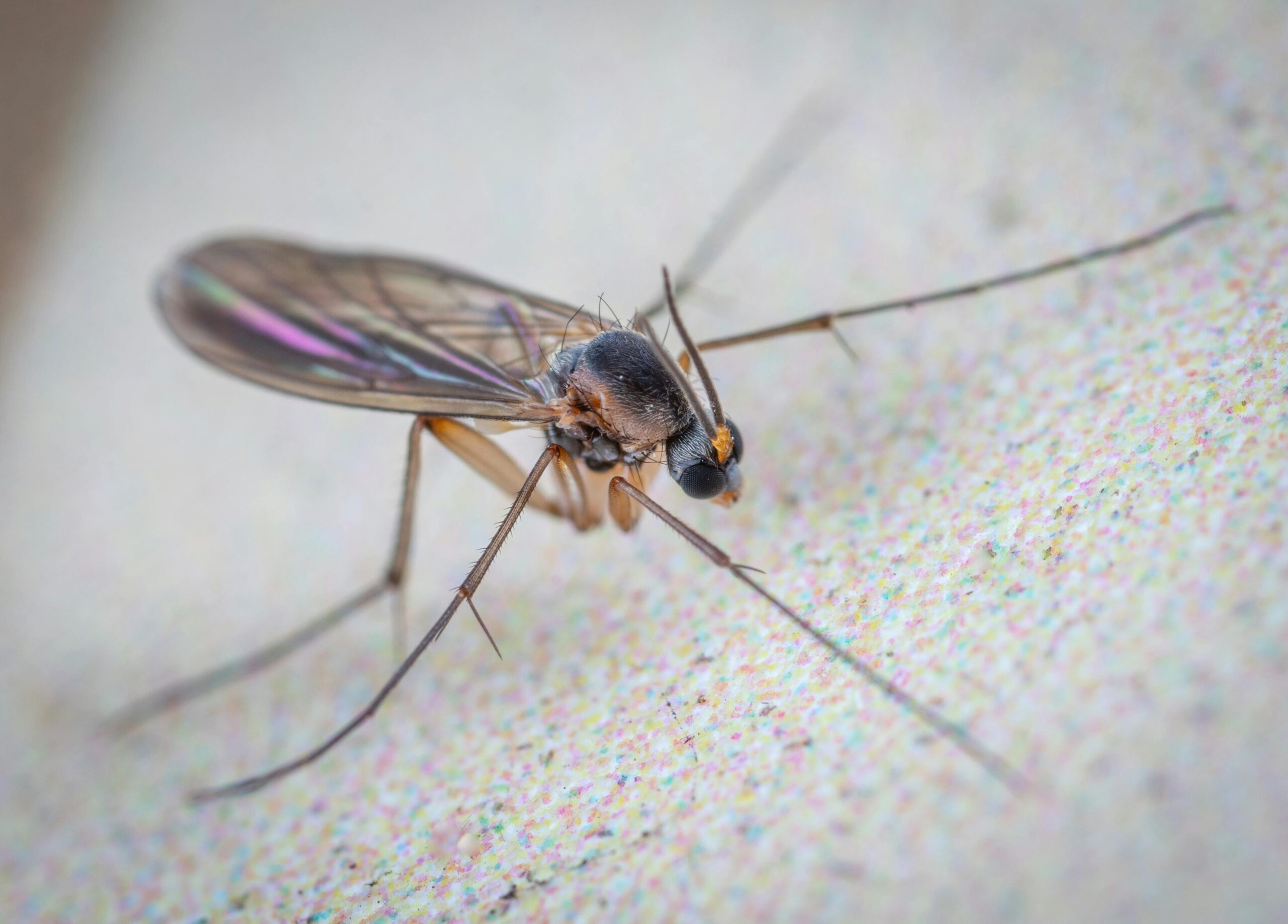
Fruit flies belong to the family Drosophilidae and are distinguished by their small size (about 1/8 inch long), bright tan‑to‑brown bodies, and red eyes. Their life cycle is astonishingly rapid: under optimal conditions, an egg hatches into a larva within 24 hours, the larva matures into a pupa in another 24–48 hours, and an adult emerges ready to reproduce in just a few days. This accelerated development means a single female can lay up to 500 eggs, allowing populations to explode if left unchecked.
How Fruit Flies Slip Inside
Fruit flies are opportunistic hitchhikers. In Decatur, they typically gain entry through:
- Open doors or windows—especially during the humid evenings when flies are most active.
- Fresh produce bought from farmers’ markets or grocery stores that carries eggs or larvae.
- Improperly sealed trash cans or compost bins that emit fermenting odors.
- Cracks around utility entry points that provide a direct route to indoor kitchens and pantries.
Because they are attracted to the scent of ripening or rotting fruit, even a single piece of overripe banana can become a launchpad for an infestation.
Typical Damage and Why It Matters
Fruit flies are more than a visual annoyance. Their primary impact is contamination:
- Food spoilage: Adults feed on the surface of fruits, vegetables, and sugary liquids, leaving behind bacteria and yeast that accelerate decay.
- Unpleasant odors: The metabolic by‑products of large numbers of flies create a sour, fermenting smell that can linger in cabinets and trash areas.
- Breeding sites: Larvae develop in any moist, fermenting material—think overripe fruit, soggy sponges, or even damp mop buckets—turning these spots into hidden hotspots.
While fruit flies are not known vectors for serious disease, their presence can signal broader sanitation issues that may attract more dangerous pests, such as ants or cockroaches.
Visual Warning Signs of an Infestation
Early detection hinges on spotting the tell‑tale clues:
- Swarming activity around fruit bowls, trash cans, or near drains.
- Small, dark specks of feces—about the size of a pinhead—on surfaces where flies perch.
- Silky, white larvae embedded in fermenting matter, often visible at the base of overripe produce.
- Persistent, faint buzzing that seems to follow you from room to room.
If you notice any of these signs, it’s time to act before the population balloons.
Connection to Indoor Air Quality and Health Concerns
Fruit flies can indirectly affect indoor air quality. Their breeding sites release volatile organic compounds (VOCs) that contribute to stale or sour odors, reducing the overall comfort of your living space. Moreover, the EPA notes that excessive indoor insects can exacerbate respiratory sensitivities, especially for individuals with asthma or allergies. For a deeper dive, see the EPA’s guide on fruit flies and indoor air quality: EPA – Fruit Flies.
Understanding the biology, entry routes, damage potential, and warning signs equips Decatur homeowners with the knowledge needed to prevent a minor annoyance from becoming a full‑blown infestation. When the signs appear, prompt action—whether through diligent sanitation or professional treatment from Anthem Pest Control—will keep your home fresh, safe, and fruit‑fly free.
DIY Fruit Fly Traps and Home Remedies

The Science Behind the Bait
Fruit flies are drawn to the scent of fermenting sugars because those aromas signal a ready food source for their larvae. When fruit begins to ripen or rot, enzymes break down the sugars into simple compounds like ethanol and acetic acid. These volatile chemicals travel quickly through the air, guiding adult flies to the ideal breeding spot. By mimicking that natural fermentation process, a DIY trap becomes an irresistible lure that out‑competes the fruit on your countertop.
Simple Vinegar‑Apple‑Cider Trap
One of the most reliable low‑cost traps combines two household staples: white vinegar and apple‑cider vinegar. The acidity attracts flies, while a drop of dish soap breaks the surface tension so they can’t escape.
- Ingredients: ½ cup white vinegar, ½ cup apple‑cider vinegar, 1‑2 teaspoons sugar, a few drops of liquid dish soap.
- Container: A 16‑oz glass jar or a shallow plastic bowl works well. If you use a jar, cover the opening with plastic wrap and secure it with a rubber band.
- Setup: Mix the two vinegars and sugar in the container. Add the dish soap and stir gently. Poke 4–6 small holes (about 2 mm) in the plastic wrap using a toothpick. The holes are big enough for flies to enter but too small for them to find the exit.
Place the trap where fruit flies are most active and leave it undisturbed for 24‑48 hours. You’ll see a steady stream of flies sinking into the liquid, unable to climb back out.
Alternative Bait Options
If you don’t have vinegar on hand, several other fermenting liquids work just as well:
- Overripe fruit: Slice a banana, a few strawberries, or a piece of melon. Place the fruit in a shallow dish and cover with the same perforated plastic wrap.
- Wine: Red or white wine left open for a day releases alcohol vapors that attract flies. Use a small glass and add a drop of dish soap.
- Beer: The malt sugars in a half‑filled bottle create a sweet, yeasty scent. Again, a few drops of soap will keep the flies from escaping.
Placement Tips for Maximum Capture
Where you put the trap matters almost as much as what you put in it. Follow these guidelines to position your DIY devices where fruit flies congregate:
- Directly next to trash cans or recycling bins, especially if they contain food residue.
- Near the compost bin or any indoor vegetable waste container.
- On the counter beside fruit bowls or a cutting board where peeled fruit sits.
- In the drainage area of sinks, as flies love the moist, organic buildup in pipes.
- Avoid placing traps in high‑traffic zones where they might be knocked over or disturbed.
Maintenance Schedule
To keep the trap effective, you’ll need a simple routine:
- Check daily for captured flies. If the liquid looks cloudy, it’s time for a refresh.
- Replace the bait every 3‑4 days during a heavy infestation. In cooler months, weekly changes are sufficient.
- Clean the container with warm, soapy water before refilling. This removes any residual scent that might deter new flies.
- After you’ve eliminated the visible population, move the trap to a less obvious spot and continue checking weekly for a month to ensure no hidden eggs hatch.
Safety Notes
Even though the ingredients are household items, treat the traps like any other pest‑control product:
- Place them out of reach of children and pets. The acidic vinegar can irritate skin or eyes.
- If you use wine or beer, keep the container sealed when not in use to prevent accidental spills.
- Never reuse a trap that’s been contaminated with pet food or other hazardous substances.
- Dispose of the used liquid in a sink with plenty of running water, and wash your hands thoroughly afterward.
By understanding why fruit flies are drawn to fermenting sugars and following these step‑by‑step instructions, you can set up a cheap, effective barrier that cuts down the population before it becomes a full‑blown nuisance. For persistent problems or a need for professional treatment, Anthem Pest Control is ready to help with safe, locally‑tailored solutions.
When Professional Treatment Is the Best Choice

Signs Your Fruit Fly Problem Has Outgrown DIY
Most homeowners can handle a few stray fruit flies with traps or a quick vinegar solution, but certain red flags mean the infestation is beyond the reach of household tricks. Persistent swarms that appear at any time of day, even after you’ve cleared out overripe fruit, indicate a large, hidden breeding population. If you discover fruit flies in multiple rooms—kitchen, pantry, bathroom, and even the garage—it’s a clear sign that the insects have spread beyond a single source.
Another warning is the presence of concealed breeding sites. Fruit flies love damp, organic material, so they often lay eggs in trash cans, recycling bins, sink drains, or even the soil of indoor potted plants. When you repeatedly find larvae or see new flies emerging after cleaning, the problem is likely entrenched in places you can’t easily access.
Professional Methods That Beat DIY
Anthem Pest Control uses a three‑pronged approach that tackles fruit flies where they hide and where they travel.
- Targeted fogging: A fine mist of EPA‑approved insecticide is applied to flight paths, countertops, and hidden cracks, instantly reducing adult populations.
- Residual sprays: Long‑lasting chemicals are placed on surfaces where flies rest, providing ongoing protection for weeks after the initial visit.
- Area sanitization: Technicians clean and treat drains, trash receptacles, and any organic buildup that could serve as a breeding ground, eliminating the source of the infestation.
Why a Licensed Technician Makes All the Difference
Choosing a certified professional brings several advantages that DIY simply can’t match.
- Proper pesticide selection: Technicians know which products work best for fruit flies without harming your family or pets.
- Safety compliance: All treatments follow strict EPA guidelines, ensuring no hazardous residues linger on countertops or floors.
- Guaranteed results: Anthem offers a satisfaction guarantee—if flies return, we’ll re‑treat at no extra cost.
Anthem’s Step‑by‑Step Approach
Our process starts with a thorough inspection. A licensed technician walks through every room, checks drains, examines trash areas, and even inspects indoor plants to locate hidden breeding sites. Based on those findings, we develop a customized treatment plan that combines fogging, residual sprays, and targeted sanitization exactly where you need it.
After the initial service, we schedule follow‑up visits to monitor progress and apply additional treatments if necessary. This ensures that any newly hatched flies are caught before they can repopulate your home.
Safety First—for Families and Pets
All products we use are EPA‑approved and specifically formulated for indoor environments. They break down quickly, leaving no harmful residue on food surfaces or pet bedding. Our technicians wear protective gear and follow strict application protocols, so you can feel confident that the treatment protects both your loved ones and your home.
If you’ve tried traps, vinegar bowls, and deep cleaning without lasting relief, it’s time to let the experts step in. Anthem Pest Control’s professional fruit‑fly eradication not only eliminates the current swarm but also blocks future outbreaks, giving you peace of mind and a fly‑free kitchen.
Comparing DIY and Professional Fruit Fly Control Costs
When fruit flies turn your kitchen into a buzzing mess, the first question most homeowners ask is “how much will it cost to get rid of them?” The answer depends on whether you reach for a store‑bought trap or call in Anthem’s trained technicians. Below you’ll see the three pricing tiers that most people consider, along with a quick look at what you actually get for each dollar spent.
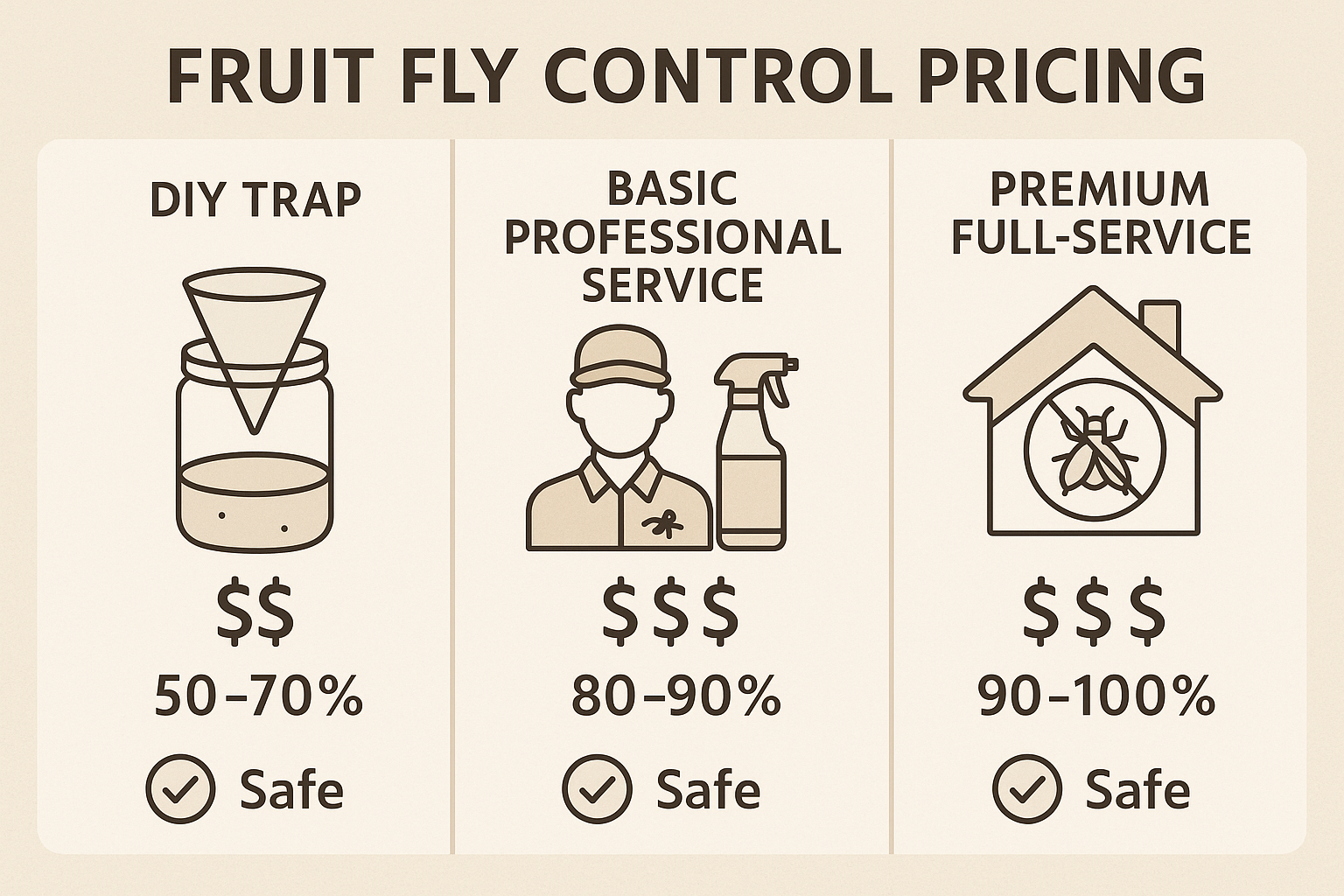
| Tier | Typical Cost | Effectiveness | Safety Level |
|---|---|---|---|
| DIY Trap | Low ($) | 40‑60 % | Low – household ingredients only |
| Basic Professional Service | Medium ($$) | ≈ 80 % | Moderate – EPA‑registered chemicals applied by certified techs |
| Premium Full‑Service | High ($$$) | 95 % + | High – integrated approach with monitoring, sealing, and follow‑up treatments |
DIY trap – the low‑cost entry point
A typical homemade fruit‑fly trap costs as little as a few dollars: a jar, apple‑cider vinegar, a drop of dish soap, and a piece of plastic wrap. This “low” tier falls squarely into the $ price range and is attractive for renters or anyone testing the waters. In practice, you can expect to knock down roughly 40‑60 % of an active infestation, especially if you place several traps around ripe fruit and trash cans. Because the solution relies on food‑based attractants, there’s virtually no chemical risk to children or pets. The trade‑off is that the trap does little to address breeding sites, so flies often return once the bait runs out.
Basic professional service – a balanced middle ground
Anthem’s basic package usually includes a one‑time inspection, targeted application of EPA‑registered baits or sprays, and a follow‑up visit to confirm results. Pricing sits in the $$ bracket, which for most Decatur homeowners translates to a few hundred dollars. The professional approach pushes effectiveness up to about 80 %, because technicians can locate hidden sources—like over‑ripe compost, damp drains, or uncovered garbage—that DIY traps miss. Safety is also a step up: certified applicators wear protective gear and follow strict dosage guidelines, minimizing exposure for residents while still delivering a potent knock‑down.
Premium full‑service – the highest return on investment
The premium tier is a comprehensive, year‑round program that blends initial eradication with preventive measures. It typically includes a thorough sealing of entry points, regular monitoring stations, and scheduled re‑treatments during peak fruit‑fly season. Although the cost lands in the $$$ range, the payoff is a 95 % + success rate and a dramatically lower chance of future outbreaks. Safety remains top‑notch because the program relies on integrated pest‑management (IPM) principles, using the lowest‑effective chemical loads and emphasizing non‑chemical barriers whenever possible.
Why professional treatment often wins on long‑term value
Beyond the immediate kill‑rate, a professional service protects your home from the hidden life cycle of fruit flies. By eliminating breeding grounds, sealing cracks, and installing monitoring stations, Anthem reduces the need for repeated DIY purchases. Over a year, the cumulative cost of buying traps, replacing bait, and dealing with recurring flies can easily eclipse the upfront price of a premium service. In short, the higher initial investment buys peace of mind, safer indoor air, and a home that stays fruit‑fly free longer.
Seasonal Fruit Fly Activity in Decador, GA

Understanding the ebb and flow of fruit fly numbers is the first step toward keeping your kitchen and patio free of these tiny invaders. The chart above plots months (January – December) on the horizontal axis and relative activity levels on the vertical axis. It’s a visual shortcut that tells you exactly when the flies are most likely to show up and when you can breathe easier.
Peak Months: Summer to Early Fall
In Decatur, fruit fly populations typically surge from late May through early October. Warm daytime highs (above 75°F) and evenings that stay above 60°F create the perfect breeding environment. During July and August, the chart spikes to its highest point, reflecting the combination of heat, humidity, and abundant ripe fruit from local gardens and markets.
Low‑Activity Periods: Winter Lull
From November through February, activity drops dramatically. Cooler temperatures (below 55°F) slow the flies’ life cycle, and the chart flattens to near‑zero levels. While a few indoor populations can survive in heated homes, the outdoor pressure is minimal, making winter an ideal window for deep‑cleaning and preventive measures.
Weather Patterns and Breeding Cycles
Fruit flies lay eggs on fermenting or overripe produce. Each egg hatches in 24‑48 hours, and a full life cycle can be completed in as little as seven days when temperatures stay between 70‑85°F and humidity hovers around 60‑80%. A sudden heatwave in June can compress the cycle, leading to a rapid spike in numbers. Conversely, a dry spell in September can curb breeding, even if temperatures remain warm.
Timing DIY Traps and Professional Inspections
- Early Spring (March‑April): Set up simple vinegar or wine traps near trash cans and fruit bowls. This pre‑emptive step catches the first wave of adults before they lay eggs.
- Mid‑Summer (June‑July): Schedule a professional inspection. Our technicians can identify hidden breeding sites—like compost piles or neglected potted plants—and apply targeted treatments.
- Late Fall (October): Replace traps with a thorough sanitation sweep. Remove any fallen fruit from landscaping and seal exterior garbage containers.
Local Insight: Decatur’s Urban Landscape
Decatur’s vibrant downtown, packed with farmers markets, outdoor dining patios, and community gardens, provides a buffet for fruit flies. Open‑air eateries often leave fruit garnishes on tables, and the city’s humid subtropical climate keeps those leftovers moist enough for flies to thrive. Homeowners should be especially vigilant around patio furniture, compost bins, and any fruit‑bearing trees that line the streets.
By aligning your preventive actions with the seasonal peaks shown in the chart, you can stay one step ahead of fruit flies. A little extra attention in late spring and early summer—when the flies are gearing up—can save you from a full‑blown infestation later in the season.
Protect Your Home from Fruit Flies Today
You’ve learned how to spot fruit fly activity—tiny buzzing around ripe fruit, a lingering odor near trash, or larvae in fermenting messes. You also know the quick DIY tricks: airtight storage, regular cleaning, and simple traps. But when those measures fail, or the infestation spreads to multiple rooms, it’s time to call in a professional.
Anthem Pest Control delivers safe, effective, and affordable fruit‑fly solutions backed by years of local expertise in Decatur, GA. Our technicians use targeted treatments that eliminate the adult flies and destroy breeding sites without compromising the health of your family or pets. Transparent pricing means you know exactly what you’re paying for, and our reputation for quick, reliable service ensures you get results fast.
Ready for a free, no‑obligation quote? Call us today at 877‑371‑8196 and schedule a thorough inspection. Our certified team will assess the situation, recommend a customized plan, and get your home back to a fly‑free zone.
Whether you’re dealing with a few stray flies or a full‑blown infestation, our certified technicians are ready to restore comfort to your home without compromising safety.
Visit Anthem Pest Control to learn more and book your free quote now.