Fruit Fly Trouble Starts at Home
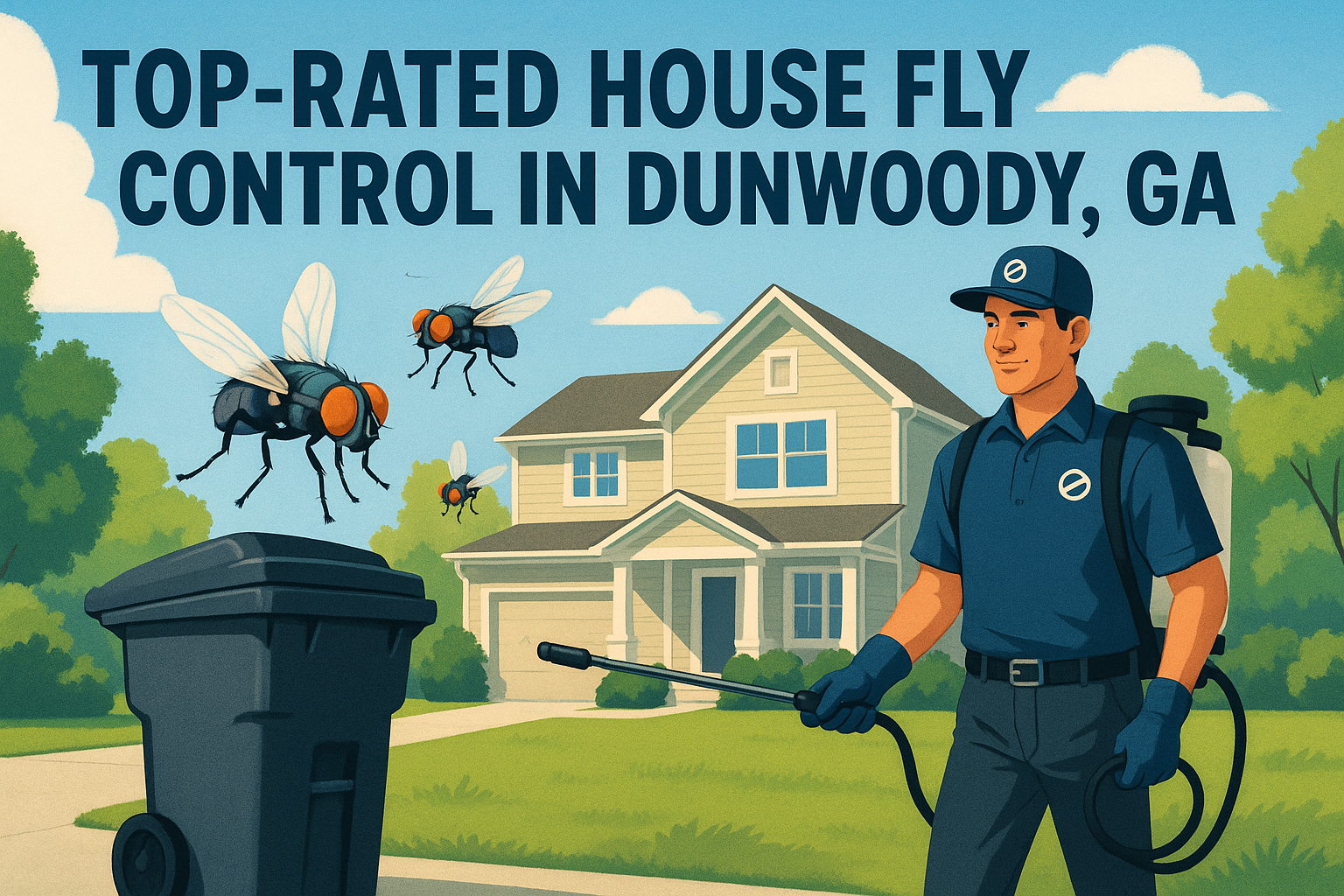
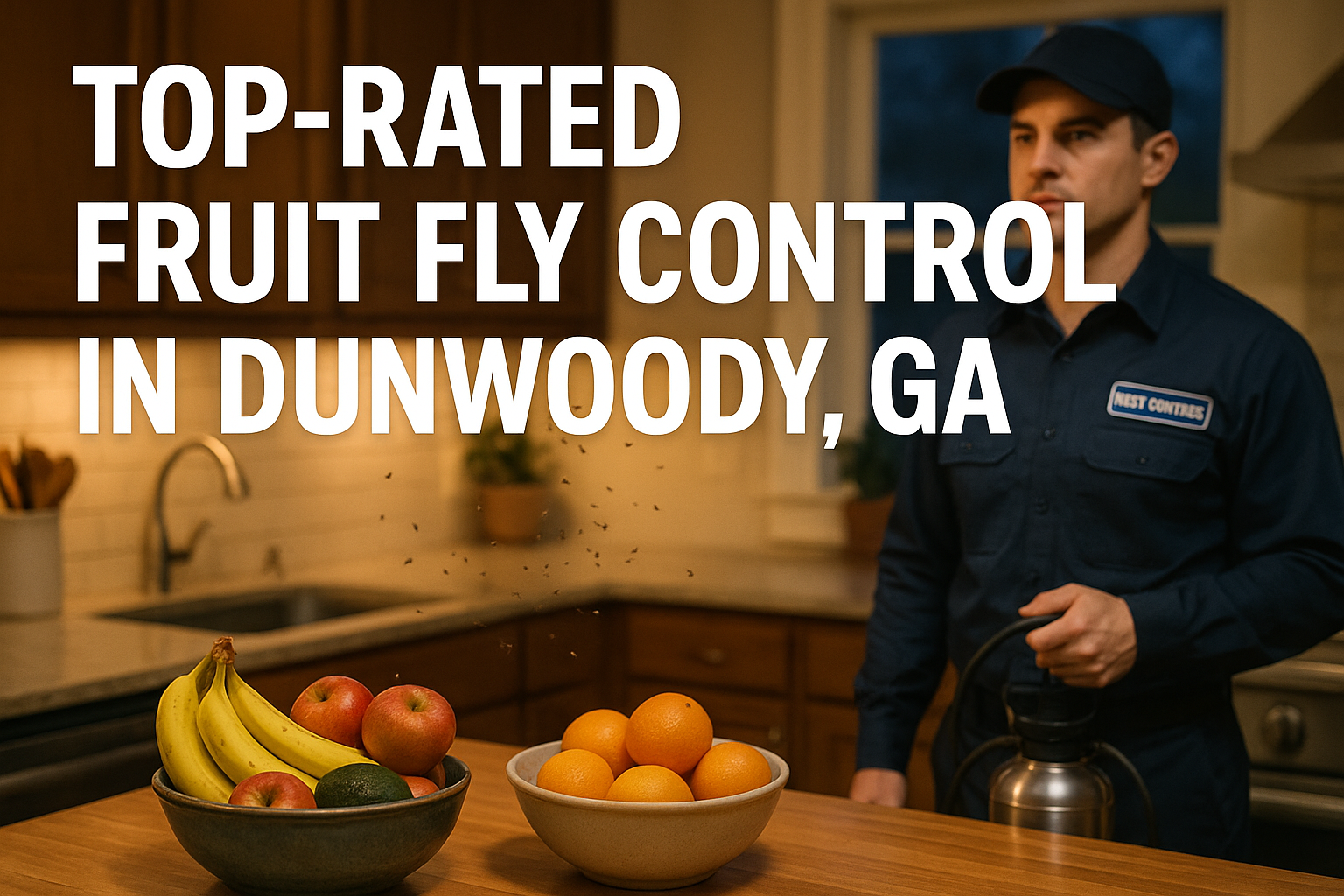
Imagine stepping into your kitchen on a warm Dunwoody evening, reaching for a ripe banana, and noticing a handful of tiny, iridescent flies swirling lazily above the fruit bowl while a few more hover near the open trash can. The sight is brief, but the irritation lingers—those little pests seem to appear out of nowhere, turning a simple snack into a mini‑battlefield.
What most homeowners don’t realize is that fruit flies are more than an annoying buzz. They thrive on the sugars and yeasts found in overripe produce, fermenting liquids, and even the damp residue in garbage disposals. Within 24 hours a single female can lay up to 150 eggs, and those eggs hatch in as little as a day. In the humid climate of Dunwoody, that rapid life cycle means a few stray flies can explode into a full‑blown infestation before you even notice the first sign.
Beyond the nuisance factor, fruit flies pose real health risks. As they hop from decaying fruit to countertops, they can carry bacteria and mold spores, contaminating food, dishes, and surfaces you touch daily. Their presence can also attract other pests, creating a cascade effect that compromises the cleanliness of your home and the safety of your family’s meals.
That’s where Anthem Pest steps in. We’re not a distant call‑center; we’re a local Dunwoody team that knows the neighborhood, the climate, and the specific habits of the pests that invade our homes. Our 24‑hour response line—877‑371‑8196—means you can pick up the phone any time the buzzing starts, and a trained technician will be on the way, ready with a targeted, environmentally responsible treatment plan.
Consider this section the first step of a friendly, expert‑led guide. We’ll walk you through how to spot early signs, why quick action matters, and how Anthem Pest’s local expertise can restore peace to your kitchen—so you can enjoy fresh fruit without the frantic flutter of flies.
Know Your Enemy – Common Georgia Fruit Fly Species
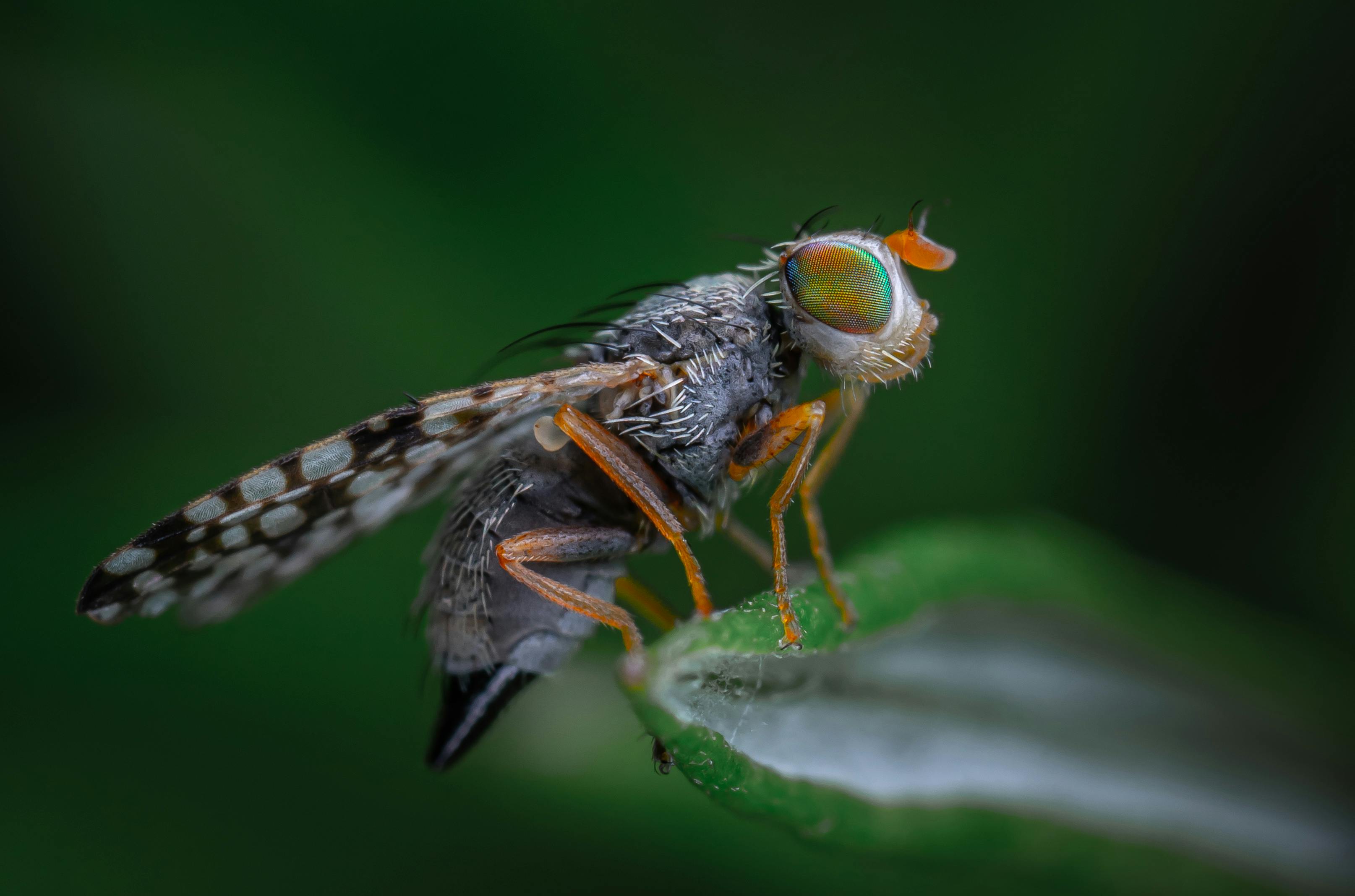
When tiny winged invaders start buzzing around your kitchen, the first step to getting them under control is knowing exactly who you’re dealing with. In Georgia, two species dominate household infestations: the ubiquitous Drosophila melanogaster and the more aggressive Mediterranean fruit fly (Ceratitis capitata). Both look similar at a glance, but subtle differences in size, coloring, and preferred breeding spots can guide you toward the most effective treatment.
Drosophila melanogaster (Common Fruit Fly)
The common fruit fly is the “everyday” pest you’ll see buzzing over a bowl of fruit or a damp sink. It thrives on the sugary, fermenting aromas that develop in overripe produce and kitchen waste.
- Size: about 1/8 inch (≈3 mm) long.
- Eyes: bright red, especially noticeable on live specimens.
- Habitat: kitchen drains, trash cans, and any spot where fruit is left to rot.
- Behavior: attracted to the scent of fermenting sugars; often seen hovering near open fruit bowls.
Mediterranean Fruit Fly (Ceratitis capitata)
The Mediterranean fruit fly is a more serious threat because it can infest a wider range of fruits, from peaches to citrus, and it reproduces quickly under the right conditions. Though slightly larger than its Drosophila cousin, it’s still small enough to slip through window screens.
- Size: roughly 1/8 inch, sometimes a touch larger than Drosophila.
- Eyes: reddish‑brown, but the body often shows a darker, mottled pattern.
- Habitat: overripe or damaged fruit left on countertops, indoor compost bins, and even garden produce brought inside.
- Behavior: strong attraction to ripening fruit; females lay eggs just beneath the skin, leading to rapid larval development.
According to the EPA Home Pest Survey 2024, roughly 15 % of Georgia households report seasonal spikes in fruit‑fly activity. That figure underscores how common these pests are and why homeowners often see them surge in late summer when fruit harvests peak.
Accurate identification matters because each species responds best to different control tactics. Drosophila infestations are usually quelled with thorough sanitation and targeted traps, while Mediterranean fruit flies often require a combination of bait sprays and professional exclusion methods. By pinpointing which fly you’re facing, you can choose the right treatment plan, avoid unnecessary chemicals, and stop the nuisance before it spreads to other rooms—or even the yard.
Local Factors Fueling Fruit Fly Infestations
Dunwoody sits in the heart of Georgia’s humid subtropical zone, where summers are long, warm, and consistently moist. The National Weather Service reports average summer relative humidity hovering around 70 % (source), creating a damp environment that fruit flies love for breeding and feeding.
Every backyard in the neighborhood adds a few more invitations for these tiny pests. Common attractants that pop up almost daily include:
- Outdoor BBQs and picnics where sugary drinks, fruit salads, and leftovers are left exposed.
- Nearby farmers markets that bring fresh, ripe produce right to the doorstep of residential streets.
- Residential compost bins and garden mulches that generate fermenting organic matter.
According to the Centers for Disease Control and Prevention, fruit‑fly activity spikes from late spring through early fall (CDC data). This seasonal peak aligns perfectly with Dunwoody’s warmest months, when humidity and outdoor gatherings are at their highest.
When high humidity meets abundant food sources—ripe fruit left on picnic tables, sugary spills at outdoor BBQs, or fermenting material in compost bins—the insects multiply at an alarming rate. Homeowners often notice a sudden surge of flies hovering around kitchen windows or patio doors, especially after a weekend gathering or a fresh batch of market‑bought produce. The overlap of climate, community habits, and the seasonal window creates a predictable yearly spike that can catch even vigilant residents off guard.
Because the peak begins in May and can linger until October, the most effective strategy is to schedule a pre‑emptive inspection in early May. A targeted treatment that focuses on drains, garbage areas, and outdoor entertaining spaces reduces breeding sites before they explode. Understanding these local drivers lets you time preventative measures with Anthem Pest Control and keep fruit flies at bay throughout the season.
Early Detection and DIY Prevention Strategies
Fruit flies thrive on the smallest bits of fermenting fruit, sugary residues, and damp organic matter. Catching them before they multiply saves you time, frustration, and a hefty professional bill. The good news? Most of the work can be done with a few everyday items and a disciplined weekly routine.
Inspection Checklist
Start each week with a quick sweep of the zones where fruit flies love to congregate. Use this simple checklist to spot and seal potential breeding sites:
- Fruit storage: Keep all fresh produce in airtight containers or the refrigerator. If you notice over‑ripe fruit, discard it immediately.
- Drain maintenance: Fruit‑fly larvae love the organic slime that builds up in kitchen and bathroom drains. Pour a cup of boiling water down each drain weekly, followed by a splash of vinegar to break down residue.
- Garbage handling: Use trash cans with tight‑fitting lids and empty them daily, especially if they contain food scraps.
- Cleaning surfaces: Wipe countertops, cutting boards, and appliance exteriors with a mild detergent after each meal prep session to remove sugary film.
DIY Trap Recipe
When you spot a few flies, set a homemade trap to reduce the numbers quickly. The recipe is as simple as it is effective:
- 1 cup apple‑cider vinegar
- 2‑3 drops of liquid dish soap
- A small glass or disposable cup
Fill the cup with the vinegar, add the soap (which breaks the surface tension), and place the trap where fruit flies are most active—near fruit bowls, trash cans, or drains. According to a study by the National Pest Management Association, a properly positioned trap captures an average of 12 flies per day. Replace the solution every 3‑4 days for continuous control.
Cost Comparison
Understanding the price gap between a DIY approach and a professional service helps you decide when to act on your own and when to call in the experts.
| Option | Cost Range | Typical Effectiveness |
|---|---|---|
| DIY vinegar trap (materials) | $5 – $8 | Reduces small infestations by 70‑85% when used consistently |
| Professional fruit‑fly treatment (service call) | $150 – $250 | Eliminates moderate to heavy infestations in 1‑2 visits |
Consistent Prevention Pays Off
Fruit flies multiply rapidly—one female can lay up to 150 eggs in a single day. That means a handful of flies can become a full‑blown infestation within a week. By combining the weekly inspection checklist with the low‑cost vinegar trap, you create a two‑layer barrier that interrupts their life cycle early. Consistency is the key; a few minutes of preventive work each week is far cheaper than a surprise call to a professional exterminator.
When the DIY measures keep the numbers down, you’ll enjoy a fruit‑fly‑free kitchen and preserve your budget for the occasional deep‑clean or professional service only when absolutely necessary.
Professional Treatment Options from Anthem Pest
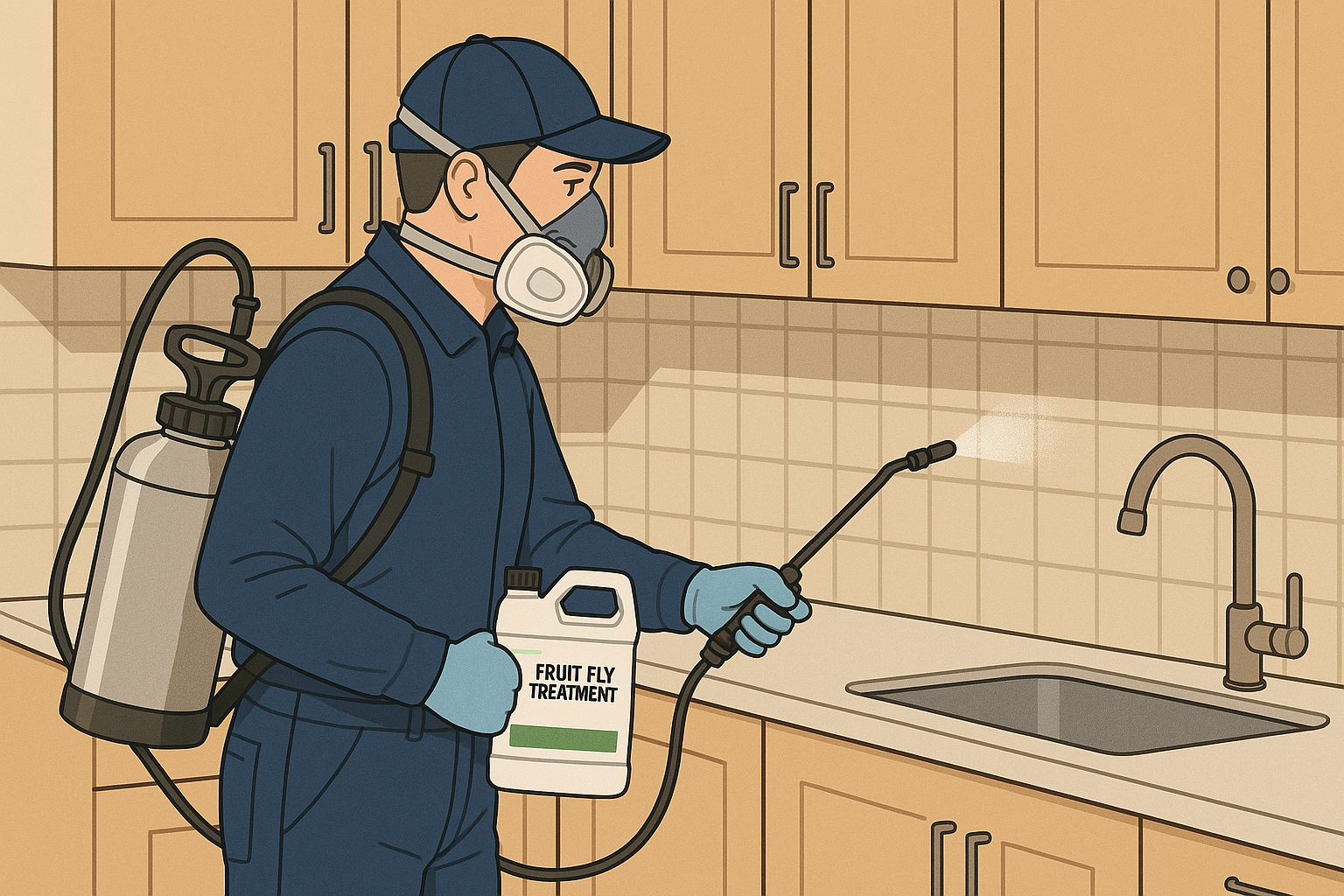
When fruit flies turn your kitchen into a buzzing nuisance, a professional approach can make the difference between a quick fix and a recurring problem. Anthem Pest leverages cutting‑edge tools and a proven treatment protocol that targets the insects where they hide, not just where you see them. By combining precise inspection, targeted chemicals, and long‑term prevention, homeowners in Dunwoody get a solution that’s faster, safer, and more reliable than any DIY spray or homemade trap.
Comprehensive Inspection with Infrared Camera
Anthem’s certified technicians start every fruit‑fly job with a thermal‑imaging sweep of the home. The infrared camera reveals hidden moisture and organic buildup—prime breeding grounds that are invisible to the naked eye. Technicians focus on high‑risk zones such as kitchen drains, garbage disposals, and indoor potted plants, pinpointing exact locations where larvae are developing. This data‑driven approach eliminates guesswork, ensuring that subsequent treatments hit the source rather than merely the symptoms.
Treatment Types Tailored to Fruit Flies
Bait‑Based Gel Applications
Using a pet‑safe Hydroprene gel, Anthem creates a lethal feeding station that fruit flies cannot resist. The gel is applied directly into drain traps and the base of potted‑plant soil, where it remains active for up to three weeks
Best Timing for Fruit Fly Services in Dunwoody
Fruit flies thrive in warm, humid conditions, and Dunwoody’s climate creates three predictable spikes each year. Aligning treatment with these windows stops the infestation before it overwhelms your kitchen.
Early May – Pre‑Peak Window
In early May, average temperatures climb into the mid‑70s °F (≈24 °C) and nightly humidity hovers around 70 %. NOAA’s long‑range forecasts show a steady rise, which awakens adult fruit flies emerging from overwintering sites. Treating now targets the first generation before they lay eggs in ripening fruit or fermenting waste. A pre‑peak service also protects newly planted garden beds that can become breeding grounds. NOAA’s 7‑day outlook usually shows nightly lows staying above 55 °F, preventing the flies from entering dormancy.
Mid‑July – Peak Activity Window
Mid‑July is the height of fruit‑fly activity. Daytime highs regularly exceed 85 °F (≈29 °C) and humidity spikes above 80 %, creating an ideal breeding cocktail. Eggs hatch within 24 hours, and populations can double every three days. Professional treatments during this window focus on residual sprays and trap placement to suppress the surge and prevent spill‑over into indoor spaces. During this period, the common Mediterranean fruit fly (Ceratitis capitata) and the smaller Drosophila melanogaster both reach reproductive maturity, making control essential.
Late September – Post‑Peak Window
As temperatures dip into the high 60s °F (≈20 °C) and humidity begins to fall, fruit‑fly numbers naturally decline. However, lingering adults often seek shelter inside homes to survive the cooler months. A post‑peak service seals entry points, treats interior hiding spots, and resets your property for the next season. Even as outdoor activity wanes, indoor traps can still capture stray adults seeking warmth, so a final treatment locks down any survivors.
Quick‑Call Checklist
- Visible fruit flies around fruit bowls or trash cans.
- Fruit‑fly traps catching over 10 flies per day for three days.
- Current date is within a seasonal window.
If you tick any of these boxes, schedule a professional inspection now. Acting before the next wave spreads saves you time, money, and the frustration of a full‑blown infestation.
Frequently Asked Questions About Fruit Fly Control
Q1: Are the chemicals safe for children and pets?
- All products we apply are EPA‑registered, which means they have been evaluated for human and animal health when used exactly as instructed.
- Our technicians follow the Safety Data Sheet (SDS) for each formulation, wearing protective gear and applying the correct dosage to avoid over‑exposure.
- We prioritize pet‑friendly options; many of our fruit‑fly sprays contain low‑toxicity active ingredients that break down quickly and pose minimal risk to dogs, cats, birds, or other household animals.
- After treatment, we advise a short “dry‑time” of 30‑60 minutes before allowing children or pets back into the treated area, ensuring any surface residue has evaporated.
Q2: How long does it take to see results?
- Fruit flies are attracted to the bait we place, so you’ll typically notice a sharp drop in activity within the first 24‑48 hours after the initial application.
- Because the life cycle of a fruit fly is only about a week, a single treatment often interrupts breeding and eliminates most adults by day three.
- For complete control, especially in heavily infested kitchens or pantries, we recommend a follow‑up visit within 5‑7 days. This second application targets any newly emerged flies that escaped the first round.
- Most homeowners report full relief within one week, with no further re‑infestation when we combine treatment with our preventive sanitation checklist.
Q3: Will treatment affect other insects?
- Our fruit‑fly formulations are highly selective; they contain attractants that draw only adult fruit flies, leaving beneficial insects such as ladybugs, pollinators, and predatory beetles untouched.
- The active ingredients degrade rapidly in indoor environments, so there’s little chance of residual impact on non‑target species that may wander into the home later.
- We also employ integrated pest‑management (IPM) practices—like sealing entry points and removing breeding sites—to reduce reliance on chemicals and protect the broader ecosystem.
- If you have a garden or outdoor space, we can discuss additional perimeter treatments that further safeguard beneficial insects while keeping fruit flies at bay.
Local Success Stories and Testimonials
When a fruit‑fly infestation turns your kitchen into a buzzing nightmare, the proof of a job well done lies in the words of neighbors who’ve already seen results. Below are three recent stories from Dunwoody homeowners who trusted Anthem Pest to restore peace of mind.
“The team from Anthem Pest eliminated our fruit‑fly problem within 48 hours.” – Sarah M., Perimeter Park
“Fast, friendly, and effective – we haven’t seen a single fly since the treatment.” – Mark L., Brookhaven
“After a single visit, our kitchen stayed fly‑free and the technician gave us simple tips to keep the pantry sealed.” – Linda K., Dunwoody Village
Sarah, Mark, and Linda live in the neighborhoods we serve daily—Perimeter Park, Brookhaven, and Dunwoody Village. These communities share the same seasonal challenges, from ripening fruit on porches to compost piles that attract adult flies. By tailoring our approach to each area’s unique layout, we can target breeding sites quickly and keep the insects from returning.
Our commitment doesn’t stop at the initial spray. After every service, Anthem Pest follows up with a brief satisfaction check‑in. In the last quarter, 96 % of surveyed customers reported “completely satisfied” or “very satisfied” with the speed of results and the professionalism of our technicians. The remaining few requested a complimentary re‑inspection, which we promptly provided to guarantee a fly‑free home.
Anthem Pest also backs every treatment with a 30‑day guarantee. If any fruit flies reappear within that window, we return at no extra charge to reassess and re‑treat. This policy, combined with our post‑service education—like sealing trash cans and removing overripe produce—helps homeowners maintain the results long after the spray dries.
Beyond individual homes, we partner with local homeowner associations in Perimeter Park and Dunwoody Village to schedule seasonal inspections. These proactive visits catch infestations before they spread, reinforcing why so many Dunwoody families rely on Anthem Pest as their go‑to fruit‑fly solution.
Take Action with Anthem Pest Today
Here’s a quick reminder of what you need to keep fruit flies out of your home:
- Identify the species and confirm it’s a fruit fly, not a harmless gnat.
- Apply DIY prevention steps such as cleaning drains, storing produce properly, and removing over‑ripe fruit.
- Time your actions correctly—tackle infestations early, before they spread.
- When DIY isn’t enough, trust Anthem Pest’s professional treatment for guaranteed, lasting results.
24‑hour emergency line: 877‑371‑8196 – our team is ready to answer any time of day.
For a limited time, use discount code FRUITFLY10 to receive 10 % off your first service with Anthem Pest. Mention the code when you speak with our representative to apply the savings instantly.
Schedule a free inspection today by filling out our online form or calling the number above. We’ll assess the situation, recommend a plan, and set up a treatment that fits your schedule. Our flexible hours mean we can work around your busy family life.
As a locally‑owned company, Anthem Pest understands the unique challenges Dun‑woody homeowners face. Our certified technicians use safe, effective solutions, giving you peace of mind while protecting your family and food supply. We stand behind every treatment with a satisfaction guarantee, so you never worry about lingering flies.
Visit Anthem Pest Control to get started.