Why Fruit Flies Are a Growing Concern in Suwanee Homes
What You’re Dealing With
Fruit flies may be tiny—typically 1/8 to 1/4 inch long—but they belong to a resilient group of insects that thrive in human habitats. The most common culprit in Georgia homes is the Drosophila melanogaster, a species that loves fermenting fruit, vegetables, and even sugary liquids. Their life cycle is astonishingly fast: from egg to adult in as little as seven days under ideal conditions, allowing populations to explode before you even notice the first buzz.
How They Slip Inside
These insects are opportunistic hitchhikers. In a Suwanee kitchen, the usual entry points include:
- Cracks around window screens or door frames.
- Gaps under sink cabinets where plumbing pipes penetrate.
- Open trash cans and recycling bins that hold food scraps.
- Fruit bowls, compost containers, or damp sponges left on countertops.
Once inside, they seek out moist, organic material to lay their eggs. Overripe fruit, discarded peels, and even the damp residue in drains become perfect breeding grounds, turning a single pair of flies into dozens within a week.
Health Risks and Nuisance Factors
While fruit flies are not known to transmit serious diseases, they can still pose health concerns. Their constant presence contaminates food surfaces, and the microbes they carry can accelerate spoilage. Moreover, the sheer numbers can be overwhelming—watching a swarm hover around your kitchen can make meal prep feel like a battle. The rapid reproduction cycle means that a minor oversight, such as forgetting to empty a trash can for a couple of days, can lead to a full‑blown infestation overnight.
Why Suwanee’s Climate Fuels the Problem
Southern Georgia’s warm, humid summers create an ideal environment for fruit flies. Average July temperatures hover around 88 °F (31 °C) with humidity often exceeding 70 %. These conditions shorten the flies’ developmental stages, allowing multiple generations to emerge in a single season. Additionally, Suwanee’s lush landscaping and frequent summer gatherings increase the amount of organic waste outside homes, providing extra feeding and breeding opportunities.
Local Insight from Anthem Pest Control
According to Anthem Pest Control, Suwanee homeowners experience an average of 2–3 fruit fly infestations per household each summer—a 28 % rise compared with the previous year. This uptick underscores how quickly the problem can spread when seasonal conditions align with everyday kitchen habits.
What This Means for You
Understanding the biology, entry routes, and local climate factors equips you to act before fruit flies turn a minor annoyance into a persistent nuisance. Simple preventive steps—like sealing cracks, promptly disposing of food waste, and keeping drains clean—can dramatically reduce the likelihood of an outbreak. When prevention isn’t enough, a professional inspection from Anthem Pest Control ensures that hidden breeding sites are eliminated and future invasions are kept at bay.
Spotting the Signs – How to Identify a Fruit‑Fly Infestation
Where Fruit Flies Like to Hang Out
Fruit flies are attracted to any source of fermenting organic material. In a typical Suwanee kitchen you’ll find them buzzing around:
- Fruit bowls – especially ripe bananas, berries, or over‑ripe apples.
- Drains and garbage disposals – food particles left to decompose create a perfect breeding ground.
- Compost bins – even a small indoor compost container can host a colony if it isn’t sealed.
- Sink traps and mop buckets – damp, dark places where moisture lingers.
Visual Cues That Say “We’re Here”
Spotting fruit flies early saves you a lot of hassle. Keep an eye out for these tell‑tale signs:
- Tiny, tan‑ish flies hovering in slow, erratic patterns near fruit or drains.
- Silky, white‑to‑cream larvae (about 1/8 inch long) inside the flesh of fermenting fruit.
- Fine, web‑like film lining the sides of drains – a sign that larvae are maturing.
- Small, dark specks on the surface of liquid waste; these are often pupae ready to emerge.
Fruit Flies vs. Other Small Flies
Not every little fly in your home is a fruit fly. Here’s how to tell them apart:
| Feature | Fruit Fly (Drosophila) | Fungus Gnat |
|---|---|---|
| Typical Habitat | Fermenting fruit, drains, compost | Moist soil, houseplants |
| Body Size | 1.5–3 mm, tan to brown | 2–4 mm, dark gray |
| Wing Pattern | Clear wings with a faint vein pattern | Wings appear slightly frosted |
| Behavior | Hover near food sources, often in clusters | More solitary, often seen near plant pots |
Weekly Inspection Checklist
Set aside five minutes each week and run through this quick audit:
- Check all fruit bowls and discard any over‑ripe or bruised produce.
- Run water down kitchen and bathroom drains; look for a thin film or tiny larvae.
- Inspect indoor compost or garbage cans for damp, smelly material.
- Examine houseplant soil; if you see tiny black flies near the surface, they’re likely fungus gnats, not fruit flies.
- Take a moment to watch for hovering flies near the above spots. If you see more than a few per minute, it’s time to act.
When DIY Isn’t Enough
Home remedies—like apple‑cider vinegar traps or a bleach‑water drain rinse—can knock back a small population. However, move to professional help when you notice any of the following:
- Infestation persists after two weeks of consistent DIY treatment.
- Larvae are present in multiple drains or in hidden areas such as under appliances.
- The problem spreads to other rooms, indicating a hidden breeding site.
- You have a large family or frequent gatherings that keep fruit out on countertops, creating a continuous food source.
At Anthem Pest Control, our technicians can locate concealed breeding zones, apply targeted treatments, and set up a preventive plan that keeps fruit flies from returning—so you can enjoy a fly‑free kitchen all year round.
DIY Fruit‑Fly Traps You Can Build at Home

Materials Needed
Gather these inexpensive items before you start. All of them are pantry staples or can be found at a local hardware store.
- One‑quart glass jar or a small clear plastic container
- Apple cider vinegar (the stronger the scent, the better)
- Dish soap (any brand, preferably unscented)
- Fresh fruit peel or a few pieces of overripe fruit
- Plastic wrap (cling film) and a rubber band
Step‑by‑Step Assembly
Follow these simple steps to create a trap that lures fruit flies and keeps them from reproducing.
- Prepare the bait. Pour ½ cup of apple cider vinegar into the jar. Add a splash of dish soap – this breaks the surface tension so flies can’t escape once they land.
- Boost the aroma. Drop a small piece of fruit peel or a few chunks of overripe fruit into the vinegar. The extra scent draws flies from a wider radius.
- Seal the container. Cover the jar opening with plastic wrap, stretching it tightly so there are no gaps.
- Create entry holes. Using a toothpick or a skewer, poke 4–6 tiny holes (about 2 mm in diameter) evenly around the wrap. The holes should be just big enough for a fruit fly to slip through.
- Secure the wrap. Wrap a rubber band around the jar’s neck to hold the plastic in place.
Placement & Ongoing Maintenance
Where you set the trap matters as much as how you build it.
- Location. Place traps near fruit bowls, trash cans, compost bins, or any area where you’ve seen flies hovering. A dark corner works best because flies are attracted to the vinegar’s scent in low‑light conditions.
- Timing. Leave the trap out for 24–48 hours, then check the capture count. If the jar is full, discard the contents, rinse the jar, and refill with fresh bait.
- Replacement schedule. For continuous control, replace the bait every 5–7 days during peak fruit‑fly season (summer and early fall). In cooler months, a monthly refresh is usually enough.
Advantages of DIY Traps
Homemade traps offer several practical benefits for the average homeowner.
- Immediate action. You can assemble a trap in under ten minutes, giving you fast relief while you schedule professional treatment if needed.
- Low expense. The total cost is typically under $5, far cheaper than commercial sticky traps or professional service fees.
- Educational value. Involving kids in the assembly turns pest control into a teach‑able moment about insects, hygiene, and responsible home maintenance.
- Eco‑friendly. The ingredients are biodegradable and non‑toxic, so there’s no risk to pets or indoor plants.
Limitations to Keep in Mind
While DIY traps are handy, they aren’t a silver bullet for every situation.
- Scale of infestation. A handful of flies can be managed, but heavy infestations often require professional inspection to locate breeding sites such as hidden drains or rotting organic matter.
- Monitoring required. Traps need regular checking and bait replacement. Forgetting to maintain them can turn a useful tool into a stagnant source of odor.
- Target specificity. The vinegar lure attracts fruit flies but won’t catch other pests like gnats, ants, or pantry moths, so you may need additional control methods.
By combining these low‑cost traps with good kitchen hygiene—covering fruit, promptly taking out trash, and cleaning spills—you’ll dramatically reduce fruit‑fly activity while you decide whether a professional service from Anthem Pest Control is the next step.
Professional Fruit‑Fly Treatment Options in Suwanee

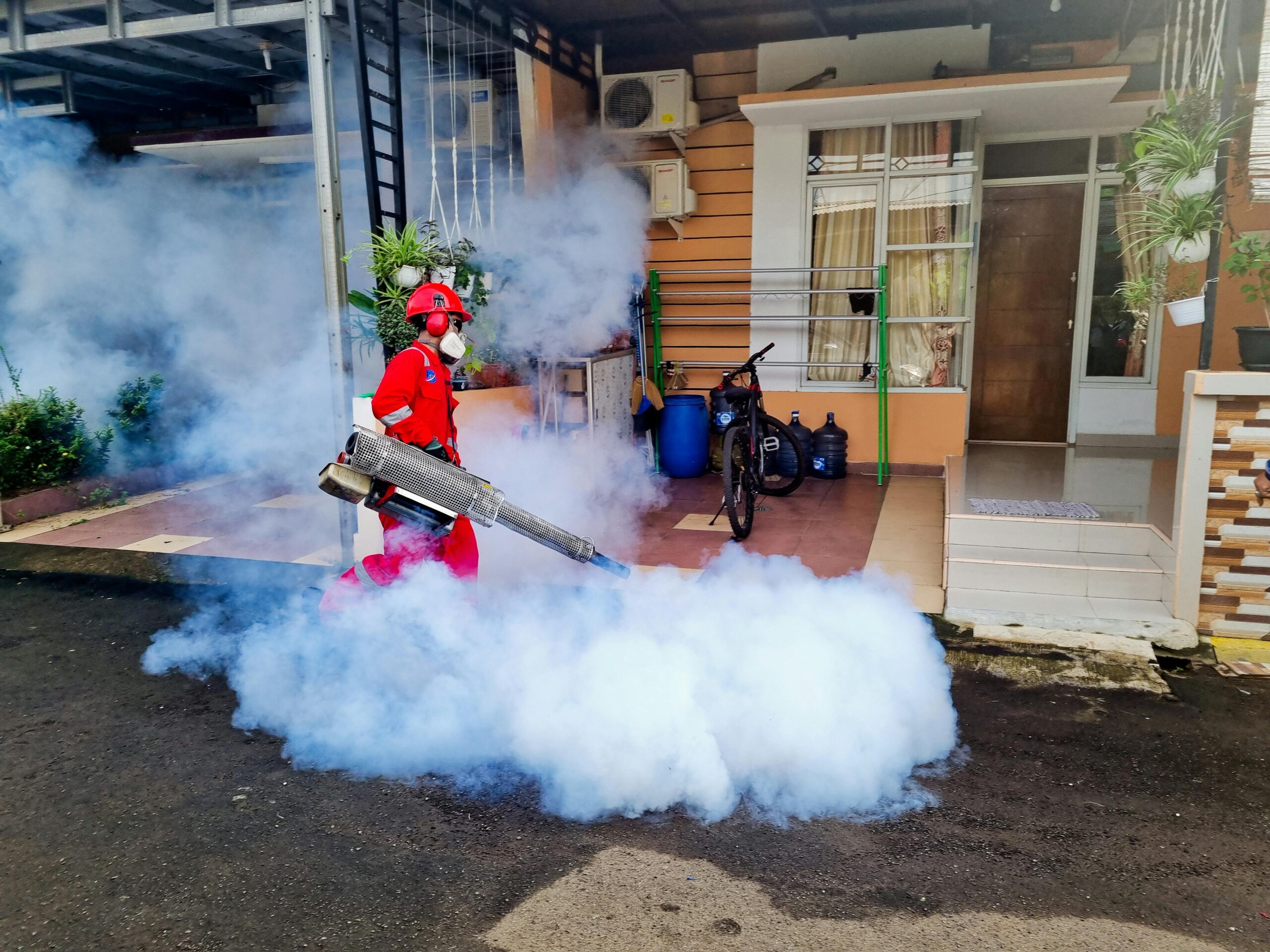
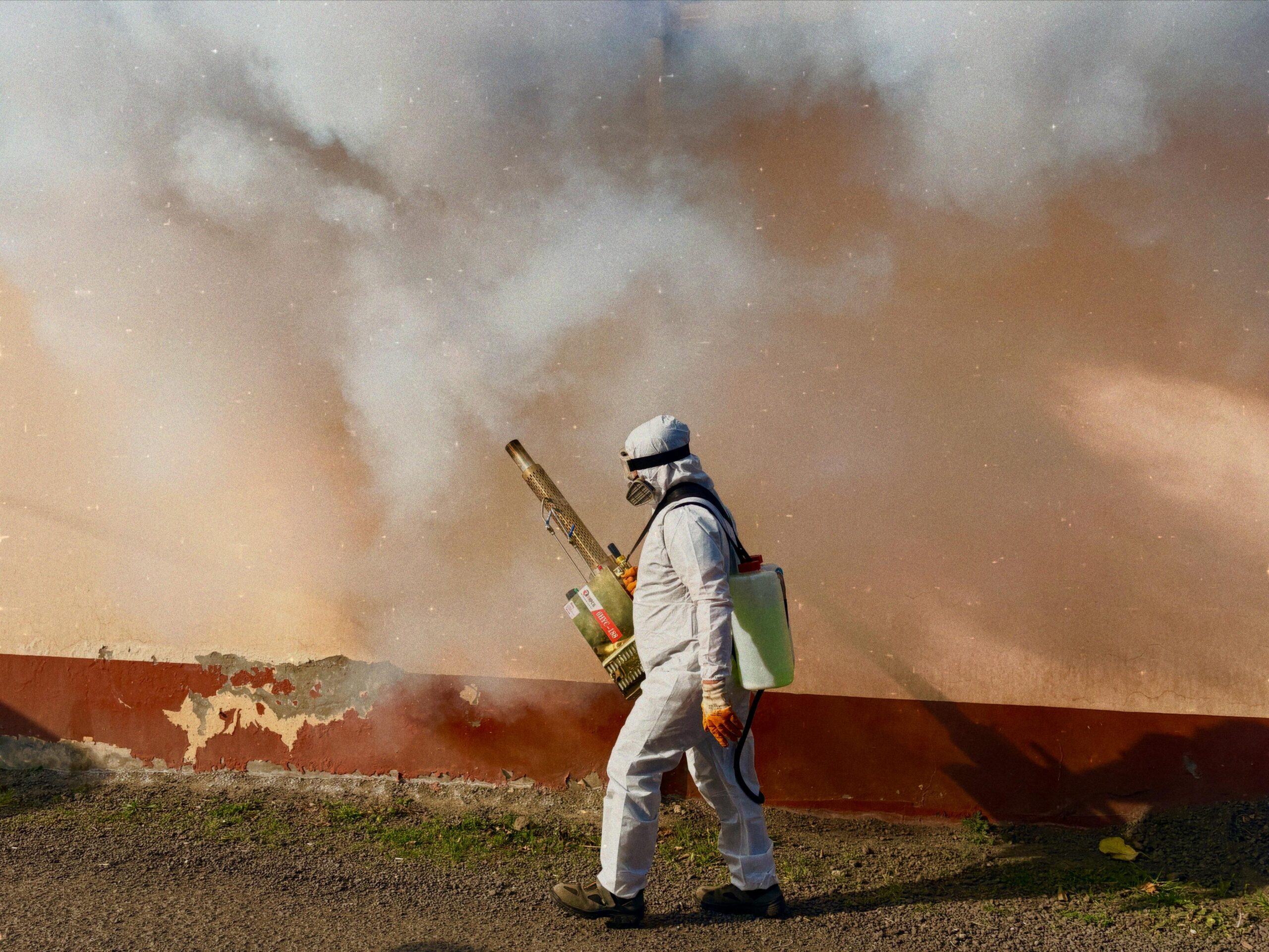
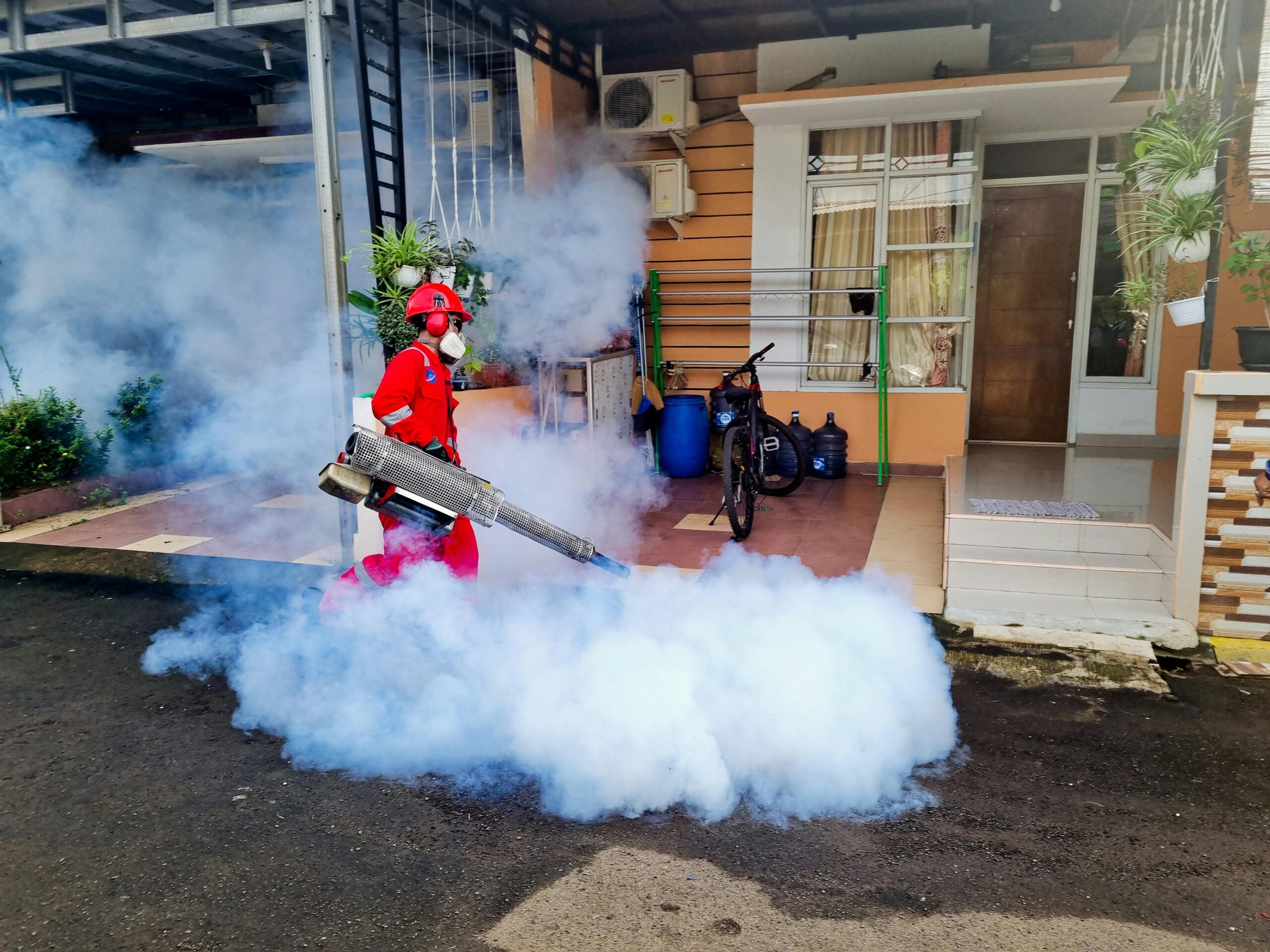
At Anthem Pest Control, our first step is a thorough on‑site inspection that goes beyond the obvious fruit‑fly sightings. Trained technicians use flashlights, moisture meters, and a detailed checklist to locate hidden breeding hotspots such as over‑ripe produce in pantry corners, damp mop buckets, and even the undersides of kitchen appliances. By mapping these sites, we can pinpoint exactly where the flies are emerging and devise a targeted plan rather than spraying blindly.
Targeted Bait Stations
We place EPA‑registered bait stations in strategic locations—near fruit bowls, garbage disposals, and drain openings. The bait contains a food‑attractant mixed with a low‑dose insect growth regulator that interrupts the life cycle without harming pets or children. Because the stations attract only adult flies, they act like a “fly‑catching net” while the larvae inside the bait die off.
Residual Sprays
For areas where flies rest, such as window sills, light fixtures, and cabinet interiors, our technicians apply a residual spray that remains active for up to four weeks. The formulation is designed to resist kitchen steam and routine cleaning, ensuring a continuous protective barrier that kills any fly that lands on the treated surface.
Drain Treatments
Fruit‑fly larvae often thrive in the organic film that lines kitchen and bathroom drains. We inject a biodegradable enzyme solution that breaks down this film, removing the larvae’s food source and flushing the insects out. The treatment is safe for all standard plumbing and leaves no lingering chemical odor.
Exclusion Techniques
Prevention starts with sealing entry points. Our crew inspects screens, door sweeps, and vent covers, applying weather‑strip caulk or fine mesh where needed. We also advise homeowners on proper food storage—using airtight containers and promptly disposing of compost—to deny flies any chance to re‑establish a colony.
Safety Measures and EPA‑Approved Products
All chemicals we use are registered with the EPA and applied according to the label’s safety guidelines. Technicians wear protective gear, and we follow strict ventilation protocols to protect occupants. For families with young children or pets, we can substitute low‑toxicity alternatives that still deliver professional‑grade efficacy.
Customized Plans for Every Home
No two Suwanee homes are identical, so our certified technicians conduct a quick interview to learn about recent renovations, waste‑disposal habits, and any previous pest‑control attempts. Using that information, they tailor a treatment schedule—whether a one‑time intensive visit or a quarterly maintenance program—that aligns with the homeowner’s budget and lifestyle.
Why Professional Service Beats DIY
When you let Anthem handle the infestation, you gain access to a full service cycle: initial assessment, precise application, post‑treatment monitoring, and a written guarantee. Our technicians return for a follow‑up visit to verify that the fly population is gone and to adjust any residual treatments if needed.
- Thoroughness: Professionals locate hidden breeding sites that DIY traps often miss.
- Speed: Targeted chemicals work faster than store‑bought sprays, reducing the infestation in days instead of weeks.
- Long‑Term Prevention: Ongoing monitoring and exclusion keep flies from returning, protecting your home season after season.
- Peace of Mind: Certified technicians guarantee the work, and Anthem offers transparent pricing with no hidden fees.
Choosing Anthem Pest Control means you get a science‑backed, safety‑first approach that eliminates fruit flies at the source and safeguards your family’s health. Ready to reclaim your kitchen? Call us at 877‑371‑8196 or visit anthempest.com to schedule your inspection.
Cost Comparison – DIY Traps vs. Professional Services
What a DIY kit really costs
Most homeowners start with a store‑bought fruit‑fly trap. A typical kit includes a plastic container, a lure, and a sticky liner. Prices range from $8 for a single trap to $25 for a multi‑pack that lasts a month. If you add a homemade bait—vinegar, sugar, and dish soap—the material cost climbs another $3‑$5. Multiply that by the number of traps you need (usually 4‑6 for a kitchen), and the upfront spend sits between $30 and $50.
Time is another hidden expense. Setting up each trap takes about five minutes, and you’ll need to replace the bait every 7‑10 days during an infestation. Over a typical 30‑day period, that’s roughly 4‑5 replacements, adding another $10‑$15 in consumables and another hour of your weekend.
Anthem’s professional service pricing
Anthem Pest Control offers a dedicated fruit‑fly treatment package for Suwanee homeowners. The service includes a thorough inspection, targeted spray applications, and a follow‑up visit to verify results. Pricing is transparent: $149 – $199 per treatment, depending on the size of the home and the severity of the infestation. The quote also covers all labor, EPA‑approved products, and a one‑year guarantee that includes a free re‑treatment if fruit flies return.
Hidden costs of the DIY route
- Ineffective control: Low‑cost traps often miss flies hidden in drains or behind appliances, leading to prolonged infestations.
- Repeat purchases: Because the bait loses potency quickly, many homeowners end up buying new traps every week.
- Potential damage: Over‑use of vinegar solutions can corrode countertops or attract ants, creating a secondary pest problem.
Value of Anthem’s guarantee and follow‑up
When you hire Anthem, the price isn’t just for the chemicals—it’s for peace of mind. The one‑year guarantee means that if fruit flies reappear, a certified technician returns at no extra charge. Additionally, the follow‑up visit allows the technician to adjust treatment zones, ensuring the problem is fully eradicated rather than merely suppressed.
Side‑by‑side cost snapshot
| Factor | DIY Traps | Anthem Professional |
|---|---|---|
| Initial outlay | $30 – $50 | $149 – $199 |
| Recurring expense (30 days) | $10 – $15 (bait replacements) | Included in guarantee |
| Time invested | ≈1 hour | ≈15 minutes (technician visit) |
| Hidden costs | Potential repeat purchases, ineffective control | Free re‑treatment within a year |
| Long‑term effectiveness | Variable, often short‑term | Comprehensive, backed by warranty |
Why the professional route can save you money in the long run
Although the upfront price of Anthem’s service appears higher, the comprehensive approach often eliminates the need for repeat purchases. A single treatment can protect your home for months, whereas DIY kits may require continual replenishment. Moreover, the reduced use of disposable plastic traps lessens waste and lowers your household’s environmental footprint.
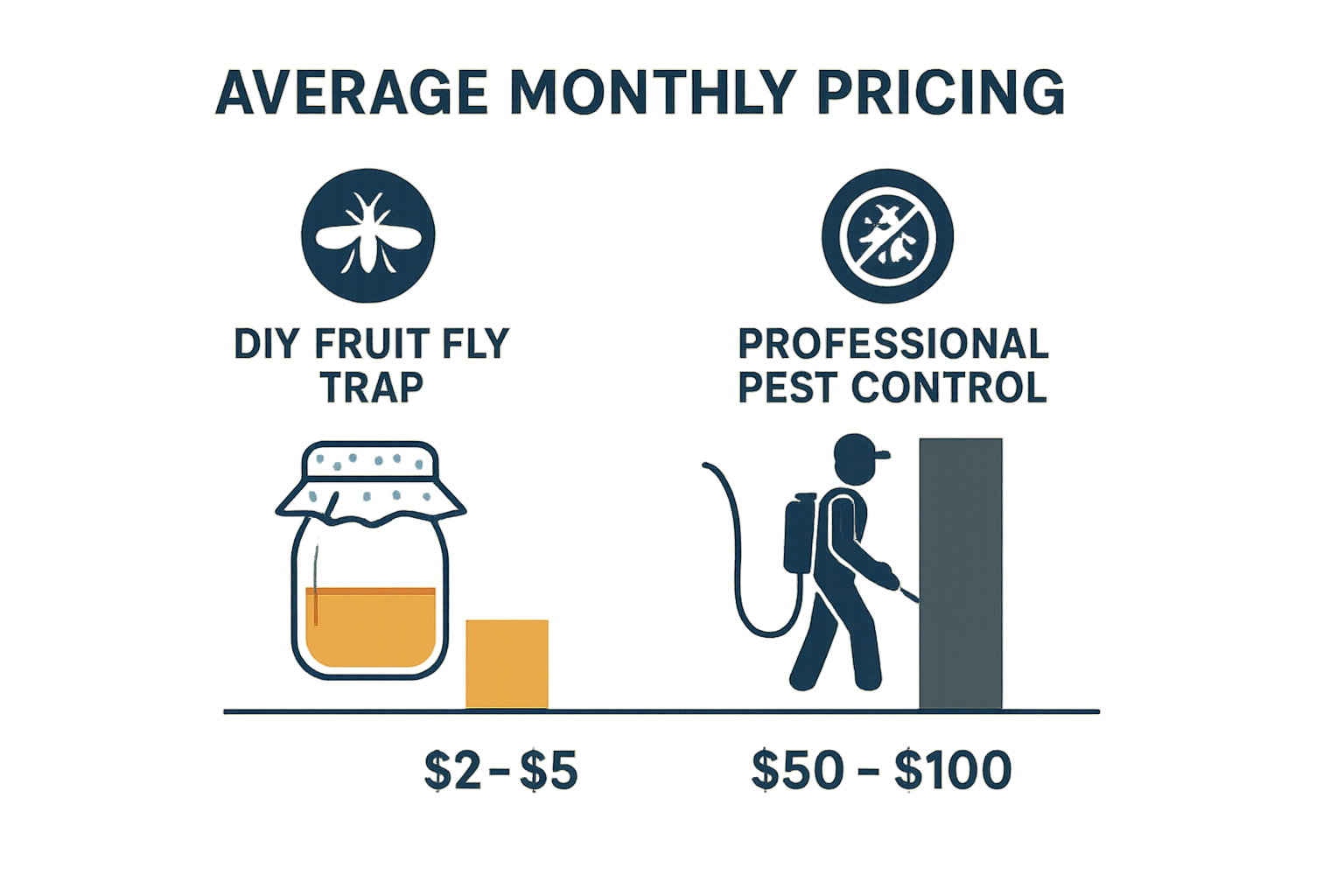
For a visual breakdown, see the detailed pricing infographic below. It illustrates exactly how the numbers stack up, helping you decide whether a quick DIY fix or a professional solution fits your budget and peace‑of‑mind needs.
Seasonal Peaks – When Fruit Flies Are Most Active in Suwanee
Temperature, Humidity, and the Fruit Fly Life Cycle
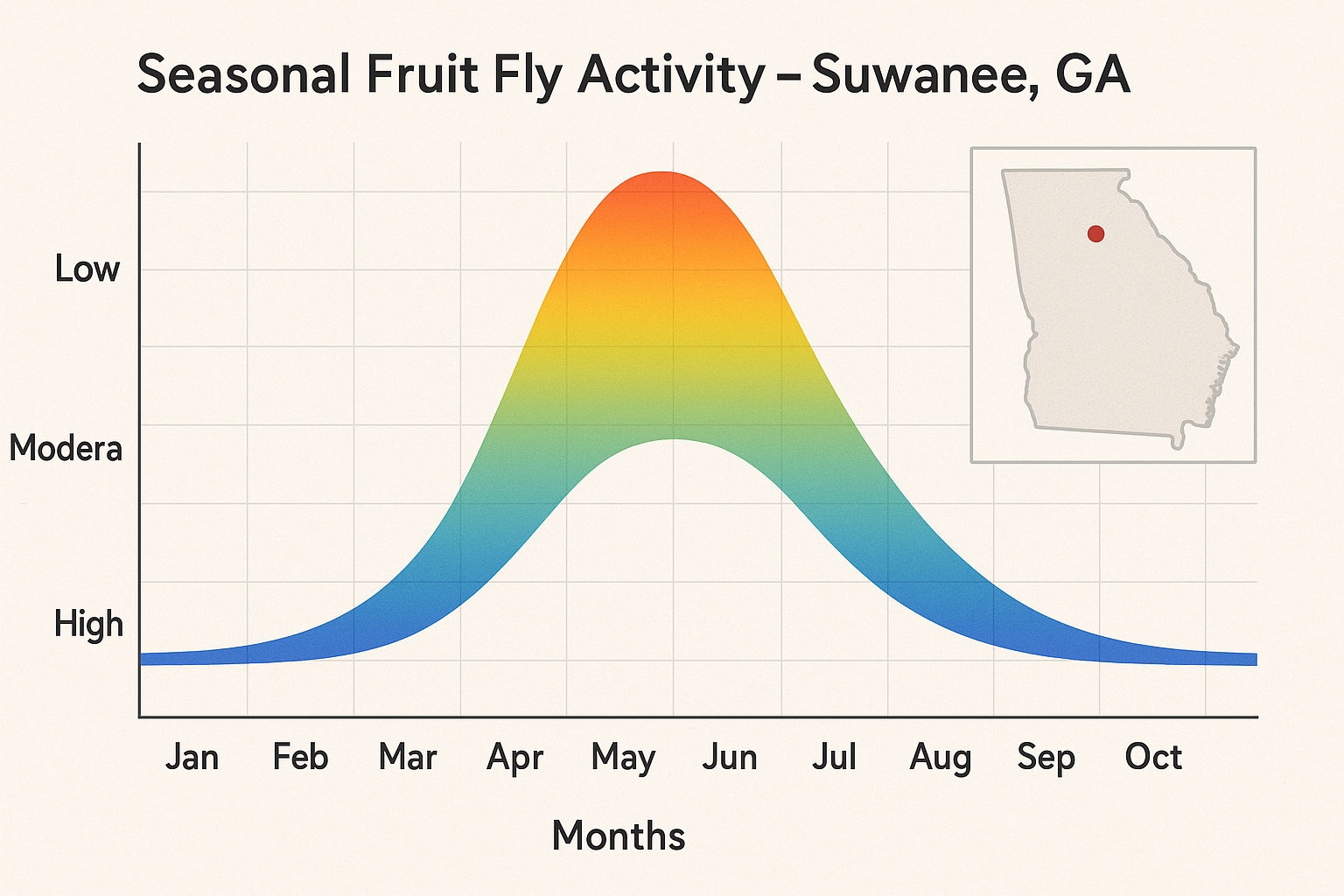
Fruit flies thrive when warmth and moisture combine to speed up their development. In Suwanee, average daytime temperatures above 70°F (21°C) and relative humidity levels above 60% create the perfect incubator for eggs to hatch, larvae to feed, and adults to reproduce. Each rise in temperature shortens the egg‑to‑adult cycle from roughly ten days in cooler months to just five days during the summer heat. Likewise, high humidity prevents the larvae from drying out, allowing populations to explode quickly.
Seasonal Activity Chart for Suwanee
| Month | Average Temperature (°F) | Relative Humidity (%) | Activity Level |
|---|---|---|---|
| January | 42 | 58 | Low |
| March | 55 | 62 | Moderate |
| May | 68 | 66 | Moderate |
| July | 84 | 70 | High |
| September | 78 | 68 | High |
| November | 60 | 60 | Moderate |
| December | 45 | 57 | Low |
The chart makes it clear: the true peak months are June through September, with a secondary rise in late spring (April‑May) and early fall (October). Outside those windows, fruit‑fly numbers stay modest, giving homeowners a strategic window for prevention.
Pre‑Emptive Treatment: Getting Ahead of the Peak
Scheduling a professional treatment in late April or early May gives the pesticide a head start before temperatures consistently hit the 70°F mark. A single pre‑emptive application of a residual insecticide on kitchen counters, garbage areas, and fruit‑storage zones can suppress the first wave of adults, reducing the breeding pool that fuels the summer surge. If you wait until July, you’ll be battling an already‑established population, which often requires multiple follow‑ups and higher costs.
DIY Monitoring Adjusted for the Seasons
Homeowners can fine‑tune their own traps based on the seasonal chart. In spring, set out a single vinegar‑based trap per kitchen and check it weekly. As you approach June, double the traps—one near the sink, another near the fruit bowl—and replace the attractant every 3‑4 days. During the peak, inspect traps daily; a sudden spike signals that a professional visit is overdue. In the fall, scale back to one trap and use it mainly as an early‑warning system for any lingering activity.
Why Professional Scheduling Syncs with the Peaks
Anthem Pest Control designs its service calendar around these exact patterns. By aligning inspections and treatments with the documented peaks, our technicians apply products when fruit flies are most vulnerable—right after they emerge but before they reproduce en masse. This timing maximizes residual efficacy, cuts down on repeat visits, and ultimately saves you money. When you hear us say, “We’ll treat before the summer surge,” it’s backed by the same temperature‑humidity data you see in the chart above.
Take Control of Fruit Flies Today with Anthem Pest Control
By now you should feel confident spotting fruit flies, knowing the simple DIY tricks that buy you time, and understanding why a professional touch often makes the difference. Let’s quickly recap the four pillars of an effective fruit‑fly strategy:
- Identification: Small, tan‑colored flies buzzing around ripening fruit, drains, or compost bins are the tell‑tale signs.
- DIY Options: Traps, sanitation, and eliminating breeding sites can suppress a minor outbreak.
- Professional Advantages: Targeted treatments, safe chemicals, and expert follow‑up eradicate hidden colonies and prevent re‑infestation.
- Timing: Early summer and harvest seasons are peak periods—acting promptly stops a small nuisance from becoming a full‑blown problem.
Fruit‑fly issues are never permanent. With the right mix of cleanliness, timely traps, and a focused professional treatment, you’ll see those pesky buzzers disappear. The good news? Anthem Pest Control has refined a proven, cost‑transparent process that fits busy homeowners’ schedules.
We invite you to schedule a free, no‑obligation inspection so our certified technicians can assess the extent of the infestation, recommend the most effective solution, and give you a clear, upfront price. There’s no hidden fee—just honest, reliable service that protects your kitchen and family.
Ready to reclaim your countertops? Call us today at 877‑371‑8196 or request a quote online. Our friendly team will arrange a convenient visit, walk you through the treatment plan, and answer any questions you may have.
Take the first step toward a fruit‑fly‑free home. Anthem Pest Control is here to help you enjoy a clean, comfortable living space—without the constant hum of flies.