Recognizing Gnats and Early Warning Signs
Gnats are tiny, soft-bodied flies that belong to several families, the most common being the Psychodidae, often called “moth flies,” and a frequent reason homeowners seek professional gnat control Druid Hills services. They thrive in residential environments where moisture and organic debris provide perfect breeding grounds. Unlike larger flies, gnats are usually under a quarter-inch long and can multiply rapidly if conditions stay damp.
Visual cues for quick identification
When you spot a small insect buzzing near your windows, look for these key traits:
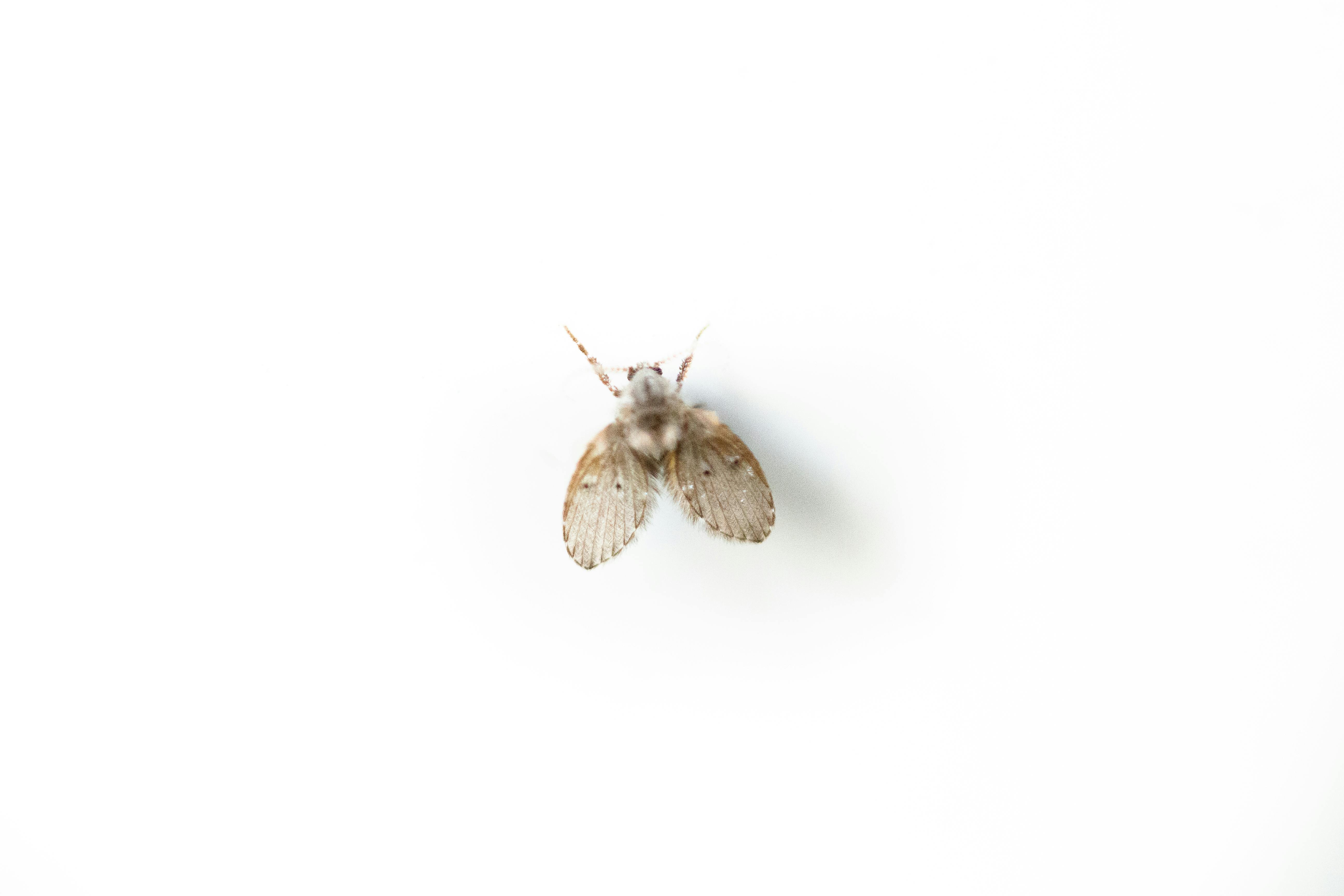
- Size: Typically 1‑3 mm long—smaller than most fruit flies.
- Wing pattern: Transparent wings with faint veins; many moth flies have a “hairy” fringe along the edges.
- Flight behavior: Erratic, hovering close to surfaces, especially around light sources.
Common household hotspots
Gnats gravitate toward places where moisture accumulates and organic matter decomposes. In a typical Druid Hills home, you’ll find them in:
- Kitchen sink drains and garbage disposals
- Over‑watered houseplants or saucers with standing water
- Trash cans, especially those that hold food scraps
- Bathroom exhaust fans and shower drains
Health and comfort impacts
While gnats rarely transmit serious diseases, their presence can be a nuisance. Bites from certain species may cause itching or mild allergic reactions. More concerning is the indirect effect: large gnat populations often signal excess moisture, which can foster mold growth and worsen indoor air quality.
Distinguishing gnats from look‑alikes
It’s easy to confuse gnats with fruit flies, mosquitoes, or fungus gnats. Here’s a quick comparison:
| Feature | Gnats (Psychodidae) | Fruit Flies | Mosquitoes |
|---|---|---|---|
| Size | 1‑3 mm | 2‑5 mm | 3‑10 mm |
| Body shape | Fuzzy, moth‑like | Sleek, tan | Slender, elongated |
| Wing appearance | Hairy fringe, faint veins | Clear, prominent veins | Scaly, held flat |
| Preferred habitat | Moist drains, plant soil | Ripening fruit, fermenting liquids | Standing water for larvae |
Quick DIY checks
Before calling a professional, you can confirm a gnat problem with a few simple steps:
- Place a small dish of apple‑cider vinegar covered with plastic wrap (poke holes) near suspected areas; gnats are attracted and will become trapped.
- Set up yellow sticky traps on countertops or near drains; the bright color lures gnats while the adhesive captures them.
- Inspect drains with a flashlight; a thin film of slime or black debris often indicates breeding sites.
If you notice multiple traps catching insects or a persistent cloud of tiny flies, it’s time to act. Early detection lets you address moisture sources and prevents a full‑blown infestation.
For a deeper dive into gnat biology, treatment options, and cost estimates in Druid Hills, visit the Anthem Pest Gnat Control Overview. Our experts can help you eliminate gnats safely and affordably, protecting your home’s comfort year‑round.
Seasonal Gnat Activity Patterns in Druid Hills
Druid Hills lies in a humid subtropical zone, with warm summers, mild winters, and regular rain, which is why gnat control Druid Hills homeowners plan around seasonal moisture patterns. The moisture and abundant plant material create ideal breeding grounds for gnats. Knowing how this climate fuels their life cycle helps you plan inspections and treatments for maximum impact.
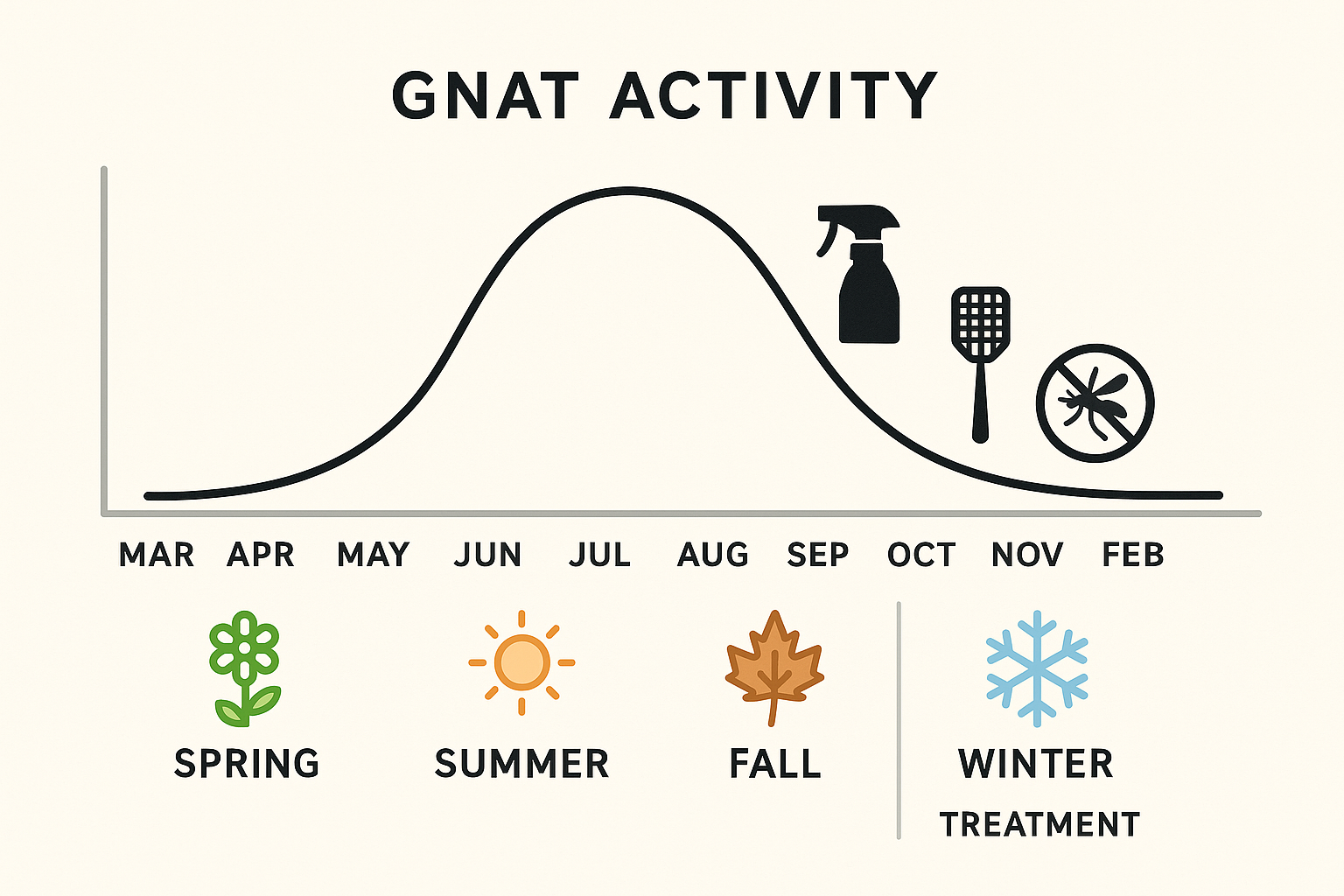
Spring Surge (March‑May)
As temperatures climb above 60 °F and the first rains arrive, dormant eggs hatch in abundance. Blooming azaleas, hydrangeas, and newly sprouted lawn grass provide both food and shelter, so you’ll notice a rapid increase in flying gnats around patios and decks. This is the ideal window for early‑season monitoring. Place sticky traps near problem areas, check for soggy mulch, and address any irrigation leaks before the population explodes.
Summer Peak (June‑August)
June brings the highest humidity levels and the longest days, creating the perfect environment for gnats to reproduce nonstop. Outdoor activity peaks, and gnats often drift indoors through open doors or screened windows. Homeowners who rely solely on DIY measures may find fogging or misting treatments necessary to keep indoor spaces comfortable. Equally important is outdoor water management—trim back over‑watered flower beds, empty bird baths nightly, and ensure proper drainage around foundations.
Fall Decline (September‑November)
When the heat eases and leaves begin to drop, gnat numbers start to dwindle. However, shaded, damp corners—such as under decks or in compost piles—can harbor lingering pockets. A post‑summer cleanup that removes dead foliage, clears clogged gutters, and dries out low‑lying areas prevents these refuges from becoming a late‑season flashpoint.
Winter Lull (December‑February)
Cold snaps drive most gnats underground or into indoor shelters, resulting in a noticeable lull. Yet a few hardy females can survive in heated basements, crawl spaces, or near indoor plants. Preventive steps include sealing cracks around windows, turning off unnecessary indoor humidifiers, and storing garden tools in dry locations.
DIY Timeline Aligned with the Chart
- March: Inspect irrigation, set up sticky traps.
- April‑May: Prune overgrown shrubs, replace soggy mulch.
- June‑July: Consider professional fogging, empty standing water nightly.
- August: Begin fall cleanup, dry out deck corners.
- September‑October: Seal cracks, store garden equipment.
- December‑February: Keep indoor humidity low, monitor indoor plant soil moisture.
By matching your prevention tasks to the seasonal rhythm shown in the chart, you stay one step ahead of gnats and reduce the need for costly emergency treatments. If you spot a sudden spike despite your efforts, a quick call to Anthem Pest Control can provide targeted, safe solutions before the next peak arrives.
Effective Treatment Options for Indoor and Outdoor Gnats

Professional Indoor Fogging
When gnats swarm inside a home, a licensed technician providing professional gnat control Druid Hills homeowners rely on can quickly reduce the population with a low-volume fogger. The device disperses a fine mist of EPA-approved pyrethroid or organophosphate insecticides that settle on walls, ceilings, and hidden crevices where adult gnats rest. Fogging works best after identifying breeding sites—often kitchen drains or indoor plants—so the chemicals reach the insects directly. Technicians wear protective gear, seal windows and doors, and advise occupants to vacate the area for 30–45 minutes to ensure safety.
Outdoor Perimeter Treatments
For gnats that emerge from yard moisture, a perimeter spray creates a protective barrier around foundations, patios, and landscaping. Professionals use a misting system to apply a residual insecticide that remains active for up to three weeks. In addition, a larvicide such as methoprene is applied to standing water and moist soil to interrupt the life cycle before larvae become flying adults.
Source Control
Eliminating the source is the most sustainable tactic. Homeowners should:
- Clean kitchen and bathroom drains with a bacterial enzyme cleaner to break down organic buildup.
- Turn compost piles away from the house and keep them moist but covered.
- Seal trash cans, dispose of food waste promptly, and keep pet water dishes refreshed daily.
These steps remove the organic matter gnats need to thrive.
Biological Controls
Eco‑friendly options are gaining popularity. Beneficial nematodes (Steinernema spp.) are microscopic worms that hunt gnat larvae in the soil, while Bacillus thuringiensis israelensis (Bti) granules release a toxin that kills larvae in water without harming pets or pollinators. Both products are applied to garden beds, mulch, and any standing water, providing continuous protection for several weeks.
Physical Barriers
Simple hardware upgrades can keep gnats out:
- Repair or replace torn window screens.
- Install door sweeps on exterior doors to block the tiny gaps gnats use.
- Hang fine‑mesh netting over patio furniture or outdoor dining areas during peak season.
DIY Traps and Repellents
If you prefer a hands‑on approach, try these low‑cost solutions:
- Sugar‑vinegar trap: Fill a shallow bowl with equal parts apple cider vinegar and sugar, add a few drops of dish soap, and place it near problem spots. The scent lures gnats, and the soap prevents escape.
- Essential oil spray: Mix 10 ml of peppermint or eucalyptus oil with water in a spray bottle. Light misting on countertops and plant soil deters adults.
- Electric zappers: Hang a UV light trap in dark corners; the bright light attracts gnats, and the electrified grid eliminates them instantly.
When to Call a Professional
Even with diligent DIY efforts, gnats can rebound if the infestation is severe or if hidden breeding sites remain. Call Anthem Pest Control when you notice:
- Continuous swarms despite regular trap placement.
- Infestations spreading to multiple rooms or outdoor zones.
- Recurring problems after previous treatments, indicating resistance or missed sources.
Our technicians assess the entire property, apply EPA‑approved products, and combine chemical, biological, and mechanical methods to deliver lasting relief.
Pricing Landscape for Gnat Control in Druid Hills and Neighboring Areas
What Drives the Cost?
The price you pay for gnat control Druid Hills homeowners need isn’t a one-size-fits-all number. Property size matters because larger homes need more product and longer treatment times. Infestation severity is another key factor—light, occasional gnats cost far less than a full-blown, year-round swarm. Finally, the type of treatment you choose—whether a single, spot-treatment or a quarterly preventive program—directly influences the final bill.
Anthem Pest Control Service Packages
Anthem Pest offers three core packages that let homeowners match their budget to their pest pressure:
| Package | Frequency | Typical Price Range (USD) |
|---|---|---|
| One‑Time Spot Treatment | Single visit | $120 – $180 |
| Quarterly Preventive Plan | 4 visits per year | $380 – $460 |
| Annual Comprehensive Plan | 12 visits (monthly) | $1,080 – $1,300 |
Regional Price Comparison
The bar chart below visualizes how the average monthly cost in Druid Hills stacks up against nearby neighborhoods such as Decatur, Brookhaven, and Morningside‑Lenox Park.

Seasonal Discounts & Bundled Services
Anthem frequently runs spring‑time discounts when gnats first emerge, shaving up to 15 % off the quarterly plan. Homeowners who also need mosquito control can opt for the combined mosquito‑gnat package, which bundles two treatments into a single visit and reduces the overall cost by roughly $50 per year.
Cost‑Benefit Analysis
Investing in professional gnat treatment now can save you from higher long‑term expenses. Unchecked gnats can damage outdoor furniture, encourage mold growth, and aggravate allergies—issues that often require costly repairs or medical visits. A preventive quarterly plan typically pays for itself within the first year by preserving your home’s exterior, protecting family health, and eliminating the need for emergency, high‑price interventions.
Frequently Asked Questions
- What payment options are accepted? We accept credit cards, ACH bank transfers, and major digital wallets. Monthly financing is available for annual contracts.
- Do you offer any guarantees? Yes. If gnats return within 30 days of a treatment, we’ll re‑treat at no extra charge. Our annual plan includes a satisfaction guarantee for the full term.
- Are service warranties included? Every plan comes with a written warranty outlining coverage, response times, and the scope of re‑treatment, giving you peace of mind year‑round.
Ready for a free, no‑obligation quote? Call us today at 877‑371‑8196 or visit anthempest.com to request your personalized estimate.
Secure a Gnat‑Free Home with Anthem Pest Control
By now you know how to spot a gnat problem, why the spring and early summer are the critical windows for action, which treatment routes—chemical sprays, foggers, or preventive barriers—fit different infestation levels, and how Anthem keeps pricing clear with no hidden fees.
Why choose Anthem in Druid Hills? Our technicians are trained right here in the neighborhood, so they understand the local climate and the specific habitats where gnats thrive. We use EPA‑approved products that are both effective against adult gnats and safe for children, pets, and the surrounding garden. Every service comes with a detailed quote up front, so you always know what you’re paying for. We also provide a written service agreement that outlines every step, so you can see exactly how we’ll eliminate gnats and prevent future outbreaks.
Ready to act? Schedule a free, no‑obligation inspection today and let us craft a customized treatment plan that fits your home’s layout and budget. During the inspection, we’ll identify breeding sites, recommend yard maintenance tips, and set up a schedule for follow‑up treatments to keep gnats at bay throughout the season. Our team will walk you through the recommended steps, answer any questions, and set a timeline that matches the seasonal peak of gnat activity.
Give us a call at 877‑371‑8196 or visit our website at https://anthempest.com to book your inspection. Our online form is quick, and a friendly representative will confirm your appointment within minutes.
We’re here to protect your home and family year-round. Visit Anthem Pest Control and take the first step toward reliable gnat control Druid Hills homeowners can count on for a gnat-free season.