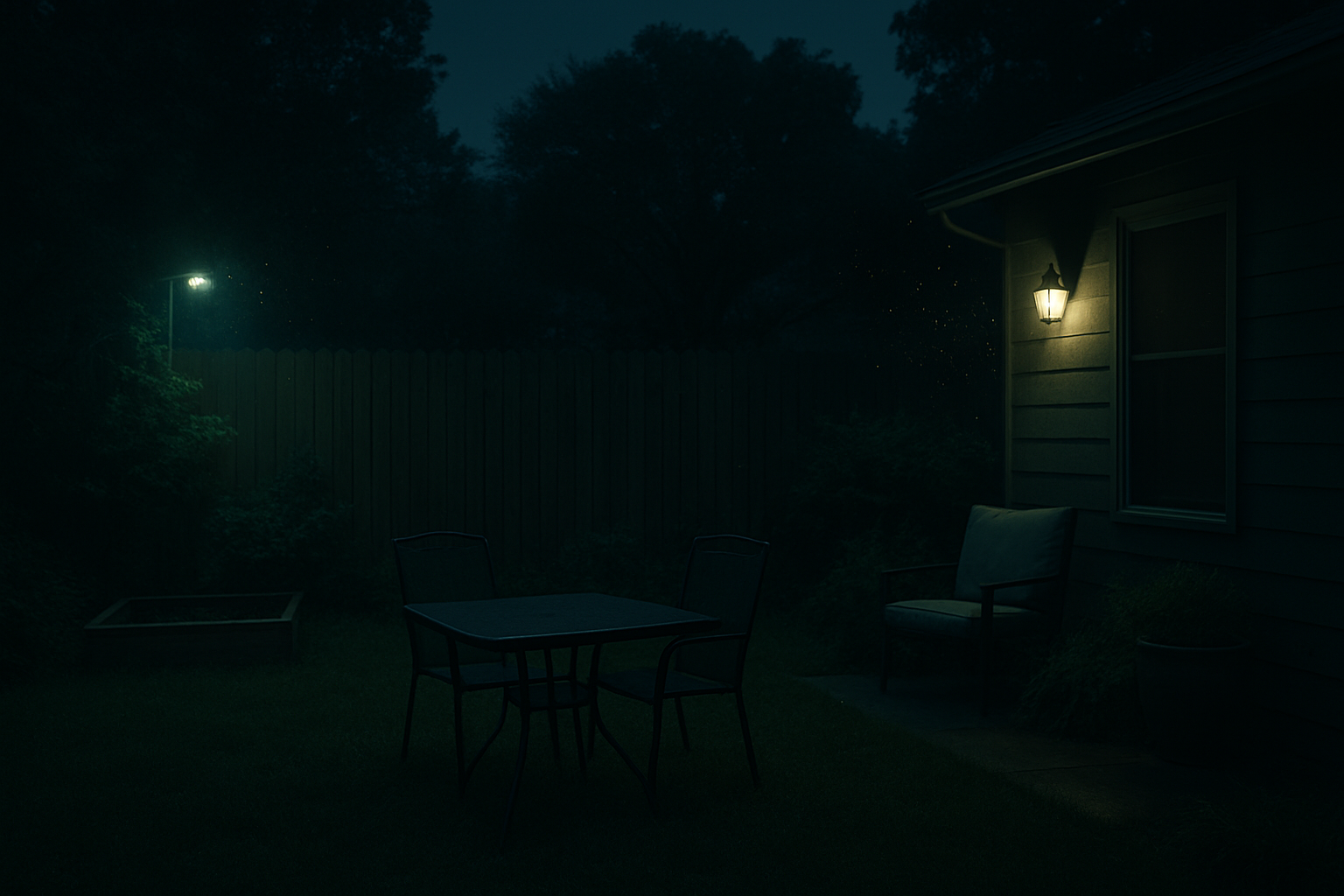
Evening Gnat Encounter on a Dunwoody Patio

Imagine stepping onto your Dunwoody patio just after sunset, the string lights casting a warm amber glow over the garden table. As you reach for a glass of lemonade, a thin, buzzing cloud swarms around the bulbs, each tiny gnat dancing in the artificial light like a miniature fireworks display. The scent of the evening lawn mingles with the faint hum, and before you know it, the entire patio feels like a miniature airport runway for these relentless insects.
That irritating moment is exactly why we wrote this guide. Inside, you’ll find a transparent cost breakdown for gnat control in Dunwoody, step‑by‑step prevention tactics that fit a typical Georgia backyard, and a clear explanation of why Anthem Pest has become the neighborhood’s go‑to partner for fast, affordable extermination. We strip away the jargon, so you can compare prices, understand treatment options, and schedule a service that respects both your budget and your peace of mind.
What sets this article apart is the data‑driven backbone behind every recommendation. We reference the latest EPA pesticide guidelines, CDC findings on seasonal insect activity, and Georgia Department of Public Health statistics that show a spike in gnat complaints during the humid summer months. By grounding our advice in these reputable sources, you can trust that the methods we suggest are both effective and compliant with state‑wide safety standards.
Now that the scene is set, let’s move forward and define exactly what a gnat is, how it differs from other tiny flies, and why it seems to favor the soft glow of your patio lights. Understanding the biology will make the upcoming prevention steps feel less like guesswork and more like a targeted, local solution.
In the next section we’ll break down the life cycle of these winged intruders, pinpoint the breeding hotspots around your home, and reveal the simple, chemical‑free tricks you can start using tonight to cut their numbers dramatically.
Identifying Common Gnats and Their Types
Fungus gnats are tiny, mosquito‑like insects that love damp soil. Adults are usually 1‑3 mm long, with delicate, dark wings that show faint veins when held up to light. They hover close to houseplants, especially when the soil stays wet for days. Their larvae feed on fungi and organic matter in the potting mix, which is why over‑watering creates a perfect breeding ground.
Fruit flies, often called vinegar flies, measure 2‑4 mm and have a tan‑brown body with distinctive red eyes. Their wings are clear and their flight pattern is erratic, darting from fruit bowls to trash cans. They are attracted to fermenting sugars, so rotting fruit, overripe vegetables, or even spilled soda can lure them onto kitchen counters.
Black‑fly‑type gnats are slightly larger, about 4‑6 mm, with a stout, dark body and a single pair of wings that appear smoky or blackened. Unlike the other two, they are most often found outdoors near moist, shaded areas such as mulch beds, compost piles, or standing water. In the summer months they may drift indoors through open doors and windows, creating a nuisance around light fixtures.
Quick Comparison
| Gnat Type | Size (mm) | Typical Habitat | Seasonal Peak |
|---|---|---|---|
| Fungus Gnats | 1‑3 | Over‑watered indoor plants, potting soil | Spring‑early Summer |
| Fruit Flies | 2‑4 | Kitchen counters, fruit bowls, trash | Late Summer‑Fall |
| Black‑fly‑type Gnats | 4‑6 | Outdoor mulch, compost, standing water | Mid‑Summer |
Real‑World Scenarios
- Fungus gnats: A homeowner notices a faint, hovering swarm near the foliage of a fiddle‑leaf fig that has been watered daily. The soil feels soggy, and tiny larvae can be seen when the potting mix is examined under a magnifier.
- Fruit flies: After a weekend picnic, a kitchen counter is left with sliced peaches. Within hours, dozens of tiny flies with red eyes buzz around the fruit, eventually spreading to nearby trash cans.
According to the EPA, gnats rank among the top 5 nuisance insects in the southeastern U.S., underscoring why early identification matters for effective control.
Why Gnats Are Escalating in Dunwoody
Climate and Rainfall
Dunwoody sits in a humid subtropical zone, meaning hot summers, mild winters, and plenty of moisture. The 2023‑2024 weather season recorded 18 percent more rain than the historical average, leaving standing water in gardens, gutters, and low‑lying yards—perfect breeding grounds for gnat larvae.
These insects thrive in moist organic material. When rain saturates leaf litter, compost piles, and even damp soil around foundations, it accelerates the life cycle from egg to adult in as little as ten days. That rapid turnover fuels the swarms we’re seeing now.
Neighborhood Hotspots
Recent complaint logs show three pockets where gnats have exploded. In Brookhaven, newly installed rain gardens collect runoff and create micro‑habitats that hold water for weeks. Peachtree Corners reports higher humidity near its network of small lakes and community parks. Even the historic district, with its older stonework and dense canopy, traps moisture in cracks, turning porches into seasonal gnat stations.
The spike isn’t just anecdotal. The Georgia Department of Public Health released a statewide analysis showing a 12 % rise in residential gnat complaints between 2022 and 2023. That uptick mirrors the local data and signals a broader regional trend that’s now reaching our suburbs.
Health Implications
Gnats are more than a nuisance. The CDC notes that while most species only cause skin irritation, a handful can transmit rare pathogens, especially when they feed on open cuts or compromised skin. You can read the full CDC briefing here. Even mild itching can trigger allergic reactions in sensitive homeowners, prompting calls for professional treatment.
For homeowners, the convergence of climate, neighborhood design, and health warnings translates into a heightened sense of urgency. A few weeks of persistent swarms can ruin outdoor gatherings, damage plants, and force families indoors during evenings they’d rather enjoy the porch.
Because gnats breed quickly, early detection is key. Look for tiny, mosquito‑like insects hovering near standing water, especially at dawn and dusk. If you notice a sudden increase, it’s time to call a local expert who can identify the species, treat breeding sites, and advise on long‑term prevention.
In short, the perfect storm of rainfall, neighborhood water features, and a measurable rise in complaints means Dunwoody homeowners are facing more gnat activity than in previous years. Understanding these drivers helps you make informed choices about when to act and which professional solutions will keep your yard comfortable year‑round.
Professional Inspection Process for Gnat Detection
At Anthem Pest, we address gnat problems before they become a nuisance. Our inspection routine spots even the smallest signs of activity, whether the insects hide in a kitchen drain or nest in balcony‑garden soil. Early detection saves you from costly, large‑scale treatments later.
Step 1: Visual Survey
Our technician walks through every indoor room and outdoor patio, paying special attention to plant trays, decorative water features, and light fixtures where gnats love to congregate. We look for damp mulch, water‑stained tiles, and any dead‑leaf buildup that could serve as a breeding hotspot.
Step 2: Moisture Meter Check
We probe the soil of houseplants, garden beds, and potted arrangements near windows with a calibrated meter. Fungus gnats thrive in consistently wet media; a reading above 30 % signals conditions ripe for larvae. Overly damp zones are flagged for immediate remediation.
Step 3: Light Trap Deployment
We set up portable UV light traps in high‑traffic zones for a 24‑hour period. Adult gnats are attracted to the light, and the trap’s collection pan gives us a quantitative snapshot of population density. If counts exceed five insects per trap, we know the infestation is active and requires targeted treatment.
Real‑World Case Study
Recent inspection of a three‑bedroom home in Dunwoody revealed a hidden outbreak. The family’s ornamental spider plant sat in a saucer that never emptied, keeping the soil perpetually soggy. Our moisture meter flagged the pot, and light traps captured dozens of adult gnats within hours. After a brief soil‑drying regimen and a spot‑treatment with a low‑toxicity larvicide, the gnat population vanished, sparing the homeowners from a costly whole‑house spray.
By catching the problem at this early stage, Anthem Pest can apply a focused, low‑impact solution that eliminates gnats before they spread to every room. The result is a healthier home environment and a fraction of the expense of a full‑scale extermination.
Treatment Options and How They Work
Chemical Treatments
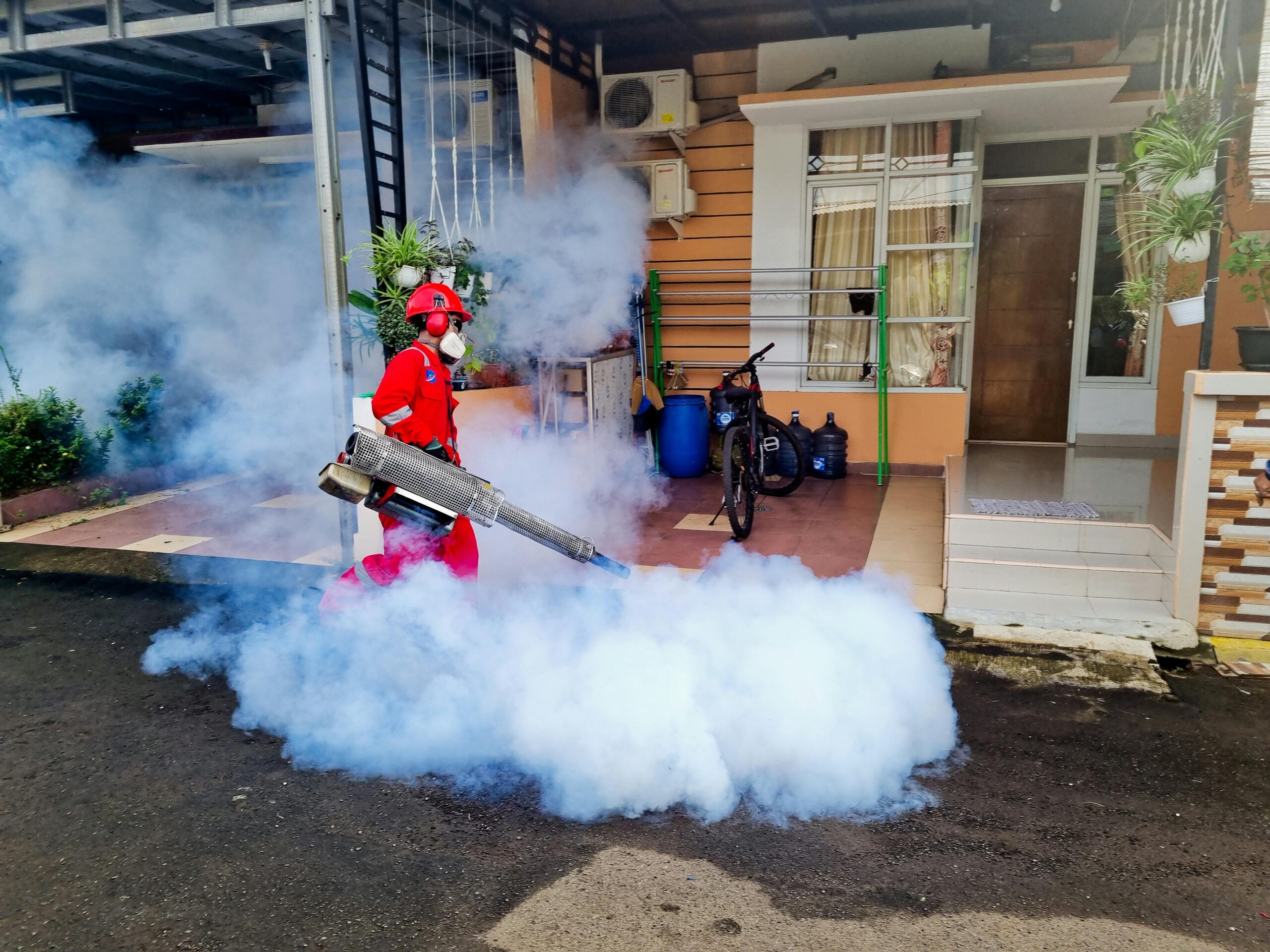
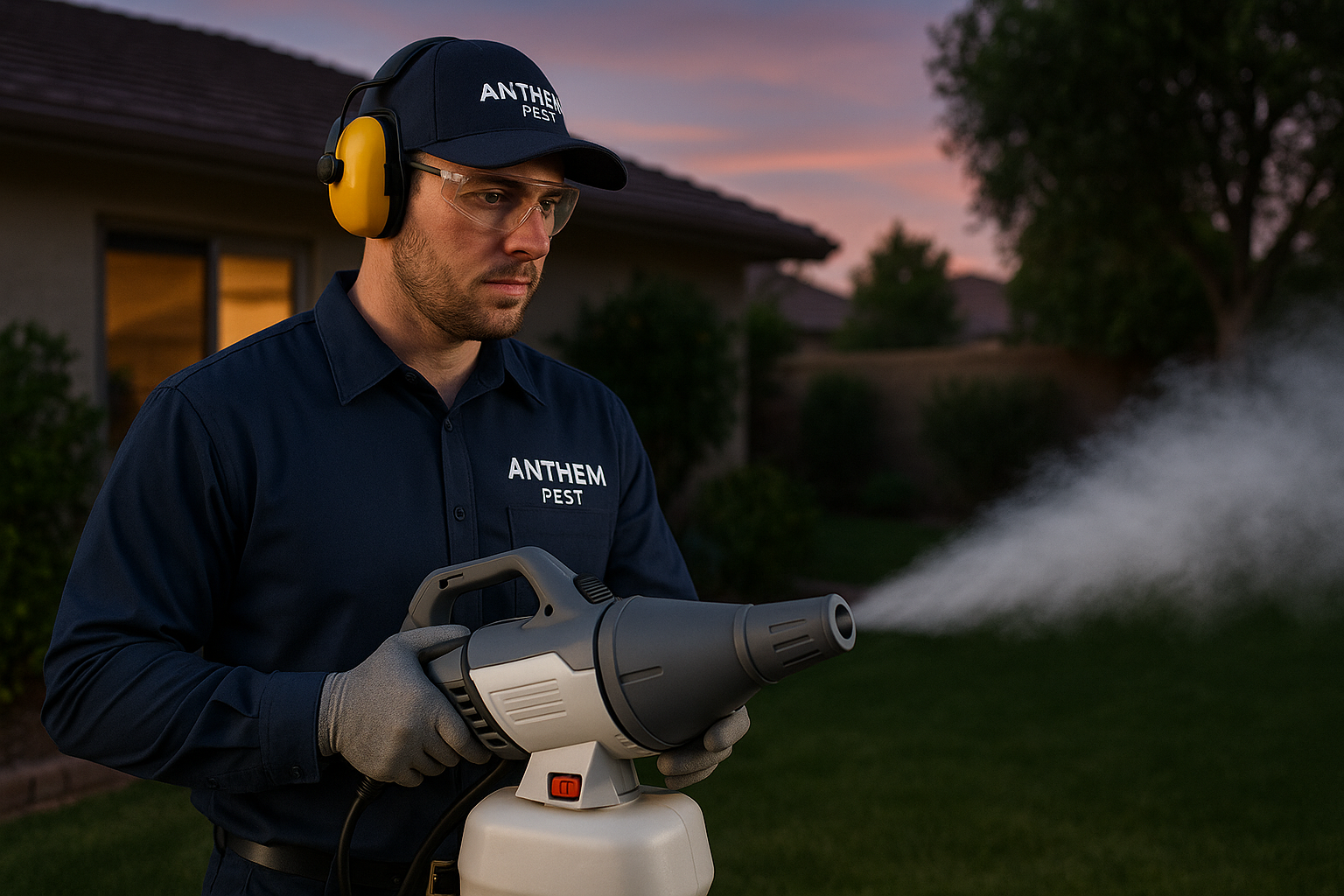
When gnats swarm your yard or porch, many homeowners reach for a quick‑acting spray. Anthem Pest relies on EPA‑registered adulticides, typically pyrethrin‑based formulations, because they knock out flying adults within minutes while breaking down rapidly in the environment. Application can be a targeted spot‑spray for isolated hotspots or a fogger that blankets a larger area, ensuring thorough coverage of hidden breeding sites.
Safety is a top priority. Before any chemical is released, technicians assess the presence of pets, children, and food‑preparation zones, then follow EPA guidelines for drift reduction and proper ventilation. After treatment, we advise a brief waiting period—usually 30 minutes—before allowing family members back onto treated surfaces.
Non‑Chemical Treatments
For homeowners who prefer a gentler approach, biological control offers an effective alternative. Bacillus thuringiensis israelensis (BTI) is a naturally occurring bacterium that targets gnat larvae in moist soil or standing water without harming beneficial insects, pets, or people. Technicians apply BTI granules or liquid directly to breeding habitats, where the spores are ingested by larvae and halt development.
Physical methods complement BTI. Soil drying techniques—such as improving drainage or using aeration—reduce the moisture gnats need to thrive. Sticky traps placed near doorways or light fixtures capture adult gnats, providing immediate relief while longer‑term measures take effect.
Integrated Pest Management (IPM)
IPM blends the best of chemical and non‑chemical strategies with proactive sanitation. First, we eliminate excess organic debris, clean clogged gutters, and trim over‑grown vegetation to remove breeding grounds. Next, moisture control measures—like fixing leaky irrigation lines and installing proper yard grading—starve gnats of the damp environments they love.
Finally, targeted treatments are applied only where monitoring indicates activity. This precision reduces chemical use, lowers costs, and delivers lasting results. Homeowners who adopt IPM often see a dramatic drop in gnat populations after just one season.
Transparent Pricing
Understanding the cost of each option helps you choose the right solution for your budget.
- DIY spray kits: $15‑$30. Ideal for a one‑time spot treatment, but may require repeated applications.
- Professional single‑visit treatment: $120‑$180. Includes a thorough inspection, application of EPA‑registered adulticide or BTI, and a post‑treatment safety briefing.
- Full‑season IPM package: $350‑$500. Covers quarterly inspections, moisture‑control adjustments, biological applications, and any necessary follow‑up treatments.
All prices reflect the average rates for Dunwoody homeowners in 2024, based on Anthem’s verified service listings. We keep the quote upfront—no hidden fees, no surprise add‑ons.
For detailed safety information on the chemicals we use, please refer to the EPA pesticide safety page.
Homeowner Prevention Tips for Gnats
Keeping gnats at bay starts with a few simple habits that cost almost nothing but pay big dividends in comfort. By tackling the conditions that attract these tiny flyers, you can stop an infestation before it even begins.
Landscape Drainage
Gnats love moist soil and standing water. Walk your yard after a rainstorm and look for soggy patches where water pools. Fill low‑lying areas with clean fill or add a gentle slope to encourage runoff. Clean gutters and downspouts regularly—clogged gutters become miniature reservoirs that feed larvae. Finally, empty any bird baths, pet water dishes, or decorative fountains at night; a dry surface is far less inviting to adult gnats looking for a place to lay eggs.
Indoor Plant Care
Houseplants are a common indoor haven for gnat larvae because the soil stays damp for days. Water only when the top inch of soil feels dry to the touch. After watering, allow the soil surface to dry completely before the next soak. Adding a thin layer (about half an inch) of coarse sand or decorative gravel on top of the potting mix creates a physical barrier that deters adult gnats from laying eggs and makes it harder for larvae to emerge.
Food Sanitation
Ripe fruit, sugary drinks, and organic waste are a buffet for adult gnats. Store fruit in sealed containers or keep it in the refrigerator. Empty kitchen trash cans daily and use bins with tight‑fitting lids. If you compost, choose a sealed compost tumbler or keep the bin outdoors, away from doors and windows, and rinse it regularly to prevent moisture buildup.
Seasonal Timing
The greatest surge of adult gnats occurs in early summer, typically May through June in the Dunwoody area. This is when eggs laid in the spring hatch and the new adults take flight. Concentrate your preventive actions during this window—inspect drainage, adjust watering schedules, and reinforce sanitation practices—to cut the population before it peaks.
Quick Prevention Checklist
- Inspect yard for soggy spots; re‑grade or fill as needed.
- Clean gutters and downspouts at least twice a year.
- Empty bird baths, pet dishes, and decorative fountains nightly.
- Water indoor plants only when the top inch of soil is dry.
- Cover soil with a ½‑inch layer of sand or gravel.
- Store ripe fruit in sealed containers or refrigerate.
- Empty kitchen trash daily; use bins with tight lids.
- Keep compost bins sealed and rinse them regularly.
- Focus all preventive steps during May‑June, the peak emergence period.
Selecting the Right Gnat Control Service
When you’re dealing with gnats in Dunwoody, the difference between a national chain and a neighborhood‑focused partner can mean faster relief, clearer pricing, and a treatment plan that respects local regulations.
Why Anthem Pest stands apart
- 15 years of dedicated service in Dunwoody, GA – we know the neighborhoods, the micro‑climates, and the seasonal gnat spikes better than anyone.
- All technicians are state‑licensed, background‑checked, and receive quarterly training on the latest EPA‑approved products.
- Our product lineup is fully EPA‑registered, safe for children, pets, and the surrounding environment, yet powerful enough to break the gnat life cycle.
Transparent pricing you can trust
| Provider | Pricing Model | Average Cost per Treatment | What’s Included |
|---|---|---|---|
| Anthem Pest (Dunwoody) | Flat‑rate, single‑visit | $149 | Inspection, EPA‑approved spray, 30‑day follow‑up |
| National Chain A | Hourly (minimum 2 hrs) | $260 | Inspection, standard spray, no guaranteed follow‑up |
| National Chain B | Hourly (minimum 1.5 hrs) | $225 | Inspection, generic product, optional add‑ons |
A flat‑rate plan removes surprise hourly fees and tells you the exact cost up front. Anthem’s $149 includes inspection, EPA‑approved spray, and a 30‑day follow‑up—no hidden charges.
What Dunwoody homeowners are saying
“I called Anthem after a weekend of gnats swarming our porch. A licensed tech arrived within hours, treated the yard with a safe EPA product, and the gnats were gone by the next morning. The $149 flat rate was exactly what they quoted—no surprises on the bill.” – Lisa M., Dunwoody, GA
All treatments come with a 30‑day guarantee—if gnats return, we’ll re‑treat at no extra cost.
Ready for a gnat‑free home?
Give us a call at 877‑371‑8196 or visit anthempest.com to schedule your same‑day inspection. Our local team is on standby to restore comfort to your home—fast, transparent, and with the expertise only a 15‑year Dunwoody partner can provide.
Frequently Asked Questions About Gnat Control
How long does a treatment last?
Our standard gnat treatment provides a residual effect that typically protects your yard and indoor spaces for 2‑4 weeks. By incorporating Integrated Pest Management (IPM) techniques—such as eliminating breeding sites and applying targeted adulticides—we extend that protection and reduce the chance of a rebound. Rain or heavy irrigation may shorten protection, prompting a touch‑up.
Are the chemicals safe for pets and children?
Yes. We use EPA‑registered products that meet strict safety standards for humans and animals. When applied according to label directions, exposure risk is minimal. We also recommend keeping treated zones ventilated and wiping surfaces that may have contacted spray. We always advise homeowners to keep pets and children away from treated areas until the product has dried, usually 30 minutes to an hour.
Can I treat gnats myself?
DIY options like traps or household sprays can offer temporary relief, but they rarely address the root cause—often moist soil or organic debris. A professional service treats the soil, foliage, and any hidden breeding zones, delivering a more thorough and lasting solution. Pros use calibrated equipment to deliver the right dose into the soil, hitting egg‑laying sites. If you prefer a DIY approach, start with proper sanitation before applying any product.
What’s the warranty on Anthem Pest services?
Anthem Pest stands behind its work with a 30‑day guarantee on adulticide efficacy. The guarantee includes a follow‑up inspection; any new activity is retreated at no extra cost. If gnats reappear within that window, we’ll return for a complimentary follow‑up visit and re‑treatment as needed.
For more details on pesticide safety for homeowners, visit the EPA pesticide facts page.
Take Action with Anthem Pest Control Today
Early detection of gnats can save you from costly infestations, especially in Dunwoody’s humid summer climate where these tiny flyers thrive. By spotting the first signs—tiny buzzing near lights, sticky traps filling quickly, or unexplained bites—you give yourself the best chance to choose a cost‑effective treatment before the problem spreads.
Anthem Pest Control pairs transparent pricing with seasoned technicians who understand Georgia’s seasonal pest patterns. Our EPA‑approved solutions target gnats at every life stage while protecting your family and pets. Because we price each job up front, there are no surprise fees, and you can budget confidently for a summer that stays bite‑free.
Prompt professional intervention not only eliminates the current swarm but also disrupts the breeding cycle, preventing future outbreaks. Our technicians apply treatments precisely where gnats breed—drainage areas, compost piles, and indoor moisture sources—so you won’t have to chase the problem month after month.
If you’re ready to enjoy a gnat‑free home this summer, our friendly team is standing by to schedule a free, no‑obligation inspection. We’ll tailor a plan that fits your budget and protects your family.
Call us today at 877‑371‑8196 or visit Anthem Pest Control to get started. Let our local expertise give you peace of mind and a home free from gnats.