Why Gnat Problems Matter in Smyrna

When the temperature climbs above the mid-50s, gnats emerge in droves, turning a quiet evening on the porch into an itchy, buzzing nuisance. In Smyrna, the combination of humid summers and abundant garden vegetation creates the perfect breeding ground, making professional gnat control Smyrna GA services essential for homeowners. Homeowners often find themselves swatting at tiny insects that linger around lights, outdoor dining areas, and even indoor windows.
Beyond the annoyance, gnats can trigger health concerns. Their bites may cause localized itching, redness, and in sensitive individuals, allergic reactions that swell and sting. Moreover, when gnats congregate around trash, pet waste, or decaying plant matter, they can transport bacteria and fungi onto surfaces, increasing the risk of skin infections or gastrointestinal upset if food becomes contaminated.
Local data underscores the growing problem. The 2024 Georgia pest‑season report recorded a 12 % rise in gnat‑related complaints across the state, with Smyrna neighborhoods reporting the highest spike. This uptick reflects both the seasonal surge and a heightened awareness among residents who are calling for professional assistance.
Understanding the seasonal pattern, health implications, and recent complaint trends sets the stage for a data‑driven, locally focused guide to gnat control—so Smyrna homeowners can protect their homes and enjoy their outdoor spaces without the constant hum.
Meet the Gnats: Species Common in Georgia
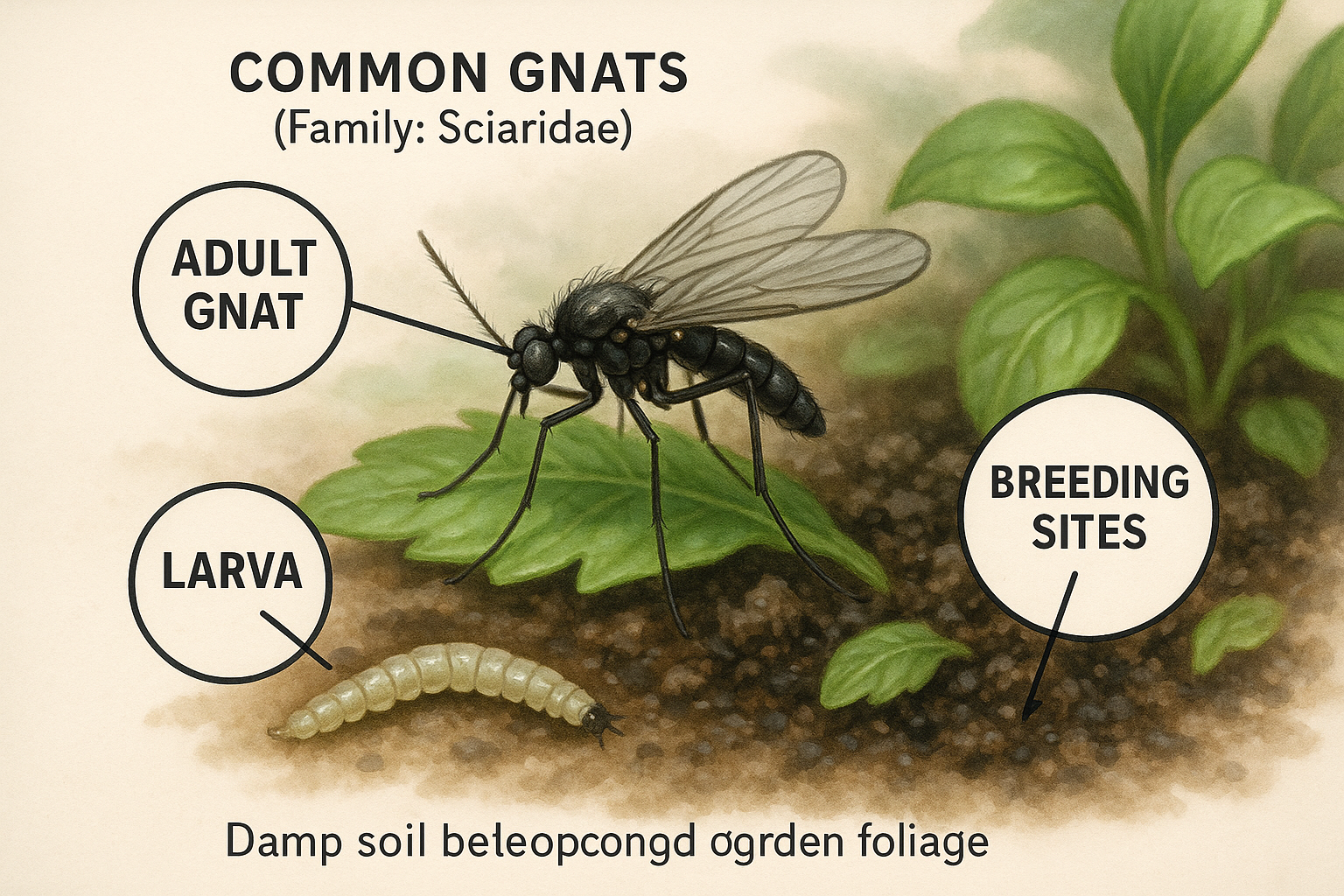
In Georgia’s humid climate, two gnat species turn up most often inside homes and gardens. Recognizing which one you’re facing lets you pick the right control method and stop the irritation before it spreads.
Fungus Gnats (Bradysia)
Fungus gnats are tiny, usually 2‑3 mm long, with dark, almost black bodies and long, delicate wings that give them a moth‑like silhouette. They are drawn to moist soil and decaying organic matter, so you’ll often see them hovering over potted plants, seed trays, or indoor compost bins. Although they don’t bite, their larvae feed on plant roots, which can stress houseplants and seedlings.
Biting Gnats (Culicoides)
Biting gnats are slightly larger—about 4‑5 mm—and have a mottled gray‑brown appearance with a short, stout proboscis designed for blood‑feeding. Their bites feel like tiny pinpricks and can cause itchy welts, especially on exposed skin during dusk or early morning. These gnats are most active near standing water, livestock pens, or damp vegetation.
How to Tell Them Apart
- Size: Fungus gnats are smaller (2‑3 mm) than biting gnats (4‑5 mm).
- Body color: Fungus gnats are uniformly dark; biting gnats show a mottled gray‑brown pattern.
- Wings: Fungus gnats have long, narrow wings; biting gnats’ wings are broader and held flat.
- Behavior: Fungus gnats hover near soil; biting gnats swarm around standing water and bite humans.
Life‑Cycle Stages (Both Species)
- Egg: Females lay hundreds of eggs on the surface of moist soil or in water.
- Larva: After hatching, larvae feed on fungi, organic debris, or plant roots for 1‑2 weeks.
- Pupa: Larvae spin a short cocoon in the soil or water, undergoing transformation.
- Adult: Fully formed gnats emerge, mate, and the cycle begins again within 7‑10 days under optimal conditions.
Typical Breeding Sites
- Over‑watered potted plants and garden beds.
- Standing water in birdbaths, clogged gutters, or low‑lying lawn depressions.
- Compost piles and leaf litter that retain moisture.
- Indoor potting mixes that stay damp for extended periods.
According to the EPA, gnats proliferate when moisture levels exceed 5 mm for more than 48 hours, creating the perfect environment for eggs to hatch and larvae to thrive (EPA moisture guideline).
Anthem Pest’s Proven Approach
When gnat populations flare up in Smyrna, a quick, systematic response is essential. Professional gnat control Smyrna GA services from Anthem Pest follow a four-step protocol that blends scientific rigor with homeowner safety. Our technicians also bring a portable moisture meter to locate hidden breeding sites, ensuring no hot spot is missed. Here’s how we turn a buzzing nuisance into a thing of the past.
Step 1 – Thorough on‑site inspection and species identification
Our certified technician arrives with a detailed checklist, inspecting foundations, patios, drainage areas, and any nearby vegetation. Using a handheld magnifier and reference guide, we pinpoint the exact gnat species—whether fungus gnats thriving in moist soil or biting midges attracted to standing water. Accurate identification dictates the most effective treatment plan and prevents unnecessary chemical use.
Step 2 – Targeted barrier spray around foundations, patios, and vegetation
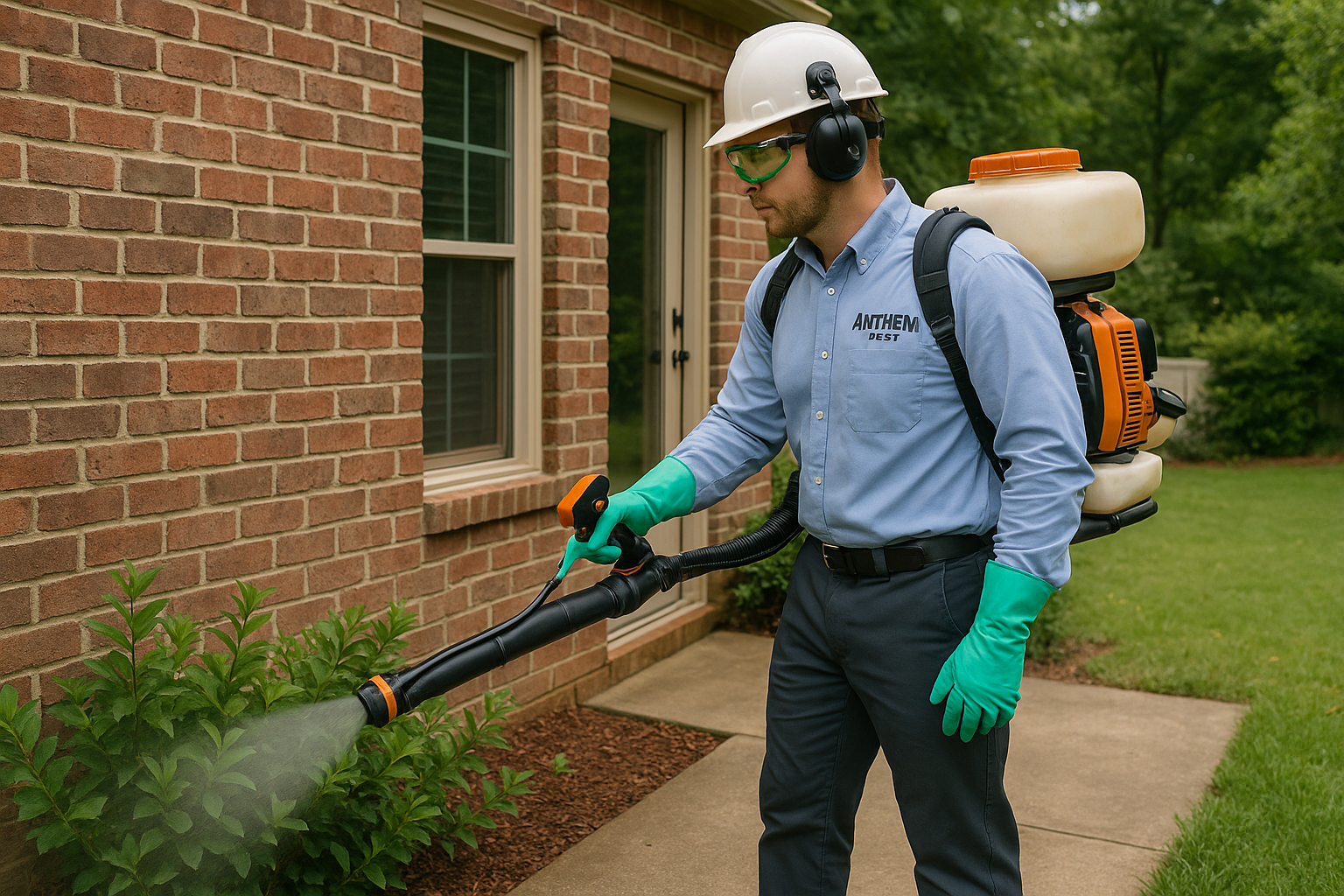
Once the species is confirmed, we apply an EPA‑registered, low‑odor barrier spray to the perimeter of your home. The formulation creates an invisible shield that repels adult gnats while remaining safe for children, pets, and ornamental plants. The barrier spray is applied in overlapping swaths, creating a continuous protective ring that remains active for up to three weeks. We focus on high‑traffic zones—doorways, patio railings, and the base of shrubs—where gnats typically enter or rest.
Step 3 – Larvicide application to soil and breeding zones
Gnats spend most of their life cycle in the soil. Our technicians treat the top few inches of soil in flower beds, mulch, and any damp areas with a pet‑safe larvicide. This product disrupts the larvae’s development, cutting the population at its source. Because the larvicide is slow‑acting and low‑odor, it won’t disturb your family’s outdoor enjoyment.
Step 4 – Follow‑up monitoring visit and warranty explanation
Two weeks after the initial treatment, we return for a monitoring visit. We check for residual activity, re‑treat any hotspots, and walk you through our warranty coverage—typically a 30‑day guarantee that any resurgence will be addressed at no extra cost. This follow‑up ensures lasting protection and gives you peace of mind.
All of our products are EPA‑registered and formulated to minimize odor and toxicity. Technicians are fully background‑checked, hold Georgia pest‑control licenses, and complete annual certification courses on integrated pest management. This combination of expertise, safe chemistry, and local licensing makes Anthem Pest the trusted choice for gnat control in Smyrna.
What You’ll Pay for Effective Gnat Control
When it comes to gnat control in Smyrna, transparent pricing helps you weigh options without surprise. Anthem Pest offers three core structures that cover most homeowner needs, each calibrated to the size of a typical yard and the level of infestation you’re facing.
When to Treat: A Seasonal Gnat Calendar for SmyrnaTiming is everything when it comes to gnat control in Smyrna. Treating too early wastes product, while waiting until gnats have already colonized your yard can mean a full‑blown nuisance. A month‑by‑month calendar lets you act with confidence and keep those tiny flyers at bay. By syncing your service appointments with this schedule, you also maximize the value of Anthem Pest Control’s treatment plans, which are designed to provide lasting protection throughout the high‑risk windows.Local observations and CDC data both show two clear peaks in gnat activity. The first surge runs from March through May as adult gnats emerge from overwintering sites, and a second, more aggressive wave hits July through September when warm, moist conditions fuel rapid breeding.To stay ahead, schedule a pre‑emptive barrier spray in early March. This creates a protective film on foliage and soil before the first adults take flight. Then, plan a follow‑up treatment in late August, targeting the larval stage that fuels the September peak. If you prefer a DIY approach, a horticultural oil spray applied at the same time can achieve comparable results, but professional applications guarantee proper coverage and adherence to EPA‑approved rates.Below is a simple, homeowner‑friendly table that outlines the recommended action for each month. Use it as a checklist during your annual pest‑management walk‑through, adjusting only if you notice unusually high activity in a particular period.The timing recommendations align with the CDC’s 2024 seasonal insect activity chart for gnats, which confirms the March‑May and July‑September spikes for the southeastern United States. Remember to keep gutters clear and eliminate standing water after heavy rains, as these simple cultural practices reinforce the chemical barrier and reduce the need for additional applications.
Source: CDC 2024 chart
DIY Prevention: Keep Gnats Out for GoodGnats thrive where moisture, food scraps, and easy entry points converge. By tackling those attractions yourself, you can cut down the population before it becomes a nuisance. The following five steps are quick to implement, cost‑effective, and fit easily into a busy homeowner’s routine. These habits not only deter gnats but also improve overall yard health, making your property more enjoyable year‑round.1. Eliminate standing waterEven a shallow puddle less than 5 mm deep provides a perfect breeding site. Empty and dry birdbaths after each use, fix leaky hoses, and clean clogged gutters so rainwater flows away from the foundation. Check plant saucers, pet water dishes, and outdoor furniture trays daily—if water remains, wipe it out.2. Cover compost and trash bins tightlyOrganic waste emits odors that lure adult gnats. Seal compost containers with a tight‑fitting lid and keep them a few feet from the house. Store garbage cans with snap‑on lids, and pull the bins to the side of the property on collection day. Regularly clean the interior of both bins to remove residue.3. Install fine‑mesh screens on doors and windowsGnats can slip through gaps as small as a pinhole. Fit screens with a mesh size of 1 mm or finer on all exterior openings, including screened‑in porches and vent grills. Repair torn sections promptly; a quick patch with screen repair tape restores the barrier without a full replacement.4. Maintain lawn height and improve drainageShort grass discourages gnats from laying eggs in moist soil. Mow regularly to keep the blade at or below 3 inches. If you notice soggy patches, aerate the soil and consider adding a French drain or a gentle slope to direct water away from the yard. Well‑drained soil dries faster, breaking the gnat life cycle.5. Switch to LED outdoor lightingTraditional incandescent bulbs emit a warm glow that attracts flying insects. Replace porch and pathway lights with LED fixtures that emit less ultraviolet light. LEDs also reduce energy costs, so you get a double benefit—fewer gnats and a lower electric bill.For a quick daily reminder, download our printable “Gnat‑Proof Checklist.” It condenses these steps into a single sheet you can hang on the refrigerator or in your garage. Print it, laminate it, and check each item during your spring cleaning routine. A few minutes each week keeps gnats at bay and protects your home’s comfort.Hot Spots in SmyrnaIf you’re mapping gnat activity across Smyrna, three pockets consistently show up as hot spots: the historic core of Downtown Smyrna, the leafy subdivisions of East Cobb, and the greenbelt surrounding South Cobb Park. What ties these areas together isn’t just geography—it’s the age of the irrigation infrastructure and the amount of standing moisture that lingers after a rain.A 2023 Smyrna HOA survey—compiled from more than 300 homeowner responses—revealed an 18 % jump in gnat sightings on properties with extensive landscaping compared with homes that keep yard watering to a minimum (Smyrna HOA report).In Downtown, many older homes still rely on legacy drip lines and underground pipes that can leak unnoticed, creating perfect breeding grounds in flower beds and patio pavers. East Cobb’s mature trees and ornamental ponds hold moisture longer than newer subdivisions, while the South Cobb Park corridor combines public irrigation with private lawns, amplifying the problem for nearby residents.Here are three quick actions you can take to cut down the gnat population in these high‑risk zones:
- Inspect irrigation timers weekly; adjust schedules so watering stops at sunset and avoid over‑watering during humid evenings.
- Check for soggy spots in flower beds, under decks, or near foundation walls—repair leaks, level soil, or add gravel to improve drainage.
- Trim excess foliage and thin dense plantings to increase airflow; consider replacing water‑intensive turf with drought‑tolerant groundcovers.
Taking these steps now can prevent the seasonal gnat surge before it overwhelms your porch or patio.Your Gnat Questions AnsweredHow often should I schedule treatments?Most Smyrna homeowners see the greatest gnat activity during three distinct periods: early spring, mid‑summer, and late fall. To stay ahead of the surge, we recommend a treatment schedule of two to three visits per year. The first visit targets emerging larvae and adult swarms in spring, the second tackles the midsummer breeding spikes, and an optional fall visit seals entry points before the cooler months. Sticking to this seasonal calendar keeps your yard and home consistently protected without over‑treating.Are the chemicals safe for pets and children?Absolutely. Anthem Pest only applies EPA‑registered products that are classified as low‑toxicity when used exactly as the label directs. Our technicians follow strict application guidelines, ensuring that residues dry quickly and remain well below any risk threshold for humans or animals. For added peace of mind, we can share the specific EPA safety statements for each ingredient, and we always advise a brief ventilation period after indoor applications before kids or pets re‑enter the space.Will treatment affect beneficial insects?We understand that pollinators like bees and butterflies are valuable allies in your garden. That’s why our gnat programs use targeted barrier sprays focused on typical entry points—doorways, windows, and low‑lying vegetation—rather than a blanket, broad‑spectrum spray. This precision minimizes exposure to non‑target insects while still creating an effective shield against gnats. In most cases, beneficial insects continue their work unharmed, and we can even recommend companion planting strategies that further protect them.Take Control of Gnats TodayAt Anthem Pest, our data‑driven approach means you’ll see transparent pricing and proven results—just like the dozens of Smyrna homeowners who have already reclaimed their yards from gnats.Instead of battling endless traps, foggers, and sleepless nights, let our certified technicians handle the job—quickly, safely, and with a guarantee that the infestation stays down.Give us a call at 877‑371‑8196 for a free inspection, or request a quote online just click Visit Anthem Pest Control and fill out the quick form.Our Smyrna team knows the neighborhood’s micro‑climates, so we tailor treatments to the exact breeding spots—whether it’s a damp garden bed, a shaded patio, or the crawl space beneath your home. The result is a targeted, long‑lasting solution that saves you time, money, and the frustration of DIY guesswork.Act now, before the next rainstorm awakens a fresh wave of gnats—your backyard, porch, and indoor comfort are worth protecting today. Schedule today and enjoy a gnat‑free summer without the hassle.
| Service | Coverage / Visits | Price Range (USD) |
|---|---|---|
| One‑time treatment | Up to 1,500 sq ft, single visit | $99 – $149 |
| Quarterly package | ||
| Month | Recommended Action | |
| March | Early‑season barrier spray | |
| April‑May | Monitor & spot‑treat as needed | |
| June | Inspect drainage, prepare for summer | |
| July‑September | Mid‑season barrier & larvicide | |
| October‑February | Post‑season inspection, maintenance |