What Are Gnats and Why They Matter in Your Home
Definition: Tiny Flyers with Big Presence
Gnats are small, delicate-looking flying insects that belong to several families, most commonly the Sciaridae (fungus gnats) and the Chironomidae (non-biting midges). These species are commonly addressed by Gnat Control Suwanee professionals due to their frequent presence in residential environments. Adult gnats typically measure 1-5 mm in length, have slender bodies, and sport long, veined wings that beat so fast they create a faint buzzing sound. Despite their size, they are easy to spot when they congregate around lights or hover over moist surfaces, making them a frequent nuisance in homes across the South and a common reason homeowners seek Gnat Control Suwanee services.
Typical Habitats: Where Gnats Like to Set Up Camp
Gnats thrive in environments that provide moisture and organic matter. In a typical Georgia household, you’ll find them in:
- Moist potting soil of indoor houseplants, especially those over‑watered or sitting in saucers.
- Drainage areas such as bathroom tiles, kitchen sinks, and basement floor drains where water can linger.
- Decaying leaf litter, compost piles, or any organic debris that stays damp.
- Outdoor garden beds and mulch that retain moisture after a rain.
These micro‑habitats act like all‑you‑can‑eat buffets for gnats, allowing their larvae to develop rapidly and produce new adults in just a few days.
Health and Comfort Impacts: More Than Just a Nuisance
While most gnats are harmless, their presence can affect homeowners in several ways:
- Nuisance bites: Certain species, such as biting midges, may leave itchy, red welts after a brief landing.
- Allergic reactions: Sensitive individuals can experience sneezing, watery eyes, or skin irritation from gnat swarms.
- Attraction of secondary pests: Gnats can draw in spiders, predatory insects, or even small mammals looking for an easy meal.
- Plant damage: Fungus gnat larvae feed on the roots of houseplants, weakening them, stunting growth, and making the plants more susceptible to disease.
When a homeowner sees a cloud of gnats hovering near a light fixture, the immediate reaction is irritation—but the longer‑term impact on comfort, indoor air quality, and plant health can be significant.
Economic Angle: Professional Control vs. DIY Attempts
Many homeowners try to tackle gnats with over‑the‑counter sprays, sticky traps, or homemade vinegar solutions. While these methods can provide temporary relief, they often miss the hidden larval stage in soil, leading to recurring infestations. A single DIY treatment might cost $15‑$30, but repeated purchases and lost plant health can quickly add up.
Professional gnat control from a reputable company like Anthem Pest typically includes a thorough inspection, targeted soil treatments, and preventative measures such as moisture management. For homeowners researching Gnat Control Suwanee, the average service call in the Suwanee–Johns Creek area ranges from $120 to $180, a one-time investment that eliminates the need for ongoing DIY products and protects both your home and garden.
Georgia Climate Factor: Why Gnats Flourish Here
Johns Creek, GA, enjoys a humid subtropical climate with hot summers, mild winters, and frequent rainfall. These conditions keep outdoor soil and indoor humidity levels high, creating the perfect breeding ground for gnats from early spring through late fall. Seasonal rainstorms often leave garden beds and indoor drainage areas damp for days, allowing gnat populations to explode if left unchecked.
Understanding how the local climate fuels gnat growth helps homeowners anticipate problem periods and take proactive steps—like improving drainage, reducing over‑watering, and scheduling professional inspections before the peak season begins.
Spotting a Gnat Infestation Early
Before gnats turn your kitchen into a buzzing nightmare, they usually give you subtle hints that something’s amiss. Recognizing these early warning signs lets you act fast, keeping the problem small and treatment costs low.
Visual cues you can’t ignore
Gnats are attracted to light, so you’ll often see them clustering around windows, doorways, and indoor fixtures after sunset. A thin, erratic swarm hovering near a porch light or bathroom vanity is a classic red flag. Unlike larger flies, gnats move in a jittery, almost erratic pattern, making the swarm look like a cloud of tiny insects.
Larvae lurking in the shadows
Inspect the soil of houseplants, especially those kept in low‑light areas. Tiny, worm‑like larvae (often white or translucent) can be spotted when you gently lift the top layer of potting mix. Standing water—think over‑filled saucers, pet water bowls, or clogged drains—also provides a breeding ground. If you notice a slimy film or a faint, fuzzy growth, gnats are likely laying eggs there.
The “buzz” you can hear
Unlike the steady hum of a refrigerator, gnat activity creates an intermittent, high‑pitched buzzing that seems to come from the walls. Listen in kitchens, bathrooms, and basements where moisture is common. If the sound intensifies after you turn on a light, you’re probably dealing with a growing population.
When fruit flies join the party
A sudden increase in fruit flies or other tiny insects often signals that gnats have already established a foothold. Both thrive in moist, organic material, so a spike in one group usually means the other is nearby.
Distinguishing gnats from fruit flies and mosquitoes
- Size: Gnats are usually 1‑3 mm long—smaller than most fruit flies and far smaller than mosquitoes.
- Flight pattern: Gnats dart erratically and hover close to surfaces; fruit flies make quick, straight bursts, while mosquitoes glide more smoothly and often target exposed skin.
- Habitat: Gnats love damp soil and standing water; fruit flies prefer fermenting fruit; mosquitoes are drawn to stagnant water but will also bite.
Quick DIY inspection checklist
Use this short list the next time you suspect a gnat problem. Grab a pen and tick off each item—if you hit more than two, it’s time to call a professional.
- ✓ Swarms near windows, doors, or indoor lights after dusk.
- ✓ Presence of tiny, white larvae in potting soil or water trays.
- ✓ Unexplained high‑pitched buzzing in moist rooms.
- ✓ Increase in fruit flies or other small insects.
- ✓ Difficulty distinguishing insects by size or flight pattern.
Spotting these signs early not only prevents a full‑blown infestation but also gives you leverage when discussing treatment options with a pest‑control professional. At Anthem Pest Control, we use this early‑detection mindset to tailor safe, effective solutions that keep your home gnat‑free year after year.
How Gnat Activity Changes Through the Seasons in Georgia
Georgia’s climate is a perfect recipe for tiny, buzzing nuisances. Warm, humid summers combine with mild winters, giving gnats a long window to thrive. While the state’s coastal breezes can bring relief, they also carry moisture that fuels breeding sites. Understanding this climate pattern lets you anticipate when gnats will appear and, more importantly, when to act before they become a backyard nightmare.

Seasonal Activity at a Glance
The gnat life cycle follows a predictable rhythm in Georgia. Below is a quick reference that shows the typical activity level for each month.
| Month | Activity Level |
|---|---|
| January | Low |
| February | Low |
| March | Moderate |
| April | Moderate |
| May | Rising |
| June | High |
| July | High |
| August | High |
| September | Moderate |
| October | Moderate |
| November | Low |
| December | Low |
What Drives the Summer Surge?
Temperature is the headline act—gnats love anything above 68°F (20°C). When the mercury climbs, their larvae develop faster, turning a few days of rain into a breeding bonanza. Consistent rainfall keeps soil and mulch damp, providing the perfect medium for eggs to hatch. At the same time, many homeowners ramp up outdoor landscaping, installing new flower beds, water features, or compost piles, all of which create hidden moisture reservoirs.
Inside the house, the story continues. Summer often means more frequent watering of indoor plants, open windows, and a higher indoor humidity level. Those conditions let adult gnats slip indoors, where they linger around potted plants and kitchen drains, searching for a place to lay the next generation of eggs.
Real‑World Example: A Johns Creek Backyard
Imagine a typical Johns Creek homeowner, Sarah, who enjoys a vegetable garden and a few ornamental shrubs. In early March, she notices a few tiny flies near her basil pots—nothing alarming yet. By mid‑May, after a series of afternoon thunderstorms, the garden’s mulch stays soggy for days, and Sarah’s newly installed rain barrel begins to overflow. That’s when the gnat population spikes; dozens of adults swarm the garden, and larvae appear in the moist compost.
Come June, the heat peaks, and Sarah’s sprinkler system runs daily. The constant moisture turns the garden into a gnat nursery, and she starts seeing swarms not only outdoors but also inside her kitchen, hovering near the sink. By late July, the infestation is noticeable enough that she begins to lose sleep over the buzzing. The pattern repeats each year, but the difference lies in timing—those who act before the June‑August surge keep the numbers manageable.
Pre‑Emptive Treatment: Beat the Surge Before It Starts
The smartest move is to intervene in late April or early May, before the summer heat locks in. For effective Gnat Control Suwanee, a targeted treatment plan from Anthem Pest Control can include:
- Soil drench applications that eradicate larvae in mulch and garden beds.
- Drain and indoor plant treatments to break the indoor cycle.
- Landscape adjustments such as improving drainage, removing standing water, and trimming dense foliage.
Combine these professional steps with simple homeowner habits—water plants in the morning, keep compost bins covered, and empty standing water containers weekly. By acting early, you’ll flatten the peak, keep gnats from invading your home, and enjoy a peaceful backyard throughout the hottest months.
DIY vs Professional Gnat Control – Pros and Cons
Common DIY Tactics
Homeowners often reach for quick fixes when gnats start buzzing around indoor plants or outdoor patios. The most popular do‑it‑yourself methods include:
- Sticky traps: Yellow adhesive cards that lure gnats and capture them on contact.
- Apple cider vinegar traps: A shallow dish of vinegar topped with a few drops of dish soap creates a drowning basin for flying adults.
- Soil drying: Reducing moisture in potting mix deprives larvae of the damp environment they need to develop.
- Neem oil sprays: A botanical insecticide that interferes with the life cycle of gnats when applied to soil and foliage.
- Indoor plant care: Regularly removing dead leaves, trimming over‑grown roots, and ensuring proper drainage limit breeding sites.
Limitations of DIY
While these tactics can provide short‑term relief, they often fall short of delivering lasting control:
- Temporary results: Traps catch only adult gnats; larvae hidden in soil or cracks remain untouched.
- Incomplete coverage: DIY solutions usually target visible hotspots, leaving hidden breeding zones untreated.
- Chemical safety concerns: Over‑application of neem oil or homemade sprays can damage plant foliage or create indoor air irritants.
- Repeated effort: Homeowners must re‑set traps, re‑apply sprays, and constantly monitor moisture levels, which can become a time‑consuming chore.
What a Professional Service Includes
When you call a licensed technician, you’re paying for a systematic approach that tackles the problem at its source:
- Thorough inspection: Certified pest‑control experts identify all entry points, breeding sites, and contributing environmental factors.
- Targeted pesticide applications: EPA‑registered products are applied precisely where gnats emerge, ensuring maximum efficacy with minimal waste.
- Residual treatments: Long‑lasting formulations protect your home for weeks, reducing the need for repeat visits.
- Follow‑up visits: Technicians verify that the population stays suppressed and adjust treatment plans if necessary.
Safety Considerations
Professional treatments prioritize the health of your family and pets:
- Only EPA‑registered products are used, guaranteeing that they meet strict safety standards.
- Technicians wear protective equipment and follow label instructions to avoid over‑exposure.
- Formulations are selected for low toxicity to children and animals while remaining lethal to gnats.
- All application areas are clearly communicated, allowing you to keep pets and kids out of treated zones until the product dries.
Cost‑Benefit Snapshot
DIY kits can cost as little as $10–$30, but the hidden expense lies in the hours you spend resetting traps and re-applying treatments. For homeowners comparing options for Gnat Control Suwanee, a professional gnat control service typically starts around $120 for a single-visit treatment, with the added advantage of a reduced need for future interventions.
| Approach | Up‑Front Cost | Typical Re‑Treatment Frequency | Overall Effectiveness |
|---|---|---|---|
| DIY (traps, vinegar, neem) | $15‑$30 | Every 2‑3 weeks | Low to moderate |
| Professional service | $120‑$150 | Every 8‑12 weeks (often no repeat needed) | High |
“Anthem Pest Control’s gnat treatment combines a detailed inspection with EPA‑approved residual sprays, giving homeowners lasting relief without compromising family safety.” – Anthem Pest Control Service Page
Comparing Gnat Control Service Plans
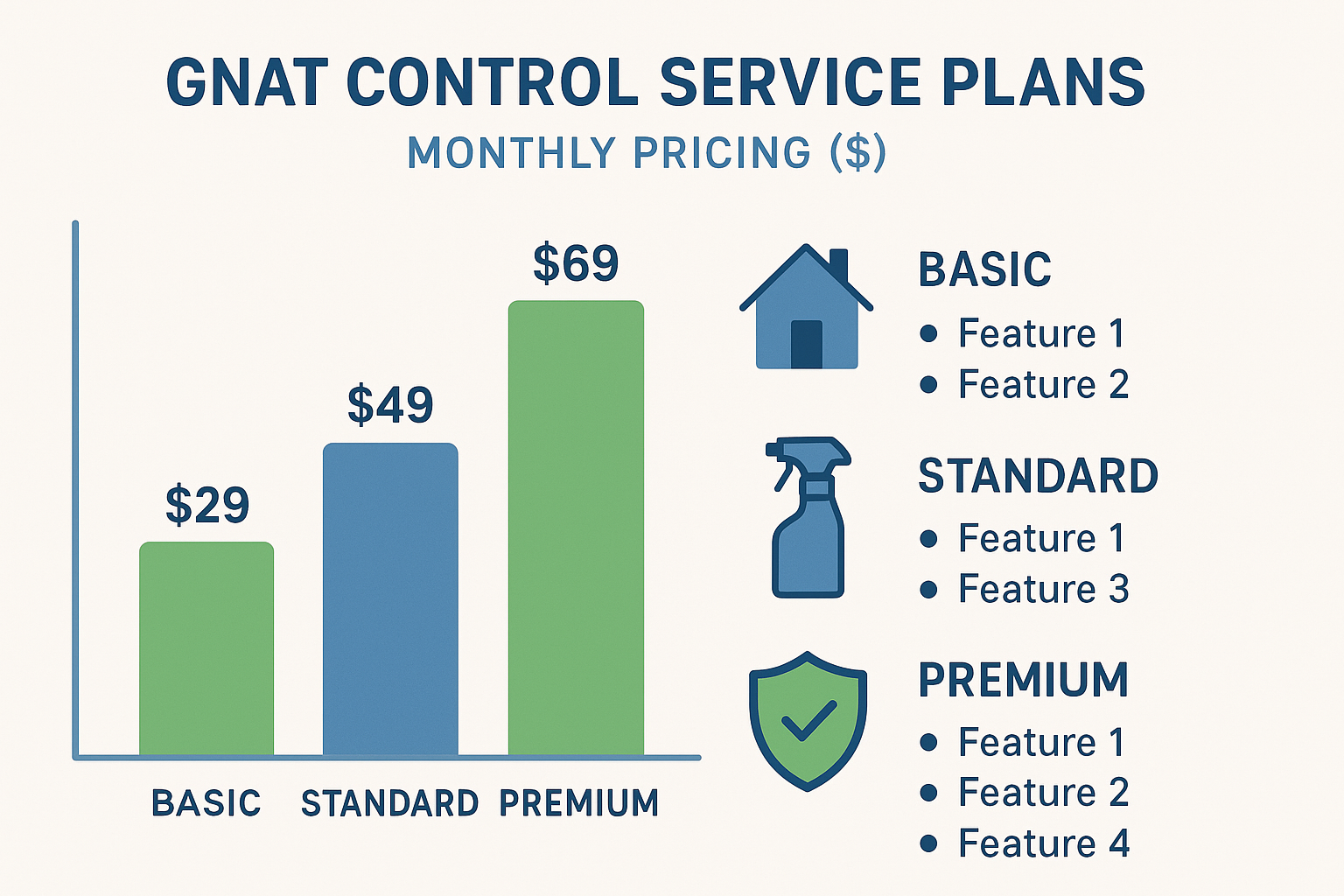
When it comes to gnat control, one size does not fit all. Anthem Pest Control offers three distinct service tiers—Basic, Standard, and Premium—so you can pick the level of protection that matches your budget and your yard’s needs.
What’s included in each tier?
- Basic: One comprehensive treatment per season, focusing on adult gnats with a fast‑acting spray. Includes a 30‑day warranty and standard follow‑up call.
- Standard: Two visits per season—initial treatment plus a mid‑season boost. Adds larval control, a 60‑day warranty, and a brief landscaping checklist to reduce future breeding sites.
- Premium: Quarterly visits (four per year) that combine adult and larval treatments, soil drenches, and a full‑service preventive plan. Comes with a 90‑day warranty, detailed landscaping advice, and priority scheduling for any emergency calls.
Key differentiators at a glance
| Plan | Visits per season | Treatment type | Warranty | Follow‑up | Preventive advice | Priority scheduling | Price (monthly) |
|---|---|---|---|---|---|---|---|
| Basic | 1 | Adult spray only | 30 days | Standard call | None | No | $19 |
| Standard | 2 | Adult + larval | 60 days | Mid‑season check | Basic landscaping tips | Yes (after 48 h) | $34 |
| Premium | 4 | Adult, larval, soil drench | 90 days | Quarterly reviews | Full preventive plan | Yes (same‑day) | $59 |
How the pricing works
All three plans can be paid monthly, annually, or per‑service. Choosing an annual payment locks in a 10 % discount, while bundling gnat control with any of Anthem’s other pest services—such as mosquito or ant treatment—adds an extra 5 % off the total. There are no hidden fees; the price you see in the table is the price you pay.
Anthem’s transparent pricing philosophy
We believe homeowners deserve clear, upfront costs. That’s why each plan lists exactly what you receive, how often you’ll be visited, and what warranty protects your investment. No surprise surcharges, no vague “custom quotes.” If you ever need to adjust your service level, we’ll walk you through the options before any changes are made.
Which plan feels right for you? If you’re dealing with occasional gnat swarms around a small patio, the Basic tier gives you a solid first line of defense without over‑committing. For larger yards, gardens, or properties with standing water, the Standard or Premium options provide the extra follow‑ups and preventive landscaping guidance that keep gnats from coming back season after season.
Pick the tier that matches your yard’s gnat activity, and let Anthem Pest Control handle the rest—so you can enjoy your outdoor evenings without the buzzing nuisance.
Selecting the Right Plan for Your Home
Start With a Quick Checklist
Before you pick a service tier, run through these five factors. For homeowners evaluating Gnat Control Suwanee, they’ll help you see where you fit on Anthem’s spectrum of gnat control options.
- Property size: Square footage of indoor living space and the total area of any outdoor zones.
- Indoor plants: Number and type of houseplants or garden containers that can hold moist soil.
- History of gnat activity: Recent sightings, past treatments, or recurring hotspots.
- Budget constraints: How much you’re comfortable spending now versus investing in long‑term prevention.
- Desire for ongoing monitoring: Whether you want a single fix or a schedule of seasonal check‑ins.
Scenario Examples
Matching real‑world situations to Anthem’s three service tiers makes the decision crystal clear.
- Basic – Small condo with a few houseplants: A 900‑sq‑ft. unit, two spider plants, and occasional gnat swarms near the kitchen sink. The Basic plan’s targeted spot treatments and a single indoor spray usually keep the problem at bay.
- Standard – Suburban yard with irrigation and mulch: A 2,200‑sq‑ft. home plus a 1,000‑sq‑ft. landscaped garden, drip‑irrigated beds, and mulch beds that stay damp. Standard includes perimeter sprays around doors and windows, plus a soil drench in the most moisture‑rich zones.
- Premium – Large estate with multiple outbuildings: A 5,500‑sq‑ft. residence, a detached guest house, a pool deck, and several shaded pergolas. The Premium tier adds comprehensive coverage: spot treatments for indoor plants, full‑property perimeter fogging, and repeated soil drenches for each outbuilding’s foundation.
How Anthem Tailors Each Treatment
Anthem doesn’t believe in a “one‑size‑fits‑all” spray. Once we’ve mapped your checklist items, our technicians design a plan that targets the exact places gnats love to breed.
- Targeted spot treatments: Direct application to moist soil in potted plants or garden beds where larvae develop.
- Perimeter sprays: A fine mist around entry points, decks, and fence lines to create a barrier that deters adult gnats from entering the home.
- Soil drenches: A low‑toxicity solution worked into the top few inches of soil, breaking the life cycle before larvae can emerge.
Each method is calibrated to the size of the area, the type of vegetation, and the frequency you’ve chosen for follow‑up visits.
Why a Tailored Plan Beats a One‑Size‑Fits‑All Approach
Gnats thrive in micro‑environments—think a forgotten saucer under a ficus or a damp mulch border that never dries out. A generic spray may knock down the adults for a day, but without addressing the breeding sites, the infestation returns.
By aligning your property’s unique characteristics with Anthem’s tiered services, you get:
- Maximum efficacy — treatments hit the exact hotspots.
- Cost‑effective spending — you only pay for the interventions your home truly needs.
- Long‑term peace of mind — ongoing monitoring catches new colonies before they spread.
In short, a customized plan turns a seasonal nuisance into a solved problem, letting you enjoy your yard and indoor spaces without the constant buzz of gnats.
Natural and Preventive Strategies to Keep Gnats Away
1. Master a Proper Watering Schedule
Gnats love moist soil, so the simplest defense is to let the top inch of your potting mix dry out between waterings. Over‑watering creates a perfect breeding ground for larvae, especially in indoor containers and balcony gardens. Use pots with drainage holes and a saucer that you empty after each watering—this prevents water from pooling at the base.
2. Eliminate Standing Water Everywhere
Leaky outdoor faucets, clogged gutters, and forgotten birdbaths are silent gnat factories. Inspect your property weekly for drips, and repair any faulty pipes promptly. Empty and rinse birdbaths, pet water dishes, and plant trays at least once a week. When you clear gutters, you also reduce the damp debris that attracts adult gnats looking for a place to lay eggs.
3. Set Up Natural Traps
Sticky traps are a low‑cost, chemical‑free way to catch adult gnats in flight. Place a few yellow sticky cards near houseplants, kitchen sinks, or compost bins—gnats are drawn to the color and become stuck. For a DIY vinegar trap, fill a shallow dish with equal parts apple cider vinegar and water, add a drop of dish soap, and cover it with plastic wrap punctured with tiny holes. The scent lures gnats, and the soap breaks the surface tension so they drown.
4. Adjust Your Landscape for Less Moisture
Dense, low‑lying foliage holds moisture longer than well‑spaced plants. Trim back overgrown shrubs and thin out groundcover to improve airflow and speed up drying after rain. When you mulch, choose cedar or pine bark instead of fine wood chips; these materials are less attractive to gnats and release natural oils that deter larvae.
5. Invite Beneficial Insects to Do the Work
Predatory nematodes are microscopic allies you can sprinkle into garden beds. Once in the soil, they hunt and consume gnat larvae without harming plants, pets, or people. Apply them according to the package directions—usually once in spring and again in late summer—to keep the underground population under control.
6. Follow a Seasonal Maintenance Calendar
Prevention is most effective when it aligns with the gnat life cycle. In early spring, focus on watering discipline and trap placement. Summer calls for regular gutter cleaning and nematode applications. Fall is the time to prune foliage and replace mulch with cedar or pine bark. For a visual guide, refer to our seasonal maintenance calendar, which outlines the exact tasks you should tackle each month.
Take Control of Gnats Today with Anthem Pest Control
Gnats may seem harmless, but a swarm around your porch, kitchen, or indoor plants can quickly turn a pleasant evening into a constant irritation. For homeowners dealing with Gnat Control Suwanee, their tiny size lets them slip through the smallest cracks, and their rapid breeding cycle means an unnoticed problem can explode into a full-blown infestation within days. Prompt treatment not only stops the current annoyance but also prevents future generations from taking root in your home.
At Anthem Pest Control we’ve built three transparent service plans that let you choose exactly what you need—whether you want a one‑time eradication, seasonal monitoring, or a comprehensive year‑round shield. Our technicians know the unique patterns of gnat activity in Johns Creek, GA, and they time each application to hit the pests when they’re most vulnerable, giving you maximum impact with minimal disruption.
- Basic Rescue: One‑time treatment targeting the immediate gnat hotspot, ideal for sudden invasions.
- Seasonal Guard: Two scheduled visits during peak gnat months, combining treatment and preventive barriers.
- Full‑Coverage Protection: Quarterly visits, continuous monitoring, and a custom prevention plan that covers all common household pests.
Johns Creek’s humid spring and early summer create perfect breeding grounds for fungus gnats and fruit flies. Our local teams monitor weather patterns, moisture levels, and nearby water features so we can schedule treatments just before populations spike, saving you time and money.
All of our solutions rely on EPA‑approved products that are safe for children, pets, and the surrounding environment. Our technicians are fully certified, undergo regular training, and follow a strict safety protocol on every job. That expertise translates into faster knock‑down rates, fewer repeat visits, and peace of mind for homeowners who refuse to compromise on health or effectiveness.
Ready to reclaim your yard and indoor spaces? For expert Gnat Control Suwanee, contact us for a free, no-obligation quote and let our experts design a plan that fits both your home’s layout and your budget. Give us a call at 877-371-8196 or click the link below to start the conversation. Our friendly staff is ready to answer any question, day or night.
Website: Visit Anthem Pest Control