Why House Fly Control Matters in Dunwoody

House flies are one of the most common urban pests you’ll encounter in Dunwoody, Georgia. These small, gray‑black insects thrive around waste, pet food, and outdoor gatherings, making suburban neighborhoods a perfect breeding ground.
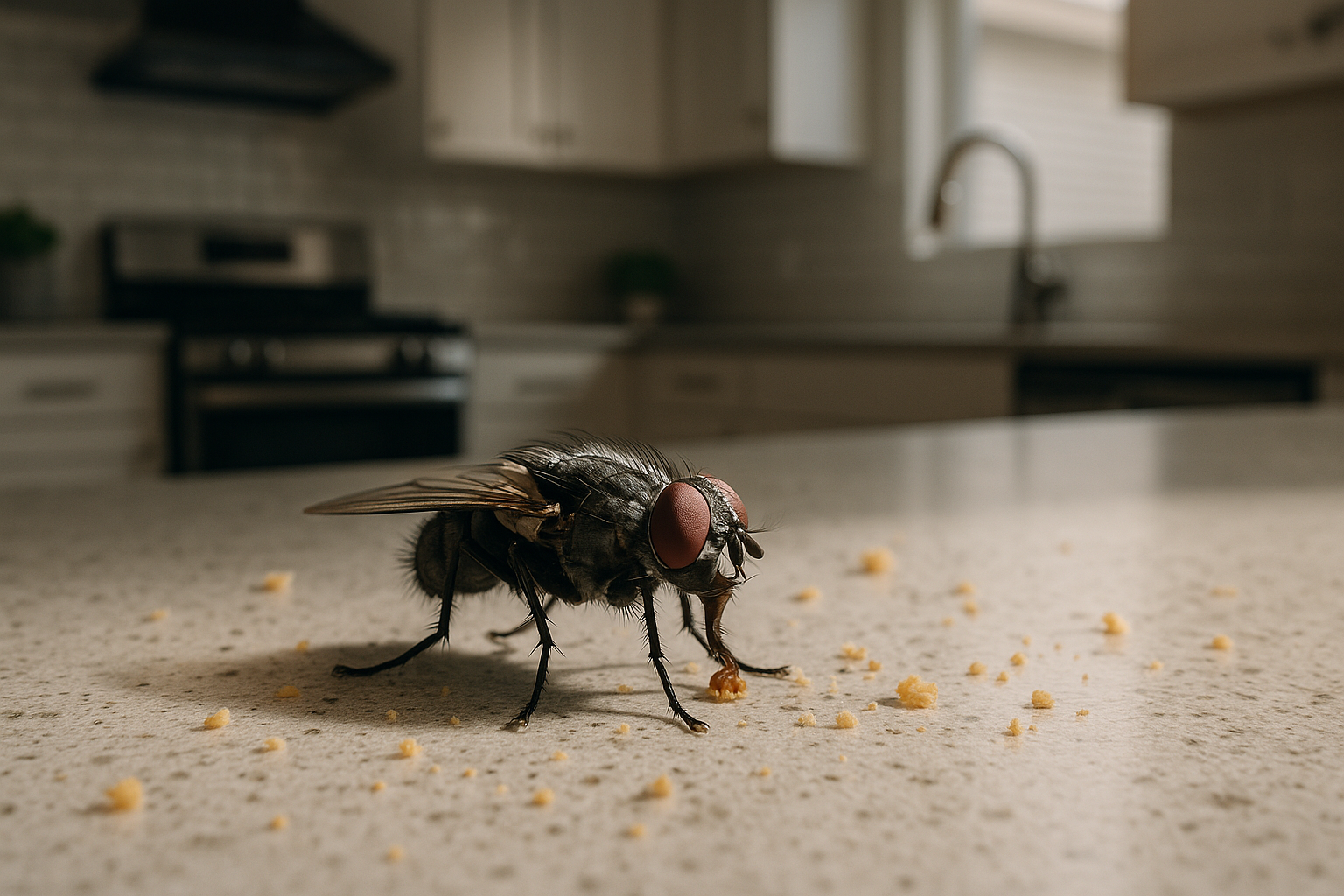
Beyond the annoyance of a constant buzz, house flies can quickly turn a tidy kitchen into a health hazard. They land on countertops, food prep surfaces, and even your dinner plate, contaminating meals and reducing the comfort of your home. Their relentless presence can also distract children and pets, making outdoor relaxation less enjoyable.
The CDC warns that a single house fly can carry up to 100 disease‑causing pathogens, including Salmonella, E. coli, and Shigella. When these microbes are transferred to food or surfaces, they can cause food‑borne illness that affects the whole family.
From a financial perspective, unchecked fly activity can erode property value. Prospective buyers often view visible pest problems as a red flag, potentially lowering offers. Homeowners also face higher cleaning expenses and increased food‑spoilage losses, especially during warm summer months.
Dunwoody’s humid subtropical climate creates ideal conditions for fly breeding, with warm temperatures and frequent rainfall accelerating their life cycle. In neighborhoods where garbage bins are not sealed or outdoor dining is common, populations can explode within weeks, amplifying the nuisance and health threats.
That’s why Anthem Pest Control takes a data‑driven approach to house fly management in Dunwoody. By identifying entry points, monitoring population trends, and applying targeted treatments, we help you protect health, comfort, and the resale value of your home.
Life Cycle and Seasonal Peaks of House Flies in Metro Atlanta
House flies (Musca domestica) pass through four distinct stages: egg, larva (maggot), pupa, and adult. Under ideal Atlanta summer conditions—warm temperatures around 85°F (29°C) and high humidity—the entire cycle can finish in 2 to 3 weeks. Each female can lay up to 150 eggs on decaying organic matter, and those eggs hatch within 24 hours.
- Egg: Tiny, white, and laid in clusters on moist waste.
- Larva: Cream‑colored maggots that feed voraciously for 3‑5 days.
- Pupa: A protective casing where the fly transforms, lasting 3‑6 days.
- Adult: Fully winged, ready to reproduce within 24 hours of emergence.
Temperature and humidity are the primary accelerators. A rise of just 10°F can shave a day off each stage, while excess moisture shortens the larval period dramatically. The Georgia Climate Center’s 2024 data show that fly activity spikes 30‑40 % from May through October compared with the cooler months, aligning with our hot, humid summer.
Neighborhoods such as Brookhaven and Peachtree Corners report the highest complaint volumes during this window, making late spring through early fall the optimal period for professional treatment. Targeting the larval stage with pre‑emptive larvicides and following up with adult sprays can break the cycle before it overwhelms your home. Plan your first spray in early May to stay ahead of the surge.
Health & Hygiene Risks
House flies are more than a nuisance; they are vectors for serious food‑borne pathogens. The three primary culprits they spread are Salmonella, Escherichia coli (E. coli) and Shigella. Each bacterium can cause vomiting, diarrhea, and in severe cases, hospitalization.
The U.S. Environmental Protection Agency estimates that “House flies contribute to $1.2 billion in food‑borne illness costs annually” (EPA source). That figure reflects the hidden toll of contaminated meals and medical treatment.
In a recent Dun‑woody incident, a popular downtown restaurant traced a sudden outbreak of salmonellosis to a broken window screen that let flies access food prep areas. Over 30 diners fell ill, prompting a health‑department shutdown and costly remediation.
For homeowners, the risk is personal and public. Uncontrolled flies can turn a family kitchen into a breeding ground for disease, jeopardizing the health of neighbors and visitors alike. Prompt, professional fly control is therefore a critical component of household hygiene. Routine monitoring and targeted treatments keep flies from reaching disease‑spreading levels.
Professional vs. DIY: What Makes the Difference?
DIY sprays—quick fix, limited results
Most homeowners reach for an off‑the‑shelf aerosol when flies start buzzing. These products often contain short‑acting pyrethroids that knock down adult flies, but the residual effect fades within a day or two. Because they’re formulated for convenience, they may leave gaps in coverage, and misuse can create safety hazards for children, pets, and indoor air quality.
Why professional treatment wins
A licensed technician brings EPA‑registered formulations that are proven to linger for weeks, targeting not only adult flies but also larvae hidden in cracks and drains. The service follows an Integrated Pest Management (IPM) plan—monitoring, sanitation advice, and targeted treatments—that reduces reliance on chemicals and prevents reinfestations.
Anthem Pest is fully certified by the Georgia Department of Agriculture, holds the National Pest Management Association’s Certified Pest Management Professional (CPMP) credential, and has earned the “Best of Dunwoody” award for customer satisfaction three years running. Our technicians complete quarterly training on the latest fly biology, resistance management, and safe application techniques, ensuring every treatment meets state and EPA standards.
“I tried the store‑bought spray and it barely lasted a day. After Anthem Pest’s visit, the flies disappeared and I haven’t seen a single one since. The technician explained what to keep clean, and I feel confident the problem is truly solved.” — Satisfied homeowner, Dunwoody
Effective Treatment Strategies for House Flies
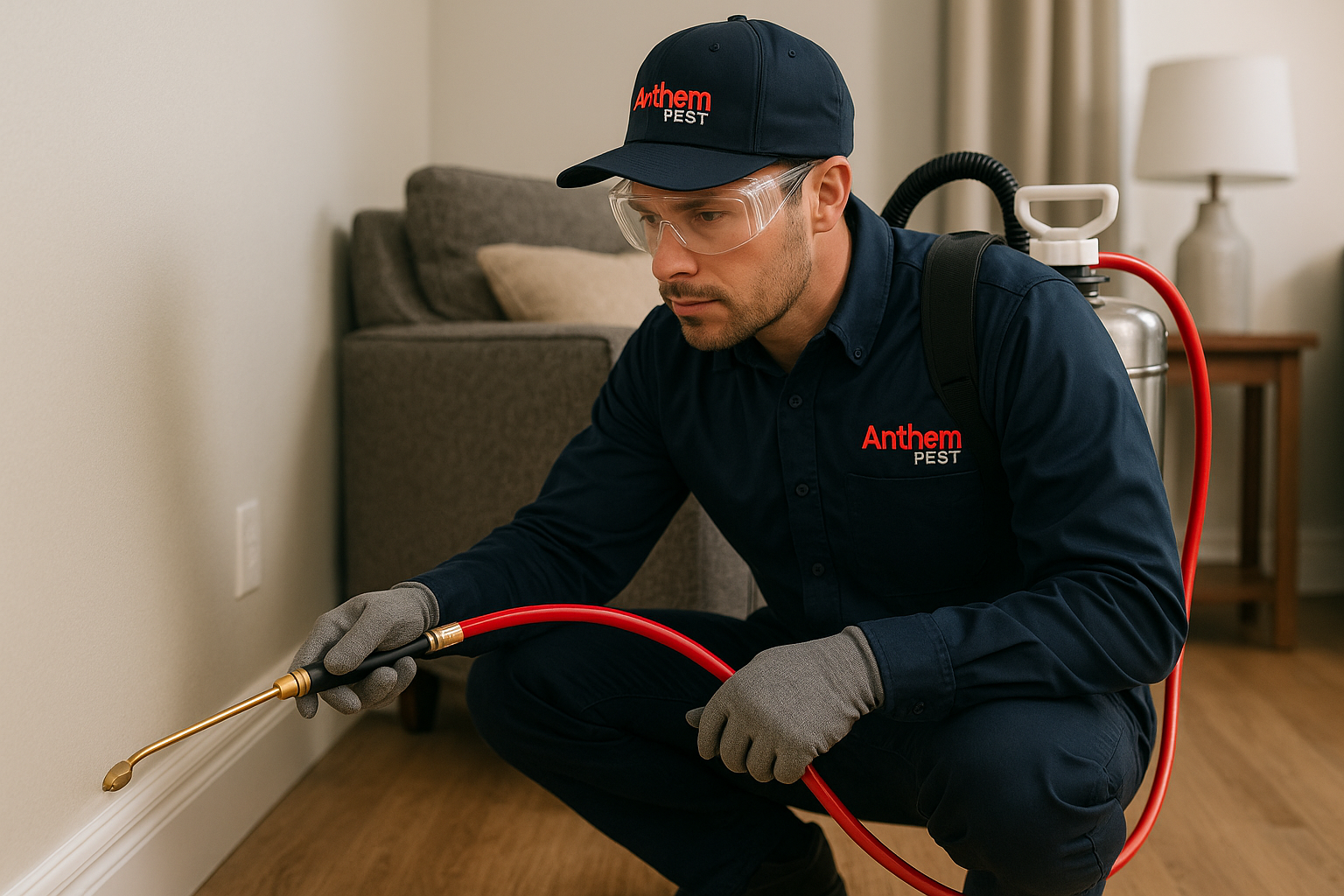
When a house fly invasion turns your kitchen into a buzzing nightmare, the right treatment can make the difference between a quick fix and a lingering problem. Below, we break down the most reliable control methods, the typical cost you can expect in Dunwoody, and practical tips that let you apply each solution safely and effectively.
Chemical Sprays
Fast‑acting adulticides are the go‑to choice for homeowners who need immediate relief. EPA‑approved pyrethrin‑based sprays knock down adult flies within minutes and leave a residual barrier that remains active for 2–4 weeks. Because pyrethrins break down quickly in the environment, they pose minimal risk to pets and children when applied according to label directions.
Application tip: Spray all interior fly‑prone zones—window sills, door frames, and ceiling corners—while the home is unoccupied for at least 30 minutes. A light mist is sufficient; over‑application does not increase effectiveness and can waste product.
In Dunwoody, a professional spray visit typically runs between $120 and $180 per service. This price includes a thorough inspection, targeted application, and a 30‑day guarantee that the treated area stays fly‑free.
Bait Stations
Bait stations work on a “hunt‑and‑kill” principle: an attractant lures flies to a poisoned food source they carry back to hidden breeding spots. Modern stations are designed to be tamper‑resistant, making them safe around children and pets.
Placement guidelines: Position stations 30–45 feet apart, ideally near trash containers, compost piles, or outdoor seating areas. Mount them at least 6 inches off the ground and out of reach of curious hands or paws. For best results, replace baits every 4–6 weeks during peak fly season.
Effectiveness usually becomes noticeable within 48 hours, with a full reduction in activity after about a week. A typical bait‑station package for a single‑family home costs between $80 and $130, covering 4–6 stations and a follow‑up inspection.
Physical Controls
Physical barriers and traps provide a non‑chemical line of defense that works hand‑in‑hand with sprays or baits. UV light traps draw flies to an illuminated surface where a low‑voltage grid electrocutes them. These devices are silent, odorless, and perfect for indoor kitchens or covered patios.
Window and door screens are a simple, cost‑effective measure that prevents flies from entering in the first place. Ensure screens are free of tears and fit snugly; a quick repair kit costs under $15 per screen.
Finally, proper waste management cuts breeding sites dramatically. Keep trash cans sealed, clean up spilled food promptly, and store compost in a fly‑proof container. While these steps have no direct price tag, they save you money by reducing the need for repeated chemical treatments.
Integrated Pest Management (IPM)
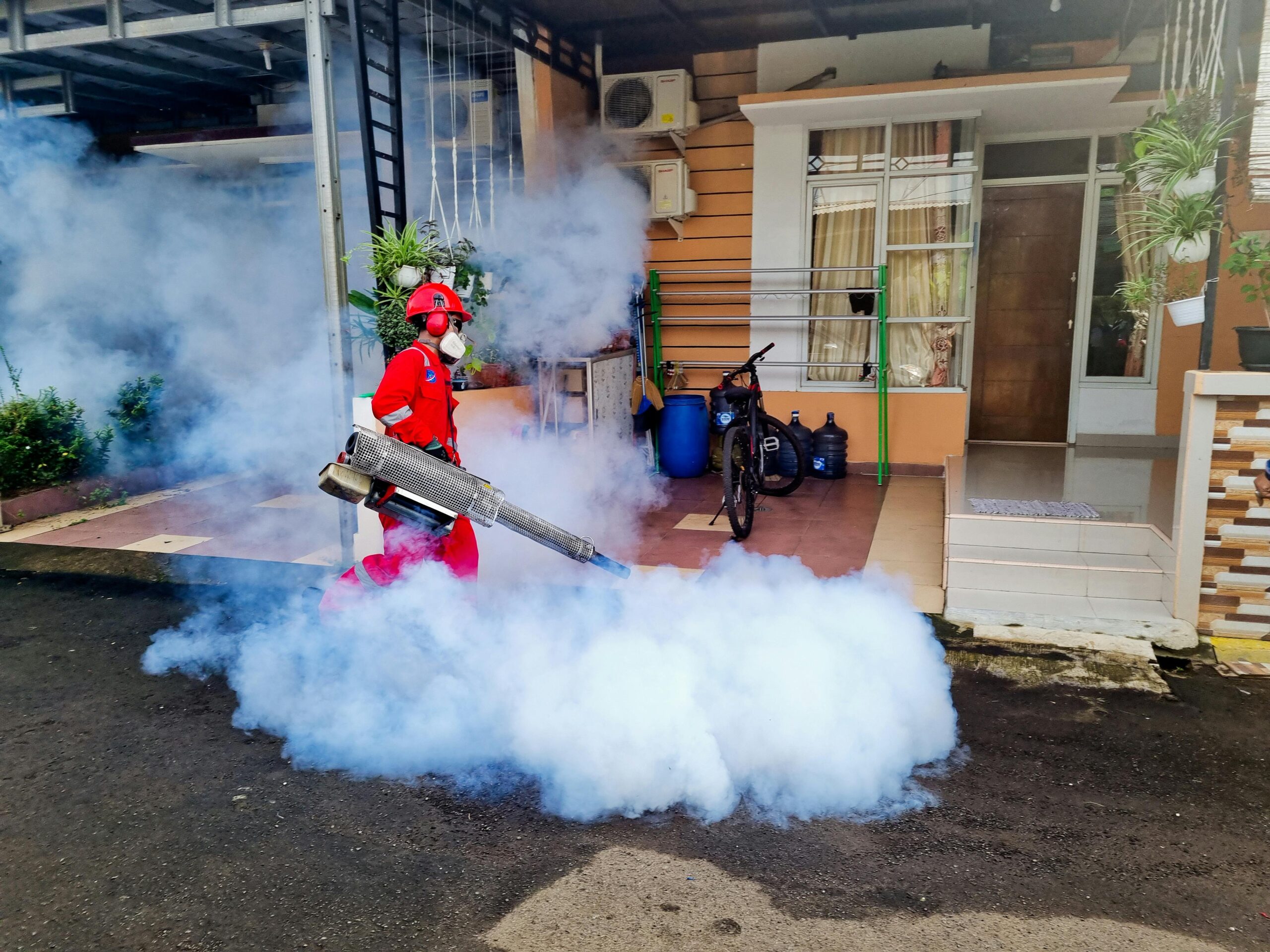
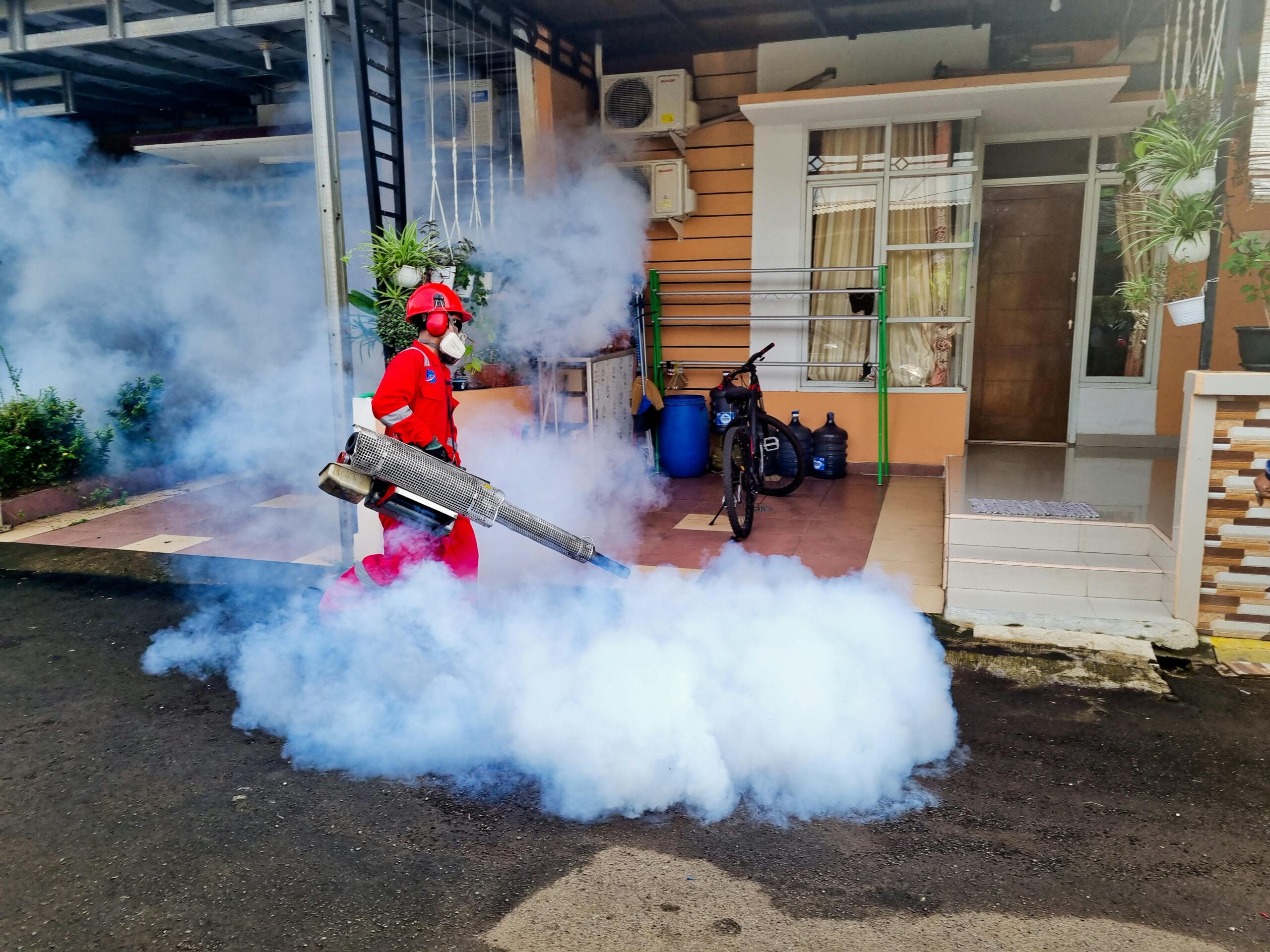
IPM is a holistic approach that blends sanitation, exclusion, monitoring, and targeted treatments into a single, year‑round plan. The process begins with a detailed inspection to locate fly hotspots, followed by recommendations for sealing entry points, improving waste handling, and installing physical traps. Chemical sprays or bait stations are then applied only where monitoring shows activity, minimizing pesticide use.
A full IPM package for a typical Dunwoody home—including quarterly inspections, two spray visits, bait station placement, and seasonal trap maintenance—ranges from $550 to $700 per year. This investment spreads the cost across multiple preventive actions, delivering long‑term control and peace of mind.
Whether you’re on a tight budget, dealing with a moderate nuisance, or confronting a severe infestation, there’s a treatment tier that fits your needs. Sprays offer rapid knock‑down for low‑budget emergencies, bait stations provide a middle‑ground solution with ongoing protection, and an IPM program safeguards your home year‑round while keeping expenses predictable. Choose the option that aligns with your budget and the level of fly activity you’re facing, and let Anthem Pest Control handle the details so you can enjoy a fly‑free home again.
What You’ll Pay for House Fly Control in Dunwoody
Understanding the cost of fly control helps you choose the right level of protection without surprise fees. Below is a clear, side‑by‑side view of the three most common service options we offer to Dunwoody homeowners.
| Service Tier | Price Range | What’s Included |
|---|---|---|
| One‑time spray | $120 – $180 | Single application covering interior and exterior zones; 30‑day re‑treatment guarantee. |
| Quarterly maintenance plan | $350 – $450 per year | Four scheduled visits, ongoing monitoring, and a 90‑day fly‑free guarantee after each visit. |
| Full‑service IPM package | $550 – $700 per year | Integrated Pest Management approach: monthly inspections, targeted treatments, habitat reduction, and a year‑long guarantee. |
Our licensed technicians apply EPA‑approved fly baits and residual sprays that stay active for weeks, and each visit is customized to your home’s layout, entry points, and surrounding environment.
We also reward homeowners who combine services. Adding mosquito control to any fly‑control plan unlocks a 10 % bundled‑service discount, lowering the annual cost while protecting your yard from two common nuisances at once.
All prices reflect the 2025 regional data compiled by the National Pest Management Association (NPMA). Because each property is unique—size, landscaping, and existing infestations—your final quote may vary slightly, but we always present a detailed estimate before any work begins.
Choosing the right tier depends on how quickly you need relief and how proactive you want to be. A one‑time spray is ideal for an immediate knock‑down, the quarterly plan keeps flies at bay through the peak summer months, and the full‑service IPM package offers the most comprehensive, long‑term protection.
When to Treat and How to Keep Flies Out Year‑Round
House flies are most active when temperatures rise above 70°F, which in Dunwoody typically means a window from late spring through early fall. By treating at the right moments and keeping the home sealed against entry, you can break the fly life cycle before it becomes a nuisance.
Peak treatment windows
The two most effective windows for professional or DIY treatment are early May—just before the first wave of adult flies emerges—and late September, when the population is winding down. A pre‑season spray in early May creates a protective barrier on outdoor surfaces, while a post‑season application in September eliminates any lingering eggs or pupae that survived the summer.
Seasonal checklist
Beyond the spray dates, everyday habits keep flies from finding a foothold. Follow this seasonal checklist to maintain a fly‑free environment:
- Seal trash containers with tight‑fitting lids and store them away from doors.
- Manage compost piles by covering them and turning them regularly to reduce odor.
- Maintain door and window screens; repair tears or replace damaged sections promptly.
- Eliminate standing water and damp areas where flies can breed, especially around pet water dishes and rain gutters.
The Atlanta‑DeKalb County waste‑management ordinance requires sealed waste containers and regular removal of organic debris, reinforcing many of the steps above.
Quick‑check checklist
| Frequency | Task |
|---|---|
| Daily | Inspect trash bins for secure lids; wipe down pet food areas. |
| Weekly | Clean kitchen drains, replace or repair screen mesh, turn compost and cover waste bins. |
| Monthly | Check exterior lighting for attraction points, clear gutters, and inspect door sweeps. |
Stick to this routine, pair it with the two seasonal spray windows, and you’ll keep house flies at bay all year long. If you need a professional barrier or notice a sudden increase in activity, give Anthem Pest Control a call at 877‑371‑8196 for a fast, locally‑tailored solution.
Regular monitoring and prompt action keep your home fly‑free.
Dunwoody Homeowners Who Beat the Fly Problem
Anthem Pest’s local expertise delivers measurable results for Dunwoody homeowners.
Case Study 1 – Brookhaven Family
When the Brookhaven family first called, they reported an average of 30 flies buzzing around meals each day. Anthem deployed three professional treatments—a pair of indoor fogging sessions followed by an exterior barrier—spaced two weeks apart. Within three weeks fly activity fell to fewer than four per day, a 90 % drop, and the family noted improved kitchen cleanliness. They awarded the service a 4.9‑out‑of‑5 rating and praised the technicians’ professionalism.
Case Study 2 – Peachtree Corners Senior Couple
The senior couple opted for a quarterly Integrated Pest Management (IPM) plan that combined regular inspections, targeted baits, and preventive sprays. After just two months, indoor flies disappeared entirely, and the couple estimated a $120 reduction in food‑spoilage costs. They praised the plan’s “set‑and‑forget” nature, giving Anthem a perfect 5‑star rating for reliability and value.
Key Metrics
- Pre‑treatment fly count per household: 30 – 45 per day
- Post‑treatment average: 2 – 4 per day
- Overall customer satisfaction: 4.95 / 5
Anthem Pest’s Unique Value for Dunwoody Residents
Living in Dunwoody means dealing with warm, humid summers that turn every porch and trash area into a fly magnet. Our technicians know the neighborhood’s most common hotspots—outdoor grills, community parks, and older siding cracks—so we target the problem before it spreads.
We back that expertise with a 24/7 support line and rapid‑response crews that can be on your property within hours of a call. No waiting days for an appointment; we understand that a fly invasion won’t pause for your schedule.
Every treatment uses EPA‑registered products and follows strict safety protocols to protect children, pets, and the surrounding environment. Our technicians are trained to apply just the right amount, where it matters most.
We stand behind our work with a 30‑day satisfaction guarantee: if flies are still buzzing after our service, we’ll return for a free re‑treatment.
Our pricing is transparent, with no hidden fees, so you know exactly what you’re paying for a fly‑free home.
Call 877‑371‑8196 now for a free inspection.
FAQ – House Fly Control in Dunwoody
Below are answers to the most common questions homeowners ask about house‑fly control in Dunwoody.
How long does a treatment last?
Most Anthem Pest treatments leave a residual barrier that remains effective for 2‑4 weeks. If you enroll in an Integrated Pest Management (IPM) plan, we schedule regular follow‑ups and seasonal applications so protection can extend throughout the year, keeping fly populations at bay even during peak summer months.
Are the chemicals safe for kids and pets?
We only use EPA‑registered products that have been evaluated for human and animal safety. Technicians follow label‑specific guidelines, wear protective gear, and ensure treated areas are well‑ventilated before you and your family re‑enter the space. EPA rates the active ingredients we use in the lowest indoor‑risk category.
Can flies re‑enter after treatment?
Yes—flies can find their way back if entry points aren’t sealed. That’s why we pair chemical treatment with exclusion measures: screening windows, sealing cracks, and installing door sweeps. Our technicians will show you any gaps you can seal yourself, further reducing re‑infestation.
Sources & References
All data and recommendations presented in this guide are backed by reputable, publicly‑available sources. Below are the URLs consulted during research:
The EPA page outlines approved pesticide categories and safety guidelines for house flies, helping homeowners understand limits. The CDC resource summarizes health risks, lifecycle details, and preventive measures for families. NPMA’s pest guide provides cost ranges and treatment options, forming the basis of our pricing estimates.
Items awaiting verification include the 2025 regional cost data from the NPMA market report and the specific URL for the Atlanta‑DeKalb County waste‑management ordinance.
Additional background on local climate patterns was gathered from the Georgia Climate Center, which offers regional temperature and humidity trends relevant to fly activity.
Take Action Today – Protect Your Home with Anthem Pest
Keeping house flies out of your home isn’t just about comfort—it protects your family’s health, preserves the look of your living spaces, and helps maintain property value.
When you choose a professional, data‑driven approach, you get a solution that’s both effective and budget‑friendly, with transparent pricing you can trust. Anthem Pest’s trained technicians use proven treatment plans tailored to your home’s unique conditions, ensuring you pay only for what you need.
Take the first step toward a fly‑free environment by scheduling a free, no‑obligation inspection. Our experts will assess your situation, explain the recommended actions, and provide a clear quote—no hidden fees.
Pricing starts as low as $79 per treatment, giving you a cost‑effective shield against flies without breaking the bank and peace of mind for your family.
Call us today at 877‑371‑8196 or click the link below to learn more and book your inspection. Visit Anthem Pest Control. Our Dunwoody team is ready to respond quickly, ensuring your home stays comfortable year-round.