Why House Fly Control Matters in Smyrna, GA
When summer rolls around in Smyrna, the familiar buzz of Musca domestica—the common house fly—becomes more than a minor annoyance. These tiny insects thrive in warm, humid conditions, often gathering around outdoor patios, trash cans, and pet areas. While a lone fly may seem harmless, a growing population can quickly turn your home into a bustling fly zone. Professional house fly control Smyrna GA services are essential to prevent infestations and protect your home.
Health concerns you can’t ignore
- Food contamination: Flies land on countertops, dishes, and uncovered food, depositing bacteria and digestive enzymes that can spoil meals in seconds.
- Eye irritation: Their erratic flight patterns mean they often buzz near faces, leading to itchy, red eyes—especially troublesome for children and allergy sufferers.
- Disease transmission: House flies are known vectors for pathogens such as Salmonella, E. coli, and various intestinal parasites. A single fly can carry dozens of disease‑causing organisms from garbage to your kitchen.
According to the 2024 Cobb County health‑department report, summer months see a 35% rise in fly complaints across the county. That spike isn’t random; it reflects the perfect breeding conditions that Smyrna’s climate provides.
Why a local, top‑rated service is essential
Fly activity isn’t uniform across Georgia. In Smyrna, the combination of humid evenings, abundant vegetation, and densely packed neighborhoods creates micro‑habitats where flies reproduce rapidly. A local pest control provider understands these nuances:
- Climate‑specific breeding cycles: Knowing when flies lay eggs in our area helps schedule treatments before populations explode.
- Neighborhood‑level hotspots: Trash collection points, nearby farms, or even a neighbor’s uncovered compost can serve as source colonies. Local technicians can identify and neutralize these sources efficiently.
- Rapid response: A nearby company can dispatch crews within hours, preventing a minor nuisance from becoming a full‑blown infestation.
Anthem Pest: 20 years of trusted fly control
For two decades, Anthem Pest has been safeguarding homes throughout the Atlanta metro area, including Smyrna. Our longevity isn’t just a number—it reflects a proven track record of effective, safe treatments that keep families comfortable year after year. With a 4‑star rating on Google, Smyrna homeowners consistently praise our transparent pricing, courteous technicians, and lasting results.
When you choose Anthem Pest, you’re not just hiring a service; you’re partnering with a team that knows Smyrna’s fly patterns, local regulations, and the best prevention strategies. From thorough inspections to targeted adulticide applications and follow‑up monitoring, we tailor each plan to your property’s unique needs.

House Fly Biology and Why Georgia’s Climate Fuels Infestations
What a House Fly Looks Like and How It Behaves
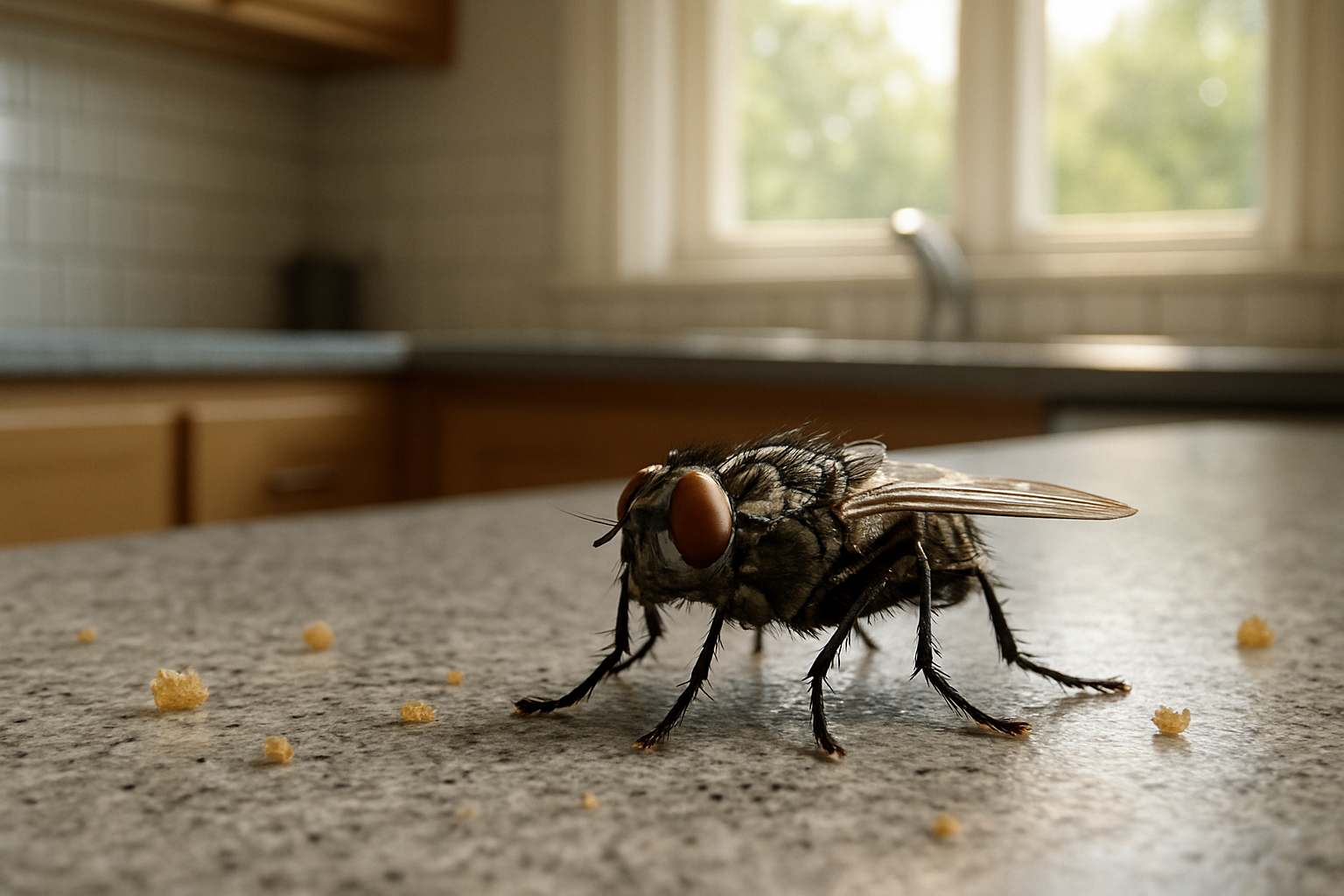
The common house fly (Musca domestica) may seem simple, but its anatomy is perfectly tuned for survival in human‑occupied spaces. A compact, gray‑black body houses large compound eyes that detect movement from almost any direction, while spongy mouthparts act like a built‑in straw, allowing the fly to sip liquids and regurgitate digestive enzymes onto solid foods. Their six legs end in tiny claws that cling to smooth countertops, walls, and even your pet’s fur. Behaviorally, house flies are opportunistic scavengers: they’re drawn to any source of protein, sugar, or moisture, and they can travel up to a mile in a single day searching for food or a place to lay eggs.
Reproductive Powerhouse: How Fast Flies Multiply
A single female house fly can lay up to 150 eggs per day when conditions are favorable. Those eggs are deposited in batches of 75‑100 within moist organic material—think garbage, animal manure, or a damp compost pile. Within 24 hours, the eggs hatch into tiny, voracious larvae (maggots) that feed relentlessly, growing into pupae in as little as three days. Under optimal temperature and humidity, the entire life cycle—from egg to adult—can be completed in just 7‑10 days. This rapid turnover means a modest infestation can double its population in under two weeks, creating a cascading effect that overwhelms even the most diligent homeowner.
Why Georgia’s Warm, Humid Climate Is a Fly Factory
Smyrna’s climate provides the perfect recipe for house‑fly explosions. Summer days regularly climb to 90 °F (32 °C), while relative humidity hovers around 70 %. These conditions keep organic waste moist, preventing eggs and maggots from drying out—a critical factor for survival. Moreover, the region’s abundant outdoor dining venues, pet‑friendly parks, and frequent barbecues generate constant streams of food scraps and animal waste, giving flies a near‑endless buffet.
When temperature and humidity align, fly metabolism accelerates, shortening the developmental stages and boosting reproductive output. In contrast, cooler or drier periods slow growth, but Georgia’s long, hot summers mean there are many weeks where flies can reproduce at peak efficiency. This climatic advantage explains why house‑fly complaints spike from late May through early October, and why a single untreated breeding site can seed an entire neighborhood.
Local Hotspots: Where Smyrna Residents See the Most Flies
Homeowners in East Cobb, Burnt Hickory, and Olde Smyrna often report the highest fly activity, especially near outdoor dining areas. Restaurants with open‑air patios, community grills, and backyard cookouts create ideal “fly corridors” where adult flies congregate, mate, and seek out new oviposition sites. In residential settings, uncovered trash cans, pet litter boxes, and compost bins left outdoors become breeding grounds that can produce dozens of generations before a homeowner even notices a problem.
Understanding these local patterns helps you target the right spots for inspection and treatment. If you notice flies buzzing around your patio lights or landing on food dishes, it’s a clear sign that a nearby organic waste source is supporting a hidden larval population. Prompt removal of the waste, combined with professional fly control services, can break the cycle before the flies reach the point of overwhelming your home.
Health Risks and Economic Costs of House Flies
When a house fly lands on your kitchen counter, it isn’t just a nuisance—it’s a tiny carrier of disease. The Centers for Disease Control and Prevention (CDC) reports that flies can transmit a range of pathogens that lead to food poisoning, eye infections, and gastrointestinal illness. Read the CDC data for a detailed breakdown.
“House flies can carry over 100 disease‑causing microorganisms.” – CDC
How Flies Pick Up and Spread Pathogens
Flies are attracted to organic waste, pet feces, and decaying matter. Their body hairs and spongy feet act like a brush, scooping up bacteria, viruses, and parasites as they move. When they later alight on food, utensils, or kitchen surfaces, they deposit those microbes, creating a direct route for illness.
- Bacterial food poisoning: Salmonella, Shigella, and Escherichia coli can be transferred from garbage to your dinner plate.
- Eye infections: Conjunctivitis‑causing bacteria such as Staphylococcus aureus are often spread when flies land near eyes or on towels.
- Gastrointestinal illness: Parasites like Giardia and viruses such as rotavirus survive on fly legs long enough to contaminate food.
Financial Impact on Southern Households
Beyond health, flies hit your wallet. A study by the National Pest Management Association (NPMA) estimates that households in the Southeast spend between $200 and $400 each year dealing with fly‑related expenses. Those costs break down into three main categories:
- Food waste: Contaminated meals must be discarded, often before you even realize the problem.
- Cleaning supplies and labor: Extra sanitizing, professional cleaning services, or DIY deep‑cleaning sessions add up quickly.
- Lost productivity: Time spent cleaning, dealing with sick family members, or arranging emergency pest treatments translates into missed work hours and reduced household efficiency.
For a typical Smyrna, GA homeowner, those hidden expenses can feel like a constant drain—especially when you consider that a single fly can travel up to 15 miles in a day, picking up new contaminants at every stop.
Why Prevention Matters
Stopping flies before they enter your home is the most cost‑effective strategy. Simple steps—such as sealing trash cans, maintaining clean pet areas, and installing screens—reduce the opportunities flies have to pick up pathogens. When an infestation does occur, professional treatment from a trusted provider like Anthem Pest Control ensures that the problem is eliminated quickly, protecting both health and budget.
Where Flies Hide: Common Hotspots in Smyrna Neighborhoods
House flies are opportunistic—if they find a cozy, food‑rich spot, they’ll set up shop and multiply. In Smyrna, the most common attractors are right in front of our eyes, often hidden in everyday yard and home routines. Below is a quick visual checklist you can print or pin to your fridge, followed by a brief “mini‑map” of the city’s high‑risk zones and practical inspection tips.
Top Attractors to Watch For
- Uncovered trash cans – Open lids give flies instant access to food scraps and organic waste.
- Pet waste – Dog or cat droppings left on sidewalks or in the yard provide a protein‑rich buffet.
- Standing water – Birdbaths, clogged gutters, or forgotten kiddie pools create moist environments where flies rest and lay eggs.
- Outdoor grills – Grease, food residue, and ash attract flies long after the last burger is served.
- Compost piles – Warm, damp compost is a perfect breeding ground if not properly managed.
Quick Checklist for Fly‑Proofing Your Property
- ☐ Seal trash lids – Use tight‑fitting, rubber‑gasket bins and keep them in a shaded, dry area.
- ☐ Clean pet waste daily – Scoop immediately and wash the area with a pet‑safe disinfectant.
- ☐ Drain standing water – Empty birdbaths nightly, clean gutters, and cover any outdoor containers.
- ☐ Cover grills after use – Store grills under a shelter and wipe down grease splatters.
- ☐ Maintain compost – Turn the pile weekly, keep it covered, and avoid adding meat or dairy.
Mini‑Map: High‑Risk Zones in Smyrna
Two areas tend to generate more fly activity than others:
- Smyrna City Hall district – The municipal parking lot has several open‑air trash receptacles and a large central fountain that often collects debris and water.
- Six Flags area – This popular entertainment hub features numerous outdoor eateries, a sprawling lawn for picnics, and several pet‑friendly parks where waste can be left unchecked.
Homeowners living within a half‑mile radius of these zones should be especially vigilant. Flies can travel up to 15 miles, but they gravitate toward the nearest food source, so eliminating local attractors dramatically reduces the chance of an infestation spilling over onto your property.
Inspection Tips: Perimeter & Interior
Perimeter walk‑around: Start at the front door and move clockwise. Look for puddles, inspect trash bins, and note any pet waste left on sidewalks. Use a flashlight to peek under decks, porches, and patio furniture where flies may rest.
Interior sweep: Open windows and doors one at a time to spot flies hovering near light fixtures or kitchen exhaust fans. Check under kitchen appliances, especially the refrigerator and dishwasher, for spilled food or moisture.
By systematically scanning both the outside and inside of your home, you’ll catch hidden hotspots before flies turn them into breeding stations. A few minutes of focused inspection each week, paired with the checklist above, can keep Smyrna’s house flies at bay and protect your family’s comfort.
Comparing Treatment Options for House Flies
Option A – Professional indoor/outdoor fogging
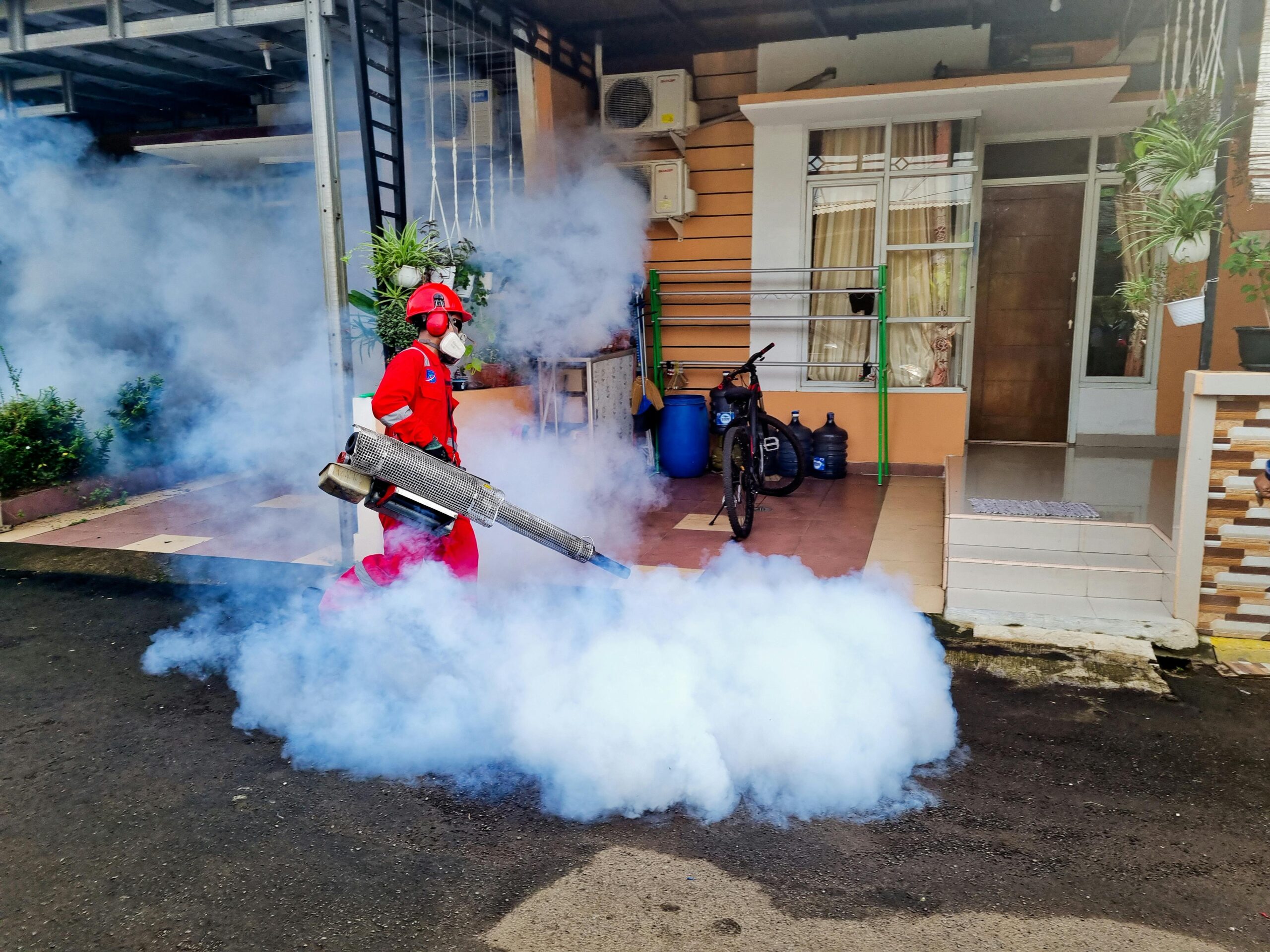
Fogging delivers a cloud of insecticide that blankets both interior rooms and exterior perimeters in seconds. The immediate knock‑down is impressive—most flies are dead or incapacitated within minutes, making it ideal for severe infestations or after a big event. For homeowners seeking professional house fly control Smyrna GA, a licensed technician ensures precise dosing and compliance with local regulations. The trade‑off is a higher price tag and the need to schedule a visit, which can be inconvenient during peak summer heat.
Option B – Bait stations & fly traps
Bait stations and sticky or light‑attracted traps work continuously, drawing flies to a toxic food source or adhesive surface. Their low toxicity means they’re safe around children and pets, and they can be placed in high‑traffic zones like kitchens, garbage areas, and patios. While they don’t provide the instant eradication of fogging, they reduce fly numbers over weeks and keep populations from rebounding. Cost is moderate, and the only labor required is periodic replacement of baits or trap liners.
Option C – DIY sprays
Do‑it‑yourself aerosol or pump sprays are the most budget‑friendly choice and let you target problem spots on the spot. They’re handy for quick touch‑ups after a door is left open or a dumpster is emptied. However, effectiveness varies widely based on product formulation and user technique. Over‑application can create health hazards, especially in poorly ventilated homes, and repeated use may lead to resistance. Safety precautions—such as wearing gloves and keeping the area ventilated—are essential.
| Treatment | Effectiveness | Safety | Cost | Labor |
|---|---|---|---|---|
| Professional fogging | High – rapid knock‑down | Moderate – handled by licensed tech | High – service fee | Low – technician does the work |
| Bait stations & traps | Medium – gradual reduction | High – low toxicity | Medium – consumables | Low – occasional replacement |
| DIY sprays | Variable – depends on product & use | Low to moderate – user‑controlled | Low – inexpensive containers | High – homeowner applies each time |
Anthem Pest selects only EPA‑registered fly control products for all three strategies. These formulations have passed rigorous safety and efficacy testing, ensuring that you receive a solution that protects your family while eliminating house flies efficiently. Whether you prefer the instant impact of fogging, the steady suppression of bait stations, or the hands‑on approach of DIY sprays, our experts can help you choose the right method for your home and budget.
Pricing Guide for Fly Control in Smyrna
When it comes to house fly problems, knowing exactly what you’ll pay helps you decide the right level of protection for your home. Below is a clear breakdown of the most common house fly control Smyrna GA services offered by Anthem Pest Control, along with the factors that can shift the final price.
Typical Service Costs
- Basic indoor fogging: $120‑$180 per treatment. This one‑time application targets adult flies inside your living spaces and is ideal for a sudden outbreak.
- Comprehensive indoor + exterior barrier: $250‑$350. The combined approach treats indoor areas and creates a protective spray line around the home’s exterior, reducing re‑infestations from nearby breeding sites.
- Quarterly maintenance plan: $180‑$220 per visit, with contract discounts available for multi‑year agreements. Regular visits keep the fly population suppressed year‑round and often include a complimentary inspection for other pests.
What Influences the Price?
While the ranges above give a solid starting point, several variables can move the final cost up or down:
- Home size: Larger square footage means more product and labor, so a 2,500‑sq‑ft house will cost more than a 1,200‑sq‑ft bungalow.
- Infestation severity: A light presence may only need a single fogging, whereas a heavy, entrenched population could require multiple treatments and a stronger exterior barrier.
- Seasonal demand: Fly activity peaks in the warm months. Scheduling during peak season can sometimes add a modest surcharge due to higher demand.
- Special requests: If you need pet‑safe or environmentally‑friendly formulations, the cost may increase slightly, but the peace of mind for families with animals is worth it.
- Access challenges: Difficult-to‑reach crawl spaces, attics, or heavily landscaped yards may require extra time and equipment.
Industry Benchmarks
Anthem Pest Control aligns its pricing with national standards. According to the National Pest Management Association’s 2023 average residential pest‑control pricing report, the typical cost for a standard indoor fogging service nationwide falls between $115 and $190, while comprehensive indoor‑plus‑exterior packages average $240‑$360. Our Smyrna rates sit comfortably within these benchmarks, ensuring you receive competitive, transparent pricing without hidden fees.
How to Choose the Right Option
Start by assessing the severity of your fly problem. If you’re dealing with a sudden spike, a single indoor fogging often does the trick. For homes that see recurring fly activity—especially those with open porches or nearby livestock facilities—a comprehensive barrier combined with a quarterly maintenance plan provides the most reliable defense.
Remember, the cheapest option isn’t always the most effective. Investing in a solution that matches your home’s size, the level of infestation, and any special safety concerns will save you time, money, and the nuisance of flies buzzing around your kitchen.
DIY Prevention and Simple Home Remedies
Everyday Habits that Keep Flies Out
Flies are attracted to the same things we overlook in our daily routine—food scraps, moisture, and easy entry points. By turning a few simple habits into a habit, you can dramatically reduce the number of house flies that make it inside.
- Seal the trash. Use containers with tight‑fitting lids and take the garbage out before it sits for more than 24 hours.
- Clean pet waste promptly. Even a small pile of droppings can become a fly breeding hotspot.
- Repair screen tears. A single rip in a screen door or window can serve as a highway for flies.
- Keep doors closed. Install self‑closing hinges or a simple door sweep to prevent flies from slipping in when you’re moving about the house.
Seasonal Plant Power
When summer rolls around in Smyrna, the heat and humidity create the perfect environment for flies. Planting certain herbs and flowers around your patio not only adds curb appeal but also releases natural compounds that flies dislike.
Consider bordering your outdoor seating area with basil, mint, or marigold. These plants emit scents that act as a mild repellent, keeping flies at bay without the need for chemicals. Replace or rotate the plants each year to maintain their vigor and repellent strength.
Quick DIY Spray Recipe
If you need a fast, low‑cost solution for door frames, window sills, or outdoor lights, mix the following:
- 1 quart of water
- 2 tablespoons of liquid dish soap
- 1 teaspoon of EPA‑approved pyrethrin concentrate (available at most garden centers)
Stir the mixture gently, pour it into a spray bottle, and apply a thin mist to the targeted areas. The soap helps the pyrethrin cling to surfaces, creating a barrier that deters flies without leaving a sticky residue.
Safety First
Even though the ingredients are low‑toxicity, handling any pesticide requires care:
- Wear disposable gloves while mixing and spraying.
- Avoid contact with food preparation surfaces; if you must spray near a kitchen, cover counters and utensils first.
- Keep pets and children away from treated zones for at least 30 minutes after application to allow the solution to dry fully.
Following these precautions ensures that your DIY approach remains safe for everyone in the household while still delivering effective fly control between professional visits.
Seasonal Timing and Scheduling for Maximum Effectiveness
In Cobb County, house flies thrive when the mercury climbs and humidity spikes. The data‑driven sweet spot for their breeding cycle falls between late May and September. During these months, average daytime temperatures consistently sit above 80°F (27°C) and nightly humidity often exceeds 60%, creating the perfect incubator for eggs, larvae, and adult flies to multiply.
Why Early Action Beats Reactive Sprays
Waiting until you see flies buzzing around your porch can feel too late. By the time an infestation is visible, the colony has already produced several generations, each laying hundreds of eggs. A pre‑emptive treatment in early May—before the first heat wave arrives—interrupts this cycle at its source. The result is a dramatically lower fly population throughout the summer and a reduced need for multiple, costly follow‑ups.
Suggested Treatment Calendar
- May 1 – Inspection & Barrier Application: Our technicians conduct a thorough property assessment, seal entry points, and apply a residual barrier around the home’s exterior to deter adult flies from landing.
- June 15 – Follow‑up Fogging: As temperatures rise, a targeted fogging session tackles any early‑season hatchlings that may have evaded the initial barrier.
- August 1 – Maintenance Visit: Mid‑summer is when fly numbers can spike again. A maintenance visit reinforces the barrier, treats any lingering hotspots, and ensures your yard stays fly‑free for the remainder of the season.
Long‑Term Benefits of a Proactive Schedule
Implementing this three‑step plan offers homeowners tangible advantages:
- Population suppression: Early barrier treatment curtails the exponential growth curve, keeping numbers low from the outset.
- Cost efficiency: Fewer emergency calls and reduced chemical usage translate into lower overall expenses.
- Peace of mind: Knowing your home is protected before flies become a nuisance lets you enjoy outdoor activities without swatting.
Anthem Pest Control’s local expertise means we understand Cobb County’s micro‑climates and can fine‑tune each visit to your property’s unique conditions. By aligning treatment dates with the region’s peak fly season, you maximize effectiveness while minimizing disruption to your daily life.
Frequently Asked Questions About Fly Control
How long does a treatment last?
Most residential fly programs use a residual spray that remains active for up to four weeks. The chemicals cling to indoor surfaces, creating a protective barrier that kills flies on contact. If you opt for a barrier treatment—such as a perimeter fog or outdoor mist—the protection can extend beyond a month, especially in shaded or low‑traffic areas. Heavy rain or frequent cleaning may reduce efficacy, so a follow‑up visit after 30 days is often recommended for optimal results.
Are pets safe?
Yes, when we apply EPA‑approved, low‑toxicity products, pets are generally safe. We always follow label directions, which include keeping dogs and cats indoors for at least two hours after the spray dries. This short window allows any overspray to settle, eliminating the risk of ingestion or skin irritation. Our technicians also use targeted application techniques to avoid high‑traffic pet zones whenever possible.
Can flies return after treatment?
Flies can reappear if the underlying conditions that attract them aren’t addressed. Effective control is a three‑step process: sanitation, monitoring, and scheduled follow‑ups. Removing food residues, securing garbage bins, and fixing drainage issues cut off the flies’ food sources. We set up monitoring stations to detect early activity, and we recommend quarterly inspections during peak seasons. Consistent follow‑up visits keep the residual barrier intact and catch any new infestations before they become noticeable.
Do I need to treat the yard?
Outdoor treatment isn’t always required, but it’s wise when flies are breeding around patios, trash areas, or pet runs. A targeted perimeter spray creates a “no‑fly zone” that reduces the number of insects entering the home. If your yard has standing water, decaying organic matter, or uncovered compost, treating those hotspots dramatically improves indoor results.
What if I have a large property?
Large homes or expansive yards simply need a customized plan. We map high‑risk zones—such as kitchens, entryways, and outdoor entertaining spaces—and apply products at the appropriate dosage for each area. For properties over an acre, we may combine residual indoor sprays with periodic outdoor misting. This layered approach ensures comprehensive coverage without over‑using chemicals, keeping both your family and the environment safe.
Keep your home fly-free! Anthem Pest Control certified team provides thorough house fly control Smyrna GA services. Call 877‑371‑8196 or schedule online today.