House Fly Overview & Why Vininsg Homeowners Should Act

What Is the House Fly?
Nuisance Factors That Hit Home
First, there’s the incessant buzzing that follows you from the kitchen to the living room, a reminder that something unwanted is nearby. Second, flies land on food, utensils, and surfaces, leaving behind a film of saliva and regurgitated material that makes meals look unappetizing. Finally, the visual presence of flies—especially in large numbers—creates a perception of uncleanliness that can be embarrassing for any homeowner hosting guests.
Health Risks Specific to Vinings
House flies are more than a visual pest; they are mechanical vectors for a host of pathogens. According to the CDC, a single fly can transport up to 100 different bacteria, including Salmonella, E. coli, and Shigella. In a community like Vinings, where outdoor dining and barbecues are common, the risk of contaminating food and spreading disease spikes during the hot summer months.
The Economic Toll on Your Household
Beyond health concerns, flies impose a hidden financial burden. Spoiled groceries due to fly contamination can cost families $30‑$50 per week during peak season. Increased cleaning—extra sanitizing sprays, professional deep‑cleaning services, or even replacing stained linens—adds another $100‑$200 annually. In rare cases where a fly‑borne illness requires medical attention, out‑of‑pocket expenses can exceed $1,000, not to mention lost work days.
A single fly can carry up to 100 bacteria, making swift control essential.
Why Immediate Action Is Crucial
Vinings homeowners face a perfect storm: warm climate, abundant outdoor entertaining spaces, and a high density of residential properties. This combination creates an ideal breeding ground for house flies, allowing populations to explode before you even notice the first nuisance buzz. Acting now—through proper sanitation, exclusion techniques, and professional treatment—prevents the cascade of health risks and hidden costs that can quickly outweigh the price of a single fly control service.
Understanding the biology, nuisance potential, and economic impact of Musca domestica sets the stage for the practical steps ahead. In the following sections, we’ll explore proven treatment options, cost‑effective prevention strategies, and how Anthem Pest Control tailors solutions specifically for Vinings residents.
House Fly Life Cycle & Seasonal Peaks in Vinings
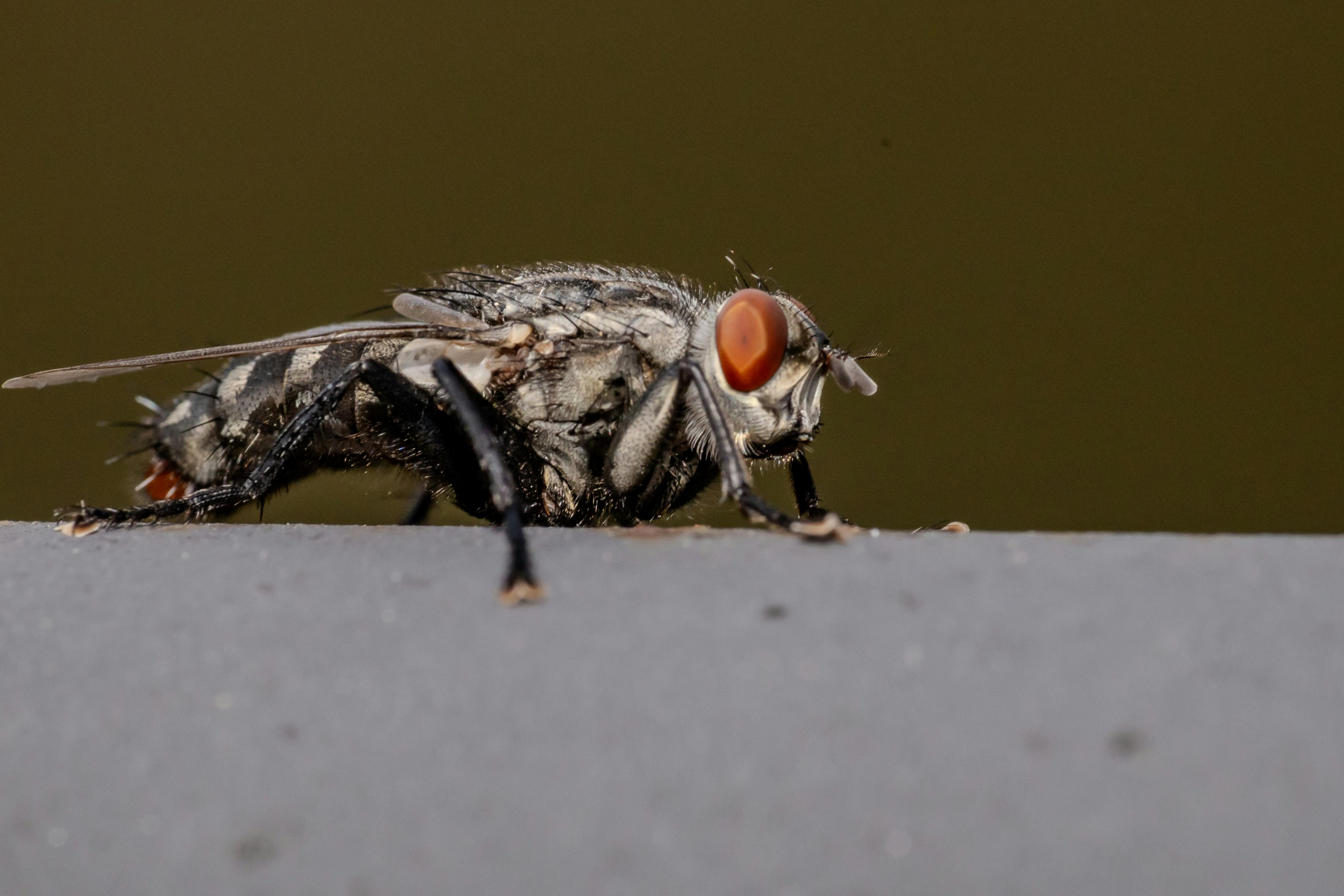
Understanding how a house fly moves from a tiny egg to a buzzing nuisance helps you spot the weak points in its life cycle. In Vinings, Georgia’s warm, humid climate turns a two‑week development period into a relentless production line, especially during the summer months.
Egg Stage
A female house fly can lay up to 150 eggs in a single batch, preferring moist, protein‑rich sites such as garbage cans, animal manure, or rotting fruit. Each egg is about 1 mm long and hatches within 12‑24 hours when temperatures stay above 75 °F (24 °C), a condition easily met in Vinings from late spring through early fall.
Larval (Maggot) Stage
Once hatched, the larvae—commonly called maggots—burrow into the organic material that nurtured them. Over five to six days they molt three times, feeding voraciously and growing up to 12 mm. This feeding phase is the most destructive, as maggots break down waste and release foul odors that attract even more adult flies.
Pupal Stage
When the maggot reaches its full size, it seeks a drier spot to spin a puparium, essentially a protective shell. Inside, the fly undergoes metamorphosis for about three to four days. The pupal stage is the only time the insect is immobile, making it a prime target for sanitation measures that remove breeding sites.
Adult Fly
The fully formed adult emerges, dries its wings, and is ready to reproduce within 24 hours. An adult house fly lives roughly two to three weeks, but its primary mission is to find a mate and lay the next generation of eggs, perpetuating the cycle.
Rapid Development in Georgia’s Climate
Under Vinings’ typical summer temperatures—averaging 85 °F (29 °C) during the day and rarely dipping below 65 °F (18 °C) at night—the entire life cycle can compress into just ten to twelve days. This means that a single pair of flies can give rise to dozens of offspring in less than a month.
According to 2024 USDA and Georgia Extension data, Cobb County experiences 6–8 complete generations of house flies each summer. That rapid turnover translates to exponential population growth if breeding sites are not eliminated promptly.
Seasonal Peaks
The highest fly activity in Vinings aligns with the hottest months: June, July, August. During this window, the combination of heat, humidity, and abundant outdoor dining creates ideal conditions for egg‑laying. Homeowners often notice a sharp increase in fly sightings around community events, barbecues, and outdoor festivals.
One local factor that amplifies the problem is the traffic to Six Flags Over Georgia, located just a short drive from Vinings. The amusement park draws thousands of visitors each weekend, generating large volumes of food waste and standing water in nearby parking lots and picnic areas. These resources act as a magnet for adult flies, which then disperse into neighboring residential neighborhoods.
Quick Tip: Eliminate standing water and organic waste to break the cycle. Regularly empty trash cans, clean pet waste, and keep compost bins sealed. A dry, clean environment removes the breeding grounds that allow flies to multiply.
By recognizing the four life‑cycle stages, the speed at which they progress in Vinings, and the seasonal peaks that drive infestations, you can time your prevention measures for maximum impact. Simple sanitation steps taken before June can dramatically reduce the number of flies that make it through the summer surge.
Typical Entry Points & Hotspots in Vinings Residences
House flies are opportunistic travelers. In Vinings, they often slip inside through the same small gaps that let a breeze in. Identifying those gaps before a full‑blown infestation starts is the most cost‑effective way to keep your home fly‑free. Below we break down the most common exterior entry points, spotlight the neighborhoods where they show up most often, and give you a printable‑style checklist you can use on your next weekend walk‑around.
Common Exterior Entry Points
- Uncovered or loosely sealed trash cans – Flies love the scent of food waste. Even a lid that doesn’t sit flush creates a perfect landing pad.
- Pet doors and small animal flaps – These are designed for convenience, not for keeping insects out. Gaps around the frame let flies slip through with every swing.
- Damaged or missing window screens – A tear as small as a quarter‑inch can become a highway for flies, especially if the screen is near a light source.
- Garage doors left open – Many Vinings homes use the garage as a secondary entry point. An open door, even for a few minutes, invites flies from the driveway and nearby green spaces.
Vinings Neighborhood Hotspots
While the entry points above are universal, the way they appear can vary by subdivision. Here’s what we’ve seen in three of Vinings’ most common residential areas:
- Vinings Village – The community’s central park and shared picnic tables generate higher outdoor food residue. Look for overflowing trash bins in the communal area and ensure each unit’s personal cans are tightly sealed.
- The Clovers at Vinings – Many homes feature pet doors that open directly onto landscaped walking trails. These trails attract birds and squirrels, which in turn draw flies. Inspect the door seals and consider a magnetic latch to reduce gaps.
- Nearby Cobb County subdivisions (e.g., Chattahoochee Ridge, Riverstone) – Larger lot sizes mean more backyard grills and outdoor kitchens. Open garage doors during evening barbecues create a direct pathway for flies to move from the patio into the house.
Inspection Checklist – Exterior First
Grab a pen, walk the perimeter of your home, and tick each item. A quick visual scan can reveal hidden entryways before you even think about indoor treatments.
- □ Trash cans sealed with tight‑fit lids (no gaps around the rim)
- □ Pet doors equipped with weather‑stripping or a tight‑closing latch
- □ All window screens intact, no tears, and properly tensioned
- □ Garage door fully closed and seals in good condition
- □ Exterior lights shielded or directed away from doors and windows
- □ Deck or patio railings screened where they abut the house
- □ Outdoor food waste (grill debris, compost bins) stored in sealed containers
- □ Drainage around the foundation clear – standing water attracts flies
Seasonal Variations – Why Summer Matters
Vinings experiences hot, humid summers that turn the outdoors into a fly breeding ground. During these months, flies are more active, and homeowners tend to keep doors and windows open for ventilation. That increased airflow also means more opportunities for flies to slip inside. In contrast, winter’s cooler temperatures naturally suppress fly activity, but the same entry points remain vulnerable year‑round. By conducting the exterior checklist before the first summer heat wave, you reduce the chance of a surprise swarm when you’re most likely to enjoy your patio or keep the house open for fresh air.
Remember, a thorough exterior inspection sets the stage for any interior treatment plan. Once you’ve sealed the most obvious gaps, the next step is a targeted interior approach—something Anthem Pest Control can customize for your Vinings home.
Proven Treatment Options for Vinings Homes

Chemical Residual Sprays
When it comes to knocking down house flies quickly, EPA‑registered residual sprays are the gold standard for Vinings homeowners. These formulations cling to walls, ceilings, and other surfaces for weeks, delivering a low‑dose poison that flies pick up as they land. Most reputable services apply the product either once a month during peak season or on a quarterly schedule when fly activity tapers.
Safety is non‑negotiable. The EPA’s insecticide guidelines advise keeping children and pets away from treated areas for at least two hours after application, and to store any leftover product out of reach. Professional applicators wear protective gear, calibrate spray equipment for even coverage, and follow label instructions to the letter—steps most DIY users overlook.
Bait Stations & Fly Traps
Bait stations and mechanical traps work hand‑in‑hand with residual sprays, especially around high‑traffic zones. Place bait stations near garbage cans, patio tables, and any entry points where flies congregate. For maximum capture, position sticky traps at eye level on walls or under eaves where flies naturally rest.
Maintenance is simple but critical: replace bait cartridges every two weeks and swap out sticky liners once they’re saturated. Neglecting this routine can turn a trap into a breeding hotspot rather than a control tool.
Integrated Pest Management (IPM)
IPM is a holistic, long‑term strategy that blends sanitation, exclusion, and targeted chemical use. Start by eliminating breeding sites—clean up food scraps, cover trash bins, and repair screen doors. Next, seal cracks, install door sweeps, and keep windows screened to block entry. Finally, schedule professional residual sprays and strategically placed bait stations to finish the job.
The beauty of IPM lies in its sustainability. By reducing reliance on chemicals alone, you protect family health, lower the chance of resistance, and keep fly populations in check year after year.
Pricing Overview for 2025
Anthem Pest provides transparent, up‑to‑date pricing for Vinings residents. Below is a snapshot of the most common service packages, verified against the company’s 2024‑2025 pricing page.
| Service Package | What’s Included | Price Range (USD) |
|---|---|---|
| Single‑visit residual spray | One-time EPA‑registered spray, coverage of exterior and interior perimeters | $120 – $180 |
| Quarterly service package | Four residual sprays spaced three months apart, plus a follow‑up inspection | $250 – $350 |
| Annual comprehensive plan | Initial inspection, residual spray, bait stations, trap placement, and two follow‑up visits | $400 – $550 |
Professional Application vs. DIY
Beyond efficacy, a licensed service shields you from liability. If a spray is misapplied, EPA penalties can be steep, and improper handling could pose health risks. Anthem Pest’s technicians are EPA‑certified, insured, and trained to protect both your home and your family.
Key Takeaways for Vinings Homeowners
- Choose EPA‑registered residual sprays for lasting knock‑down.
- Position bait stations and traps near waste areas and entry points, and replace them regularly.
- Adopt an IPM approach: clean, seal, then treat.
- Invest in a professional plan—annual packages often deliver better value than multiple single visits.
- Always verify current pricing on Anthem’s website before scheduling.
DIY Prevention Strategies for Homeowners
Daily Sanitation
Flies are attracted to anything that smells like a buffet. The simplest way to keep them at bay is to eliminate food sources the moment they appear. Empty kitchen trash cans nightly and line them with tightly‑fitting lids. If you compost, use a sealed bin and turn it regularly to prevent odors from escaping. Pet waste should be scooped up immediately and disposed of in a sealed bag—flies love the moisture and protein in fresh droppings. Even a small spill on the floor can become a fly hotspot, so wipe down counters, countertops, and pet feeding areas after each use.
Physical Barriers
Once your home is clean, block the entry points. Inspect all windows and doors for torn or missing screens; replace or repair them with fine mesh that won’t let a single housefly slip through. Install door sweeps on exterior doors to seal the gap at the bottom—flies can squeeze through spaces as narrow as a quarter of an inch. For patios and screened porches, consider hanging a fly curtain or a lightweight mesh door that lets fresh air flow while keeping insects out. These low‑cost upgrades create a physical wall that flies simply cannot breach.
Natural Repellents
If you prefer a chemical‑free approach, essential‑oil sprays can add an extra layer of deterrence. Mix a few drops of eucalyptus or peppermint oil with water in a spray bottle and mist around doorways, window sills, and outdoor seating areas. While these scents are unpleasant to flies, the CDC notes that natural repellents provide limited, short‑term effectiveness compared with mechanical barriers. Use them as a supplemental measure rather than the sole line of defense, and reapply every few hours on hot, windy days.
Seasonal Checklist
Flies have seasonal habits, so tailoring your prevention routine to the time of year can make a big difference.
- Spring: As the weather warms, clean gutters and downspouts to remove damp debris where flies might lay eggs. Trim back overgrown shrubs and remove any decaying vegetation that could serve as breeding sites.
- Summer: Outdoor lighting attracts flies at night. Switch to yellow “bug” bulbs or shield lights with fixtures that direct illumination downward. Keep grills and outdoor cooking equipment covered when not in use to stop flies from feasting on food remnants.
- Fall: Store seasonal decorations, wreaths, and yard waste in sealed containers to prevent hidden larvae from hatching indoors. Inspect attics and crawl spaces for forgotten organic matter—old leaves, pet bedding, or even spilled food can become a hidden fly nursery.
Why Consistency Pays Off
Regular DIY maintenance may feel like extra chores, but it dramatically cuts the need for professional fly treatments. By keeping food sources hidden, sealing entry points, and addressing seasonal breeding hotspots, you reduce the fly population before it can explode. Fewer flies mean fewer emergency calls, lower overall pest‑control costs, and a more comfortable home for you and your family. Think of each daily habit as a small investment that pays off in fewer sprays, less chemical exposure, and a healthier living environment.
When Professional Help Is Needed – Anthem Pest Benefits
Dealing with a house‑fly infestation on your own can feel like a never‑ending battle. Over‑the‑counter sprays may knock a few flies down, but they rarely address the root cause. That’s where a licensed professional steps in, delivering a comprehensive solution that protects your home, your family, and your peace of mind.
Licensed Technicians You Can Trust
Rapid 24‑Hour Response
Flies multiply quickly—an infestation can go from a nuisance to a full‑blown problem in days. Anthem Pest offers a 24‑hour emergency response window, meaning you won’t have to wait weeks for a technician to arrive. A swift visit stops the breeding cycle before it overwhelms your kitchen, patio, or garbage area.
EPA‑Approved Products for Safe Treatment
Anthem Pest exclusively uses EPA‑approved insecticides that have been rigorously evaluated for human health and environmental impact. These formulations target adult flies and larvae while minimizing exposure to pets, children, and beneficial insects. The result is a fast‑acting, long‑lasting barrier that complies with all local and federal regulations.
Why a Professional Inspection Matters
A thorough inspection uncovers the hidden sources most homeowners miss: rotting organic matter in wall voids, improperly sealed trash containers, or damp areas behind appliances. Anthem’s experts use specialized tools and a systematic checklist to locate every potential breeding hotspot, ensuring no fly‑friendly micro‑habitat is left untreated.
Accurate Dosage and Compliance
Applying the right amount of product is a science. Too little, and flies survive; too much, and you risk health hazards and legal penalties. Anthem’s technicians calculate dosage based on square footage, fly density, and the specific product’s label instructions, guaranteeing full compliance with Vinings’ local pest‑control ordinances.
Service Options Tailored for Vinings Homeowners
Whether you need a one‑time knock‑down, a seasonal maintenance plan, or an integrated fly‑prevention program, Anthem Pest offers flexible packages that fit any budget. Each option includes a detailed service report and a follow‑up visit to verify results. Explore the full range of offerings on the Anthem Pest – House Fly Control page.
“I called Anthem after noticing flies swarming around my kitchen trash can. Within 24 hours, a friendly technician arrived, identified a hidden compost pile behind my garage, and treated the area. The flies disappeared, and I haven’t seen another one since. Fast, professional, and affordable!” – A satisfied Vinings homeowner
Ready to reclaim a fly‑free home? Call Anthem Pest today at 877‑371‑8196 for a free, no‑obligation quote. Our licensed team will schedule a same‑day inspection, explain the treatment plan, and guarantee results you can see and trust.
Frequently Asked Questions About Fly Control
How long does a treatment last?
Most professional fly control applications provide residual protection for 2 to 4 weeks. The exact duration depends on the active ingredient, the formulation (spray, granule or bait), and local weather conditions. Hot, humid summers can accelerate degradation, while cooler, dry periods may extend the residual effect. Anthem Pest schedules follow‑up visits when the residual window closes, ensuring continuous protection throughout the peak fly season.
Are the chemicals safe for children and pets?
All products we use are EPA‑registered and must meet strict toxicity standards before they reach the market. The EPA’s “Safety for Children and Pets” label guarantees that, when applied according to the label, exposure risks are minimal. After a treatment, we observe a re‑entry interval—typically 30 minutes for indoor sprays and up to 2 hours for foggers—before allowing occupants back into the treated area. Following these guidelines, Anthem Pest keeps your home safe while eliminating flies.
Can flies develop resistance?
Yes, flies can become less susceptible to a single active ingredient if it’s used repeatedly. To combat this, the EPA’s resistance‑management guidelines recommend rotating chemicals with different modes of action. Anthem Pest follows a proven rotation schedule, alternating pyrethroids, organophosphates, and newer insect growth regulators. This strategy slows resistance development and preserves the long‑term efficacy of our fly control programs.
Do traps eliminate all flies?
Fly traps are an excellent supplemental tool, but they rarely capture every adult. Traps work best when combined with sanitation and barrier treatments. By reducing the adult population, traps lower the chance of breeding, but a comprehensive plan—including residual sprays and source‑reduction—delivers the most reliable control.
How often should I schedule preventative treatments?
In Vinings, Georgia, flies are most active from late spring through early fall. We recommend a preventative treatment at the start of the season (late April to early May) and a follow‑up mid‑season (July). For high‑risk properties—such as those with outdoor dining areas or livestock—monthly applications may be warranted. Our technicians will tailor the schedule to your property’s specific risk factors.
What can I do to make treatments more effective?
Effective fly control starts with good sanitation. Remove food debris, keep trash cans sealed, and eliminate standing water. Seal cracks around doors, windows, and utility penetrations to block entry points. After a professional treatment, avoid washing treated surfaces for at least 24 hours; this allows the residual product to bind to surfaces and work longer. Simple homeowner actions combined with Anthem Pest’s expertise create a fly‑free environment that lasts.
Final Takeaways and How to Get a Free Inspection
When house flies start buzzing around your kitchen, patio, or children’s play area, speed matters. In Vinings, the humid climate gives these pests a perfect breeding ground, and a small infestation can quickly become a full‑blown nuisance. Professional fly control that arrives promptly stops the breeding cycle, removes adult flies, and prevents the next generation from taking hold.
DIY Prevention Saves Money—and Improves Treatment Success
Simple, consistent DIY steps—like sealing entry points, removing standing water, and keeping food waste tightly contained—do more than keep flies at bay. They also shrink the amount of pesticide your technician needs to apply, which directly lowers the overall service cost. Think of it as preparing the soil before planting; the healthier the foundation, the less effort—and expense—required to grow a strong, lasting solution.
Why Anthem Pest Stands Out in Vinings
Anthem Pest Control blends local knowledge with a clear, upfront pricing model. Their technicians know the specific fly hotspots in Vinings neighborhoods, from shaded decks to community parks, and they tailor each treatment to match those conditions. You’ll never encounter hidden fees; the quote you receive includes the initial inspection, the chosen treatment plan, and a follow‑up visit if needed.
The Cost‑Effective Power of a Combined Approach
When you pair your own preventive habits with Anthem’s professional service, you get the best of both worlds. Homeowners often see a 20‑30 % reduction in total spend compared with relying solely on chemical treatments, while enjoying a faster reduction in fly activity. The synergy also means fewer re‑treatments, less disruption to your daily routine, and a healthier environment for your family and pets.
Free Inspection—What to Expect
- Comprehensive walk‑through: A certified technician examines interior and exterior zones where flies thrive.
- Targeted recommendations: You receive a customized action plan that blends DIY steps with professional interventions.
- No‑obligation quote: The cost estimate is transparent, itemized, and delivered on the spot.
- Scheduling flexibility: Choose a time that fits your calendar, and the inspection is completely free of charge.
Ready to take the next step? Call Anthem Pest today at 877‑371‑8196. Their friendly staff will lock in a convenient time for your free inspection and answer any questions you have about fly control, seasonal pest trends, or the safety of the products they use.
Don’t let house flies dictate the comfort of your home. Visit Anthem Pest Control now to schedule your complimentary inspection and start the path toward a fly‑free Vinings residence.