Recognizing Millipedes in Your Garden and Home
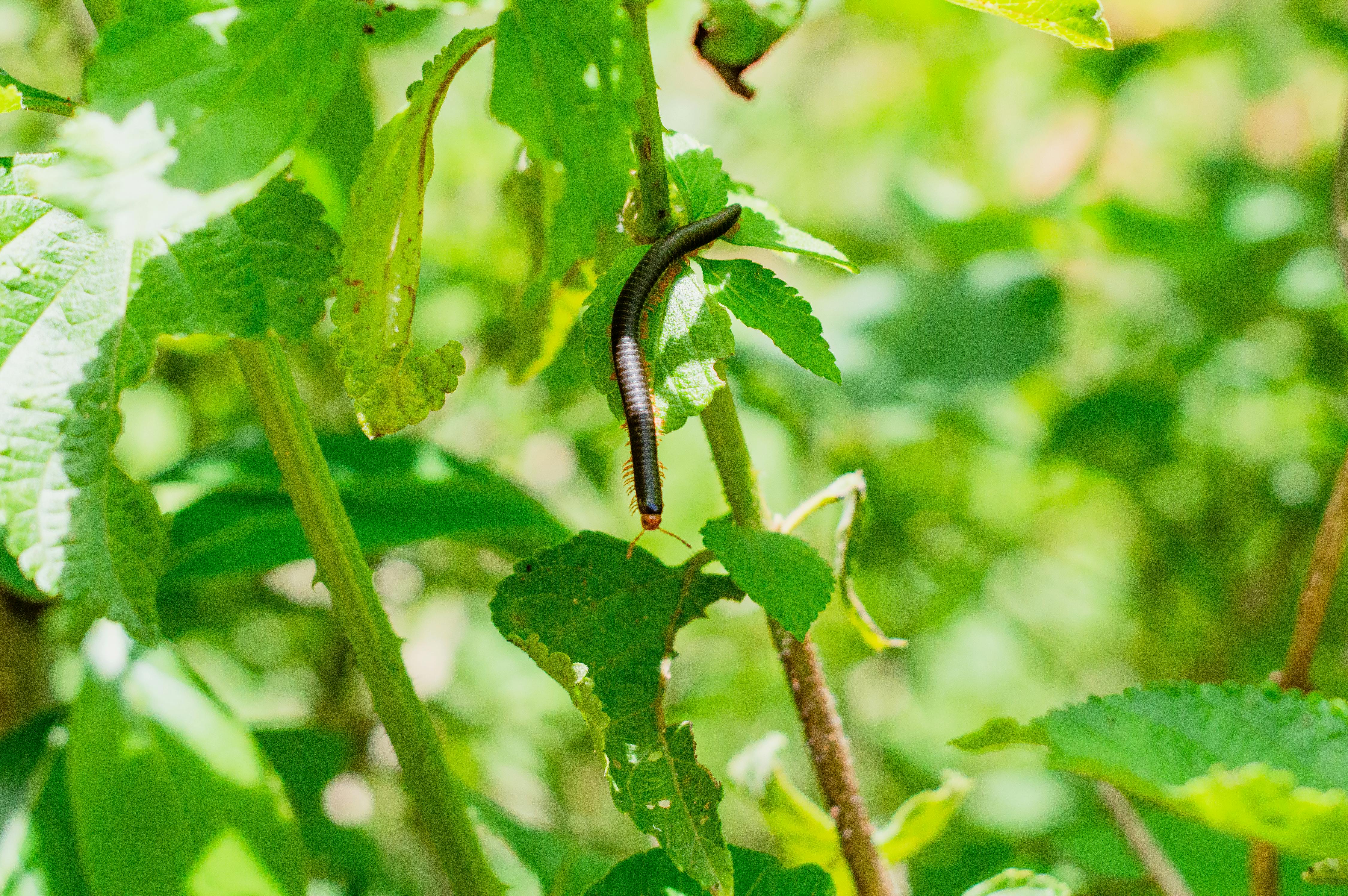
Millipedes are harmless, multi‑legged arthropods that belong to the class Diplopoda. Unlike insects, they have two pairs of legs on each body segment, giving them a distinctly “many‑footed” appearance. Their primary diet consists of decaying organic matter—leaf litter, dead wood, and other plant debris—so they play a valuable role in breaking down garden waste.
What They Look Like
Visually, millipedes are easy to spot once you know what to look for. Their bodies are elongated and cylindrical, often ranging from half an inch to several inches long depending on the species. Coloration varies from light brown to deep black, sometimes with subtle banding or a glossy sheen. The most recognizable behavior is their slow, deliberate crawl; when threatened, they curl into a tight spiral, protecting their softer undersides.
Where They Hang Out
In a typical Georgia garden, millipedes gravitate toward moist environments. Expect to find them in leaf litter, under mulch, and within damp garden beds where organic material accumulates. Inside the home, they may wander into foundations, crawl spaces, basements, or any area that stays cool and humid. Their preference for moisture explains why they become more noticeable after heavy rain or during the humid summer months.
Millipedes vs. Look‑Alikes
Not all many‑legged critters are millipedes. Centipedes, for example, have one pair of legs per segment, move much faster, and are predatory—often hunting insects and spiders. Woodlice (or pill bugs) are crustaceans with a flatter, segmented shell and typically roll into a ball rather than a spiral. Recognizing these differences prevents misidentification and ensures you choose the right control approach.
Why Correct Identification Matters
Identifying millipedes accurately saves homeowners from unnecessary pesticide applications. Because millipedes feed on dead material, they rarely cause direct damage to plants or structures. However, large numbers can become a nuisance, especially when they congregate near entry points or in crawl spaces, potentially creating a damp, unsightly mess. Knowing you’re dealing with a harmless decomposer helps you focus on moisture management and habitat modification instead of chemical treatments.
Next Steps for Homeowners
Once you’ve confirmed the presence of millipedes, the best first step is to reduce moisture around your home’s foundation—repair leaks, improve drainage, and limit mulch depth against the house. For deeper infestations or persistent indoor sightings, professional guidance can tailor a safe, targeted plan. For a comprehensive overview of millipede biology and control options, visit the Anthem Pest Millipede Control Overview.
Warning Signs of a Millipede Infestation
Millipedes are harmless visitors most of the time, but when they start showing up in droves, they can become a nuisance. Spotting the early clues lets you act before the numbers swell and cause damage to your home or garden.
Rain‑Driven Sightings
After a heavy rain or a long irrigation cycle, you’ll notice more millipedes wandering near entry points—doorways, windows, and any cracks in the foundation. Moisture forces them out of the soil, and they head for the nearest dry refuge. If you’re wiping them off the threshold day after day, it’s a sign that the outdoor population is booming.
Indoor Congregations on Humid Evenings
Unlike a solitary explorer, a true infestation produces clusters of millipedes on indoor surfaces. Look for groups gathering on hardwood floors, kitchen countertops, or bathroom tiles during damp evenings. Their slow, coordinated movement is a red flag that they’ve found a comfortable indoor micro‑climate.
Damage Clues
- Staining or discoloration: Crushed bodies can leave dark, oily spots on carpets, linoleum, or wooden floors. The residue may appear as a faint brown smear that’s hard to scrub off.
- Root chewing: In garden beds, especially around soft, young plant roots, you might see tiny bite marks. While millipedes aren’t primary herbivores, large numbers can graze on tender roots, weakening seedlings.
Defensive Secretions
When threatened, millipedes release a milky, sometimes pungent fluid. This oily secretion can leave a slick film on windowsills, baseboards, or patio furniture. An unusual, faint odor accompanying the residue often indicates a defensive spray—another hallmark of a growing population.
Seasonal Activity Peaks
In the southeastern United States, millipedes are most active from late spring through early fall. Warm temperatures and high humidity create ideal conditions for breeding. If you notice a surge in activity during these months, treat it as a seasonal warning and prepare for possible escalation.
Casual Presence vs. True Infestation
A casual presence looks like a lone millipede that disappears after a quick sweep. A true infestation, however, exhibits two or more of the following:
- Repeated sightings after rain or irrigation.
- Visible groups of five or more individuals on interior surfaces.
- Staining, oily residues, or occasional root damage in the garden.
- Consistent activity throughout the humid season, not just a one‑time event.
If you’re checking these boxes, it’s time to call a professional. Early intervention prevents the pests from establishing a permanent foothold and saves you from costly repairs later on.
Effective Millipede Treatment Options
Exterior Perimeter Treatments
Low‑pressure mist applications around the home’s foundation, walkways, and mulch zones create an invisible shield that deters millipedes before they reach interior walls. Technicians use a fine‑tuned nozzle to disperse a thin layer of EPA‑approved insecticide that adheres to soil and plant debris, where millipedes spend most of their time. The mist penetrates cracks and crevices, providing continuous protection for weeks while remaining safe for nearby landscaping.
Soil Drenches and Granular Insecticides
Millipede larvae develop in the top few inches of soil, feeding on decaying organic matter. Soil drenches involve mixing liquid insecticide with water and saturating the affected area, ensuring the product reaches the larvae’s habitat. Granular formulations work similarly; when sprinkled and watered in, the granules release the active ingredient slowly, maintaining lethal levels in the root zone. Both methods are especially effective after heavy rains, which can otherwise wash chemicals away.
Indoor Residual Sprays
Once millipedes breach the exterior barrier, interior treatment becomes essential. Residual sprays applied to baseboards, window sills, door thresholds, and any visible cracks create a lasting toxic film that kills insects on contact. Professionals target known entry points and high‑traffic zones, using a calibrated spray pattern to avoid over‑application. The residual effect can last up to 30 days, buying homeowners time to address the underlying outdoor conditions.
Non‑Chemical Prevention Strategies
Reducing moisture is the cornerstone of millipede control. Simple steps such as installing proper drainage, fixing leaky gutters, and using a dehumidifier in damp basements cut off the moisture millipedes crave. Removing excess mulch, leaf litter, and wood debris eliminates their food source. Finally, sealing foundation cracks with a high‑quality caulk prevents both water intrusion and insect entry, creating a dry, inhospitable environment.
Professional vs. DIY Applications
While many homeowners reach for over‑the‑counter sprays, licensed technicians bring three critical advantages: accurate dosage, safety equipment, and access to EPA‑approved products unavailable to the public. Professionals assess the property’s micro‑climate, choose the right formulation, and apply it with calibrated equipment, ensuring consistent coverage without waste. DIY attempts often miss hidden entry points or use sub‑lethal concentrations that can foster resistance.
Safety Considerations for People, Pets, and Air Quality
All treatments are selected with indoor air quality in mind. Technicians wear respirators and gloves, and they keep pets and children out of treated zones until the product dries—usually 30 minutes for sprays and a few hours for soil drenches. Post‑treatment ventilation, such as opening windows, speeds up off‑gassing. Anthem Pest Control follows strict label directions, minimizing any residual odor or health risk while delivering a potent knock‑down.
Real‑World Example: Technician Applying a Mist Treatment

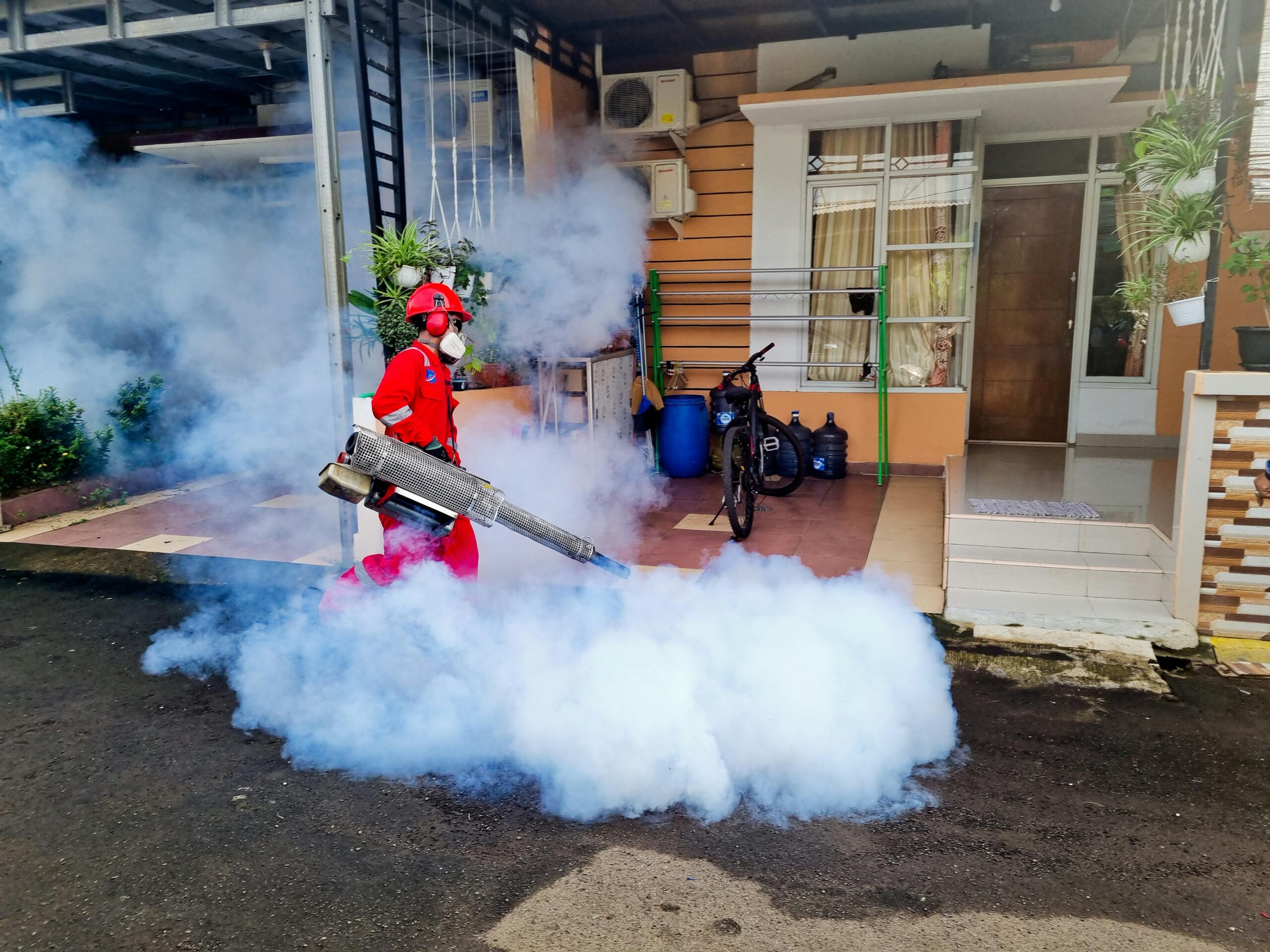
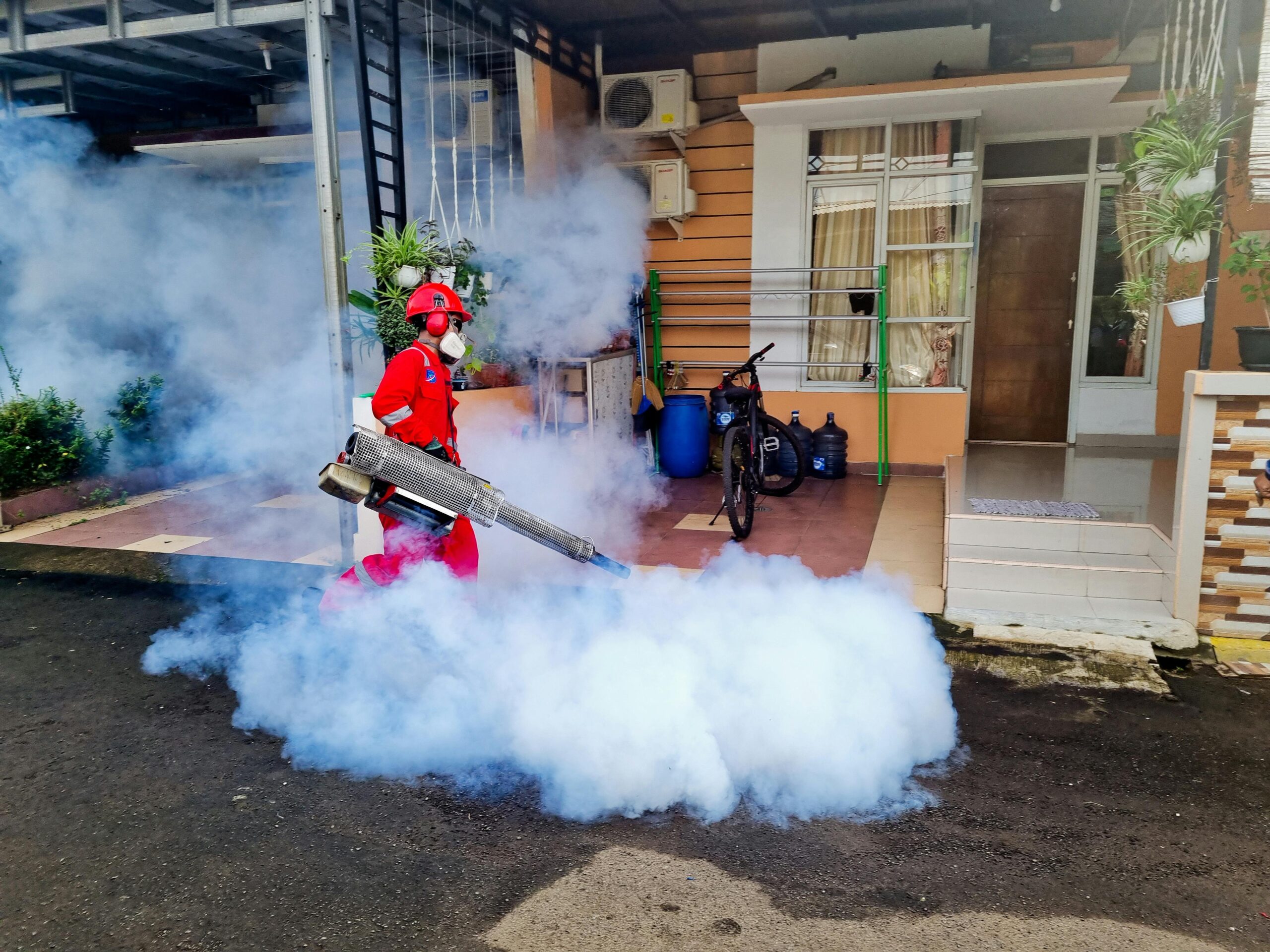
In this photo, a certified Anthem technician uses a low‑pressure mist blower to treat the perimeter of a Decatur home. The equipment releases a fine, even coating that seeps into cracks and settles into the topsoil, targeting both adult millipedes and their larvae. The technician follows a systematic pattern—starting at the lowest point of the foundation and working upward—ensuring no spot is missed. After the mist dries, the homeowner can safely resume outdoor activities, confident that a robust barrier now protects the property.
Pricing and Service Plans for Millipede Control
Common Pricing Structures
Anthem Pest offers three straightforward ways to protect a 2,000 sq ft home from millipedes:
- One‑time treatment – a single, intensive application that targets the current infestation.
- Quarterly maintenance – four visits a year, each reinforcing the barrier and checking for new activity.
- Annual protection plan – an all‑inclusive package that combines the quarterly visits with a pre‑season inspection and a moisture‑barrier assessment.

Cost Breakdown by Square Foot
| Plan Type | Cost per Sq Ft | Total Price | Number of Visits |
|---|---|---|---|
| One‑time Treatment | $0.15 | $300 | 1 |
| Quarterly Maintenance | $0.12 | $240 | 4 |
| Annual Protection Plan | $0.10 | $200 | 4 + 1 inspection |
What’s Included in Each Plan
- One‑time Treatment: Full‑coverage spray, a 30‑day re‑treatment guarantee, and a written report of findings.
- Quarterly Maintenance: Four seasonal sprays, a 60‑day re‑treatment guarantee, and a moisture‑barrier assessment on the second visit.
- Annual Protection Plan: All quarterly services, a pre‑season on‑site inspection, a comprehensive moisture‑management report, and a lifetime satisfaction guarantee that covers any missed millipedes.
Why Recurring Plans Pay Off
Millipedes thrive in damp, shaded areas that can reappear after a single treatment. A recurring schedule keeps the protective barrier active year‑round, catching new hotspots before they become visible. Homeowners also benefit from discounted rates—up to 33 % off the total cost compared with booking each visit separately. Plus, regular inspections give you early warning of any emerging pest issues, saving you time and money in the long run.
Getting Your Personalized Quote
Ready to lock in a transparent price? You have three easy options:
- Visit Anthem Pest’s website and fill out the quick online quote form.
- Call our dedicated line at 877‑371‑8196 for an immediate estimate.
- Schedule a free on‑site inspection—our technician will walk you through the plan that fits your budget and your home’s unique needs.
Anthem Pest’s “transparent pricing” promise means you’ll see every dollar’s purpose before any work begins, and our satisfaction guarantee ensures you’re covered if millipedes return within the guaranteed period.
Seasonal Activity Patterns and Timing Your Treatment
Millipedes may look harmless, but when they swarm into your yard or home they can become a nuisance. Understanding when they’re most active in the Southeast lets you strike before they turn your porch into a moving carpet.
Life‑cycle basics
In Decatur the millipede’s life cycle follows four stages: egg, juvenile (often called a “nymph”), sub‑adult, and mature adult. Eggs are laid in moist soil during late summer. As temperatures rise above 55 °F (13 °C) and soil moisture stays above 15 %, juveniles hatch and begin feeding. Warm, damp conditions accelerate molting, so a single generation can produce several rounds of juveniles before the first frost forces them into a dormant state.
Seasonal activity chart
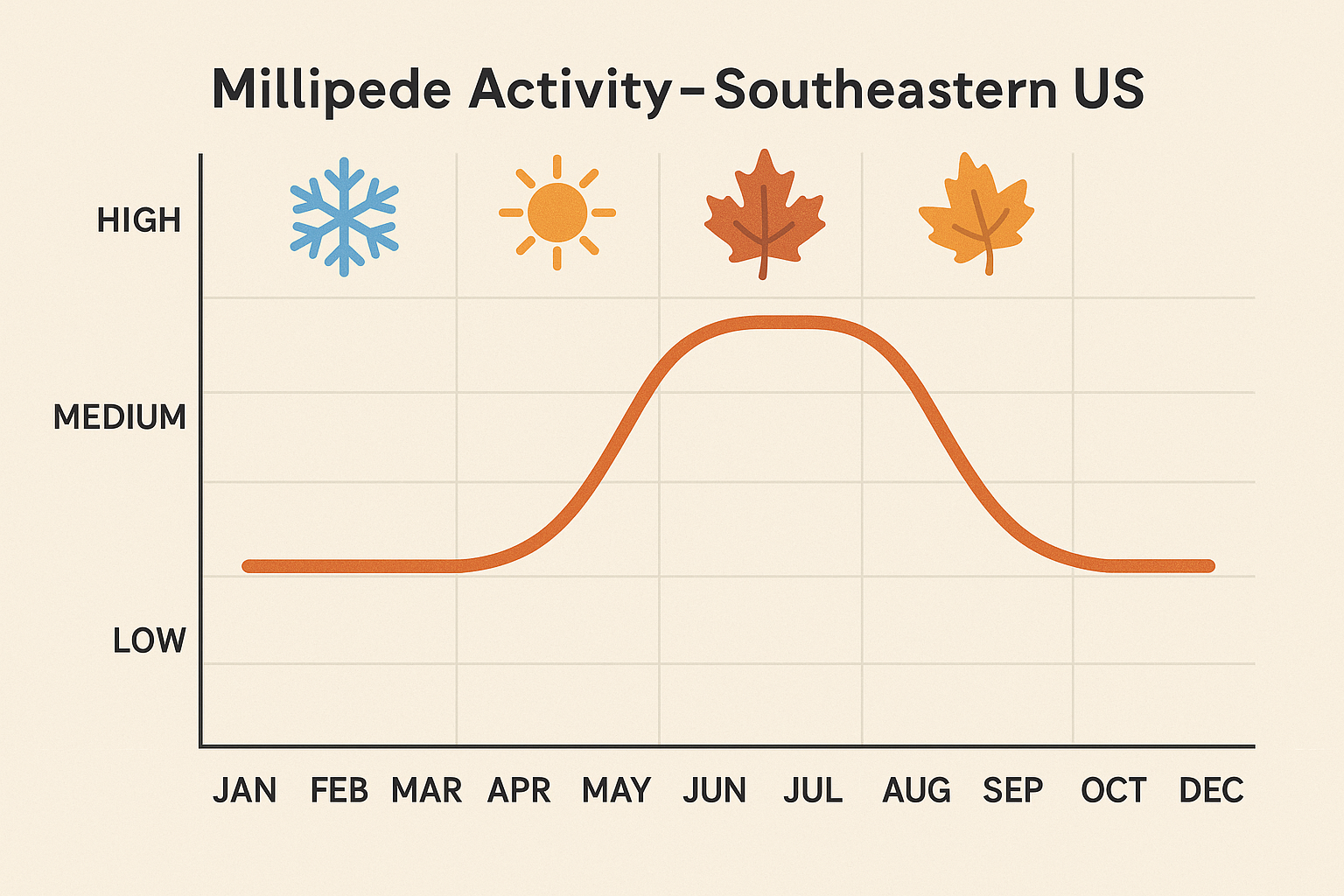
The chart above plots average activity on a scale from 0 (inactive) to 5 (high). Notice the twin peaks: a modest rise in early spring (March‑May) and a larger surge in early fall (September‑November). Mid‑summer months dip because the soil dries out, while winter months drop to near zero as millipedes seek refuge underground.
High‑risk periods
- March – May: After winter, soil warms and spring rains create ideal humidity. Juveniles emerge en masse, often crawling onto foundations and decks.
- September – November: Late‑summer thunderstorms saturate the ground, prompting another wave of movement as adults search for dry shelter.
Optimal treatment windows
For homeowners, the sweet spot for a pre‑emptive barrier is early spring—ideally the first two weeks of March—when millipedes are just beginning to surface. Apply a perimeter treatment that targets the soil and foundation cracks before the insects can infiltrate.
After the fall peak, a second round in late August through early September helps knock down the lingering adult population before they seek indoor refuge for the winter. This “post‑peak” application works best when the forecast predicts a dry spell of at least five days, allowing the product to cure without being washed away.
Using weather to your advantage
Keep an eye on local forecasts. A predicted rain of 0.5 inches or more within the next 48 hours signals a good time to treat, because moisture will carry the insecticide into the soil where millipedes hide. Conversely, schedule treatments on dry days to avoid runoff.
Homeowner tips for indoor protection
- Run a dehumidifier in basements and crawl spaces to keep humidity below 50 %.
- Clear gutters and downspouts so water doesn’t pool against the foundation.
- Seal cracks around windows, doors, and utility penetrations with silicone caulk.
- Trim vegetation that touches the house; it acts as a bridge for wandering millipedes.
For a detailed regional pest calendar, visit the University of Georgia’s pest calendar. Aligning your treatment plan with these seasonal cues gives you the best chance to keep millipedes outside where they belong.
Protect Your Home with Professional Millipede Control
We’ve walked through how to spot a millipede invasion—recognizing the glossy, many‑legged crawlers, noting the rust‑colored trails, and listening for the subtle “crackling” they make when disturbed. You now know the warning signs: clusters of dead insects near entry points, damp basements, and the sudden appearance of millipedes after heavy rain.
When it comes to treatment, you have options. DIY sprays and traps can offer short‑term relief, but they often miss hidden nests and may pose risks to pets or children. Professional services bring a two‑pronged approach: a thorough exterior barrier that stops new intruders and a targeted interior application that eliminates those already inside. Pricing in Decatur typically ranges from $150 for a single‑visit exterior treatment to $250‑$300 for a comprehensive package that includes follow‑up visits and a warranty.
Timing matters, too. Millipedes are most active in late spring through early fall, especially after a rainstorm. Scheduling a treatment before the peak season—or right after a heavy downpour—gives you the best chance to keep them at bay.
Why Choose a Licensed, Experienced Provider?
- Safety first: Certified technicians know how to apply EPA‑approved products safely, protecting your family, pets, and the environment.
- Proven effectiveness: Professional‑grade formulations penetrate deep into soil and wall voids, reaching nests that over‑the‑counter products can’t.
- Long‑term peace of mind: With a warranty and regular monitoring, you won’t have to wonder if the next rain will bring another wave of millipedes.
At Anthem Pest Control, we combine local knowledge of Decatur’s climate with years of pest‑management expertise. Our technicians conduct a complimentary inspection, identify vulnerable entry points, and tailor a treatment plan that fits your budget.
Ready to take the next step? Call us today at 877‑371‑8196 or visit anthempest.com for a no‑obligation, free quote. Whether you need a one‑time fix or a flexible service plan, we’ll work around your schedule and give you a clear, upfront price.
Don’t let millipedes turn your home into a damp, unsettling mess—reach out now and let the experts handle the problem so you can enjoy a pest‑free space without the hassle.