Why Millipedes Matter for Suwanee Homeowners
Millipedes are often the first critters homeowners notice crawling across sidewalks or garden beds. Belonging to the class Diplopoda, these arthropods are easily recognized by their long, segmented bodies and dozens of legs. Despite their many legs, they are completely harmless to people and pets.
In Georgia’s humid climate, millipedes thrive in environments that stay moist and cool. They gravitate toward leaf litter, decomposing wood, and mulch—especially around the foundation of a home where water collects. These micro‑habitats provide the organic material millipedes need to feed and reproduce.
That’s why homeowners in Suwanee notice a surge of millipedes each spring and early summer. As temperatures rise and the soil thaws, the insects emerge from their underground hideouts in search of food and a drier place to wander. Their numbers can quickly spill onto driveways and porches.
While they won’t bite or spread disease, millipedes can still create several practical headaches for homeowners.
- They chew on tender plant roots and foliage, leading to unsightly damage in lawns, flower beds, and newly planted shrubs.
- Large congregations can clog roof gutters and exterior drains, forcing water to pool near the foundation.
- Because they gather in damp corners, they may attract true pests such as ants, roaches, or even rodents seeking moisture.
- The sheer sight of dozens of long‑legged crawlers can be unsettling, reducing the comfort of outdoor living spaces.
These issues may seem minor, but when they combine with a wet foundation they can accelerate moisture‑related problems that affect your home’s structural health. Ignoring the early signs means you’ll likely face larger infestations and higher treatment costs later in the season.
Understanding where millipedes live, why they appear, and what problems they can cause gives you a solid foundation for choosing the right prevention plan. In the sections that follow, we’ll walk through how to identify the species around your property, track their seasonal activity, and select cost‑effective treatments that keep your home comfortable year‑round.
Identifying Millipedes and Assessing Their Risks
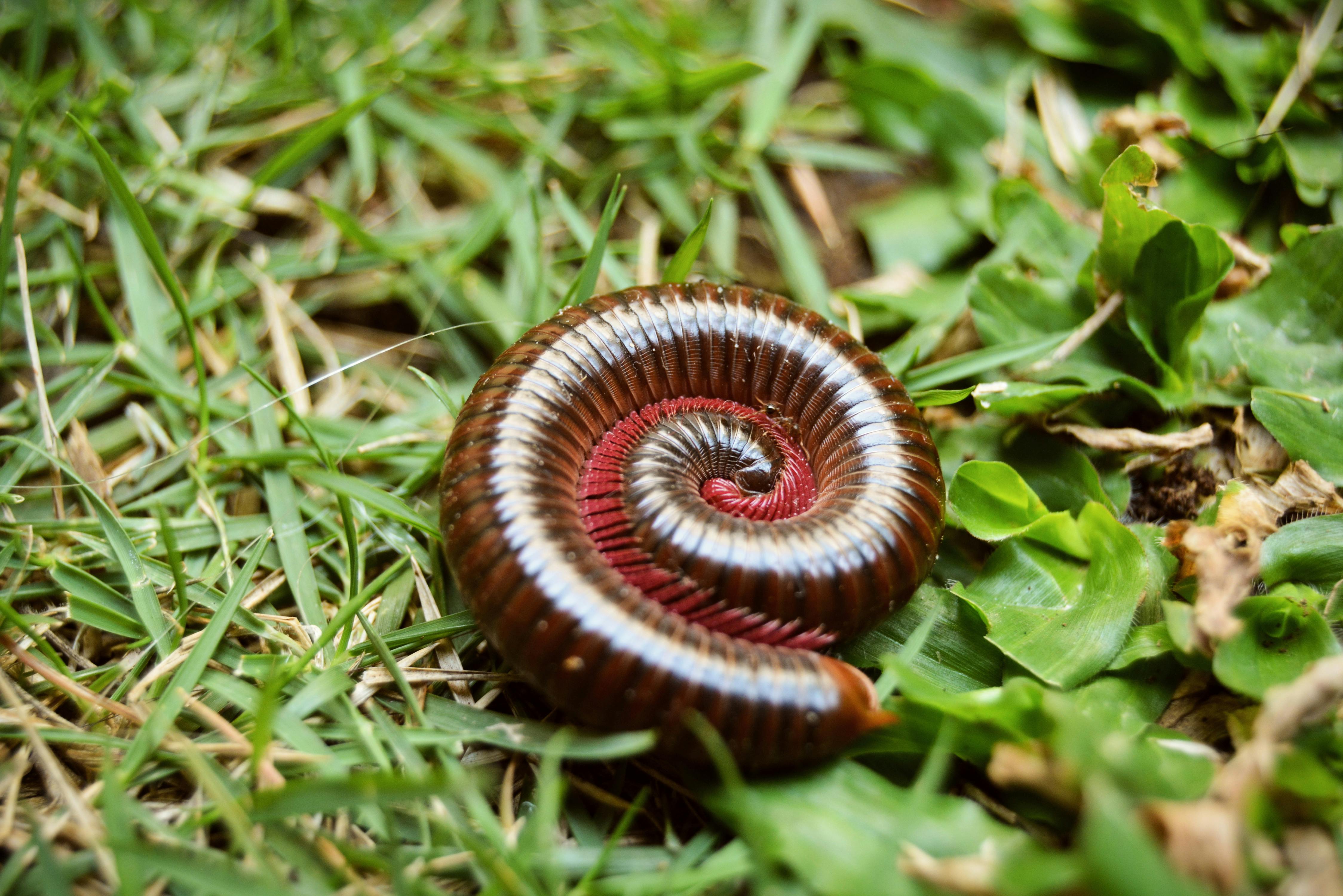
Millipedes are unmistakable once you know what to look for. They have a long, cylindrical body made up of many segments, each bearing two pairs of legs. In Suwanee’s humid climate they typically appear in shades of dark brown to black and move with a deliberate, slow gait. Their soft exoskeleton and the faint, earthy odor they emit when disturbed are additional clues that you’re dealing with a millipede, not a beetle or spider.
How to Tell Millipedes Apart from Centipedes and Woodlice
- Leg count per segment: Millipedes have two pairs of legs per segment, whereas centipedes have only one pair per segment and are much faster.
- Body shape: Woodlice (pill bugs) are short, oval, and can roll into a ball; millipedes are elongated and cannot curl up.
- Movement: Millipedes shuffle slowly; centipedes dart quickly, and woodlice scuttle in a jerky, side‑to‑side motion.
Typical Entry Points Around a Suwanee Home
Even the most well‑maintained house can offer tiny gateways for these moisture‑loving critters:
- Cracks in the foundation or slab.
- Gaps around utility lines, plumbing stacks, and vent pipes.
- Improperly sealed door sweeps or screen doors.
- Mulch beds and garden beds that sit directly against the foundation, providing a damp bridge.
Risks to Your Property
While millipedes are not structural pests, they can still cause nuisance and secondary damage:
- Root and lawn damage: Large numbers feed on decaying organic matter and can strip nutrients from grass roots, leading to brown patches.
- Moisture buildup: Their presence signals excess soil moisture, which can promote mold growth on siding or in crawl spaces.
- Indoor intrusion: Heavy rains often force millipedes to seek shelter inside, where they congregate near doors, windows, and basements.
Health Considerations and When to Act
Millipedes do not bite or sting, but they defend themselves by releasing a oily fluid that can stain fabrics and cause mild skin irritation for sensitive individuals. If you notice the following, it’s time to move from observation to treatment:
- Clusters of millipedes gathering on entryways or inside rooms after a rainstorm.
- Visible trails of slime or fluid on walls, floors, or outdoor surfaces.
- Repeated sightings despite routine cleaning, indicating a growing outdoor population near your home.
Recognizing these signs early lets Anthem Pest Control implement targeted barriers and moisture‑management solutions before the nuisance becomes a full‑blown indoor infestation.
Seasonal Activity Patterns of Millipedes in Georgia
In Georgia, millipede activity follows a predictable seasonal rhythm that mirrors the state’s temperature and moisture cycles. A simple chart shows low activity from January through March, a steady rise in April‑June, a peak between July and September, and a gradual decline from October to December.
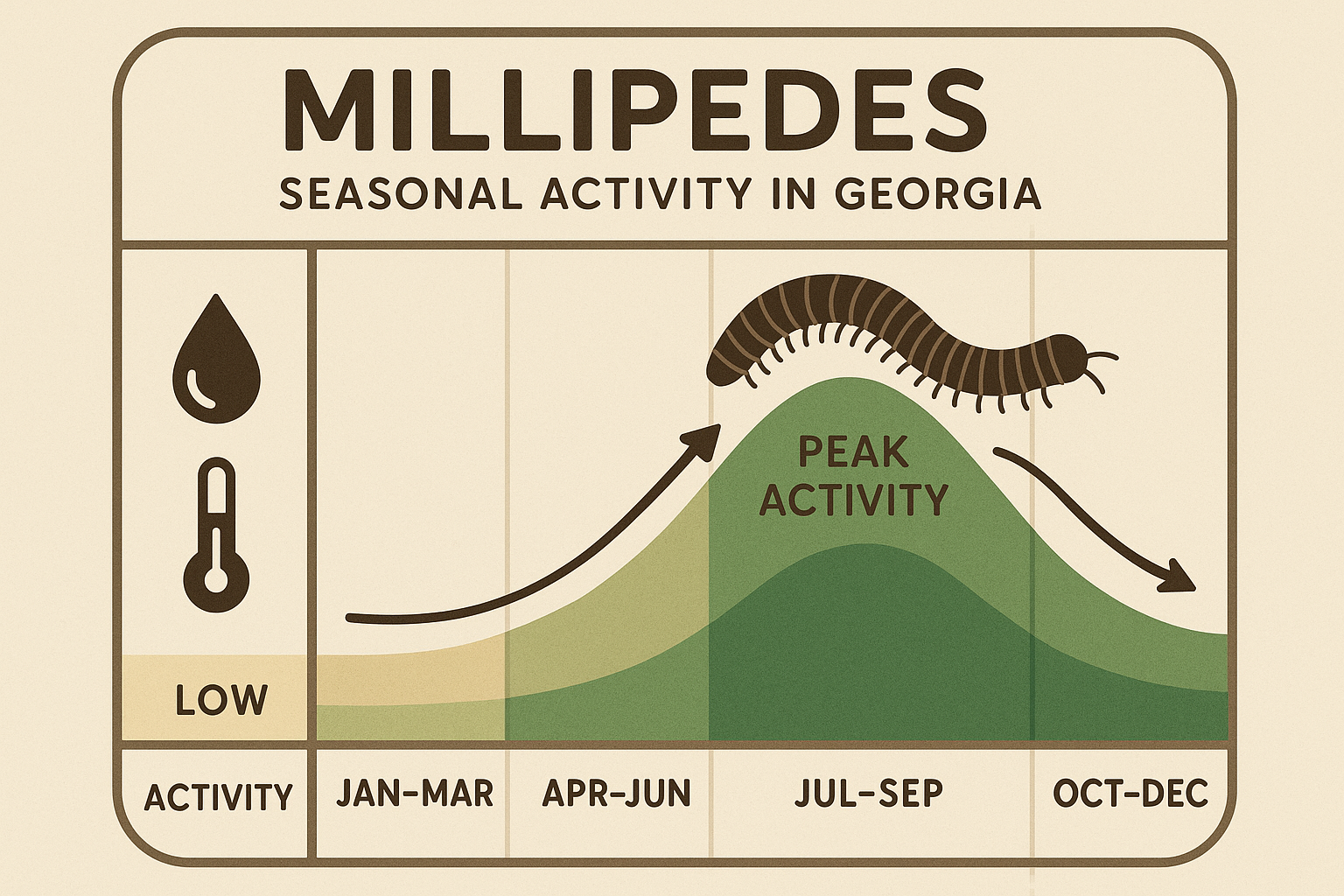
Rainfall and soil moisture are the real drivers. When spring showers saturate the topsoil, millipedes emerge to feed on decaying organic matter, and the damp conditions make it easy for them to cross your foundation. Summer’s humidity spikes—often exceeding 80%—push the insects indoors in search of cooler, moist shelter.
Because indoor incursions align with the summer peak, that window is the most critical for barrier treatments. Conversely, early spring is the ideal time to clear excess mulch and leaf litter that act as highways for the pests, while fall is perfect for removing fallen debris that can retain moisture around your home.
Seasonal Action Checklist
- Spring (Mar‑May): Remove or thin mulch, rake leaf litter, and apply a pre‑emptive perimeter spray before the rains begin.
- Summer (Jun‑Sep): Install a moisture‑reducing barrier around foundations, treat cracks with a silicone sealant, and schedule a professional barrier treatment to block humidity‑driven entry.
- Fall (Oct‑Nov): Clear fallen branches, garden debris, and excess compost that can hold water; inspect drainage gutters and redirect runoff away from the house.
- Winter (Dec‑Feb): Perform a visual check of foundation cracks, seal any gaps, and keep interior humidity below 50% with a dehumidifier to deter any late‑season wanderers.
By syncing inspections and treatments with these peaks, you’ll reduce millipede invasions and protect your home with far less effort.
DIY vs. Professional Millipede Control Methods
Common DIY Approaches
Homeowners often start with inexpensive, over‑the‑counter solutions. Diatomaceous earth creates a dry, abrasive barrier that dehydrates millipedes as they crawl over it. Insecticidal sprays—usually pyrethroid‑based—are sprayed around foundations, doorways, and garden beds. Some gardeners add barrier mulches such as cedar chips, believing the scent repels the critters. Finally, moisture reduction—fixing leaky gutters, improving drainage, and clearing leaf litter—removes the damp environment millipedes love.
Step‑by‑step DIY Application Tips
1. Prepare the area: Sweep away debris and dry the soil for at least 24 hours. 2. Apply diatomaceous earth: Sprinkle a thin, even layer (about a quarter‑inch thick) along the foundation, crawl spaces, and any soil‑to‑structure contact points. 3. Use sprays wisely: Choose a product labeled for millipedes, spray in the early morning or late evening, and avoid application right before rain—moisture will wash the chemicals away. 4. Re‑treat after heavy rain: Re‑apply both dust and spray within 48 hours of a downpour to maintain coverage.
Limitations of DIY
While DIY methods are budget‑friendly, they often fall short on consistency and longevity. Home‑applied dust can be displaced by wind, foot traffic, or pets, leaving gaps where millipedes slip through. Sprays degrade quickly in humid climates like Suwanee, requiring repeated applications throughout the season. Moreover, without professional equipment, you may miss hidden entry points beneath slabs or in deep soil, resulting in only a temporary reduction rather than a long‑term solution.
What Professionals Do
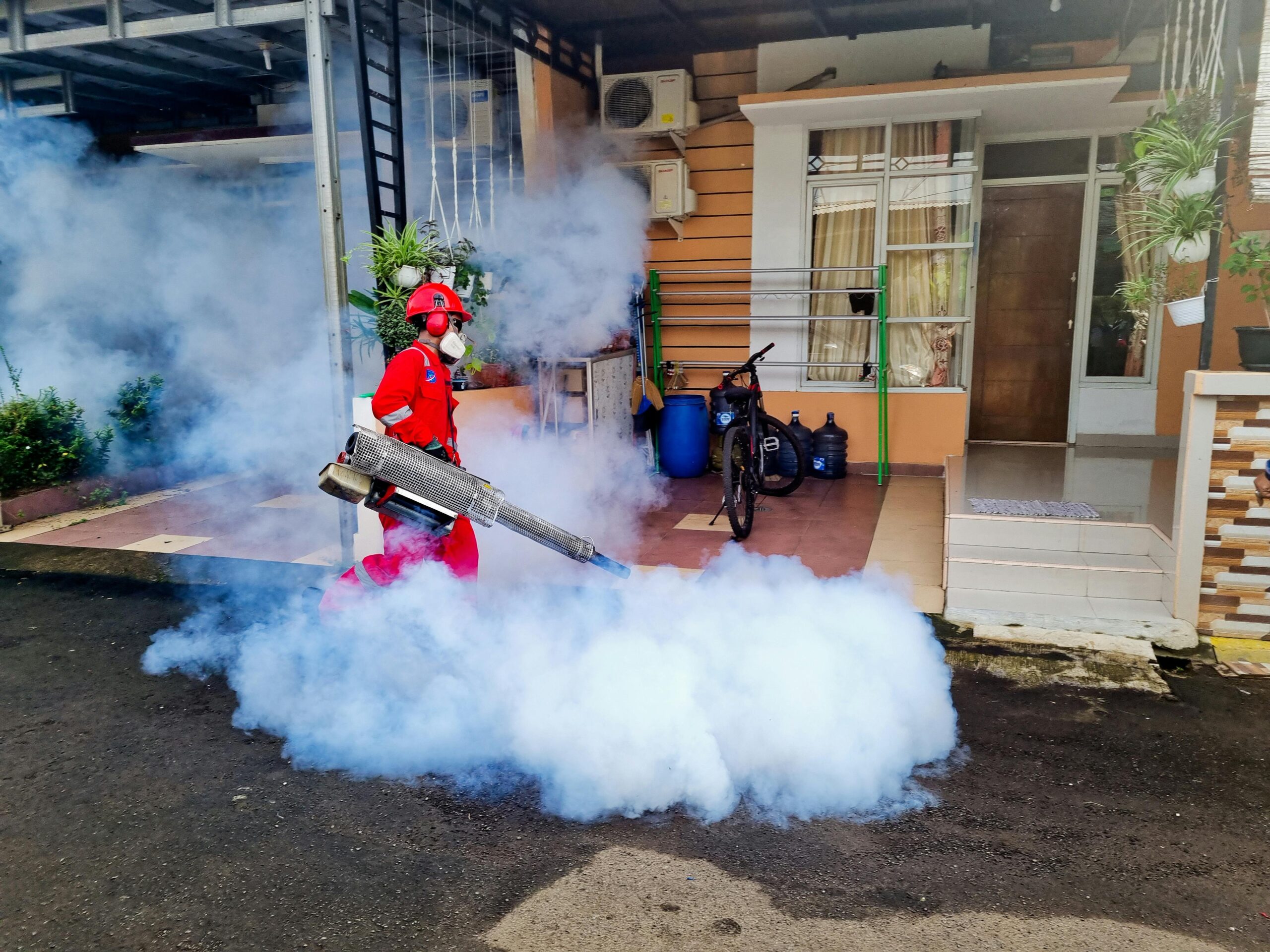
Licensed technicians take a systematic approach. First, they conduct a perimeter inspection to locate high‑traffic zones and moisture sources. Then they apply EPA‑approved perimeter treatments that penetrate several inches into the soil, creating an invisible shield that lasts months. In severe cases, they perform soil injections that deliver a slow‑release insecticide directly to the millipede habitat. Experts also install moisture management systems—such as French drains or foundation venting—and schedule follow‑up inspections to verify that the population stays suppressed.

Why Hire a Licensed Expert
When you call Anthem Pest Control, you get more than a spray can. Our technicians are fully licensed, trained to identify the exact millipede species, and equipped with products that meet EPA safety standards. We guarantee comprehensive coverage—every inch of foundation, crawl space, and surrounding soil—so you won’t waste time re‑applying treatments. Plus, our service includes a warranty and a detailed follow‑up inspection, giving you peace of mind that the problem is truly resolved, not just masked.
Cost Comparison for Millipede Control in Suwanee
Understanding the price gap between a do‑it‑yourself (DIY) kit and a professional service is the first step to a smart decision. The infographic below breaks down the typical price ranges you’ll encounter in Suwanee: DIY kits run from $20‑$50, while a licensed professional treatment costs between $150‑$300 per visit. These figures come from a recent market survey by Anthem Pest.
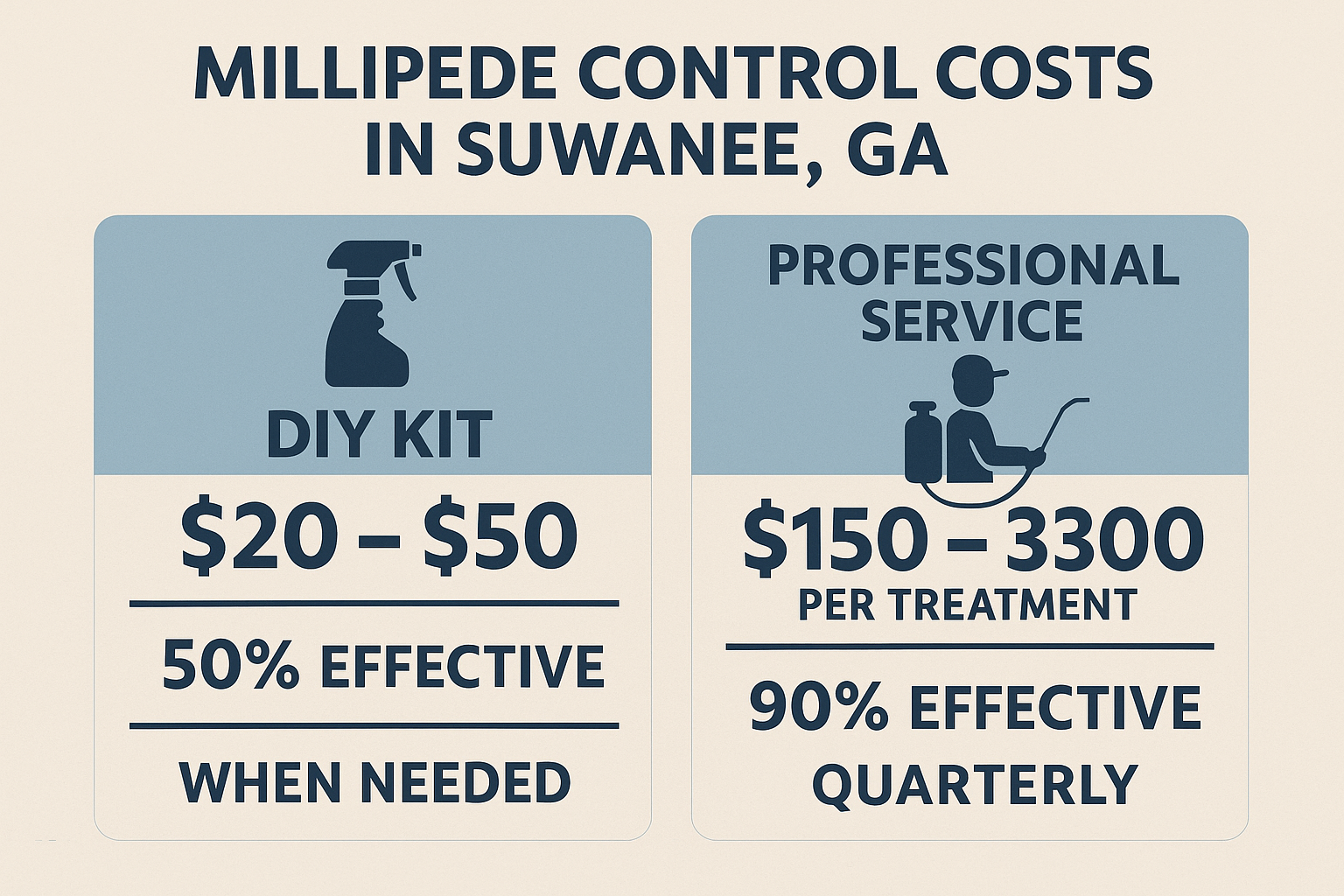
Cost is only part of the story. Effectiveness differs dramatically: DIY solutions typically achieve a 45‑60% success rate, whereas professional treatments deliver an 85‑95% reduction in millipede activity. The higher efficacy translates into fewer repeat applications and less frustration for the homeowner.
When it comes to timing, DIY kits are usually applied every 3‑4 months to keep the population in check. Professionals, on the other hand, recommend 1‑2 treatments per year, adjusting the schedule based on seasonal activity and property exposure. This less‑frequent schedule reduces the hassle of remembering to reapply.
Hidden costs can quickly erode the apparent savings of a DIY approach. You’ll spend valuable time mixing, spreading, and monitoring the product, and there’s a real risk of re‑infestation if the application isn’t thorough. In severe cases, untreated millipedes can cause moisture‑related damage to siding, landscaping, or indoor finishes—expenses that far exceed the initial kit price.
Professional preventive plans, while upfront‑heavier, often pay for themselves over time. By targeting the problem at its source and providing ongoing monitoring, these plans minimize the chance of costly property damage and eliminate the need for frequent self‑applications. In the long run, a yearly professional service can be more economical than multiple DIY purchases plus the labor they require.
For a detailed breakdown of the pricing data referenced above, visit the source: Anthem Pest Millipede Control Cost – Suwanee, GA.
Protect Your Home with Expert Millipede Management
Let’s pull everything together so you know exactly what to look for, when to act, and how much it typically costs.
- Identification: Millipedes appear as long, many‑legged, dark‑brown or black insects that gather in damp, shaded areas around foundations, mulch, and basements.
- Seasonal timing: They become most active in late summer and early fall when the soil stays moist, making it the ideal window for treatment.
- Cost considerations: A single‑visit professional service in Suwanee usually ranges from $150 to $300, depending on the size of the property and the severity of the infestation.
While DIY sprays can offer temporary relief, professional millipede management delivers the highest success rate and lasting peace of mind. Our certified technicians use targeted, EPA‑approved products and proven application methods that protect your home without risking your family or pets.
Ready to safeguard your property? Schedule a free, no‑obligation inspection and quote today. We’ll assess the situation, explain your options, and provide a clear, upfront price.
Call us now at 877‑371‑8196 or visit Anthem Pest Control online to book your inspection.