Mosquito Threats in Brookhaven, GA
Local Climate and Geography
Brookhaven sits in the heart of Fulton County, where hot, humid summers and mild winters create a perfect breeding ground for mosquitoes, making mosquito control Brookhaven homeowners rely on especially important. The area’s abundant oak-lined streets, numerous parks, and the proximity to the South River mean that water often lingers after a rainstorm. Warm temperatures above 70°F (21°C) accelerate the mosquito life cycle, turning every puddle, birdbath, or clogged gutter into a potential hatchery.
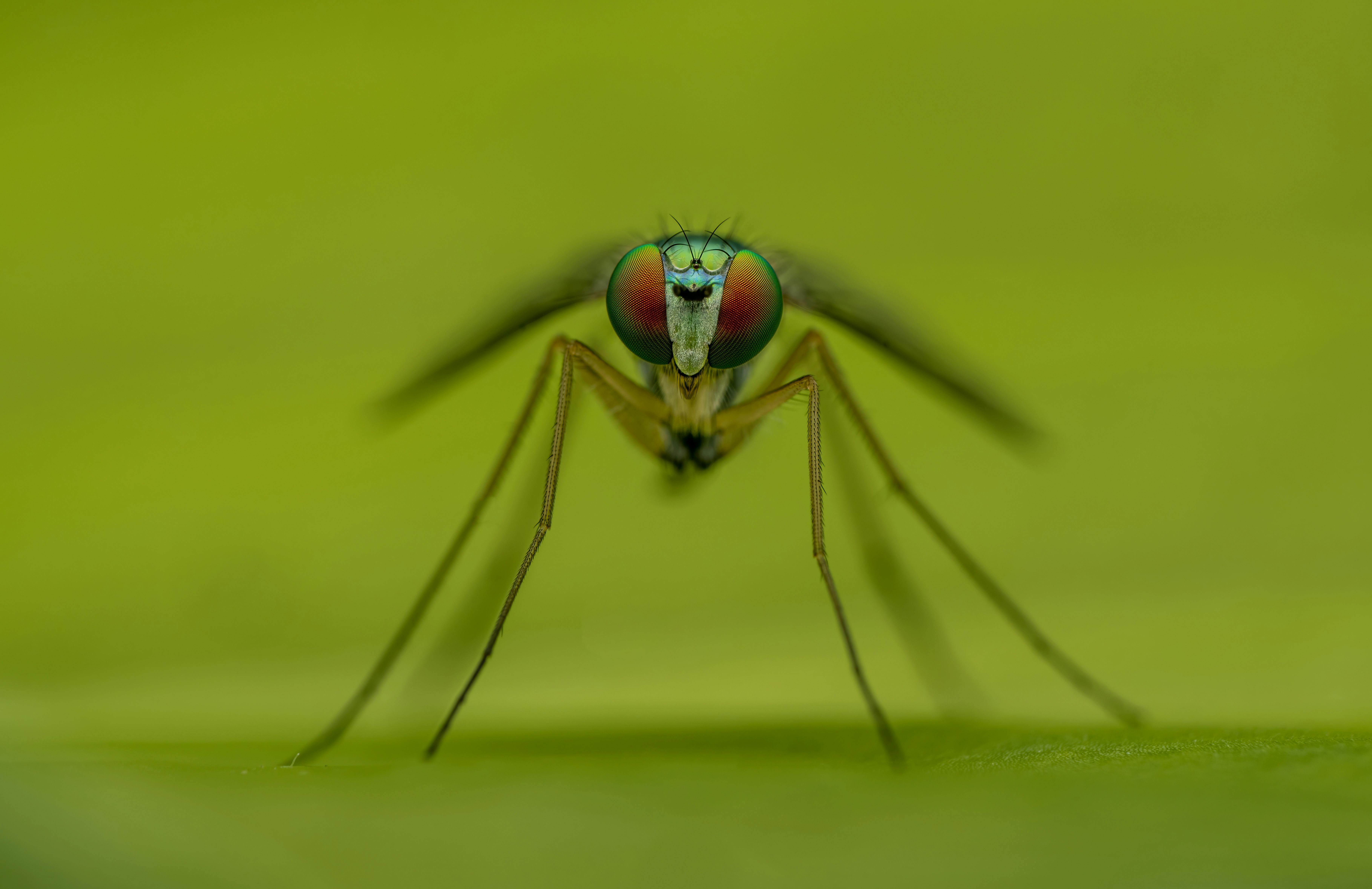
Common Species You’ll Encounter
Homeowners in Brookhaven typically deal with three main culprits:
- Aedes albopictus (Asian tiger mosquito) – thrives in shaded containers, flower pots, and tire piles; known for aggressive daytime biting.
- Culex quinquefasciatus (Southern house mosquito) – prefers stagnant, organic‑rich water such as ditches and storm drains; most active at dusk.
- Anopheles quadrimaculatus – less common but capable of transmitting malaria; breeds in sun‑filled pools and marshy edges.
Each species has its own favorite habitat, but they all share one thing: they need standing water to lay eggs.
Peak Activity Periods
According to the Georgia Department of Public Health and recent EPA monitoring reports, mosquito activity in Brookhaven spikes in two windows:
- Late spring (April – June): Rising temperatures and frequent rainstorms create countless temporary pools.
- Late summer to early fall (August – October): Warm nights linger, and irrigation practices keep lawns moist.
During these periods, bite reports can increase by up to 40 % compared with the off‑season, and the risk of disease‑carrying species surges.
Quick Checklist: Is Your Yard a Mosquito Hotspot?
- Standing water that hasn’t drained in 24‑48 hours (birdbaths, plant saucers, clogged gutters).
- Dense, overgrown vegetation that provides shade and resting sites.
- Frequent bites during early evening or after rainstorms.
- Visible larvae or “wigglers” in water containers.
- Unpleasant, musty odor near damp areas, indicating organic buildup.
If you tick more than two items, it’s time to call a professional. Anthem Pest Control can assess the problem, eliminate breeding sites, and apply targeted treatments that keep your family safe while respecting the environment.
Health Risks and Mosquito‑Borne Diseases
Common Mosquito‑Borne Illnesses in the Southeast
The southeastern United States, including Brookhaven, Georgia, is a hotspot for several mosquito‑transmitted pathogens. The most frequently reported illnesses are:
- West Nile virus (WNV) – a flavivirus that can cause fever, headaches, and in severe cases, encephalitis or meningitis.
- Zika virus – known for mild flu‑like symptoms but dangerous for pregnant women because it can lead to birth defects.
- Dengue fever – produces high fever, severe joint pain, and a characteristic rash; rare in the U.S. but occasional travel‑related cases appear.
- Eastern equine encephalitis (EEE) – a rare but deadly virus that attacks the brain, resulting in rapid neurological decline.
What the Numbers Say
According to the CDC, the United States recorded over 2,300 confirmed cases of West Nile virus in 2023, with the majority clustered in the Gulf Coast and southeastern states. Zika infections remain low domestically, but the agency notes a steady influx of travel‑related cases each year. While dengue and EEE are less common, they still pose a measurable threat; the CDC reports an average of 5–10 EEE cases annually, each with a mortality rate exceeding 30 %.
Who’s Most at Risk?
Symptoms typically appear 2–14 days after a bite, beginning with fever, headache, muscle aches, and fatigue. In severe instances—particularly with West Nile or EEE—neurological signs such as confusion, seizures, or paralysis may develop. Certain groups are especially vulnerable:
- Children under 15, whose immune systems are still developing.
- Elderly adults over 65, who often have underlying health conditions.
- Immunocompromised individuals, including those undergoing chemotherapy or living with HIV/AIDS.
- Pregnant women, for whom Zika infection can cause severe fetal abnormalities.
Early detection is critical, but prevention remains the most reliable defense.
Why Mosquitoes Are Effective Vectors
Mosquitoes act as biological “delivery trucks” for pathogens. When a female mosquito feeds on an infected host, the virus replicates in her salivary glands. Subsequent bites inject the virus directly into a new host’s bloodstream, bypassing many of the body’s natural barriers. Because mosquitoes can travel several hundred yards from their breeding sites, a single stagnant pool can seed disease across an entire neighborhood.
Integrated Mosquito Management Reduces Disease Threat
The EPA emphasizes an integrated approach that combines source reduction, larviciding, and adulticiding with community education. By eliminating standing water—birdbaths, clogged gutters, or discarded tires—homeowners remove the primary habitats where larvae develop. Professional treatments then target adult mosquitoes during peak activity periods, cutting the population before it can transmit disease. This layered strategy not only lowers nuisance bites but also dramatically reduces the statistical risk of contracting a mosquito‑borne illness.
Seasonal Mosquito Activity and Optimal Treatment Timing
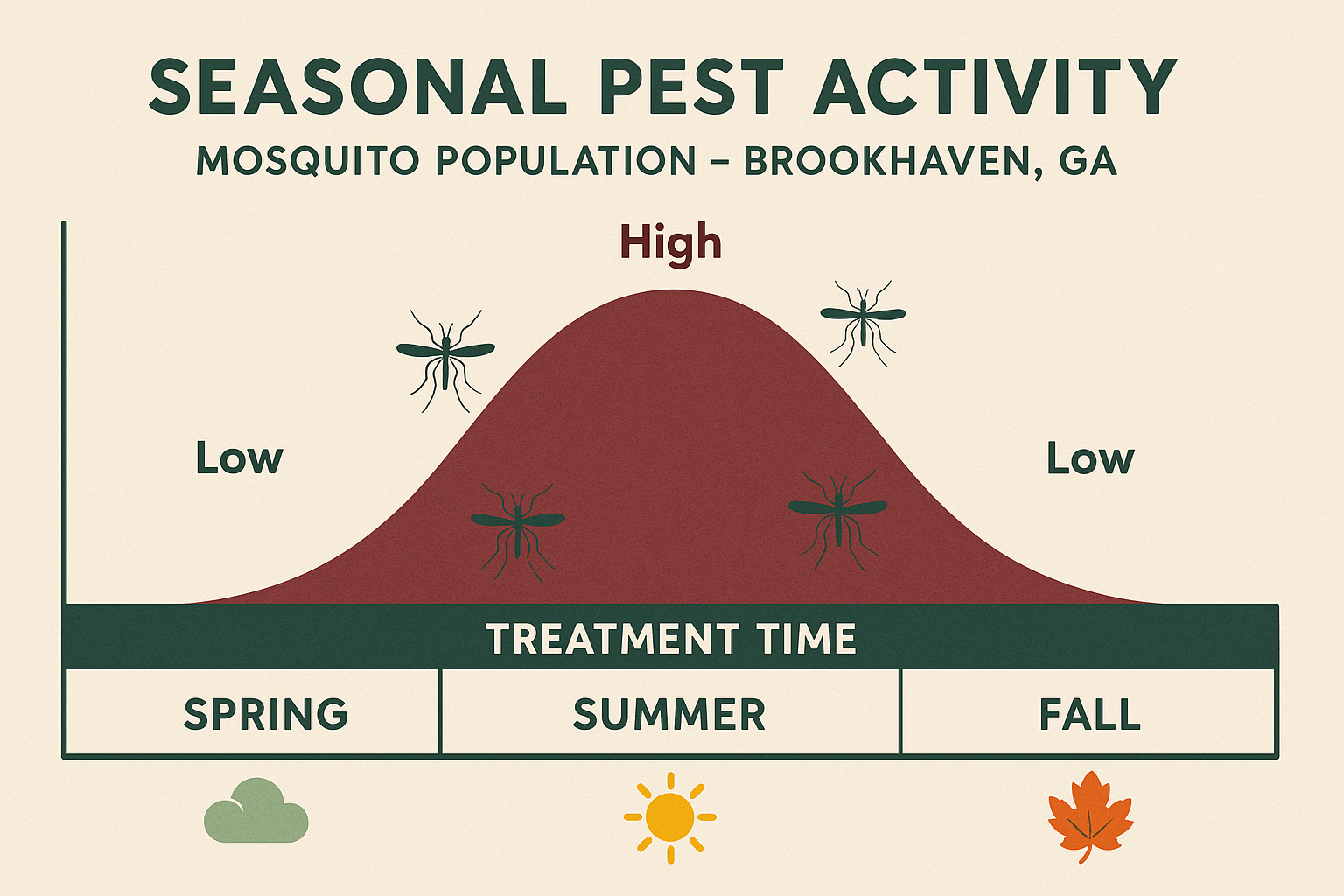
Understanding when mosquitoes are most active in Brookhaven helps you time treatments for maximum impact, which is essential for effective mosquito control Brookhaven homeowners can rely on. Below is a seasonal activity chart that visualizes the ebb and flow of mosquito populations throughout the year. The chart uses simple symbols: a sun icon for warm months, a raindrop for periods of heavy precipitation, and a peak-month marker highlighting the highest risk windows.
Spring – The Egg‑Hatching Surge
As temperatures climb above 65°F in early March, dormant mosquito eggs—laid the previous fall—begin to hatch. This early‑season emergence creates a modest but noticeable rise in adult activity. Rainfall in April provides the standing water that larvae need to develop, turning backyard flower pots, bird baths, and clogged gutters into breeding hotspots.
Optimal spring treatment: Schedule a pre‑emptive barrier spray in early May, before the first major wave of adults takes flight. This creates a protective “invisible shield” around your home, killing mosquitoes on contact and reducing the number of eggs that can mature later in the season.
Summer – Population Explosion
June through August is the high‑risk window. Warm nights, high humidity, and frequent thunderstorms create ideal conditions for rapid mosquito multiplication. A single female can lay up to 300 eggs in a week, and with abundant water sources, larval colonies can double every 48 hours.
Optimal summer treatment: Deploy a second barrier spray in mid‑July to knock down the expanding adult population. Follow up with targeted larvicide applications in late August, especially around known water accumulations such as rain barrels, low‑lying garden beds, and pool edges. Larvicides interrupt the life cycle before the next generation can emerge.
Fall – Decline but Lingering Pockets
By September, cooler evenings and reduced rainfall start to curb mosquito activity, but isolated pockets often persist in shaded, moist micro‑habitats. These “hold‑over” groups can survive into October, especially if leaf litter creates damp, protected breeding sites.
Optimal fall treatment: Conduct a final barrier spray in early October, focusing on perimeter zones and outdoor living spaces. Pair this with a thorough yard clean‑up—remove standing water, trim overgrown vegetation, and clear leaf debris—to eliminate any remaining refuges.
Weather Patterns that Drive the Peaks
Brookhaven’s climate is characterized by a humid subtropical pattern: hot, muggy summers and mild, wet springs. The combination of temperature and precipitation directly influences mosquito life stages. For example, a single heavy rain event in late May can trigger a surge in larvae, while a dry spell in July may temporarily suppress adult activity but also concentrate mosquitoes around the few remaining water sources, making them easier to target with spray.
Tracking local forecasts—especially for extended periods of rain—lets you anticipate breeding hotspots before they become a nuisance. When a multi‑day rain is predicted, schedule a larvicide treatment within 48 hours of the rain’s end for the best results.
Seasonal Action Checklist
- Early May: Pre‑emptive barrier spray to stop the first wave of adults.
- Mid‑July: Second barrier spray to curb the summer explosion.
- Late August: Targeted larvicide in known water collectors.
- Early October: Final barrier spray and comprehensive yard clean‑up.
- Ongoing: Eliminate standing water weekly; inspect gutters, bird baths, and plant saucers after each rain.
- Monitor: Use local weather alerts to time larvicide applications within 48 hours of heavy rain.
Professional Mosquito Control Methods
When mosquitoes turn your backyard into a buzzing battlefield, a professional approach can break the cycle and keep your home comfortable all season long.
Core Professional Treatments
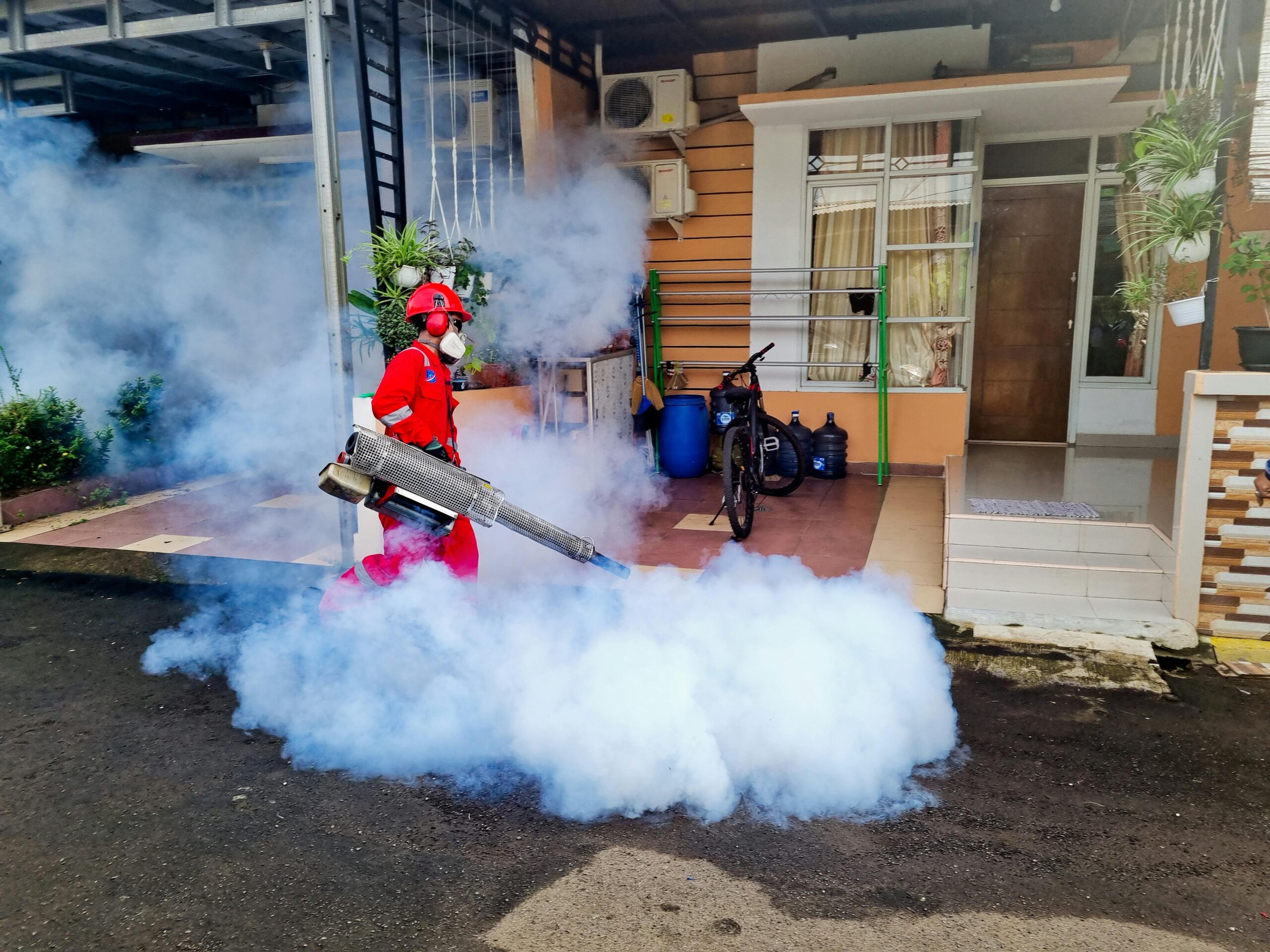
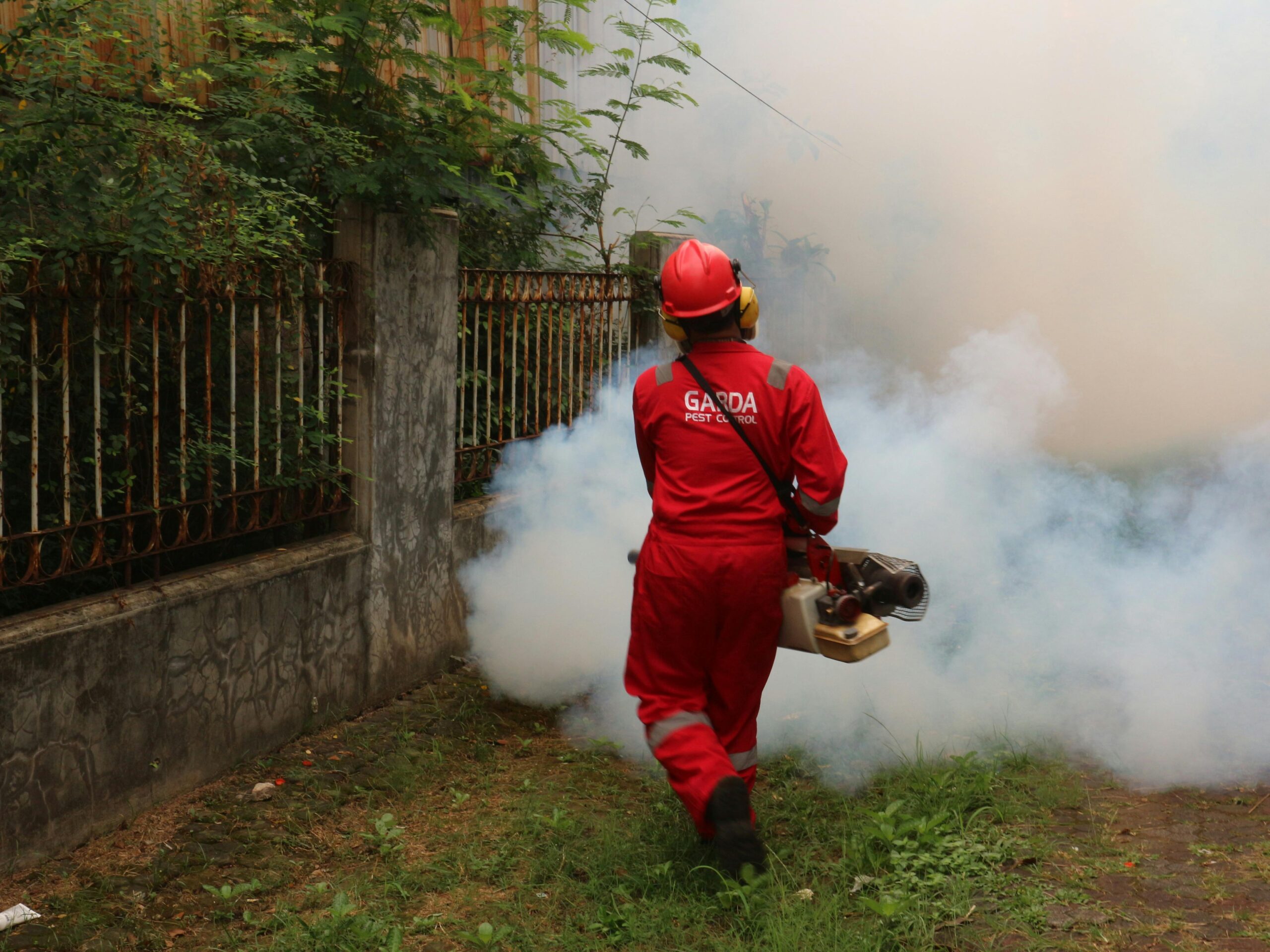
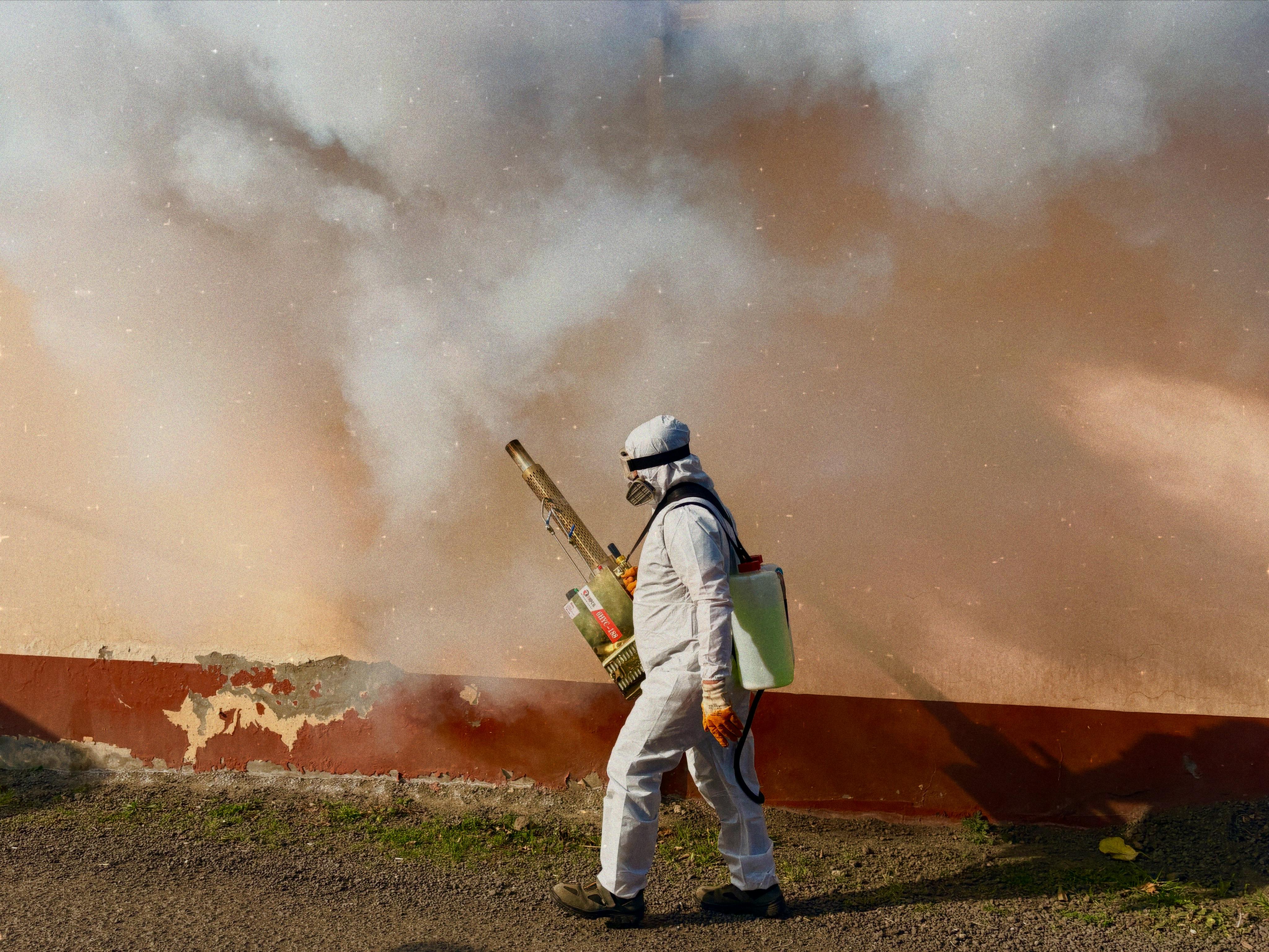
Anthem Pest Control relies on four proven categories of treatment. Barrier sprays create a thin, invisible film on foliage, decks, and other resting sites, killing adult mosquitoes on contact for up to three weeks. Larvicides such as methoprene or spinosad are applied to standing water, disrupting the development of eggs and larvae before they emerge as adults. Misting systems install a network of low‑pressure nozzles that release a fine mist of EPA‑registered insecticide at dusk, covering large properties with minimal disruption. Finally, biological controls—including the bacterium Bacillus thuringiensis israelensis (Bti) and mosquito‑eating fish like Gambusia—target the aquatic stage without harming pets or beneficial insects.
Barrier sprays are typically applied every 10‑14 days during peak season. Technicians use calibrated handheld sprayers to ensure an even coat on leaves, shrubs, and even the undersides of patio furniture, where adult mosquitoes rest. The residual chemistry stays active until rain or heavy irrigation washes it away, at which point a re‑treatment is scheduled.
Larvicides are introduced directly into stagnant water bodies such as birdbaths, rain barrels, and clogged gutters. Methoprene mimics insect growth hormone, preventing larvae from molting, while spinosad attacks the nervous system of developing mosquitoes. Because these products work at sub‑lethal concentrations, they pose minimal risk to fish, amphibians, and beneficial insects.
Targeting Mosquito Life Stages
Mosquitoes spend most of their lives in water, so treating the larval stage can prevent thousands of adults from ever taking flight. Bti and larvicides remain active in shallow pools, birdbaths, and clogged gutters for weeks, ensuring that any eggs laid are unable to hatch. Adult‑focused methods—barrier sprays and misting—attack the flying stage when mosquitoes are seeking blood meals. By combining larval and adult treatments, professionals create a “two‑pronged” shield that cuts the population at its source and at the point of nuisance.
A female mosquito lays up to 300 eggs in a single batch, each hatching within 48 hours if water conditions are right. By interrupting the larval stage, you stop the exponential growth curve before it even starts. Conversely, adult control reduces the immediate bite risk and disease transmission, which is why a combined program yields the fastest drop in nuisance levels.
Safety First: EPA‑Registered Products and Technician Protocols
All products used by Anthem are EPA‑registered, meaning they have been rigorously evaluated for human health and environmental impact. Technicians wear protective gear, calibrate equipment to the exact dosage required, and follow a strict pre‑treatment checklist that includes weather assessment, identification of non‑target species, and homeowner notification. Residual chemicals are formulated to break down after the effective period, reducing the risk of long‑term exposure for children, pets, and beneficial pollinators.
Before any chemical is released, technicians perform a site‑specific risk assessment. They identify children’s play areas, pet zones, and food preparation surfaces, then use low‑drift nozzles to minimize off‑target drift. After treatment, a 30‑minute re‑entry interval is recommended, after which normal household activity can resume safely.
DIY vs. Professional: What Really Works?
Homeowners often reach for citronella candles, plug‑in repellents, or over‑the‑counter spray kits. While these tools may offer momentary relief, they rarely achieve the coverage or persistence needed for a full season. Citronella vapor dissipates within an hour, and DIY sprays can miss hidden breeding sites, leaving larvae untouched. In contrast, a professionally applied barrier spray can protect an entire yard for three weeks, and a misting system maintains continuous adult control with weekly re‑applications.
Cost‑wise, a DIY kit may appear cheaper—often $20‑$40 per application—but the need for frequent re‑applications and the limited coverage quickly add up. A professional service for a typical 0.5‑acre yard averages $150‑$200 per season, covering multiple treatments, monitoring, and a warranty that guarantees mosquito levels stay below the nuisance threshold.
Case Study: A Brookhaven Home Restored
“We had tried everything—citronella torches, store‑bought foggers, even a DIY larvicide—but the mosquitoes kept coming back. Anthem sent a team to our 0.4‑acre property, treated the perimeter with a barrier spray, applied Bti to every standing water source, and installed a modest misting system for our patio. Within ten days the buzzing stopped, and we’ve had no sightings since. The technicians were courteous, explained each step, and left the yard looking cleaner than before.” – Maria L., Brookhaven, GA
Technician Jake Ramirez performed the follow‑up inspection two weeks later, confirming that all water sources remained Bti‑treated and that no adult activity was detected. Anthem scheduled a quarterly maintenance visit to keep the barrier spray fresh through the late summer heat, ensuring the family could enjoy evenings outdoors without swatting.
Maria’s experience illustrates why professional expertise matters: a comprehensive assessment, the right mix of products, and precise application deliver results that DIY methods simply cannot match.
Pricing Comparison and Choosing the Right Service Tier
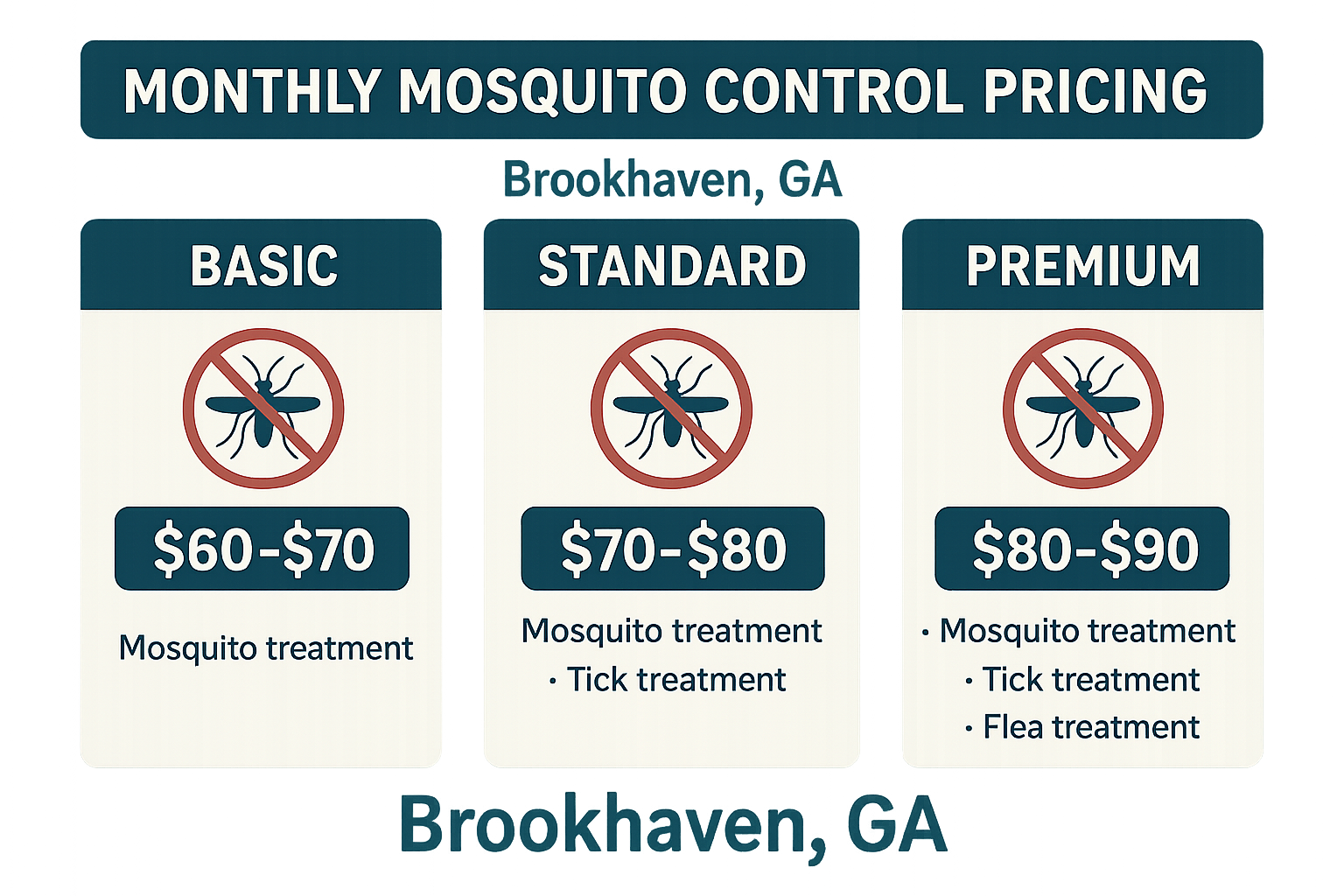
Understanding how much you’ll pay for mosquito control Brookhaven homeowners choose is the first step toward a bite-free summer. Anthem Pest Control breaks its offerings into three clear tiers—Basic, Standard, and Premium—so you can match the service level to your yard’s needs and your budget. Each tier outlines the number of visits you’ll receive, the treatment methods used, and any guarantees or follow-up support included.
Service Tier Summary
| Tier | Price Range (per season) | Visits per Year | Key Benefits |
|---|---|---|---|
| Basic | $120 – $180 | 2 |
|
| Standard | $250 – $340 | 4 |
|
| Premium | $480 – $620 | 6 |
|
What Drives the Cost?
While the tier prices give you a baseline, the final quote can shift based on several realistic factors that affect how much work is required to keep mosquitoes at bay.
- Property size: Larger lawns or multiple acreage zones need more product and longer application times.
- Infestation level: A yard already buzzing with larvae may require extra pre‑treatment steps, such as source reduction or targeted fogging.
- Seasonal timing: Early‑season treatments often lock in lower rates, whereas last‑minute “rush” appointments can carry a premium.
- Special considerations: Homes with pets, children, or food‑prep areas may opt for EPA‑approved, pet‑friendly products, which can slightly raise material costs.
How to Evaluate Value
Choosing the cheapest option isn’t always the smartest move. Think about the long‑term protection you need, not just the upfront price tag. For example, If you have a large yard with standing water, the Standard tier may be the most cost‑effective choice because it balances the extra visits required for spot‑treatments with a price point that stays well below the Premium package.
Here’s a quick decision guide:
- Assess your yard’s size and water sources. If you’re under 5,000 sq ft with minimal standing water, Basic may suffice.
- If you notice regular mosquito activity or have a pond, upgrade to Standard for the added larvicide/adulticide combo.
- For families with pets, children, or a desire for year‑round peace of mind, Premium delivers the most comprehensive shield.
Remember, the true value lies in reduced bites, lower disease risk, and more enjoyable evenings on the patio. A modest investment now can save you time, discomfort, and potential medical expenses later.
Ready to see how these numbers translate to your specific property? Request a free, customized quote from Anthem Pest Control today. Call us at 877‑371‑8196 or visit anthempest.com to schedule your assessment. Our local experts will walk you through the options, answer any questions, and tailor a plan that fits both your yard and your wallet.
Protect Your Home Today with Anthem Pest Control
Living in Brookhaven means sharing your backyard with more than just fireflies. Mosquitoes thrive here from late spring through early fall, and every bite carries a risk of West Nile virus, Zika, or other illnesses. That’s why understanding the seasonal peaks, the health hazards, and the true cost of inaction is the first step toward a bite‑free summer.
Here’s a quick refresher on what we’ve covered:
- Mosquito prevalence: Brookhaven’s warm, humid climate creates perfect breeding grounds, especially after rain.
- Health risks: Bites can transmit serious diseases and cause allergic reactions that affect the whole family.
- Seasonal peaks: Populations surge in May‑June and again in August‑September, demanding timely interventions.
- Effective treatment methods: EPA‑registered larvicides, adulticides, and targeted barrier sprays work together to break the life cycle.
- Transparent pricing: Professional plans are quoted up front, with no hidden fees, so you know exactly what you’re paying for.
When a licensed technician follows EPA‑compliant protocols, you gain more than just a spray schedule—you gain peace of mind. A certified professional knows how to apply the right product at the right time, protects non‑target insects, and follows strict safety guidelines that DIY solutions simply can’t match.
Anthem Pest Control brings that expertise to every Brookhaven home. With a nationwide network of trained technicians, we combine local knowledge of Georgia’s mosquito cycles with cutting‑edge, low‑toxicity products. Our commitment to safety, affordability, and clear communication means you receive a customized plan that fits your budget without sacrificing effectiveness.
Beyond the initial treatment, Anthem offers a seasonal monitoring program that revisits your property every 4–6 weeks during peak months. Our technicians retest larval hotspots, adjust spray zones, and keep detailed records so you always know what’s been done and what’s next. This proactive approach not only maintains a mosquito‑free zone but also protects your investment by preventing re‑infestations before they start.
Ready to take the next step? Schedule a free, no‑obligation on‑site assessment today. Our certified team will walk your property, identify hotspots, and provide a detailed quote in minutes—no paperwork, no pressure. The process is quick, hassle‑free, and designed to get you back to enjoying your porch sooner.
Call now for a free quote on mosquito control Brookhaven homeowners trust: 877-371-8196 or visit Anthem Pest Control to book online.