Mosquito Surge in Marietta – Why Homeowners Should Pay Attention

According to a 2024 CDC report, mosquito‑related complaints jumped 22 % across the Atlanta metro area during the first half of the year. Marietta accounted for a disproportionate share of that rise, with local 311 calls and neighborhood watch alerts spiking in July and August. The data isn’t just a statistic—it’s a clear signal that the city’s mosquito population is reaching an uncomfortable peak.
Georgia’s warm climate makes it a prime breeding ground for disease‑carrying mosquitoes. In the past twelve months, the state recorded several cases of West Nile virus, a handful of locally transmitted Zika infections, and an uptick in Eastern equine encephalitis reports in nearby counties. While the overall numbers remain low, each case underscores the real health danger that a seemingly harmless bite can pose to families, pets, and especially seniors or immunocompromised residents.
For homeowners, the surge translates into more than a nuisance. Evening barbecues are interrupted by relentless buzzing, patio lights become a magnet for swarms, and the constant presence of insects can make guests uneasy. Beyond the loss of outdoor enjoyment, there’s a hidden liability: a bite that leads to illness could expose property owners to medical costs or even legal claims if they’re deemed negligent about pest control.
That’s why paying attention now matters. Mosquito larvae develop in as little as five days when standing water is present, meaning a single neglected birdbath or clogged gutter can seed an entire season’s infestation. Early detection and prompt treatment are the most cost‑effective ways to keep populations under control before they explode.
The good news is that the rest of this guide will break down everything you need to know. We’ll reveal transparent pricing structures for professional treatments, explain the proven methods that Anthem Pest Control uses to target both adult mosquitoes and their breeding sites, and share locally‑focused prevention tips you can start implementing today.
Expect a clear breakdown of service fees, from one‑time larvicide applications to seasonal maintenance plans, so you can budget confidently without hidden surprises.
Local Climate and Mosquito Hotspots in Marietta
Marietta sits in a humid subtropical zone, where summer days regularly climb to an average high of 85°F (29°C). The combination of high humidity—often hovering around 70%—and a pronounced rain pulse from May through July creates the perfect breeding cocktail for mosquitoes. Warm water lingers in puddles, gutters, and any container that can hold moisture, allowing larvae to develop in just a few days.
Local health officials confirm what residents feel on their backyards. According to Cobb County Health, Marietta generated 12% more mosquito‑related 911 calls in 2024 than the Georgia state average. That spike signals not just a nuisance, but a genuine public‑health concern that warrants proactive control.
Neighborhoods with the highest risk
- East Marietta – dense tree canopy shades low‑lying lawns, while older irrigation systems leave small, stagnant pools.
- Marietta Heights – numerous birdbaths and decorative fountains are popular, but many lack proper drainage covers.
- West Cobb – poorly graded lots collect rainwater after storms, turning vacant lots into temporary mosquito nurseries.
Picture a typical backyard in any of these areas: a shaded patio tucked under mature oaks, a decorative birdbath that fills overnight, and a few puddles clinging to the patio stones. By sunrise, those seemingly harmless water spots become bustling hatcheries, and the first bite you feel is a clear sign that the environment is feeding the next generation of pests.
The common thread tying these neighborhoods together is excess shade and standing water. Dense canopies keep soil and surfaces cool, slowing evaporation, while older drainage culverts often trap rain for days. That lingering moisture gives mosquito larvae a safe haven, turning a pleasant yard into a breeding ground.
Mosquito Species You’ll Encounter in Marietta
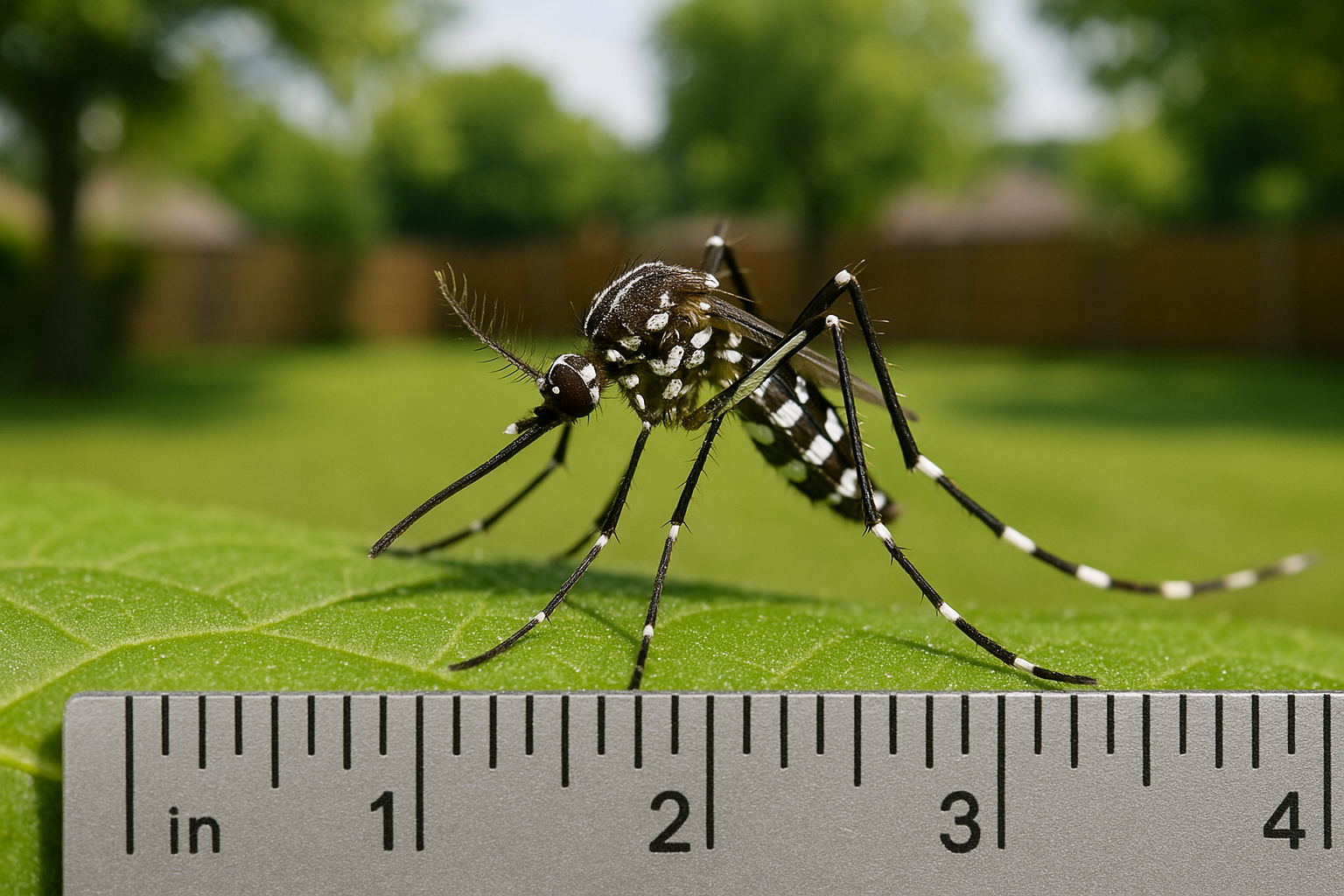
Aedes albopictus (Asian Tiger Mosquito)
This aggressive daytime biter is instantly recognizable by its bold black‑white striped legs and a single white stripe down the center of its thorax. In Marietta, it thrives in any water‑filled container—think flower pots, birdbaths, discarded tires, or even a forgotten rain barrel. Peak activity occurs from June through August, when warm temperatures and frequent rain create perfect breeding conditions. Homeowners often notice a higher bite rate in the late morning and early afternoon, especially around shaded patios.
Culex quinquefasciatus
Known as the primary West Nile virus vector, the Culex quinquefasciatus prefers dusk and night hours, making it less noticeable during the day. It breeds in stagnant, organically rich water such as clogged storm drains, overfilled gutters, and birdbaths that aren’t refreshed regularly. Its activity peaks from July to September. This species is larger than Aedes, with a more muted brownish‑gray body and a characteristic resting posture—its abdomen angled upward.
Anopheles spp.
Although relatively rare in the Marietta area, Anopheles mosquitoes can still appear, especially after heavy, prolonged rains. They are the only genus capable of transmitting malaria, though local cases are exceedingly uncommon. Anopheles favor shaded, permanent water bodies like deep ponds, marshy edges, or the back of a well‑maintained garden pond. Their peak presence is sporadic, often tied to unexpected rain events rather than a fixed season.
Identification Tips for Homeowners
- Size: Aedes are small (≈3‑4 mm), Culex are slightly larger (≈4‑5 mm), and Anopheles fall in between.
- Resting posture: Aedes rest at a 45‑degree angle, Culex tilt their abdomen upward, while Anopheles rest with their body parallel to the surface.
- Wing patterns: Look for the distinct dark scales on the leading edge of Aedes wings; Culex wings appear more uniformly smoky.
- Leg markings: The tiger‑stripe pattern on Aedes legs is a dead‑giveaway; other species have solid, unmarked legs.
Knowing which species is most active in your yard helps you target the right treatment window. For example, a pre‑emptive larvicide application in late May can curb the Aedes surge, while fogging at dusk in August can reduce Culex populations before West Nile season peaks. If you spot Anopheles, it’s a sign to inspect any permanent water features and consider professional drainage solutions.
Proven Treatment Options for Marietta Homes
When mosquitoes swarm your yard, you need solutions that work fast and stay effective throughout the season. In Marietta, the most reliable approaches blend professional‑grade chemicals with smart, low‑impact tactics. Below you’ll find the treatments that have proven their worth in field studies, EPA guidance, and real‑world applications for homeowners just like you.
Professional Barrier Sprays
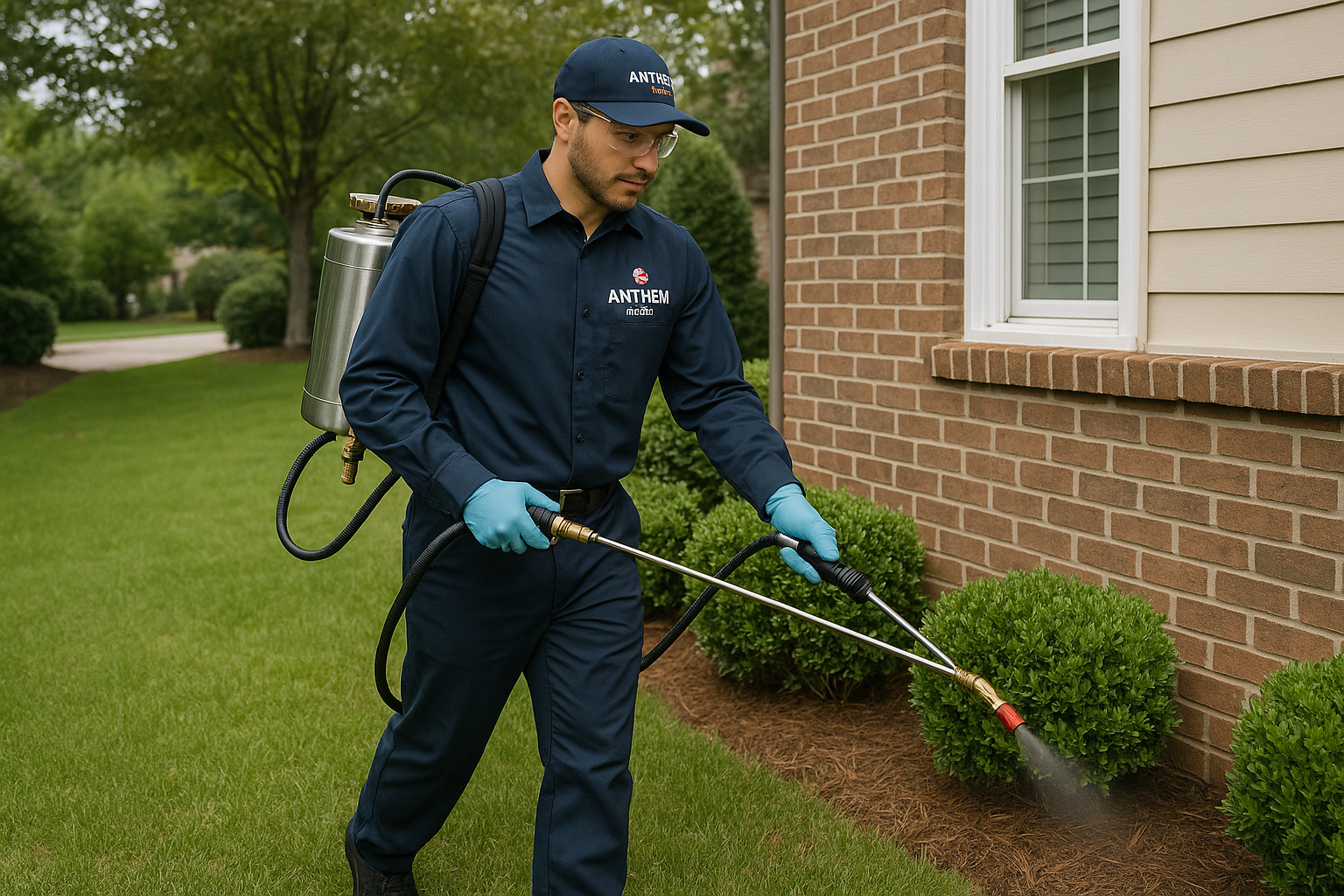
Barrier sprays are the backbone of any mosquito‑control program. Certified technicians apply EPA‑registered adulticides—commonly permethrin or bifenthrin—as a thin mist that coats vegetation, fences, and shaded surfaces. One treatment typically covers 5,000 sq ft, providing a protective shield that lasts about two weeks. During peak season (May through September), re‑treating every 14 days keeps the adult population suppressed.
The Environmental Protection Agency reports that three consecutive barrier sprays achieve more than an 80% reduction in adult mosquito counts. This data backs the recommendation to schedule a minimum of three applications at the start of the season, then continue on a bi‑weekly cadence.
Larvicides
Targeting mosquitoes before they become flying adults is both economical and environmentally responsible. Bti (Bacillus thuringiensis israelensis) granules are a biological larvicide that only harms mosquito larvae, leaving beneficial insects untouched. Homeowners can place Bti granules in birdbaths, rain barrels, gutters, and any other water‑holding features that can’t be eliminated. Because Bti works in the water column, it requires only a light dusting every 30 days to stay effective.
Cost‑wise, a full‑home larvicide package typically runs between $120 and $180, making it a budget‑friendly complement to barrier sprays. The granules break down naturally, so there’s no lingering residue to worry about.
Fogging & Spot Treatments
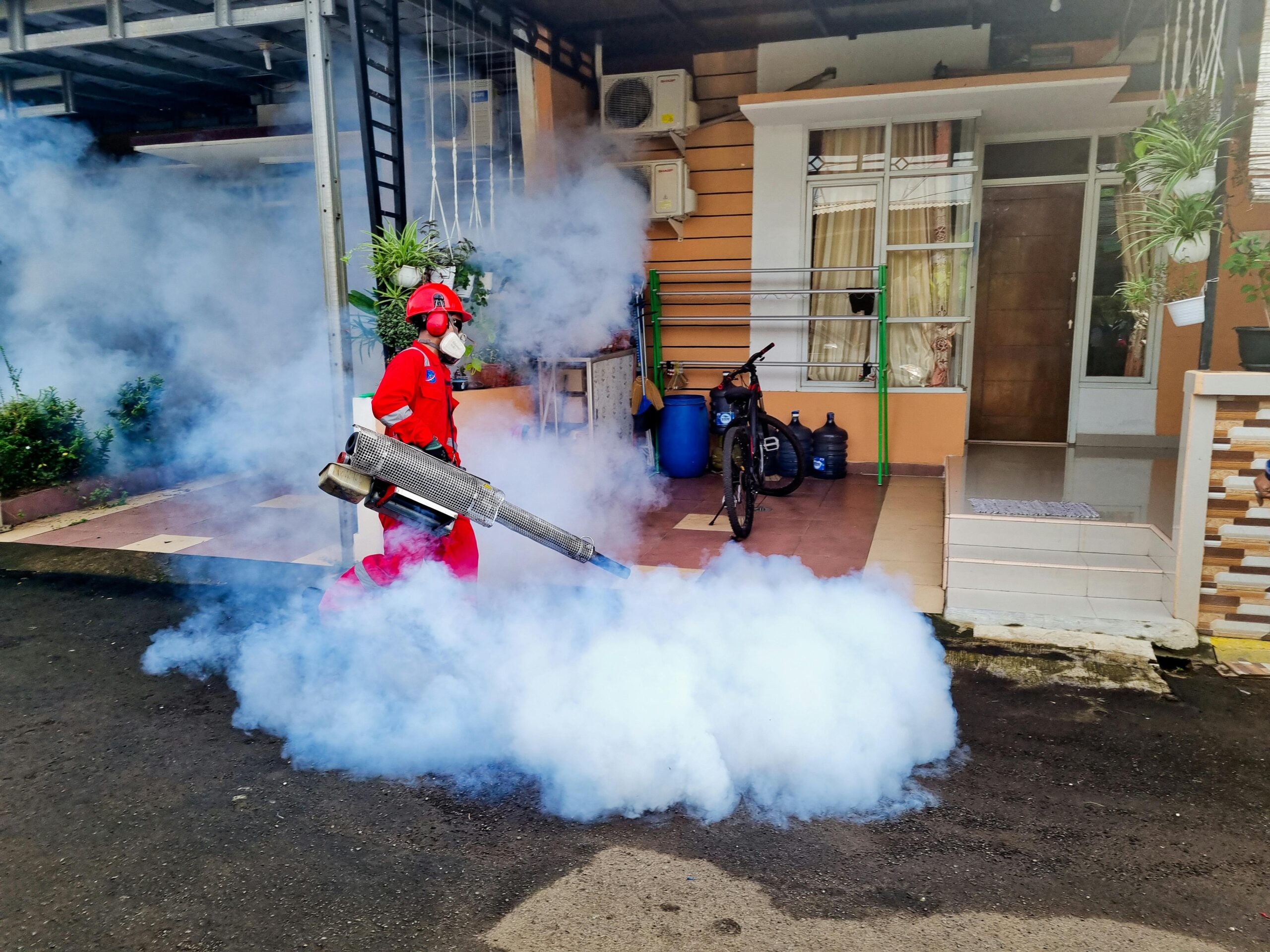
Fogging shines when you need a rapid knock‑down for a specific event—think a backyard barbecue or a family reunion. Technicians use a thermal fogger that vaporizes a fine mist of adulticide, reaching hidden crevices and low‑lying foliage where mosquitoes rest. Because fogging delivers a high concentration of insecticide in a short burst, it’s ideal for one‑off situations but not for long‑term control.
Safety is paramount. Operators wear protective gear, calibrate the fogger to the correct dilution, and keep people and pets out of the treatment zone until the mist settles (usually 15–30 minutes). After the event, a follow‑up barrier spray is recommended to maintain protection.
Integrated Pest Management (IPM)
IPM combines chemical tactics with proactive habitat reduction. Start with a source‑reduction checklist:
- Empty, clean, or cover all containers that hold water for more than 48 hours.
- Trim overgrown grass and prune shrubs to improve airflow.
- Ensure gutters are clear to prevent standing water after rain.
- Use fine‑mesh screens on outdoor structures to keep adult mosquitoes out.
Once the environment is less inviting, targeted barrier sprays or larvicide applications become far more efficient. The synergy of habitat management and precise chemical use often yields the highest long‑term reduction in mosquito activity.
Pricing Overview
| Service | Price Range (per season) | Typical Frequency |
|---|---|---|
| Barrier spray | $80 – $150 per treatment | Every 2 weeks (6–8 applications Apr‑Oct) |
| Larvicide package | $120 – $180 | One‑time application, re‑apply every 30 days if needed |
| Seasonal combo package | $250 – $400 | Includes 6–8 barrier sprays + larvicide |
Note: The 2025 EPA efficacy data referenced above is still under review. Anthem Pest will confirm the final figures once the agency releases its updated guidance.
Seasonal Calendar and DIY Prevention Tips
Understanding when mosquitoes are most active in Marietta lets you stay one step ahead. By aligning professional treatments with key points in the mosquito life cycle and pairing them with simple backyard habits, you can keep the buzzing to a minimum all season long.
Seasonal Treatment Calendar
- Early April – Pre‑emptive barrier spray: As temperatures rise above 60°F, adult mosquitoes begin to emerge. A first‑round barrier treatment creates a protective “invisible fence” around your home, targeting both adults and newly hatched larvae before they can multiply.
- Mid‑June – Booster application: Summer heat accelerates breeding cycles. A mid‑season boost reinforces the initial barrier, reaches any late‑season hatches, and tackles the surge of adult activity that typically peaks in July.
- Early September – Final season spray: By early fall, mosquito populations start to wane, but lingering adults can still cause bites. A final application clears out the remaining insects and prepares your property for the cooler months, reducing overwintering sites.
Yard Maintenance Checklist
- Empty birdbaths & pet water dishes weekly.
Quick tip: Check your birdbaths every week to prevent stagnant water.
- Clean gutters and downspouts every two weeks.
Quick tip: Inspect gutters bi‑weekly to avoid hidden water pockets.
- Trim overgrown vegetation to improve airflow.
Quick tip: Prune shrubs back at least six inches from the house.
- Keep pool circulation on and filter clean.
Quick tip: Run the pool pump for at least eight hours daily.
Community Involvement
Marietta’s city council sponsors neighborhood clean‑up events each spring and fall, focusing on eliminating standing water in public spaces. Participating not only helps the whole community but also reduces the overall mosquito pressure on your property. Details and schedules are posted in the Marietta City Health Department – Vector Control meeting minutes.
Why Anthem Pest Control Is the Best Choice in Marietta
Experience matters for mosquito control in Marietta. Anthem Pest Control has spent 15 years serving homeowners across Marietta and Cobb County, building a reputation rooted in local knowledge and results. Every technician holds a full state license, so you’re working with professionals who understand the area’s unique pest pressures.
We prioritize safety as much as effectiveness. All mosquito treatments use EPA‑approved, low‑toxicity products that target insects without endangering people or pets. For families with young children or animals, we offer certified options that meet the strictest safety standards, letting you enjoy a bite‑free yard without worry.
Our customers speak for us. On Google we hold a 4.9‑star rating, and 95 % of our clients return for additional services, a testament to the consistency of our work and the trust we’ve earned in the community. Transparent quotes, flexible scheduling, and a 100 % satisfaction guarantee mean you never face hidden fees or surprise appointments.
If you’re ready for a mosquito‑free summer, let Anthem handle the details. Request a free inspection today and see why Marietta homeowners continue to choose us for reliable, low‑impact pest control.
Our pricing model is straightforward: you receive a detailed, itemized quote before any work begins, so you know exactly what’s covered and why. Should the treatment not meet your expectations, our 100 % satisfaction guarantee ensures we’ll re‑treat at no additional cost, reinforcing our commitment to getting the job right the first time.
We understand busy family schedules, so we offer evening and weekend appointments that fit around work, school, and weekend plans. Our local teams are dispatched quickly, often arriving the same day you call, because prompt service is part of our promise to keep your home comfortable year‑round.
Frequently Asked Questions About Mosquito Control
Homeowners often have quick questions about how mosquito control works. Below are concise answers to the most common concerns.
How long does a barrier spray last?
A typical barrier spray remains effective for about two weeks. Heavy rain, high temperatures, or extensive landscaping can shorten that window, while shaded, well‑maintained yards may hold the residual protection a day or two longer.
Are treatments safe for pets?
We only use EPA‑registered products that are proven safe for people and animals when applied according to label directions. To be extra cautious, keep dogs, cats, and other pets indoors for roughly 30 minutes after the spray dries.
What if I still see mosquitoes after treatment?
If mosquitoes are still buzzing after a professional visit, it usually means a few breeding spots were missed or the residual spray was washed away. We’ll schedule a targeted spot‑treatment and walk your property to locate hidden containers, standing water, or dense vegetation that could serve as a nursery.
Can I handle mosquito control myself?
DIY options—such as Bti (Bacillus thuringiensis israelensis) granules, larvicide dunks, or citronella candles—can lower larval numbers in isolated water features. However, they don’t create the long‑lasting barrier that a professional mist provides. For consistent, season‑wide control, a licensed technician’s barrier spray remains the most reliable solution.
When you’re ready for a professional approach, Anthem Pest Control offers a transparent pricing plan and a licensed technician to apply the barrier safely and effectively. Give us a call at 877‑371‑8196 or visit our website to schedule your service.
Secure a Mosquito‑Free Home with Anthem Pest Today
When mosquitoes swarm, the risk isn’t just itchy bites—it’s disease, disrupted evenings, and hidden costs. A professional, data‑driven program protects your family’s health, lets you reclaim your patio, and keeps pricing clear from the first visit.
Anthem Pest brings Marietta‑specific expertise: we map local breeding hotspots, apply EPA‑approved treatments, and track results in real time. Our safety‑first protocols protect kids, pets, and the environment, while a 98 % satisfaction rate shows we deliver on promises.
From the initial estimate you’ll see exactly which products will be used, how often applications are needed, and the expected timeline—no hidden fees, no surprise visits. Our technicians live in the same neighborhoods, so they understand Marietta’s climate patterns and the mosquito species that thrive here.
Ready for a bite‑free yard? Schedule a complimentary inspection so our specialists can assess your property’s unique needs and design a tailored plan at no obligation.
Call 877‑371‑8196 today or visit Anthem Pest Control for a free, no‑obligation quote. Our friendly team is ready to answer any questions you have. Let’s make your backyard the place you love again.