Mosquito Threats in Suwanee, GA
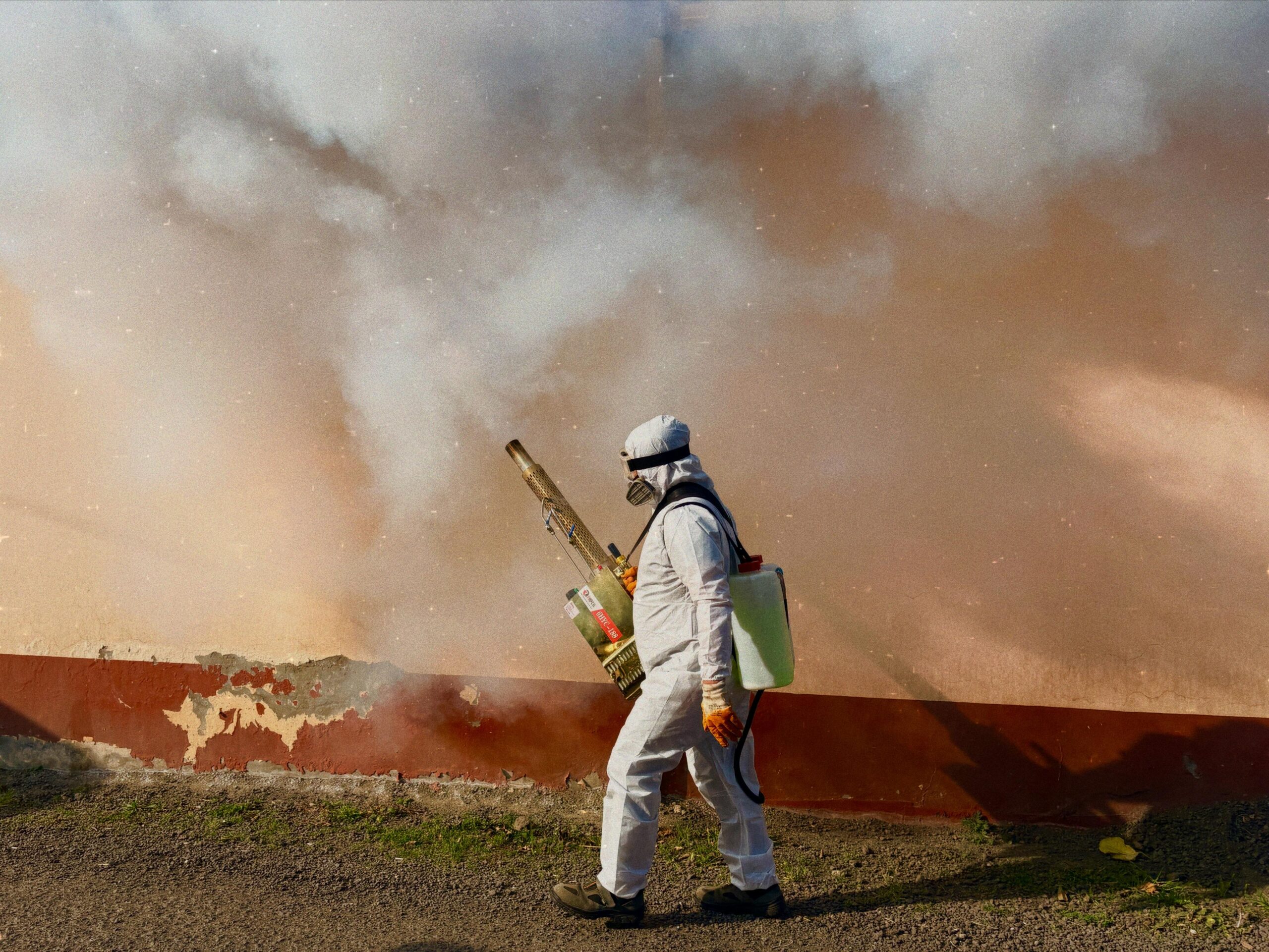
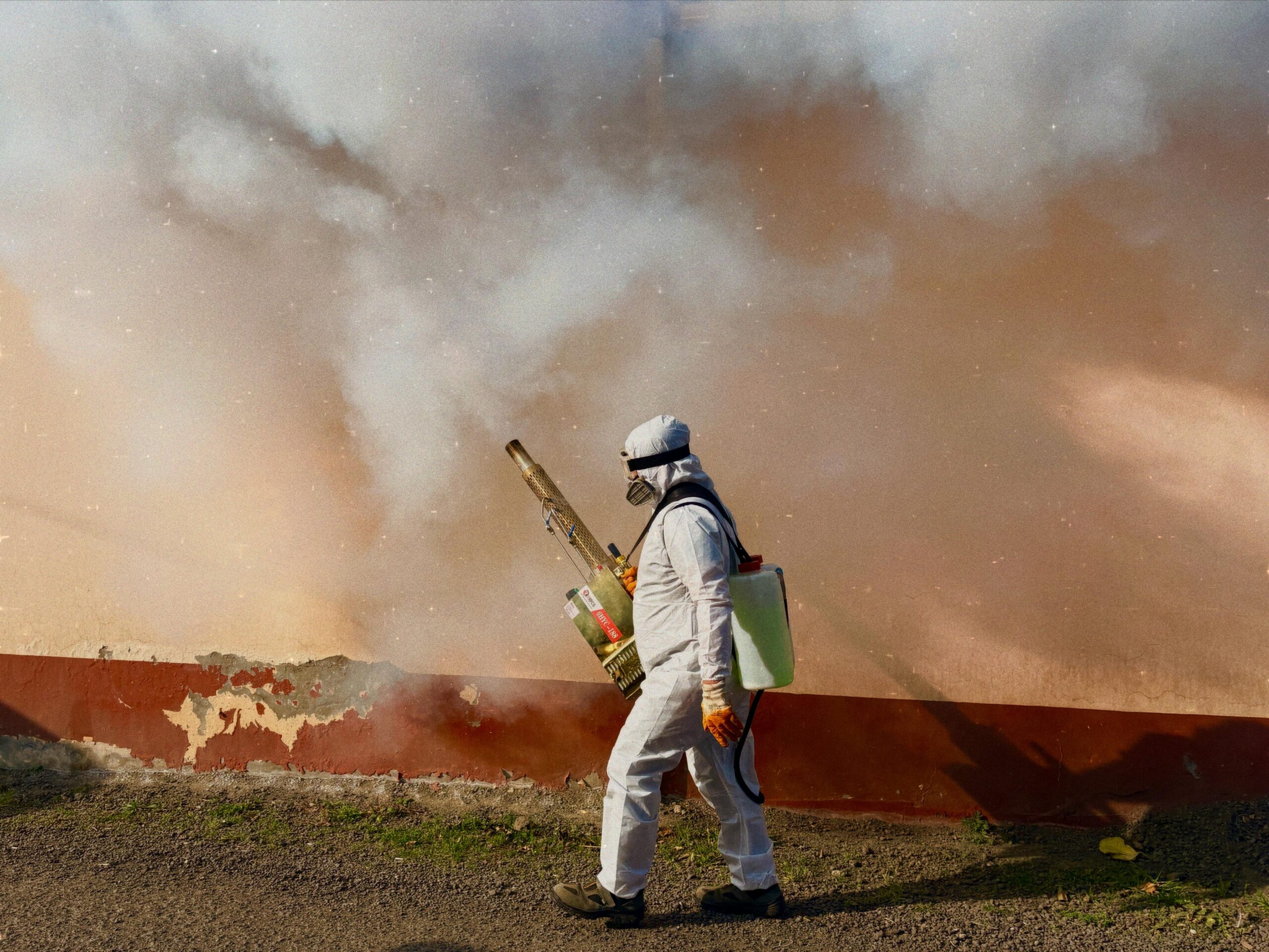
Every summer evening in Suwanee, the soft buzz of mosquitoes becomes more than a nuisance—it’s a warning sign. The warm, humid climate combined with suburban lawns, ornamental ponds, and frequent rain creates a perfect breeding ground for several disease‑carrying species. Homeowners who overlook these tiny invaders risk not only uncomfortable bites but also exposure to illnesses that can affect the whole family.
Common Mosquito Species in Georgia
Georgia hosts three primary genera that cause the most trouble for residents:
- Aedes – aggressive daytime biters, known vectors for Zika, dengue, and chikungunya.
- Culex – most active at dusk, responsible for transmitting West Nile virus and St. Louis encephalitis.
- Anopheles – primarily night feeders, historically linked to malaria, though cases are rare today.
Each species thrives in slightly different conditions, but all exploit the standing water and shaded foliage that are abundant in Suwanee neighborhoods.
Local Bite and Complaint Statistics
According to the latest data compiled by Mosquito Joe, Suwanee ranks among the top Georgia cities for mosquito complaints, with a 27 % increase in service requests during the peak months of June through August. The same source reports that residents experience an average of 12 bites per person per week during the summer, a figure that far exceeds the state average of 7 bites. These numbers underscore a growing public‑health concern that local homeowners cannot afford to ignore.
Why Suwanee’s Climate and Landscape Invite Mosquitoes
Three environmental factors converge to make Suwanee a mosquito hotspot:
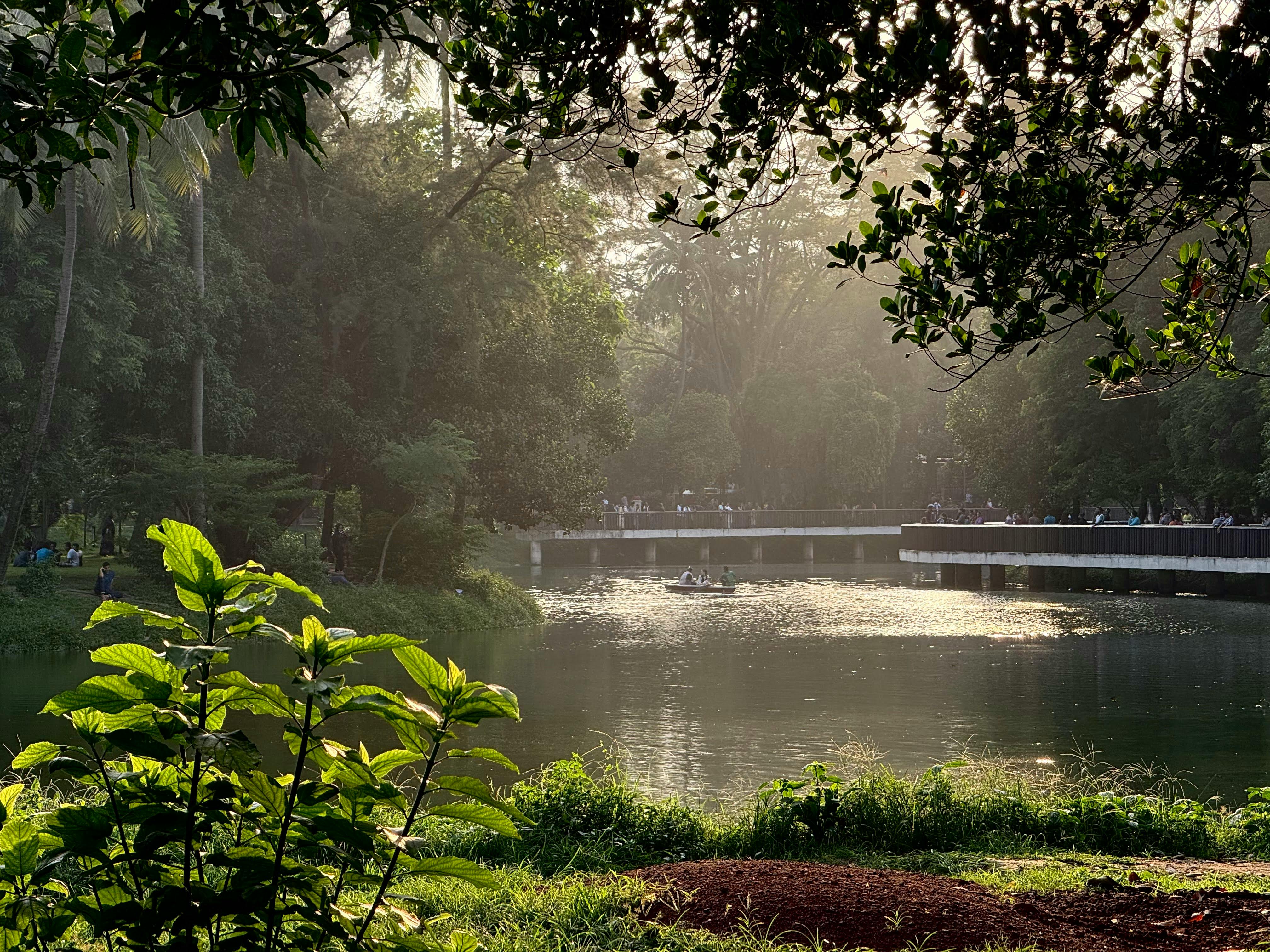
- Humid subtropical climate – Warm temperatures (70‑90 °F) and high humidity accelerate mosquito life cycles, turning eggs into biting adults in as little as a week.
- Abundant standing water – Birdbaths, rain barrels, clogged gutters, and even low‑lying lawn depressions hold water long enough for larvae to develop.
- Suburban landscaping – Dense foliage, ornamental grasses, and mulch beds provide shade and shelter, protecting adult mosquitoes from wind and predators.
Even a small, overlooked puddle can become a prolific hatchery, releasing hundreds of mosquitoes into your yard each night.
Impact on Outdoor Living and Property Value
When mosquito activity spikes, families retreat indoors, turning backyards into underused spaces. This loss of outdoor enjoyment translates to reduced curb appeal, especially for homes marketed with “family‑friendly” or “entertainer’s” amenities. Moreover, persistent mosquito problems can lower property assessments, as prospective buyers factor in the cost of ongoing pest control. In short, unchecked mosquitoes erode both quality of life and real‑estate equity.
Understanding which habitats foster these pests is the first step toward effective control. The next section will walk you through the most common breeding sites around a typical Suwanee home, so you can target the problem before it spreads.
Spotting Mosquito Breeding Sites and Warning Signs
Typical Breeding Locations
Mosquitoes need only a few milliliters of still water to complete their life cycle. On a typical Suwanee yard, the most common hotspots include:
- Birdbaths that haven’t been refreshed in the last 48 hours.
- Clogged gutters that trap rainwater behind leaves and debris.
- Pet water bowls left out overnight.
- Pool covers that collect condensation or rain.
- Rain barrels without a secure mesh screen.
- Shaded depressions in the lawn where rain pools and evaporates slowly.
Homeowner Inspection Checklist
Use this quick, weekly routine after any rain event to keep potential habitats under control:
- Survey the perimeter. Walk the property and note any puddles, even those smaller than a coffee cup.
- Empty and scrub containers. Remove water from birdbaths, pet bowls, and rain barrels; scrub surfaces with a brush to eliminate eggs.
- Clear gutters and downspouts. Use a garden trowel or a gutter scoop to flush out leaves and debris.
- Check pool covers. Wipe away standing water and ensure the cover is taut.
- Trim overgrown vegetation. Dense foliage creates shade and retains moisture—keep grass mowed and shrubs pruned.
- Level lawn depressions. Fill low spots with topsoil or sand to prevent water from collecting.
- Record findings. Jot down any persistent wet areas so you can target them with treatment or professional help.
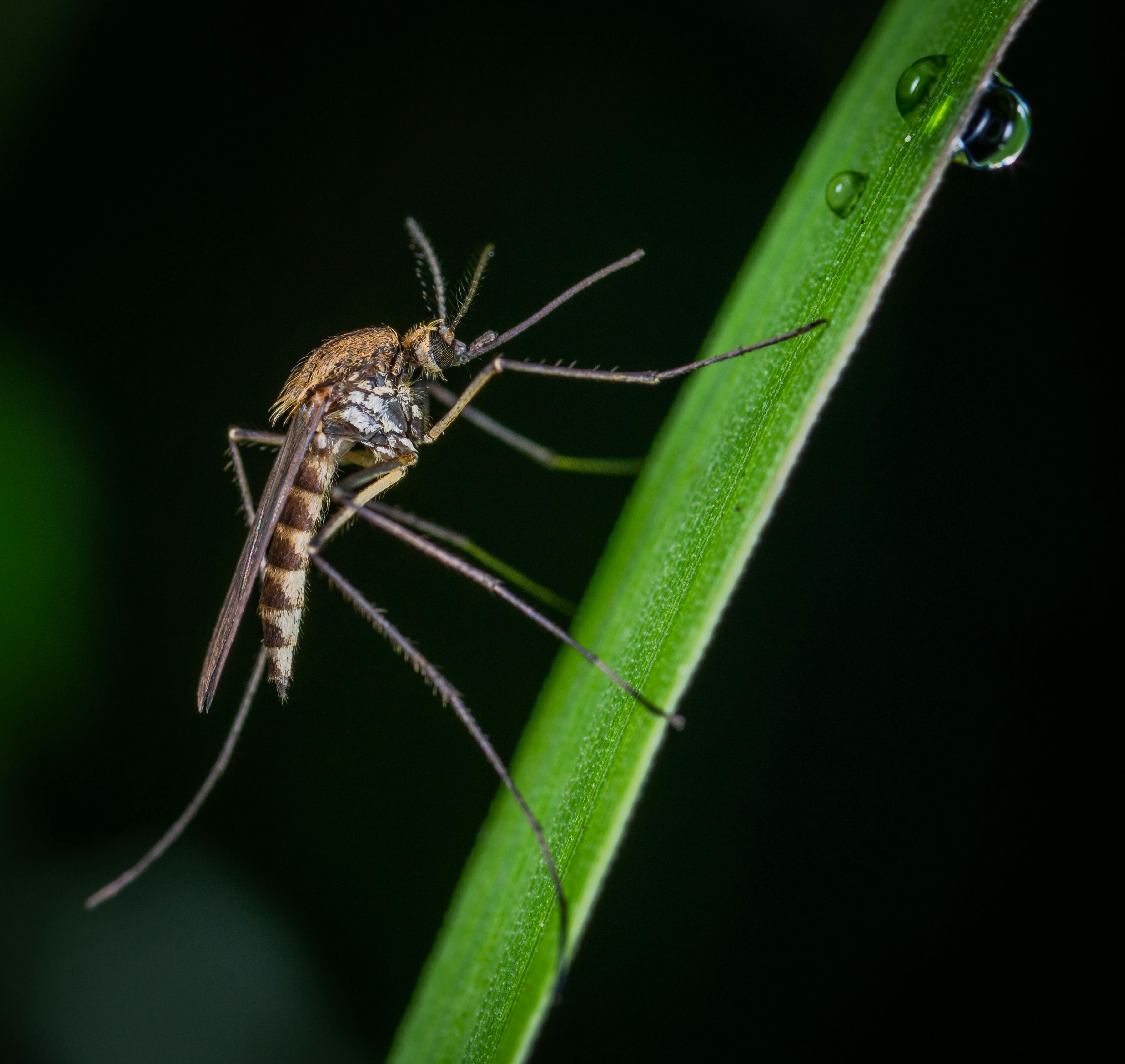
Visual Cue: Adult Mosquitoes Resting on Foliage
If you notice adult mosquitoes perched on leaves, stems, or patio furniture during early evening hours, it’s a strong indicator that larvae are thriving nearby. These adults often rest in shaded, humid spots while they digest a blood meal, so their presence signals a breeding source within a 30‑foot radius.
Distinguishing Mosquito Larvae from Other Insects
When you collect a water sample, look for the characteristic “wiggle‑and‑sink” motion. Mosquito larvae are slender, have a pointed head, and breathe through a breathing tube (siphon) that sticks up to the water surface. In contrast, water beetle larvae are bulkier, have chewing mouthparts, and move more deliberately.
| Feature | Mosquito Larvae | Other Water Insects (e.g., beetle, dragonfly nymph) |
|---|---|---|
| Body Shape | Thin, elongated, tapered at both ends | Rounded, often armored |
| Movement | Rapid “wiggle‑and‑sink” motion | Steady crawling or swimming |
| Breathing | Siphon protruding above water | Gills or spiracles on abdomen |
| Mouthparts | Filter‑feeding brush‑like structures | Chewing or grasping mandibles |
Safety Tips for Handling Stagnant Water
- Wear waterproof gloves and long sleeves to avoid skin contact with potentially contaminated water.
- Use a sturdy scoop or pump to remove water; never lift heavy containers without assistance.
- Dispose of extracted water in a sanitary drain, not in a garden bed.
- If you suspect a chemical contaminant (e.g., pesticide runoff), contact local waste services for proper disposal.
- After cleaning, rinse the container with a hose and allow it to dry completely before refilling.
Detecting these warning signs early—especially in the spring and early summer—gives you a critical window to intervene before mosquito populations explode. A proactive inspection, combined with prompt removal of standing water, dramatically reduces the need for chemical treatments later in the season.
Seasonal Mosquito Activity in Suwanee
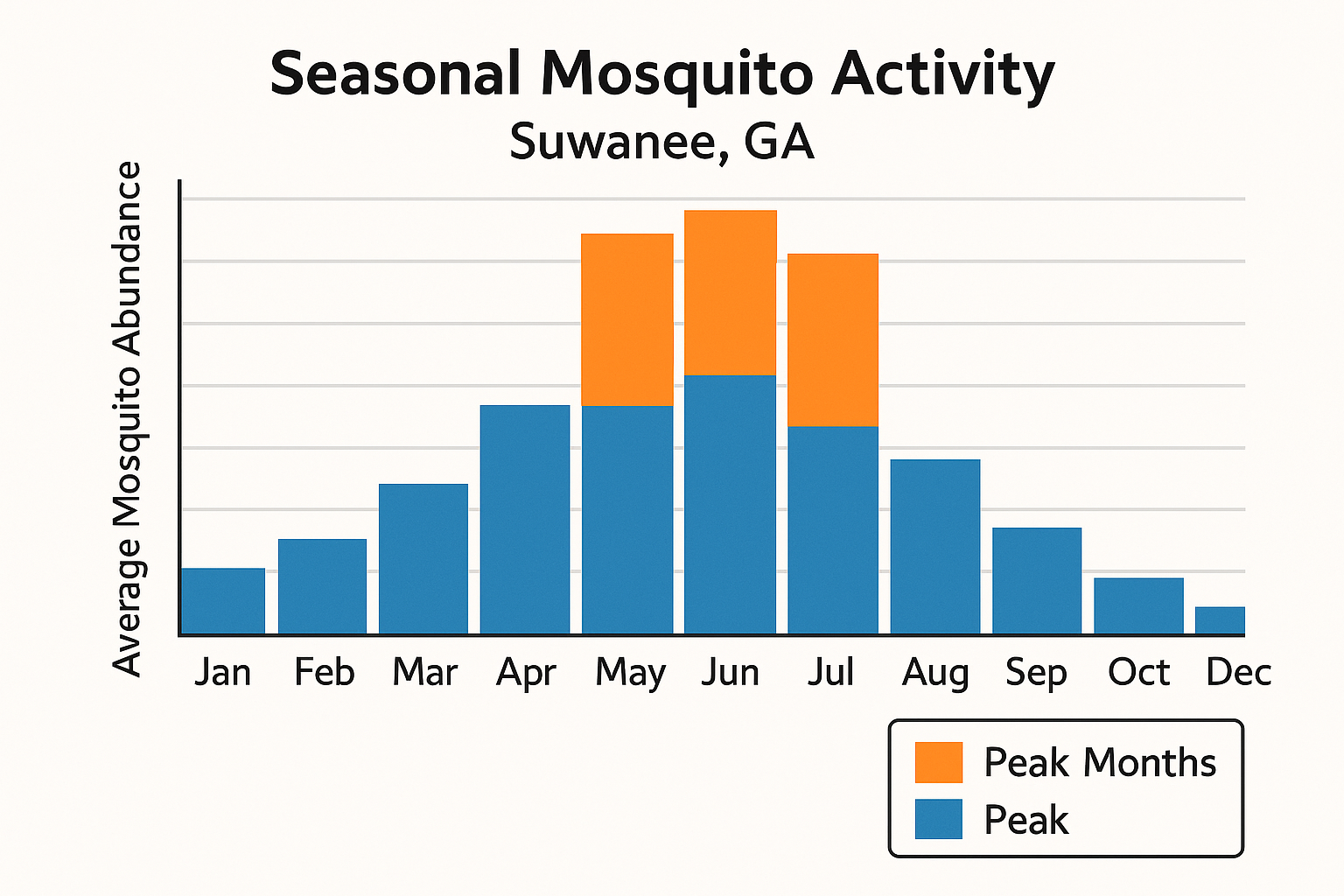
The bar chart below tracks average mosquito counts for each month over the past five years in Suwanee. You’ll see a modest rise in March, a steady climb through May, and a sharp peak from June to August. Activity then tapers off in September, with low levels from October through February. This visual snapshot makes it easy to pinpoint when the nuisance hits its highest point and when it’s safest to plan interventions.
Why June‑August Is the High‑Risk Window
Summer in Suwanee brings two perfect ingredients for mosquitoes: warm temperatures (often above 80°F) and high humidity. These conditions accelerate the mosquito life cycle, shortening the time from egg to adult to just a week. Standing water from sprinkler runoff or rain‑filled gutters becomes breeding hotspots, and the longer daylight hours give adults more time to feed and reproduce. The result is a dramatic population surge that peaks in June, July, and August.
Early‑Season (Spring) and Late‑Season (Fall) Treatment Considerations
In spring, mosquito numbers are still low, but it’s the ideal moment to start preventative measures. Applying larvicides to known water sources before eggs hatch can suppress the upcoming boom. A light perimeter spray at this stage also creates a barrier that deters adult females from establishing territories.
Come September, temperatures begin to dip and humidity drops, signaling the start of the decline. However, lingering pools of water can still support a secondary wave of activity. A targeted “late‑season” treatment—focusing on any remaining breeding sites and a short‑term adult spray—helps ensure the population stays low as you head into winter.
Scheduling Professional vs. DIY Interventions
- Pre‑summer (late April‑early May): Schedule a professional perimeter treatment. This is the most cost‑effective window because it prevents the exponential growth that would otherwise require multiple follow‑ups.
- Mid‑summer (June‑July): If you notice a spike despite earlier work, consider a supplemental DIY fogger or a spot‑treatment spray for high‑traffic outdoor areas.
- Early fall (late August‑early September): Arrange a final professional service to address any residual breeding sites before the weather turns cool.
How Weather Anomalies Can Shift the Peaks
Unusual weather patterns can throw the chart off‑balance. Heavy, prolonged rain in May can create additional breeding habitats, pushing the peak activity into early June. Conversely, an early heatwave in April may accelerate egg development, leading to an earlier start to the summer surge. Keep an eye on local forecasts; if you anticipate such anomalies, adjust your treatment schedule accordingly—either moving it up a week or adding an extra application.
Linking Seasonal Timing to Treatment Options
The seasonal rhythm outlined above sets the stage for the next section, where we compare specific mosquito control methods—such as barrier sprays, larvicide granules, and misting systems. By aligning each option with the appropriate time of year, you’ll be able to choose a strategy that maximizes effectiveness while minimizing cost.
Comparing Mosquito Control Treatments
When it comes to keeping your Suwanee yard free of buzzing nuisances, three options dominate the market: the widely‑known Mosquito Joe barrier spray, Anthem Pest Control’s proprietary AMC Hybrid+ treatment, and a fully organic misting system. Each method promises a bite‑free summer, yet they differ in chemistry, longevity, pet safety, and price. Below you’ll see a side‑by‑side snapshot that makes the trade‑offs crystal clear.
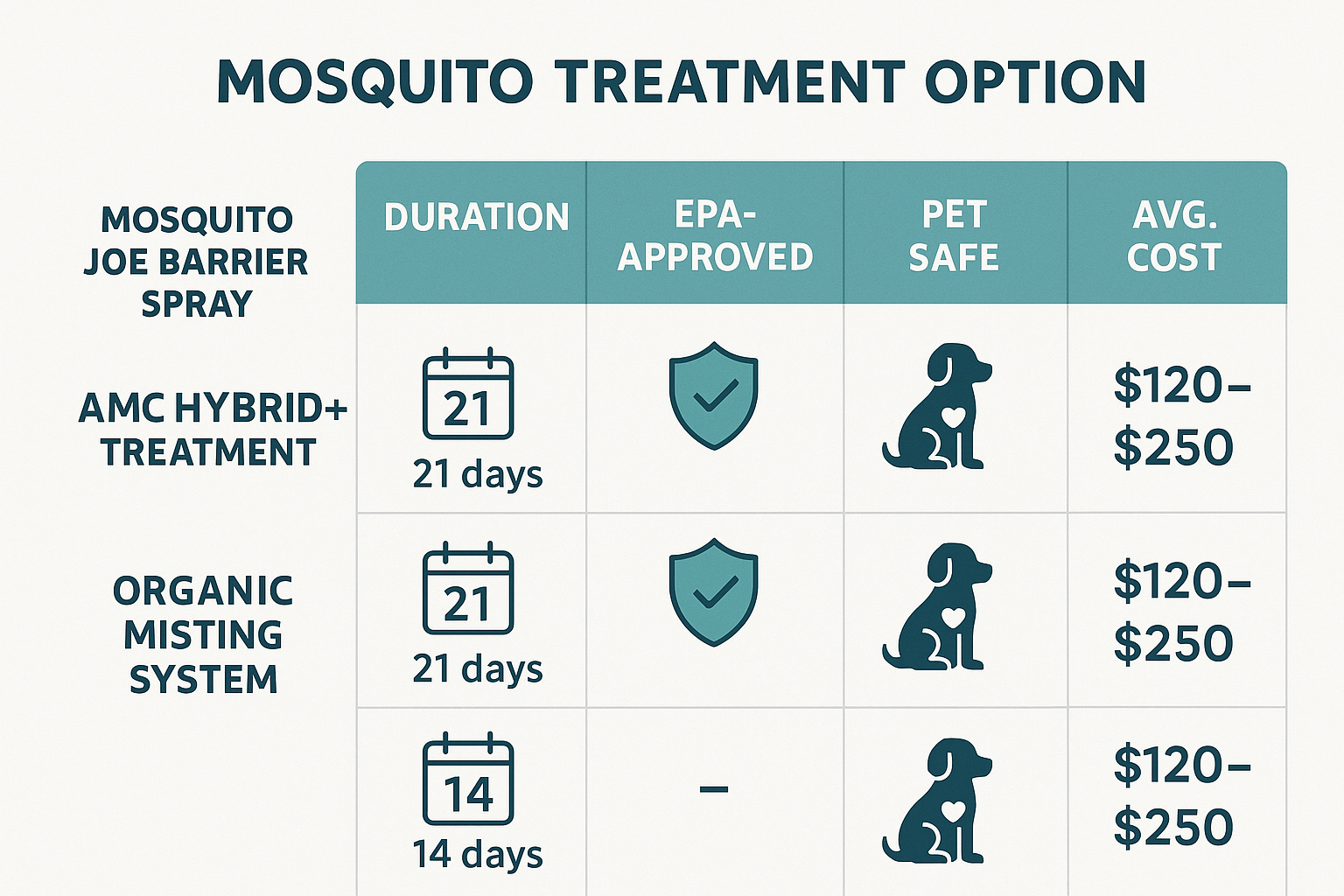
The chart breaks down four key columns:
- Duration – How long the treatment remains effective before a re‑application is needed.
- EPA‑approved status – Whether the active ingredients have been vetted and registered by the Environmental Protection Agency.
- Pet safety – The level of risk to dogs, cats, and other household animals after the product dries.
- Cost range – Typical price per ¼‑acre treatment, giving you a sense of upfront investment.
Pros and Cons of Each Method
Mosquito Joe Barrier Spray
- Pros:
- Fast‑acting; most homeowners notice fewer mosquitoes within hours.
- Professional application ensures even coverage of perimeter and foliage.
- Moderate cost makes it a popular choice for single‑season treatment.
- Cons:
- Relies on synthetic chemicals, which can raise concerns for sensitive families.
- Residual effect typically lasts 2‑3 weeks, requiring more frequent re‑treatments.
- Pet safety is acceptable after the spray dries, but owners must keep pets off treated surfaces for the recommended waiting period.
AMC Hybrid+
- Pros:
- Combines a low‑dose chemical larvicide with a biological agent (Bti) for a dual‑action barrier.
- Longer residual effect—often 4‑6 weeks—reducing the number of visits.
- Formulated to be pet‑friendly; pets can roam the yard shortly after application.
- Competitive pricing, especially for larger properties.
- Cons:
- While safer than pure chemicals, it still contains EPA‑approved synthetics that some homeowners may wish to avoid.
- Application requires a licensed technician, so DIY enthusiasts can’t perform it themselves.
Organic Misting System
- Pros:
- All‑natural ingredients—often essential oils and botanical extracts—eliminate chemical residues.
- Safest option for children, pets, and environmentally conscious neighbors.
- Can be installed as a permanent, automated misting line for hands‑off protection.
- Cons:
- Higher upfront cost for equipment and installation.
- Natural actives tend to break down faster, so applications may be needed every 1‑2 weeks during peak season.
- Effectiveness can vary with wind, humidity, and plant density.
How to Choose the Right Treatment for Your Home
Start by matching the method to four practical factors:
- Property size: Larger yards benefit from AMC Hybrid+ or a misting system that can cover more ground with fewer visits.
- Budget: If upfront cost is the primary concern, Mosquito Joe’s barrier spray offers the lowest entry price. For long‑term savings on re‑applications, AMC Hybrid+ often proves more economical.
- Pet presence: Households with dogs or cats that spend a lot of time outdoors may prefer the pet‑friendly profile of AMC Hybrid+ or an organic misting setup.
- Desired duration: For a short‑term “summer‑only” solution, the fast‑acting Mosquito Joe spray works well. If you want protection that stretches into early fall, the residual power of AMC Hybrid+ or the programmable misting system is a better fit.
Post‑Treatment Maintenance Tips
Regardless of the method you select, the best defense against mosquitoes starts with good yard hygiene. Eliminate standing water in birdbaths, clogged gutters, and flower pot saucers. Keep grass trimmed and trim back dense foliage where adult mosquitoes like to rest. Regularly inspect your property after rainstorms—those temporary pools are breeding hotspots that can undo even the most robust treatment.
Ready to see which solution aligns with your Suwanee home? Contact Anthem Pest Control for a free on‑site quote. Our technicians will assess your yard, discuss budget options, and schedule a treatment that fits your timeline. Call us at 877‑371‑8196 or visit anthempest.com to get started.
Protect Your Home with Professional Mosquito Control
Why mosquitoes matter in Suwanee
In Suwanee’s humid climate, mosquitoes thrive from early spring through late fall. Beyond the itchy bites, they transmit diseases such as West Nile virus and Zika, turning a simple backyard gathering into a health risk. Their constant buzzing also disrupts sleep and outdoor enjoyment, making them a nuisance that can lower property value if left unchecked.
Early detection and seasonal timing
Spotting mosquito activity early—when you first notice larvae in standing water or increased bite reports—gives you a window to act before populations explode. Treating in early May, just as temperatures rise, prevents breeding cycles from establishing. A timely, targeted application is far more effective and cost‑efficient than a rushed, large‑scale spray later in the season. Early intervention can cut treatment costs by up to 40% because fewer chemicals and less labor are required.
Choosing the right treatment
Effective control blends larvicides for water sources, adulticides for flight zones, and barrier treatments around doors, windows, and decks. Combining these methods with habitat reduction—eliminating stagnant water, trimming overgrown vegetation, and maintaining proper drainage—creates a multi‑layered defense that keeps mosquitoes at bay year after year. All products we use meet state regulations and break down quickly, minimizing impact on beneficial insects and the surrounding ecosystem.
Anthem Pest Control’s expertise
Anthem Pest Control brings local knowledge and certified technicians to every job. Our solutions are:
- Safe: EPA‑approved products applied with precision to protect family and pets.
- Effective: Proven protocols that target both larvae and adult mosquitoes.
- Affordable: Transparent pricing with no hidden fees, plus seasonal packages that fit most budgets.
We provide a detailed inspection report, so you know exactly what’s being treated and why. We stand behind our work with a satisfaction guarantee—if mosquitoes return within 30 days, we’ll re‑treat at no extra charge.
Take the next step
Don’t let mosquitoes claim another summer night. Schedule a complimentary inspection today and receive a personalized treatment plan tailored to your home’s layout and the unique challenges of Suwanee’s climate.
Contact Anthem Pest Control for a free quote: 877-371-8196
Visit Anthem Pest Control to book your inspection.