Identifying Common Household Moths

Moths are often the silent intruders you only notice when you spot a tiny speck fluttering near your pantry or a silvery web in the back of a closet. In Decatur homes, two groups cause the most trouble: pantry moths, like the Indian meal moth, and clothing moths, such as the webbing moth. Knowing how they look and where they hide is the first step toward effective moth control Decatur before they turn a small nuisance into costly damage.
Pantry Moths – The Indian Meal Moth
Pantry moths love dry, stored food. The Indian meal moth (Plodia interpunctella) is the most common culprit. Adults are 0.5‑0.75 inches long, with slender, lance‑shaped wings that fold tent‑like over the body at rest. The forewings are a striking blend of amber‑brown and coppery tones, speckled with tiny white or silver spots that give them a peppered appearance. Their hindwings are pale gray and usually hidden.
Clothing Moths – The Webbing Moth
Clothing moths, especially the webbing moth (Tineola bisselliella), prefer natural fibers. They are slightly smaller, about 0.3‑0.5 inches, with narrow, blunt‑tipped wings that lie flat when the moth is at rest. The wings are a uniform creamy‑white to light brown, lacking the bold markings of pantry moths. A key identifier is the fuzzy, hair‑like scales that give the moth a “powdered” look.
Key Physical Characteristics to Spot
When you’re scanning a light‑filled room, keep an eye on wing shape: pantry moths have pointed, triangular wings; clothing moths display broader, more rounded edges. Coloration is another clue—pantry moths flaunt contrasting amber and silver, while clothing moths stay muted. Size differences are subtle but noticeable if you compare them side‑by‑side. Also, pantry moths often rest near food containers, whereas clothing moths hide in dark, undisturbed fabric piles.
Typical Hiding Spots
The most common hiding spots mirror their food preferences. Pantry moths nest inside grain bins, cereal boxes, flour sacks, and even pet food. Look for tiny webbing or silky tunnels along the tops of packages, especially where the seal is broken. Clothing moths, on the other hand, favor closets, drawers, and upholstered furniture. They lay eggs in natural fibers—wool, cashmere, silk, and even fur—then spin fine silk tunnels that protect the larvae as they feed.
How to Differentiate Moths from Harmless Insects
Moths can be confused with butterflies, but butterflies usually rest with wings open and display brighter, more vivid patterns. Flies have a single pair of wings and a distinct buzzing flight, while moths have two pairs and a more fluttery, erratic motion at night. If you see a small insect attracted to a light source that lands and folds its wings tent‑like over its body, you’re likely looking at a moth, not a harmless beetle or fly.
Quick Inspection Checklist for Homeowners
- Inspect all dry‑food containers for webbing, silky tunnels, or tiny larvae.
- Check seams, corners, and undersides of pantry shelves for moth eggs or cocoons.
- Examine closet floors, especially wool or cashmere garments, for fine silk tunnels.
- Look behind and under upholstered furniture for small cocoons or adult moths.
- Use a flashlight at night to spot adult moths near windows or light fixtures.
If you spot any of these signs, it’s time to act. Early identification lets Anthem Pest Control apply targeted treatments that protect your pantry and wardrobe without unnecessary chemicals. A quick call can prevent a minor sighting from becoming a full‑blown infestation.
Warning Signs and Damage Caused by Moths
When a moth population begins to establish itself in your home, it rarely announces itself with a loud buzz. Instead, it leaves a trail of subtle clues that, if spotted early, can save you from costly damage. Knowing exactly what to look for—whether it’s a silky thread in the pantry or a tiny hole in a sweater—lets you act before the infestation spreads.
Visual clues
- Fine silk webs or tunnels along pantry shelves, in corners, or behind stored boxes.
- Clusters of creamy‑white or brown larvae moving in groups.
- Small, dark droppings that resemble pepper grains.
- Adult moths fluttering near lights, especially in the evening.
Food contamination
Moth larvae are voracious eaters of dry, stored foods. They chew through grain, flour, nuts, and dried fruit, leaving behind webbed tunnels and frass. Consuming even a tiny amount of contaminated product can introduce allergens and, in rare cases, cause gastrointestinal upset. Moreover, the damage isn’t always visible—infested flour may look normal until you sift it and discover a network of silken tunnels.
Fabric damage
Clothing, blankets, and upholstery made from natural fibers such as wool, cashmere, silk, or even fur are prime targets. Larvae feed on keratin, the protein that gives these materials their softness, creating irregular holes that start small but quickly enlarge. A single moth can render a favorite sweater or a set of heirloom blankets unusable, and the damage often goes unnoticed until the fabric begins to fray.
Structural concerns
Although moths are most infamous for attacking food and fabrics, they also have an eye for cellulose‑based building materials. Cardboard boxes, paper archives, and even insulation can attract certain species, especially when moisture levels are high. Over time, the larvae’s feeding can weaken cardboard storage, create gaps in insulation, and foster secondary pest problems such as mold or rodents seeking the same shelter.
Rapid assessment steps
- Inspect pantry shelves, cabinets, and any open food containers for silk webs or larvae clusters.
- Examine stored clothing, blankets, and upholstery, turning items inside‑out to spot tiny holes or larvae.
- Check cardboard boxes, paper stacks, and attic insulation for webbing or droppings.
- Collect a few specimens—larvae, web fragments, or adult moths—in a sealed bag for identification.
- If you find more than a handful of signs, or if damage is already evident, contact a professional pest‑control service promptly.
Document each finding with a photo or note the location, as this helps the technician target treatment zones more efficiently.
Prompt action not only prevents material loss but also reduces the risk of secondary infestations like pantry beetles that thrive on the same debris. By systematically scanning these hotspots and documenting what you find, you give a pest‑control specialist the information they need to pinpoint the species, choose the right treatment, and protect your home from further loss.
Treatment Options – DIY vs. Professional
When moths start nibbling at your stored clothing, pantry goods, or woolen blankets, the first question most homeowners ask is, “Can I handle this myself, or should I call a pro?” Both paths have merit, but understanding the strengths and blind spots of each approach helps you choose the most cost-effective, safe, and lasting solution for moth control Decatur homes.

DIY Methods: What You Can Do Today
Do‑it‑yourself tactics are attractive because they’re inexpensive and can be implemented immediately. Here are the most common DIY tools you’ll encounter:
- Airtight storage: Transfer clothing, linens, and pantry items into vacuum‑sealed bags or heavy‑duty plastic containers with tight‑locking lids. Moths can’t reach food or fabric when it’s sealed.
- Pheromone traps: Sticky traps infused with sex‑attractant pheromones lure male moths, disrupting the breeding cycle. Place them in closets, pantries, and near suspected hot spots.
- Natural repellents: Cedar blocks, lavender sachets, or rosemary sprigs emit scents that moths find unappealing. They’re a pleasant-smelling supplement but not a stand‑alone cure.
- Over‑the‑counter insecticidal sprays: Products containing pyrethrins or permethrin can knock down adult moths on contact. Follow label directions carefully to avoid skin irritation or accidental exposure to pets.
Limitations of DIY Approaches
While DIY solutions can reduce a mild infestation, they often fall short when the problem is widespread or entrenched.
- Incomplete coverage: Sprays and traps only affect the surfaces you treat. Hidden larvae inside wall voids, carpet padding, or deep pantry crevices remain untouched.
- Resistance buildup: Repeated use of the same over‑the‑counter chemicals can encourage moths to develop tolerance, making future applications less effective.
- Safety concerns: Many household sprays contain neurotoxic ingredients. Without proper PPE (gloves, masks) and ventilation, you risk skin irritation, respiratory issues, or accidental ingestion by children and pets.
Professional Services: Why the Experts Matter
When moth activity persists despite your best DIY efforts, a licensed pest-control technician brings tools and knowledge that go far beyond the consumer aisle, making professional moth control Decatur the most reliable next step.
- Comprehensive inspection: Trained pros use flashlights, moisture meters, and thermal imaging to locate hidden larvae, egg clusters, and structural damage that homeowners often miss.
- Targeted chemical treatments: Professionals apply EPA‑approved, residual insecticides that penetrate cracks, seams, and upholstery fibers, creating a protective barrier that lasts weeks to months.
- Heat or cryogenic options: In severe cases, technicians may employ whole‑room heat treatment (above 120 °F) or cryogenic (liquid nitrogen) fogging to eradicate all life stages without leaving chemical residues.
- Follow‑up monitoring: After the initial treatment, a pest‑control company will schedule return visits, replace pheromone traps, and verify that the population is truly gone.
EPA‑Approved Products and Safety Protocols
All professional treatments must comply with the EPA moth control guide. This ensures that the chemicals used are vetted for efficacy and human/animal safety when applied according to label directions. Technicians wear personal protective equipment, seal off treated areas, and provide homeowners with clear post‑treatment instructions—steps most DIYers overlook.
When to Upgrade from DIY to Professional Intervention
Knowing the tipping point helps you avoid wasted money and prolonged frustration. Consider calling Anthem Pest Control when you notice any of the following:
- Repeated sightings of adult moths after a full cycle of DIY treatment (30‑45 days).
- Evidence of larvae or webbing inside seams, carpet padding, or wall cavities.
- Infestations spreading to multiple rooms or the entire home.
- Presence of food‑grade items (flour, grains, dried fruit) that show signs of damage despite airtight storage.
- Any health concerns—especially in households with children, seniors, or pets—related to chemical exposure.
Quick Comparison: DIY vs. Professional
| Method | Pros | Cons |
|---|---|---|
| DIY (storage, traps, natural repellents, OTC sprays) | Low upfront cost; Immediate action; No appointment needed | Limited reach; Potential chemical safety risks; May not eliminate larvae; Resistance over time |
| Professional (inspection, EPA‑approved chemicals, heat/cryogenic, monitoring) | Thorough coverage; Expert identification; Long‑lasting residual protection; Safe application protocols | Higher cost; Requires scheduling; May involve temporary disruption of home use |
In Decatur’s humid climate, moths can multiply quickly, turning a minor nuisance into a full‑blown infestation. Starting with airtight storage and pheromone traps is a sensible first line of defense, but don’t hesitate to call a certified professional—like Anthem Pest Control—once the signs point to a deeper problem. Our team blends EPA‑approved treatments with meticulous monitoring, giving you peace of mind while protecting your home and family.
Cost Comparison – Professional Service vs. DIY
When it comes to moth control, the price tag can be just as confusing as the pests themselves. To make the decision easier, we’ve created an easy‑to‑read infographic that breaks down the three most common pricing tiers that Anthem Pest Control offers: Basic, Standard, and Premium. The chart shows the average monthly cost you can expect for each tier, along with what’s included in the service package.
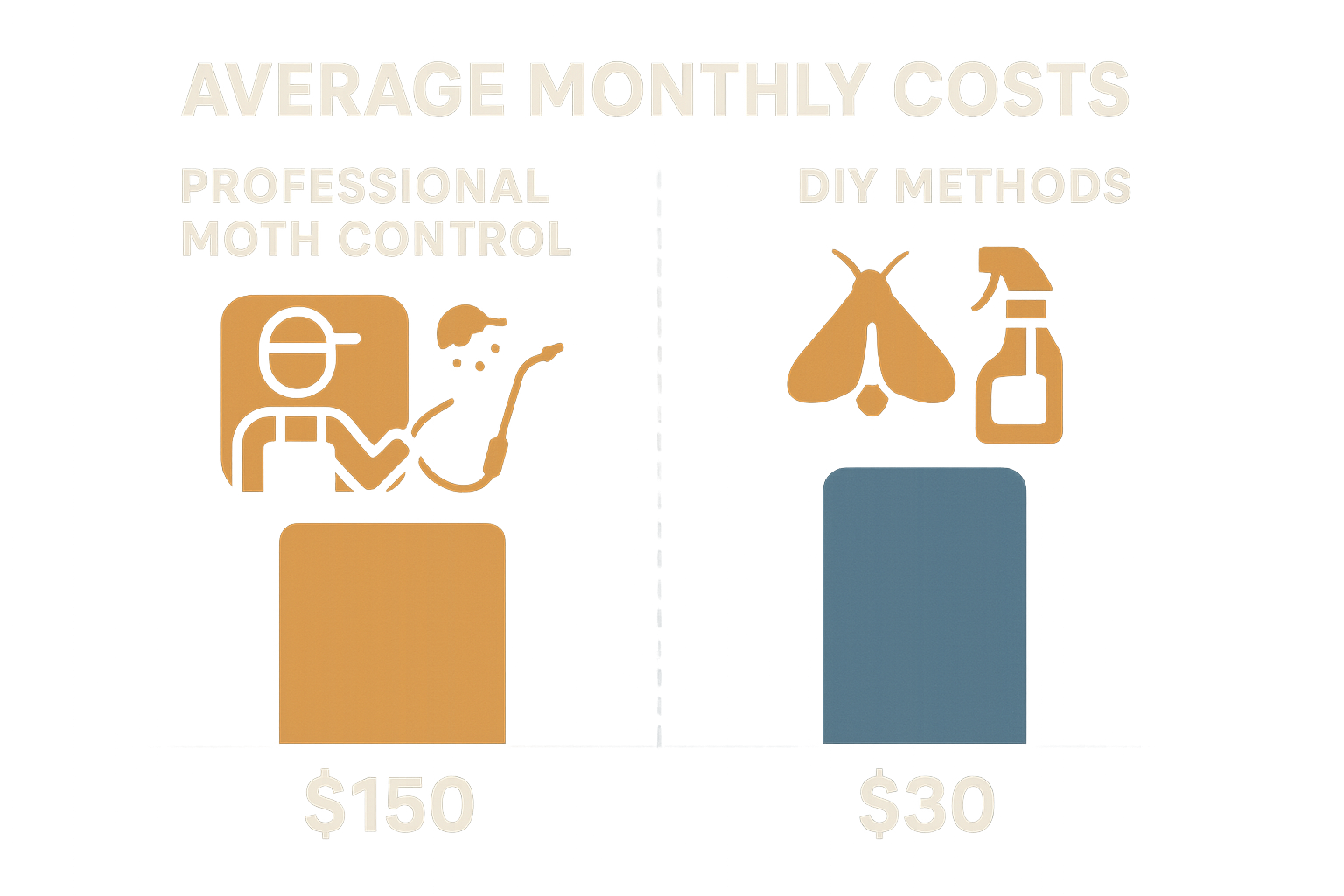
The infographic displays three columns—Basic ($30-$45), Standard ($55-$70), and Premium ($85-$110)—to help homeowners evaluating moth control Decatur compare service levels. The Basic tier covers a one-time inspection and a single treatment, Standard adds quarterly follow-ups and a protective barrier, while Premium includes unlimited visits, whole-home monitoring, and a guaranteed moth-free guarantee for a full year.
If you prefer a do‑it‑yourself approach, the typical out‑of‑pocket expenses look like this:
- Sticky pheromone traps – $10‑$20 per pack (replaces every 2‑3 months).
- Pantry liners and airtight containers – $15‑$30 for a full kitchen set.
- Insecticide aerosol cans – $8‑$12 each, typically applied every 4‑6 weeks.
- Replacement of damaged clothing, wool, or stored foods – $50‑$200 depending on severity.
Beyond the obvious line‑item costs, hidden expenses can quickly tip the scales. DIY methods demand regular monitoring, which translates to hours of inspection each week—a real cost for busy homeowners. Missed spots often lead to re‑infestation, forcing you to purchase additional traps or chemicals. In contrast, professional treatment reduces the likelihood of repeat visits and protects against long‑term damage such as ruined fabrics, contaminated pantry goods, and structural wear, saving you potentially hundreds of dollars down the road.
Interpretation Guide
Use the following quick‑check to decide which route aligns with your budget and infestation severity:
- Minor, isolated sightings: Start with DIY traps and pantry liners. Keep a close eye on activity for 4‑6 weeks before escalating.
- Moderate activity in multiple rooms: The Standard professional tier offers quarterly follow‑ups that catch hidden larvae before they spread, often proving more cost‑effective than endless DIY purchases.
- Severe or recurring infestations: Invest in the Premium plan. Unlimited visits and a year‑long guarantee eliminate hidden costs and protect valuable textiles and food stores.
By comparing the upfront numbers in the infographic with the hidden time and re‑infestation costs of DIY, you can choose the option that protects your home without breaking the bank.
Seasonal Moth Activity in Decatur, GA

Understanding the Seasonal Chart
The chart above maps moth activity month‑by‑month, from the chill of January to the heat of July and back again. By visualizing the ups and downs, homeowners can pinpoint exactly when the risk spikes in their home. In Decatur, the pattern mirrors the local climate: warm, humid summers invite pantry moths, while cooler, dryer winters favor clothing moths that seek shelter in closets and stored fabrics.
Why Moths Peak When They Do
Two environmental drivers dominate the Decatur cycle. First, temperature: most moth species become active once daily highs consistently reach the mid‑70s °F, which typically occurs in late May and stays high through August. Second, humidity: the summer months bring relative humidity levels of 60‑70 %, creating ideal conditions for larvae to thrive in stored grains, cereals, and pet food.
Indoor habits amplify these natural trends. During summer, families often stock up on pantry staples for barbecues and vacations, providing a buffet for pantry moths. In winter, people pull out seasonal clothing and store blankets in closets, giving clothing moths the perfect hideaway. The combination of external climate and indoor behavior creates the distinct peaks shown in the chart.
High‑Risk Periods
- Late summer to early fall (August – October): Pantry moths reach their zenith. Eggs laid in grain bins and cereal boxes hatch rapidly, and infestations can spread before the first frost.
- Winter months (December – February): Clothing moths become the primary threat. Their larvae feed on natural fibers, and the colder indoor temperatures slow down natural predators, allowing populations to build unnoticed.
Preventive Actions Aligned with the Calendar
Using the chart as a roadmap, homeowners can schedule proactive steps that stay ahead of the insects:
- January–February: Conduct a thorough inventory of stored clothing. Vacuum closets, wash or dry‑clean delicate items, and store off‑season garments in sealed containers.
- March–April: Book a professional inspection with Anthem Pest Control. Early‑spring treatments target overwintering moths before they emerge.
- May–June: Perform a deep pantry clean. Discard expired foods, wipe shelves with a mild detergent, and transfer dry goods into airtight glass or metal containers.
- July–August: Reduce indoor humidity with dehumidifiers or proper ventilation, especially in kitchens and laundry rooms where moisture accumulates.
- September–October: Re‑inspect pantry areas after the peak season. Spot‑treat any signs of webbing or larvae before they lay the next generation of eggs.
- November: Store holiday decorations in sealed bags and give closets a final vacuum before the winter moth surge begins.
Local Expertise Matters
Anthem Pest Control tailors each of these steps to Decatur’s unique climate profile. Our technicians know that the city’s humid subtropical weather can extend the active window for pantry moths by a few weeks, so we adjust treatment dates accordingly. We also use region‑specific bait formulations that remain effective even during the cooler, drier winter months when clothing moths are most active.
By syncing inspections and treatments with the seasonal chart, Decatur homeowners can cut the moth lifecycle short, protect food supplies, and keep wardrobes moth‑free—all while relying on a trusted local partner who understands the nuances of Georgia’s pest calendar.
Protect Your Home with Expert Moth Control
Recap of Key Points
First, remember the basics you’ve learned: adult moths are easy to spot by their fluttering flight, while larvae leave tell‑tale webbing, silky tunnels, or holes in stored grain, pantry items, and natural fabrics. Early warning signs—such as a sudden increase in shed skins, clumped droppings, or a faint greasy odor—should trigger an inspection before the infestation spreads. Treatment options range from DIY traps and pheromone lures to professional sprays, heat treatments, and targeted fumigation. Costs vary, with DIY kits around $15‑$40 and professional services starting near $150 for a typical home. Timing is crucial: moth activity peaks in late summer and early fall, so pre‑emptive treatment before the seasonal surge offers the best protection.
Why a Professional, EPA‑Compliant Approach Matters
A professional, EPA‑compliant program ties those pieces together. Certified technicians apply low‑toxicity growth regulators and food‑grade sprays that target moth life stages without contaminating pantry items or clothing. The plan includes a thorough inspection of vulnerable entry points, sealing cracks, and applying barrier sprays that stay effective for months. Because the products meet strict EPA safety standards, you protect fabrics, stored foods, and the health of children, pets, and allergy‑sensitive family members. This holistic approach eliminates hidden larvae before they can cause new damage.
Anthem Pest Control: Local Expertise, Transparent Pricing
Anthem Pest Control brings that level of expertise directly to Decatur homeowners. Our technicians are locally trained, know the regional moth species, and combine that knowledge with a nationwide network of resources. Pricing is transparent—no hidden fees or surprise add‑ons—so you see exactly what each step costs before any work begins. Whether you need a one‑time eradication, an annual prevention contract, or a custom plan for a historic home with delicate textiles, we tailor the solution to fit your budget and timeline.
Schedule Your Free, No‑Obligation Quote
Ready to protect your pantry, closets, and family from the next moth surge? Schedule a free, no-obligation quote today. Our certified team will inspect your home, explain the most effective treatment plan, and provide an upfront price you can trust for professional moth control Decatur. Call us now at 877-371-8196 or visit Anthem Pest Control to book your assessment. Let us handle the moths so you can enjoy a clean, worry-free home all year long.