Why Moth Control Matters in Smyrna
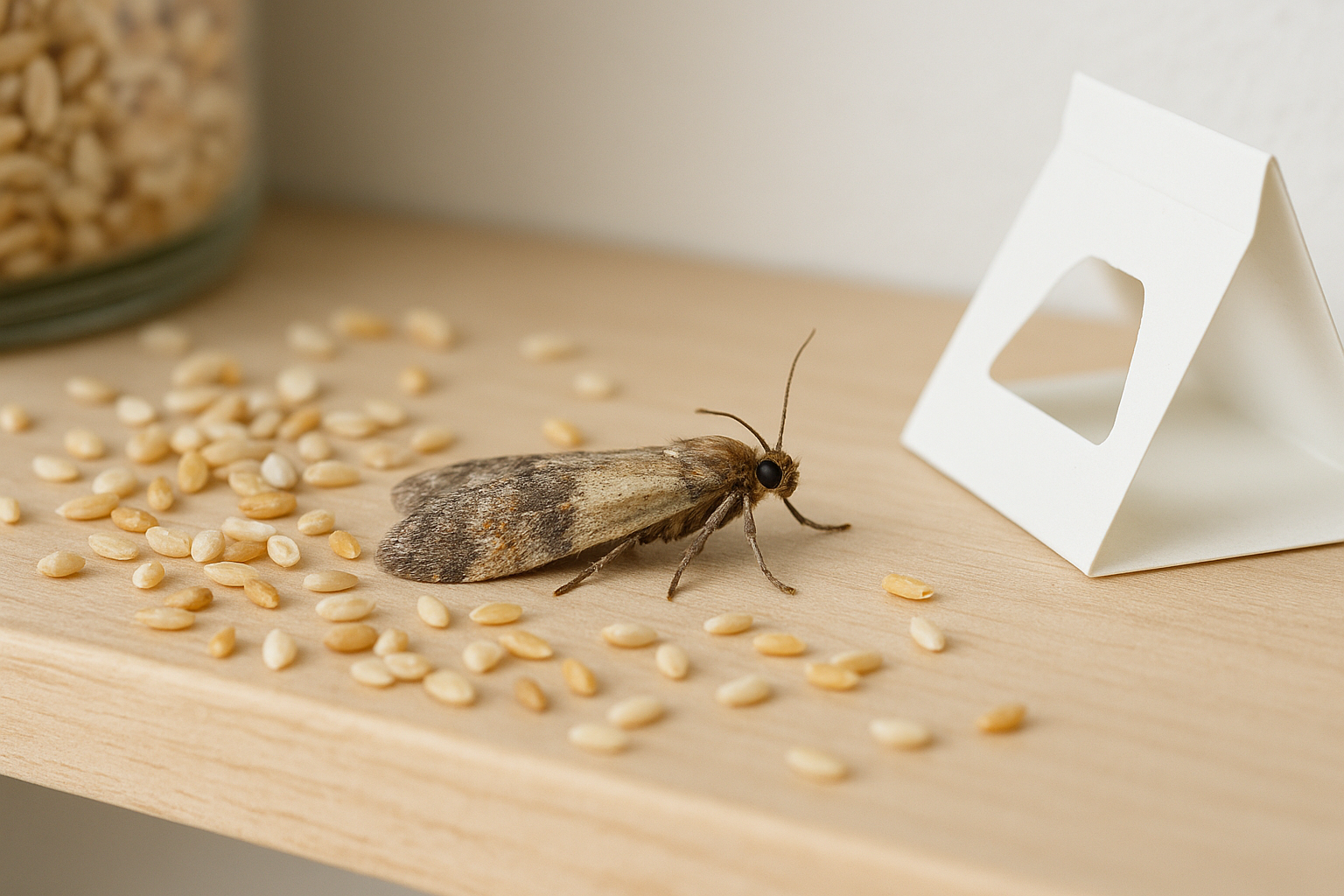
Smyrna’s warm, humid climate is a welcome guest for many, but it also rolls out the red carpet for moths. From late spring through the summer months, temperatures hover between 75-85°F with humidity often above 60 %. Those conditions are a perfect breeding ground for both pantry and carpet moths, turning a pleasant season into a silent invasion, which often leads homeowners to consider the moth control cost Smyrna GA for effective treatment.
Homeowners should watch for three primary damage types:
- Pantry‑moth contamination: Larvae chew through grain, cereal, flour and dried fruit, leaving webs and fecal pellets that render food unsafe.
- Carpet‑moth destruction: Caterpillars tunnel into wool, silk, and synthetic fibers, creating holes in clothing, upholstery, and blankets.
- Wood‑eating species: Though less common, certain moths (e.g., the carpenter moth) can bore into structural timber, compromising walls and beams over time.
The stakes are more than just aesthetic. The 2023 Georgia Department of Agriculture report documented a 12 % rise in pantry‑moth complaints across Cobb County, underscoring a growing trend that mirrors Smyrna’s climate patterns. Moreover, the CDC’s guidance on indoor pests links moth infestations to secondary health concerns, such as allergic reactions to shed scales and the potential for bacterial growth in contaminated food stores.
That’s where Anthem Pest steps in. With 15 years of hands‑on experience serving Smyrna and the surrounding Cobb County area, we’ve fine‑tuned rapid‑response protocols that get to the source of the problem before it spreads. Our 24‑hour response line (877‑371‑8196) means you can call any time the first sign appears—whether it’s a mysterious web in your pantry or tiny holes in your favorite sweater.
Choosing a local, trusted partner means you benefit from targeted treatments that respect both your home and the environment. When moths threaten your food, fabrics, or even the structure of your house, swift, professional intervention isn’t just convenient—it’s essential for protecting your family’s health and your investment.
What Triggers Moth Outbreaks in Our Neighborhoods
Climate Conditions That Invite Moths
Smyrna’s hot, humid summers create the perfect breeding ground for pantry moths. When daytime temperatures hover above 85°F and nighttime humidity climbs past 60%, moisture seeps into closets, basements, and kitchen cabinets. Even a brief rainstorm can raise indoor humidity enough for moth eggs to hatch faster than in drier regions.
Storage Practices That Feed the Next Generation
Many homeowners store bulk grains, flour, and cereals in open‑shelf pantries or in cardboard boxes that lack airtight seals. These easy‑access food sources act like an all‑you‑can‑eat buffet for larvae. A single forgotten bag of rice can support dozens of caterpillars, which then spin silk tunnels that are hard to spot until the adult moths emerge.
Seasonal Migration Patterns
Adult pantry moths are most active from May through September. During this window they are attracted to the warm interior of homes, especially where light leaks from windows or garage doors. Moths often hitch a ride on grocery bags, garden tools, or even on clothing brought in after a weekend market trip, slipping unnoticed into the house and prompting homeowners to evaluate the moth control cost Smyrna GA.
High‑Risk Neighborhoods in Smyrna
Older housing stock tends to have more cracks, gaps, and hidden voids that become safe havens for moth larvae. In Smyrna, the East Cobb area, the Old Fourth Ward, and the Downtown Historic District all feature homes built before the 1970s. These structures commonly have plaster walls, unsealed baseboards, and attic spaces where moisture accumulates, giving moths a place to hide and multiply.
According to the 2024 NPMA statistics, 1.8 million U.S. homes suffer moth damage annually. That national figure translates directly to our community, where a single overlooked pantry can seed an infestation that spreads to neighboring units.
“We’ve seen a noticeable uptick in moth sightings near the community garden this spring. Residents are bringing in fresh produce and herbs, and a few open‑shelf storage boxes in the garden shed have become hotspots,” says Lisa Martinez, HOA manager for the East Cobb subdivision.
Pantry Moths vs. Carpet Moths: Spot the Difference
Life‑cycle snapshot
Both the Indian meal moth (Plodia interpunctella) and the webbing cloth moth (Tineola bisselliella) follow the classic four‑stage cycle: egg, larva, pupa, adult. Eggs are laid on a food source or in a dark crevice; within 5–14 days they hatch into larvae that spin protective silk. Larvae feed for 2–6 weeks, then seek a quiet spot to pupate. Adults emerge, live only a week or two, and focus on reproducing.
Visual cues you can trust
The two species look similar at a glance—about a half‑inch long—but their wing patterns give them away.
- Indian meal moth: golden‑brown forewings with a copper‑tinged fringe and a distinct dark spot near the wing tip.
- Webbing cloth moth: pale gray to off‑white forewings speckled with tiny black dots and a faint, irregular pattern across the center.
Where they like to live
Pantry moths gravitate toward stored foods: grain bins, cereal boxes, flour, nuts, and pet food. They hide in pantry shelves, cracks, and even in cardboard packaging.
Carpet moths prefer the darkness of closets, carpets, rugs, and upholstered furniture. Their larvae feed on natural fibers like wool, silk, and fur, leaving behind tiny holes in fabric.
Quick inspection checklist
- Look for larvae—cream‑colored, worm‑like, often hidden in food seams or fabric folds.
- Spot silk webbing near pantry items or in carpet edges.
- Check for adult moths fluttering near lights at night.
- Notice any frass (tiny pellet‑like droppings) around food containers or on fabric.
Inset diagram: wing markings
| Species | Wing pattern |
|---|---|
| Indian meal moth | Golden‑brown with copper fringe; dark spot near tip |
| Webbing cloth moth | Pale gray, speckled dots; irregular central pattern |
Beyond Nuisance: Real Costs of Moth Infestations
Moth infestations may seem like a minor annoyance, but the hidden costs quickly add up—both to your health and to your wallet.
Health concerns that hide in the pantry
When adult moths lay eggs in stored grains, flour, or dried fruit, the emerging larvae turn those staples into a breeding ground for allergens. Dust from shed skins and frass (insect droppings) can trigger allergic reactions and act as a asthma irritant for sensitive family members. Moreover, contaminated pantry items become a vector for foodborne illness. Bacteria and mold can proliferate on the damaged food, increasing the risk of gastrointestinal upset if the product is unknowingly consumed.
Property damage you can actually see on your bill
Beyond health, moths exact a tangible financial toll. The EPA’s pest‑control cost guide estimates that most households discard between $250 and $500 worth of food after a moderate infestation. That figure rises sharply when fabrics are involved. Carpet, upholstery, and clothing fibers can be chewed or stained, leading to repair or replacement costs that reach up to $1,200 per home.
- Average food loss per household: $250‑$500
- Carpet/fabric repair or replacement: up to $1,200
- Additional indirect costs: lost time, professional inspection fees, and potential resale value reduction
Why the numbers matter
The 2022 USDA study on pantry pests confirms that food loss attributable to moths alone exceeds 2 % of total household food waste. Translated into dollars, that loss aligns closely with the EPA’s $250‑$500 range, reinforcing that a seemingly small moth problem can quickly become a costly inconvenience.
For Smyrna homeowners, the hidden expense isn’t just the price tag—it’s the health risk to loved ones and the erosion of comfort in your own living spaces. Acting early with a professional moth‑control plan not only stops the damage in its tracks but also protects your family’s well‑being and your budget.
Professional vs. DIY Moth Control: What Works Best

Over‑the‑counter options you’ll see at the hardware aisle
Most homeowners start with the staples: pheromone traps that lure male moths, benzyl alcohol sprays marketed as “instant kill,” and a series of cleaning chores—vacuuming, laundering fabrics, and wiping down pantry shelves. These products are inexpensive and easy to use, which makes them appealing for a quick fix, often before considering the moth control cost Smyrna GA.
Why DIY often falls short
While OTC tools can reduce a few visible moths, they rarely address the root of the problem. The traps only capture the adult males, leaving females free to lay eggs. Sprays may work on contact but can be misapplied, leaving residues on food‑contact surfaces or, worse, exposing children and pets to unnecessary chemicals. Most importantly, hidden infestations—inside wall voids, under insulation, or within stored fabrics—remain undetected, allowing the population to rebound as soon as the DIY products wear off.
What a professional IPM program brings
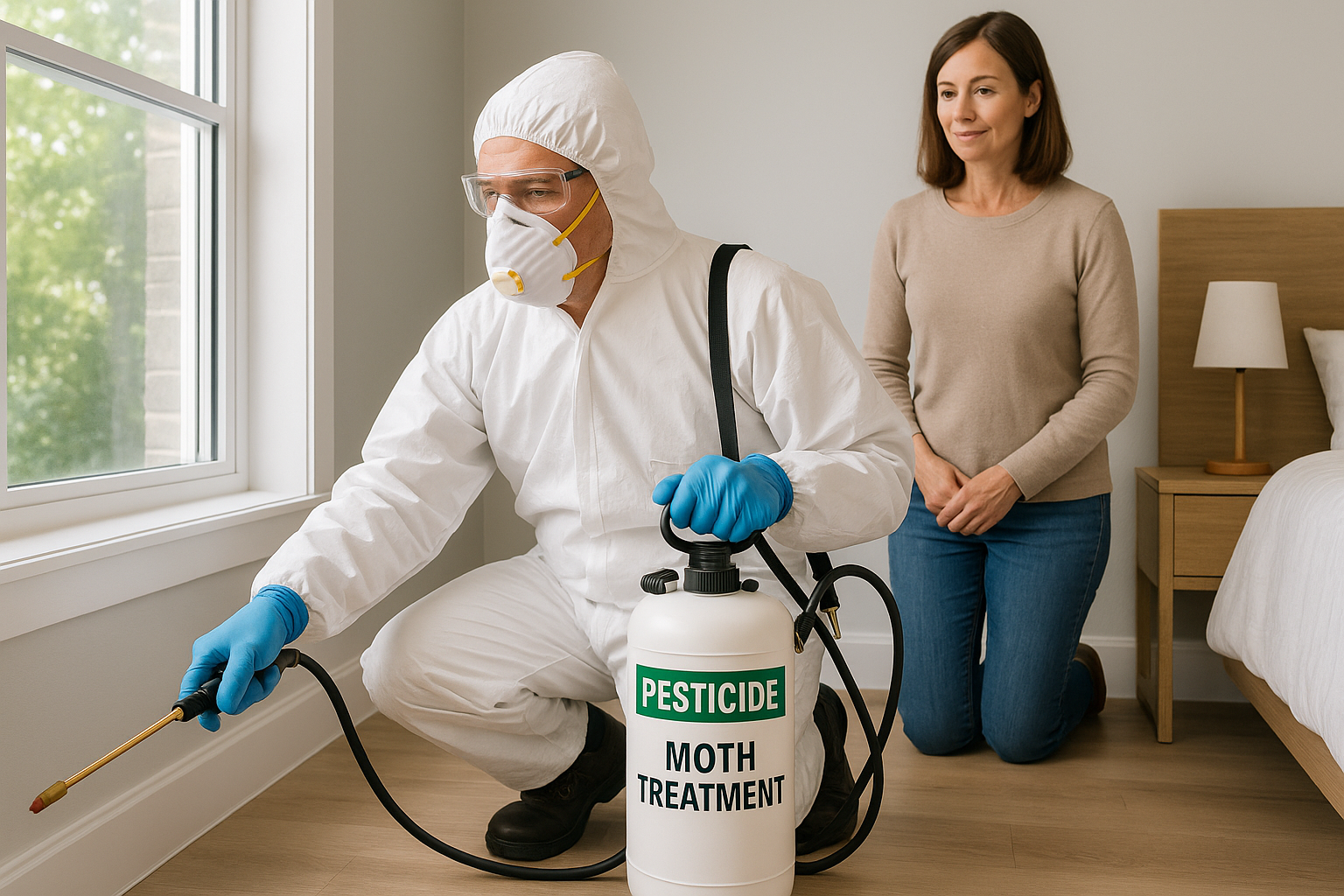
Integrated Pest Management (IPM) starts with a thorough inspection. Our technicians locate breeding sites, identify the species, and assess the extent of contamination. We then apply EPA‑registered, pyrethrin‑based sprays that target both adult moths and larvae while complying with safety standards. Follow‑up visits ensure that any missed hotspots are treated, and we provide preventive measures—such as sealing cracks and advising on proper storage—to keep moths from returning.
Step‑by‑step DIY protocol for low‑level cases
- Deep clean the pantry. Remove all food items, vacuum shelves, and wipe surfaces with a mild detergent.
- Seal entry points. Use caulk or weather‑stripping around windows, doors, and baseboards to block adult moths from entering.
- Deploy pheromone traps. Place one trap per 10 sq ft in corners, closets, and near stored fabrics. Replace traps every 30 days.
- Apply a targeted spray. If you choose a benzyl‑alcohol product, spray only the cracks and crevices where larvae hide, following label directions precisely.
- Monitor and repeat. Check traps weekly. If you still see activity after two weeks, it’s time to call a professional.
When moderate‑to‑severe infestations need Anthem Pest’s full‑home treatment
For homes where moths have colonized multiple rooms, contaminated fabrics, and hidden wall voids, a full‑home approach is the most reliable solution. Anthem Pest’s service includes:
- Pantry de‑contamination: Removal of infested food, thorough sanitation, and a residual spray that protects stored items.
- Fabric treatment: Safe, EPA‑approved applications on clothing, upholstery, and drapery to eradicate larvae without damaging fibers.
- Structural inspection: Identification of hidden galleries, insulation pockets, and ventilation shafts where moths may be nesting.
- Follow‑up visits: A second appointment to verify eradication and to apply a preventive barrier for up to six months.
By combining expert inspection, targeted chemicals, and a systematic follow‑up, Anthem Pest eliminates both visible moths and the unseen larvae that DIY methods often miss. The result is a lasting, home‑wide solution that protects your pantry, wardrobes, and structural integrity—all while adhering to strict safety standards for your family.
Transparent Pricing: What You’ll Pay for Moth Control
When it comes to protecting your Smyrna home from moth damage, knowing exactly what you’ll spend is as important as the treatment itself. Anthem Pest believes in clear, upfront pricing so you can budget with confidence and avoid surprise fees.
| Square Footage | Infestation Severity | Price Range (USD) |
|---|---|---|
| ≤ 800 sq ft (small apartment) | Light to moderate | $120 – $180 |
| 801‑1,500 sq ft (medium home) | Moderate to severe | $180 – $260 |
| > 1,500 sq ft (large home) | Severe | $260 – $350 |
These brackets reflect the amount of product, labor time, and equipment needed to treat each space effectively. A compact apartment often requires a single‑room spray and a quick inspection, while a larger home may need multiple treatment zones and a thorough pantry sweep.
Optional Add‑Ons
- Pantry de‑contamination: $75 – removes eggs, larvae, and food‑source residues.
- Fabric treatment: $90 – protects clothing, upholstery, and stored textiles from future infestations.
The figures above align with the Georgia Pest Management Association 2024 pricing survey, which audited over 200 local operators to establish a realistic market baseline.
For a full rundown of what Anthem Pest includes in each service package, visit our dedicated moth‑control service page. There you’ll see the exact steps our technicians follow—from initial inspection to post‑treatment follow‑up—so you know exactly what you’re paying for.
Worried about the upfront cost? We partner with several financing providers to spread the expense over 12 months with low‑interest options. Our team can walk you through the application process in minutes, ensuring you get protection now without breaking the bank.
All Anthem Pest moth‑control jobs come with a 30‑day satisfaction guarantee. If you notice any lingering activity within that window, we’ll return at no extra charge to re‑treat the affected area.
Transparent pricing, flexible financing, and a solid guarantee mean you can trust Anthem Pest to handle Smyrna’s moth problem efficiently—and affordably.
Anthem Pest: Your Smyrna Moth‑Control Partner
For more than 15 years Anthem Pest has been a fixture in Georgia’s residential pest-management landscape. Our technicians are not only state-licensed, but also certified through the National Pest Management Association, ensuring every treatment follows the latest industry standards. We rely exclusively on EPA-approved products that are proven effective against both pantry and clothing moths while meeting the strict safety requirements of families with children and pets, helping homeowners better understand the moth control cost Smyrna GA.
Credentials that matter to Smyrna homeowners
When you choose Anthem Pest, you’re tapping into a network of professionals who undergo continuous training on emerging moth‑control technologies. Our service plans are transparent—no hidden fees, just a clear, upfront price for a comprehensive inspection, treatment, and follow‑up monitoring. Because we’ve served the West Cobb region for a decade and a half, we understand the unique climate patterns that drive moth infestations in downtown Smyrna and surrounding neighborhoods.
What Smyrna homeowners are saying
“Anthem’s team arrived on schedule, identified the hidden larvae in our pantry, and eliminated the problem in a single visit. We finally feel safe storing food again.” — Emily R., West Cobb
“The technicians were courteous, explained every step, and used products that didn’t smell strong. Our closets are moth‑free after just one treatment.” — James L., Downtown Smyrna
Our guarantee backs every treatment with a 30‑day follow‑up visit at no extra charge. If moth activity reappears, we’ll re‑treat the affected area promptly, ensuring you never have to worry about recurring damage to clothing, carpets, or stored grains.
Ready to see the same results in your home? Explore our dedicated Moth Control service page for a detailed overview of our approach, or download the Smyrna Moth Control case study to see before‑and‑after data from real neighborhoods.
Take the first step toward a moth‑free home today. Call 877‑371‑8196 for a free, no‑obligation inspection and let Anthem Pest craft a customized plan that protects your family, fabrics, and food storage for the long term.
Moth‑Control FAQs
Below are quick answers to the most common questions homeowners ask about moth treatment, safety, and ongoing prevention.
How long does treatment last?
When applied correctly and followed by basic prevention steps—such as regular cleaning, proper food storage, and sealing entry points—a professional moth treatment typically remains effective for six to twelve months. Re‑treating sooner is only necessary if you notice a resurgence of activity.
Is it safe for pets and children?
We use EPA‑registered products that are labeled safe for residential use. Technicians wear protective gear during application, and we recommend ventilating the treated area for a short period afterward. Following these guidelines keeps pets and children out of harm’s way.
Do I need to discard food?
Only food that is heavily infested—showing visible larvae, webbing, or a strong odor—should be thrown away. Items stored in sealed, airtight containers are protected and can remain untouched. When in doubt, inspect pantry goods and move uninfested items to clean, sealed containers.
How often should I schedule follow‑ups?
We advise an annual inspection for most homes to catch any new activity early. If your property is in a high‑risk area—near grain storage, outdoor lighting that attracts moths, or has a history of infestations—semi‑annual visits provide extra peace of mind.
Protect Your Home, Protect Your Family
Catching a moth problem early is the single most effective defense for any home. When you spot the first signs—tiny webbing, damaged fabrics, or a sudden increase in adult activity—professional Integrated Pest Management (IPM) steps in before an infestation spreads. Pairing that expertise with regular cleaning, proper food storage, and seasonal inspections creates a layered barrier that protects both your property and your family’s health.
Anthem Pest delivers exactly that protection at a price that fits a typical household budget. Their locally-trained technicians use proven, low-toxicity treatments that target moths without endangering children or pets. Because the company has built a reputation in Smyrna and surrounding neighborhoods, you benefit from fast, reliable service backed by real-world results while understanding the moth control cost Smyrna GA.
Ready to safeguard your home before moths become a nuisance? Call Anthem Pest today at 877‑371‑8196 for a free, no‑obligation quote. Their 24‑hour response line means help is just a phone call away, and every treatment comes with a 30‑day guarantee for peace of mind. Learn more at Anthem Pest.