
Why Mice Matter to Homeowners

If you’ve heard scurrying in the walls, it’s time to act before the problem escalates. Mouse control Decatur homeowners rely on becomes essential when mice turn a tidy home into a health hazard and a repair nightmare. Understanding why these rodents matter is the first step toward protecting your family, your belongings, and your peace of mind.
Common Species That Slip Inside
The two most frequent invaders are the house mouse (Mus musculus) and the deer mouse (Peromyscus maniculatus). House mice thrive in urban neighborhoods, slipping through cracks as thin as a quarter and nesting in walls, attics, or behind appliances. Deer mice, while more common in rural settings, are equally adept at finding shelter in basements and crawl spaces when the weather turns cold. Both species reproduce rapidly—females can produce a litter of up to eight pups every three weeks—so a single sighting often signals a larger, hidden population.
How Widespread Is the Problem?
According to the National Pest Management Association, roughly 30% of U.S. households report mouse activity each year. In the Southeast, where warm, humid conditions favor rodent survival, the numbers climb even higher. That means one in three homes in Decatur, Georgia, could be sharing space with an unwelcome guest at any given time. The prevalence isn’t a coincidence; it reflects the ease with which mice exploit human structures for food, water, and shelter.
Health and Safety Risks
Mice are more than a nuisance; they are vectors for serious disease. The CDC warns that house mice can carry Hantavirus, salmonella, and even lymphocytic choriomeningitis virus (LCMV). These pathogens spread through droppings, urine, and contaminated food. A single mouse can contaminate an entire pantry, putting children and immunocompromised family members at risk. Inhalation of dust laced with mouse droppings is a common route for respiratory infections, making early detection crucial.
Property Damage You Can’t Ignore
Beyond health concerns, mice cause costly structural damage. Their incisors grow continuously, prompting them to gnaw on anything that resembles a chewable surface—electrical wiring, HVAC ducts, and even plastic plumbing components. A chewed wire can spark a fire, while damaged insulation reduces energy efficiency and raises utility bills. Food stores become contaminated, leading to waste and potential mold growth. In many cases, homeowners discover the damage only after an electrical outage or a sudden increase in energy consumption.
Identifying Mouse Activity and Warning Signs
Visual clues you can’t ignore
Mouse droppings are the most common giveaway. Look for small, dark, rice‑shaped pellets about ¼ inch long. They often appear in rows along baseboards, under cabinets, or near food containers. Gnaw marks are another red flag—soft wood, plastic, and even wiring can show fresh, clean‑cut bite edges about the size of a pencil tip. Shredded paper, fabric, or insulation indicates a mouse is building a nest; you’ll typically find these “cotton‑ball” piles tucked behind appliances or in wall voids. Finally, rub marks—dark smears where a mouse’s oily fur has brushed against surfaces—often line entry points or corners.
What you hear at night
Rodents are most active after dark. If you hear intermittent scratching or high‑pitched squeaking in walls, ceilings, or attic spaces, you’re likely listening to a mouse scurrying for food or nesting material. These sounds are usually louder in the cooler months when mice seek warmth inside the home.
Quick DIY self‑inspection
Grab a flashlight, a pair of disposable gloves, and follow these four zones:
- Kitchen: Open cabinets, pull out pantry shelves, and inspect behind the refrigerator. Check for droppings near food packages and gnaw marks on packaging.
- Basement: Examine stored boxes, insulation, and any exposed piping. Look for shredded material in corners and along foundation walls.
- Attic: Scan insulation, wiring, and joist spaces. Mice love the quiet, warm spots between rafters.
- Entry points: Walk the exterior of your home, focusing on gaps around doors, windows, utility penetrations, and the foundation. Any holes larger than ½ inch should be sealed immediately.
Take note of any evidence you find and mark the locations. This information will help a professional target treatment more efficiently.
When to call a professional
While a quick inspection can reveal early signs, a licensed pest-control specialist brings tools and expertise you don’t have at home. For effective mouse control Decatur homeowners can depend on, a professional will conduct a thorough “inspection scene”—using infrared cameras, moisture meters, and detailed structural assessments—to locate hidden activity, identify all entry routes, and develop a tailored action plan.

Safety tip: Always wear disposable gloves and use a flashlight when you’re searching for evidence. Direct contact with droppings can expose you to hantavirus and other pathogens, so keep your hands protected and wash them thoroughly afterward.
Health Risks and Why Professional Help Is Critical
When mice set up shop in a Decatur home, the danger extends far beyond gnawed wires and chewed furniture. These tiny rodents are carriers of serious pathogens that can turn a simple infestation into a public‑health emergency. Understanding the medical threats they pose is the first step toward protecting your family’s well‑being.
Detailed Health Risks
- Hantavirus Pulmonary Syndrome (HPS): Inhalation of aerosolized droppings or urine can transmit hantavirus, leading to severe respiratory distress and a mortality rate of up to 38% CDC.
- Leptospirosis: This bacterial infection spreads through contact with contaminated water or soil, causing flu‑like symptoms, kidney damage, and, in rare cases, meningitis CDC.
- Salmonellosis: Mice can deposit Salmonella bacteria on food surfaces, leading to gastrointestinal illness characterized by fever, abdominal cramps, and diarrhea CDC.
- Allergic Reactions: Proteins in mouse urine, feces, and dander trigger asthma attacks and allergic rhinitis, especially in children and sensitive adults.
How Mice Contaminate Your Home
- Food Sources: Mice chew open packaging and scatter crumbs, directly depositing pathogens onto meals.
- Surface Contact: Their droppings and urine coat countertops, cabinets, and pet bowls, creating invisible infection hotspots.
- Air Ducts & HVAC: Small particles become airborne through ventilation systems, spreading contaminants throughout the entire house.
Why DIY Solutions Fall Short
Traditional traps and over‑the‑counter poisons may catch a few rodents, but they rarely address the underlying health hazards. Snap traps leave behind blood and droppings that can still harbor disease, while rodenticides pose acute poisoning risks to children, pets, and even wildlife if misapplied. Moreover, DIY approaches lack the systematic monitoring needed to confirm that an infestation is truly eradicated.
Integrated Pest Management (IPM) Overview
IPM is a science‑backed framework that blends prevention, monitoring, and targeted treatment to keep rodents at bay while minimizing chemical exposure. The EPA outlines five core principles EPA:
- Inspection: Identify entry points, nesting sites, and activity levels.
- Exclusion: Seal gaps, repair screens, and install door sweeps to block access.
- Sanitation: Eliminate food and water sources that attract mice.
- Monitoring: Use bait stations and traps to track population changes.
- Targeted Treatment: Apply the least hazardous control methods only where needed.
What a Certified Professional Brings
A licensed technician from Anthem Pest Control knows which products meet state regulations and are safe for families and pets. For reliable mouse control Decatur homeowners can trust, professionals conduct a thorough inspection, implement exclusion measures, and select the most effective, low-toxicity treatments. Ongoing monitoring ensures that any resurgence is caught early, protecting your home from both pests and the health risks they carry.
Mouse Control Options and Pricing Explained
When it comes to protecting your Decatur home from unwanted guests, you have more than one tool in the toolbox. From classic snap traps to comprehensive exclusion programs, each method offers a different balance of effectiveness, safety, and cost. Understanding these options helps you choose a solution that fits your budget while keeping your family and pets secure.
Overview of Treatment Options
- Snap Traps – Mechanical devices that kill mice instantly with a spring‑loaded bar.
- Electronic Traps – Battery‑powered units that deliver a quick, humane shock and log each catch.
- Bait Stations – Enclosed containers holding anticoagulant or non‑anticoagulant poison, designed to protect children and pets.
- Rodent‑Proofing – Sealing entry points, installing door sweeps, and reinforcing vulnerable openings.
- Full‑Service Exclusion Programs – A combination of inspection, trap placement, baiting, and ongoing maintenance performed by a professional pest‑control team.
Pros and Cons of Each Method
Snap Traps
- Effectiveness: High when placed correctly.
- Safety: Requires careful placement to avoid accidental injury.
- Maintenance: Needs regular checking and disposal of dead mice.
Electronic Traps
- Effectiveness: Consistently high; many models record each kill.
- Safety: Enclosed design reduces risk to children and pets.
- Maintenance: Battery replacement every 6‑12 months; occasional cleaning.
Bait Stations
- Effectiveness: Excellent for hidden populations.
- Safety: Must be positioned out of reach of non‑target animals.
- Maintenance: Replace bait every 30‑45 days; monitor for activity.
Rodent‑Proofing
- Effectiveness: Prevents new entry; works best when combined with other tactics.
- Safety: No chemicals, completely safe for occupants.
- Maintenance: Periodic inspections to ensure seals remain intact.
Full‑Service Exclusion Programs
- Effectiveness: Highest overall protection; professionals address hidden hotspots.
- Safety: Uses EPA‑approved products and follows strict safety protocols.
- Maintenance: Includes scheduled follow‑ups, so you rarely lift a finger.
Pricing Comparison
| Tier | Monthly Cost | Included Treatments | Effectiveness Rating |
|---|---|---|---|
| Basic | $39 | Snap traps + quarterly inspection | ★★☆☆☆ |
| Standard | $69 | Electronic traps, bait stations, semi‑annual inspection | ★★★★☆☆ |
| Premium | $119 | Full‑service exclusion, monthly monitoring, unlimited follow‑ups | ★★★★★ |

Typical Contract Lengths and What’s Included
Most homeowners opt for a 12-month agreement, which gives Anthem Pest Control enough time to assess seasonal trends and adjust treatments accordingly for ongoing mouse control Decatur residents can rely on. A standard contract includes an initial inspection, quarterly follow-up visits, and seasonal adjustments (e.g., added bait stations before the colder months). Shorter 6-month contracts are available for those who prefer a trial period, though they may exclude some of the premium-tier benefits.
How to Evaluate Value
When comparing price tags, look beyond the monthly fee. A lower‑cost plan might save you money upfront but could require additional visits, extra bait purchases, or a higher risk of repeat infestations. Consider these factors:
- Long‑term protection: Programs that incorporate rodent‑proofing and regular monitoring tend to reduce future expenses.
- Warranty: Anthem offers a 30‑day guarantee on all treatments; premium tiers extend this to a full year of protection.
- Customer support: Dedicated account managers, 24/7 emergency response, and transparent reporting add real value to higher‑tier plans.
By matching your home’s specific needs with the right tier, you can achieve reliable mouse control without overspending. If you’re ready to protect your Decatur residence, give Anthem Pest Control a call at 877‑371‑8196 or visit anthempest.com for a free quote.
Seasonal Prevention Strategies for Year‑Round Protection
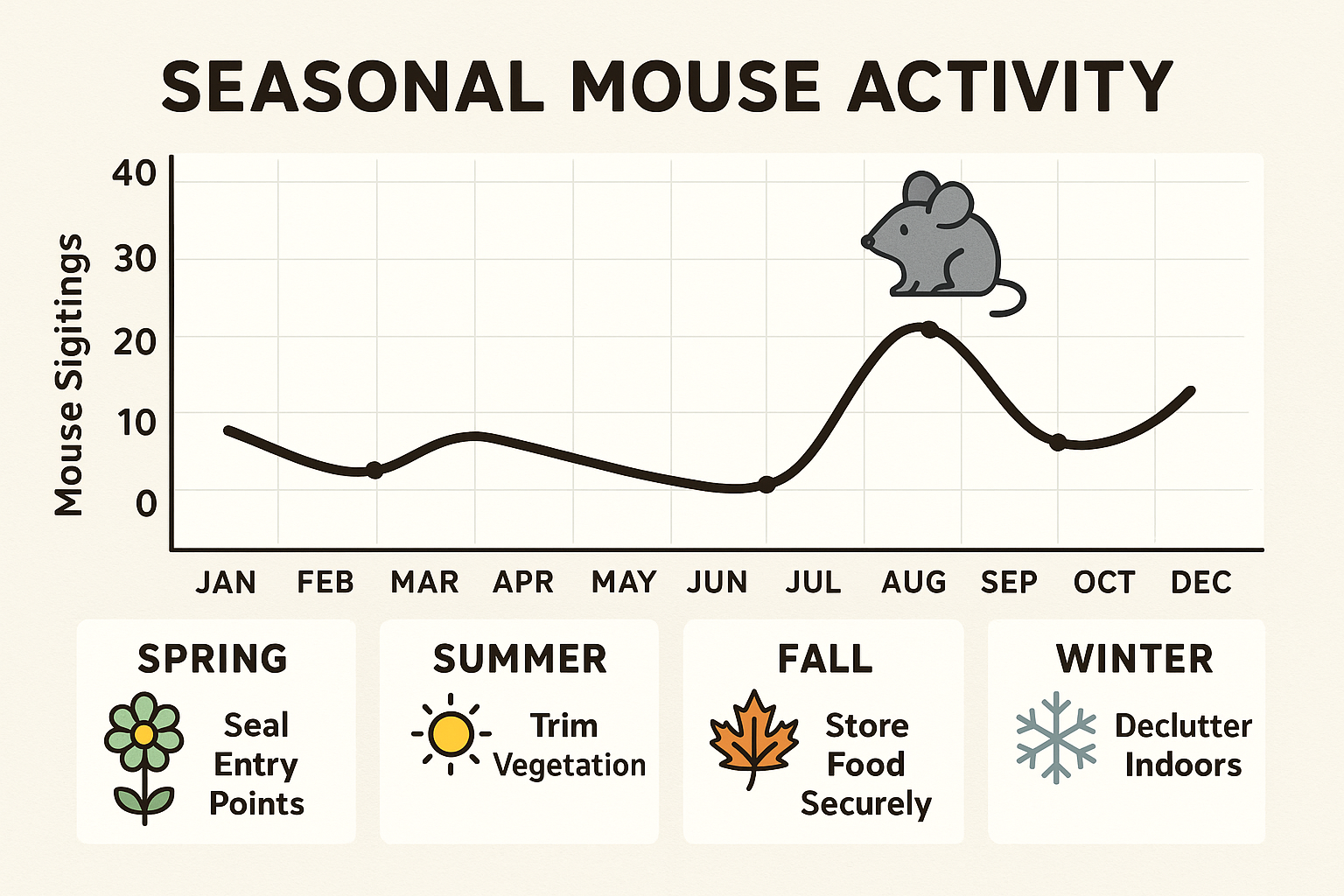
Understanding when mice are most active is the cornerstone of an effective prevention plan. The seasonal activity chart (see infographic below) shows a clear pattern: mouse sightings climb in Fall and peak during the Winter months, while activity eases in the warm Summer. Spring marks the transition period when rodents start scouting for new entry points after the thaw.
Spring – Seal the Deal After the Thaw
- Inspect the foundation, windows, and door frames for cracks opened by winter freeze‑thaw cycles.
- Apply steel‑wool or caulk to any gaps larger than ¼ inch.
- Clear yard debris, such as leaf piles and fallen branches, that can serve as temporary shelter.
- Trim vegetation away from the house to eliminate bridges for rodents.
Summer – Keep the Interior Dry and Food Secure
- Maintain indoor humidity below 50 %; dry basements and crawl spaces discourage nesting.
- Store pantry items, pet food, and birdseed in airtight containers.
- Regularly clean under appliances and behind cabinets where crumbs can accumulate.
- Ensure outdoor grills and trash cans have tight‑fitting lids.
Fall – Prepare Before Mice Seek Shelter
- Inspect attic insulation and reinforce any exposed wiring or vent openings.
- Place snap or live‑catch traps along walls and near known entry points before rodents migrate indoors.
- Check for gaps around utility lines, especially where they enter the home.
- Remove fallen leaves and mulch that sit against the foundation.
Winter – Block the Cold and Keep Warmth Inside
- Maintain a consistent indoor temperature; sudden drops can drive mice to look for warmth.
- Seal gaps around pipes, vents, and chimney flues with expanding foam or metal mesh.
- Check door sweeps and weatherstripping for wear and replace as needed.
- Run a quick visual inspection of the basement and crawl spaces each month.
Regular inspections before peak seasons are vital. A quick walk‑through in late August can reveal emerging entry points, while a March check‑up ensures any winter‑created cracks are repaired before mice become active again.
Anthem Pest’s seasonal service plans are built around these timelines to support effective mouse control Decatur homeowners can depend on year-round. Our Spring Seal-&-Guard package focuses on exterior inspections and gap sealing, while the Fall Shield includes pre-winter trap placement and insulation checks. Homeowners who enroll in the year-round plan receive quarterly visits that align with the checklist above, guaranteeing that no season catches a mouse problem off-guard.
Secure Your Home with Professional Mouse Control Today
Early detection, a professional Integrated Pest Management (IPM) plan, and seasonal prevention are the three pillars that keep mouse activity out of your home. Spotting the first sign—tiny droppings, gnaw marks, or a faint scent—gives you a head start before a small problem becomes a full‑blown infestation. A qualified technician can assess entry points, recommend targeted baiting, and set up a monitoring system that adapts to changing weather patterns. By staying ahead of the season, you protect stored food, structural integrity, and your family’s peace of mind.
Here’s a quick, actionable checklist you can start today:
- Inspect each room for droppings, gnaw marks, or nesting material.
- Seal cracks, gaps, and utility entry points with steel wool or caulk.
- Trim vegetation and remove outdoor clutter that offers shelter.
- Schedule a professional mouse control visit before the first frost.
Taking these steps now puts you in control, but a certified professional can seal the gaps you might miss and deploy safe, EPA‑approved treatments that keep mice away for the long term.
Anthem Pest Control brings nationwide expertise to Decatur homeowners, offering transparent pricing, a free, no‑obligation quote, and treatment options that prioritize your family’s health and the environment. Our technicians follow a strict IPM protocol, so you know exactly what’s being applied, where, and why.
Ready to protect your home? Call us today at 877-371-8196 or visit Anthem Pest Control to request your free quote for professional mouse control Decatur homeowners can rely on. Let our experienced team handle the mouse problem so you can enjoy a quiet, clean house all year long.